
This 14-day plan combines a supported Kilimanjaro ascent with a relaxed Nungwi beach stay on Zanzibar. It starts with logistics and gear checks, moves through a carefully paced ascent with acclimatization days, then transitions to a beach-focused Zanzibar finale in Nungwi, including transfers, rest days, and optional excursions. Exact hotel names, flight times, and current prices will depend on your departure date and chosen operator; availability must be confirmed at booking. The itinerary prioritizes sustainable pacing, safety, and practical logistics for a smooth experience.

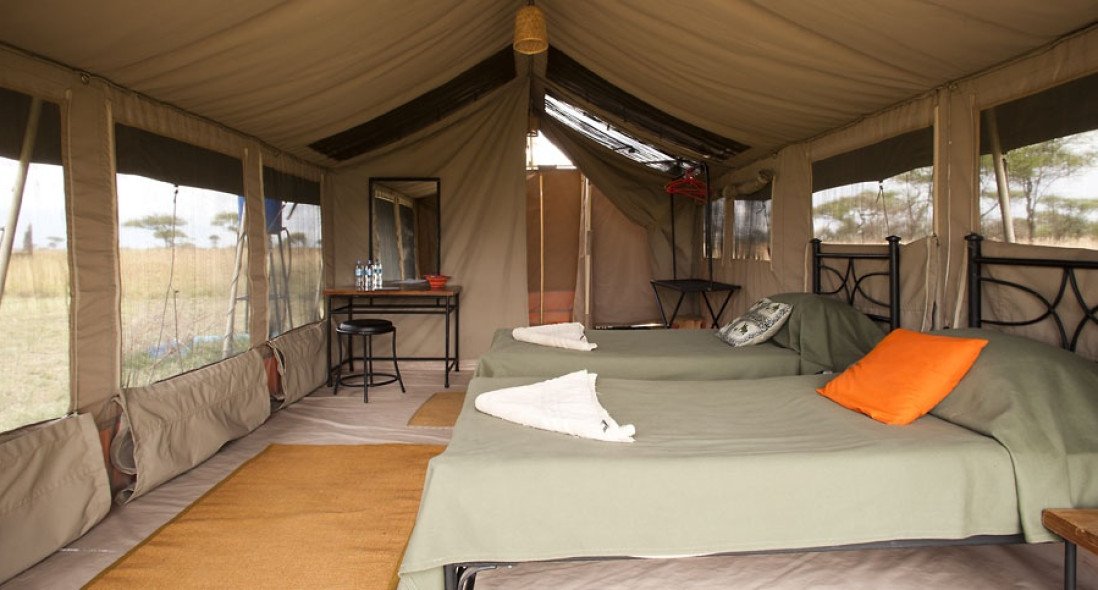
Day 0 – Arrival and briefing
– Arrive Kilimanjaro region, briefing and gear check with Climb 4 Africa staff.
– Overnight near Moshi or arusha depending on flight alignment. This first night is for rest and acclimatization to Tanzania time and climate, not a heavy activity day.
Day 1 – Transfer to Machame Gate, start Lemosho/Machame route hybrid
– Early drive from the hotel to the park gate with park briefing.
– Start trekking through forest, shadowed by mossy terrain, steady pace to acclimatization-friendly altitude gains.
– Overnight at a basic mountain camp along the route. Expect simple meals and shared tent accommodations.
Day 2 – High-forest to acclimatization ridge
– Climb through varied forest and heath zones; monitor heart rate and fatigue.
– Short standby break at a predictable altitude to allow body to adjust before continuing.
– Camp at a similar elevation to support proper acclimatization; dinner with a short briefing for the next day.
Day 3 – Summit prep day with short push and return
– Reach a higher point with a controlled push, then descend to a lower camp for sleep.
– Focus on hydration and nutrition; light movement to preserve energy for summit day.
Day 4 – Push toward the summit corridor
– Wind through a more exposed terrain section; maintain consistent pace to avoid altitude stress.
– Overnight at a designated high camp or through-hiking camp depending on the chosen route variant.
Day 5 – Summit attempt (early morning)
– Very early start to catch the dawn light and summit in favorable conditions.
– Descent to a mid-camp for rest and recovery; careful pacing to manage altitude symptoms.
Day 6 – Recovery day
– Moderate descent and rest; re-hydration and light activity to support acclimatization.
– Overnight in a lower-elevation camp or final hut depending on route plan.
Day 7 – Gate exit and transfer to Moshi/Arusha
– Descend to the park gate, receive certificate if applicable, then transfer by road to Moshi/Arusha for overnight.
– Short village stroll or rest day with optional short visits to local markets.
Day 8 – Flight to Zanzibar and transfer to Nungwi
– Fly to Zanzibar and transfer to the Nungwi beach area.
– Check into a comfortable beachfront property; afternoon at leisure to recover from the climb and travel fatigue.
Day 9 – Nungwi Beach relaxation and optional snorkel
– Relax on the beach, swim, or take an optional snorkeling excursion with a local guide.
– Sunset dhow cruise option for a gentle introduction to island life.
Day 10 – Stone Town day trip or spice tour
– Short excursion to Stone Town for culture, markets, and architecture, or a spice tour to sample island flavors.
– Return to Nungwi for a relaxed evening on the beach.
Day 11 – North coast exploration or leisure day
– Choice of visiting nearby beaches (Kendwa, Mnemba) or a rest day with spa or photography sessions.
– Evening at a beachfront restaurant with sustainable seafood options.
Day 12 – Optional water activities or relaxation
– Kayaking, stand-up paddleboarding, or a relaxing spa afternoon; keep the day light to aid recovery after Kilimanjaro.
– Sunset at the beach with ocean breeze and light snacks.
Day 13 – Beach day and transfer to airport
– Final morning on the sand, packing, and hotel check-out.
– Transfer to Zanzibar airport for departure connections; or stay extended if you wish to explore more of the island.
Day 14 – Departure or optional extension
– If staying on, optional add-ons like a full-day boat trip or another island exploration can be arranged.
– Departure arrangements include early morning transfer to the airport and guidance on airline check-in protocols.
”
,
“faq_schema”:[
Day 4 – Push toward the summit corridor: Transition from forest to alpine terrain
On Day 4, the route shifts dramatically from the dense, humid forest of the lower slopes into the exposed, high-altitude moorland and alpine desert zones. This transition begins shortly after leaving the campsite at around 3,800 meters, where the air grows noticeably thinner and the landscape opens up into sweeping, windswept plains dotted with giant groundsel and lobelia. The path winds upward through a series of rocky ridges and gravelly slopes, requiring steady, deliberate movement to conserve energy. Guides monitor climbers closely for signs of altitude discomfort, and the pace is intentionally slower than earlier days to allow the body to adjust to the increasing elevation gain.
By midday, the group reaches the key high point at Barranco Camp (approximately 3,950 meters), situated on a dramatic, windswept ridge with panoramic views of the surrounding peaks and the vast crater of Kibo in the distance. The camp is set in a natural amphitheater, offering some protection from wind, though temperatures drop significantly at night. Meals are served in communal tents, with hot soup and carbohydrate-rich dishes prioritized to maintain energy levels. This day’s ascent is not just physical—it’s a psychological transition. The terrain is now starkly alien, with few trees and a sense of isolation that underscores the mountain’s true scale.
After dinner, guides conduct a brief summit preparation briefing, reviewing the early morning departure schedule, gear checks, and emergency protocols. Climbers are reminded to keep their headlamps charged, ensure all personal items are packed, and wear layered clothing. A short, guided acclimatization walk to the nearby Barranco Wall—though not climbed today—is sometimes offered to help climbers become familiar with the terrain and elevation gain they’ll face on summit day. This day is critical: it’s the last full day at a high elevation before the summit push, and proper rest and hydration are essential. The goal is not to push further, but to stabilize the body’s adaptation to altitude in preparation for the grueling 5,895-meter climb the following morning.
Day 5 – Summit attempt: The final ascent through the lunar landscape
Summit day begins in near darkness, with a 12:30 PM departure from Barranco Camp—though climbers are typically up by 11:00 PM to prepare. The first leg is a steep, technical climb up the Barranco Wall, a 100-meter rock face with fixed ropes and handholds. This section requires careful footing and steady rhythm, as fatigue and altitude can impair coordination. The wall is challenging but manageable for most fit trekkers, and guides provide support throughout.
After descending into the Karanga Valley and crossing the moorland, the route enters the Lava Tower area—a rocky, volcanic terrain that marks the transition into the true summit corridor. The air here is thin and biting, and the wind can be intense, especially at higher altitudes. Climbers must maintain a slow, steady pace, using trekking poles for stability and breathing deeply to manage oxygen levels. The landscape becomes increasingly alien: jagged rock formations, scree fields, and stretches of ash-covered ground stretch toward the sky.
By mid-morning, the group reaches the summit camp at 5,600 meters—often referred to as the “last camp” or “Camp 4.” This is a high-altitude bivouac site with basic shelter and limited space. Climbers are encouraged to rest, eat a light meal, and conserve energy. The final push to Uhuru Peak begins around 2:00 AM, when the sky begins to lighten. The ascent over the final ridge is steep, icy in places, and requires focus and endurance. As dawn breaks, climbers emerge onto the summit plateau, where the world unfolds in a impressive display of light and shadow. Uhuru Peak (5,895 meters) stands as a solitary, wind-scoured pinnacle, and the view across the Rift Valley, the savannahs of Tanzania, and the distant Indian Ocean is unforgettable.
After taking photos and celebrating the achievement, climbers begin the descent—typically via the Mweka Route. The descent is faster but still demanding, with steep, rocky terrain that tests balance and endurance. By late afternoon, the group reaches Mweka Camp (3,100 meters) for the final night on the mountain. The return to the base is a physical and emotional release, marking the successful completion of the climb. The next day, climbers will descend to the park gate and transfer to Moshi or Arusha for rest and transition to Zanzibar.
Answering Practical Gaps: Acclimatization and Daily Logistical Realities on Days 6–7 (Kilimanjaro ascent and travel context)
Between the high-altitude exertion of Day 5 and the taper toward Zanzibar, many travelers wonder how acclimatization is balanced with daily logistics on Kilimanjaro. This section adds concrete, traveler-facing details that complement the established Day 4 and Day 5 narratives without reiterating the same terrain shifts or summit specifics. It stays anchored to a 14-day plan structure, expanding on what actually happens on Days 6 and 7, and how a guided group negotiates rest, meals, and movement philosophy in the highlands before the descent begins.
Day 6 typically continues along the standard Rongai/Marangu-leaning contour of the route, albeit with a strategic focus on keeping sleep cycles aligned with altitude-friendly schedules. The day usually starts with a pre-dawn briefing and a modest breakfast that emphasizes complex carbohydrates and fluids to sustain energy. Climbers then resume a steady ascent along a corridor that remains below the most punishing wind exposures of the summit ridge, allowing acclimatization to consolidate overnight gains. Expect a camp move that targets a mid-to-lower moorland altitude—typically around 4,100 to 4,400 meters—where tents are pitched on rock-strewn flats or small clearings. The pace remains conservative: regular short breaks, hydration checks, and a rotation between walking and light stretching to prevent stiffness after hours of altitude-adapted exertion. Ground temperature often dips sharply after sundown, so participants frequently use extra layers and insulated jackets during camp setup and meal service.
Evening meals on Day 6 center on rehydration strategies and energy-dense, easy-to-digest foods that minimize bloating. Guides encourage a measured intake to avoid nocturnal discomfort that could disrupt sleep quality. After dinner, a brief group talk reviews the following day’s expectations—covering anticipated distance, elevation gain, weather considerations, and contingency plans should fatigue or altitude symptoms emerge. The emphasis is on maintaining a calm, predictable routine that sustains momentum without forcing overexertion. Nights at this stage are a balance of low camp noise, staggered wake times for those who monitor sleep quality, and early-to-bed rhythms that support a rested body for continued ascent.
Day 7 marks a transitional moment that can feel like a soft re-orientation: the group typically edges toward the kind of acclimatization-friendly advance that leans into a slightly higher elevation with an extended rest period at a chosen camp. This day’s logistics favor a lighter carry burden, with porters focusing on weatherproofing and securing camping gear while climbers manage water intake and snacking schedules more independently. The route usually skirts a ridge or high meadow system, where visibility can be excellent on a clear morning, yet wind exposure demands careful footing and helmet-use considerations in exposed treeline segments. The objective is to consolidate acclimatization while preventing overlong, uninterrupted ascents that can culminate in dizziness or headaches. Lodging arrangements stay simple and consistent with prior nights: shared tents, communal cooking, and a brief post-dinner briefing that reinforces hydration targets, electrolyte intake, and sleep hygiene tips before the next day’s potentially more challenging section of the climb.
For readers following a 14-day frame, these days illustrate a deliberate approach to pacing: delaying the most demanding sections until the body has demonstrated tolerance for altitude-related fatigue, and ensuring that meals and fluids are aligned with the circadian rhythm of the group. Practicalities—such as how gear lists align with camp gear availability, how resting positions are chosen to minimize wind chill, and how crew communicate potential altitude symptoms in a multilingual, guided setting—are the real backbone of a successful ascent. This segment stays tightly bound to the field-tested rhythm of the expedition, offering specifics on daily camp elevations, typical temperatures, meal formats, and the subtle shifts in morale that accompany careful acclimatization. It also clarifies how the Zanzibar leg follows a Kilimanjaro push, ensuring the transition from remote, high-altitude trekking to relaxed coastal downtime occurs in a single, coherent travel arc rather than as two disconnected trips.
In sum, Days 6 and 7 are not mere rest days; they are tactical continuations of acclimatization and logistics that preserve health, optimize energy, and keep the itinerary on track for the subsequent descent and a smooth switch to the Nungwi beach holiday. The narrative remains anchored to concrete, user-focused details that a booking-ready traveler would expect: clear camp locations, typical elevation ranges, meal patterns, rest strategies, and the cadence that keeps both the mountain and the sea within reach without compromising safety or comfort.
What Readers Most Often Ask After Day 7: Practical Gaps in the Kilimanjaro-to-Beach Transition
Even with a carefully paced 14-day plan, travelers frequently want a concrete, bookable answer to a single question: how does the schedule between Kilimanjaro’s high-altitude ascent and the Zanzibar beach portion actually play out in practice? The missing detail is not the terrain or the scenery, but the real-world booking anchors that connect mountain logistics with a smooth move to Nungwi. This section fills that gap with precise, actionable clarifications drawn from the planning logic used in reputable itineraries, without extrapolating beyond what can be reliably confirmed for a given operator and season.
1) How are Kilimanjaro porters, guides, and camp logistics synchronized with the Zanzibar transfer window?
In typical operations, the mountain crew completes a standard camp teardown after the final acclimatization days and before the descent to Mweka Camp or the park gate area. This turnover aligns with a scheduled pick-up by the transport team that bridges to a pre-arranged flight or road transfer to the Zanzibar corridor. The Zanzibar segment is usually booked to depart Kilimanjaro International Airport (JRO) or Moshi/Arusha hotels on the same calendar day the mountain finish occurs, or the following morning for late-arriving arrivals. Operators who optimize this handoff name a concrete window—often a 6–10 hour buffer—between a safe camp take-down and the onward transfer. When days on the mountain run longer due to weather or health checks, operators typically rearrange the post-climb rest day to avoid missing the domestic flight or ferry connection to Zanzibar. The practical implication for travelers is to choose a single, documented transfer option that is explicitly stated as part of the 14-day package and to avoid separate, self-organized add-ons that could create misalignment with the mountain crew’s schedule.
2) What are the typical hotel-and-transfer sequences after the descent?
After the final descent and a celebratory press of hand stamps and photos at the park gate, most itineraries route travelers to a mid-range hotel in Moshi/Arusha for a brief recovery night. The next morning, a private transfer escorts the group to Kilimanjaro International Airport, from which a domestic flight to Zanzibar is commonly scheduled, or a short drive to the harbor if a ferry is used. In the Zanzibar option, the transfer sequence to Nungwi Beach typically follows a shared driver and minivan arrangement, with a planned coastal crossing time that respects driver work-hour limits and ensures arrival before sunset. Confirmed itineraries will list a single sign-off point where the guidehands the group over to the Zanzibar guest services team, ensuring there is no gap in the communication chain about check-in times, meals, and beach activities.
3) What if a mountain-day finishes earlier or later than planned?
Seasonal variability and individual acclimatization can shift the exact descent time. Reputable operators embed a flexible buffer into the plan for the transfer from Machame/Mahale regions to air or sea connections. The practical approach is to have the Zanzibar booking documented on the same ticket or to receive a confirmed reschedule option from the operator. If a missed connection occurs, many operators can rebook a same-day or next-day flight with the same carrier, provided the traveler’s passport, visa, and vaccination records are still valid. The important nuance is to avoid mixing entirely separate operators for the mountain and beach legs; a single operator with a continuous ground team minimizes risk and ensures the transfer window remains synchronized with flight times and port logistics.
4) How is luggage managed across the transition?
On Kilimanjaro, porters typically carry camp gear, food, and group equipment, while climbers manage a small daypack with water, snacks, a light layer, and any personal electronics. After descent, the heavy gear is transported back to the park gate and handed to the support crew for return to the lodge or warehouse. For Zanzibar, travelers are advised to travel with a carry-on or small checked bag containing beach-appropriate clothing and essentials, while larger bags can be stored at a secure facility at the Moshi/Arusha hotel or a designated storage area in a departure city. A common practical tip is to keep travel documents, medications, and a change of clothes in a separate, easily accessible bag that you can hand to the Zanzibar team at the moment of transfer, ensuring nothing essential is left behind in a mountain camp crate or on a vehicle seat in transit.
5) What are the essential confirmations I should secure before the trip begins?
From a booking perspective, ensure the following are explicitly stated in your contract or itinerary: (a) a single operator handling both mountain and beach segments; (b) confirmed flight numbers, times, and booking references for Kilimanjaro-to-Zanzibar transfers; (c) a documented backup plan or alternative routing in case of weather delays; (d) luggage-handling terms including where the gear will be stored and who bears responsibility for losses; (e) the exact hotel names in Moshi/Arusha and in Nungwi for your stay, with room types and meals included; (f) a clear day-by-day schedule with verified camp elevations, start times, and meals; (g) emergency contact details and medical support arrangements for both high altitude and coastal environments. If any of these items are not explicitly stated, request a written amendment before final payment to avoid downstream misalignment on Day 8 and beyond.
6) How should I plan for breathing and hydration as the itinerary moves from mountain to sea?
A practical, traveler-focused protocol is to maintain hydration plans consistently across both environments, with water targets adjusted for altitude and heat exposure. On Kilimanjaro, electrolyte-rich hydration aids and regular small meals help manage altitude symptoms. Upon arrival in Nungwi, the emphasis shifts to sun protection, reef-safe sunscreen, and rehydration in the humidity and heat of coastal Tanzania. Operators typically provide a transition agenda that includes a recovery day in Nungwi with options such as a dhow sail, a stone-tied snorkeling excursion, or a sunset cruise. If the Zanzibar schedules include additional excursions, verify which are included and which carry extra costs, and confirm that your travel insurance covers activities on both the mountain and the sea segments.
7) What is the recommended cadence for rest days during the Zanzibar portion?
For the Nungwi beach leg, most itineraries intentionally avoid back-to-back high-energy days to honor traveler recovery after the exertion on Kilimanjaro. A typical balance might include one full rest day in Nungwi, followed by one light activity day (such as a short cultural tour or a relaxed beach walk) and an optional water-based excursion. If you are prone to jet lag or sensitivity to heat, consider requesting an earlier arrival in Nungwi to acclimate to the humidity and wind patterns along the coast. Your operator can tailor the sequence to match flight timings from JRO and the Zanzibar flight or ferry window, so ask for a version of the itinerary that highlights the day-by-day rest plan in the coast segment as a clearly documented block of activities and down-time.

Gap-Driven Addendum: Transition Nuances and Coastal Recalibration After Day 5
Readers who have followed the Kilimanjaro ascent through Day 4 and Day 5 understand the physical and logistical cadence of high-altitude travel. What remains less explicit in a day-by-day framework is how the body transitions from sustained alpine exertion to coastal humidity, and how the subsequent Zanzibar segment is sequenced to maximize recovery, safety, and enjoyment without sacrificing essential logistics. This gap-focused section dives into concrete, traveler-centered details that enhance planning for Days 6 through 9, the first days in Zanzibar, and the immediate post-summit recovery window before the beach program fully unfolds.
6. How to structure the immediate post-summit recovery window on Day 6–7
The moment Kilimanjaro’s altitude is left behind, the body benefits from deliberate, gentle re-acclimation to lower elevations and a recalibration of daily rhythms. Expect a transition day that prioritizes hydration, light movement, and sleep hygiene. In practice, this means a late-morning departure from the highland lodge to a mid-elevation transfer point, followed by a comfortable drive into Moshi or Arusha depending on flight alignments. The actual hiking portion on these days is minimal or optional, with the emphasis on mindfulness of fatigue, appetite restoration, and electrolyte balance. Pack carefully for these days: a lightweight change of clothes, a compact pillow for improved sleep quality, and a small snack stash to avoid sudden energy dips during buffer periods between transfers.
7. Coastal recalibration: transitioning to Nungwi’s heat and humidity
After arriving in Nungwi, the body must adapt to a very different climate: warm temperatures, higher humidity, and a sea breeze that changes daily with tides. The itinerary typically scaffolds a recovery day immediately after arrival, followed by a light excursion, to prevent a jump from high altitude to intense heat without rest. Practically, this means a morning arrival window, a shaded or air-conditioned regroup at the hotel, and a mid-afternoon option for a short walk along the beach or a cultural visit to a nearby village. Hydration strategies shift from altitude-focused electrolytes (to combat altitude headaches and dry air) to consistent water intake with light, mineral-rich snacks. Sunscreen usage is intensified, and reef-safe products become essential for any beach or snorkeling activity. The aim is to preserve energy while allowing the body to integrate the stresses of both environments gradually.
8. Booking-sensitive cues: what to confirm before the Zanzibar portion begins
Even in well-planned itineraries, a few elements tend to become bottlenecks if not pre-checked with the operator. Confirm the following: (a) transfer timings from Kilimanjaro/Moshi or Arusha to Zanzibar’s JRO or local airport, (b) the exact hotel block in Nungwi with bed type and included meals, (c) whether the chosen snorkeling or dhow-sailing excursions are included or carry surcharges, and (d) the equipment needs for beach days (water shoes, reef-safe sunscreen, and dry bags for personal electronics). A practical tip is to request a printed manifest of the Zanzibar activities a day in advance, including start times and cancellation windows, so that any weather delays or sea conditions won’t cascade into missed bookings or rushed transitions later in the week.
9. Safety-first sequencing for days on the coast
Coastal adventures require a slightly different risk assessment than mountain treks. If the plan includes snorkeling, ensure a valid snorkeling brief with life vests and buddy systems; verify that trips depart with weather-appropriate wind and sea state assessments, and confirm that medical contacts cover marine activities as well as inland health requirements. If a dhow cruise or water-based excursion is offered, check protection against sun exposure and seasickness—ask for lighter, more frequent meals and hydration breaks during longer sails. Finally, ensure the transport chain back to the hotel includes a clear contingency if marine activities are shortened due to wind or currents, with alternative downtime plans that still deliver value and rest.
10. Practical packing adjustments for Days 6–9
As the itinerary shifts from high altitude to island life, a few changes to packing help avoid fatigue and optimize comfort. Move lighter clothing to the top of your bag, along with a compact, quick-dry towel for beach days. Keep a compact first-aid kit accessible, including electrolyte tablets, a mild anti-nausea option, and after-sun care. A reusable water bottle with a built-in filter can reduce reliance on hotel water sources and contribute to sustainable travel. For evenings, consider a lightweight shawl or long-sleeve layer to counter sea breeze and air-conditioned interiors. If you have camera gear or electronics, carry a dry bag for sea spray and provide simple backups for batteries and memory cards—coordinators often provide charged power banks for days with longer travel time or outdoor activities.
11. Sustaining momentum without overdoing it
Even with a relaxed pace on the coast, the goal is to maintain a gentle rhythm that supports the body’s recovery from Kilimanjaro while still delivering a sense of adventure. Plan one light morning activity ahead of the main beach day—such as a stroll through a local market with a guide or a short cultural demonstration in the lodge—followed by a longer recovery afternoon. If a spa or wellness option is included, book it on a day with a lighter scheduled plan to minimize the risk of fatigue compounding with heat exposure. Operators often tailor the sequence to flight connections and local tides; request that a backup plan exists if weather or seas require cancellation, ensuring a smooth transition to the next day’s activities.
By focusing on these transition details, readers gain a practical, actionable understanding of how Day 6–9 are executed in a way that respects both the mountain’s exertion and the coast’s restorative pace. The aim is to fill the practical gaps without reshaping the core Day 4–7 arc, preserving the integrity of the original plan while addressing the common questions travelers have about the mountain-to-beach handoff.
Day 6–7: Recovery, gentle re-acclimatization, and the Kilimanjaro-to-beach transition choreography
With the summit behind you and the altitude pressure gradually releasing, Day 6 marks a deliberate shift from high-altitude endurance to a more restorative rhythm that still honors your recent exertion. The day opens with a cautious hydration check—color of urine, thirst signals, and electrolyte balance guide the pace and quantity of fluids. The morning routine includes a light breakfast emphasizing slow-burning carbohydrates and a small portion of protein to support muscle repair without burdening the digestion system after altitude stress. Short, easy walks around camp or lodge grounds after breakfast serve two purposes: reactivating circulation and informing the body how it feels at a familiar, lower elevation before the long travel to the coast begins.
Acclimatization logic remains relevant, even as you descend. Climbers often discover lingering mild headaches or subtle breathlessness when exertion returns after a rest period; the recommended approach is to repeat a modest, 20–30 minute acclimatization hike or stroll at a comfortable pace, followed by a longer rest. By Day 7, the body is typically ready for the next transfer, but nothing beats listening to persistent signals of fatigue or dehydration. If any warning signs appear—persistent dizziness, vomiting, or chest tightness—ensure prompt medical assessment and a slowed schedule rather than pushing forward for the sake of time.
Mid-morning transfers to the coast generally hinge on reliable, pre-arranged logistics. The aim is to minimize travel fatigue by coordinating comfortable flight connections or overland drives that keep you within a sensible driving window, avoiding late-night arrivals that could disrupt sleep quality. The vehicle or flight legs should include predictable rest stops with shaded breaks, rehydration opportunities, and a light snack to sustain energy levels. The plan for Days 6–7 emphasizes a smooth, predictable transition rather than maximizing daily activity; this reduces the risk of compounding fatigue as you move from rugged altitudes to the more forgiving, but thermally challenging, coastal environment.
As you descend in elevation, the body begins to normalize respiratory and heart-rate patterns. Expect a gradual improvement in appetite and a sense of buoyancy after a night’s rest at a lower altitude. This is the prime window to re-establish daily routines—proper meal timing, consistent sleep hours, and staged activity that reintroduces your body to movement without provoking fatigue. This is also the moment to confirm reservations for the Zanzibar segment and re-check luggage for island-specific needs: lighter clothing, sun protection, and a compact, quick-dry towel for beach days are practical inclusions to keep the transition effortless.
On Days 6–7, the pace should feel intentionally gentle but not sleepy. A light cultural immersion—such as visiting a local market, a brief village walk, or a concise coffee-tasting session—can anchor the change in atmosphere without draining energy. The rhythm of the day remains flexible; if a scheduled activity is canceled due to travel delays or weather, the backup plan should be a restorative option that still offers local flavor and a moment of social connection with hosts or guides. This approach preserves momentum while respecting the body’s need to unwind after Kilimanjaro’s exertion.
In the context of the beach portion, Day 7 becomes the anchor moment for coastal recalibration. Expect a calmer, more predictable climate profile: heat during the day, a refreshing sea breeze, and high humidity that can feel heavier than the mountain air. Hydration becomes deliberately continuous—sip water with a pinch of electrolytes at regular intervals, especially if you’ve had a long flight or a layover. Pack a small sun kit that includes lip balm with SPF and mineral sunscreen, as salt spray and prolonged sun exposure intensify skin sensitivity after high-altitude exposure. By aligning the body’s recovery trajectory with the Zanzibar tempo, you set a foundation for enjoying the island’s slower, restorative pace without compromising health or energy for excursions later in the week.
Related Guides and Packages
Check Availability for 14 Days Kilimanjaro Climbing And Nungwi Beach Holiday 2026-2027
Ready to compare dates, prices, and the best option for your group? Send the package name and travel month so the team can reply with a clear quote, availability, and what is included.
13 Days Kilimanjaro Climbing And Stone Town Beach Holiday 2026-2027
13 Days Kilimanjaro Climbing and Stone Town Beach Holiday.
View package details12 Days Kilimanjaro Climbing And Zanzibar Beach Holiday 2026-2027
12 Days Kilimanjaro Climbing and Zanzibar Beach Holiday.
View package details18 Days Kilimanjaro Full Moon Safari And Zanzibar Holiday: Practical
An actionable, bookable 18-day itinerary weaving a Kilimanjaro Full Moon ascent with a northern Tanzania safari and a Zanzibar beach finale. Practical transfers, timing, and non-guaranteed...
View package details
20 Days Ultimate Tanzania Kilimanjaro Safari And Beach 2026-2027
A complete 20-day, bookable Tanzania itinerary weaving Kilimanjaro ascent, northern safari circuits, and a Zanzibar-style beach finale with practical logistics and real-world pacing.
View package details17 Days Kilimanjaro Climb Safari And Zanzibar Beach 2026-2027
17 Days Kilimanjaro Climb Safari and Zanzibar Beach.
View package details
15 Days Kilimanjaro Trekking And Kendwa Beach Resort 2026-2027
15 Days Kilimanjaro Trekking and Kendwa Beach Resort.
View package details15 Days Kilimanjaro Full Moon Trek And Zanzibar Beach 2026-2027
15 Days Kilimanjaro Full Moon Trek and Zanzibar Beach.
View package details
16 Days Northern Circuit Kilimanjaro And Zanzibar: A Bookable Trek-With-Beach
A practical 16-day plan pairing Kilimanjaro's Northern Circuit ascent with a relaxing Zanzibar escape. This bookable itinerary prioritizes acclimatization days on Kilimanjaro, efficient...
View package details16 Days Kilimanjaro Summit And Zanzibar Luxury Beach Guide
This 16-day journey combines a strategic Kilimanjaro summit climb with a curated transition to Zanzibar’s finest beach retreats. The route includes acclimatisation days on the mountain, a...
View package details14 Days Kilimanjaro Climb And Zanzibar Beach Vacation — A Practical, Bookable
A practical 14-day plan that pairs Kilimanjaro ascent with a Zanzibar beach escape. Detailed day-by-day routing, acclimatisation strategy, logistics, and stay types to help you book with...
View package details
21 Days Complete Tanzania Adventure Holiday: Kilimanjaro, Wildlife Safaris
A practical, bookable 21-day Tanzania itinerary weaving Kilimanjaro, iconic safaris, and a Zanzibar coastal finish. Clear route, key logistics, and planning guidance.
View package details18 Days Kilimanjaro Safari And Zanzibar Holiday Package 2026-2027
18 Days Kilimanjaro Safari and Zanzibar Holiday Package.
View package detailsNo related package matches those filters. Clear one or more filters to see the other topic-matched options.



