
The 7-Day Rongai Route and 3-Day Tanzania Safari blends a gradual Kilimanjaro ascent via Rongai with a concise wildlife-focused safari in northern Tanzania. Expect a well-paced acclimatization profile on Kilimanjaro and a 3-day safari circuit that concentrates on wildlife-rich parks near Arusha and Tarangire, with practical game-viewing priorities, comfortable lodges, and smooth transfers between the mountain and safari legs.
Overview and intent
This article targets travelers who want a practical, adventure-forward combination: a Kilimanjaro ascent that favors the Rongai route for its non-technical terrain and wildlife-rich approach, followed by a compact Tanzania safari to maximize wildlife encounters without extending the trip excessively. You’ll find write-ups on route progress, acclimatization considerations, what to expect logistically, and how to book in a way that stays flexible for weather, group size, and personal pace.
Why Rongai first, then safari
Starting with Rongai reduces early altitude risk for many trekkers because the route climbs gradually and approaches independent valleys with less crowded camps. Ending with a short safari delivers a refreshing reward after summiting, with ample time to wind down before returning home. The 3-day Tanzania safari around northern parks focuses on a clean, logistics-friendly loop—often including Tarangire, Lake Manyara, and a sunset mindset in the Ngorongoro area—without the time sink of longer circuits.
What to expect on the Rongai ascent
The Rongai route approaches Kilimanjaro from the northeast, skirting the forested slopes before opening to moorland and alpine zones. On a 7-day itinerary, you typically alternate between moderate daily hikes and rest/altitude-acclimatization days. Expect sturdy, comfortableo camp-style lodging each night, with meals prepared by your crew and an emphasis on steady pace over rapid progress. Guides will help you manage exertion, keep a steady rhythm, and monitor acclimatization signals.
Key considerations for planning Rongai on a 7-day schedule:
- Altitude management: slower ascents on the first half help your body adapt.
- Terrain expectations: non-technical, but you’ll carry a daypack with layers for changing conditions.
- Support crew: a licensed guide, cook, and porters facilitate a smoother day-to-day experience.
- Distance and pacing: you’ll cover moderate distances with built-in acclimatization days—this reduces fatigue and helps peak performance at the summit.
What the 3-day Tanzania safari focuses on
After finishing the summit and returning to Moshi or Arusha, the safari portion typically concentrates on three high-value wildlife areas within a compact circuit. You’ll want to balance morning game drives (often two per day on safari) with rest and transfer time between camps. While a 3-day window is brief, it’s enough to see a diversity of species and landscapes when you optimize drive times and park focus.
Common safari pacing in a 3-day segment:
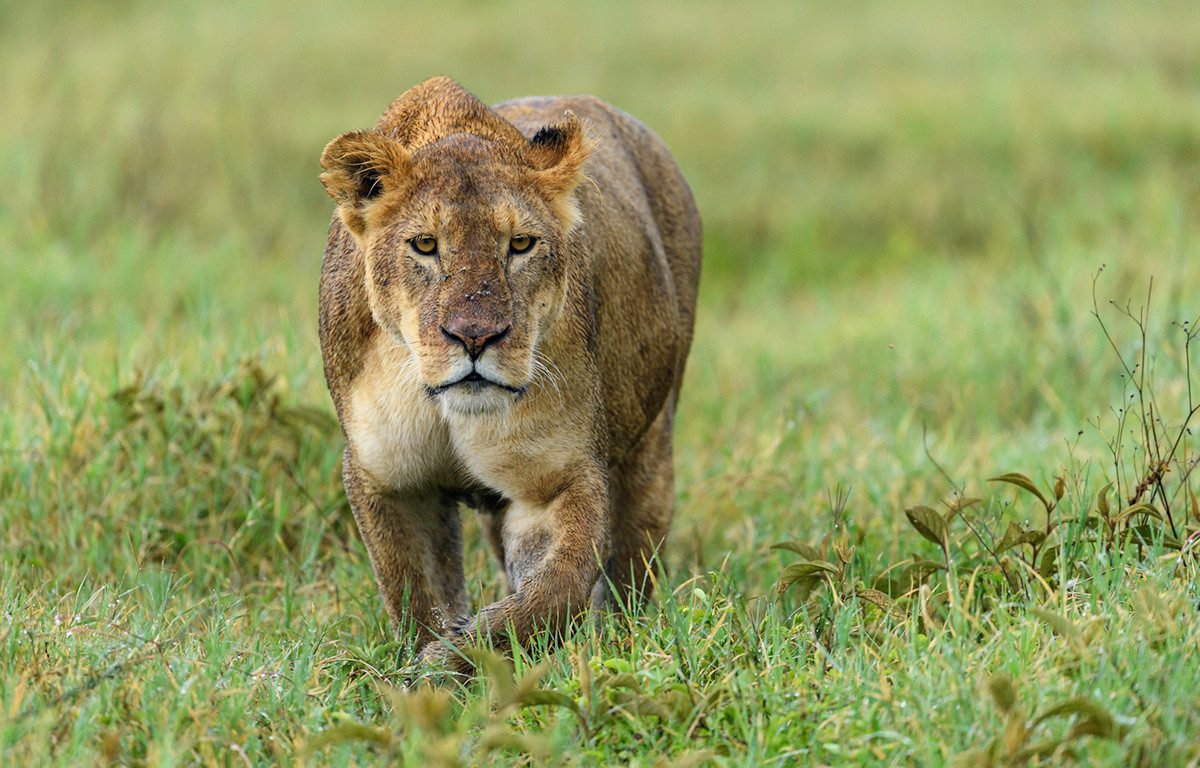
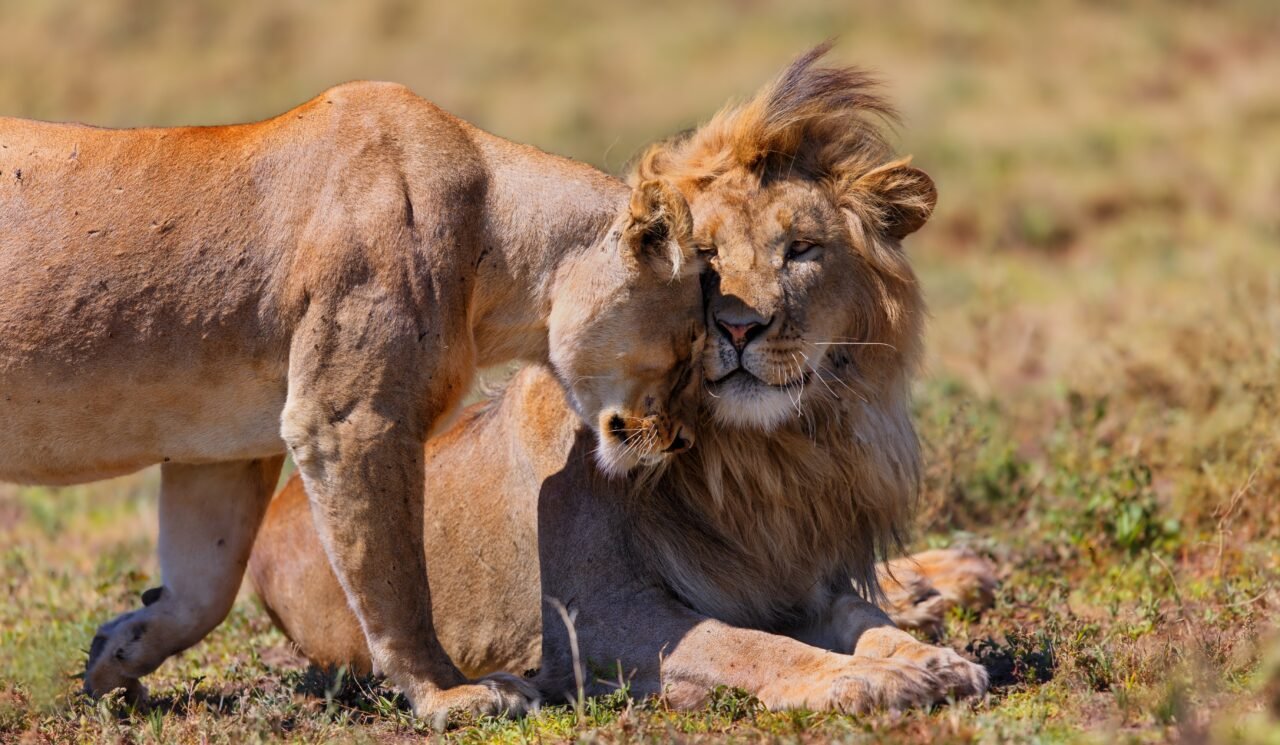
- Tarangire or Lake Manyara as the first wildlife introduction for tree-climbing lions, elephants, and rich birdlife.
- Ngorongoro Crater or a short Ngorongoro Corridor game activity for dense wildlife concentrations.
- Managed transfers to your final airport or return point with a relaxed final evening.
Practical logistics you’ll want to know
Booking a 7-day Rongai plus 3-day Tanzania safari involves coordinating two main segments with careful attention to transfer times, acclimatization, and the gear you’ll need. Here are practical planning notes that help you decide and book with confidence.
1) Gear and packing strategy
- Layered clothing: trekking pants, moisture-wicking base layers, mid-weight fleece, and a windproof shell for summit days.
- Headwear and gloves: warm layers for the altitude and a sun hat for daytime exposures.
- Footwear: broken-in hiking boots and lightweight camp slippers for evenings.
- Daypack essentials: water, snacks, sunscreen, headlamp, and a compact rain shell.
2) Altitude and acclimatization planning
With Rongai’s gradual climb, acclimatization days are a built-in safeguard. Respect your body’s signals, stay hydrated, and communicate with your guide if you feel the need to slow down. The 7-day structure is deliberately designed to minimize altitude-related fatigue and maximize your summit success rate while preserving energy for the safari portion.
3) Safari timing and wildlife windows
Early morning and late afternoon drives tend to yield the best wildlife activity. In a 3-day window, you’ll need to optimize camp locations to minimize long drives and maximize reliable wildlife viewing. Your guide will tailor the sequence to park conditions, wildlife movements, and seasonal factors while ensuring comfortable travel times between the mountain and safari legs.
Where you stay and how you move
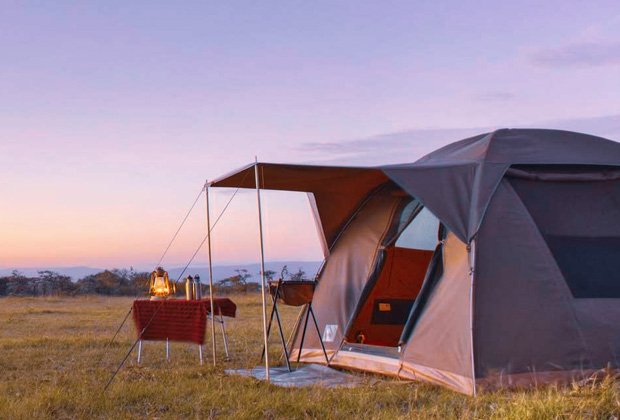
Expect a combination of simple, comfortable lodges or tented camps during the Rongai trek, with the safari leg featuring mid-range to premium lodges chosen for location, scenery, and access to key wildlife areas. Transfer logistics typically involve private vehicle transport from Moshi or Arusha to the Rongai starting point, and then a short drive from the trek’s end to your safari gate, followed by onward transfer to the next destination or the airport.
Safety, sustainability, and local support
Choosing a responsible operator with strong local support matters for safety, credible guiding standards, and respectful engagement with wildlife and communities. A reputable operator will provide experienced licensed guides, emergency procedures, and clear expectations around tipping, waste management, and cultural sensitivity. Expect a focus on minimal environmental impact and responsible wildlife viewing practices that avoid crowding or disturbance.
How to decide if this combination fits you
Consider this pairing if you want a balanced, less technical Kilimanjaro climb paired with a compact wildlife Safari that still offers meaningful wildlife encounters. If you’re seeking a longer safari or a more intense summit experience, you might prefer alternating days or adjusting the route choice. Talk to a trusted operator about your fitness level, travel pace, and any special interests (birding, big cats, or rainforest species) to tailor the experience.
What comes next in your planning journey
To move from concept to booking, align your
Mountain acclimatization mindset: building resilience beyond the trail
An often overlooked yet crucial element of a successful Rongai ascent followed by a Tanzania safari is cultivating a mindset of gradual adaptation—both physically and culturally. Beyond the minutes spent hiking and the hours spent in game-viewing vehicles, climbers who perform best approach the journey as a holistic process that respects altitude physiology, pacing, sleep quality, and recovery strategies. The Rongai route’s slower ascent isn’t merely a logistical choice; it creates a rhythm that primes your body to adjust to changing air pressure, temperatures, and wind exposure. In practice, this means actively listening to fatigue signals, prioritizing rest on acclimatization days, and using slow, deliberate movements during sections that feel demanding. It also means preparing mentally for the idea that progress may be non-linear: a day that feels easy can be followed by a day that tests your endurance without warning.
To translate this into concrete habits, consider a few field-tested routines. Start every morning with a light mobility sequence to ease the transition from sleeping posture to hiking stance. Hydration should be steady, not periodic; sipping small amounts frequently reduces the risk of headaches and helps regulate body temperature across the day. On the mountain, your guide will orchestrate pacing, but you can contribute by keeping a relaxed jaw, loose shoulders, and even breathing patterns that minimize tension in the chest. On altitude days, a brisk, early-evening walk around camp can promote circulation and help normalize sleep, while your sleep environment—earplugs, a warm layer, and a consistent bedtime—supports deeper rest. These habits compound over the 7-day arc, setting you up for a smoother summit push and a sharper, more conserved energy reserve for the safari ahead.
The segment from the Rongai ascent to the safari is a transitional period where physical conditioning intersects with practical logistics. A clear plan for post-summit recovery can be as valuable as pre-trek training. Some travelers intentionally allocate a light, low-activity buffer day after the trekking leg, using that time to hydrate, gently stretch, and rehydrate electrolytes before the vehicle ride to the safari corridor. This pause helps prevent the fatigue that can blur the experience of later wildlife encounters. In terms of packing, keep a spare energy bar and a small thermos of hot drink for the vehicle transfer—these small comforts contribute to a steadier mood and can mitigate the edge that sometimes comes with long travel days.
Wildlife-viewing discipline and safari readiness
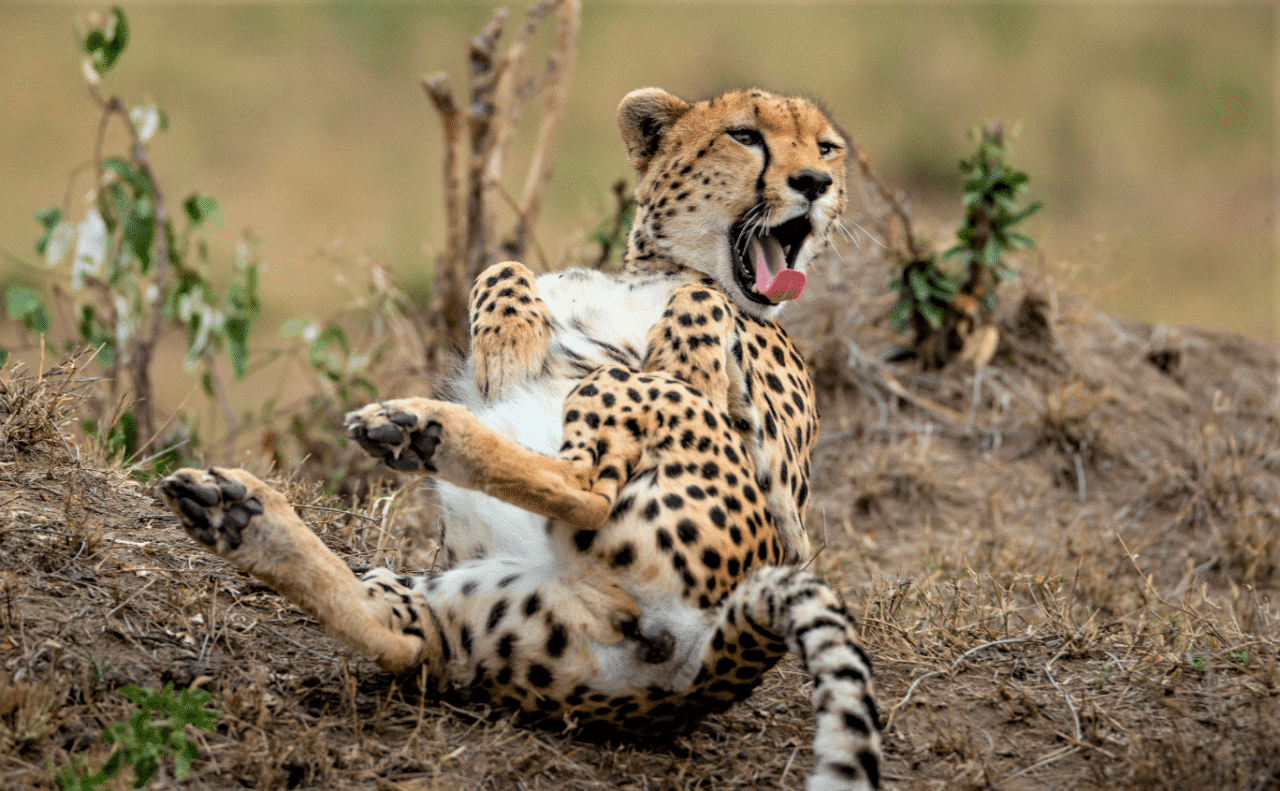
On the 3-day Tanzania safari, your attentiveness and patience are as essential as binoculars and camera gear. The best light and the most dramatic animal interactions often occur in the hours before dawn or just before dusk. Cultivating a quiet, observant presence—without forcing moments—helps your guide interpret animal behavior and predict favorable viewing windows. Bring a lightweight notebook to jot down quick observations about animal signs, weather changes, and any park rules that affect visibility or access. Noting these details over a few days can deepen your understanding of Tanzania’s ecosystems and make sightings more meaningful than a checklist of “big five.”
Socially, the safari phase is an opportunity to learn from guides and lodge staff who bring decades of field experience. Engaging respectfully—asking about animal behaviors, conservation challenges, or local traditions—builds rapport and enriches your experience. It also contributes to responsible tourism practices, reinforcing a culture where wildlife viewing remains sustainable and where communities benefit from conservation-minded visitors. Practical courtesy—sticking to designated tracks, keeping noise to a minimum, and respecting quiet hours at camp—helps preserve the very environments you’re hoping to observe.
Gear mindfulness for the combined journey
The gear you carry for a combined Rongai trek and safari should emphasize reliability, comfort, and adaptability rather than sheer volume. For climbing, a well-fitted boot, gaiters, and a layered system that blocks wind and retains heat worth their weight: cotton-free base layers, a mid-layer fleece, and a water-resistant outer shell are a reliable trio. For the safari portion, comfortable walking shoes, a sun-protective hat, and a light rain jacket are often more critical than heavy gear. Pack with flexibility in mind: items like a compact travel towel, a compact first-aid kit, and a small energy reserve can be the difference between a dream day and a delayed plan. If you have specific needs—glasses, contact lenses, or medications—coordinate with your operator to ensure safe handling and easy access during transfers and in camps where medical support is limited relative to a city hospital.
Communicating pace and expectations with your guide
Open dialogue with your guide creates a safer, more enjoyable itinerary. Before departures, share your fatigue thresholds, medical considerations, and any acclimatization concerns. Throughout the trek, check in with the guide during scheduled breaks to assess how you’re feeling and whether you should speed up, slow down, or rest longer. This collaborative approach often translates into a higher success rate for the summit and more relaxed safari days. If you’re traveling with companions, agree on a shared signal for when someone needs a slower pace or a break—small practices like these prevent miscommunications and help the group stay cohesive without compromising individual needs.
Preparing for mixed terrain and time management
The Rongai route is known for its consistent, moderate grade, but the physical demands shouldn’t be underestimated, especially when you factor in the safari’s travel days and early wake-up times for game drives. A practical preparation plan begins several months before departure and includes progressive cardio workouts, knee-friendly leg strengthening, and optional acclimatization simulations. If you’re already at a reasonable fitness level, you can tailor a 6–10 week plan that alternates long hikes with interval training and restorative days. For those with less time, focus on building endurance through regular, moderate activity and short, steep hikes to simulate the legwork of steep Kilimanjaro terrain. The goal is to arrive with a functioning aerobic base, resilient joints, and a dry-tongue smile ready for the first cold dawn on the mountain and the sun-drenched plains of the northern parks.
In the kitchen and campsite context, learning to manage energy intake on challenging days is valuable. Prioritize complex carbohydrates for sustained energy on ascent days and higher-protein meals to support muscle repair after long drives on safari days. If you have dietary restrictions, discuss them with your operator well in advance so that camp cooks can tailor menus without sacrificing nutrition or flavor. Small, intermittent snacks—nuts, dried fruit, or a bite-sized energy bar—are helpful during long breaks or wildlife-watching sessions when a full meal isn’t practical.
When the Mountain Meets the Safari: managing time and pacing across two environments
A key but often underexplored aspect of combining a Rongai ascent with a Tanzania safari is how to harmonize the demands of high-altitude trekking with the rhythm of wildlife viewing. The Rongai ascent imposes a gradual, repetitive workload—days with steady, moderate miles interspersed by acclimatization days—while the safari segment compresses animal activity into early mornings and late afternoons, with long, quiet mid-day stretches between drives. The contrast can be exhilarating, but without deliberate pacing and anticipatory planning, fatigue can creep in and color both experiences.
Think of your trip as two linked but distinct arcs: the mountain arc trains your body to manage altitude and steady elevation gain; the safari arc trains your senses to read animal behavior, light, and weather in a few precious windows. To navigate the transition smoothly, you’ll want to maintain a light, adaptable approach to energy reserves. On Kilimanjaro, your energy budget is spent in concentrated bursts—hiking, rest, meals, and camp chores repeat with predictable cadence. On safari days, the energy is spent in observation, maneuvering a vehicle, and quick, intermittent bursts of activity around wildlife hotspots. Keeping a simple energy ledger in your mind helps you avoid overreaching in one segment and under-conditioning in the other.
Hydration management becomes doubly important in this format. High-altitude days magnify dehydration risk due to increased respiration and dry air, while long drives on safari can mask thirst because of wind, sun, and the sensation of air conditioning. A practical approach is to sip at regular, small intervals—20–30 minutes for a consistent hydration rhythm—whether you feel thirsty or not. Alongside water, consider electrolyte-enhanced drinks on ascent days to sustain sodium balance during altitude exposure, then switch to water-rich meals and herbal teas during safari afternoons to maintain comfort without overloading the stomach after heavy meals.
Sleep quality across the two environments also affects performance. Mountain nights tend to be cooler, with potential for early wake-up calls. Safari nights are often warmer but can be humid and restless due to animal activity and nearby sounds. Prioritize a travel-ready sleep routine: a consistent bedtime across the trip, a warm layer for mountain camps, and a compact, comfortable sleep system that travels well between camps and lodges. If you’re a light sleeper, packing a small ear plug and a compact eye mask can noticeably improve restorative sleep and the next morning’s decisions on pace and posture.
Guide collaborations take on additional importance when transitioning between environments. Your Rongai guide is attuned to altitude and terrain, while the safari guide-or-vehicle team focuses on animal behavior, park rules, and safe vehicle handling. Proactive communication about pace, rest days, and drive times helps both sides coordinate your schedule. If you anticipate days with longer game-drives, discuss with your guides how to structure breaks and snack stops to prevent fatigue from overlong periods of sitting or stopping. A well-timed short break in a scenic overlook can reset attention for the next wildlife encounter just as a mid-day acclimatization rest resets the mountain’s demand on your lungs and legs.
Weather coupling between the two segments is another practical angle. Kilimanjaro’s mornings can be icy and clear, turning to wind and cloud cover as you ascend. Northern Tanzania’s weather patterns bring warm afternoons and sudden showers in the plains, with fog or cool air near crater rims at Ngorongoro and Tarangire’s riverine edges. Dressing in layers that can be shed quickly, and packing impermeable but breathable rain gear for the safari days, keeps you comfortable through shifting conditions. A compact, packable layer strategy also reduces fatigue by minimizing the effort required to adjust clothing throughout the day.
For readers considering the long view, this dual itinerary offers a unique opportunity to reflect on how environments shape movement and perception. The mountain teaches patience and gradual progress; the safari teaches attentiveness to momentary cues—track impressions, scent in the air, the way light lingers on acacia silhouettes. By planning to honor each environment’s tempo, you preserve the magic of both and avoid chasing one afterglow at the expense of the other.
Maintaining momentum between mountain and savannah: pacing and recovery in practice
One of the most practical yet underexplored aspects of pairing a Rongai ascent with a short Tanzania safari is how to structure recovery days and light active moments to sustain energy without losing momentum. The key idea is to treat the transition zones—between altitude, camp routines, and the open plains—as deliberate opportunities to reset, not as procedural gaps to be filled.
On Kilimanjaro, your days are defined by altitude bands, with camp schedules built around a steady uphill rhythm and scheduled rest. Immediately after summiting, your body is still recovering from hypoxic stress, even if you feel outwardly charged. Plan at least one light, non-strenuous activity day after the finish of the ascent before you enter the safari leg. This can be a leisurely city or village excursion, a short, low-intensity cultural walk, or a relaxed afternoon at a lodge with a view. The aim is to allow your cardiovascular system to settle back toward baseline while your legs rebuild their familiarity with daily movement without the burden of altitude-related fatigue.
During the safari segment, you’ll likely encounter longer travel days and early starts for game drives. Build a cadence that includes micro-rests and staggered meals at camp or lodge to balance the adrenaline of wildlife viewing with the need for recovery. If your itinerary permits, insert a half-day of rest between intense morning drives and late afternoon game viewing so your body can process gear shifts, vehicle heat, and the occasional long drive without accumulating irritability or fatigue. A simple practice—stepping away from the vehicle for five quiet minutes, focusing on breathing, and letting the senses reset—can translate into noticeably crisper observations when animals reappear on the horizon.
Nutrition plays a pivotal role in sustaining this dual pace. Kilimanjaro’s camps provide hearty, warming meals designed to replenish glycogen and support steady energy through the ascent. Transitioning to the safari, lean toward meals that maintain energy without heavy heaviness in the stomach. Favor balanced plates with carbohydrates for sustained energy, moderate protein, and a productive amount of hydration. If you’re prone to stomach upset in warm climates, consider bringing a small stash of easily digestible snacks—water-rich fruits, nuts, or energy bars—patterned to align with the day’s drive schedule. Your guide can advise on convenient snack stops during longer drives while respecting park rules and wildlife safety.
Sleep quality remains foundational across environments. Mountain camps can be cooler, with variable wake times and the hum of wind through tents. Safari lodges, while more comfortable, introduce different ambient noises—crickets, distant hippo calls, or the soft rustle of night wildlife. To optimize restorative sleep, carry a compact sleep kit: a lightweight sleep mask, a thin ear plug, and a familiar sleep routine that you can replicate whether you’re in a tent or a lodge. If you have skin sensitivities, a mild moisturizer can help your sleep comfort in both environments, reducing the chance that discomfort disrupts rest between drives or post-summit days.
Communication with your guides remains crucial for maintaining rhythm. Your Rongai guide tracks altitude, pace, and terrain, while the safari guide or vehicle crew monitors animal behavior, park rules, and safety. Before departure each day, share any residual fatigue, recent meals, or changes in sleep quality. Short, direct check-ins at breaks help both teams tailor the day—adjusting drive lengths, choosing scenic stops, or reordering the sequence of activities to protect energy and focus. This collaborative pacing often yields more reliable wildlife sightings because you’re less likely to be overtired during peak animal activity windows.
Weather adaptability is another practical lever. The mountain’s morning clarity can quickly give way to cloud cover, wind, or chilly gusts, while plains experiences warmer afternoons with sudden showers. Layering remains your best tool; a compact system that includes a breathable mid-layer and a light waterproof outer layer can be deployed quickly across both segments. Packable rain gear for the safari not only protects you from showers but helps you stay comfortable during long drives where sun can switch to shade and humidity. A small, quick-drying towel can be handy for wiping sweat during drives or refreshing between game-viewing blocks.
Finally, a small mindset shift can enrich your experience. Treat the two environments as complementary teachers: the mountain teaches restraint, deliberate stepping, and tempo; the safari teaches anticipation, situational awareness, and the ability to read light and movement. By honoring each environment’s tempo, you maintain a sense of curiosity and joy rather than letting fatigue rewrite the day’s story. The result is a smooth, memorable journey where pacing decisions empower rather than exhaust you, and where the mountain’s quiet magnetism and the savannah’s dynamic energy converge into a single, coherent adventure.
Related Guides and Packages
Check Availability for 7-Day Rongai Route And 3-Day Tanzania Safari
Ready to compare dates, prices, and the best option for your group? Send the package name and travel month so the team can reply with a clear quote, availability, and what is included.
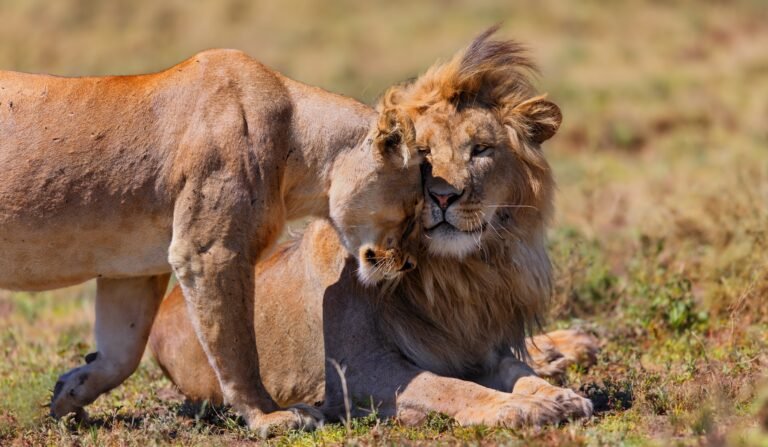
8-Day Lemosho Route And 4-Day Tanzania Safari
8-Day Lemosho Route and 4-Day Tanzania Safari.
View package details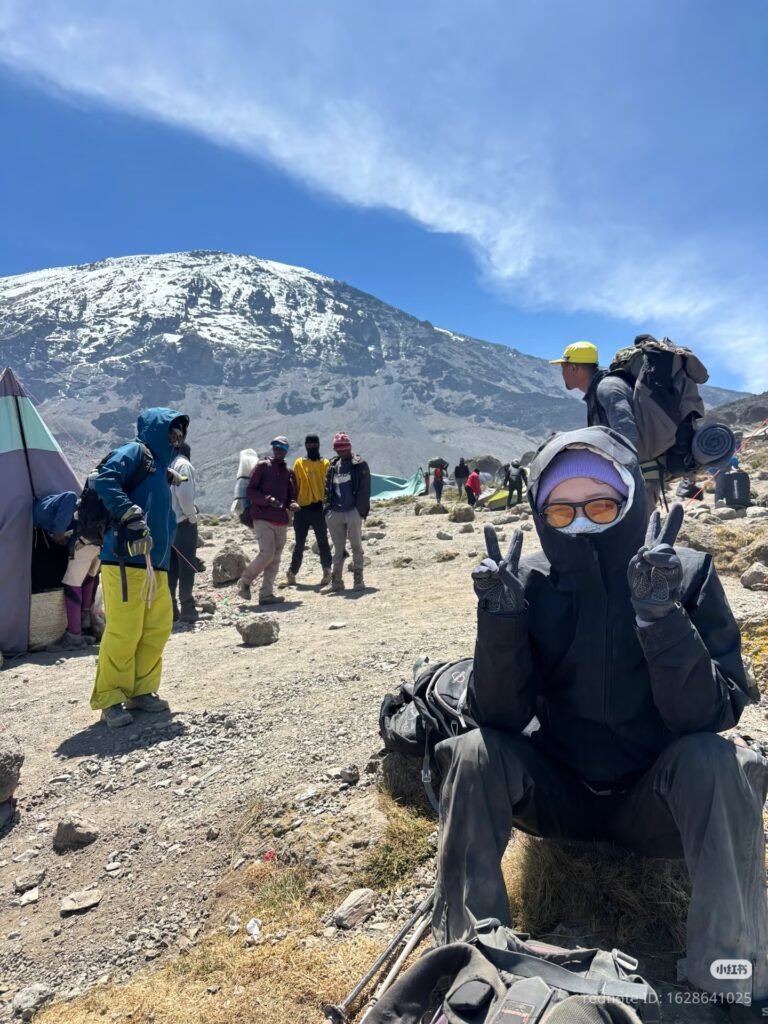
8-Day Lemosho Route And 3-Day Tanzania Safari
8-Day Lemosho Route and 3-Day Tanzania Safari.
View package details
12 Days Rongai Route And Tanzania Wildlife Safari 2026-2027
12 Days Rongai Route and Tanzania Wildlife Safari.
View package details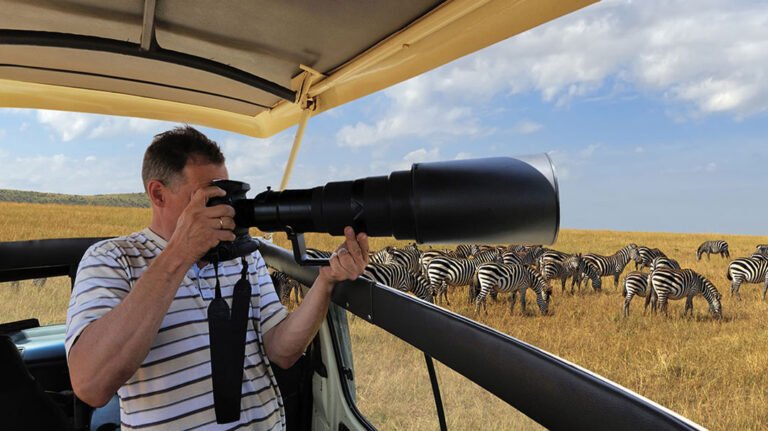
7 Days Machame Kilimanjaro Climb And 5 Tanzania Safari
7 Days Machame Kilimanjaro Climb and 5 Days Tanzania Safari.
View package details8-Day Lemosho Route And 5-Day Serengeti Safari: A Practical, Scenery-Rich
Conceive a two-part Tanzania adventure: an 8-day Lemosho ascent on Kilimanjaro paired with a 5-day Serengeti wildlife safari, designed for steady acclimatization and in-depth safari time.
View package details7-Day Machame Route And 4-Day Serengeti Safari
7-Day Machame Route and 4-Day Serengeti Safari.
View package details7-Day Machame Route And 3-Day Big Five Safari
7-Day Machame Route and 3-Day Big Five Safari.
View package details8 Days Kilimanjaro Trek And 3 Tanzania Safari
8 Days Kilimanjaro Trek and 3 Days Tanzania Safari.
View package details
13 Days Lemosho Route And 4 Tanzania Safari 2026-2027
13 Days Lemosho Route and 4 Days Tanzania Safari.
View package details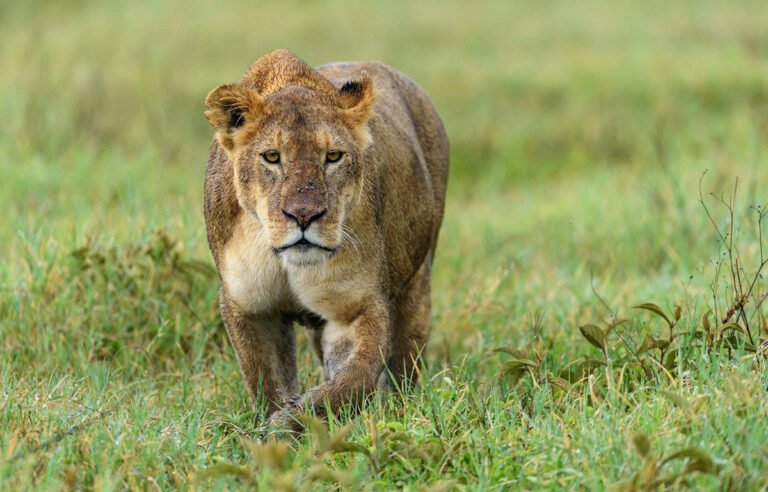
6-Day Marangu Route And 2-Day Tanzania Safari
6-Day Marangu Route and 2-Day Tanzania Safari.
View package detailsCombine The Challenge Of Kilimanjaro With Wild Beauty Of Tanzania’s Serengeti
This integrated 6-day Machame climb and 3-day safari combines the physical challenge of summiting Africa’s highest peak with in-depth wildlife encounters in the Serengeti and Ngorongoro...
View package details
6 Days Kilimanjaro Trek And 2 Tanzania Safari: A Practical, Bookable Route
A practical, bookable 6-day Kilimanjaro trek paired with a 2-day Tanzania safari. Detailed day-by-day route, acclimatization steps, drive routing, and realistic safari opportunities.
View package detailsNo related package matches those filters. Clear one or more filters to see the other topic-matched options.



