
When comparing Precision Air vs Air Tanzania: Domestic Flight Prices, it is rarely a simple question of which airline is cheaper. Instead, the decision hinges on the specific route network, baggage allowance, and your overall travel schedule. Air Tanzania, as the national carrier, often provides a broader network with varied aircraft types, while Precision Air has historically focused on specific regional hubs with a consistent ATR fleet. For travelers planning their 2026-2027 Tanzania itinerary, the ‘best’ price is usually the one that aligns with your safari or Kilimanjaro transfer schedule without requiring overnight layovers in Dar es Salaam or Arusha.
Understanding the Pricing Landscape
Domestic flight pricing in Tanzania is highly dynamic. When you search for fares, you are rarely looking at a fixed tariff. Instead, you are viewing a yield-managed price that shifts based on how far in advance you book, the time of year (peak safari season versus the long rains), and the specific aircraft capacity on that route. Both Precision Air and Air Tanzania utilize revenue management systems where the lowest fare buckets sell out first.
It is important to recognize that a low base fare is not always the final cost. When evaluating Precision Air vs Air Tanzania: Domestic Flight Prices, you must factor in the true cost of your ticket, which includes mandatory airport taxes, fuel surcharges, and potential fees for checked baggage. If you are traveling with climbing gear for Kilimanjaro or safari equipment, a ‘cheaper’ ticket that charges high excess baggage fees can quickly become more expensive than a premium fare that includes a higher weight allowance.
Precision Air vs Air Tanzania: Operational Differences
To understand the price, you must first understand the operator. Precision Air has spent decades refining its role as a regional specialist. Their fleet, primarily composed of ATR turboprop aircraft, is perfectly suited for the short-to-medium-haul hops between major Tanzanian cities and secondary airstrips. Their pricing model often reflects this regional focus, sometimes offering competitive rates on high-volume routes like Dar es Salaam to Kilimanjaro or Zanzibar.
Air Tanzania, conversely, operates as the national flag carrier. They maintain a mixed fleet that includes both regional turboprops and larger jet aircraft. This gives them the flexibility to handle high-demand routes with greater capacity, which can sometimes stabilize prices on popular business and tourist corridors. However, their schedule can be subject to change as they manage a wider network. For travelers, this means that reliability—not just the initial ticket price—should be a key factor in your decision. A flight that is cheaper but prone to schedule shifts can compromise your entire safari or trek itinerary.
Quick Comparison: What Matters to Travelers
| Feature | Precision Air | Air Tanzania |
|---|---|---|
| Fleet Focus | Regional ATR specialists | Mixed fleet (Regional & Jet) |
| Network | Regional hub-to-hub emphasis | National connectivity |
| Pricing Strategy | Dynamic, volume-based | Dynamic, network-based |
| Best For | Consistent regional connections | Connecting to international/long-haul |
Factors Influencing Your Ticket Price
Beyond the airline brand, several external factors will dictate what you pay for your domestic flight in 2026-2027. First is the seasonality of Tanzanian travel. During the peak months of July, August, and September, demand for flights to Kilimanjaro and the Serengeti airstrips surges. During these times, airlines are less likely to offer promotional fares, and the cheapest seats disappear weeks or even months in advance. You can read more about how these seasonal changes impact costs in our guide on cheapest domestic airlines in Tanzania.
Second, consider the booking window. While last-minute deals occasionally appear in the global airline industry, this is not the standard in Tanzania. Domestic routes are often serviced by a limited number of seats per day. Booking your flights as part of a cohesive travel package is usually the most effective way to secure a price that doesn’t fluctuate wildly. When you work with a local operator, we can often monitor these fluctuations and advise on the best time to book to avoid the highest price tiers.
Finally, look at the hub connectivity. If you are flying into Dar es Salaam from an international destination and connecting to a safari, your domestic flight price might be tied to your international ticket if you book them together. However, if you are booking separately, ensure your connection time allows for the inevitable variances in domestic schedules. An airline that offers more daily frequencies on your specific route provides a safety net that a cheaper, once-daily flight cannot match.
Booking Strategies for 2026-2027
When you are ready to book, the process can feel overwhelming if you try to manage every flight independently. The most practical approach is to determine your itinerary requirements first. Are you heading straight from the airport to a Kilimanjaro climb? Or are you spending a night in Arusha or Dar es Salaam? If you have a tight schedule, the price difference between Precision Air and Air Tanzania becomes secondary to the reliability of the flight.
For travelers who prefer to have their logistics handled, we strongly recommend booking your flights in conjunction with your wider trip. At Climb 4 Africa, we assist our guests in coordinating their domestic flights to ensure they align perfectly with their safari departures or mountain climbs. This helps avoid the common pitfalls of self-booking, such as choosing a flight that arrives too late in the day to make your onward transfer. You can find more context on the trade-offs between air travel and other transport methods in our article on whether Tanzania domestic flights are cheaper than private transfers.
If you have questions about which airline currently offers the best schedule for your 2026-2027 travel dates, feel free to reach out to us directly. You can contact us via WhatsApp at +255 747 477 898, or send an email to climb4africa@gmail.com or our backup address info@climb-4-africa.com. We are here to help you navigate the logistics, ensuring your focus remains on your adventure, not on flight scheduling conflicts.
Navigating Potential Delays
One final, crucial aspect of comparing these two airlines is how they handle disruption. While both Precision Air and Air Tanzania aim for punctuality, weather conditions and operational demands can cause delays. When you book a flight, look beyond the ticket price to the airline’s frequency on that route. If an airline operates three flights a day between your points of travel, they have more capacity to rebook you if your flight is delayed. If they only fly once, a delay can cost you a full day of your safari or mountain trek.
Always verify the baggage policy at the time of booking. Many travelers are caught off guard by weight restrictions on smaller aircraft. If you are traveling with heavy camera equipment or specialized gear for your Kilimanjaro climb, confirm the excess baggage rates before you commit to the cheapest fare. Sometimes, paying a higher fare class that includes a larger baggage allowance is significantly cheaper than paying the ‘excess baggage’ fees at the check-in counter on the day of departure.
By prioritizing reliability and total trip cost over the lowest advertised base fare, you will create a much smoother travel experience in Tanzania. Whether you choose Precision Air or Air Tanzania, the key is to ensure your flights are integrated into your overall itinerary, giving you peace of mind as you explore the beauty of East Africa.
Payment Gateways and Currency Nuances: The Final Price Variable
Beyond the base fare and baggage fees, the actual mechanics of the transaction can significantly influence the final amount debited from your account. When booking domestic flights in Tanzania, travelers often encounter friction at the payment gateway stage. Both Precision Air and Air Tanzania operate digital booking platforms designed to handle international credit cards, but these systems can be sensitive to the security protocols of foreign banks. It is not uncommon for a transaction to be flagged as ‘suspicious’ by an international bank, leading to failed bookings at the exact moment you are trying to secure a low-fare bucket. Always ensure your bank is aware of your travel plans to prevent these automated blocks.
A recurring point of confusion involves currency selection and conversion. While prices are often quoted in USD for international travelers, the underlying booking environment is predominantly TZS-based. If you pay via an international credit card, your bank will apply its own exchange rate, which may differ from the rate used by the airline’s website at the time of booking. To avoid unexpected charges, check whether your bank applies foreign transaction fees on top of the currency conversion. In some instances, paying in the local currency (TZS) via a local mobile money service—if you have access to one through a local contact or registered account—can be more cost-effective, though this is rarely a practical option for short-term international visitors.
Furthermore, be cautious when using third-party flight aggregators or online travel agencies (OTAs) to compare Precision Air vs Air Tanzania prices. While these sites are excellent for visibility, they occasionally display ‘ghost fares’—prices that have already been sold out but have not yet updated on the aggregator’s server. When you attempt to finalize the booking on the aggregator site, the price may suddenly ‘jump’ to a higher tier. Additionally, if you book through an OTA, any changes, cancellations, or rebooking needs must be handled through their customer support, which is often far less responsive than the airlines’ direct support channels. For the most reliable pricing and the ability to manage your booking directly, booking through the official airline website is almost always the superior strategy, despite the minor convenience of aggregator interfaces.


The Hidden Costs of Baggage and Ticket Flexibility
When analyzing Precision Air vs Air Tanzania: Domestic Flight Prices, the base fare displayed on search engines often acts as a lure rather than the final financial commitment. A critical component that differentiates the total cost of ownership for a flight is the airline’s ‘fare family’ structure. Both carriers have moved toward tiered pricing models where the lowest advertised fare is frequently a ‘Light’ or ‘Basic’ economy ticket. These entry-level tickets typically restrict passengers to a strict carry-on allowance—often limited to 7kg—and exclude checked baggage entirely. For the average domestic traveler, this is rarely sufficient, especially when considering the gear required for safari excursions or mountaineering expeditions on Mount Kilimanjaro.
The financial impact of this becomes apparent during the checkout process. If you book a basic fare and subsequently add a 20kg or 23kg checked bag, the total cost often eclipses the price of a ‘Standard’ or ‘Flex’ ticket that includes that baggage allowance upfront. Furthermore, these basic fares are almost universally non-refundable and carry significant penalties for date changes. If your itinerary involves connecting to a bush plane or a long-distance road transfer, the lack of flexibility in a basic ticket introduces a high ‘risk premium.’ Should a delay on a previous leg cause you to miss your domestic connection, a non-flexible ticket may be forfeited entirely, requiring the purchase of a new ticket at last-minute, peak pricing. In this context, paying a slightly higher initial fare for a ‘Flex’ category ticket is not merely an upgrade; it functions as a form of financial insurance, protecting your investment against the volatility of travel logistics.
Evaluating Loyalty Programs as a Price Offset
For frequent travelers or those planning multiple domestic hops within Tanzania, loyalty programs represent a tangible, albeit indirect, method of reducing the long-term cost of air travel. Both carriers operate distinct loyalty schemes—Air Tanzania with its ‘Twiga Miles’ program and Precision Air with ‘PAA Royal.’ While these programs are not typically the primary factor for a one-off tourist, they become relevant for repeat visitors or business travelers who utilize these routes several times a year.
The value proposition here lies in the redemption of points for future travel or service upgrades. When calculating the total cost of your 2026-2027 travel, consider the cumulative benefit of accruals. If your itinerary includes four or five domestic flights, the points earned can often offset the cost of a future short-haul flight, effectively lowering your average cost per ticket across the entire trip. It is worth noting, however, that the earning rates and redemption availability differ significantly between the two airlines. Air Tanzania, with its expanding jet fleet and broader network, may offer more opportunities for point accumulation on longer domestic routes, whereas Precision Air’s loyalty structure is often more tightly integrated with its regional hub-and-spoke model. Before booking, check if your travel agent or company corporate account can link your flights to these loyalty IDs. Even if the immediate cash price of the ticket remains the same, the long-term utility of the loyalty points should be factored into your total value calculation.
The True Cost of ‘No-Show’ and Cancellation Policies
A frequently overlooked variable in domestic flight pricing is the airline’s policy on ‘no-shows’ and cancellations. Travelers often assume that if they do not board their flight, they can simply request a refund or rebook for a later date for a nominal fee. In reality, the domestic aviation market in Tanzania is highly restrictive regarding ticket validity. Once a flight departs without the passenger, the ticket is often categorized as a ‘no-show,’ which frequently renders the entire value of the ticket void. Even for tickets that allow for cancellations, the window for requesting a refund is often narrow, and the administrative fees can consume a significant portion of the original fare.
When comparing the two airlines, look specifically at the ‘Terms and Conditions’ provided at the final stage of the booking engine. Some fare classes allow for changes up to 24 hours before departure for a fixed fee, while others may allow changes only if the same fare bucket is still available—a rarity on popular routes. If you are traveling during high season, the likelihood of finding an available seat in the same low-price bucket is slim. Consequently, a change will likely trigger a ‘fare difference’ charge, where you must pay the current market rate for the new flight plus the change fee. Understanding these mechanics is essential for accurate budgeting; the cheapest ticket is only a bargain if your plans are ironclad. If there is any uncertainty in your schedule, the ‘price’ of your flight should be calculated as the base fare plus the cost of the most flexible fare class available, rather than the lowest advertised rate.
The ‘Interline Gap’: Hidden Costs of Connecting Domestic Flights
When analyzing the total cost of ownership for your Tanzanian domestic travel, one of the most significant financial variables is often completely invisible until the day of travel: the ‘Interline Gap.’ Many international travelers assume that because they have booked a flight to Dar es Salaam or Kilimanjaro, their domestic connection on Precision Air or Air Tanzania is protected. In reality, most international carriers operating into Tanzania do not have smooth, baggage-transfer-inclusive interline agreements with these domestic carriers. This creates a ‘self-transfer’ scenario that acts as a hidden tax on your itinerary.
For the traveler, this means that even if you have purchased a single ticket from a travel agent or aggregator that includes both your international and domestic legs, you are often effectively holding two separate contracts of carriage. If your international flight arrives late—a common occurrence due to weather, air traffic control, or mechanical issues—the domestic airline is under no obligation to rebook you for free. Unlike a flight booked under a single airline alliance (like Star Alliance or SkyTeam), where the carrier takes responsibility for misconnections, here, the burden falls entirely on you. The ‘cheaper’ domestic fare you secured weeks in advance can evaporate instantly, forcing you to purchase a last-minute, full-fare ticket at the airport counter. When calculating the value of your flight, you must factor in the ‘risk premium’ of these non-protected connections. A slightly more expensive ticket that allows for easy changes or, more importantly, a longer buffer time between flights, is almost always a better financial decision than the lowest advertised fare that leaves you with a 90-minute connection window.
Logistical Friction: Managing Transfers at JNIA and JRO
The physical layout of Tanzania’s primary airports—Julius Nyerere International Airport (JNIA) in Dar es Salaam and Kilimanjaro International Airport (JRO)—further complicates the pricing of your journey. At JNIA, international arrivals and domestic departures often operate out of different terminals or require a physical exit from the secure zone to re-check baggage. This is not merely an inconvenience; it is a cost driver. You must navigate customs, immigration, and the re-check-in process, which requires you to adhere to the domestic airline’s strict check-in cut-off times, typically 45 to 60 minutes before departure.
If you arrive on an international flight and have to collect and re-check bags with Precision Air or Air Tanzania, you are effectively paying for the time and stress of this logistical hurdle. Travelers who underestimate this often end up paying for ‘express’ services, porter fees, or, in worst-case scenarios, a hotel night in Dar es Salaam or Arusha because they missed the final flight of the day. When comparing the two airlines, look at their last-flight-of-the-day schedules. If Air Tanzania has a flight arriving into your destination at 8:00 PM and Precision Air arrives at 6:00 PM, the latter might seem less convenient, but if it allows you to clear customs and reach your safari transfer earlier, it provides greater value by avoiding an expensive overnight stay. Always calculate the cost of a missed connection—including the price of a new ticket, the cost of an extra hotel night, and the loss of pre-booked safari or mountain trekking slots—against the ticket price. A flight that fits your international arrival schedule with a four-hour buffer is mathematically superior to a cheaper flight that leaves you with only a 90-minute window.
The Hidden Cost of ‘Through-Ticketing’ Misconceptions
It is crucial to clarify that even when a travel website displays a single itinerary, it does not guarantee ‘through-checked’ luggage. Travelers frequently find themselves at the domestic check-in desk being told their bags cannot be accepted because the domestic carrier does not have a formal interline agreement with their international carrier. This necessitates the entire baggage retrieval process, which can add 45 to 90 minutes to your transit time. If you are traveling with specialized equipment, such as climbing gear for Kilimanjaro or high-end camera equipment for a safari, this transit time is critical. The cost of ‘handling’ your own bags—including potential porter fees and the risk of damage during the transfer process—should be viewed as a variable in the total cost of your domestic travel. If you are flying with significant gear, prioritize the airline that offers the most robust baggage allowance, even if the base fare is higher, as excess baggage fees at the airport are rarely negotiable and can drastically alter your budget.
Related Guides and Packages
Check Availability for Precision Air Vs Tanzania: Domestic Flight Prices & Comparison
Ready to compare dates, prices, and the best option for your group? Send the package name and travel month so the team can reply with a clear quote, availability, and what is included.

Do Tanzania Domestic Flight Prices Include Airport Taxes? A Guide
Planning your 2026-2027 Tanzania travel? We clarify the confusion surrounding airport taxes, service fees, and ticket pricing for domestic flights in Tanzania.
View package details
Best Time To Book Tanzania Domestic Flights For Lower Prices: Planning Guide
A strategic guide to finding the best value on Tanzania internal flights, balancing early booking windows with seasonal demand.
View package details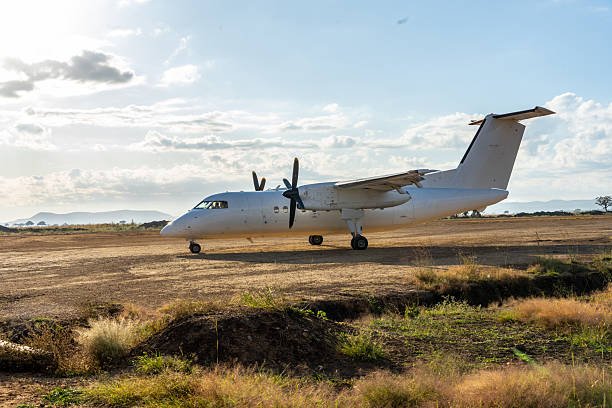
Hidden Costs Of Tanzania Domestic Flights: Taxes, Luggage & Transfers ( Guide)
A practical guide to understanding the real price of flying within Tanzania, covering baggage constraints, mandatory airstrip taxes, and the often-overlooked cost of ground transfers.
View package detailsChild Flight Ticket Prices In Tanzania: Airline Fare Rules & Planning Guide
Planning a family trip to Tanzania? Don't assume child discounts apply everywhere. Learn the specific rules for domestic carriers versus bush flights and how to manage your booking.
View package details
Private Charter Flight Prices In Tanzania: Cost Per Aircraft & Planning Guide
A practical guide to understanding how private charter flight prices in Tanzania are calculated, including aircraft types, route logic, and booking advice for 2027.
View package details
Last-Minute Flights In Tanzania: Prices & Expert Booking Tips
Understand why last-minute flight bookings in Tanzania often lead to higher costs and logistical challenges, and learn the best strategies to secure your travel.
View package details
Tanzania Flight Ticket Prices: Economy Vs Safari Bush Flights Explained
A practical guide to understanding the cost and logistical differences between commercial economy flights and private-style bush flights in Tanzania.
View package detailsFlightlink Vs Coastal Aviation: Tanzania Safari Flight Prices Guide
A practical comparison of Tanzania's two leading bush airline operators, focusing on what drives prices, operational differences, and how to plan your inter-camp travel.
View package detailsCoastal Aviation Vs Auric Air: Comparing Tanzania Safari Flight Routes &
Deciding between Coastal Aviation and Auric Air for your Tanzania safari? We break down the differences in routes, reliability, and how to manage your bush flight logistics effectively.
View package detailsTanzania Flight Prices December : Christmas & New Year Travel Planning
A deep look at managing flight costs for Tanzania travel during the peak December 2027 holiday season, including booking strategies and logistics.
View package detailsTanzania Flight Prices November : Seasonal Airfares And Booking Guide
A practical guide to understanding Tanzania flight pricing for November 2027, covering seasonal weather impacts, airport selection strategies, and booking timelines.
View package detailsTanzania Flight Prices October : Airlines & Booking Guide
A detailed guide on navigating flight prices and airline bookings for Tanzania travel in October 2027, covering international routes, domestic connections, and planning strategies.
View package detailsNo related package matches those filters. Clear one or more filters to see the other topic-matched options.



