
Finding a “cheap” domestic flight in Tanzania requires shifting your mindset. Unlike international routes where price comparison sites dominate, the domestic Tanzanian aviation market relies on specialized operators flying small bush planes. You won’t find significant discounts on aggregator sites. Instead, the most effective way to manage your costs is to understand the trade-offs between scheduled airlines and bush charters, book your travel well in advance for the 2026-2027 seasons, and prioritize bundling your internal flights with your broader safari itinerary to avoid hidden luggage and transfer fees.
Many travelers arrive in Tanzania assuming they can “shop around” for domestic flights just as they would for a flight from London to Paris. The reality is quite different. The Tanzanian domestic flight market is a niche ecosystem. It is dominated by a few key players who operate both scheduled routes (between major hubs like Dar es Salaam, Zanzibar, and Arusha) and bush charters (into remote airstrips in the Serengeti or Ruaha). Understanding this distinction is the first step in finding value for your money.
The Reality of Domestic Aviation Pricing in Tanzania
When you see a “cheap” fare on a third-party booking site for a flight from Arusha to the Serengeti, you need to look closer. Often, these prices do not include essential extras. In Tanzania, the sticker price is rarely the final price. You must account for airport taxes, fuel surcharges, and—most importantly—baggage allowances. Most domestic bush flights have strict 15kg weight limits, often requiring soft-sided bags. If you show up with a standard hard-shell suitcase that exceeds this, you will pay a premium at the airport that can easily wipe out any savings you thought you made on the ticket.
We generally advise travelers to read our guide on the cheapest domestic airlines in Tanzania to understand which carriers offer the best balance of reliability and cost. It is not always the airline with the lowest fare that ends up being the cheapest option once you factor in their specific baggage policies.
Why Booking Through Your Operator Often Saves Money
You might be tempted to book every flight independently to “save” on commission. While this works for some destinations, it is a high-risk strategy in Tanzania. When you book a private Tanzania safari with internal flights through a local operator like Climb 4 Africa, we are not just booking a seat; we are managing your logistics.
If a flight is delayed due to weather—a common occurrence in the bush—we are on the ground to rebook your transfer, notify your lodge, and ensure your game drive schedule is adjusted. If you book independently, you are responsible for managing those disruptions yourself, which often leads to expensive last-minute taxi hires or lost deposit payments on missed lodge nights. When you look at the total cost of your trip, the peace of mind and logistical support are significant financial offsets.
Strategic Planning for 2026-2027 Travel
If you are planning your trip for 2026 or 2027, the timing of your booking is the single most important factor. The peak safari seasons (July to October) see demand for domestic flights far outstrip supply. During these months, airlines rarely offer discounts because they don’t need to; the seats fill up regardless.
To find better value, consider the “shoulder” seasons: late May to mid-June, or early November. During these windows, airlines are more likely to have availability and occasionally offer competitive pricing. Furthermore, if you are traveling in a group, we can often negotiate better terms or secure specific aircraft charters that, when split between 4-6 people, can be surprisingly competitive compared to the per-seat cost of a scheduled flight.
The Hidden Costs You Must Anticipate
When you are comparing prices, keep a checklist of these often-overlooked costs:
- Airport Infrastructure Taxes: These are sometimes excluded from online quotes.
- Excess Baggage Fees: If you are traveling with camera equipment or heavy gear, check the airline’s policy on pre-purchasing extra weight. It is always cheaper to pay for extra weight in advance than at the check-in desk.
- Transfer Costs: A flight might land at an airstrip that is still a 2-hour drive from your actual camp. Always clarify who is picking you up. If your flight arrives at an airstrip far from your destination, the cost of the ground transfer might exceed the savings you made on the flight ticket.
- Wait Times: Some “cheaper” flights have long layovers in hubs like Arusha or Dar es Salaam. Calculate the cost of lunch, drinks, and potentially a day-use room if you are stuck for 6-8 hours.
For those interested in the safety aspect of these smaller planes, we have compiled detailed information on whether Tanzania safari flights are safe and reliable, which can help you make an informed decision beyond just the price tag.
Routes and Connections: How to Optimize Your Itinerary
The routing of your trip significantly impacts your flight budget. A common mistake is flying from Zanzibar to a remote park, then back to Arusha, then back to the park. These “zig-zag” itineraries increase flight costs dramatically.
A well-planned itinerary, such as a Tanzania safari and Zanzibar holiday with domestic flights, should follow a logical flow: Arusha (for Northern Circuit safaris) to the Serengeti, then a direct flight from the Serengeti to Zanzibar. By minimizing the number of flight segments and avoiding unnecessary hubs, you reduce your total aviation spend.
How to Book with Climb 4 Africa
We do not just sell tickets; we build travel experiences. If you are trying to balance your budget for your 2026 or 2027 adventure, reach out to us with your preferred dates and the regions you want to visit. We can advise you on which routes are best served by flight and where it might actually be more cost-effective to use a private 4×4 transfer.
When you contact us, please provide:
- Your expected travel dates.
- The number of travelers in your group.
- An approximate idea of the parks or islands you want to visit.
- Any specific luggage requirements (e.g., professional photography equipment).
You can reach our team via WhatsApp at +255 747 477 898 or send an email to climb4africa@gmail.com. For urgent planning matters, you can also reach us at info@climb-4-africa.com. We are here to help you navigate the logistics, ensuring you spend less time worrying about flight connections and more time enjoying the landscape.
Decoding the Aircraft: Bush Planes vs. Commercial Turboprops
To truly understand how to source the best value for your Tanzanian domestic flights, you must first differentiate between the two primary categories of aircraft operating in the country. The Tanzanian domestic market is split between scheduled commercial turboprops and bush-plane charters. Each carries a significantly different price point and operational logic.
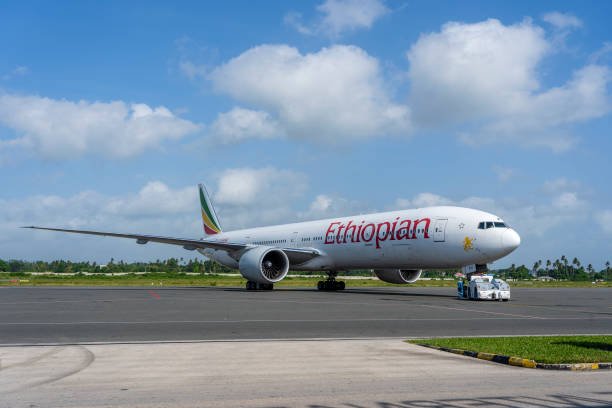
Scheduled commercial turboprops, such as the ATR 42 or Dash 8, typically operate between major paved hubs like Dar es Salaam, Zanzibar, Kilimanjaro International Airport (JRO), and Arusha. These flights function much like standard commercial airline routes. They have fixed schedules, assigned seating, and operate out of formal terminal buildings. Because they carry 40 to 70 passengers, the cost per seat is lower due to economies of scale. If your itinerary involves moving between the coast and the northern hub, these are your most cost-effective options.
Conversely, the bush-plane network—the backbone of the safari circuit—relies almost exclusively on the Cessna Grand Caravan. These are rugged, 12-to-14-seat single-engine turboprops designed for short take-offs and landings on unpaved bush airstrips. Because these planes are smaller and require higher maintenance cycles due to the harsh environment of landing on gravel and dirt runways, the per-seat cost is inherently higher. When you are looking for “cheap” flights into the Serengeti, Selous, or Ruaha, you are essentially looking for an empty seat on a plane that is already flying that route. Understanding this distinction is vital: you are not just buying a ticket; you are buying a seat on a specialized logistics machine.
Shared Seats vs. Private Charters: Determining Your Value Proposition
The most common pricing confusion arises from the difference between “Seat-in-Plane” (SIP) bookings and “Private Charters.” If you are a solo traveler, a couple, or a small family of three, your only viable path to an affordable domestic flight is the SIP model. In this setup, you purchase a single seat on a scheduled bush flight. The airline aggregates passengers from various lodges and operators to fill the plane. Because you are sharing the operational costs of the flight with other travelers, this is the most economical way to traverse the safari circuit.
However, travelers often mistakenly request a “private plane” thinking it might be safer or more convenient, only to be shocked by the price. A private charter requires you to pay for the entire aircraft, regardless of how many seats you occupy. For a group of 10 or 12 people, a private charter can sometimes be cost-competitive with buying 12 individual SIP tickets, especially if you have complex routing needs that don’t align with standard schedules. But for smaller groups, the cost-per-head of a private charter is astronomical compared to the SIP model. If your primary goal is to find cheap domestic flights, you must explicitly request “seat-in-plane” rates and remain flexible with your departure times, as these flights are often “multi-hop”—meaning the plane may stop at three different airstrips before reaching your destination.

The Airstrip Reality: Why You Are Paying for Proximity
When you evaluate the cost of a domestic flight, you must weigh the price against the “proximity value.” A significant portion of your flight cost is essentially a “time-saving tax.” For example, flying from Arusha to the Seronera airstrip in the central Serengeti costs more than a standard commercial flight of the same duration elsewhere in the world. However, that flight lands you in the heart of the national park, mere minutes from your lodge.
If you were to choose a “cheaper” alternative, such as a road transfer, you would spend 8 to 10 hours in a 4×4 vehicle. When you calculate the cost of a private driver, fuel, park entry fees for the vehicle, and the loss of an entire day of your safari, the flight often reveals itself to be the more economical choice. Furthermore, these airstrips are not standardized airports. They lack jet bridges, security scanners, and lounges. They are often simple dirt strips fenced off from the surrounding bush. This is a critical logistical point: because there is no ground infrastructure, the airlines must bring their own staff and equipment to every single landing. The cost you pay includes the specialized training required for pilots to navigate these remote airstrips, which is a premium service compared to landing at a major international airport. When comparing quotes, do not just compare the ticket price; compare the total “time-in-transit” cost.
Mastering the Luggage Constraint: A Financial and Safety Necessity
In the context of Tanzanian domestic aviation, your luggage is not merely a logistical inconvenience; it is a fundamental factor in your flight’s cost and feasibility. When booking flights on bush planes—typically Cessna Caravans or similar light aircraft—you are operating under strict weight and balance protocols. Unlike commercial jet travel, where an extra suitcase is simply a matter of a fee, on a bush plane, your luggage is a critical component of the aircraft’s physics. The standard allowance is almost universally set at 15 kilograms (33 lbs), and this limit is enforced with varying degrees of strictness depending on the operator and the load of the flight.
The most common and expensive mistake travelers make is arriving at the airstrip with hard-shell suitcases. These are frequently rejected at the tarmac, not because of weight, but because of geometry. The cargo pods on these small aircraft are designed for soft-sided duffel bags that can be molded to fit the irregular space. If you arrive with a hard-shell suitcase, you may be told your bag cannot be loaded, forcing you to pay for an extra seat just to transport your luggage, or worse, leaving your gear behind at the hub airport. This is an avoidable cost. When budgeting for your trip, factor in the purchase of high-quality, lightweight, soft-sided safari bags. This is a one-time investment that prevents the recurring, exorbitant ‘excess baggage’ fees or the catastrophic scenario of having your luggage stranded.
Furthermore, understand the ‘space-available’ clause found in the fine print of many bush airline tickets. Even if you pay for extra weight, it is often subject to space availability. If the plane is full, the airline reserves the right to offload your extra weight and transport it on a later flight. This can disrupt your entire itinerary, especially if you are moving between remote camps. By packing light and using the correct gear, you eliminate this variable entirely, ensuring your costs remain fixed at the ticket price you originally budgeted.
The ‘Last Mile’ Trap: Why Your Flight Isn’t Your Final Destination
A significant portion of the ‘hidden’ costs in Tanzanian domestic travel stems from the ‘last mile’ problem. Travelers often focus entirely on the flight price, neglecting the fact that landing at a remote bush airstrip is not the same as arriving at a city airport. There are no taxis, ride-sharing services, or public transport options waiting at a dirt strip in the heart of the Serengeti or Ruaha. The airstrip is simply a designated clearing in the bush.
If you have not pre-arranged a ground transfer with your lodge or safari operator, you will be stranded. When travelers realize this upon arrival, they are often forced to pay emergency, premium rates for a private 4×4 transfer to their camp, which can easily cost double or triple what a pre-booked transfer would have been. This effectively destroys any ‘savings’ you achieved by hunting for a cheaper flight. When you evaluate the cost of your flight, you must view it as a package deal with your ground transfer. If you are booking flights independently, you must contact your destination lodge immediately to confirm they are expecting you and to verify the cost of their transfer service. In many cases, the most efficient way to manage this is to have your safari operator bundle the flight and the transfer. This ensures that when the pilot lands, your driver is already there, having tracked the flight’s arrival, saving you from the logistical and financial peril of ‘last-minute’ transport arrangements.
Transit Efficiency: Navigating the Hubs of Dar es Salaam vs. Arusha
Your choice of entry point into the domestic network significantly impacts your total expenditure. Many international travelers assume that all domestic flights operate from the same hub, but Tanzania utilizes two primary aviation gateways: Arusha (ARK) and Dar es Salaam (DAR), with Kilimanjaro International (JRO) serving as the main international arrival point for northern safaris.
A common error is booking a flight that requires a transfer between these airports. For example, some travelers arrive at Kilimanjaro (JRO) but book a flight that departs from Arusha (ARK), which is approximately a 60-to-90-minute drive away. If you do not account for this transfer cost—and the potential for traffic-related delays—you risk missing your connection. If you miss your connection, the costs compound rapidly: you lose the ticket price, you incur the cost of a new ticket, and you may need to pay for an unplanned overnight stay in a hotel. To optimize your budget, you must map out your ‘transit chain.’ If your international flight arrives in the afternoon, it is often financially safer to overnight in Arusha and fly out the following morning, rather than attempting a high-risk, tight connection. While this adds the cost of one night’s accommodation, it prevents the significantly higher cost of a missed flight and the subsequent scramble to rebook during peak season.
The Flexibility Paradox: Navigating Cancellation and Change Policies
When searching for the lowest possible fare, travelers often overlook the rigid nature of domestic aviation contracts in Tanzania. Unlike major international carriers that offer tiered fare classes with varying degrees of flexibility, the domestic market here is frequently binary: you are often purchasing a non-refundable, non-changeable seat. This is not a tactic to penalize tourists, but a necessity of bush aviation where aircraft have limited capacity—often fewer than 12 seats. Every seat unsold or wasted is a significant revenue loss for the operator, which is why they enforce such strict terms.
If you book a “budget” fare independently, you are essentially betting that your itinerary will remain perfectly static. If your international flight is delayed, or if you decide to extend your stay at a specific lodge, your domestic ticket is frequently forfeited entirely. There is rarely an option to “pay the difference” for a later flight; the ticket is simply marked as a no-show, and the seat is released to the next passenger on the standby list. This is where the financial risk of “cheap” booking becomes apparent. A ticket that costs $200 less than a flexible alternative can become a total loss if a single logistical hiccup forces a change.
When you book through a reputable operator, you are often accessing a different class of inventory or utilizing the operator’s established relationship with the airline to negotiate changes that would be impossible for an individual traveler. Operators act as a buffer; they understand the specific rebooking protocols of each airline and can often navigate these constraints on your behalf, potentially saving you from purchasing a brand-new ticket at the last minute. Before you click “purchase” on a low-cost fare, look specifically for the “cancellation policy” and “change fee” clauses. If they are absent or marked as “non-refundable,” calculate the potential loss into your total trip budget. Often, a slightly higher fare that allows for a date shift is the more fiscally responsible choice for a complex, multi-stop safari itinerary.
Related Guides and Packages
Check Availability for How To Find Cheap Domestic Flights In Tanzania: A Planning Guide
Ready to compare dates, prices, and the best option for your group? Send the package name and travel month so the team can reply with a clear quote, availability, and what is included.

Are Tanzania Domestic Flights Cheaper Than Private Transfers? ( Guide)
Deciding between a domestic flight and a private transfer in Tanzania involves more than just ticket prices. We break down the cost-to-time ratio for your 2026-2027 trip.
View package detailsCheapest Domestic Airlines In Tanzania: Prices & Routes
Discover the most reliable domestic airlines in Tanzania for 2027. Learn how route choices, baggage limits, and booking timing impact your travel budget.
View package details
Best Time To Book Tanzania Domestic Flights For Lower Prices: Planning Guide
A strategic guide to finding the best value on Tanzania internal flights, balancing early booking windows with seasonal demand.
View package details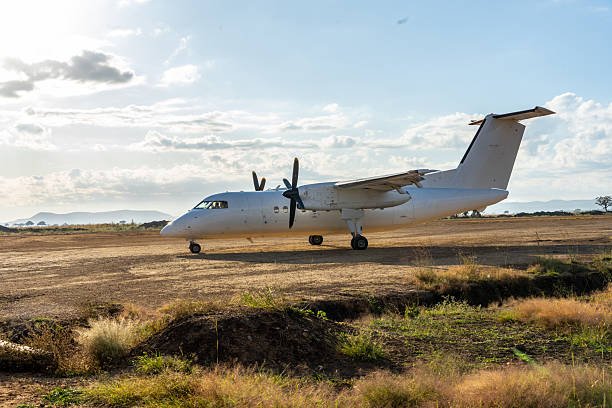
Hidden Costs Of Tanzania Domestic Flights: Taxes, Luggage & Transfers ( Guide)
A practical guide to understanding the real price of flying within Tanzania, covering baggage constraints, mandatory airstrip taxes, and the often-overlooked cost of ground transfers.
View package detailsTanzania Safari And Zanzibar Holiday With Domestic Flights: Costs Guide
A guide to understanding the costs, logistics, and planning strategies for combining a Tanzanian wildlife safari with a Zanzibar beach getaway using domestic flights.
View package details
Do Children Pay Full Price On Tanzania Domestic Flights?
Do Children Pay Full Price on Tanzania Domestic Flights?
View package detailsNo related package matches those filters. Clear one or more filters to see the other topic-matched options.



