
If you are planning travel to Tanzania in April 2027, you are entering the period locally known as the ‘Long Rains’ or the ‘Green Season.’ From an aviation perspective, this is one of the most advantageous times to secure lower fares, as the surge in demand seen during the peak dry seasons (June–October and January–February) subsides significantly. However, lower prices are not the only factor you should consider. Understanding the interaction between seasonal weather, flight availability, and your overall tour logistics is essential to ensuring a smooth trip.
When researching Tanzania flight prices for April 2027, the primary drivers of your cost will be the timing of your booking, your entry and exit points (Kilimanjaro vs. Dar es Salaam), and the reliance on bush flights for your safari legs. Because April is a low-demand month for tourism, airlines often release inventory at more competitive rates, but the frequency of some regional flights may also be reduced, requiring tighter coordination with your ground itinerary.
Understanding the April Price Advantage
The core reason flight prices tend to be more favorable in April is simple supply and demand. Most international travelers avoid Tanzania during the peak of the long rains. Consequently, major carriers—such as KLM, Qatar Airways, Ethiopian Airlines, and Turkish Airlines—often adjust their yield management strategies to attract passengers during this lull. You will likely find that international tickets into Kilimanjaro International Airport (JRO) or Julius Nyerere International Airport (DAR) are priced lower than they would be in July or August.
However, do not mistake ‘lower prices’ for ‘budget travel.’ While the airfare itself might be reduced, the cost of logistics, park fees, and accommodation often remains fixed, though some lodges do offer ‘Green Season’ discounts. When you are comparing flight-inclusive packages vs. road safaris, it is vital to account for the total cost of your trip rather than just the airfare. In April, the trade-off is often between the lower flight cost and the potential for travel delays due to weather, which can affect small, light aircraft operations in the bush.
Domestic Flight Dynamics in the Low Season
Once you arrive in Tanzania, your internal travel will likely involve regional carriers like Coastal Aviation or Auric Air. Unlike major international airlines, these operators serve specific bush airstrips. In April, their flight schedules can be more fluid.
It is important to understand that domestic flight prices in Tanzania are generally consistent regardless of the season, but availability is the real challenge. Because there are fewer travelers, some airlines may consolidate flights or change departure times to ensure aircraft are filled. If you are planning a fly-in safari package for April 2027, ensure that your operator has built in enough buffer time between your international arrival and your domestic departure. We always advise clients to avoid booking tight connections, especially during the rainy season when afternoon storms are common.
Comparison: Peak Season vs. April Low Season
| Factor | Peak Season (e.g., July/Aug) | April (Low Season) |
|---|---|---|
| International Airfare | High Demand / Higher Prices | Lower Demand / Competitive Pricing |
| Domestic Seat Availability | Limited / Needs Early Booking | More Availability / Flexible Schedules |
| Weather Impact on Flights | Minimal | Higher Risk of Delays/Cancellations |
| Overall Trip Cost | Premium | Value-Focused / Negotiable |
Strategic Planning for April 2027
If you are committed to traveling in April, your strategy should focus on mitigation. Because this is the rainy season, you must prioritize reliability over absolute lowest cost. When booking your flights, consider the following:
- Flexible Itineraries: Allow for at least one ‘buffer day’ in your itinerary. If a bush flight is delayed due to weather, you do not want to miss your international connection home.
- Baggage Restrictions: This is a constant regardless of the season, but it becomes more critical in the rain. Light aircraft have strict weight limits (usually 15kg in soft-sided bags). Do not overpack; keep your luggage streamlined to ensure your flight is not overweight, which could be a safety issue during wet, muddy runway conditions.
- Airport Choice: If you are climbing Kilimanjaro, fly into JRO. If you are heading straight to a beach holiday in Zanzibar, flying into ZNZ or DAR is more direct. Do not assume that flying into a cheaper airport will save you money once you factor in the cost of long-distance ground transfers.
For those looking at Kilimanjaro climbing and Zanzibar packages, April can be a unique experience. While the mountain trails can be muddy, the crowds are significantly thinner, providing a more solitary experience. However, this requires a more robust approach to gear and planning, as weather conditions on the mountain can change rapidly.
Why Booking Through a Local Expert Matters
When you book flights independently, you are often on your own if a flight is canceled or significantly delayed. When you book a private safari with internal flights through a local operator like Climb 4 Africa, we handle the logistics. If a domestic flight is grounded, we have the local support network to arrange alternative ground transport, reschedule your lodge stays, and ensure your itinerary remains intact.
We strongly recommend that travelers interested in April 2027 departures reach out to us early. Even if flight prices are lower, the logistical complexity of the rainy season means that having a reliable partner on the ground is the most important ‘cost’ you can manage. You can contact us directly via WhatsApp at +255 747 477 898 or email us at climb4africa@gmail.com or our backup address info@climb-4-africa.com to discuss your specific travel window.
FAQs: Navigating April Travel
Is it safe to fly in Tanzania during April?
Yes, it is safe. Aviation safety standards are strictly maintained. The primary issue in April is not safety, but rather potential scheduling delays due to weather conditions at smaller bush airstrips. Professional operators will always prioritize safety over schedule, which is why we always recommend a flexible itinerary.
Should I book my domestic flights separately?
While you can, it is rarely recommended for safari travel. When you book through your tour operator, the flights are integrated into your overall schedule. If there is a delay, the operator is responsible for managing the fallout. Booking separately leaves you responsible for missing connections and re-booking flights at your own expense.
Are there specific airlines that are better for April travel?
Reliability is key. Stick to established bush carriers like Coastal Aviation or Auric Air. For international travel, choose major carriers with daily connections to Tanzania, as they have more capacity to rebook you if a flight is disrupted.
As you move forward with your plans for April 2027, remember that travel in Tanzania is as much about the rhythm of the land as it is about the itinerary. The ‘Green Season’ offers a lush, vibrant landscape that you will not see in the dry months, and the financial savings on flights can often be reallocated to enhance your experience—perhaps by staying in a higher-tier lodge or adding an extra day to your safari. If you are ready to start planning, reach out to our team with your potential dates, preferred activities, and group size, and we will help you map out a realistic, enjoyable, and well-supported journey.
Optimizing Your Entry and Exit Points for April 2027
While seasonal demand dictates the baseline cost of your ticket, the specific airports you choose for your entry and exit points are often the most overlooked factors in your overall budget. For travelers heading to Tanzania in April, the decision between flying into Kilimanjaro International Airport (JRO) or Julius Nyerere International Airport (DAR) is not merely a matter of convenience; it is a significant cost variable.
Most safari-focused travelers naturally gravitate toward JRO, as it provides the most direct access to the Northern Circuit parks. However, in the low season, international carriers often have more flexible “multi-city” or “open-jaw” pricing. You might find that flying into JRO and departing from Zanzibar (ZNZ) or Dar es Salaam (DAR) provides a more cost-effective total package than a standard round-trip ticket to a single hub. By eliminating the need for an additional domestic flight to return to your original port of entry, you save not only the ticket price of that internal flight but also the time and potential logistical friction associated with navigating a secondary transfer.
Comparing Routing Costs
- The Round-Trip Approach: Flying in and out of the same airport (e.g., JRO-JRO) is often the simplest to book. In April, because flight loads are lighter, you may find competitive pricing on these routes, but you must factor in the cost of a domestic return flight if your safari ends in a different region.
- The Open-Jaw Strategy: Booking a ticket into JRO and out of ZNZ or DAR can streamline your journey. While multi-city tickets can sometimes command a premium, in the low season of April, the difference is often negligible compared to the cost of a separate internal domestic flight. This strategy is particularly effective if you plan to combine a safari with a coastal retreat.
- The Domestic Connector Cost: Always calculate the “all-in” price. A cheaper international ticket into DAR might seem appealing, but if your primary goal is a Northern Circuit safari, the cost and time of the domestic connection (or long-distance ground transfer) can quickly negate any savings on the international leg.
When searching for flights for April 2027, use flight aggregators to compare these two models. Input your search as a multi-city itinerary rather than two one-way tickets, as the latter is almost always more expensive. By treating your entry and exit points as a strategic choice rather than an afterthought, you can often secure a more efficient itinerary that protects your budget without sacrificing the quality of your experience.
Managing Baggage Constraints and Excess Costs
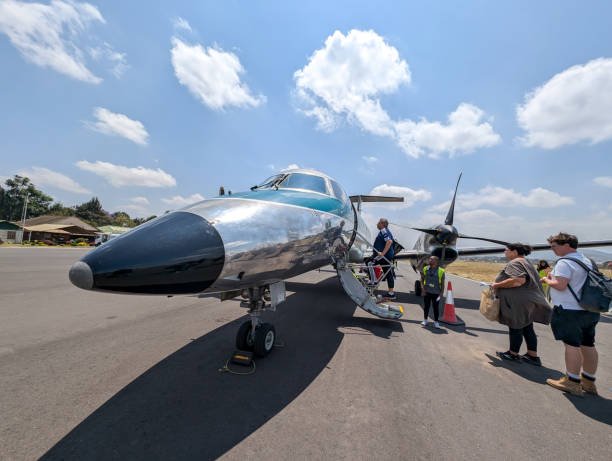
While the base airfare is a primary concern for your April 2027 budget, a frequently overlooked factor that can significantly inflate your total travel cost is the baggage policy on domestic bush flights. When flying with regional carriers like Coastal Aviation or Auric Air, you are almost exclusively utilizing light aircraft, such as the Cessna Grand Caravan. These planes operate under strict weight and balance regulations that are far more restrictive than those of commercial international jets.
Most bush flight operators enforce a standard 15-kilogram (33-pound) luggage limit per passenger. This weight must include both your checked bag and your carry-on items. Furthermore, these airlines require that your luggage be packed in soft-sided bags without wheels or rigid frames. If you arrive at a bush airstrip with a standard hard-shell suitcase, you may be denied boarding or forced to pay a hefty fee to store your bag at the airport. If your luggage exceeds the 15kg limit, you are often required to purchase an ‘excess baggage’ allowance or, if the flight is near capacity, a full extra seat to accommodate the weight. In the context of an April safari, where you may be packing extra layers for the ‘Green Season’ rain, keeping your gear light is not just a logistical necessity—it is a direct cost-saving measure.

Decoding Fare Classes and Cancellation Rights for April
When booking your April travel, the distinction between ‘Promo,’ ‘Economy,’ and ‘Flexible’ fare classes becomes critical. Because April is defined by the ‘Long Rains,’ the probability of minor weather-related disruptions—such as a temporary closure of a remote airstrip due to waterlogging—is statistically higher than in the dry season. When you book a ‘Promo’ or ‘Non-Refundable’ ticket, you are trading flexibility for a lower initial price point. However, if a flight is canceled or delayed, these tickets offer little recourse, often leaving you to pay for rebooking fees or entirely new tickets out of pocket.
For April 2027, we strongly advise analyzing the ‘Change Policy’ attached to your fare class. A ‘Flexible’ fare, while costing more upfront, acts as a form of insurance against the unpredictability of the season. If you are traveling on a multi-leg itinerary, a single missed connection due to weather can cascade through your entire schedule. Ensure that your domestic flight booking allows for free or low-cost date changes. If you are booking through a tour operator, verify that their contract includes ‘re-routing protection,’ which ensures that if a bush flight is grounded, they are obligated to arrange alternative transport or accommodation at no additional cost to you.
Airport Taxes, Fees, and Hidden Surcharges
The price you see on an aggregator website for an international ticket into Kilimanjaro or Dar es Salaam is rarely the ‘all-in’ cost. International tickets generally include airport taxes, but domestic flights within Tanzania often have a more complex fee structure. Travelers should be aware of the ‘Infrastructure Fee’ and the ‘Passenger Service Charge’ that may be levied at smaller regional airports. While these are often baked into the ticket price for larger carriers, some smaller regional operators may list these as separate line items or require them to be paid in local currency at the point of departure.
Additionally, if your itinerary involves flying into an international hub and immediately transferring to a domestic bush flight, ensure you have allocated enough time for the transit. If your international flight is delayed, you may miss your domestic connection. In April, this is particularly risky as flights are less frequent. If you book these as separate tickets, you are responsible for the ‘no-show’ fees of the domestic leg. Always check if your international airline has an interline agreement with your domestic carrier; if they do, your luggage can be checked through, and the airline may be responsible for rebooking your domestic leg if the international arrival is delayed. If they do not, you must factor in the cost of potential rebooking fees as a ‘hidden’ budget line item for your April trip.
The Financial Reality of Weather-Induced Ground Transfers
While the primary focus when researching Tanzania flight prices for April 2027 is the cost of the ticket itself, the most significant “hidden” financial risk during the Long Rains is the potential for weather-induced ground transfers. Because bush airstrips are unpaved, they are highly sensitive to heavy rainfall. When conditions render a runway unsafe for landing or takeoff, regional airlines will cancel flights and switch to road transport. This shift in logistics is not merely an inconvenience; it can be a significant, unbudgeted expense if your booking terms are not clearly defined.
When you book a flight in April, you are paying for air transport. However, most standard airline tickets do not include a “ground substitution guarantee.” If your flight is grounded due to weather, you may find yourself responsible for the cost of a private 4×4 transfer to reach your next destination. Depending on the distance—for example, transferring from the Serengeti to Arusha—this can cost several hundred dollars, effectively erasing the savings you achieved by booking during the low-season price dip. It is imperative to distinguish between a flight cancellation initiated by the airline (where they may owe you a refund or rebooking) and a weather-related diversion where the airline fulfills their obligation by offering a road alternative at your expense.
To protect your budget, review your tour operator’s or airline’s “force majeure” and “operational disruption” policies before finalizing payment. The most robust contracts for April travel include a clause specifying that the operator will absorb the cost of emergency road transfers if a flight is canceled due to weather. If you are booking flights independently, ensure you have a contingency fund specifically for ground transport. Do not assume that because you have a confirmed ticket, your transit is guaranteed; in the Green Season, the “flight price” is only the base layer of your logistics budget, and the potential cost of ground alternatives should be considered a necessary contingency line item.
Managing Currency Volatility and Payment Timing for April Bookings
For travelers planning their April 2027 trip, the timing of your payment can be just as impactful on your final cost as the ticket price itself. Tanzania’s tourism industry often operates with a mix of US Dollars (USD) and Tanzanian Shillings (TZS). While international carriers will quote and charge you in your home currency or USD, regional bush operators and local tour providers may have internal accounting that fluctuates based on local exchange rates. If you are booking well in advance—a common strategy to lock in low-season rates—you may be subject to “currency conversion surcharges” if you pay in a currency different from the one the operator uses for their internal accounting.
To optimize your budget, always ask if the quoted price is locked in at the time of booking or if it is subject to a “currency fluctuation clause.” In volatile economic periods, some operators reserve the right to adjust final invoices if the exchange rate shifts by more than a certain percentage. While this is less common for fixed-price airline tickets, it is a frequent occurrence for ground-inclusive packages. By paying your balance in full at the time of booking, rather than leaving a deposit for later, you can often insulate yourself from these potential price adjustments. Furthermore, when paying for domestic regional flights, clarify whether the “all-in” price includes the fluctuating fuel surcharges that some carriers adjust monthly. While these surcharges are typically minor, they represent another layer of the total cost that is often omitted from the initial “base fare” search results on aggregator sites.
Check Availability for Tanzania Flight Prices April : Low-Season Travel Costs
Ready to compare dates, prices, and the best option for your group? Send the package name and travel month so the team can reply with a clear quote, availability, and what is included.

Tanzania Flight Prices November : Seasonal Airfares And Booking Guide
A practical guide to understanding Tanzania flight pricing for November 2027, covering seasonal weather impacts, airport selection strategies, and booking timelines.
View package details
Tanzania Flight Prices March : Airfare & Seasonal Guide
A practical guide to understanding flight pricing for Tanzania in March 2027, covering seasonal trends, booking windows, and logistics for safari and Kilimanjaro itineraries.
View package detailsTanzania Flight Prices December : Christmas & New Year Travel Planning
A deep look at managing flight costs for Tanzania travel during the peak December 2027 holiday season, including booking strategies and logistics.
View package detailsTanzania Flight Prices July : Peak Safari Season Planning Guide
July is the absolute peak of the safari season in Tanzania. Here is how to navigate flight pricing, airline choices, and booking strategies for your July 2027 trip.
View package detailsTanzania Flight Prices June : Safari Season Airfares
A practical guide to navigating flight costs and logistics for Tanzania in June 2027, focusing on the seasonal shift from shoulder to peak.
View package detailsTanzania Flight Prices May : Ticket & Travel Routes
Planning your Tanzania trip for May 2027? Understand the seasonal flight dynamics, the difference between domestic and international routes, and how to optimize your travel budget during...
View package details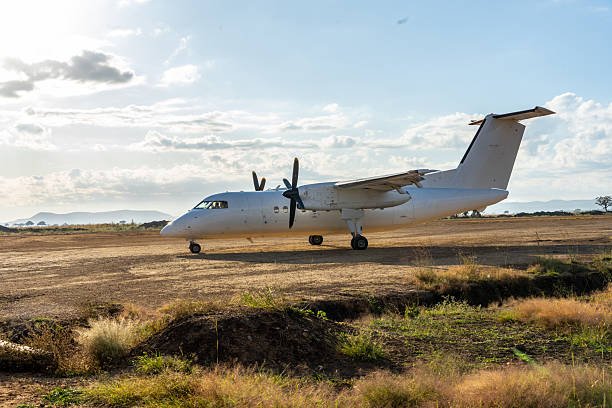
Hidden Costs Of Tanzania Domestic Flights: Taxes, Luggage & Transfers ( Guide)
A practical guide to understanding the real price of flying within Tanzania, covering baggage constraints, mandatory airstrip taxes, and the often-overlooked cost of ground transfers.
View package detailsTanzania Safari Flight Baggage Limits: 15Kg, 20Kg & Extra Bag Costs Explained
A practical guide to navigating bush flight luggage restrictions in Tanzania. Understand why 15kg is the standard, the necessity of soft bags, and how to manage gear across multiple trip...
View package detailsChild Flight Ticket Prices In Tanzania: Airline Fare Rules & Planning Guide
Planning a family trip to Tanzania? Don't assume child discounts apply everywhere. Learn the specific rules for domestic carriers versus bush flights and how to manage your booking.
View package detailsPrivate Charter Flight Prices In Tanzania: Cost Per Aircraft & Planning Guide
A practical guide to understanding how private charter flight prices in Tanzania are calculated, including aircraft types, route logic, and booking advice for 2027.
View package details
Last-Minute Flights In Tanzania: Prices & Expert Booking Tips
Understand why last-minute flight bookings in Tanzania often lead to higher costs and logistical challenges, and learn the best strategies to secure your travel.
View package detailsOne-Way Vs Return Flights In Tanzania: Which Costs Less And Saves Time?
A deep look at Tanzanian domestic flight pricing: why return tickets aren't always cheaper, the logic of open-jaw travel, and how to optimize your itinerary for 2027.
View package detailsNo related package matches those filters. Clear one or more filters to see the other topic-matched options.



