
A private Tanzania safari with internal flights is designed for travelers who want to maximize game-viewing time by bypassing the long, often dusty drives between Tanzania’s northern circuit parks. While more expensive than road-based itineraries, this approach trades road travel for aerial transfers, turning six-hour drives into 45-minute flights. The cost is primarily driven by aviation fuel, park landing fees, and the necessity of having a dedicated private vehicle and guide waiting at the destination airstrip. For those planning in 2026-2027, this style of travel offers the most efficient way to see the Serengeti and Ngorongoro Crater without the fatigue of long-distance driving.
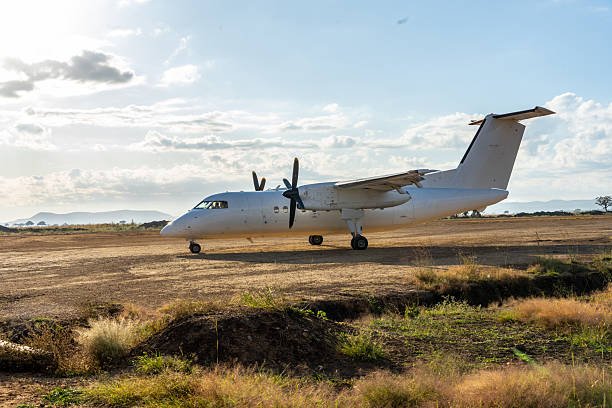
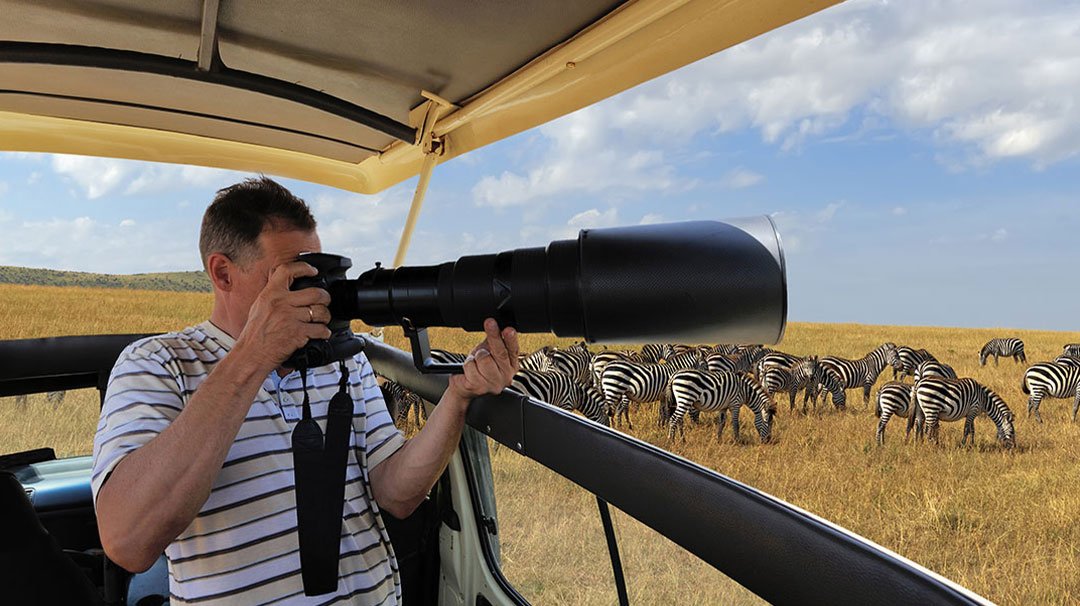
When you opt for a private fly-in safari, you are essentially purchasing time. In the Northern Circuit of Tanzania, road travel is the standard, but it can be slow due to road conditions, traffic, and the sheer distance between parks like Tarangire, Manyara, and the vast Serengeti. A fly-in itinerary removes the transit days, placing you directly in the heart of the wilderness hours after leaving Arusha or Zanzibar.
Understanding the Cost Factors
Travelers often ask why a fly-in safari costs significantly more than a standard road-based package. It is rarely just the cost of the plane ticket. When you book a private safari with internal flights, your quote is composed of several distinct, non-negotiable costs that differ from road travel.
The Cost Drivers:
- Aviation Fuel and Maintenance: Bush planes are high-maintenance aircraft operating in harsh environments. The cost of fuel and strict maintenance schedules are passed on to passengers.
- Landing Fees: Every time your aircraft touches down on a remote bush airstrip in the Serengeti or other parks, a landing fee is charged by the park authority (TANAPA). These fees add up quickly.
- The “Empty Leg” or Positioning: Even though you are on a private tour, the flight itself is often on a scheduled bush-plane service. However, your safari component—the private vehicle and guide—must be positioned at the airstrip to meet you. This means your guide may have to drive to the airstrip to wait for your arrival, effectively “losing” time they could have spent on game drives.
- Private Vehicle Logistics: When you fly into a remote camp, the vehicle you use for your game drives must be stationed there. This often involves a dedicated vehicle and driver/guide assigned exclusively to your group for the duration of your stay in that park.
For a detailed breakdown of how these costs compare to standard packages, you may want to review our insights on Tanzania Safari and Zanzibar Holiday With Domestic Flights. Understanding these costs helps in deciding whether to fly between all parks or perhaps fly into one and drive out of another to balance the budget.
Sample Itinerary: The 5-Day “High-Impact” Circuit
This itinerary is a standard example of how to combine the efficiency of air travel with a deep, private safari experience. It is designed to minimize transit time and maximize wildlife exposure.
| Day | Location | Activity | Logistics |
|---|---|---|---|
| 1 | Arusha to Serengeti | Morning flight from Arusha to a central Serengeti airstrip; afternoon game drive. | Direct flight (~1 hour); Private vehicle awaits at airstrip. |
| 2 | Central Serengeti | Full-day game drive in the Seronera Valley. | Focus on big cats and resident wildlife. |
| 3 | Serengeti to Ngorongoro | Morning game drive; fly to Manyara airstrip; transfer to Ngorongoro Crater rim. | Short flight + 1-hour scenic transfer. |
| 4 | Ngorongoro Crater | Full-day crater floor game drive. | Private vehicle descent into the caldera. |
| 5 | Ngorongoro to Arusha | Morning visit to a local village or short hike; flight or transfer back to Arusha/JRO. | Flexible departure based on your international flight. |
This itinerary is highly customizable. If you are interested in this specific structure, please contact our team via WhatsApp at +255 747 477 898 or email climb4africa@gmail.com to discuss current availability for your specific dates. For those looking for different durations, we often help clients compare 5-Day Serengeti & Ngorongoro Fly-In Safari options against longer itineraries.
The Logistics of Bush Airstrips
One of the most important things to understand before booking is how bush airstrips differ from international airports. You will not find jet bridges, lounges, or baggage carousels.
Baggage Restrictions: This is the most common point of confusion. Bush planes have strict weight and size limits. You are almost always required to use soft-sided luggage (duffel bags). Hard-shell suitcases are difficult to stack in the small cargo holds of Cessna Caravans and other light aircraft. If your luggage is too large or heavy, you may be charged for an extra seat, or your bags may be left behind.
Airstrip Transfers: When you land, your guide will be waiting by the airstrip with a 4×4 safari vehicle. In the Serengeti, the airstrip is often just a dirt or gravel strip in the middle of the savannah. You will step off the plane, greet your guide, load your bags, and begin your game drive immediately. This is the primary benefit: you are in the bush within minutes of landing.
For more on the safety and reliability of these flights, you can read our guide on Are Tanzania Safari Flights Safe and Reliable?
Choosing the Right Airstrip
Not all airstrips are created equal. The Serengeti is massive, and choosing the wrong airstrip can mean a 3-hour drive just to get to your camp. When booking your private safari, ensure your operator knows exactly which camp you are staying at. The proximity of the airstrip to your accommodation is a major factor in the “private” experience—you want to spend time viewing animals, not driving on transfer roads.
For deeper insight into this, see our article on Which Serengeti Airstrip Is Best for Your Safari?
Private Safari vs. Shared Group Safari
While the flight itself is often shared with other travelers heading to different camps, your safari experience remains private. This means you have a dedicated vehicle, a private driver-guide who knows your preferences, and a flexible schedule. You aren’t tied to the pace of other travelers. If you want to spend three hours watching a leopard in a tree, you can. If you want to skip lunch to catch the golden hour, your guide can make that happen.
Some travelers find that a hybrid approach—flying into the Serengeti but driving back through the Ngorongoro Conservation Area—provides the best value. This allows you to see the changing landscapes of the Highlands while still saving the most grueling leg of the journey.
Planning for 2026-2027
As you plan for upcoming seasons, keep in mind that the best lodges and flight seats book up months in advance. The “Fly-In” safari is increasingly popular for those with limited time. If you have specific dates in mind, reach out to us at info@climb-4-africa.com. We can help you verify current flight schedules, as these change seasonally based on demand and weather patterns.
We also encourage you to consider the weather. During the rainy seasons (typically April/May and November), some smaller bush airstrips can become muddy or inaccessible, which might necessitate a switch to a road transfer. We monitor these conditions closely and will always advise you on the best route for your specific travel window.
Frequently Asked Questions
What happens if my bush flight is delayed?
Weather is the most common cause of delays in bush flying. If a flight is delayed, your ground handler and your lodge will be in constant communication. Your private guide will stay in contact with the airline to ensure they are at the airstrip when you arrive. It is a well-coordinated system, though patience is required. You can read more about this in our guide: What Happens if My Tanzania Safari Flight Is Delayed?
Can I bring my own camera gear on these flights?
Yes, but be mindful of the weight. Professional photography equipment is heavy. If you are traveling with significant camera gear, let us know during the booking process so we can advise on whether an extra seat for luggage is necessary.
Is a private fly-in safari suitable for children?
Absolutely. In fact, it is often better for families because it significantly reduces the time spent sitting in a vehicle. Children often find the small bush planes exciting rather than stressful. However, always check the minimum age requirements for the specific lodges you plan to visit, as some have policies regarding young children.
Ready to start planning your 2026 or 2027 safari? Whether you are looking for a luxury fly-in experience or a mix of air and road travel, our team at Climb 4 Africa is here to assist with the logistics. Contact us today via WhatsApp +255 747 477 898 or email us at climb4africa@gmail.com with your preferred dates and the parks you wish to visit. We will provide you with a transparent quote and a clear itinerary that prioritizes your time in the bush.
The Anatomy of a Fly-In Arrival: From Tarmac to Tracking
The true value of a private fly-in safari is often misunderstood as merely saving time; in reality, it fundamentally alters the quality of your first and last days in the bush. When you arrive at a remote bush airstrip—often little more than a compacted dirt or gravel track carved into the savannah—the experience is entirely different from arriving at a park gate after a long road transfer. In a road-based itinerary, the final hours of the drive are often spent navigating dusty, washboard roads, leaving travelers physically drained and needing a long recovery period upon reaching the lodge. Conversely, a fly-in arrival places you in the heart of the ecosystem with your energy reserves intact.
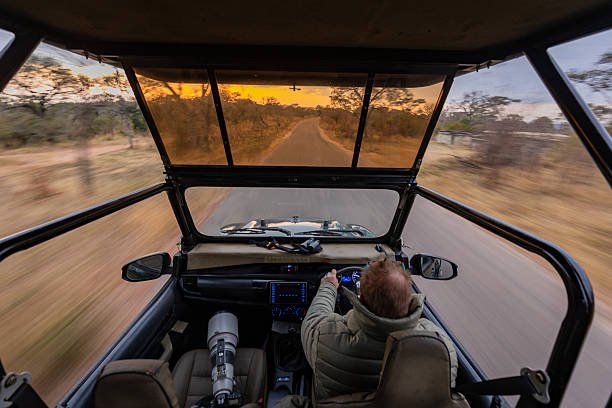
Upon landing, your private guide is typically waiting at the airstrip with a 4×4 vehicle. Because this is a private booking, your guide has been tracking the wildlife movements in the immediate vicinity of the camp that morning. Instead of checking into the lodge first, you often transition directly from the aircraft to the vehicle. This allows for an immediate game drive, often lasting several hours before you even reach the lodge for lunch. This smooth transition is the primary reason fly-in travelers often report higher wildlife sighting counts; you are entering the game-viewing environment at peak hours rather than arriving at the lodge in the mid-afternoon heat when animals are less active.

The “Aerial Safari” Advantage: Why the Flight is Part of the Experience
Travelers often view the internal flight as a necessary evil—a transit period to be endured. However, in Tanzania, these flights are essentially low-altitude scenic tours. Most bush planes, such as the Cessna 208 Caravan, fly at altitudes that allow for spectacular views of the landscape. From the air, the sheer scale of the Serengeti or the distinct caldera rim of the Ngorongoro Crater becomes visible in a way that is impossible to grasp from the ground. During the migration season, you may even spot the massive herds from the air, allowing your pilot to communicate with your guide on the ground about where the action is concentrated.
The flight path often takes you over areas inaccessible by road, providing a bird’s-eye view of the river systems and the mosaic of habitats that make up the Northern Circuit. When booking, consider that the flight experience is part of the safari itself. While you cannot choose your flight path—it is dictated by air traffic control and weather—you can often request a window seat. Ensure your camera is accessible in your hand luggage, as the aerial perspective of the Tanzanian landscape offers unique photographic opportunities that ground-based photography cannot replicate.
Maximizing Your First Day: The Benefit of Immediate Access
The “lost day” phenomenon is the most common complaint among first-time safari-goers. When driving from Arusha to the central Serengeti, you can easily spend 7 to 9 hours in a vehicle. Even with stops, the cumulative fatigue of road travel significantly diminishes the quality of your first game drive. By opting for a 45-minute flight, you regain approximately 6 to 8 hours of daylight. In the context of a short 4-to-5-day safari, this essentially adds an entire extra day of game viewing to your trip.
This extra time allows for “slow safari” practices. Rather than rushing to cover distance, you can spend hours with a single pride of lions or track a leopard through a riverine forest without the looming pressure of needing to reach the lodge before sunset. Furthermore, because your vehicle is private, you are not beholden to the schedules of other travelers. If you spot something interesting on the way from the airstrip to the lodge, your guide can stop for as long as you like. This autonomy is the hallmark of a high-end private fly-in experience, transforming the logistics of arrival into a core component of your wildlife adventure.
Strategic Packing for Bush Aviation: Managing Weight and Volume
One of the most frequent friction points for travelers transitioning from international long-haul flights to the small, agile aircraft used for bush transfers is the drastic shift in luggage policy. While your international carrier may allow two 23kg checked bags, the light aircraft (typically Cessna Caravans or similar) used for internal Tanzania flights impose strict limitations—often capped at 15kg (33 lbs) per person, including hand luggage. This is not merely a bureaucratic rule; it is a critical safety constraint dictated by the aircraft’s center of gravity and maximum takeoff weight, which varies based on ambient temperature and altitude.
The most important rule for the private fly-in safari traveler is the “soft-sided bag” requirement. Hard-shell suitcases are notoriously difficult, if not impossible, to fit into the cramped cargo pods of bush planes. They do not compress, they waste space, and they can damage the interior lining of the aircraft. Opt for high-quality, soft-sided duffel bags that lack rigid frames or wheels. If your safari includes multiple legs, your luggage will be loaded and unloaded several times; soft bags are easier for ground crew to maneuver and stack efficiently.
To manage weight without sacrificing comfort, consider the “layering” strategy for your clothing. Wear your heaviest items—such as hiking boots, jackets, and fleece layers—onto the plane. This effectively “transfers” several kilograms from your luggage allowance to your person. Furthermore, prioritize versatile, quick-dry fabrics. In the bush, laundry services are often available at lodges and camps, usually with a 24-hour turnaround. You do not need a fresh outfit for every day of your trip; packing for four days and utilizing laundry services is standard practice for even the most luxurious fly-in itineraries.
The “Last Mile” Connection: Coordinating Ground Transfers
A private fly-in safari is only as smooth as the handoff between the pilot and your private driver-guide. When you land at a remote airstrip, the “arrival” is not a passive event. Because airstrips are often located in the middle of wildlife-rich areas, your private guide will typically be waiting at the strip before you land. This is the moment where the “private” nature of your safari truly begins.
When booking, ensure your operator provides a clear “meet and greet” protocol. Your guide should be parked in a location that allows for an immediate transition from the plane to the safari vehicle. This is crucial because, unlike airport transfers in a city, the drive from the airstrip to your lodge is often your first game drive. It is common to spot wildlife within minutes of departure. If you arrive at the airstrip and are left waiting for a driver who is stuck at a distant lodge, you lose the primary advantage of the fly-in: the efficiency of time. Confirm that your ground operator has a dedicated “meet” team if you are arriving at a busy hub like Seronera Airstrip, where multiple flights may land simultaneously. A professional operator will use radio communication to track your flight’s progress, ensuring that your vehicle is positioned at the exact spot where the aircraft door opens, allowing you to bypass the chaotic crowds of shared-transfer groups.
Understanding the “Fly-In” Seasonality and Weather Impacts
While Tanzania offers excellent game viewing year-round, the logistics of bush flying are inherently tied to the seasons. The “Green Season” (typically November to May) brings rains that can impact airstrip conditions. While most major bush airstrips in the Serengeti are all-weather, some smaller, more remote strips in areas like Ruaha or Katavi can become muddy or inaccessible after heavy downpours. A private fly-in itinerary requires a degree of flexibility that road-based safaris do not.
During the wetter months, flight schedules may be adjusted by the airline for safety reasons—often shifting departure times to the early morning before the afternoon heat builds up, as heat lowers air density and affects aircraft performance. Your operator should proactively manage these shifts. If a strip becomes waterlogged, the pilot will divert to the nearest viable alternative, and your ground handler will adjust the pickup point accordingly. This is a standard operational contingency, not a failure of service. When reviewing your itinerary, ask your agent about the “backup plan” for the specific airstrips on your route. Knowing that your operator has a contingency plan for weather-related diversions provides peace of mind that is essential for a high-end, stress-free safari.
Navigating the “Private” vs. “Shared” Flight Reality
It is important to clarify a common misconception: “Private Safari” does not always mean “Private Aircraft.” Unless you are specifically chartering a plane—which is a significant additional expense—you will likely be on a scheduled bush flight. These flights operate like a bus route, stopping at multiple airstrips to pick up and drop off passengers from various lodges.
This is actually a benefit, not a drawback. Scheduled bush flights are more cost-effective than private charters and provide a reliable network of connectivity across the Northern Circuit. Your privacy is maintained on the ground: once you land, your private vehicle and guide are waiting exclusively for you. You are not sharing your game-drive vehicle with strangers, and you are not tied to the lodge’s group activity schedule. Understanding this distinction helps manage expectations; you are paying for the privacy of your experience on the ground, while benefiting from the logistical efficiency of the shared aviation network in the air. If absolute privacy in the air is required for your group, request a “private charter” quote, but be aware that this can increase the flight portion of your budget by three to four times compared to a seat-in-plane booking.
Check Availability for Private Tanzania Safari With Internal Flights: Cost & Itinerary
Ready to compare dates, prices, and the best option for your group? Send the package name and travel month so the team can reply with a clear quote, availability, and what is included.
Tanzania Flight Ticket Prices: Economy Vs Safari Bush Flights Explained
A practical guide to understanding the cost and logistical differences between commercial economy flights and private-style bush flights in Tanzania.
View package details
Tanzania Safari And Zanzibar Holiday With Domestic Flights: Costs Guide
A guide to understanding the costs, logistics, and planning strategies for combining a Tanzanian wildlife safari with a Zanzibar beach getaway using domestic flights.
View package details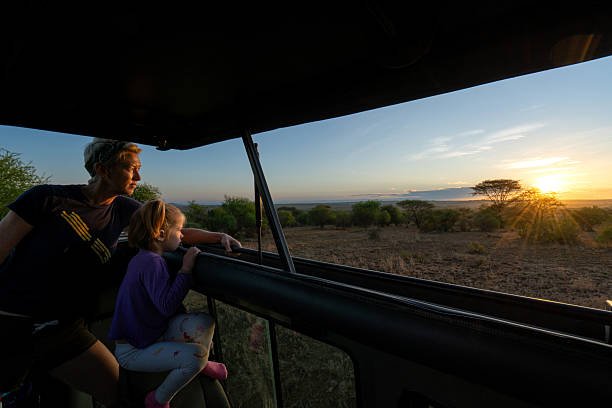
Luxury Serengeti Fly-In Safari: Private Packages & Prices ( Guide)
A detailed guide to luxury fly-in safaris in the Serengeti, focusing on private logistics, pricing structures for 2026-2027, and maximizing your time in the bush.
View package detailsKenya To Tanzania Safari Flights: Prices & Booking Guide
A practical guide to connecting Kenya and Tanzania by air for your safari. Learn about border logistics, booking realities, and why most travelers choose specific routes over others.
View package detailsMasai Mara To Serengeti Flights: Cross-Border Safari Costs And Logistics
Discover the logistics of flying from Masai Mara to Serengeti, including bush flight options, cross-border visa requirements, and typical safari cost considerations.
View package details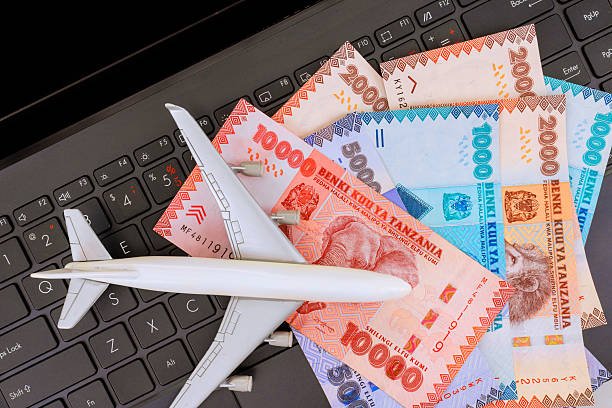
Flights To Moshi Tanzania: Nearest Airports & Travel Costs Guide
A professional guide to navigating air travel for your Kilimanjaro climb or safari, comparing airport options, transfer logistics, and cost factors for 2026-2027.
View package detailsTanzania Safari Flight Baggage Limits: 15Kg, 20Kg & Extra Bag Costs Explained
A practical guide to navigating bush flight luggage restrictions in Tanzania. Understand why 15kg is the standard, the necessity of soft bags, and how to manage gear across multiple trip...
View package detailsBest Airlines For Tanzania Safari Flights: Prices & Comparison ()
A guide to navigating Tanzania's domestic airline market for safari travel, covering reliability, baggage constraints, and booking strategies for 2027.
View package details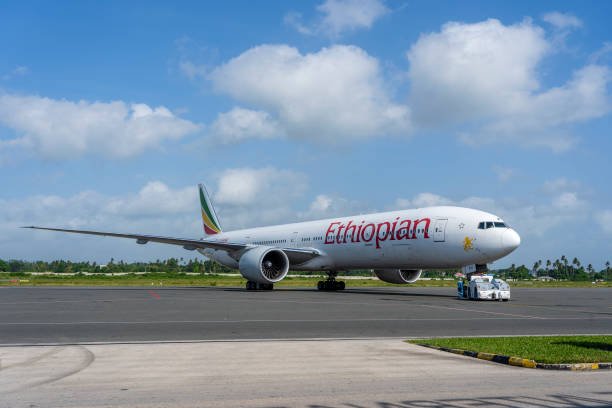
Tanzania Honeymoon Safari And Zanzibar With Flights: Package Prices
Tanzania Honeymoon Safari and Zanzibar With Flights: Package Prices.
View package detailsBudget Tanzania Fly-In Safari: Affordable Options & Flights Guide
Discover how to plan a budget-friendly fly-in safari in Tanzania without compromising on the experience. Learn about strategic timing, regional flight logistics, and how to balance air...
View package details4-Day Tanzania Fly-In Safari With Return Flights: Prices & Planning
A deep look at the logistics and price factors for a 4-day Tanzania fly-in safari, helping you plan your 2027 wildlife adventure.
View package detailsAre Tanzania Safari Flights Safe And Reliable? Guide
A practical guide to the safety and reliability of domestic safari flights in Tanzania, covering regulatory standards, weather-related logistics, and planning advice.
View package detailsNo related package matches those filters. Clear one or more filters to see the other topic-matched options.



