
Climbing Mount Kilimanjaro as a senior in December 2026 is entirely achievable with the right strategy. The key is prioritizing longer, slower-paced routes that allow for superior acclimatization. We recommend the 8-day Lemosho Route or the 9-day Northern Circuit for seniors, as these itineraries provide the best balance of steady elevation gain and physical recovery. December is one of the preferred windows for senior climbers because the temperatures are generally milder compared to the colder, wetter months, and the trails are less prone to mud. Success for older climbers is rarely about fitness alone; it is about choosing a 7-to-9-day itinerary that allows your body to adjust to altitude without the pressure of a rapid ascent.
Many travelers assume that Kilimanjaro is a young person’s game, but our experience at Climb 4 Africa shows that older climbers often have a significant advantage: patience. Climbing the mountain is an exercise in discipline, and seniors who understand the importance of pole pole (slowly, slowly) frequently have higher success rates than younger, faster climbers who risk altitude sickness by rushing.
Why December 2026 is an Ideal Window
Planning for December 2026 offers specific advantages for the senior demographic. Unlike the peak summer months, December sits at the end of the short rains, meaning the mountain is often lush, vibrant, and temperatures at the base are comfortable. While you will encounter rain in the lower rainforest zones, the upper slopes are typically clearer and more stable for summit attempts.
For seniors, the logistical comfort of December is a major factor. The mountain is active, meaning rescue services and support staff are fully operational, and the trails are well-trodden. If you are looking to avoid the extreme heat of the lower plains or the biting cold of the peak dry season (January/February), December offers a middle ground that is manageable for those sensitive to temperature extremes.
Selecting the Right Route for Longevity and Success
Not all Kilimanjaro routes are created equal, and for a senior climber, the route choice is the most important decision you will make. We discourage short, 5-day or 6-day routes regardless of your fitness level. The goal is to maximize the time spent at altitude so your body can produce the red blood cells necessary to handle the thin air.
The Northern Circuit: The Gold Standard for Seniors
If time allows, the 9-day Northern Circuit is the best option. It is the longest route on the mountain, which provides the most gradual ascent profile. Because it circles the mountain from the west to the north, it offers a wider variety of scenery and, crucially, significantly more time for your body to acclimate. For seniors, this extra time reduces the physical strain of daily hiking, allowing you to reach the summit with more energy in reserve.
Lemosho Route: The Scenic Alternative
The 8-day Lemosho route is another excellent choice. It starts at a higher elevation than most other routes, which helps you avoid the initial, grueling climb through the rainforest. It joins the Machame route later, but by then, you are already well-acclimated. This route is favored by older trekkers because it is less crowded in the early stages, offering a quieter, more contemplative experience.
For a detailed comparison of these routes or to discuss which path fits your specific mobility and endurance levels, you can reach out to us directly via WhatsApp at +255 747 477 898 or email climb4africa@gmail.com.
Physical Preparation and Medical Considerations
We advise all climbers over the age of 60 to consult with their primary care physician well in advance of their December 2026 departure. While you do not need to be a marathon runner, cardiovascular health is vital. Focus your training on long, slow hikes rather than high-intensity interval training. You want to train your body for endurance and sustained movement, not speed.
- Cardiovascular Health: Regular walking on uneven terrain is better than treadmill running. Try to replicate the conditions of the mountain by walking in the boots you plan to wear.
- Joint Care: Trekking poles are not optional for seniors—they are essential. They reduce the impact on your knees, especially during the long descent from the summit, which is often where injuries occur.
- Hydration and Nutrition: Older bodies process fluids differently. We emphasize constant hydration. Our guides are trained to monitor your intake and ensure you are eating enough calories, even when your appetite naturally suppresses at high altitude.
The Climb 4 Africa Support Difference
Success on Kilimanjaro is a team effort. When you book with us, you are not just getting a guide; you are getting a mountain support system specifically tailored to your needs. For senior climbers, we focus on:
- Private Crew Support: We ensure your crew understands your pace. There is no pressure to keep up with younger group members. You set the tempo.
- Nutritional Planning: We adapt our mountain menu to ensure you are getting the nutrients you need to sustain energy levels, even if you feel less hungry due to altitude.
- Safety Protocols: Our guides are certified in wilderness first aid and are trained to recognize the earliest signs of altitude sickness. We carry supplemental oxygen and have established evacuation protocols if necessary.
If you are traveling as a couple or a small group, you may want to look into our Romantic Kilimanjaro Summit Adventure for Couples December 2026, which allows for a private, customized pace that is ideal for partners who want to share the experience without the constraints of a large group.
Logistics for Your December 2026 Trip
Planning for December 2026 requires looking at the logistics of arrival and departure. Most of our clients fly into Kilimanjaro International Airport (JRO). We recommend arriving at least two days before your climb begins. This allows you to recover from long-haul flights, adjust to the local time zone, and perform a final gear check with your head guide.
Many seniors also choose to combine their climb with a shorter, less strenuous activity afterward. A relaxing safari or a trip to Zanzibar is a common way to decompress after the physical challenge of the mountain. You can explore options for shared safari tours or tailor-made private experiences to round out your Tanzanian holiday.
Frequently Asked Questions for Senior Trekkers
Is there an age limit for climbing Kilimanjaro?
There is no official upper age limit for climbing Kilimanjaro, provided you are in good health. We have successfully guided many seniors in their 60s, 70s, and beyond. The most important factor is your medical clearance and your commitment to the ‘pole pole’ pace.
What if I need to turn back?
Turning back is not a failure; it is a safety decision. Our guides are trained to prioritize your health above all else. If you decide to descend, you will be accompanied by a member of our crew, and we will ensure you are safely taken to your hotel or medical facility as needed.
Do I need to carry all my own gear?
No. You will carry a daypack with your water, rain gear, and personal items. Our porters carry the bulk of the camping equipment, food, and your main duffel bag. This allows you to conserve your energy for the hike itself.
How do I book for December 2026?
Booking early is advisable to secure your preferred dates, especially for the popular Christmas and New Year periods. Contact us at info@climb-4-africa.com with your preferred route and any specific mobility requirements. We will provide a transparent breakdown of what is included and help you build an itinerary that ensures you have the best chance of reaching the summit safely.
Whether you are checking a bucket list item or looking for a new challenge in your later years, Kilimanjaro offers an experience that is as much about internal growth as it is about the physical summit. We are here to handle the logistics, safety, and support so that you can focus on the journey. Contact us today to start planning your December 2026 expedition.
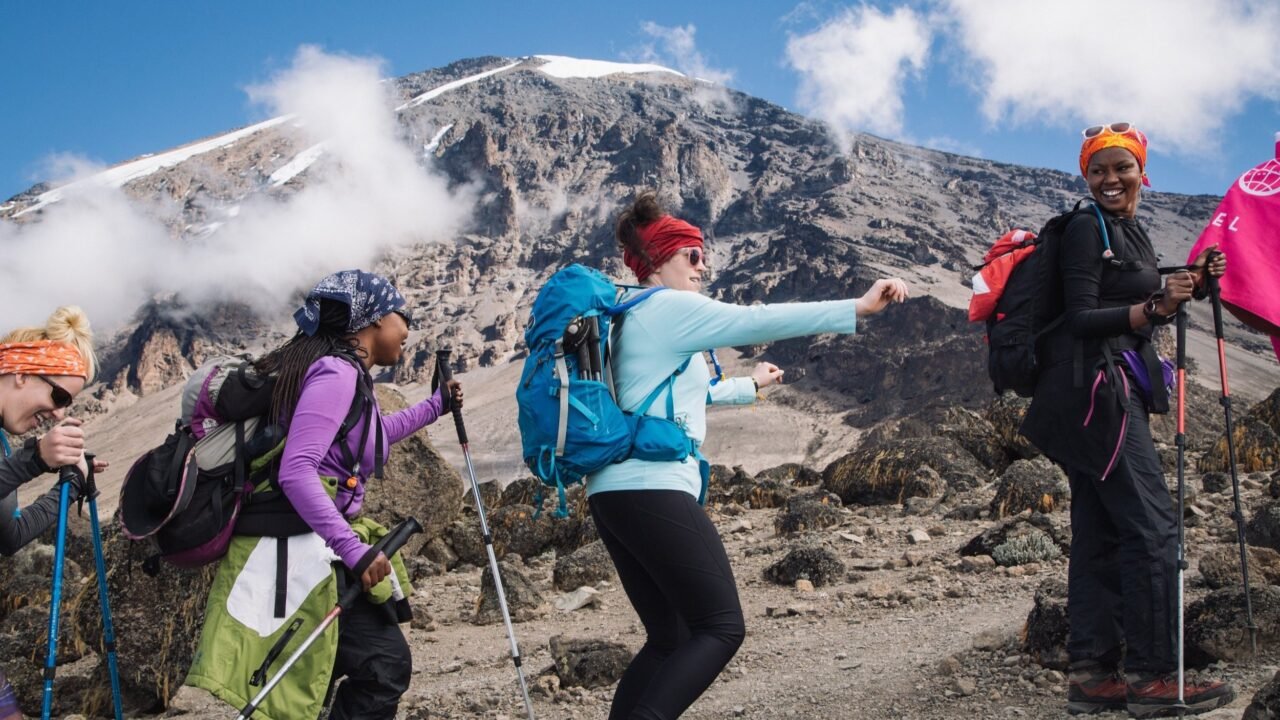
Nutritional and Hydration Strategies for Senior Climbers
While physical training is the foundation of your Kilimanjaro success, the way you fuel and hydrate your body during the climb is equally critical, especially for climbers over the age of 60. At high altitudes, the body’s metabolic rate changes, and digestive efficiency often decreases. For the senior trekker, this requires a proactive, rather than reactive, approach to nutrition and fluid intake to maintain energy levels and support acclimatization.
Combating Appetite Suppression at Altitude
It is a common phenomenon for climbers to experience a significant loss of appetite once they pass the 3,000-meter mark. For younger climbers, this might be a minor inconvenience, but for seniors, failing to consume adequate calories can lead to rapid fatigue and weakened immune responses. You must treat eating as a necessary task, not an optional activity. Our mountain chefs are trained to prepare nutrient-dense, easily digestible meals that minimize gastrointestinal stress. We recommend focusing on complex carbohydrates—such as porridge, rice, and pasta—which provide the sustained energy required for long trekking days. If you find yourself unable to stomach a full meal, prioritize small, frequent portions rather than forcing three large sittings. Foods that are familiar to your palate are often more palatable at altitude, so feel free to bring along small, lightweight comfort snacks that you know you enjoy, such as specific energy bars, dried fruits, or electrolyte powders that you have tested during your training hikes.
The Critical Importance of Scheduled Hydration
Hydration is the single most effective tool for preventing altitude sickness and maintaining physical performance, yet the thirst mechanism in older adults is naturally less sensitive than in younger individuals. You cannot rely on your thirst to tell you when to drink. By the time you feel thirsty, you may already be mildly dehydrated, which complicates the body’s ability to acclimatize. We advise implementing a strict hydration schedule: aim to consume a consistent amount of water throughout the day, rather than waiting for breaks. Electrolyte supplementation is non-negotiable. At high altitudes, you lose fluids rapidly through respiration and sweat; replacing the salts lost is essential for preventing muscle cramping and maintaining cognitive function. Aim to add an electrolyte tablet or powder to at least half of your water intake each day, which also improves the taste, often encouraging better fluid consumption.
Working with Your Mountain Chef
Your relationship with your mountain crew, particularly the chef, is a vital component of your support system. During your pre-climb briefing in Moshi or Arusha, be explicit about your dietary needs and any digestive sensitivities. Our crews are accustomed to accommodating various requirements, but they rely on your transparency. If you have specific preferences—such as a need for more ginger tea to settle your stomach or a preference for soups over solid foods at dinner—communicate this early. The goal is to ensure that every meal serves as a recovery tool. By managing your intake with the same discipline you apply to your walking pace, you provide your body with the best possible environment to adapt to the thin mountain air.
Strategic Gear Management for Senior Comfort
For climbers over the age of 60, the physical burden of gear management is a critical factor in overall success. While we have established that porters handle the bulk of the heavy equipment, the items you keep in your immediate possession—your daypack—require a specific strategy. In the cold, thin air of December 2026, your ability to access layers, hydration, and medical essentials without removing your pack or stopping for extended periods is paramount to maintaining your core body temperature and momentum.
We recommend a daypack with a capacity of 30 to 35 liters, featuring a supportive hip belt that transfers weight from your shoulders to your pelvis. For senior trekkers, the hip belt is not optional; it is a necessity for spinal health and stability. Furthermore, ensure your pack has an accessible external sleeve for your hydration bladder. Stopping to unzip your pack and dig for a water bottle increases the risk of dehydration, as it creates a barrier to frequent, small sips. A hose system allows you to hydrate while walking, which is vital for maintaining the steady intake required to combat altitude fatigue.
The Art of Layering for Variable Mountain Conditions
December on Kilimanjaro presents a unique challenge: you will start in the humid heat of the rainforest and end in the sub-zero temperatures of the summit zone. Managing your micro-climate is essential to preventing hypothermia or overheating. Seniors often have a slightly different thermoregulation response, making the ‘onion principle’—dressing in thin, breathable layers—the only reliable method.
Your daypack should always contain three specific layers that are accessible at a moment’s notice: a wind-resistant shell, a lightweight insulating mid-layer (such as a fleece or synthetic down vest), and a waterproof rain layer. Do not wait until you are shivering to put on a jacket. If you feel the temperature dropping, add a layer immediately. Conversely, if you feel yourself beginning to sweat during a steep ascent, remove a layer before you become damp. Moisture is your greatest enemy on the mountain; once your base layer is wet, it will sap your body heat rapidly during rest breaks. We suggest utilizing zippers for ventilation rather than removing clothing entirely when possible, as this keeps your core protected from sudden gusts.
Footwear and Gait Stability
Your choice of footwear and its management during the trek is arguably as important as your physical training. As we age, our joints—particularly the knees and ankles—require more support and cushioning. We strongly advise against breaking in brand-new boots on the mountain. Your boots should be worn for at least 50 to 100 kilometers of hiking prior to your December departure to ensure they are molded to your feet and that you have identified any potential hotspots where blisters might form.
When packing for the trek, include high-quality, moisture-wicking wool socks. We recommend a two-sock system: a thin liner sock to reduce friction against the skin and a thicker outer wool sock for cushioning and warmth. If you feel a hot spot developing on your heel, address it immediately with blister tape or moleskin. Waiting until the end of the day to treat a blister can lead to a painful infection or a gait change that puts unnecessary strain on your knees and hips, potentially forcing you to abandon your climb.
Furthermore, the use of trekking poles is non-negotiable for senior climbers. They provide two additional points of contact, which significantly improves balance on the uneven, rocky terrain of the upper slopes. On the descent, trekking poles are life-savers for your knees, absorbing the impact that would otherwise be directed through your joints. Ensure your poles are adjusted to the correct height—your elbows should be at a 90-degree angle when holding the grips on flat ground—and practice using them on varied terrain during your pre-trip training.
The Psychological Demands of High-Altitude Endurance
While your physical training prepares your muscles and cardiovascular system for the rigors of Kilimanjaro, the mental landscape of the mountain presents a unique set of challenges for the senior climber. For many, the greatest hurdle is not the steepness of the terrain, but the sustained patience required for a multi-day ascent. The transition from a high-functioning, independent lifestyle to the slow-paced, dependent environment of a mountain expedition can be jarring. Successful senior climbers often utilize a strategy of ‘mental compartmentalization,’ focusing exclusively on the immediate goals—the next ridge, the next snack break, or the next hour of hiking—rather than the daunting distance to the summit.
Mastering the Pole Pole Mental State
The ‘pole pole’ (slowly, slowly) philosophy is more than a pace; it is a discipline of restraint. For active seniors accustomed to setting their own pace in daily life, the urge to push harder when feeling good can be a significant risk factor for altitude sickness. Mentally, you must learn to override the competitive instinct. If you find yourself frequently overtaking your guide, you are moving too fast. Use this time to observe the shifting ecosystems—from the lush rainforest to the alpine desert—rather than focusing on the summit. This shift in perspective transforms the climb from a race against time into an in-depth, manageable journey, which significantly lowers cortisol levels and aids in physiological acclimatization.
Sleep Hygiene and Emotional Regulation at Altitude
Sleep quality at altitude is a frequent concern for older adults, whose sleep architecture is already more sensitive to external disruptions. At higher camps, the combination of thin air, cold temperatures, and the novelty of tent living can lead to fragmented sleep. This is not necessarily a sign of illness, but rather a physiological response to lower oxygen saturation. To mitigate this, establish a ‘sleep ritual’ that mirrors your home routine as closely as possible. Use high-quality earplugs to block out the sounds of the camp, wear a comfortable, warm hat to bed to minimize heat loss, and practice deep, rhythmic breathing exercises before attempting to sleep. Recognizing that you may not get eight hours of deep REM sleep is crucial; accept that rest is the goal, not necessarily deep sleep. If anxiety arises, communicate it early to your guide. Often, simply verbalizing the frustration of sleeplessness can alleviate the psychological pressure, allowing you to focus on the next day’s movement.
Post-Trek Recovery and Physiological Transition
The conclusion of your summit attempt is not the end of the physical challenge. The descent, often overlooked in training plans, is arguably the most punishing phase for the senior body. It requires a different set of physical and mental resources than the ascent, and failing to manage this transition can lead to unnecessary injury or prolonged exhaustion.
The Descent: Protecting Joints and Maintaining Focus
After reaching the summit, the natural tendency is to relax, but the descent from Uhuru Peak back to the lower camps involves thousands of feet of elevation loss. This creates a high ‘eccentric load’ on your quadriceps and knees. For seniors, the risk of joint inflammation is highest during this phase. Maintain the same level of focus on your gait as you did during the ascent. Continue to use your trekking poles with intention, placing them firmly on the ground before each step to offload the impact from your knees. If you feel your concentration waning, take a moment to rest. The descent is a time to be deliberate, not fast. Many climbers experience a ‘summit high’ that masks early signs of fatigue or dehydration; remain vigilant about your hydration even as you descend into thicker, warmer air.
Post-Summit Logistics and Avoiding the ‘Rush Home’ Syndrome
We strongly advise against scheduling an international flight within 24 hours of returning to Moshi or Arusha. The body requires a ‘decompression’ period to re-adjust to sea level and to process the intense physical exertion of the week. Spending at least one full day in a comfortable hotel environment allows for proper muscle recovery, rehydration, and the treatment of any minor foot issues that may have been ignored on the mountain. This buffer also provides a safety margin for any delays in the descent. Use this time to reflect on the experience, enjoy the luxury of a hot shower, and allow your metabolic rate to normalize. Rushing back into a long-haul flight can exacerbate the effects of altitude hangover, leading to increased fatigue and a weakened immune system upon your return home.
Navigating Summit Night: A Senior-Specific Approach
For many senior climbers, the final push to Uhuru Peak represents the most daunting phase of the Kilimanjaro expedition. Departing base camp around midnight is a logistical necessity to ensure you reach the summit by sunrise and descend safely before the afternoon, but this schedule presents unique physiological and psychological hurdles for older trekkers. Unlike the preceding days, summit night is characterized by extreme cold, sleep deprivation, and the challenging terrain of the loose scree slopes. Success here is not about speed; it is about precision, thermal regulation, and leveraging the support of your guide.
The most significant challenge of summit night is the “circadian disruption” caused by waking at midnight to begin a strenuous climb. For seniors, whose sleep cycles are often more rigid, this can lead to feelings of disorientation. We recommend spending the afternoon before summit night in a state of absolute rest—not necessarily sleep, but complete horizontal relaxation. Avoid the temptation to organize your gear during this time; have everything packed and ready by midday. When the wake-up call comes, treat the preparation as a meditative, slow-motion process. Your guide will assist you with equipment checks; allow them to take the lead on tasks like adjusting headlamp batteries or checking your water bladder flow, which can freeze in the sub-zero temperatures.
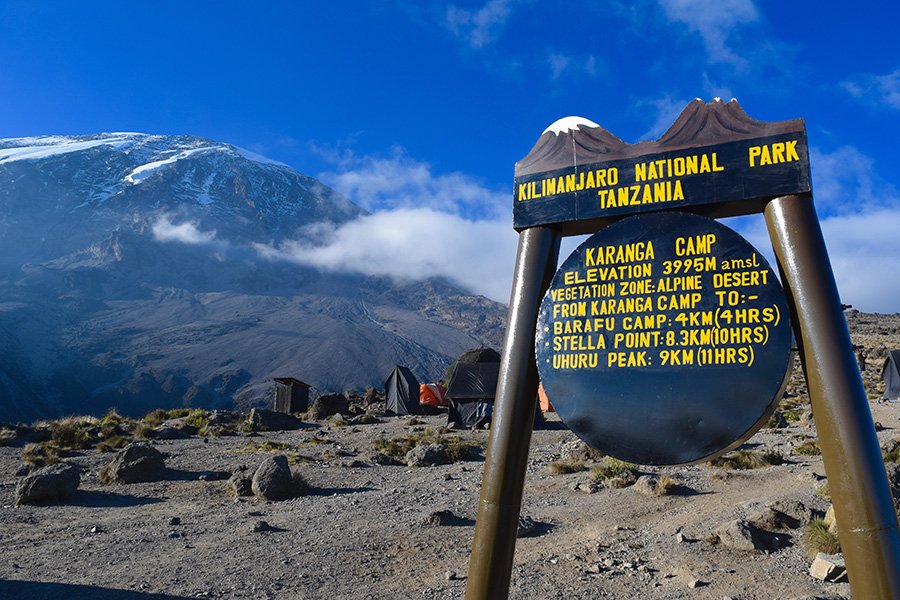
Regarding the physical ascent, the scree slopes between Barafu or Kibo Hut and the crater rim (Stella Point) are notoriously grueling. This section is essentially a steep, dusty staircase of loose volcanic rock. For seniors, the primary risk is joint fatigue and loss of balance. Use your trekking poles with an aggressive, wide base of support. Do not attempt to keep pace with younger, faster climbers; the “pole pole” rhythm must be even more exaggerated here. If you feel your balance wavering, do not hesitate to ask your guide for physical support. It is common for guides to offer an arm for stability on the steeper sections; this is not a sign of weakness, but a tactical decision to conserve your energy and prevent a slip.
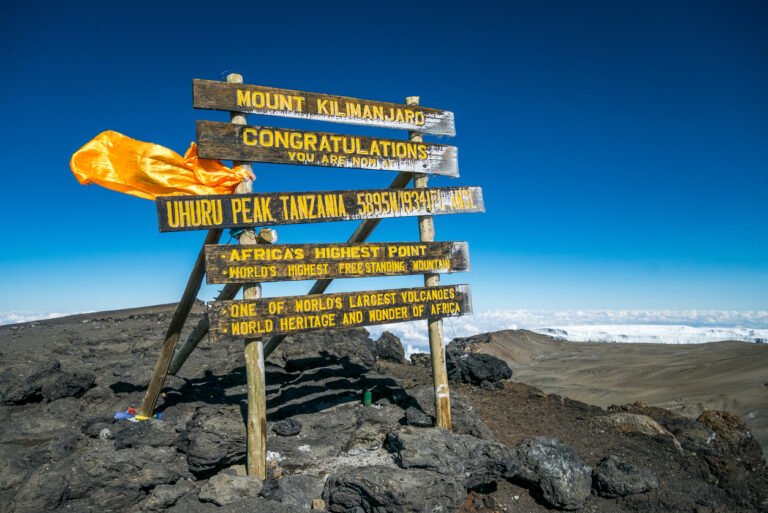
Finally, prepare for the “Stella Point Barrier.” Stella Point is the first point on the crater rim. Many climbers, upon reaching this milestone, feel they have reached the summit and may experience a sudden drop in adrenaline or motivation. Mentally prepare yourself for the fact that reaching Stella Point is a massive victory, but that Uhuru Peak (the true summit) is still roughly 45 to 60 minutes away along the crater rim. If you find that your physical reserves are near empty at Stella Point, have a candid, immediate conversation with your lead guide. They are experts at assessing whether you have the capacity to safely complete the final flat traverse to Uhuru Peak or if your safety is better served by beginning the descent from the crater rim.
Managing Electronics and Thermal Comfort in the Death Zone
At the altitudes of the summit zone, standard lithium-ion batteries—in your phone, camera, or headlamp—can lose charge rapidly due to the cold. For senior climbers, this is not just a nuisance but a safety issue if your headlamp fails. Keep all spare batteries inside an inner layer of your clothing, against your body heat. If you use a hydration bladder, ensure the tube is insulated or, better yet, carry a thermos of warm, electrolyte-rich liquid in your daypack. The warmth of the drink can provide a necessary psychological boost and help maintain core temperature when the body is struggling to generate heat during the slow, nocturnal ascent.
Related Guides and Packages
Check Availability for Senior Friendly Kilimanjaro Mountain Tours December : Expert Planning Guide
Ready to compare dates, prices, and the best option for your group? Send the package name and travel month so the team can reply with a clear quote, availability, and what is included.
Vip Kilimanjaro Expedition With Private Mountain Crew December 2026
A detailed guide to planning a bespoke, high-support Kilimanjaro expedition for December 2026, focusing on private crew logistics, route selection, and safety.
View package details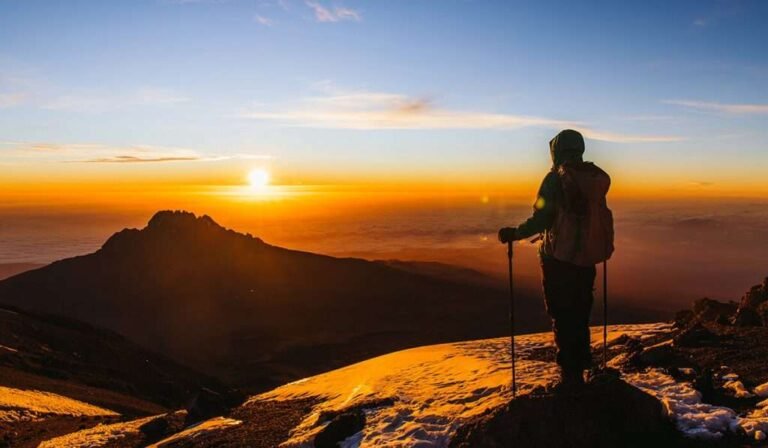
How Early Should I Book A December Kilimanjaro Group Trek? A Planning Guide
Planning a December Kilimanjaro climb? Learn the ideal booking window, why holiday dates fill up fast, and how to secure your spot for 2026-2027.
View package details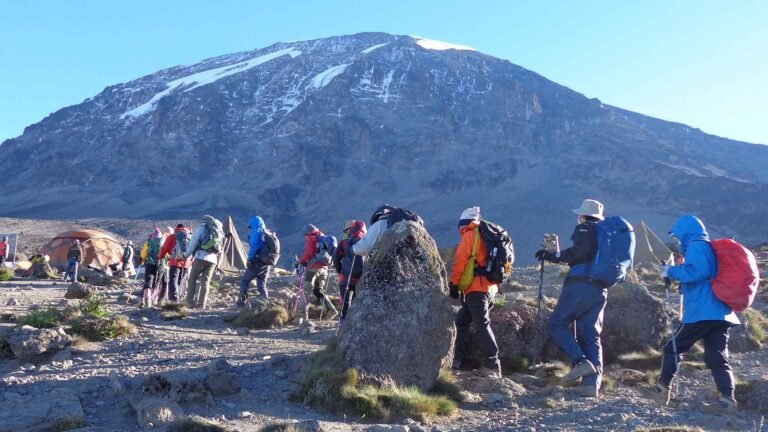
Can I Join A Kilimanjaro Group Alone In December ? Expert Guide 2026
Planning a solo trip? Find out how you can join a Kilimanjaro group in December 2026, the benefits of group departures, and the steps to secure your spot.
View package details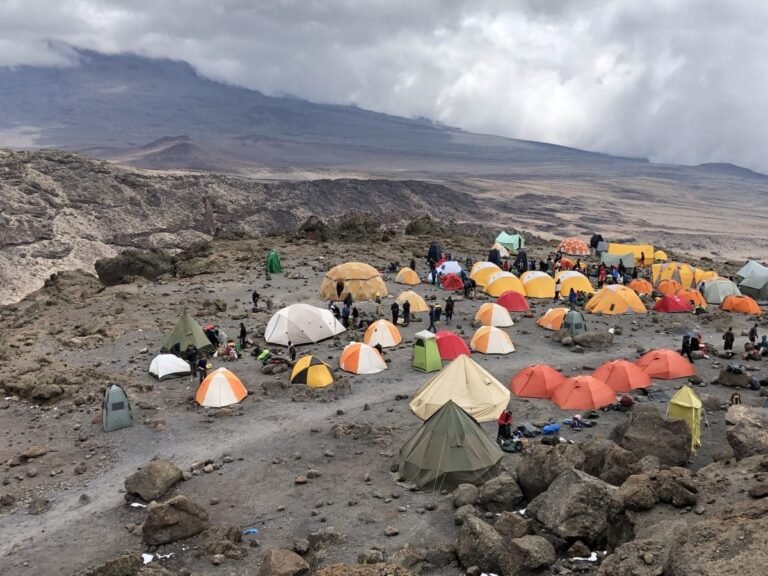
Is December A Good Time To Climb Kilimanjaro? A Local Expert Guide 2026
Planning for December 2026? Discover why this month is a popular choice for Kilimanjaro climbs, how the 'short rains' affect your trek, and why early booking is essential for the holiday...
View package details
Kilimanjaro December Climbing Cost Including Park Fees: A Transparent
A detailed look at the financial structure of a Kilimanjaro climb in December 2026, focusing on mandatory park fees, ethical operator standards, and route-specific cost variables.
View package details
Mount Kilimanjaro Weather In December : A Climbers Guide 2026
A practical guide to the conditions you can expect on Mount Kilimanjaro in December 2026, covering the seasonal 'short rains', trail conditions, and holiday planning.
View package details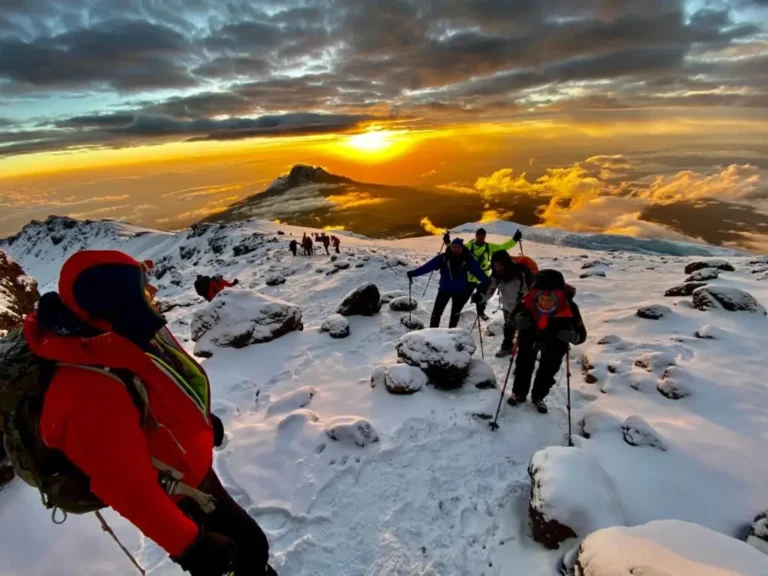
Kilimanjaro New Year Summit Packages: Planning Your December Departure 2026
A practical guide to securing your Kilimanjaro New Year 2027 summit. Learn why starting your climb in late December 2026 is critical for a successful, stress-free ascent.
View package detailsKilimanjaro Full Moon Climbing Experience December 24 : Planning Your Summit
A comprehensive guide to planning a Kilimanjaro full moon summit for December 2026, covering route selection, holiday season logistics, and expert preparation strategies.
View package details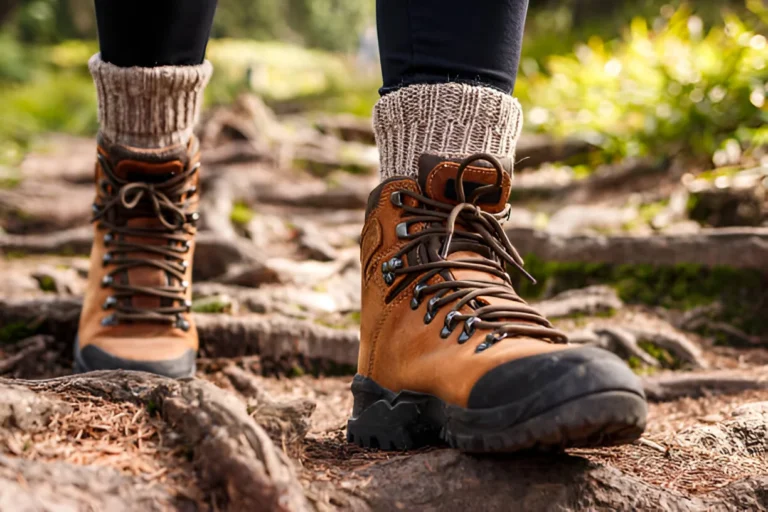
Kilimanjaro Climbing Packages For Students On December Holidays 2026
Kilimanjaro Climbing Packages for Students on December Holidays.
View package detailsCheapest Kilimanjaro Climbing Options For December 2026 Guide
When searching for the most affordable way to climb Kilimanjaro in December 2026, the key is understanding that 'cheap' should never mean 'unsafe.' We break down how to manage costs through...
View package details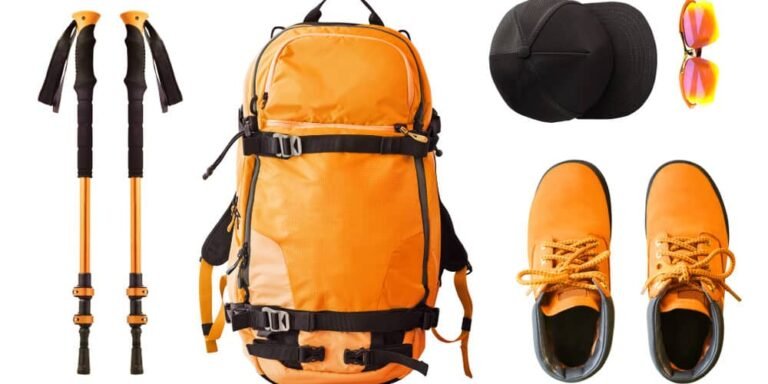
Kilimanjaro Honeymoon Climbing And Zanzibar Beach Holiday: December Planning
A practical guide for couples planning a Kilimanjaro climb and Zanzibar beach holiday in December 2026, focusing on route selection, recovery logistics, and planning timelines.
View package details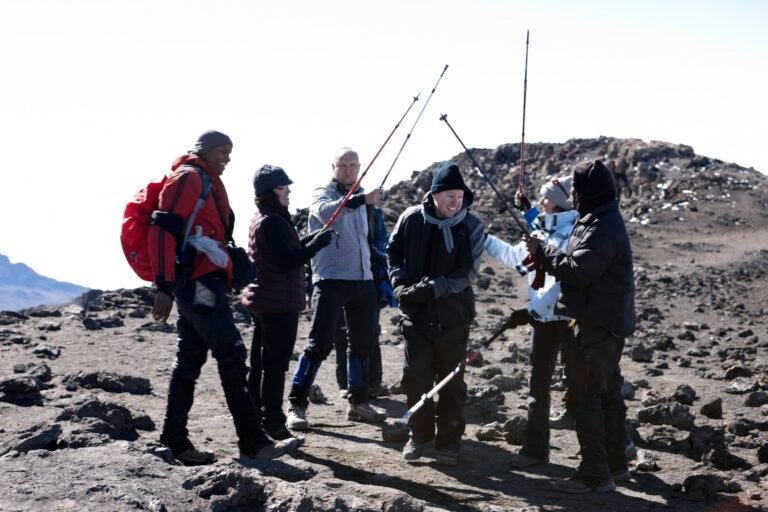
Romantic Kilimanjaro Summit Adventure For Couples December : Planning Your
A detailed guide for couples planning a Kilimanjaro summit in December 2026, focusing on route selection, acclimatization, and the benefits of private trekking arrangements.
View package detailsNo related package matches those filters. Clear one or more filters to see the other topic-matched options.



