
When planning your trip to Mount Kilimanjaro for December 2026, the search for the “cheapest” option often leads to confusion. As local operators based in Tanzania, we see many travelers attempt to find the lowest possible price, only to discover that the mountain has non-negotiable fixed costs—specifically park fees, rescue fees, and camping fees—that every legitimate operator must pay to the Tanzania National Park Authority (TANAPA). These fees account for a significant portion of your total trip cost, regardless of the company you choose.
To find the most affordable way to climb, you must focus on value-driven choices rather than simply seeking the lowest quote. A price that is significantly lower than the market average often signals that an operator is cutting corners on critical safety elements: guide-to-climber ratios, the quality of food, the frequency of health checks, or the safety equipment carried by the team. When planning for December 2026, prioritize operators who offer transparent pricing structures that include these essentials.
Understanding the Real Cost Drivers of a Kilimanjaro Climb
Before you commit to a specific package, it is essential to understand what actually drives the cost of your expedition. By knowing where your money goes, you can identify where you can legitimately save and where you should not.
1. Fixed Park Fees: These are set by the government and are non-negotiable. Every climber pays the same daily rate for entry, camping, and rescue. If a tour package seems suspiciously cheap, check if these fees are included. Often, low-cost operators quote a price that excludes these, which then inflates significantly once you arrive.
2. Group Joining vs. Private Climbs: This is the single most effective way to lower your costs. A private climb requires you to cover the entire cost of the crew (guides, cooks, porters), food, and transport yourself. A group-joining expedition allows you to share these fixed expenses with other travelers, drastically reducing the per-person price. If you are traveling solo or in a small party, joining an affordable group-joining safari and trekking package is almost always the most economical choice.
3. Route Duration: A 6-day trek will always be cheaper than an 8-day or 9-day trek simply because you are paying for fewer days of park fees, food, and staff wages. However, shorter routes also carry a higher risk of altitude sickness because they provide less time for acclimatization. If you choose a shorter route to save money, ensure you are physically prepared for the faster ascent.
Route Comparison for Budget-Conscious Climbers
Not all routes are priced the same, and not all routes offer the same experience. For travelers looking to optimize their budget for December 2026, the following table compares the most common economical choices.
| Route | Typical Duration | Cost Profile | Best For |
|---|---|---|---|
| Marangu Route | 5-6 Days | Lowest (Hut accommodation) | Budget travelers who prefer huts over tents. |
| Machame Route | 6-7 Days | Moderate (High value) | Those wanting the classic experience at a reasonable price. |
| Rongai Route | 6-7 Days | Moderate | Trekkers seeking a quieter, more remote trail. |
| Lemosho/Northern Circuit | 8-9 Days | Higher | Those prioritizing success rates and scenery over cost. |
As shown above, the Marangu Route is often the most budget-friendly because it utilizes permanent mountain huts, which can sometimes be more cost-effective than the logistics of portering and setting up high-altitude tent camps. However, many climbers find the 6-day Machame Route to be the best balance of cost and success probability. You can book a 6-day Machame route climb for December 2026 to secure a solid, reliable itinerary without the premium cost of the longer, luxury-focused routes.
Planning Your December 2026 Trek: What to Expect
December is a popular time to climb Kilimanjaro. It falls near the end of the short rainy season, meaning the mountain is lush and green at the lower levels, but the weather can be unpredictable. Because it is a peak travel month, especially around the Christmas and New Year holidays, availability is a major factor.
If you are looking for the cheapest options, you must book well in advance. Last-minute deals are rare during this high-demand period, and you risk being forced into more expensive, private, or last-minute arrangements if you wait until the last minute. Furthermore, if you are hoping to be on the summit for the holidays, you should look into joining a Kilimanjaro Christmas climbing group. These groups are curated to provide a social, shared experience that keeps individual costs down while ensuring you are with a group of like-minded travelers.
Where You Should Never Cut Costs
While we understand the desire to keep your expedition affordable, there are specific areas where compromising on quality directly affects your safety and the ethics of your trip. When you receive quotes from various operators, look for these non-negotiable standards:
- Guide Qualifications: Ensure your lead guide is wilderness first-responder certified and has extensive experience on the specific route you are taking. A cheaper guide with less experience is a significant safety risk.
- Oxygen and Medical Kits: Any reputable operator must carry supplemental oxygen and a comprehensive medical kit on every climb, regardless of the route duration or the price of the package.
- Porter Welfare: This is a critical ethical issue. Cheap operators often survive by underpaying their porters or failing to provide them with proper gear and food. When you book, ask how the company treats its crew. At Climb 4 Africa, we believe that an ethical climb is a sustainable climb.
- Food Quality: You need high-calorie, nutritious food to maintain your energy levels. Saving money by providing sub-par nutrition will only increase the likelihood of fatigue and failure on the summit day.
How to Secure the Best Value with Climb 4 Africa
The best way to manage your budget for December 2026 is to have a direct conversation with a local operator who can help you tailor your trip. We can advise you on which routes are currently seeing the best group availability and how to combine your trek with other activities to maximize your travel investment.
For instance, many travelers combine their climb with a wildlife safari or a trip to Zanzibar. By bundling these, you can often save on logistics and transfer costs. You can explore our available group departures and dates to see where you might find efficiencies.
If you are ready to start planning, please reach out to our team. We are here to provide transparent, honest advice about the costs involved. You can contact us via WhatsApp at +255 747 477 898 or send an email to climb4africa@gmail.com. Alternatively, you can reach our support team at info@climb-4-africa.com. When you contact us, let us know your preferred dates for December 2026, your approximate group size, and whether you are interested in a specific route or a combined package. We will help you navigate the options to find a trip that fits your budget without compromising on the quality or safety of your African adventure.
Remember, the goal is to reach the summit and return safely. By choosing the right route, joining a group where possible, and working with a reputable local operator, you can achieve your Kilimanjaro goal without unnecessary expense.
Managing Hidden Budget Leaks: Beyond the Operator Fee
While your primary expenditure is the tour operator package, many climbers find their budget derailed by the peripheral costs associated with a December expedition. Because December is the peak holiday season, the logistics surrounding your climb—flights, pre-climb accommodation, and gear preparation—often carry a premium. Failing to account for these “hidden” costs can turn an affordable trek into a financial burden. By anticipating these expenses early, you can lock in lower rates and avoid last-minute price spikes.
The Gear Strategy: Renting vs. Buying
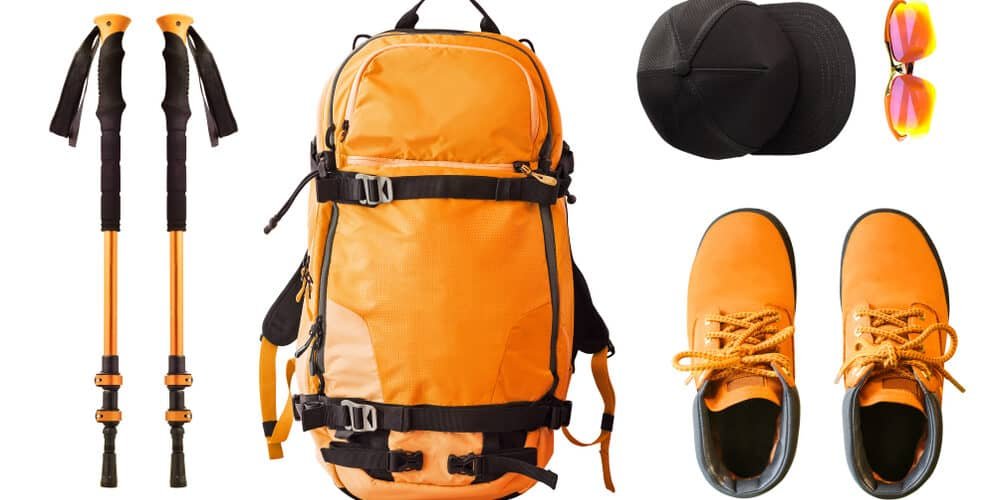
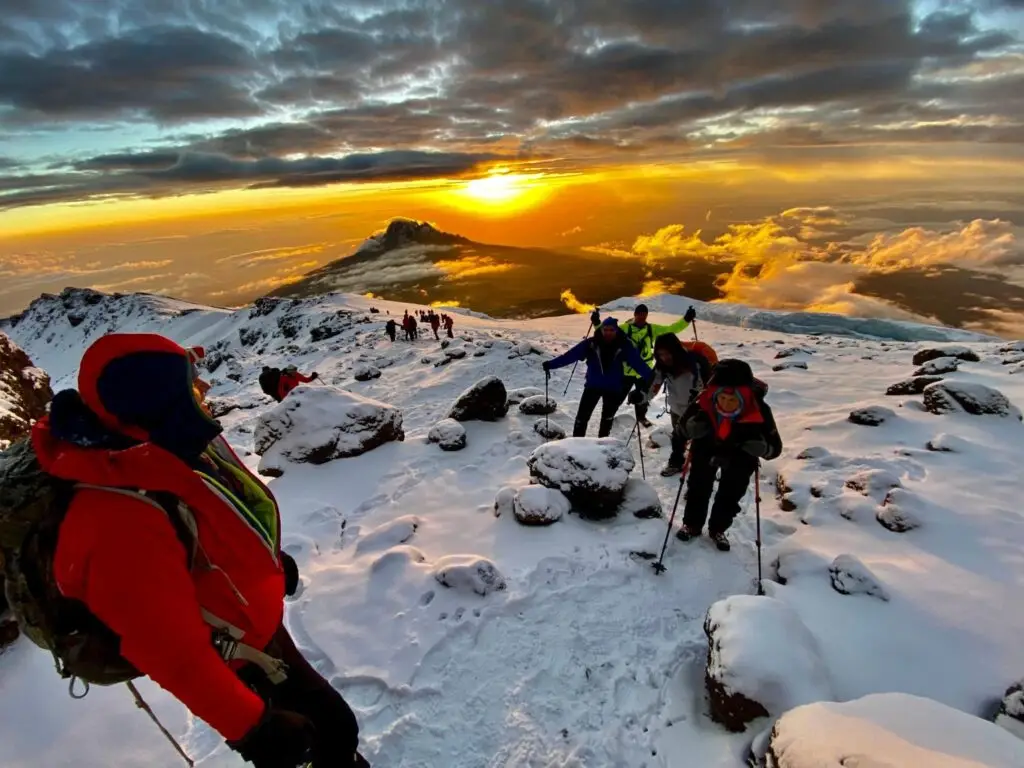
The most common mistake budget-conscious travelers make is over-investing in specialized gear. Kilimanjaro requires high-performance equipment to handle extreme temperature fluctuations, but you do not need to purchase everything new. Most reputable operators in Moshi and Arusha offer comprehensive rental services for high-altitude items. Instead of purchasing a -15°C (5°F) sleeping bag, a heavy-duty down jacket, or trekking poles—items you may never use again—allocate a portion of your budget to rent these from your operator. This is significantly cheaper than shipping heavy gear or paying airline baggage fees for items that will occupy your luggage space.
Focus your personal spending only on items that require a perfect fit or personal hygiene, such as broken-in hiking boots, moisture-wicking base layers, and quality wool socks. Test your boots on local trails for several months before December 2026; do not wear new boots on the mountain, as blisters are the number one cause of failed summit attempts. By renting the bulky, expensive technical gear and investing only in your footwear and layering system, you reduce your upfront capital expenditure by hundreds of dollars.
The Reality of December Flight Logistics
December is a peak travel month for Tanzania, driven by both the holiday season and the favorable climbing window. Flight prices to Kilimanjaro International Airport (JRO) or Dar es Salaam (with a connecting flight to JRO) increase significantly as the date approaches. If you are aiming for a December 2026 climb, the single most effective way to protect your budget is to secure your flights at least eight to ten months in advance. Monitor flight aggregators starting in early 2026. If you find a favorable fare, book it immediately. Do not wait for “last-minute deals” for December travel, as these rarely materialize for East Africa during the holiday peak.
Budgeting for Tipping and Gratuities
Tipping is a standard and expected practice on Kilimanjaro. It is not an optional “extra” but rather a fundamental part of the crew’s compensation. Because this is often paid in cash upon completion of the trek, it is frequently forgotten during the initial budgeting phase. Research the current industry standard for daily tips per crew member—which typically includes guides, assistant guides, cooks, and porters—and multiply this by the number of days on your route and the number of crew members assigned to your group. By setting this money aside in a dedicated “tipping fund” before you leave home, you ensure you are not caught off guard at the end of the climb. Remember to carry this cash in crisp, clean USD bills, as local banks and guides often refuse worn or older-series banknotes.
Insurance Requirements for High Altitude
Standard travel insurance rarely covers trekking at altitudes above 4,000 meters. When looking for coverage, ensure your policy explicitly includes “high-altitude trekking” or “mountaineering” with a rescue clause that covers helicopter evacuation. While this is an additional cost, it is a non-negotiable safety expense. Attempting to save money by purchasing a generic travel policy that excludes high-altitude activity can leave you financially liable for thousands of dollars in medical evacuation costs if you experience altitude sickness or injury. Look for providers that specialize in adventure sports; these policies are often more cost-effective because they are tailored specifically to the risks of high-altitude environments, preventing you from paying for unnecessary “trip cancellation” coverage you may not need.
Navigating the Buffer Days: Managing Pre- and Post-Trek Expenses
Your Kilimanjaro budget often suffers from ‘scope creep’ during the days immediately surrounding your expedition. While the climb itself is a fixed-cost event, the transition days in Moshi or Arusha can quickly drain resources if not managed with the same scrutiny as your trek package. Every extra day spent in a hotel, dining out, or arranging last-minute logistics adds to your total trip expenditure.
First, address your visa requirements well in advance. Depending on your nationality, Tanzanian visa fees can range from $50 to $100 USD. This is an unavoidable entry cost that many climbers forget to factor into their total budget. Use the official Tanzania Immigration e-Visa website rather than third-party services that often add unnecessary processing fees on top of the government rate.
When selecting accommodation for your arrival and departure, prioritize proximity to your operator’s base of operations in Moshi. While Arusha is a popular hub, it is roughly two hours away from the mountain gates. Staying in Moshi minimizes transportation costs and saves valuable time. Look for ‘climber-friendly’ guesthouses rather than luxury hotels. These establishments are designed for trekkers; they offer secure storage for your luggage while you are on the mountain, reliable Wi-Fi, and simple, hearty meals that help you acclimatize to local food before hitting the trail. Many of these guesthouses also include breakfast in the room rate, which is a simple way to eliminate one daily meal cost.
Finally, be intentional about your airport transfers. Many hotels will offer a private pickup service at a premium. If you are traveling solo or in a small group, check if your tour operator can bundle your airport transfer with other incoming climbers. Sharing a shuttle is significantly cheaper than booking a private taxi and is a common practice during the peak December season. Avoid the temptation to dine exclusively at ‘tourist-centric’ restaurants in the city center. Exploring local eateries, often recommended by your guides, provides a more authentic experience and helps keep your daily spending in check, ensuring your funds are reserved for the mountain experience itself.
Mastering Currency and Payment Logistics for Tanzania
While you may have meticulously budgeted for your climb, the mechanics of moving your money into Tanzania can introduce significant, avoidable costs. Many travelers overlook the hidden financial friction inherent in international transactions, which can erode your carefully constructed budget by several hundred dollars. When planning for December 2026, treat your financial logistics with the same strategic planning you apply to your training.
The Hidden Cost of Payment Methods
Most Kilimanjaro operators accept payments via bank wire transfer or credit card. However, these methods are rarely equal in cost. Credit card payments often carry a processing fee—frequently between 3% and 5%—charged by the payment gateway or the local bank. For a multi-thousand-dollar expedition, this is a substantial sum that could otherwise cover your tips or post-climb safari. Before finalizing your booking, ask your operator if they offer a ‘cash discount’ or if wire transfers are preferred. If you choose to wire money, be aware of the ‘intermediary bank fees’ that can be deducted from the total before it reaches the recipient. Always ask your bank to send the funds as ‘OUR’ (sender pays all fees) to ensure the operator receives the full amount, preventing a scenario where you arrive in Moshi and are asked to cover a ‘shortfall’ in your payment.
The ‘Crisp Bill’ Rule: Managing Cash in Tanzania
Cash remains the primary currency for local transactions, including tipping your crew and purchasing souvenirs. However, Tanzania has a strict, often misunderstood policy regarding US Dollar (USD) banknotes. Banks and exchange bureaus across the country frequently refuse any USD bills printed before 2009, or bills that have even minor tears, ink marks, or visible wear. This is not a suggestion; it is a rigid reality. If you arrive with a stack of older or slightly worn bills, you will likely be unable to exchange them or use them for payment, forcing you to use local ATMs at unfavorable exchange rates. When sourcing your cash for the trip, request ‘new-style’ bills from your bank at least a month in advance. Keep these bills in a flat, protective wallet or envelope—do not fold them, as creases can sometimes lead to rejection by exchange bureaus.
ATM Strategy and Daily Spending
While you should carry enough USD for your primary expenses and tips, relying solely on ATMs for your daily spending in Moshi can be risky. ATMs are available, but they often have low withdrawal limits, and frequent transactions will rack up international banking fees from your home institution. Furthermore, ATMs in smaller towns or near popular trailheads can occasionally run out of cash or experience connectivity issues during the peak December season. Use ATMs to supplement your cash flow for minor expenses like coffee, laundry, or local transport, but never rely on them as your primary source of funds for your operator’s balance or emergency reserves. Always notify your bank of your travel dates to Tanzania to prevent your cards from being frozen due to ‘suspicious activity’ the moment you attempt a withdrawal in a foreign country.
The Group Joining Dynamic: Balancing Cost and Compatibility
For budget-conscious travelers targeting December 2026, the most effective way to lower the per-person cost of a Kilimanjaro expedition is to join an existing group. By sharing the fixed costs—such as the guide’s salary, the cook’s wages, and the transport to the trailhead—you can significantly reduce your total investment compared to a private, solo, or couples-only climb. However, ‘group joining’ is not merely a financial transaction; it is a collaborative venture where your safety and success are inextricably linked to the decisions of strangers.
Because December is a peak season, finding a group is relatively easy, but finding the right group requires due diligence. Before committing to a group slot, ask your operator for the group’s profile. A group of experienced hikers moving at a steady, moderate pace is vastly different from a group of casual tourists who may prioritize speed over acclimatization. The most dangerous budget mistake is joining a group that is physically or mentally incompatible with your own fitness level. If you are forced to walk too fast to keep up, your risk of Acute Mountain Sickness (AMS) increases dramatically. Conversely, if you are forced to walk too slowly, you may find yourself struggling with the cold during extended stops.
When vetting a group, inquire about the ‘acclimatization profile’ of the itinerary. A budget-friendly route should still adhere to the ‘pole pole’ (slowly, slowly) mantra. If the group’s itinerary is compressed into fewer days to save money, it may actually be more expensive in the long run if you fail to summit due to altitude-related issues. Verify that the group size is within the operator’s standard safety ratio—usually no more than 10 to 12 climbers per lead guide. If the group is larger, ensure there are sufficient assistant guides to maintain safety standards.
Avoiding the ‘Post-Summit’ Budget Bleed
Many climbers meticulously track every dollar during the planning phase, only to have their budget derailed in the 48 hours following the descent. The ‘post-summit high’ is a real psychological phenomenon that often leads to impulsive spending, which can quickly erode the savings you worked so hard to secure. After the physical and mental exhaustion of the mountain, you are susceptible to ‘convenience spending’ in Moshi or Arusha.
The first trap is the celebratory dinner. After days of eating trail food, the prospect of a high-end, Western-style meal can seem irresistible. While you certainly deserve a reward, these establishments often charge premium prices for imported alcohol and specialty dishes that are far above local market rates. To manage this, set a specific ‘celebration budget’ before you leave home. Treat this as a fixed line item, just like your park fees. If you keep this fund separate from your emergency cash, you can enjoy your success without compromising your trip’s overall financial health.
The second trap is the post-climb souvenir market. You will likely be approached by vendors offering everything from wood carvings to Tanzanite jewelry. These vendors are skilled at identifying climbers who have just returned from the mountain and are feeling generous or euphoric. Prices in these tourist hubs are highly negotiable but often start at three to four times the actual value. If you plan to buy gifts, do your shopping in the local markets rather than the hotel lobby or the shops immediately surrounding the popular tourist hotels. If you are unsure of the fair price for an item, ask a trusted staff member at your hotel or your lead guide for guidance. They can often direct you to local markets where prices are transparent and fixed, preventing you from overpaying in the heat of the moment.
Managing Post-Climb Logistics
Finally, avoid the temptation to book last-minute ‘add-on’ tours. After the summit, you may feel an urge to immediately book a safari or a cultural tour to maximize your time in Tanzania. While these experiences are worthwhile, booking them on the fly in Moshi is rarely the most cost-effective approach. Last-minute bookings often command a premium because you have less time to compare operators or negotiate. If you are considering a safari, research and book it in advance alongside your climb to secure better rates and ensure that the operator is reputable. By having your post-climb plans finalized before you arrive, you eliminate the pressure to make expensive, impulsive decisions when you are at your most vulnerable.
The ‘Equipment Rental’ Trap: Evaluating Quality vs. Cost
While the article has previously touched upon the general strategy of renting versus buying gear, there is a specific, often overlooked financial risk associated with the rental process itself that directly impacts your budget for a December 2026 climb. When seeking the cheapest options, travelers often gravitate toward operators who advertise the lowest daily rental rates for sleeping bags, down jackets, and trekking poles. However, in the context of Kilimanjaro, the lowest rental fee often serves as a proxy for the lowest equipment maintenance standard. Budget-conscious climbers must look beyond the sticker price of the rental to understand the hidden costs of equipment failure.
During the short rainy season in December, the mountain environment is characterized by high humidity at the lower elevations and freezing, wet conditions at the higher camps. Substandard rental gear—specifically sleeping bags with compromised insulation or jackets with failing zippers—can quickly turn a budget-saving measure into a critical safety failure. If a sleeping bag fails to provide the rated warmth, you may find yourself forced to hire an additional porter to carry extra blankets or, in extreme cases, abandon the summit attempt due to hypothermia risks. These ‘mid-climb’ solutions are rarely budgeted for and can end up costing significantly more than the price of renting high-quality gear from a reputable, albeit slightly more expensive, outfitter.
Verifying Rental Inventory Standards
Before confirming your booking, ask your operator for specific details regarding their rental inventory. A transparent operator will not hesitate to answer the following questions, which serve as a litmus test for the quality of their equipment:
- Temperature Rating Verification: Ask specifically for the comfort rating of the sleeping bags provided. Do not accept a generic ‘mountain-ready’ label. For December, a bag rated to at least -15°C (5°F) is essential.
- Maintenance Cycles: Ask how often rental items are professionally cleaned and re-lofted. Down insulation loses its effectiveness when clumped or dirty. If an operator cannot explain their cleaning process, the gear is likely past its prime.
- Backup Protocol: Inquire about the ‘Plan B’ for equipment failure. If a zipper breaks on a jacket at 4,000 meters, does the head guide carry a repair kit, or does the porter team have spare equipment? Understanding this protocol prevents the need to scramble for expensive, last-minute replacements on the mountain.
Furthermore, consider the ‘value-per-use’ metric. If you plan to hike or camp in the future, purchasing high-quality items—such as a reliable headlamp, moisture-wicking base layers, or broken-in trekking boots—is often cheaper over the long term than renting low-quality versions for a one-off trip. Boots, in particular, should never be rented. The cost of dealing with blisters caused by ill-fitting, worn-out rental boots can ruin your trek and lead to medical expenses that far exceed the cost of buying a decent pair of boots at home. By shifting your mindset from ‘finding the cheapest rental price’ to ‘minimizing the risk of equipment failure,’ you protect both your health and your total expedition budget.
Related Guides and Packages
Check Availability for Cheapest Kilimanjaro Climbing Options For December 2026 Guide
Ready to compare dates, prices, and the best option for your group? Send the package name and travel month so the team can reply with a clear quote, availability, and what is included.
Kilimanjaro December Climbing Cost Including Park Fees: A Transparent
A detailed look at the financial structure of a Kilimanjaro climb in December 2026, focusing on mandatory park fees, ethical operator standards, and route-specific cost variables.
View package detailsKilimanjaro Full Moon Climbing Experience December 24 : Planning Your Summit
A comprehensive guide to planning a Kilimanjaro full moon summit for December 2026, covering route selection, holiday season logistics, and expert preparation strategies.
View package details
Kilimanjaro Climbing Packages For Students On December Holidays 2026
Kilimanjaro Climbing Packages for Students on December Holidays.
View package details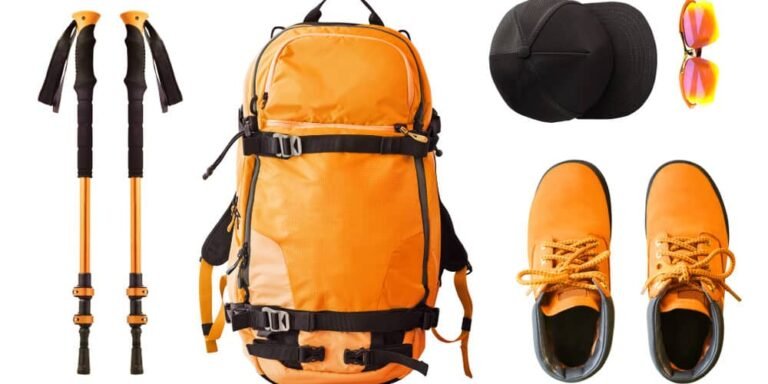
Kilimanjaro Honeymoon Climbing And Zanzibar Beach Holiday: December Planning
A practical guide for couples planning a Kilimanjaro climb and Zanzibar beach holiday in December 2026, focusing on route selection, recovery logistics, and planning timelines.
View package detailsShira Route Kilimanjaro Climbing Itinerary For December : Expert Guide 2026
A deep look at the Shira Route for December 2026, covering the unique high-start logistics, acclimatization advantages, and step-by-step itinerary planning.
View package details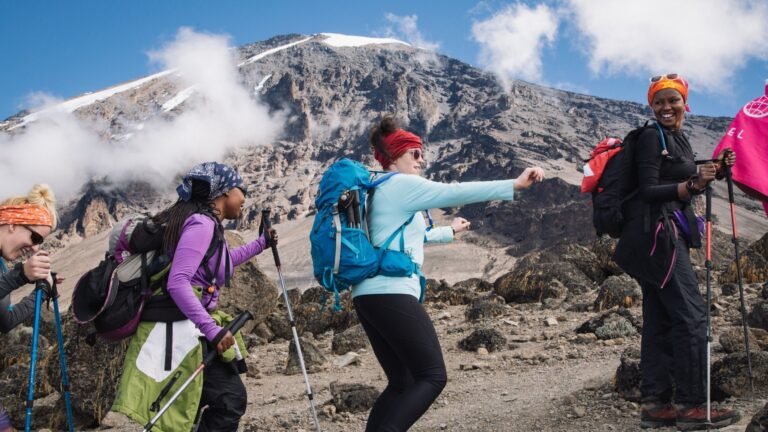
Join A Kilimanjaro Christmas Climbing Group In December 2026
A guide to securing your spot on a Kilimanjaro Christmas group climb for 2026, including route advice, group logistics, and essential planning steps.
View package detailsBest Kilimanjaro Group Climbing Packages For December : A Practical Guide 2026
A practical guide to selecting Kilimanjaro group climbing packages for December 2026, focusing on route logistics, weather considerations, and cost-sharing benefits.
View package details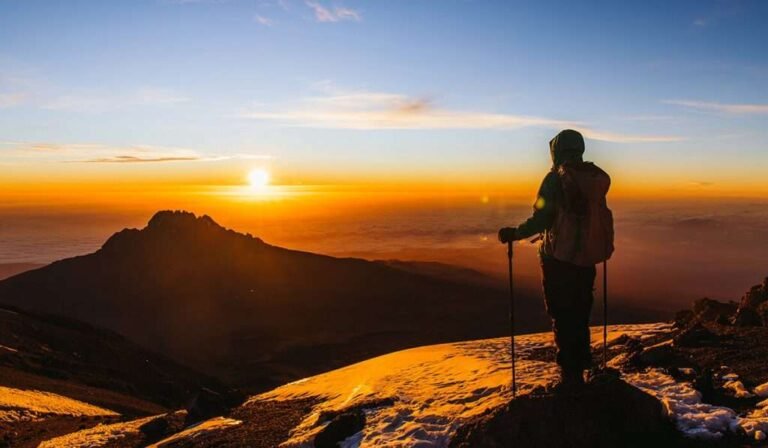
How Early Should I Book A December Kilimanjaro Group Trek? A Planning Guide
Planning a December Kilimanjaro climb? Learn the ideal booking window, why holiday dates fill up fast, and how to secure your spot for 2026-2027.
View package details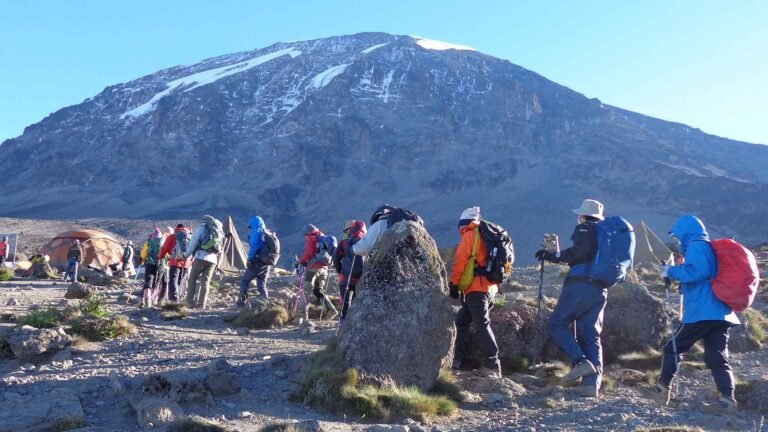
Can I Join A Kilimanjaro Group Alone In December ? Expert Guide 2026
Planning a solo trip? Find out how you can join a Kilimanjaro group in December 2026, the benefits of group departures, and the steps to secure your spot.
View package details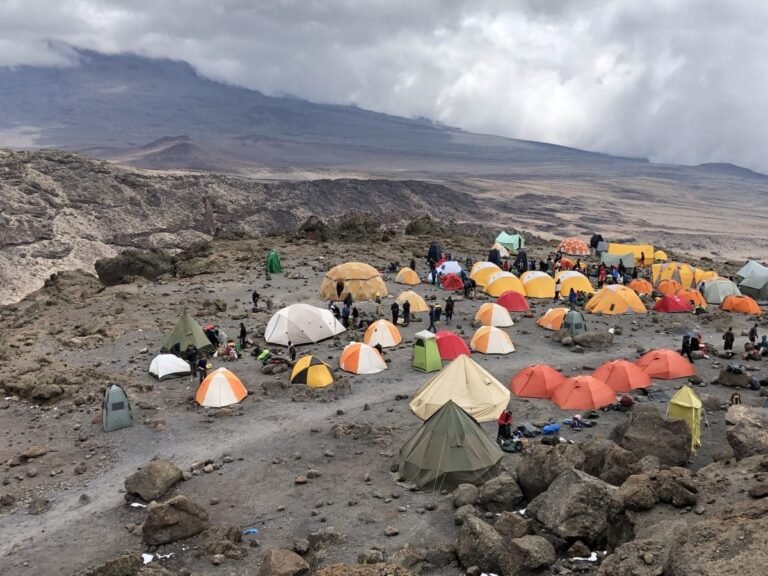
Is December A Good Time To Climb Kilimanjaro? A Local Expert Guide 2026
Planning for December 2026? Discover why this month is a popular choice for Kilimanjaro climbs, how the 'short rains' affect your trek, and why early booking is essential for the holiday...
View package detailsMount Kilimanjaro Weather In December : A Climbers Guide 2026
A practical guide to the conditions you can expect on Mount Kilimanjaro in December 2026, covering the seasonal 'short rains', trail conditions, and holiday planning.
View package details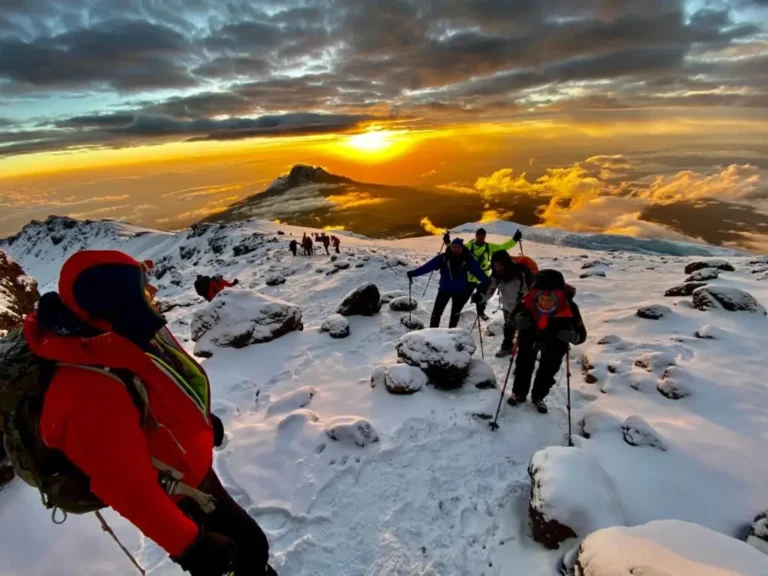
Kilimanjaro New Year Summit Packages: Planning Your December Departure 2026
A practical guide to securing your Kilimanjaro New Year 2027 summit. Learn why starting your climb in late December 2026 is critical for a successful, stress-free ascent.
View package detailsNo related package matches those filters. Clear one or more filters to see the other topic-matched options.



