
A VIP Kilimanjaro Expedition with a private mountain crew for December 2026 is a fully bespoke trekking experience designed for individuals, couples, or small groups who prioritize autonomy, safety, and personalized support over standard group departures. Unlike fixed-date group climbs, a VIP expedition allows you to dictate your pace, adjust your daily itinerary for optimal acclimatization, and benefit from a dedicated support team—including a lead guide, assistant guides, specialized mountain chef, and a larger porter contingent—who are focused exclusively on your group’s needs throughout the entire climb.
When planning for December 2026, the primary advantage of a private expedition is the ability to bypass the rigid constraints of standard group schedules. You are not beholden to the slowest member of a group or the fixed daily mileage mandated by larger tour operators. Instead, your itinerary is built around your physical preparation, your preferences for campsite selection, and your specific goals for the mountain.
Defining the VIP Experience on Kilimanjaro
In the context of Kilimanjaro, “VIP” does not refer to luxury hotel amenities on the mountain—as park regulations require all trekkers to sleep in tents—but rather to the quality of logistics, equipment, and human resources allocated to your climb. A standard climb utilizes a set ratio of staff to trekkers, whereas a VIP expedition significantly enhances this ratio.
With a private crew, you receive:
- Dedicated Staffing: You are assigned a private team that stays with you from the trailhead to the summit and back. This ensures consistency in how your health is monitored and how your preferences are handled.
- Customized Nutrition: Your private chef is not cooking for 15+ people. They are focused on your group’s specific dietary requirements, providing fresh ingredients and tailored meals that are often more varied than standard group rations.
- Advanced Camping Gear: VIP expeditions typically utilize higher-spec, four-season mountain tents with increased floor space, thicker sleeping pads, and dedicated mess tents set up away from the main camp traffic whenever possible.
- Flexible Pacing: Because you are not part of a large group, your lead guide can adjust your daily hiking duration based on how you feel. If you require an extra day for acclimatization on the 9 Days Northern Circuit or a modified pace on the Lemosho Route, the logistics can be adapted without disrupting a pre-set group schedule.
Route Selection for December 2026
December is a popular time for Kilimanjaro climbs, as it aligns with the holiday season and generally favorable weather. However, popularity means trails can be crowded. For a VIP expedition, route selection is your most important tool for maintaining the privacy and exclusivity you are paying for.
The Northern Circuit: The Gold Standard for Privacy
For those seeking the highest level of solitude, the Northern Circuit is the superior choice. It is the longest route on the mountain, which provides the best possible acclimatization profile. In December, while other routes may see high traffic, the Northern Circuit remains remarkably quiet for the majority of the ascent. This route circles the mountain, offering unique views of the north side that most trekkers never see.
The Lemosho Route: The Balanced Choice
If you prefer a shorter duration but still want to avoid the heaviest crowds of the Machame or Marangu routes, the 8-day Lemosho route is an excellent compromise. It begins on the western side of the mountain and offers a scenic, gradual ascent through the rainforest and Shira Plateau. By opting for a private, 8-day itinerary, you can often time your departures to minimize overlap with the larger, standardized tour operator groups.
Comparison of Private Route Logistics
Choosing the right route for your private expedition involves balancing your time availability with your acclimatization goals.
- 9-Day Northern Circuit: Best for maximum acclimatization, solitude, and photography. Recommended for those who want the highest success probability.
- 8-Day Lemosho: Best for a balance of scenery, moderate duration, and established camping infrastructure.
- 7-Day Machame or Umbwe: These routes are more direct and physically demanding. They are better suited for experienced hikers who are confident in their ability to acclimatize quickly, though they offer less privacy due to the popularity of these trails.
The Role of Your Private Mountain Crew
The success of your expedition hinges entirely on the quality of your crew. When you book a private expedition, you are essentially hiring a specialized team. It is important to understand what these roles entail so you can interact with them effectively during your climb.
The Lead Guide
Your lead guide is the most critical member of your team. They are responsible for your safety, your medical status, and the morale of the entire group. On a private expedition, you should expect a lead guide who is not only WFR (Wilderness First Responder) certified but also possesses high-level communication skills. They will be the one conducting your twice-daily health checks, monitoring your blood oxygen saturation, and deciding if any adjustments to the day’s itinerary are needed.
The Mountain Chef
A private chef on a VIP expedition has the flexibility to prepare meals that are more calorie-dense, fresh, and appetizing than the standard “group buffet.” If you have specific dietary needs—whether medical, religious, or personal preference—this is where a private crew shines. They can source ingredients that fit your specific requirements, provided this is communicated well in advance of your December 2026 departure.
The Support Porters
While standard groups have a set number of porters, a private VIP expedition often carries a slightly larger support team to ensure you have extra comforts, such as private toilet tents, hot water for washing, and potentially more elaborate dining setups. These porters are the backbone of your climb, carrying your gear, the food, and the heavy camping equipment between campsites.
Logistics and Safety: What to Confirm
When you are preparing for your December 2026 climb, there are specific logistical questions you must ask your operator to ensure you are receiving a true VIP experience rather than just a standard climb with a higher price tag.
- Oxygen Management: Does your private crew carry bottled oxygen and a pulse oximeter? How often are they logging your vitals?
- Toilet Facilities: A private portable toilet tent is standard for VIP expeditions. Confirm that this will be included and that it will be set up at every campsite.
- Camping Equipment: Ask for details on the sleeping mats provided. A standard thin foam mat is often insufficient for VIP comfort. Look for high-R-value inflatable mattresses.
- Communication: How does your guide communicate with base camp? In the event of an emergency, what is the evacuation protocol?
Planning Your December 2026 Departure
December is a peak month for Kilimanjaro, and the best guides and support crews are often booked out well in advance. If you are planning for December 2026, the optimal window to finalize your booking is 8 to 12 months prior. This allows you to secure your preferred dates and ensures that your operator has ample time to assign their most experienced, senior-level crew to your private expedition.
Because you are booking a private experience, you have the flexibility to choose your start date. You are not forced into the fixed departure dates of larger tour groups. This is particularly advantageous if you want to be on the summit for a specific date, such as Christmas or New Year’s Eve, or if you want to avoid the busiest periods of the month.
Next Steps for Your Expedition
To move forward with your private Kilimanjaro expedition, you should prepare the following information to share with your operator:
- Your preferred route and duration: Based on your physical fitness and the acclimatization profiles discussed above.
- The number of travelers in your party: This significantly impacts the crew size and logistics.
- Any specific dietary or medical requirements: Early disclosure is vital for sourcing supplies.
- Pre-climb and post-climb plans: Are you looking for a Tanzania wildlife safari or a relaxing trip to Zanzibar afterward? Integrating these into your overall trip plan can often be handled by the same operator, ensuring a cohesive travel experience.
If you are ready to start planning your December 2026 expedition, you can reach out to the Climb 4 Africa team to discuss your requirements. Whether you have questions about specific route logistics, or you need advice on how to structure your private crew for the best possible experience, we are here to help. You can contact us via WhatsApp at +255 747 477 898, or send your inquiry to climb4africa@gmail.com or our backup email at info@climb-4-africa.com. We recommend including your preferred travel dates and a brief summary of your hiking experience so we can provide the most relevant guidance for your private climb.
The Summit Night Advantage: Managing the Final Ascent
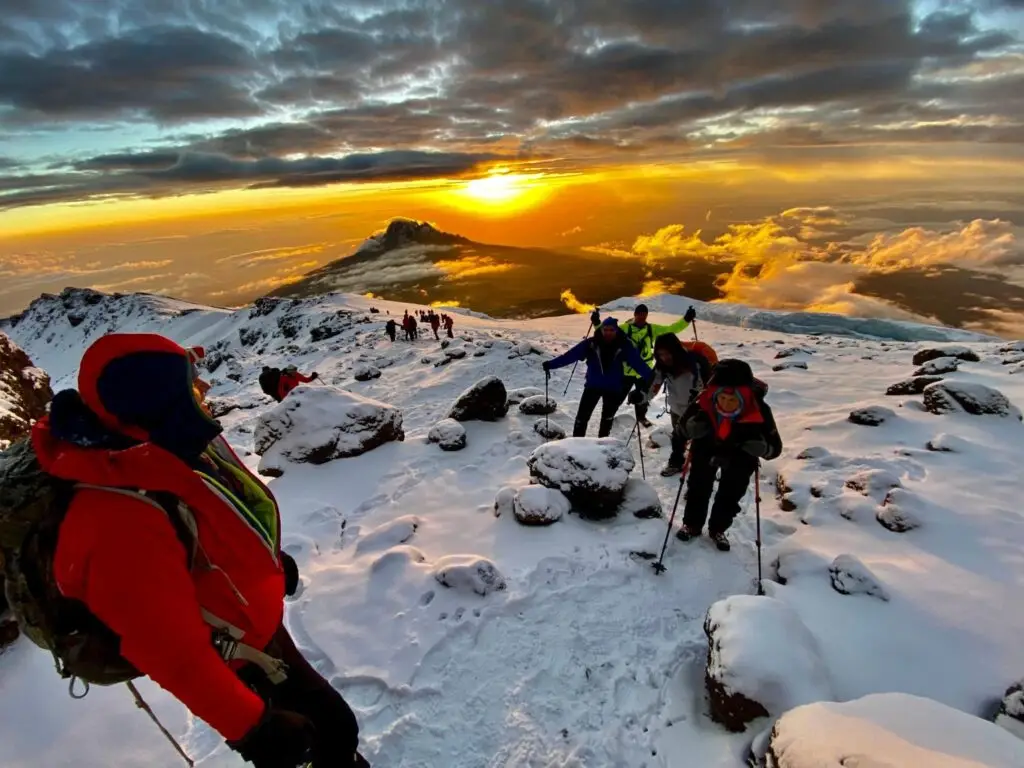
The summit night on Kilimanjaro is the most demanding phase of the expedition, typically beginning between midnight and 2:00 AM. In a standard group climb, the pace is dictated by the slowest member of the group, and the guide’s attention is divided among a dozen or more individuals. On a VIP expedition, the summit push is entirely bespoke. This allows for a dynamic adjustment of your pace that is impossible in a group setting. Your lead guide will monitor your physical state—checking your heart rate, oxygen saturation, and mental alertness—every 30 to 60 minutes. If you feel strong, you can maintain a steady, efficient rhythm without stopping for the group; if you feel the onset of fatigue or altitude-related nausea, your guide can immediately pause for a controlled rest, hydration, or a calorie-dense snack without the pressure of keeping up with others.
Furthermore, a private expedition often includes a higher ratio of assistant guides on summit night. This means that if you need to turn back early, you can do so with a dedicated assistant guide, allowing your lead guide to continue or simply providing you with a safe, escorted descent without disrupting the entire expedition’s schedule. This level of logistical flexibility provides a significant psychological advantage; knowing that you have a dedicated support team focused solely on your success allows you to conserve mental energy, which is often the deciding factor in reaching Uhuru Peak.
Immediate Post-Summit Recovery Protocols
The descent from Uhuru Peak back to the high-altitude camp is arguably as critical as the ascent. In standard group tours, climbers are often left to manage their own descent speed and hydration. In a VIP expedition, your private crew implements a structured recovery protocol the moment you return to camp. This usually begins with a pre-prepared, high-calorie, easily digestible meal and warm, electrolyte-replenished fluids formulated by your private mountain chef. Because you are the only client, your crew is not busy breaking down the camp for 15 other people; they are focused on your immediate physiological recovery.
This protocol also includes dedicated medical monitoring. Your lead guide will conduct a post-summit check for signs of HAPE (High Altitude Pulmonary Edema) or HACE (High Altitude Cerebral Edema), which can sometimes manifest during the descent or while resting after the summit push. Having a private guide who is not distracted by other clients ensures that any warning signs—however subtle—are identified and addressed immediately. You are also guaranteed a quiet, controlled environment to rest, which is vital given the intense physical toll of a 12-to-16-hour summit day.
Gear Strategy for the December Transition
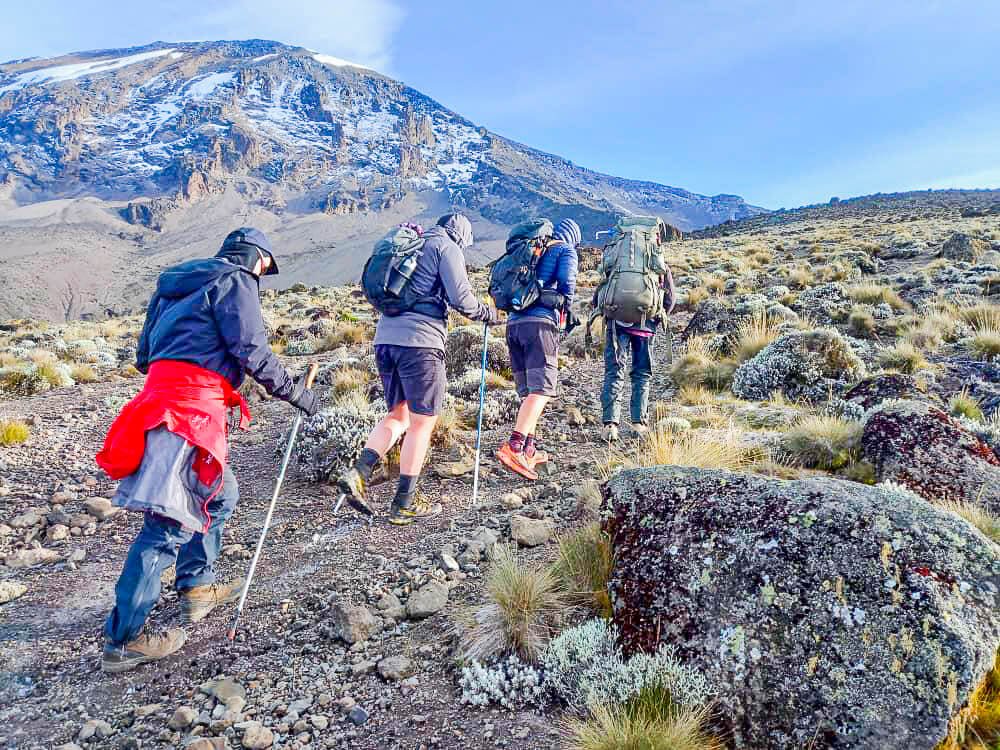
December on Kilimanjaro is characterized by the “short rains.” While this period generally offers clear mornings and pleasant temperatures, the lower elevations—specifically the rainforest zone—can be muddy, humid, and prone to sudden downpours. A standard packing list often fails to account for the specific needs of a VIP climber who requires comfort in both the wet, humid lowlands and the sub-zero temperatures of the summit.
For a December 2026 expedition, your gear strategy should prioritize modularity. Because you have a private crew, you have the advantage of being able to offload gear that you don’t need for specific days, but you must ensure your primary pack is optimized for rapid weather changes. Your private crew will assist with “smart packing,” where they help you organize your daily gear bags to ensure your rain protection is accessible in the rainforest, while your high-altitude down layers are kept in a waterproof dry bag, ready for the transition to the alpine desert. Unlike standard climbers who must carry everything they need for the day, a private expedition allows for a more flexible division of gear between you and your support porters, provided you communicate your needs clearly before departure. Ensuring that you have high-quality, breathable rain gear—rather than standard plastic ponchos often provided to large groups—is essential for maintaining morale during the humid, muddy sections of the trail.
Optimizing Acclimatization through Private Pacing
The most significant advantage of a private Kilimanjaro expedition is the removal of the “group average” constraint. In standard group climbs, the ascent rate is dictated by the collective pace, which is often forced to accommodate the slowest member or adhere to a rigid, pre-set itinerary. For a VIP climber, the pacing strategy shifts from a group-based model to a data-driven, individual model. Because you are not tethered to a larger party, your lead guide can implement micro-adjustments to your ascent rate based on real-time physiological markers—such as your resting heart rate, oxygen saturation levels, and perceived exertion—without disrupting the logistics for other clients.
This means your guide can strategically alter your daily departure times to avoid high-traffic windows on the trail, which in turn reduces the psychological stress of navigating crowded paths. Furthermore, if you are feeling particularly strong, a private itinerary allows for longer, more gradual acclimatization hikes that are often skipped by group tours due to time constraints. Conversely, if you are experiencing early signs of mild altitude discomfort, your private crew can immediately pivot to a shorter, lower-intensity day without the pressure of needing to “reach the next camp” to meet a group schedule. This flexibility is the single most effective tool for increasing your probability of reaching Uhuru Peak in a healthy state, as it minimizes the cumulative fatigue that often plagues group trekkers who are forced to maintain a pace that is either too fast or too slow for their specific physiology.
The Daily Briefing Protocol: Managing Your Crew
On a private expedition, your relationship with your crew is collaborative rather than purely transactional. To maximize the efficiency of your private support team, it is essential to establish a formal communication loop. This is not about micromanaging, but about ensuring your needs—which may change daily—are met with precision. The most successful VIP climbers implement a “Briefing and Debriefing” protocol. Every evening, dedicate ten minutes to a structured check-in with your lead guide. During this time, discuss the following: the specific terrain expected for the next day, any adjustments needed for your dietary preferences based on your appetite, and a review of your current physical recovery state.
This daily briefing allows the crew to optimize their resources. For instance, if you mention that you are struggling with a specific type of terrain, the lead guide can adjust the porter distribution or the timing of your meal breaks to ensure you are as comfortable as possible. Similarly, by providing feedback on your meals, your private chef can adjust the nutrient density of your dinner to better fuel your body for the following day’s specific elevation gain. This level of communication transforms your crew from a group of service providers into a highly synchronized team working exclusively toward your success, ensuring that no request is lost in the noise of a large group dynamic.
Managing the Physiological Transition Post-Descent
The conclusion of a Kilimanjaro expedition is often treated as the moment you reach the park gate, but for a VIP climber, the recovery process requires a more sophisticated approach. Returning from the oxygen-starved environment of 5,895 meters to the humid, lower-altitude conditions of the rainforest and subsequently the town of Moshi is a significant physiological shock. While standard group tours often leave climbers to their own devices once the descent is complete, a private expedition should include a structured, 24-hour post-summit recovery protocol.
This transition involves managing fluid retention, as your body will likely be processing the rapid changes in atmospheric pressure and hydration levels. Your private crew can facilitate a “controlled landing” by ensuring that your post-summit meals are specifically designed to be easily digestible and electrolyte-rich, helping to mitigate the lethargy that often accompanies the drop in altitude. Furthermore, your lead guide should conduct a final medical check-out to ensure that you are not exhibiting delayed symptoms of altitude-related issues, such as HAPE or HACE, which can occasionally emerge during the rapid descent. By treating the final 24 hours as a deliberate phase of the expedition rather than just the “end,” you ensure that you leave the mountain not just having completed the climb, but in a state of physical readiness to transition back to your normal life. This attention to detail is what separates a standard trek from a true VIP expedition, ensuring your recovery is as carefully managed as your ascent.
Operationalizing Your Private Camp: Infrastructure and Comfort Logistics
While the physical act of trekking remains the core of your Kilimanjaro expedition, the “VIP” designation is most tangibly realized at the campsite. On a standard group climb, the camp is a high-density, communal environment where infrastructure is optimized for speed and volume. In a private expedition, your crew has the operational bandwidth to construct a bespoke base camp that functions as a sanctuary rather than merely a waypoint. Understanding how this infrastructure is deployed allows you to better manage your expectations regarding daily comfort and recovery.
The Private Dining Sanctuary
The centerpiece of your private camp is the dedicated dining tent. Unlike standard group setups, which often utilize a communal mess tent shared by multiple climbers, your VIP expedition mandates a private dining space. This is not just about exclusivity; it is about environment control. A private dining tent allows for a consistent, controlled temperature, which is vital during the chilly December evenings on the Shira Plateau or at the higher Barafu camps. Your crew will typically configure this space with high-backed chairs, a sturdy table, and, crucially, enhanced lighting solutions. This lighting is a significant differentiator—while standard climbs rely on basic headlamps or single lanterns, your private crew can integrate multi-point LED setups that make the tent a functional space for reading, reviewing maps with your lead guide, or simply relaxing without the ocular strain of dim, localized light sources.
Sanitary Independence: The Private Toilet Tent
Perhaps the most critical, yet frequently misunderstood, piece of private infrastructure is the dedicated toilet tent. On Kilimanjaro, public long-drop toilets are notorious for their poor condition, particularly during the high-traffic December season. A VIP expedition removes this variable entirely. Your crew carries a specialized, lightweight, and opaque tent designated solely for your use, equipped with a portable chemical or bucket-style toilet system. This setup is serviced daily by a designated member of your support team, ensuring that it remains sanitized and private. This is not merely a luxury; it is a significant health advantage. By avoiding the high-traffic public facilities, you drastically reduce your exposure to pathogens, which is one of the most common causes of gastrointestinal distress on the mountain. When discussing your 2026 booking, confirm that this service includes daily waste removal and sanitization protocols, rather than just the provision of the tent itself.
Infrastructure for Extended Comfort
Beyond the primary structures, your private camp infrastructure should account for the “micro-comforts” that facilitate sustained high-altitude performance. This includes the implementation of a charging station ecosystem. With the increased reliance on GPS watches, cameras, and satellite communication devices, power management is a daily logistical task. A VIP crew will typically carry high-capacity, weather-hardened power banks or portable solar arrays that are managed throughout the day by your porters, ensuring your devices are charged while you are trekking. Furthermore, consider the logistics of your sleeping quarters. While all climbers sleep in tents, a VIP expedition allows for the use of higher-grade, four-season tents with superior ventilation and structural integrity to withstand the December high-altitude winds. Some operators can also provide cots or elevated sleeping pads that decouple your body from the cold, uneven ground, significantly improving the quality of your REM sleep—a vital component of acclimatization that is often sacrificed in standard, floor-level tent setups.
The Logistical Trade-off: Porter Distribution
It is important to recognize that the deployment of this infrastructure requires a specific logistical trade-off: weight. A VIP camp setup is heavier and more voluminous than a standard kit. This necessitates a larger porter team, not only to carry the extra gear but to manage the assembly and breakdown of the camp at each site. On a private expedition, your crew will often employ a “leapfrog” strategy: a secondary team of porters may move ahead of your group to establish the camp before you arrive. This ensures that when you walk into camp, your tent is already pitched, your sleeping gear is laid out, and your private dining tent is already prepared with warm water for washing. This eliminates the “waiting period” that often plagues standard climbers, who must wait for their gear to arrive. When finalizing your December 2026 plans, ask your operator specifically about their “camp assembly timeline” to ensure this leapfrog protocol is part of your package.
Managing the Pre-Expedition Altitude Conditioning
While your private crew manages the logistics on the mountain, your own physiological preparation for a December 2026 expedition is the final variable you control. Even with a perfectly paced, private Northern Circuit itinerary, the rapid transition from sea level to high altitude remains a significant stressor. For VIP travelers, the most effective strategy is to decouple cardiovascular fitness from altitude acclimatization. Standard training often focuses on stair-climbing or distance running, which improves aerobic capacity but does not simulate the specific hypoxic stress of the Kilimanjaro massif. If your schedule allows, integrating an intermittent hypoxic training (IHT) protocol—using a mask-based system or a dedicated altitude tent at home in the months leading up to December—can prime your hematological response, potentially increasing your red blood cell count before you even set foot on the trail.
This pre-acclimatization does not replace the need for a slow, deliberate pace on the mountain, but it significantly reduces the “shock” of the first three days. When you coordinate with your operator, inquire if they offer a pre-departure medical consultation with a travel medicine specialist who is familiar with high-altitude physiology. This is a standard “VIP” value-add that moves beyond basic gear advice, offering you a personalized roadmap for managing hydration, electrolyte balance, and prophylactic medication strategies that are tailored to your specific health profile.
The Psychology of the Private Mountain Dynamic
The success of a private expedition is as much about psychological comfort as it is about physical logistics. In a group setting, social pressure can mask the early symptoms of altitude sickness; individuals often “tough it out” to avoid disrupting the group. In your private setting, you have the luxury of total transparency. Establishing a “no-masking” policy with your lead guide is essential. Because your crew is dedicated solely to you, they are not balancing the needs of ten other climbers. This allows them to focus intensely on your micro-expressions, gait, and breathing patterns.
To leverage this, invite your lead guide to be blunt during your evening briefings. Encourage them to point out subtle changes in your behavior that you might not notice yourself, such as irritability, loss of appetite, or uncharacteristic silence. This creates a feedback loop where the guide acts as a professional monitor rather than just a logistical coordinator. By removing the social performance aspect of trekking—the need to appear “strong” for fellow climbers—you significantly lower your cortisol levels, which in turn improves your body’s ability to recover overnight. The VIP experience is, fundamentally, the freedom to be vulnerable, which is the safest possible way to summit.
Related Guides and Packages
Check Availability for Vip Kilimanjaro Expedition With Private Mountain Crew December 2026
Ready to compare dates, prices, and the best option for your group? Send the package name and travel month so the team can reply with a clear quote, availability, and what is included.
Romantic Kilimanjaro Summit Adventure For Couples December : Planning Your
A detailed guide for couples planning a Kilimanjaro summit in December 2026, focusing on route selection, acclimatization, and the benefits of private trekking arrangements.
View package details
Private 8 Days Lemosho Route With Personalized Mountain Guide For 2026
A deep look at why the 8-day Lemosho route is the premier choice for Kilimanjaro success, how our personalized guide system works, and how to plan your 2027 climb.
View package details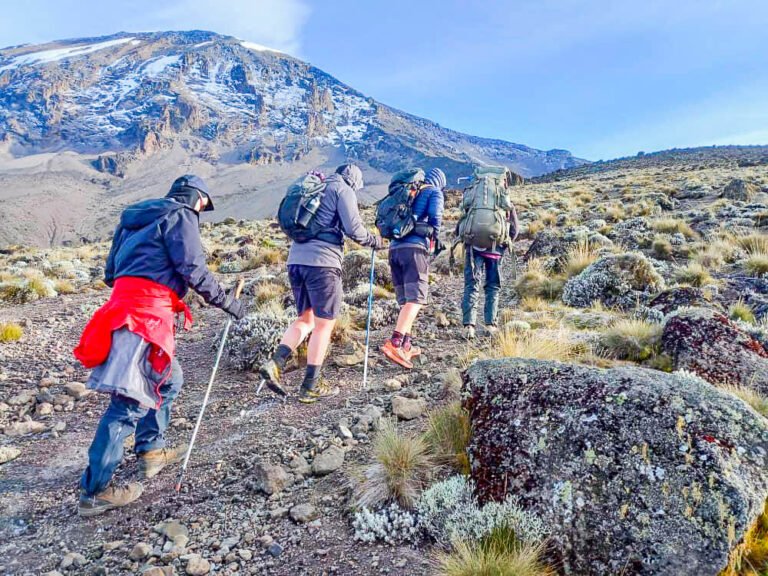
Private Kilimanjaro Climbing Tours For Christmas Holidays 2026
A deep-dive guide for planning your private Kilimanjaro expedition for the 2026 holiday season, focusing on route selection, acclimatization, and logistics.
View package details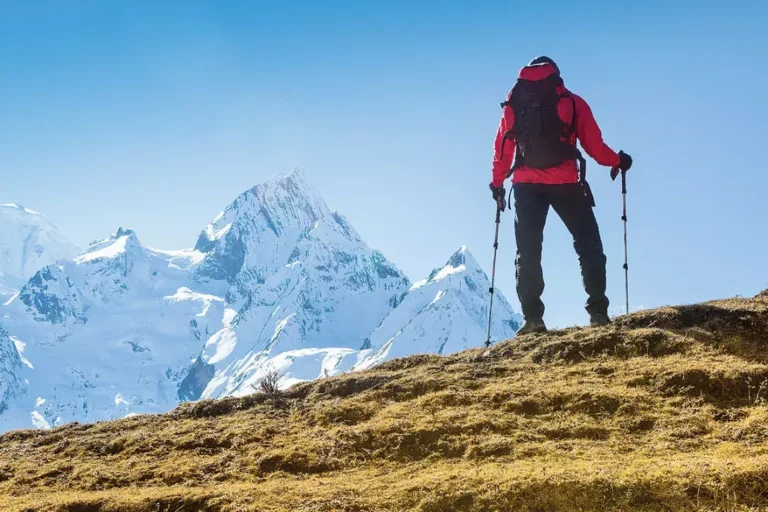
Planning Your Private Kilimanjaro Climb Over Christmas: A Guide For Couples
A detailed guide for couples planning a private Kilimanjaro trek during the Christmas season, covering route selection, logistical planning, and booking considerations.
View package details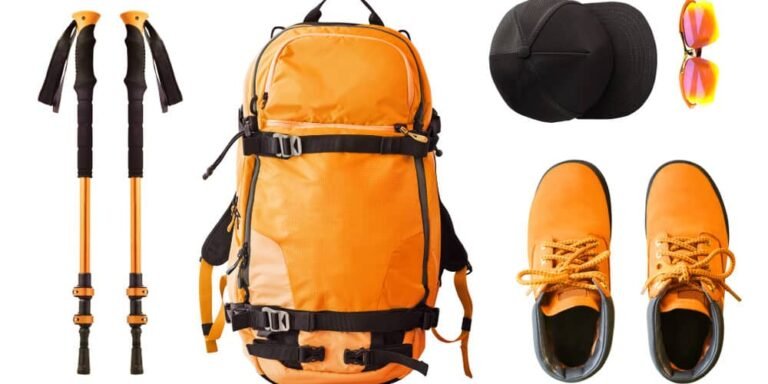
Kilimanjaro Honeymoon Climbing And Zanzibar Beach Holiday: December Planning
A practical guide for couples planning a Kilimanjaro climb and Zanzibar beach holiday in December 2026, focusing on route selection, recovery logistics, and planning timelines.
View package details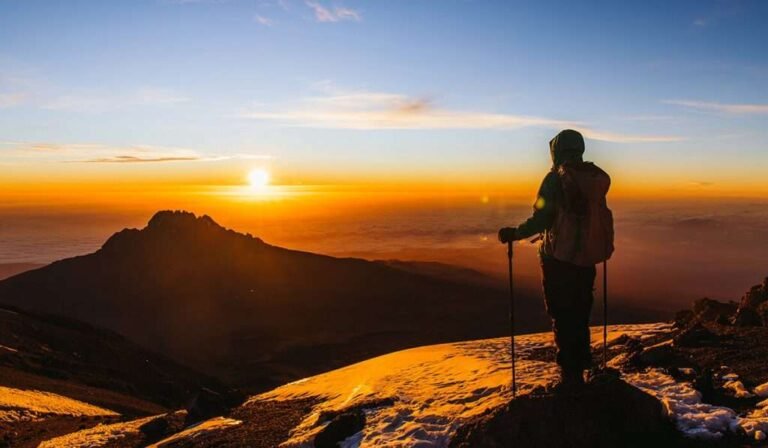
Luxury Mount Kilimanjaro Trekking Packages December : Planning Your Premium
A detailed guide to booking luxury Kilimanjaro trekking packages for December 2026, covering route selection, premium service standards, and planning essentials.
View package detailsShira Route Kilimanjaro Climbing Itinerary For December : Expert Guide 2026
A deep look at the Shira Route for December 2026, covering the unique high-start logistics, acclimatization advantages, and step-by-step itinerary planning.
View package details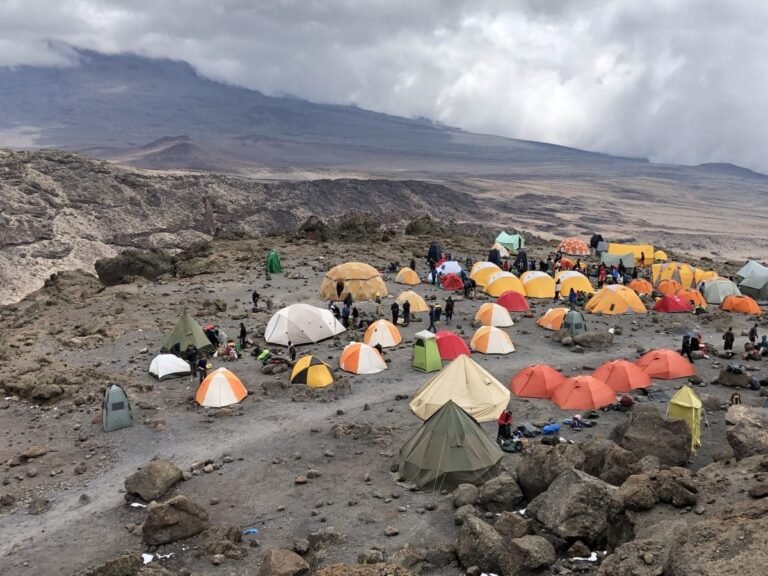
7 Days Umbwe Route Kilimanjaro Challenge: Planning Your December Ascent 2026
A deep-dive guide into the 7-day Umbwe Route, the most challenging and direct path up Kilimanjaro, perfect for those seeking a quiet, steep, and rewarding December 2026 expedition.
View package details
9 Days Northern Circuit Kilimanjaro Trek December : The Ultimate
A comprehensive guide to the 9-day Northern Circuit route for December 2026, focusing on acclimatization, route advantages, and logistical planning.
View package details7 Days Rongai Route Kilimanjaro Holiday Climb December : Expert Guide 2026
A deep look at the 7-day Rongai Route for December 2026 climbers, focusing on route logic, acclimatization benefits, and practical planning for your holiday expedition.
View package details
5 And 6 Days Marangu Route Kilimanjaro Hut Tours December : Planning Your
Deciding between the 5-day and 6-day Marangu Route for your December 2026 Kilimanjaro climb is a decision that impacts both your summit success and your comfort on the mountain.
View package detailsBook December , 6 Days Machame Route Kilimanjaro Climb: Expert Guide 2026
A deep look at the logistics, physical demands, and planning steps for a 6-day Machame Route Kilimanjaro climb in December 2026.
View package detailsNo related package matches those filters. Clear one or more filters to see the other topic-matched options.



