
The 9 Days Northern Circuit Kilimanjaro trek is widely considered the gold standard for climbers prioritizing safety and success. By taking the longest path around the mountain, you allow your body the maximum amount of time to adapt to high altitude, which is the single most effective way to avoid altitude sickness. For travelers planning their adventure in December 2026, this route is particularly strategic. It allows you to traverse the rarely visited northern slopes during a month that often features clear, crisp mornings and stable weather patterns, positioning you for a summit success rate that far exceeds shorter, more crowded routes like the Machame or Marangu.
Why Choose the 9-Day Northern Circuit for Your December 2026 Expedition?
When you look at the map of Kilimanjaro, most routes cut a direct line to the summit. The Northern Circuit is different. It starts on the western side of the mountain, typically following the Lemosho path, but instead of cutting across to the Barafu camp quickly, it circles the entire northern perimeter of the mountain. This extra time is not just for sightseeing; it is a critical physiological advantage.
In December 2026, you will likely encounter the tail end of the short rains. While the lower rainforest sections might be lush and occasionally damp, the high-altitude Northern Circuit remains dry and spectacular. Because you spend more days at altitude, you are not rushing the ascent. This reduces the “summit fever” that leads many climbers to push too hard, too fast, and ultimately turn back. If you are serious about standing on Uhuru Peak, this is the route that gives you the best statistical chance of doing so.
For those considering their options, we often compare this to our 6-day Machame Route. While the Machame is a classic, the Northern Circuit is the “slow and steady” approach. It is the route we recommend for anyone who is nervous about altitude or who simply wants to enjoy the vast, lonely beauty of the northern slopes without the crowds found on the more popular paths.
Detailed 9-Day Northern Circuit Itinerary
This itinerary assumes a start on the Lemosho trailhead, which is standard for the 9-day duration. Every day is designed to “climb high and sleep low” where possible, ensuring your body is ready for the final push.
Day 1: Londorossi Gate to Mti Mkubwa Camp
Your journey begins with a drive to the Londorossi Park Gate. After completing the necessary permit formalities, you trek through the dense rainforest. This is a relatively gentle introduction, gaining elevation slowly. You will spend your first night at Mti Mkubwa (Big Tree) Camp. The air here is thick and humid, a stark contrast to what you will experience later in the week.
Day 2: Mti Mkubwa to Shira 1 Camp
The forest gives way to moorland as you climb higher. You will cross the Shira Ridge and drop slightly into the Shira Plateau. This is a massive, volcanic plateau that offers your first real, expansive views of the mountain. Shira 1 Camp is your home for the night, providing a panoramic view back toward the west.
Day 3: Shira 1 to Shira 2 Camp
Today is about active acclimatization. You will hike across the plateau, passing through a landscape that feels almost lunar. The goal is to reach Shira 2 Camp, located at a higher elevation. This helps your body start adjusting to the thin air while keeping the physical exertion manageable.
Day 4: Shira 2 to Moir Hut
This is where the Northern Circuit truly begins to separate itself from other routes. You leave the main trail and head north. The terrain becomes more rugged and desolate. Moir Hut is situated at the base of the Lent Hills. If you are feeling strong, an afternoon hike up the nearby hills is highly recommended for further acclimatization.
Day 5: Moir Hut to Buffalo Camp
You traverse around the northern slopes. This section is incredibly quiet. You will rarely see other trekking groups here. The views extend across the border into Kenya. You will walk through valleys and over ridges, eventually arriving at Buffalo Camp. The wind can pick up here, so having your layers ready is essential.
Day 6: Buffalo Camp to Third Cave
Continuing the traverse, you move from Buffalo Camp toward Third Cave. The landscape here is stark and dramatic, with the mountain looming on your right. This day provides excellent views of the Mawenzi Peak. You are now fully on the northern side of the mountain, far from the busy southern routes.
Day 7: Third Cave to School Hut
The trek takes you up toward the saddle, the high-altitude desert between the main Kibo peak and Mawenzi. You will reach School Hut in the afternoon. This is the staging ground for the summit attempt. You will spend the rest of the day resting, hydrating, and preparing your gear for the midnight start.
Day 8: Summit Day and Descent to Mweka Camp
This is the longest day. You will typically be woken around midnight for the final push to Uhuru Peak. The ascent is steep, passing Gillman’s Point and Stella Point before reaching the summit. After taking in the sunrise from the roof of Africa, you begin the long, dusty descent back down to Mweka Camp. It is a physically demanding day, but the sense of accomplishment is unmatched.
Day 9: Mweka Camp to Mweka Gate
The final walk is through the lush rainforest once again, leading you down to the Mweka Gate. You will receive your summit certificates, celebrate with your support team, and be driven back to your hotel for a well-deserved shower and a real bed.
Planning for December 2026: Logistics and Preparation
December is a popular time for Kilimanjaro, and for good reason. It falls between the long rains and the cooler months. However, because it is a peak travel month, logistics must be managed early. If you are planning for December 2026, we advise securing your slot as early as possible. This ensures that you have the best guides, the best camping equipment, and the necessary permits.
You may be interested in our best Kilimanjaro group climbing packages for December, which can sometimes provide a more cost-effective way to tackle this route if you are traveling solo or as a pair. Alternatively, if you prefer privacy, we can arrange a dedicated private trek for your group.
The Role of Your Support Team
On a 9-day trek, your relationship with your guide and porters is vital. They are not just carrying your gear; they are monitoring your health, ensuring you are eating enough, and keeping morale high during the colder, higher-altitude days. At Climb 4 Africa, we emphasize a local-first approach. Our guides are experts in the Northern Circuit and understand the specific acclimatization pacing required for a 9-day itinerary.
What to Bring: A Focused List
- Four-season sleeping bag: Even in December, temperatures at the summit can drop well below freezing.
- Layered clothing: You will experience everything from tropical heat to arctic conditions.
- High-quality trekking boots: Ensure they are broken in long before your December 2026 trip.
- Personal health kit: While we provide medical supplies, bring your own blister care, personal medications, and hydration salts.
- Daypack: You need a comfortable pack for the essentials you carry daily (water, rain jacket, camera).
Common Questions About the Northern Circuit
Is the Northern Circuit actually harder than other routes?
Physically, it is longer, which means you spend more days walking. However, because the altitude gain is more gradual, many climbers find it “easier” in terms of physical symptoms of altitude sickness. It is a test of endurance rather than a test of raw, rapid climbing.
What if I want to combine this with a safari?
Many of our clients choose to add a safari after their climb. Since you are already in the Northern Circuit region, you are perfectly positioned for a trip to the Serengeti or Ngorongoro Crater. You can view our safari and trekking combinations to see how these itineraries flow together.
Can I join a group for this route in December 2026?
Yes. We frequently organize group departures. If you are traveling alone, checking our group departures for solo travelers is the best first step. It allows you to share the costs of the expedition while meeting like-minded adventurers.
Booking Your December 2026 Trek
Planning a 9-day trek requires coordination. We recommend reaching out to us at least 6 to 12 months in advance to ensure the best availability. When you contact us, please let us know your approximate dates, your fitness level, and whether you are looking for a private experience or are open to joining an existing group.
To start your planning, you can reach our team directly via WhatsApp at +255 747 477 898. You can also send your detailed inquiry to climb4africa@gmail.com or our backup address at info@climb-4-africa.com. Whether you are ready to book or just have questions about the route, we are here to provide the local expertise you need to make your December 2026 Kilimanjaro climb a reality.
Training and Conditioning for Your 9-Day Kilimanjaro Expedition
The Northern Circuit is a test of endurance, not speed. Unlike shorter routes where you might be tempted to push through fatigue, the 9-day duration requires you to maintain a steady, sustainable pace for over a week. Your training should reflect this reality. While many trekkers focus solely on cardiovascular fitness, the true challenge of the 9-day route is the cumulative fatigue of walking for several hours each day at altitude.
The most effective preparation is the ‘Time on Feet’ principle. Gym-based cardio, such as stationary cycling or treadmill running, is excellent for heart health, but it does not replicate the specific stress of hiking. Aim to complete long, slow hikes on weekends, ideally carrying a daypack loaded with the weight you intend to carry on the mountain (typically 5–8 kg). This trains your stabilizing muscles and helps you break in your trekking boots, which is essential for preventing blisters during your December 2026 trip.
Do not neglect eccentric leg strengthening. While the ascent is physically demanding, the descent on Day 8 and Day 9 puts immense pressure on your quadriceps and knees. Exercises like step-downs, lunges, and controlled squats are vital. Strengthening your core is equally important; a strong core supports your posture, especially when you are fatigued, which helps maintain proper breathing patterns at high altitudes.
Finally, prepare for the mental aspect of the trek. The Northern Circuit is quieter and more solitary than the crowded southern routes. You will have long stretches of time in the wilderness, particularly around Moir Hut and Buffalo Camp. Incorporating ‘mental endurance’ into your training—such as long, solo walks without music or distractions—can help you mentally prepare for the quiet, meditative nature of the Northern Circuit, ensuring you remain focused and positive throughout the nine-day journey.
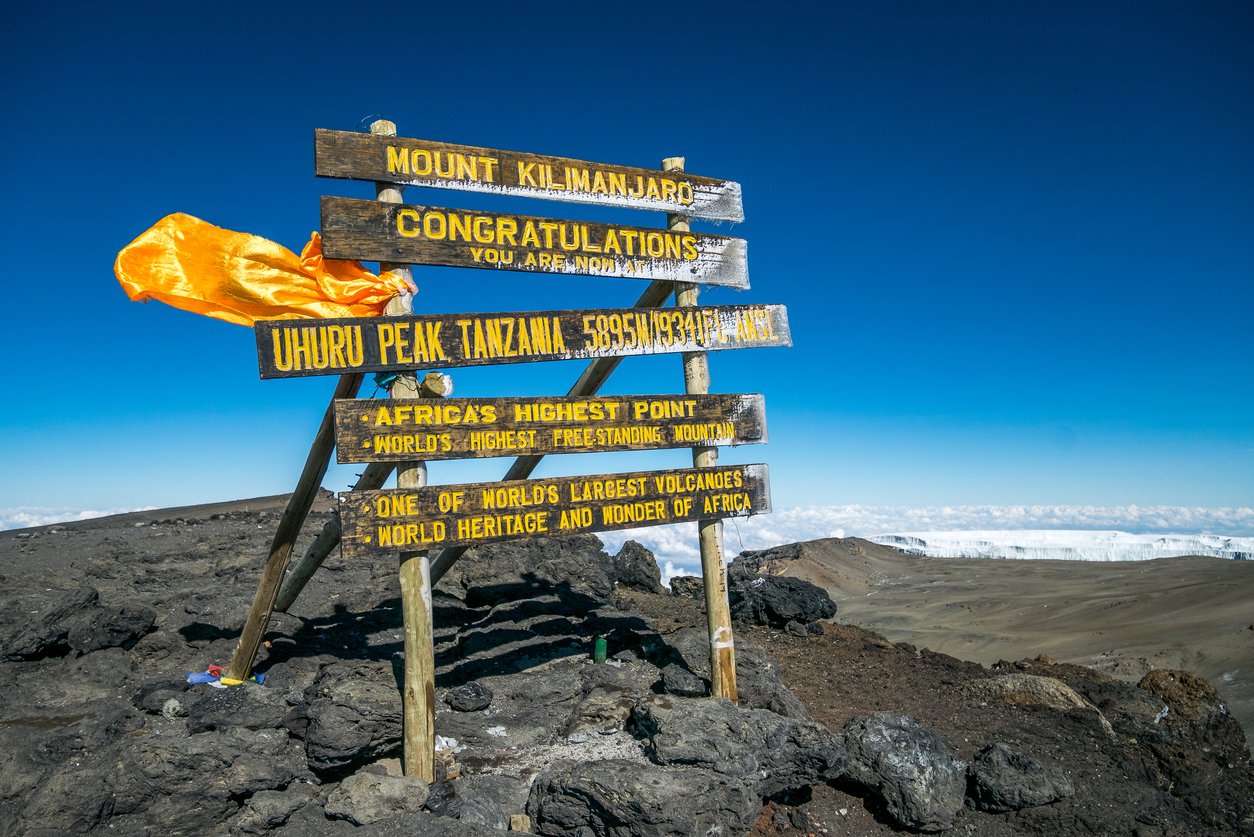
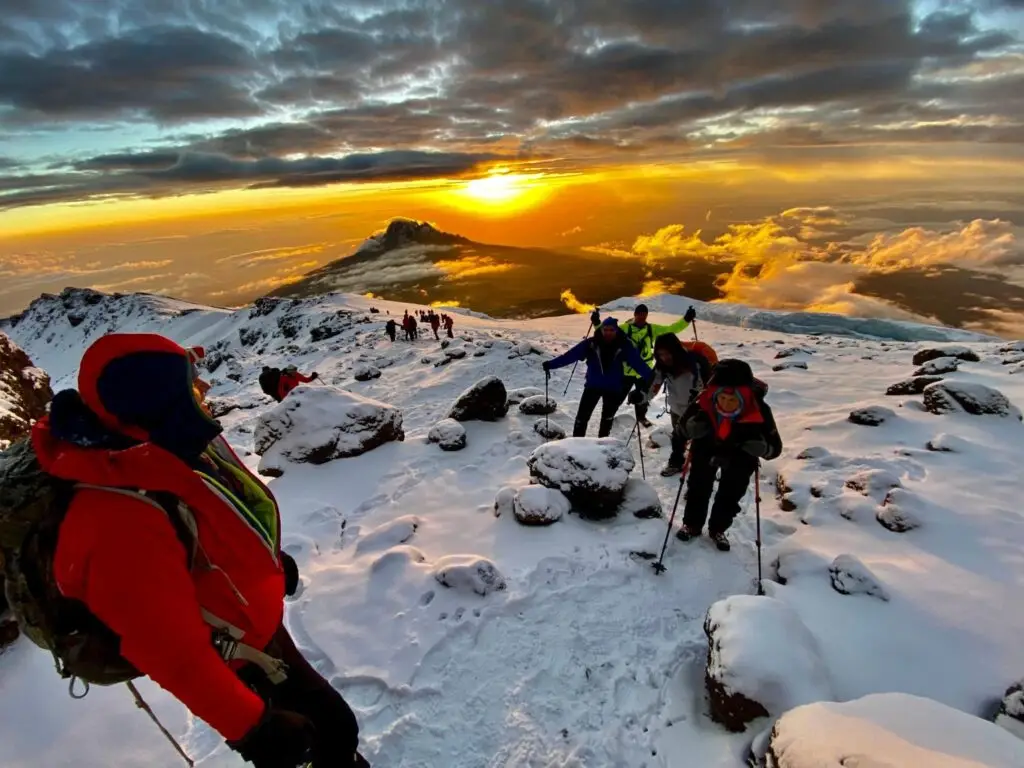
The Ecological Progression: Visualizing Your 9-Day Ascent
The 9-day Northern Circuit is not merely a path to the summit; it is a comprehensive traverse of five distinct climatic zones, a visual journey that few other routes on Kilimanjaro provide in such detail. Because this route takes the longest possible path around the mountain, you are granted a slow-motion view of how the ecosystem shifts from lush, vibrant life to the stark, frozen silence of the high alpine desert.
Your journey begins in the Montane Forest. Unlike the lower, drier approaches of the southern routes, the Lemosho trailhead places you deep within a dense, humid canopy. Here, the air is thick with the scent of damp earth, ferns, and ancient trees draped in “old man’s beard” lichen. This is a sensory introduction to the mountain—the sounds are dominated by colobus monkeys and the rustling of the forest floor. You are not just walking; you are entering a living, breathing ecosystem that acts as a buffer before the serious business of altitude begins.
By Day 3 and 4, you emerge onto the Shira Plateau. This is the transition to the moorland zone, and the change is abrupt. The trees vanish, replaced by sprawling, volcanic rock and the iconic giant groundsels and lobelias that look like relics from a prehistoric era. The Shira Plateau is one of the most expansive high-altitude plateaus in the world. As you trek across this “lunar” landscape, the scale of the mountain becomes apparent. You are walking across a collapsed volcanic caldera, a reminder that Kilimanjaro is not just a peak, but a massive geologic force.
The Northern Circuit distinguishes itself most profoundly during Days 5 and 6, as you traverse the Northern Slopes. This is the “wild” side of the mountain. While other routes funnel climbers toward the southern glaciers, you are moving through a desolate, windswept corridor. The views here are unique: you look north across the border into the vast, dry plains of Kenya. The terrain is characterized by jagged rock formations and stark, dry ridges. This is where the “ecological transition” feels most intense—the air is thinner, the vegetation is sparse, and the silence is absolute. It is a place of profound solitude, where the only sound is the wind moving through the volcanic scree.
As you approach the final stages of the trek, the landscape shifts into the Alpine Desert and eventually the Arctic Zone. By the time you reach the higher camps like School Hut, the environment is almost entirely devoid of life. The ground is a mixture of loose gravel and ice. This visual progression is vital for your mental preparation; seeing the world strip away its color and complexity before the summit attempt helps you focus on the singular goal of the climb. You are not just climbing a mountain; you are watching the world disappear, leaving only you, the rock, and the sky.
The Psychological Shift: Embracing the Silence
Beyond the physical acclimatization, the Northern Circuit forces a psychological shift. On busier routes, the experience of Kilimanjaro can feel like a procession—a constant line of trekkers, noise, and shared campsites. The Northern Circuit, particularly the stretch between Moir Hut and Third Cave, offers a rare meditative quality.
Because you are removed from the main traffic of the mountain, you have the opportunity to engage with the environment on your own terms. For many climbers, this silence is the most memorable part of the expedition. Without the distraction of passing groups, you can focus on your breathing, your pace, and the subtle changes in the mountain’s character. This is not a route for those seeking a social festival; it is a route for those seeking a personal challenge in the wilderness. When you finally join the main trail for the summit push, you will feel a distinct difference—the sudden return of crowds can be jarring, but you will be better prepared for it, having spent the previous week in the quiet, expansive solitude of the northern slopes.
Fueling Your 9-Day Journey: Nutrition and Hydration at Altitude
On a 9-day Northern Circuit expedition, your nutritional strategy is as significant as your physical training. As you ascend beyond 3,500 meters, your body’s metabolic rate increases, while simultaneously, your appetite often suppresses due to altitude. This creates a caloric deficit that can lead to rapid fatigue and weakened immune responses. Understanding how to manage this is crucial for your December 2026 summit attempt.
The standard mountain diet provided by reputable operators is high-carbohydrate, which is essential for sustained energy. You will likely be served porridge for breakfast, pasta or rice for lunch, and hearty soups for dinner. While it may be tempting to skip meals when you feel slightly nauseous or simply unhungry, you must treat eating as a mandatory part of your acclimatization process. Force-feeding yourself, even if it is just a few spoonfuls of porridge or a piece of toast, provides the glucose your brain needs to maintain focus and your muscles need to generate heat.
Hydration is equally vital and often misunderstood. At high altitudes, the air is extremely dry, and you lose significant moisture through respiration. You should aim for 3 to 4 liters of water per day. However, simply drinking water is not enough; you must ensure electrolyte replacement. The combination of high-altitude exertion and the sheer volume of water intake can flush essential salts from your body. We recommend bringing electrolyte powders or tablets that you enjoy, as adding flavor can encourage you to drink more frequently. Avoid relying solely on plain water, especially during the long, cold days between Moir Hut and Third Cave, where the temptation to drink less to avoid frequent stops is high.
Ginger tea, a staple of Kilimanjaro dining, is not just a comfort; it is a tactical tool. Ginger is a natural anti-nausea aid. Drinking a mug of hot ginger tea with every meal can help settle your stomach, making it easier to consume solid food. If you find your appetite waning, focus on liquid calories—soups, teas with honey, and warm juices—which are easier to digest than heavy, solid meals.
The Post-Summit Transition: Recovering After the Descent
The journey does not end when you step off the mountain at Mweka Gate. The transition from the high-altitude, low-oxygen environment back to the warmth and density of the plains is a physical shock. Many climbers underestimate the fatigue that sets in once the adrenaline of the summit fades. For your December 2026 trip, plan for at least 48 hours of recovery in Moshi or Arusha before your international flight.
One of the most common post-trek experiences is the ‘Kilimanjaro Cough.’ This is a non-serious but persistent dry cough caused by the inhalation of fine volcanic dust and the extremely dry air found in the alpine desert zone. It can last for several days after your descent. Staying hydrated and resting in a humid environment will help clear your lungs. It is not an illness, but a reaction to the mountain’s environment, and it is a badge of honor that usually fades within a week.
Physiologically, your blood pressure and oxygen saturation levels need time to stabilize. Do not rush to book a safari or a strenuous activity for the day immediately following your descent. Your legs will likely be stiff, and your body will be craving restorative sleep. The best recovery strategy is simple: a long, hot shower, a high-protein meal to aid muscle repair, and plenty of sleep. This is also the time to process the experience with your team. The bonds formed with your guides and porters over nine days are unique; the final tipping ceremony and celebration at your hotel provide a necessary psychological closure to the intense, solitary experience of the Northern Circuit.
Finally, be mindful of your travel logistics. Flying immediately after high-altitude exposure can be physically taxing, and the sudden change in cabin pressure can exacerbate post-climb fatigue. If possible, book a flight that allows you a full day of rest on the ground in Tanzania. This buffer ensures you return home feeling refreshed rather than depleted, allowing you to actually enjoy the memories of your successful summit rather than struggling through the recovery process in transit.
The Daily Rhythm: Navigating Camp Life and Etiquette on the Northern Circuit
For a nine-day expedition, your campsite is far more than a place to sleep; it is your home, your recovery ward, and your social hub. Because the Northern Circuit is a longer, more isolated route compared to the southern paths, the culture of camp life becomes an essential component of your success. Understanding the unspoken rhythm of these camps will help you manage your energy and maintain the harmony required for a high-altitude trek.
The Ritual of Arrival and the Wash Basin
Every afternoon, as you crest the final ridge of the day’s hike, you will see your tents already pitched and waiting. Your support team typically arrives hours before you to ensure this setup. The first act of camp life is almost always the same: the presentation of the wash basin. This is not merely a hygiene measure; it is a critical psychological reset. After six to eight hours of trekking through volcanic dust and scree, having a basin of warm water waiting for you is a luxury that signals the end of the physical day. Use this time to clean your face, hands, and feet thoroughly. This ritual removes the grit of the mountain, prevents minor skin irritations, and allows you to transition mentally from the exertion of the trail to the stillness of the evening.
The Dining Tent: The Social and Nutritional Hub
The dining tent serves as the heartbeat of your expedition. On the Northern Circuit, where the evenings can be bitterly cold, this space is your sanctuary. It is where you will consume your meals, discuss the next day’s elevation profile with your lead guide, and bond with your fellow trekkers. The etiquette here is simple: respect the shared space. Keep your personal gear organized in your sleeping tent rather than cluttering the dining area. If you are sharing the tent with others, be mindful of the limited space. The dining tent is also where you should spend time reviewing your gear for the following morning—organizing your daypack and ensuring your water bladders are refilled—so you are not scrambling in the dark when the wake-up call comes.
The Soundscape of Silence: Camp Etiquette
One of the most profound aspects of the Northern Circuit is its solitude. Because you are traversing the quieter northern slopes, you will often find your group is the only one at a specific campsite. This silence is a privilege, but it also demands a certain level of conduct. Sound travels exceptionally well in the thin, high-altitude air. Loud conversations, music, or excessive noise can disrupt the serenity of the mountain environment and the rest of your teammates. By 8:00 PM, most camps on the Northern Circuit settle into a quiet rhythm. Respecting this ‘lights out’ culture is vital; your body needs every minute of restorative sleep it can get to repair muscle tissue and facilitate acclimatization. If you need to step out of your tent in the middle of the night, move quietly and keep your headlamp focused downward to avoid waking others.
Environmental Stewardship and Sanitation
The Northern Circuit is one of the most pristine environments on the mountain, and it is your responsibility to keep it that way. The ‘Leave No Trace’ philosophy is strictly enforced. All waste, including biodegradable items, must be carried out. When using the camp toilet facilities—whether they are the local ‘long-drop’ structures or a private portable toilet provided by your operator—ensure you are following the designated protocols. Never dispose of wet wipes or personal hygiene products in these facilities; they must be packed out in sealed bags. In the high-altitude desert zones, decomposition is virtually non-existent, meaning anything left behind will remain for years. Taking personal responsibility for your footprint is part of the challenge and the pride of completing the Northern Circuit.
Managing Electronics and Downtime
While the Northern Circuit is a place to disconnect, you will likely have a camera or a phone for photos. Charging electronics at altitude is a challenge; temperatures drain batteries significantly faster than at sea level. Keep your batteries inside your sleeping bag at night to keep them warm. If you are bringing a solar charger, understand that the high-altitude sun is intense but the window for effective charging is limited to the middle of the day. Do not rely on having access to power outlets. Use your downtime in camp to journal, read, or simply observe the changing light on the mountain. The transition from the golden hour to the stark, star-filled night sky is one of the most rewarding parts of the nine-day journey, and it is best experienced without the distraction of a screen.
Related Guides and Packages
Check Availability for 9 Days Northern Circuit Kilimanjaro Trek December : The Ultimate
Ready to compare dates, prices, and the best option for your group? Send the package name and travel month so the team can reply with a clear quote, availability, and what is included.
7 Days Rongai Route Kilimanjaro Holiday Climb December : Expert Guide 2026
A deep look at the 7-day Rongai Route for December 2026 climbers, focusing on route logic, acclimatization benefits, and practical planning for your holiday expedition.
View package details
Luxury Mount Kilimanjaro Trekking Packages December : Planning Your Premium
A detailed guide to booking luxury Kilimanjaro trekking packages for December 2026, covering route selection, premium service standards, and planning essentials.
View package details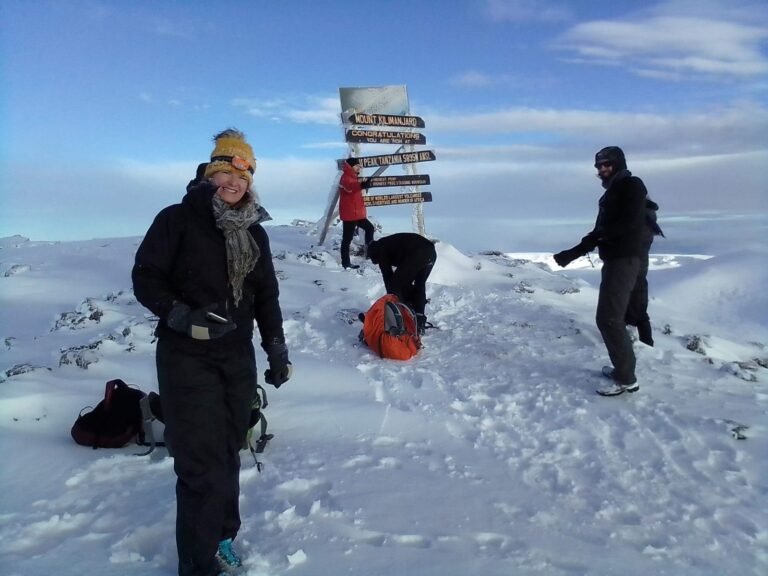
Affordable Kilimanjaro Group Joining Safari And Trekking Packages December
A practical guide to booking affordable, reliable group joining treks on Kilimanjaro and wildlife safaris in Tanzania for December 2026, focusing on logistics, shared costs, and travel...
View package details
Kilimanjaro Honeymoon Climbing And Zanzibar Beach Holiday: December Planning
A practical guide for couples planning a Kilimanjaro climb and Zanzibar beach holiday in December 2026, focusing on route selection, recovery logistics, and planning timelines.
View package details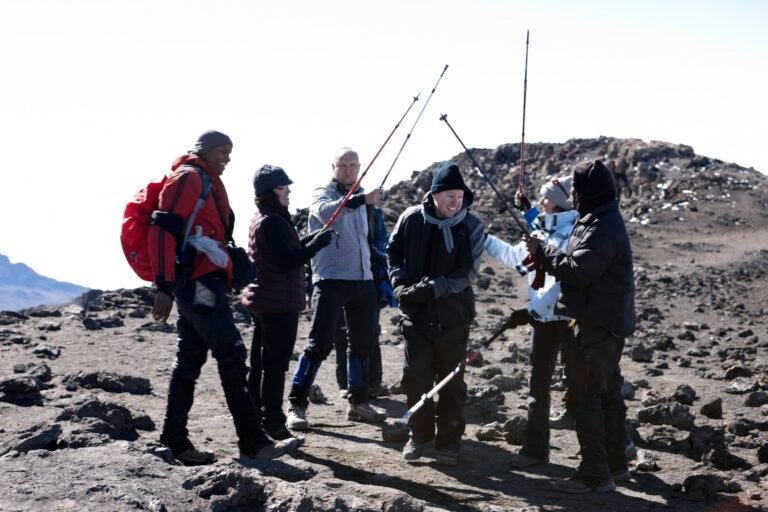
Romantic Kilimanjaro Summit Adventure For Couples December : Planning Your
A detailed guide for couples planning a Kilimanjaro summit in December 2026, focusing on route selection, acclimatization, and the benefits of private trekking arrangements.
View package details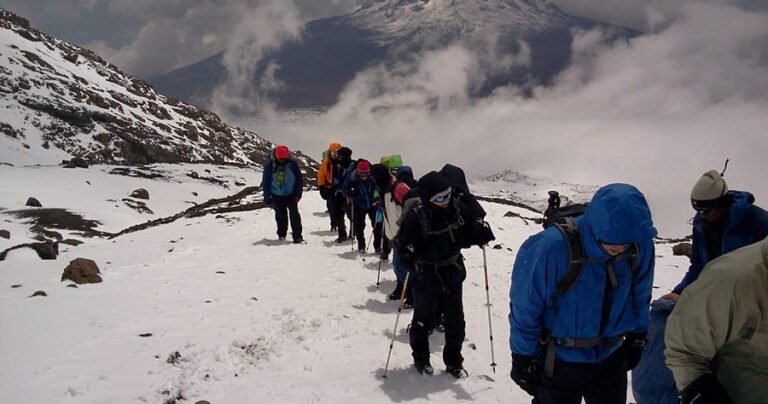
5 And 6 Days Marangu Route Kilimanjaro Hut Tours December : Planning Your
Deciding between the 5-day and 6-day Marangu Route for your December 2026 Kilimanjaro climb is a decision that impacts both your summit success and your comfort on the mountain.
View package detailsBook December , 6 Days Machame Route Kilimanjaro Climb: Expert Guide 2026
A deep look at the logistics, physical demands, and planning steps for a 6-day Machame Route Kilimanjaro climb in December 2026.
View package details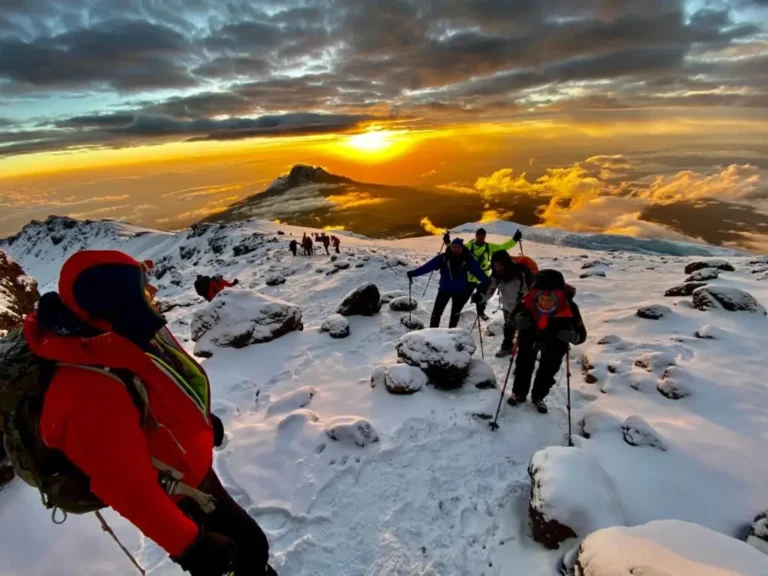
Kilimanjaro New Year Summit Group Departures December : Planning Your Ascent
Planning a New Year summit on Kilimanjaro requires specific logistics. Learn how to join a group departure for December 2026, choose the right route, and prepare for your climb.
View package details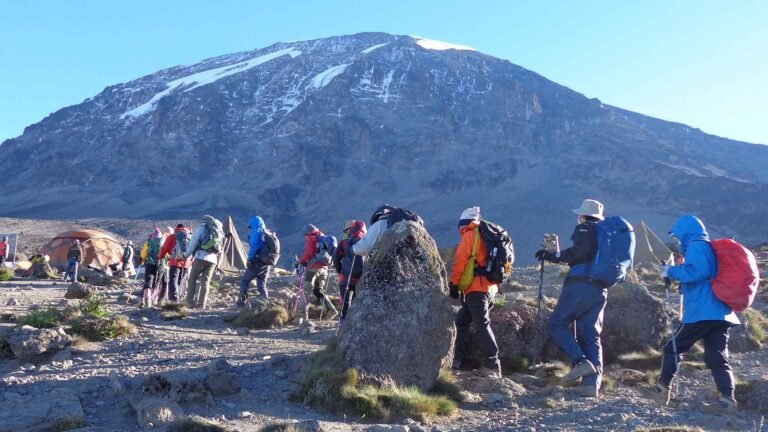
Last Minute Kilimanjaro Group Joining Deals December : Planning Your Climb
Looking for last-minute Kilimanjaro group joining deals in December 2026? Discover how to secure your spot, understand the route trade-offs, and plan your mountain ascent with expert local...
View package details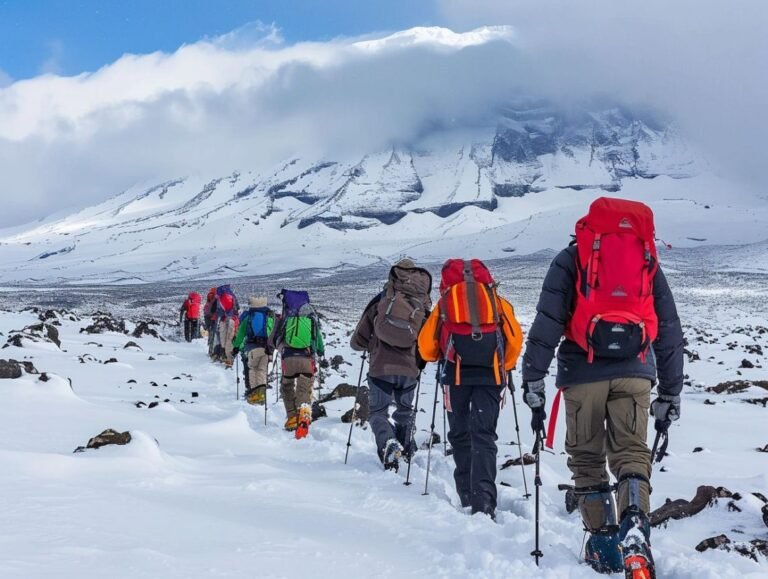
December Kilimanjaro Group Departures For Solo Travelers: Planning Your Climb
A practical guide for solo travelers planning to climb Kilimanjaro in December 2026, covering group joining benefits, route selection, and booking logistics.
View package details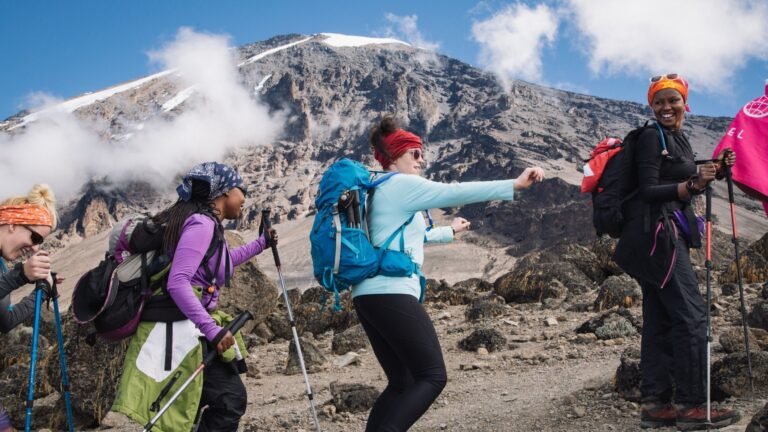
Join A Kilimanjaro Christmas Climbing Group In December 2026
A guide to securing your spot on a Kilimanjaro Christmas group climb for 2026, including route advice, group logistics, and essential planning steps.
View package detailsKilimanjaro Group Joining Tours December : Planning, Routes, And Availability
A detailed guide on planning your Kilimanjaro group joining climb for December 2026, including route comparisons, logistics, and how to secure your spot with Climb 4 Africa.
View package detailsNo related package matches those filters. Clear one or more filters to see the other topic-matched options.



