
The 7-day Rongai Route is a specialized choice for your Kilimanjaro holiday climb in December 2026. Unlike the southern routes which can become congested during the holiday season, the Rongai approach starts from the northern side of the mountain, near the Kenyan border. This route is statistically drier and offers a more remote, wilderness-focused experience. Choosing a 7-day itinerary over a shorter 6-day version is a strategic decision that prioritizes acclimatization, significantly increasing your chances of a successful summit while allowing you to enjoy the unique high-altitude desert landscapes of the northern slopes.
For travelers planning their 2026 holiday, the Rongai Route represents a distinct departure from the standard trails like Machame or Marangu. If you are looking for a climb that feels like an expedition into quieter territory, this is your primary option. The northern approach is shielded by the mountain mass itself, which often results in less precipitation during the early stages of the climb, even during the wetter periods of the year.
Why the Rongai Route is Unique for December 2026
December is a high-demand month for Kilimanjaro treks. Many climbers are drawn to the mountain for the Christmas and New Year period, which creates significant foot traffic on the popular Southern Circuit routes. The Rongai Route, however, maintains a different rhythm. Because it ascends from the north and descends via the Marangu route, it avoids the “clash” of traffic that characterizes the popular trails.
From a meteorological perspective, the northern side of the mountain is generally drier. While the “short rains” can affect the southern slopes, the Rongai trail often remains in the rain shadow. For a December 2026 climb, this means you are less likely to deal with the mud and heavy vegetation moisture that climbers on other routes might encounter in the first two days.
The 7-Day vs. 6-Day Decision
We often get asked if the 6-day version of Rongai is sufficient. While possible, the 7-day itinerary is the professional standard for a reason. By adding an extra day—typically spent acclimatizing around the Mawenzi Tarn area—you give your body an additional 24 hours to adjust to the thinning air before the final push to Kibo Huts. On a high-altitude expedition, that extra day is the difference between feeling strong on summit night and struggling with altitude-related fatigue.
The 7-Day Rongai Route Itinerary: A Day-by-Day Breakdown
This itinerary is designed to maximize your acclimatization. Every stage is planned to help you reach the summit feeling as capable as possible.
Day 1: Nalemuru Gate to Simba Camp
Your journey begins at the Nalemuru Gate. The trail starts in the pine forests and ascends gently. This is a very pleasant, moderate day of hiking. You will notice the difference here immediately compared to other routes; the forest is less dense, and the path is wider and less steep. You will overnight at Simba Camp, where you get your first taste of the high-altitude camp life.
Day 2: Simba Camp to Second Cave
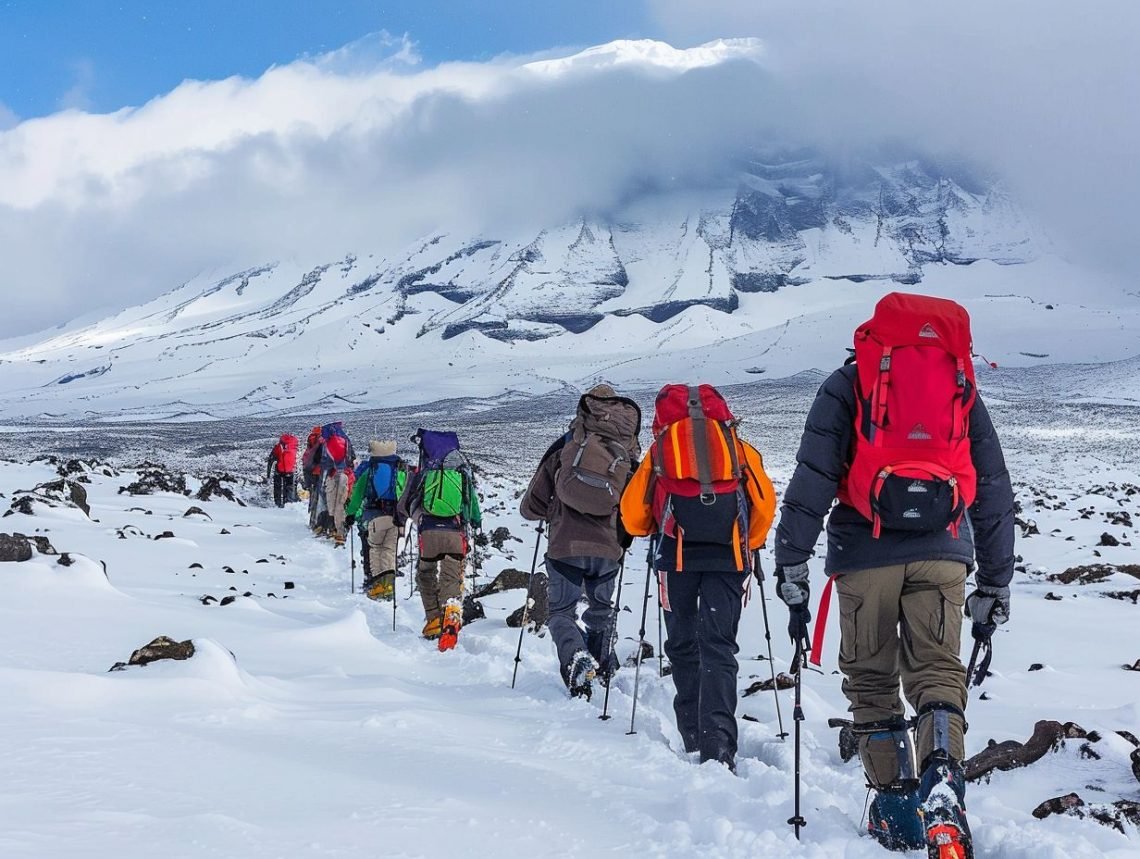
The trail continues through the moorland zone. You will see the landscape transition from forest to the rocky, heath-covered terrain that defines much of the northern climb. The pace is set to “pole pole” (slowly), which is the most critical rule of Kilimanjaro. You will arrive at the Second Cave in the afternoon, allowing plenty of time to rest and hydrate.
Day 3: Second Cave to Kikelewa Cave
Today is about steady progress. You will traverse the northern slopes, gaining altitude gradually. The views toward the Kenyan side of the mountain open up, providing a perspective that few other trekkers see. Kikelewa Cave offers a sheltered spot for the night, located among the rock formations.
Day 4: Kikelewa Cave to Mawenzi Tarn
This is one of the most spectacular days of the trek. You will climb out of the moorland into the alpine desert. The destination, Mawenzi Tarn, is located in a stunning cirque directly beneath the jagged spires of Mawenzi Peak. This is a shorter hiking day, but the elevation gain is significant, making it a vital day for your body to adapt.
Day 5: Mawenzi Tarn to Kibo Huts
Today you traverse the saddle between Mawenzi and Kibo. It is a stark, moon-like landscape. You are now very close to the base of the summit cone. You will arrive at Kibo Huts in the early afternoon. The rest of the day is spent preparing your gear for the midnight summit push and resting as much as possible.
Day 6: The Summit Push and Descent to Horombo
This is the big day. You will typically start around midnight, ascending the scree slopes toward Gilman’s Point. Once you hit the crater rim, the final stretch to Uhuru Peak follows. After reaching the roof of Africa, you will descend back down the mountain, bypassing Kibo Huts and continuing all the way down to the lush vegetation of the Horombo area for your final night on the mountain.
Day 7: Horombo to Marangu Gate
The final descent takes you through the beautiful forest zones you missed on the way up. It is a long but rewarding walk. Once you reach the Marangu Gate, you will sign out, receive your summit certificate, and take the transfer back to your hotel in Moshi or Arusha.
Planning Your December 2026 Expedition
Planning for late 2026 requires looking at the calendar early. The December holiday season is the busiest time of year for Kilimanjaro logistics. Permits, mountain crew availability, and hotel space in Moshi fill up months in advance.
- Permit Securing: Do not wait until the last minute. We recommend finalizing your booking at least 6–8 months in advance for December departures to ensure your park permits are secured.
- Training: The Rongai route is physically demanding despite its gentler start. Focus your training on endurance hiking with a weighted pack.
- Gear Selection: December can bring varied temperatures. You will be hot at the base and freezing at the summit. Layering is your most effective tool.
If you are considering a private climb or want to see if you can join a group in December 2026, our team is ready to help you compare the options. For solo travelers, joining a group can be a great way to share the costs while maintaining the security of an experienced guide team.
Why Choose Climb 4 Africa?
We believe that a successful climb is built on local expertise. Our guides are not just employees; they are veteran mountaineers who understand the nuance of the Rongai route, from the best camping spots to the subtle signs of altitude sickness. We provide the logistics, the crew, and the local support that turns a difficult trek into a manageable, rewarding challenge. Whether you are a solo adventurer or a group of friends, we tailor the support to your specific fitness level and goals.
Frequently Asked Questions About the Rongai Route
Is the Rongai route easier than the Machame route?
“Easier” is subjective. Rongai has a more gradual ascent, which is physically less taxing in the first few days. However, the final summit day is just as challenging as any other route. The primary advantage of Rongai is the lower traffic and the drier approach.
What is the success rate for the 7-day itinerary?
While no operator can guarantee success, the 7-day itinerary significantly increases your chances compared to the 5 or 6-day options. The extra day for acclimatization is the single most effective way to improve your performance on the mountain.
Can I book a private climb for my family in December 2026?
Yes, we specialize in tailor-made African travel experiences. If you have a specific date in mind, contact us to check availability. You can reach us via WhatsApp at +255 747 477 898 or email us at climb4africa@gmail.com for a custom itinerary.
Ready to Start Your 2026 Kilimanjaro Journey?
The decision to climb Kilimanjaro is a significant commitment. We are here to help you navigate the planning, the training, and the logistics. Whether you have questions about the Christmas climbing groups or want to discuss a private holiday expedition, the first step is a conversation. Please feel free to email our team at info@climb-4-africa.com with your preferred travel dates and group size. We will provide you with the most up-to-date information on permit availability and route conditions for December 2026.
Life on the Trail: Navigating Daily Routines and Logistics
Understanding the daily cadence of a Kilimanjaro expedition is as important as physical training. On the 7-day Rongai Route, the rhythm of your day is carefully orchestrated to balance physical exertion with necessary recovery. Your morning typically begins shortly after sunrise. You will be greeted by your tent crew with a basin of warm washing water—a small but vital luxury at high altitude—followed by a hearty breakfast. This is the time to finalize your packing, ensuring your daypack contains your layers, water, and sun protection, while your main duffel remains with the porters.
Hydration is the most significant logistical challenge on the northern slopes. Because the Rongai Route is situated in a drier rain shadow, natural water sources are less frequent than on the southern routes. Your mountain crew plays a critical role here; they are responsible for fetching water from designated points, filtering, and boiling it for your consumption. As a climber, your responsibility is to maintain a consistent intake. We recommend carrying at least 3 liters of water capacity, usually split between a hydration bladder for easy access while walking and a hard-sided bottle that won’t freeze as easily during the summit night.
The hiking day itself follows a deliberate, steady pace. You will walk for several hours in the morning, often stopping for a light snack or a packed lunch in a sheltered area. By mid-afternoon, you will typically arrive at the designated camp. Upon arrival, the priority is settling into your tent and allowing your body to rest. This is not the time for strenuous activity; it is for stretching, rehydrating, and perhaps enjoying the afternoon tea and snacks provided by the kitchen staff. This downtime is essential for altitude acclimatization, allowing your body to process the physiological stress of the ascent.
Every evening concludes with a mandatory briefing from your lead guide. This session is the most important part of your day. The guide will outline the terrain for the following morning, check your oxygen saturation and pulse levels, and assess your overall well-being. These checks are not merely routine; they provide the data required to make safe, informed decisions about your progress. This is also the best time to raise any concerns about gear, blisters, or symptoms of altitude, as your guides are trained to identify these issues long before they become impediments to your summit goal.
Physical Conditioning and Altitude Preparation for the Rongai Route
While the 7-day Rongai Route is often cited as one of the more accessible paths to Uhuru Peak due to its gradual ascent profile, it is a significant physical undertaking. For a December 2026 expedition, your preparation should move beyond general cardiovascular fitness to address the specific demands of the northern approach and the high-altitude environment.
Training for Endurance and Terrain
The Rongai route involves long days of walking over varied terrain, from soft forest floors to loose scree and rocky alpine desert. Your training should prioritize endurance over speed. A successful strategy involves “time on feet” rather than just mileage. Aim to complete hikes of 4 to 6 hours on weekends, ideally on uneven trails that mimic the mountain’s topography. This conditions your stabilizing muscles—ankles, knees, and hips—to handle the constant adjustments required on the trail. If you live in an urban area, stair-climbing with a weighted pack is the most effective substitute for mountain hiking. Focus on maintaining a consistent, slow cadence; this mimics the “pole pole” (slowly, slowly) pace that is essential for preserving energy and oxygen during the trek.
The Role of Load-Bearing Training
On the mountain, you will be carrying a daypack containing your water, rain gear, camera, and extra layers. While your porters carry the bulk of your equipment, your daypack will typically weigh between 5 and 8 kilograms. Training with a pack of similar weight is crucial. It changes your center of gravity and forces your core to work harder. By December 2026, you should be comfortable walking for several hours with this load. This practice also helps you identify any discomfort with your gear, such as strap pressure or poor pack fit, allowing you to make adjustments well before you arrive at the Nalemuru Gate.
Altitude-Specific Preparation
While you cannot fully replicate the effects of high altitude in training, you can prepare your body to handle the physiological stress. Cardiovascular health is paramount, but mental preparation is equally vital. The Rongai route’s extra day at Mawenzi Tarn is a gift, but the thin air will still be noticeable. Engage in aerobic activities like cycling, swimming, or running at least three times a week to improve your VO2 max. More importantly, understand that altitude sickness is not a reflection of your fitness level; it is a physiological response to lower oxygen levels. Your preparation should include a plan to hydrate aggressively and eat regularly, even when your appetite decreases at high camp. Preparing your mind to accept a slow pace—even when you feel strong—is the most effective way to ensure you reach the summit.
Essential Gear for the Northern Slope
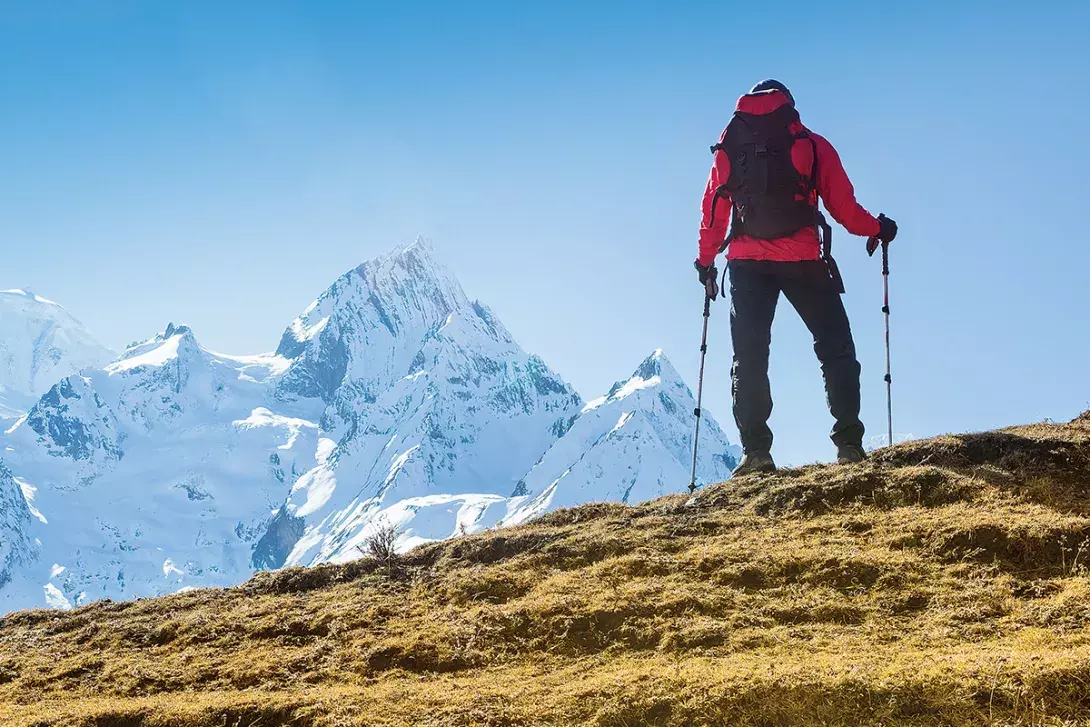
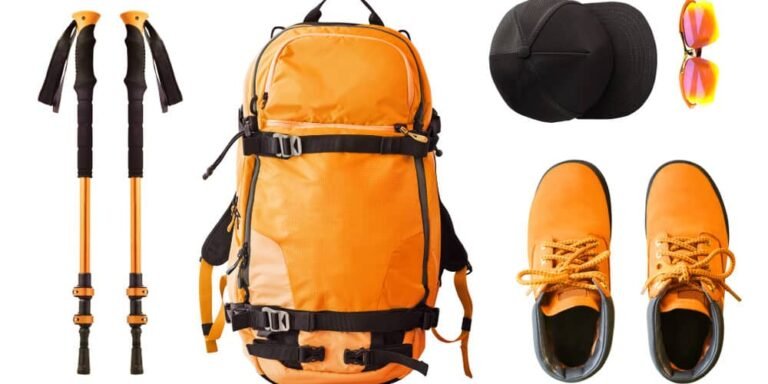
The northern side of the mountain can be deceptively cold during the summit push. Because the Rongai route approaches the summit from the Kibo Huts area, you must be prepared for extreme temperature fluctuations. Invest in high-quality trekking poles; they are not optional on the Rongai route. They significantly reduce the strain on your knees during the long descent from the summit and provide essential balance on the loose scree slopes. Ensure your layering system includes a high-quality, windproof outer shell and a heavy-duty down jacket for the summit night. By testing your gear on local hikes throughout 2026, you ensure that every zipper, strap, and layer is intuitive, allowing you to focus your energy on the climb rather than your equipment.
The Human Element: Understanding Your Mountain Crew
On a 7-day expedition, your interaction with the mountain crew is not merely transactional; it is the backbone of your success. The Rongai Route, being a remote northern approach, requires a higher degree of self-sufficiency from your support team compared to the busier southern trails. Your team typically includes a head guide, assistant guides (usually one for every two or three climbers), a cook, and the porters who handle the heavy lifting. Understanding this structure helps you better manage your expectations and fosters a collaborative environment.
The head guide is your primary decision-maker, responsible for health checks, safety protocols, and route adjustments. On the Rongai Route, where you are far from the main hubs of activity, the guide’s relationship with the park rangers and other crews is essential for securing campsite spots and managing the logistics of the northern slopes. The assistant guides are often the unsung heroes, keeping pace with the slowest member of the group and ensuring that everyone maintains the “pole pole” (slowly, slowly) rhythm required for acclimatization. Respecting their expertise—particularly when they advise you to slow down or hydrate—is the single most effective way to reach the summit.
Cultural exchange is a significant part of the Kilimanjaro experience. During your evenings at camps like Kikelewa or Mawenzi Tarn, you will have the opportunity to learn about the Chagga culture from your crew. This interaction is not only enriching but also helps to build a team dynamic where the crew feels invested in your personal summit success. Tipping, while customary, is best handled through the head guide at the end of the trek; ensure you have prepared your tips in clean, crisp US dollar bills or Tanzanian Shillings before leaving your hotel in Moshi.
Nutritional Management at High Altitude
One of the most overlooked aspects of a 7-day Kilimanjaro climb is the physiological shift in your appetite. As you ascend toward the alpine desert, the combination of lower oxygen levels and the physical demands of trekking can significantly suppress your hunger. However, maintaining consistent caloric intake is vital for energy levels and thermal regulation. Your mountain cook is trained to provide carbohydrate-rich, easily digestible meals, but you must be proactive in your approach to nutrition.
Expect meals that are designed to be palatable even when you feel nauseous or lack an appetite. This typically includes porridge, soups, pasta, rice, and fresh vegetables. The key to successful nutrition on the mountain is to eat small, frequent amounts rather than trying to consume large meals. If you find yourself struggling to finish a plate, focus on the carbohydrates and fluids. Electrolyte replacement is equally critical; the air on the northern slopes is exceptionally dry, and you will lose moisture rapidly through respiration. Using electrolyte powders in your water bottles can help prevent headaches and maintain energy levels.
We recommend bringing your own “comfort snacks” from home—items that you know you will enjoy even when you aren’t hungry. High-calorie, high-fat options like nuts, dark chocolate, dried fruit, and energy bars are excellent. Avoid foods that are overly spicy or contain ingredients you haven’t tested during your training. By December 2026, your training should have included testing various snacks while hiking so you know exactly what your stomach tolerates at high intensity.
Mastering the Midnight Summit Push
The summit push from Kibo Huts is the culmination of your 7-day effort. It is a unique logistical event that requires precision and mental fortitude. You will typically be woken around 11:00 PM or midnight for a light meal before beginning the ascent in the dark. The temperature on the northern side of the mountain can drop well below freezing, and the wind chill on the exposed scree slopes is severe. Success here is as much about gear management as it is about physical stamina.
Before you go to sleep on the evening of Day 5, organize your clothing for the summit push. Your headlamp should be checked with fresh batteries, and your thermos should be filled with hot tea or water. Use a “camelbak” or hydration bladder tucked inside your jacket, rather than on the outside of your pack, to prevent the tube from freezing. The ascent toward Gilman’s Point is a slow, methodical grind. You will likely feel the urge to move faster as the adrenaline kicks in, but this is the moment where discipline is most required. Stick to the guide’s pace, keep your headlamp focused on the boots of the person in front of you, and maintain your hydration schedule. The transition from the dark, freezing night to the sunrise at Uhuru Peak is a memorable experience, but it is only possible if you have conserved your energy during the initial hours of the climb.
Beyond the Summit: Navigating the Descent and Return to Civilization
The journey does not truly end at the Marangu Gate. While the summit push is the emotional climax, the transition back to civilization requires its own set of logistical considerations. After the long, knee-taxing descent from Horombo, you will arrive at the park exit to sign the official register and receive your summit certificate. This moment is often a mix of profound relief and physical exhaustion. Be prepared for the reality that your body will need time to adjust to the lower, oxygen-rich air of the lowlands; you may experience a temporary “hangover” effect, including lethargy or a mild headache, as your system recalibrates.
Once you exit the park, you will be met by your transfer vehicle. The drive back to your hotel in Moshi or Arusha is often a quiet, reflective experience. As you pass through the bustling villages and lush coffee plantations surrounding the mountain, the contrast between the stark, frozen lunar landscape you left hours earlier and the vibrant green life of the foothills can be jarring. Upon arrival at your hotel, the immediate priority is hydration and hygiene. Your hotel will typically have your stored luggage—the items you did not take on the mountain—ready for you. This is the time to prioritize a long, hot shower and a comfortable bed, as your muscles will begin to stiffen once the adrenaline of the descent fades.
Tipping Etiquette and Supporting Your Mountain Crew
On a 7-day expedition, your relationship with your mountain crew is the cornerstone of your success. By the time you reach the final day, you will have shared seven days of intense, life-changing experiences with a team of porters, cooks, and guides who have worked tirelessly to ensure your safety and comfort. Tipping is the standard way to express gratitude for this labor, and it is a significant part of the local economy. Understanding the etiquette of this process is essential for a smooth conclusion to your trip.
Most professional operators provide clear guidelines on suggested tipping amounts per day for each role: the lead guide, assistant guides, the cook, and the porters. It is highly recommended to prepare your tips in local currency (Tanzanian Shillings) or USD before you leave home or arrive at your hotel. Place the cash for each crew member into separate, labeled envelopes. This ensures that the money reaches the intended individuals directly. The “tipping ceremony” often takes place on the final morning or at the hotel, and it is a respectful, meaningful way to acknowledge the crew’s hard work. If you have specific items of gear—such as spare warm clothing, headlamps, or trekking poles—that you do not intend to take home, many climbers choose to donate these to their porters. Please ensure these items are in good, functional condition; this is a highly appreciated gesture that directly supports the mountain community.
Environmental Stewardship: Preserving the Rongai Wilderness
The Rongai Route is renowned for its pristine, remote wilderness, particularly in the early stages near the Kenyan border. Because this route sees significantly less traffic than the southern trails, the responsibility to maintain its ecological integrity is higher. As a December 2026 climber, you play a vital role in this preservation. The “Leave No Trace” philosophy is not just a suggestion; it is a necessity for the survival of this delicate alpine ecosystem.
During your trek, ensure that every piece of waste—no matter how small—is packed out. This includes biodegradable items like fruit peels, which can take years to decompose in the cold, high-altitude environment and disrupt the local fauna. Your mountain crew will manage the bulk of waste removal, but your personal discipline regarding your own trash is essential. Furthermore, stay strictly on the designated trails. The alpine desert vegetation, including the unique Giant Groundsels and Lobelias, is incredibly fragile and can take decades to recover from a single trampling. By respecting these boundaries, you ensure that the northern slopes remain as wild and untouched for future climbers as they were for you.
Related Guides and Packages
Check Availability for 7 Days Rongai Route Kilimanjaro Holiday Climb December : Expert Guide 2026
Ready to compare dates, prices, and the best option for your group? Send the package name and travel month so the team can reply with a clear quote, availability, and what is included.
Kilimanjaro Honeymoon Climbing And Zanzibar Beach Holiday: December Planning
A practical guide for couples planning a Kilimanjaro climb and Zanzibar beach holiday in December 2026, focusing on route selection, recovery logistics, and planning timelines.
View package details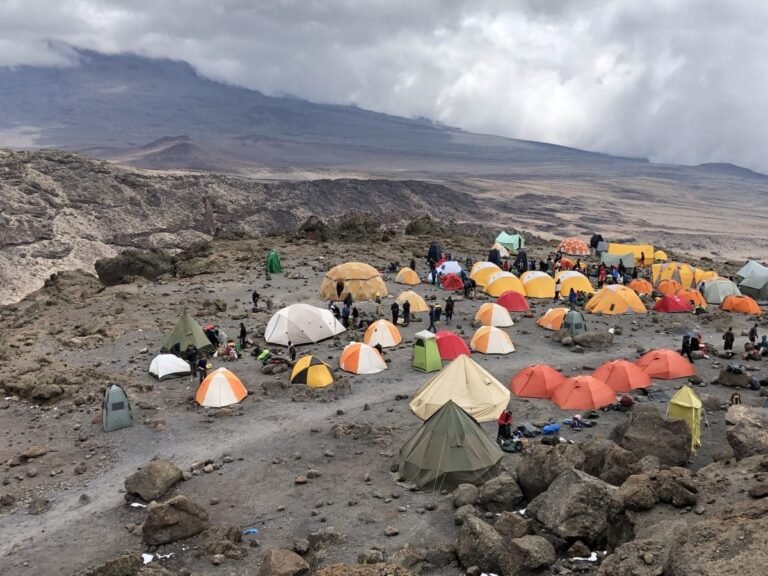
Book December , 6 Days Machame Route Kilimanjaro Climb: Expert Guide 2026
A deep look at the logistics, physical demands, and planning steps for a 6-day Machame Route Kilimanjaro climb in December 2026.
View package details
9 Days Northern Circuit Kilimanjaro Trek December : The Ultimate
A comprehensive guide to the 9-day Northern Circuit route for December 2026, focusing on acclimatization, route advantages, and logistical planning.
View package details
5 And 6 Days Marangu Route Kilimanjaro Hut Tours December : Planning Your
Deciding between the 5-day and 6-day Marangu Route for your December 2026 Kilimanjaro climb is a decision that impacts both your summit success and your comfort on the mountain.
View package details
Last Minute Kilimanjaro Group Joining Deals December : Planning Your Climb
Looking for last-minute Kilimanjaro group joining deals in December 2026? Discover how to secure your spot, understand the route trade-offs, and plan your mountain ascent with expert local...
View package details
December Kilimanjaro Group Departures For Solo Travelers: Planning Your Climb
A practical guide for solo travelers planning to climb Kilimanjaro in December 2026, covering group joining benefits, route selection, and booking logistics.
View package details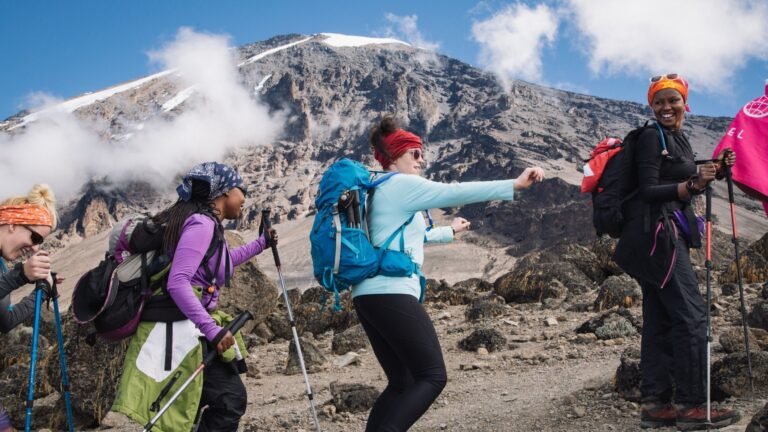
Join A Kilimanjaro Christmas Climbing Group In December 2026
A guide to securing your spot on a Kilimanjaro Christmas group climb for 2026, including route advice, group logistics, and essential planning steps.
View package detailsKilimanjaro Group Joining Tours December : Planning, Routes, And Availability
A detailed guide on planning your Kilimanjaro group joining climb for December 2026, including route comparisons, logistics, and how to secure your spot with Climb 4 Africa.
View package detailsTraveling Alone To Kilimanjaro In December: Can You Join A Machame Route 2026
A practical guide for solo travelers planning a December Kilimanjaro climb. Discover how group joining works on the Machame Route, the realities of cost-sharing, and how to prepare for your...
View package details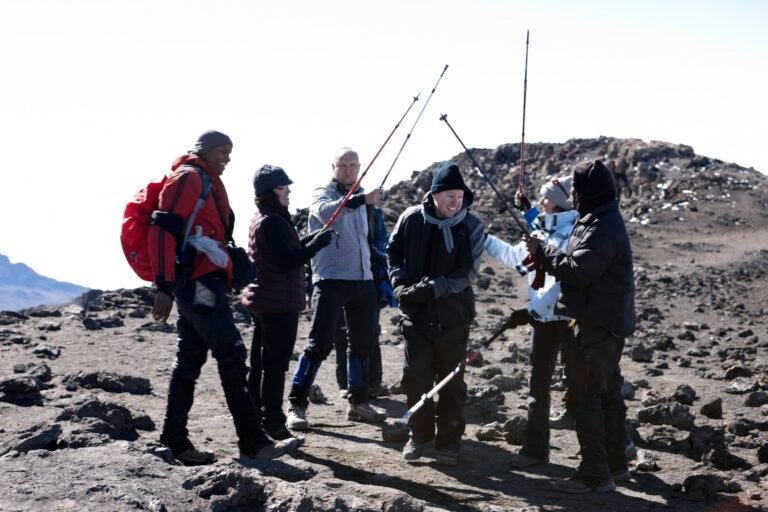
Romantic Kilimanjaro Summit Adventure For Couples December : Planning Your
A detailed guide for couples planning a Kilimanjaro summit in December 2026, focusing on route selection, acclimatization, and the benefits of private trekking arrangements.
View package details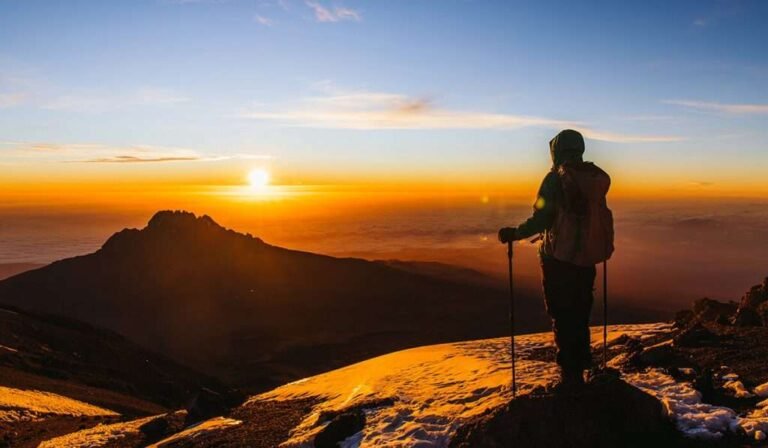
Luxury Mount Kilimanjaro Trekking Packages December : Planning Your Premium
A detailed guide to booking luxury Kilimanjaro trekking packages for December 2026, covering route selection, premium service standards, and planning essentials.
View package details7 Days Umbwe Route Kilimanjaro Challenge: Planning Your December Ascent 2026
A deep-dive guide into the 7-day Umbwe Route, the most challenging and direct path up Kilimanjaro, perfect for those seeking a quiet, steep, and rewarding December 2026 expedition.
View package detailsNo related package matches those filters. Clear one or more filters to see the other topic-matched options.



