
Arusha to Serengeti one-way flight ticket prices typically range from $200 to $450 USD per person, depending heavily on the specific Serengeti airstrip destination, the season of travel, and how far in advance you secure your seat. Because the Serengeti is vast, prices are not uniform; flights to central airstrips like Seronera are often more competitively priced than remote northern or western airstrips due to flight frequency. To get an accurate fare for your specific 2026 or 2027 travel dates, it is best to provide your travel window and desired lodge location to your operator, as these factors significantly influence the final cost.
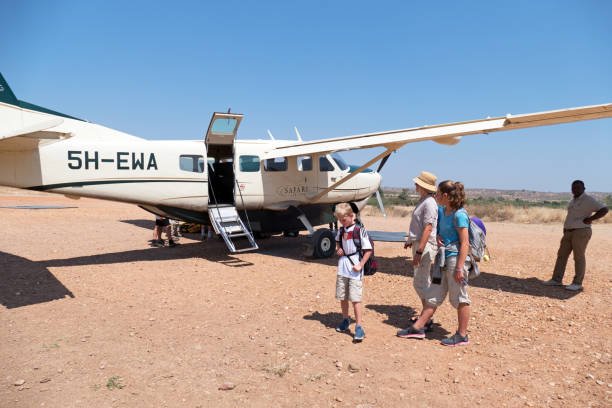

Flying from Arusha (ARK) to the Serengeti is the most efficient way to maximize your time on safari. Driving from Arusha to the Serengeti can take anywhere from 7 to 10 hours depending on your final camp location, whereas a light aircraft flight reduces this travel time to roughly 45 to 90 minutes. However, understanding the pricing structure is essential for budget planning, as these are not standard commercial airline routes but rather specialized bush flight operations.
The Factors Influencing Your Flight Ticket Price
When you request a quote for an Arusha to Serengeti flight, you might notice that prices fluctuate. This isn’t arbitrary; it reflects the logistical reality of operating in remote bush environments. Several variables dictate the final cost you will see on your invoice:
- Airstrip Location: The Serengeti is massive. Flying to Seronera (the central hub) is generally more affordable because multiple airlines operate this route daily. Flying to remote airstrips like Kogatende (North) or Sasakwa (Grumeti/West) often involves longer flight times and fewer daily connections, which impacts the price.
- Seasonality: Tanzania operates on a high-season and low-season model. During the peak migration months—typically July through September and around Christmas—demand for seats on light aircraft is extreme. Prices during these windows are rarely discounted. Conversely, traveling in the “green season” (April, May, November) can sometimes offer more flexible pricing or availability.
- Baggage Handling: Most bush flights strictly enforce a 15kg (33 lbs) limit in soft-sided bags. If you are traveling with heavy camera gear or excess luggage, you may be required to purchase an extra seat to accommodate the weight, which effectively doubles the cost of your ticket.
- Fuel Surcharges: Aviation fuel prices in Tanzania can be volatile. Operators often pass these costs on through temporary surcharges, which is why it is critical to confirm the final, all-inclusive price with your operator close to your booking date.
For a deeper look at specific destination pricing, you may want to review our guides on Kogatende Airstrip flights or Serengeti South airstrip access, as these locations cater to different segments of the Great Migration.
Choosing the Right Airstrip: A Cost-Benefit Analysis
One of the most common mistakes travelers make is booking a flight to the wrong airstrip. The Serengeti is divided into regions, and each region has its own set of airstrips. Choosing the wrong one can result in a 3-to-4-hour drive to reach your lodge, effectively wasting the time you saved by flying.
Here is a breakdown of how your choice impacts your travel logistics:
| Airstrip Region | Primary Safari Focus | Accessibility |
|---|---|---|
| Seronera (Central) | Year-round resident wildlife, big cats | High frequency, lower cost |
| Kogatende (North) | Great Migration river crossings (July-Oct) | High demand, premium pricing |
| Ndutu (South) | Calving season (Jan-March) | Seasonal access, requires planning |
| Grumeti (West) | Off-the-beaten-path, luxury camps | Exclusive, higher charter rates |
If you are planning your itinerary, consider reading about Serengeti airstrip transfer prices to ensure you have a clear picture of the “last mile” costs once you land.
The Reality of Booking: Why Use a Local Operator?
While you can attempt to book flights directly through airline websites, doing so often complicates your safari logistics. When you book your Arusha to Serengeti flight through a local operator like Climb 4 Africa, you are paying for more than just a seat on a plane; you are paying for a integrated travel plan. We handle the coordination between your flight arrival time and your camp’s pickup schedule.
If a flight is delayed or rescheduled due to weather—which happens occasionally in the bush—having an operator manage your booking means you have someone on the ground in Arusha communicating with the airline and the lodge to adjust your pickup. You aren’t left calling customer service lines from a remote airstrip.
Furthermore, if you are planning a comprehensive trip, we can often package your flights with your internal transfers, park fees, and accommodation. This is particularly useful for travelers looking at fly-in safari options to Ngorongoro and Serengeti, where timing is critical to ensure you don’t miss your game drives.
Logistics: What to Expect at Arusha Airport (ARK)
Arusha Airport (ARK) is distinct from Kilimanjaro International Airport (JRO). Arusha Airport is located closer to the city and is the primary hub for domestic bush flights. When flying out of Arusha, you should aim to arrive at the terminal at least 60-90 minutes before your scheduled departure. Unlike major international airports, security checks are swift, but flight operators are strict about departure times. If the plane is full and you are late, the pilot will depart without you to stay on schedule for the rest of their circuit.
Remember that these aircraft are small—often 12-seater Cessna Caravans. The flight path will take you over the Rift Valley escarpment, offering some of the most spectacular views in East Africa. However, these planes fly at lower altitudes, meaning you will feel the air currents. If you are prone to motion sickness, it is advisable to prepare accordingly.
Frequently Asked Questions
Is it cheaper to fly or drive to the Serengeti?
Driving is almost always cheaper if you are traveling in a group of 3 or more, as the cost of the vehicle and guide is shared. Flying is a significant time-saver, essentially buying you an extra day of safari that would otherwise be spent on the road. If your time is limited to a 3-5 day trip, flying is usually the better investment.
Are there daily flights from Arusha to Serengeti?
Yes, there are multiple daily departures, particularly to Seronera. However, routes to the more remote northern or southern airstrips may have fewer connections. It is important to match your flight schedule with your lodge check-in times.
Can I bring my standard suitcase?
No. Most light aircraft operators in Tanzania strictly require soft-sided luggage without wheels or rigid frames. This is due to the limited cargo space in the aircraft belly. If you bring a hard-shell suitcase, you may be asked to leave it at your hotel in Arusha, or you may be charged for an extra seat to accommodate it.
How do I book my flight?
The most reliable way is to include it as part of your broader safari itinerary. Contact us via WhatsApp at +255 747 477 898 or email climb4africa@gmail.com with your travel dates and lodge locations. We can then provide a quote that includes the flight, ground transfers, and any necessary park entries.
Planning Your 2026-2027 Safari
As you look toward your 2026 or 2027 safari, keep in mind that the Serengeti’s popularity continues to grow. Booking your flights well in advance is no longer just a suggestion; it is a necessity for peak season travel. Availability on preferred flight times (usually morning departures, which allow you to enjoy an afternoon game drive) fills up months ahead of time.
If you are still in the early stages of planning, consider how your flight fits into the bigger picture. Are you looking for a group departure where logistics are handled for you, or a private tailor-made experience? We are here to help you navigate these choices. For any questions regarding your specific itinerary, feel free to reach out to our team at info@climb-4-africa.com. We specialize in creating smooth connections between Arusha, the Serengeti, and beyond, ensuring your focus remains on the wildlife and the landscape, not on the logistics of your transit.
Understanding Flight Classifications: Scheduled Bush Flights vs. Private Charters
When reviewing ticket prices for your Arusha to Serengeti journey, it is critical to distinguish between the two primary ways these flights are sold: “seat-in-plane” (scheduled bush flights) and “private charters.” Most travelers booking a standard safari are purchasing a seat-in-plane ticket. This model functions much like a bus route in the sky; you are paying for a single seat on an aircraft that is shared with other passengers heading to various lodges throughout the Serengeti ecosystem.
Seat-in-plane fares are the industry standard because they distribute the high operating costs of bush aviation across multiple passengers. When you see a price tag in the $200 to $450 range, you are looking at this shared model. Because the airline is filling the plane to capacity, they can keep individual ticket prices relatively stable. Conversely, a private charter involves renting the entire aircraft for your party. This is a significantly different financial undertaking, often costing thousands of dollars regardless of whether you have two passengers or six. Unless you are traveling in a large group or require highly specific, non-standard departure times that deviate from the established daily schedules, a private charter is rarely the most cost-effective choice for a standard one-way transfer.
The Reality of Multi-Stop Routes and Flight Duration
A common point of confusion for first-time safari-goers is the discrepancy between the “flight time” and the “total travel time” listed on their itinerary. It is essential to understand that Arusha to Serengeti flights are rarely direct, non-stop services. Bush aircraft often operate on a “hub-and-spoke” or a “milk-run” system. Your plane might depart from Arusha, stop briefly at Lake Manyara or another airstrip to drop off or pick up passengers, and then proceed to your final destination in the Serengeti.
This multi-stop nature is a significant factor in why you should avoid planning tight connections with international flights. While the actual time spent in the air between Arusha and a central Serengeti airstrip like Seronera might be only 45 to 60 minutes, the total time from engine start in Arusha to touchdown at your camp can easily stretch to 90 minutes or two hours due to these intermediate stops. This is built into the ticket price. When you are comparing quotes, remember that you are paying for the flexibility of this network. If you find a significantly cheaper flight, verify whether it involves multiple stops that might add hours to your travel day, or if it is a rare direct flight, which may command a premium.
Navigating Weather-Related Operational Changes
Bush aviation in Tanzania is highly susceptible to the elements. During the rainy seasons—typically November through December and March through May—weather conditions can change rapidly. Low cloud cover, heavy rain, or localized storms can force pilots to alter flight paths or delay departures for safety reasons. While this is a rare occurrence that disrupts the majority of itineraries, it is a logistical reality that affects the operational cost and reliability of your transfer.
When you book your flight through a reputable operator, you are essentially purchasing a safety net for these scenarios. If a flight is canceled or significantly delayed due to weather, the airline and your booking agent work in tandem to re-route you or secure a seat on the next available flight. Attempting to manage these disruptions independently, especially when booked through third-party aggregators that do not have local staff on the ground, can lead to significant stress and unexpected out-of-pocket expenses. The price of your ticket, therefore, includes an implicit layer of support: the assurance that if the “bush bus” is delayed, there is a local team actively managing your rebooking so you do not miss your game drive or your international connection back home.
Weight Restrictions and Excess Baggage Fees: A Hidden Cost Component
One of the most frequently overlooked variables in the total price of an Arusha to Serengeti flight is the strict weight allowance policy. Unlike commercial international airlines that often permit 23kg (50lbs) or more in checked luggage, bush aircraft are subject to significantly tighter payload limits. This is not merely a matter of airline policy but a critical safety requirement dictated by the aircraft’s performance capabilities in high-altitude or high-temperature conditions, where lift efficiency decreases.
Most scheduled bush flight operators enforce a standard baggage allowance of 15kg (33lbs) per passenger, inclusive of both checked bags and carry-on items. When your ticket price is quoted, it is calculated based on this standard weight. If your luggage exceeds this limit, you are not simply charged a flat overage fee; you are often required to purchase an additional seat—sometimes referred to as a “freight seat”—to accommodate the excess weight safely. This can add several hundred dollars to your one-way travel cost, potentially doubling the price of your flight if not managed correctly.
To avoid these unexpected costs, travelers should consider the following:
- Consolidation: If traveling as a couple or a group, weigh your bags collectively. While airlines generally assess weight per person, some operators may allow for pooling if communicated in advance, though this is not guaranteed.
- Soft-Sided Only: Regardless of weight, the physical dimensions and material of your bag matter. Hard-shell suitcases are often rejected at the Arusha check-in counter because they cannot be compressed to fit into the irregularly shaped cargo pods of a Cessna Grand Caravan or similar bush aircraft.
- Pre-booking Excess Weight: If you know you are traveling with camera gear, specialized equipment, or heavy lenses that will push you over the 15kg limit, inform your booking agent during the initial quotation phase. Purchasing an extra seat in advance is almost always more cost-effective than attempting to pay for excess weight at the airstrip on the day of departure, where space may not be available.
By factoring in your total luggage weight during the planning stage, you ensure that your ticket price remains accurate and that you are not met with last-minute logistical hurdles that could delay your departure or incur substantial additional fees.
The “Total Cost of Transit”: Beyond the Ticket Price
When analyzing the one-way flight ticket price from Arusha to the Serengeti, it is a common oversight to view the fare as the singular cost of your transit. In reality, the ticket price often represents only a portion of the financial outlay required to move from your point of arrival to your final accommodation. To accurately budget for your safari, you must account for the “Total Cost of Transit,” which includes several variables that are frequently omitted from initial quotes but are essential for a realistic financial plan.
The Airstrip-to-Lodge Transfer Gap
A critical distinction that impacts your budget is the difference between a “fly-in” safari package and a “self-arranged” flight booking. If you are purchasing your bush flight as a standalone ticket, you must verify whether the airstrip-to-lodge transfer is included in your lodge booking. In the Serengeti, airstrips are not always located adjacent to the camps; they can range from a 15-minute drive to a 90-minute game drive away. Many high-end lodges include these transfers as part of a “Game Package” rate, but if you have booked your accommodation on a “Bed and Breakfast” or “Full Board” basis, the transfer is often considered an additional service.
These transfers are not simple taxi rides. Because they occur within protected park boundaries, they require specialized 4×4 vehicles and licensed guides. If your lodge does not provide a complimentary transfer, you may be required to pay a “transfer fee” that can range from $50 to $200 USD per vehicle, depending on the distance. When comparing the total cost of your travel, ensure you are not just comparing the flight ticket price, but the flight price plus the transfer cost. Ignoring this can lead to a significant budget deficit upon arrival.
The Financial Risk of Missed Connections
The pricing structure for Arusha to Serengeti flights is inherently rigid due to the nature of bush aviation. Unlike international commercial airlines, which often have complex rebooking policies and interline agreements, bush flight tickets are typically sold on a “use-it-or-lose-it” basis. If your international flight into Kilimanjaro (JRO) or Arusha (ARK) is delayed—a common occurrence due to weather, mechanical issues, or air traffic control—and you miss your scheduled bush flight, you are often liable for the full cost of the ticket.
This is a “hidden” cost component that savvy travelers must mitigate. Because the aircraft are small and operate on tight schedules to maximize daylight hours, they cannot hold for delayed passengers. If you miss your flight, you are essentially paying for a second ticket at the last-minute rate, which is almost always higher than the advance booking price. To account for this, many travelers factor in the cost of an “overnight buffer” in Arusha. While an extra night in an Arusha hotel is an additional expense, it acts as an insurance policy against the much higher cost of forfeiting a non-refundable bush flight ticket.
Managing Currency and Processing Fees
Finally, the method of payment can subtly alter the final price of your ticket. Most Tanzanian bush operators quote prices in USD, but payment processing often occurs through international gateways or local banks. When paying via credit card, travelers are frequently subject to currency conversion fees or merchant service charges that are not reflected in the initial quote provided by the operator. These fees, which typically range from 3% to 5%, can add a meaningful amount to the total cost if you are booking flights for a family or a group. To avoid these surprises, always ask your booking agent if the quoted price is the “net” amount they receive or if it is subject to additional transaction fees. If possible, inquire about wire transfers or alternative payment methods that might bypass these processing costs, though always weigh this against the potential fees charged by your own bank for international transfers.
Understanding “Resident” vs. “Non-Resident” Fare Disparities
One of the most significant, yet frequently misunderstood, variables in Arusha to Serengeti flight pricing is the distinction between “Resident” and “Non-Resident” fare classes. In the East African aviation sector, airlines maintain dual pricing structures. As an international traveler, you are almost exclusively categorized as a “Non-Resident” passenger. You may occasionally encounter websites or booking engines displaying significantly lower fares; these are almost universally “Resident” rates, reserved for citizens of Tanzania, Kenya, Uganda, Rwanda, and Burundi, or expatriates holding valid residency permits and work visas.
It is critical to avoid the temptation to book these lower rates if you do not qualify. Tanzanian aviation authorities and airline ground staff conduct rigorous documentation checks at the Arusha Airport terminal. If you arrive with a “Resident” ticket but present a foreign passport without a valid residency permit, the airline is contractually obligated to charge you the difference between the Resident fare and the full, published Non-Resident rate on the spot. In many cases, this “upgrade” fee is calculated at the highest available last-minute price, which can be substantially more expensive than if you had booked the correct fare class from the outset. Always ensure your booking agent clearly marks your quote as “Non-Resident” to avoid any ambiguity or financial penalties at the check-in desk.
The Economics of “Circuit” Routing vs. Point-to-Point Tickets
When analyzing the cost of your Arusha to Serengeti flight, it is helpful to view the pricing not as a fixed fare for a specific point-to-point journey, but as a segment of a larger, dynamic circuit. Bush airlines operate on a “circuit” model, where aircraft follow a loop—often connecting Arusha, various Serengeti airstrips, and sometimes extending to other destinations like Manyara or Zanzibar. The price you pay for a one-way ticket is essentially a subsidy for a seat on a specific leg of this circuit.
This structural reality means that your total transit cost can fluctuate based on how your journey integrates into the airline’s existing loop for that day. For instance, if you are planning to visit the Serengeti and then continue to another destination, booking a “circuit” ticket—where you purchase the entire route (e.g., Arusha to Seronera to Zanzibar) as a single itinerary—is often more cost-effective than purchasing individual, disconnected one-way tickets. When you book a multi-leg itinerary, airlines can often offer a more competitive rate because they are securing your occupancy across multiple flight segments, reducing their “empty leg” risk. If you are traveling as a group, this strategy becomes even more pronounced; a local operator can often leverage these circuit discounts to bundle your internal travel in a way that individual online bookings cannot replicate. Always ask your operator if your proposed route qualifies for a “circuit” or “inter-airstrip” discount, rather than simply requesting a price for each leg in isolation.
Navigating Child and Infant Fare Policies
For families traveling with children, the pricing structure for bush flights requires careful scrutiny, as policies can vary significantly between operators. Unlike major commercial carriers that offer standardized child discounts (typically a percentage of the adult fare), bush flight operators often have strict “seat occupancy” rules. Because light aircraft have a limited number of seats and the weight-to-balance ratio is critical, a child who occupies a seat is almost always charged the full adult fare, regardless of age. There is rarely a “child discount” on scheduled bush flights in the Serengeti.
Infants—defined as children under the age of two—are sometimes permitted to travel as “lap infants” (sitting on an adult’s lap) for a nominal fee or a reduced rate, typically 10-20% of the adult fare. However, this is not a universal policy and depends heavily on the specific aircraft type and the airline’s safety regulations for that day. If you are traveling with an infant, you must disclose this at the time of booking. Do not assume you can simply bring an infant without a pre-booked seat or at least a confirmed “lap infant” status, as the pilot may refuse to board the child if the aircraft is at its maximum seat capacity. Furthermore, even if you pay a reduced infant rate, the weight of the infant and their associated gear (such as specialized car seats or carriers) must be factored into your overall baggage allowance, which brings us back to the critical importance of strictly adhering to weight limits.
When Does a Private Charter Become Economically Viable?
While most travelers focus exclusively on the “seat-in-plane” model, there is a distinct financial threshold where booking an entire aircraft—a private charter—becomes not only feasible but potentially cost-effective for families or small groups. The decision to charter is often dismissed as a luxury reserved for the ultra-wealthy, yet the arithmetic shifts significantly when traveling with a group of four to six passengers.
A private charter is priced based on the aircraft’s hourly operating cost, which includes fuel, pilot fees, landing charges, and the “dead leg” (the flight required to position the aircraft at your departure point). When you book individual seats on a scheduled bush flight, you are paying a per-person premium that covers the airline’s overhead for marketing, booking management, and the risk of empty seats on other flights. When you charter, you are essentially purchasing the entire payload capacity of the aircraft. For a family of five or six, the total cost of individual tickets on a scheduled flight may approach or even exceed the cost of a private charter, especially when factoring in the potential for excess baggage fees that a private aircraft can often accommodate more gracefully.
Beyond the raw ticket price, the value proposition of a charter includes logistical control. Private charters operate on your schedule, not the airline’s. This eliminates the risk of missing a connection due to a delayed international flight, as the pilot is waiting for you, not the other way around. Furthermore, private aircraft are often more flexible regarding luggage. While they still adhere to safety weight limits, they are not constrained by the rigid “soft-sided bag only” policies of scheduled carriers, as the baggage can often be distributed differently across the cabin. Before committing to individual tickets, ask your operator for a comparative quote: the cost of individual seats versus the cost of a private charter for your specific group size. You may find that the price delta is smaller than expected, and the added flexibility provides a significant return on investment in terms of reduced transit stress.
The True Cost of Flexibility: Amendment and Cancellation Policies
When analyzing the price of an Arusha to Serengeti flight, travelers often focus on the base fare without scrutinizing the contractual terms regarding amendments and cancellations. Unlike international commercial airlines that offer tiered ticket classes—ranging from restrictive “Basic” fares to fully refundable “Flexible” options—bush aviation operators typically maintain a rigid, uniform fare structure. This operational necessity stems from the limited inventory: a Cessna Grand Caravan or a similar bush aircraft has a finite number of seats, and once a flight is booked, that capacity is effectively removed from the market.
It is crucial to understand that most standard Arusha to Serengeti tickets are categorized as non-refundable or highly restrictive. If your safari itinerary changes—perhaps due to a shift in your international arrival time or a decision to extend your stay at a specific lodge—you will rarely encounter a simple “change fee.” Instead, operators often treat amendments as a cancellation of the original booking and the issuance of a new one. This means you are liable for the difference in fare between your original booking and the new date, plus any administrative penalties or, in many cases, the forfeiture of the entire original ticket cost if the change is made within a short window of the departure date (often 30 to 60 days).
This reality adds a “hidden” layer to your flight budget: the cost of insurance. Because you cannot rely on the airline to absorb the cost of a last-minute change, your travel insurance policy becomes an essential component of your total transit expenditure. When comparing quotes, it is advisable to ask your operator specifically about their “Change Policy” rather than just the “Cancellation Policy.” An operator that allows a one-time date change for a nominal administrative fee is often worth a slightly higher base ticket price compared to an operator that mandates a full re-booking. Factor this “flexibility premium” into your budget; paying an extra $20 or $30 for a more flexible booking class—if available—can save you hundreds of dollars in re-booking fees if your itinerary requires adjustment.
The Hidden Tax and Fee Structure: Understanding What Is Actually Included in Your Fare
When you evaluate the one-way flight ticket price from Arusha to the Serengeti, it is critical to distinguish between the ‘base airfare’—the price for the seat on the aircraft—and the ‘total landed cost.’ Many travelers are surprised to find that the price initially quoted on a booking platform or during a preliminary inquiry often excludes mandatory government and local authority fees. These fees are not optional, and failing to account for them in your initial budget can lead to significant discrepancies between your expected and actual expenditure.
The primary components that often sit outside the base fare include aviation security fees, fuel surcharges, and specific airstrip landing fees. Aviation security fees are government-mandated charges applied to every passenger flying within Tanzania’s domestic network. While often small individually, they are cumulative. More significantly, landing fees vary wildly depending on the specific airstrip. An airstrip managed by a private conservancy or a specific lodge association may levy a landing fee that is significantly higher than a standard government-run airstrip. Because these fees are often collected by the airstrip operators and then passed through to the airline, they are frequently excluded from the base quote to keep the ‘advertised’ price looking competitive.
Furthermore, there is the issue of conservation and park entry fees. In the context of the Serengeti, landing at an airstrip located inside the National Park boundaries often triggers a mandatory park entry fee. This is a common point of confusion: travelers often assume that since they are merely flying into the park to reach their lodge, they are exempt from entry fees until they begin their game drives. However, many bush flight tickets do not include the park entry fee, and you may be required to pay this at the airstrip upon arrival, or it may be added as a separate line item on your invoice. If you are flying into a private concession (like Grumeti or Mwiba), these fees are often even higher and are distinct from standard TANAPA (Tanzania National Parks Authority) fees.
To avoid unexpected costs at the terminal or upon arrival at your lodge, always request a ‘Total Landed Cost’ quote from your operator. Do not accept a quote that is labeled simply as ‘Airfare.’ A transparent operator will provide an itemized breakdown that includes the base flight, the aviation security tax, the specific airstrip landing fee, and any required conservation or park entry fees. By demanding this level of clarity, you ensure that the price you see is the price you pay, allowing for accurate budget planning for your 2026 or 2027 safari.
The Kilimanjaro (JRO) to Arusha (ARK) Transit Gap: A Hidden Financial and Logistical Factor
When analyzing the cost of an Arusha to Serengeti flight, a significant number of travelers overlook the critical logistical hurdle that precedes the bush flight itself: the transfer from Kilimanjaro International Airport (JRO) to Arusha Airport (ARK). While this transit is not technically part of the bush flight ticket price, it is an unavoidable financial and temporal cost that fundamentally alters the ‘Total Cost of Transit’ for your safari. Understanding the relationship between these two airports is essential for accurate budget planning, as failing to account for this gap can lead to missed flights, expensive last-minute rebooking fees, and the necessity of unplanned overnight stays.
Why Your “One-Way” Ticket Requires a Two-Airport Strategy
The primary point of confusion for international travelers is the distinct roles of Tanzania’s two northern airports. Kilimanjaro International Airport (JRO) is the primary gateway for long-haul international carriers. However, almost all scheduled bush flights to the Serengeti depart from Arusha Airport (ARK), which is located approximately 60 kilometers (about 37 miles) away from JRO. This is not a terminal-to-terminal transfer; it is a cross-town journey that takes anywhere from 90 minutes to 2.5 hours, depending heavily on the notorious traffic conditions on the road connecting the two hubs. Because bush flights to the Serengeti operate on strict, limited schedules—often departing in the mid-morning to catch the clear weather windows—you cannot simply book a flight that lands at JRO at 10:00 AM and expect to catch an 11:00 AM bush flight. The logistical impossibility of this connection is a common reason travelers are forced to forfeit their bush flight tickets and pay for last-minute, higher-priced alternatives.
Calculating the True Financial Load of Your Arrival Logistics
When you evaluate the price of your Arusha to Serengeti ticket, you must factor in the ‘hidden’ costs of the JRO-to-ARK transfer. If your international flight arrives in the afternoon, it is physically impossible to reach Arusha Airport in time for the final bush flight departures of the day, which typically cease by early afternoon to ensure aircraft reach their destination before dusk. This forces a mandatory overnight stay in Arusha. When calculating your budget, the ‘price’ of your travel from the international arrival point to the Serengeti must include the taxi transfer cost (which can range from $50 to $100 USD depending on the operator), the cost of a hotel night in Arusha, and the associated meals. Travelers who do not account for this often find that their ‘budget’ safari plan is suddenly burdened by $200–$400 in unexpected transit expenses.
To mitigate these costs, the most effective strategy is to align your international arrival with the bush flight schedule. If you can secure an international flight that lands at JRO before 8:00 AM, you may be able to clear customs and make the transfer to ARK in time for a mid-morning bush flight, effectively bypassing the need for an overnight stay. However, if your international flight lands later, do not attempt to force a connection. A reliable local operator will often advise you to book an overnight stay in Arusha as a standard component of your itinerary. By treating this overnight stay as a fixed cost rather than an ‘optional’ luxury, you protect yourself from the much higher financial risk of missing your bush flight—which, unlike commercial airline tickets, often carries a 100% cancellation penalty if you are not at the terminal at the required check-in time. Always ask your operator for a ‘transit-inclusive’ quote that bundles the airport transfer with your bush flight; this often provides better pricing and, more importantly, ensures that the operator is responsible for managing the timing gap between your arrival and your departure.
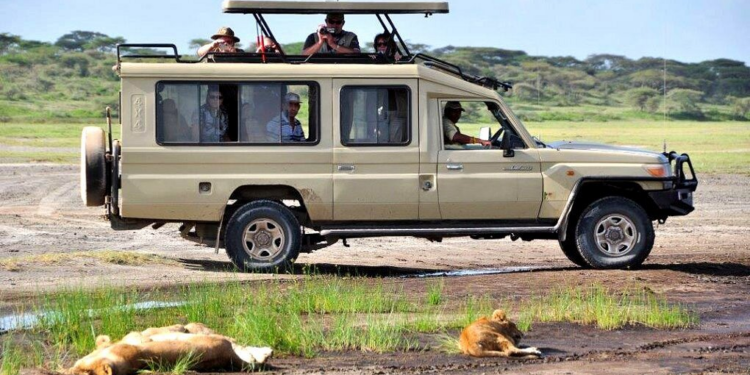
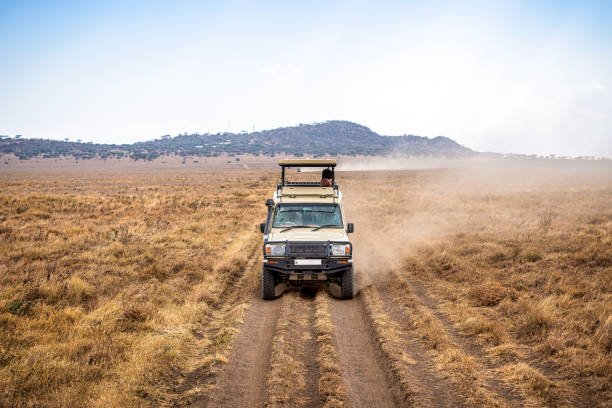
Understanding the Price Gap: “Arusha-to-Serengeti” vs. “Inter-Camp” Transfers
A frequent source of budget misalignment for travelers planning a multi-stop safari is the tendency to treat all bush flight pricing as a uniform, distance-based metric. It is vital to distinguish between your primary “Arusha-to-Serengeti” flight—often called the “trunk route”—and the subsequent “inter-camp” transfers you may take while moving between different regions of the park. These two types of flights operate on entirely different economic models, and failing to account for this distinction can lead to significant discrepancies in your projected versus actual costs.
The Arusha-to-Serengeti flight acts as the “anchor” of your itinerary. It is a high-volume, scheduled service that bridges the gap between the urban infrastructure of Arusha and the wilderness. Because this route involves the highest level of coordination—including passenger manifest management, ground handling at the Arusha Airport (ARK) terminal, and strict adherence to departure slots—it typically carries a higher base fare. The pricing here is designed to cover the overhead of maintaining a presence at a commercial-adjacent facility, including security, check-in services, and the logistics of moving guests from the city hub into the park system. When you see a standard price quoted for a flight to the Serengeti, it almost exclusively refers to this specific entry-point leg.
Conversely, “inter-camp” transfers—flights that move you from one airstrip within the Serengeti to another (for example, from Seronera to Kogatende or from Lobo to Grumeti)—operate as “spoke” routes. These flights are often part of a larger circuit that the pilot is already flying to service multiple lodges. Because these flights are essentially “fill-in” segments within a broader operational loop, their pricing structure is more fluid. In some instances, these can be priced lower than the initial Arusha flight because the aircraft is already positioned in the park. However, they can also be more expensive if they require a specialized deviation from the pilot’s standard circuit, or if the demand for that specific connection is low, necessitating a “dead-leg” charge where you effectively pay for the aircraft’s empty return trip.
Travelers often make the mistake of calculating their total bush flight budget by taking the price of their initial Arusha-to-Serengeti ticket and multiplying it by the number of total flights they intend to take. This usually results in a severe underestimation of costs. An inter-camp flight often requires a different booking code and may be subject to different luggage weight allowances or, in some cases, different tax structures depending on the specific airstrips involved. For example, some private airstrips within concessions (like those in the Grumeti Reserve) carry additional landing fees that are not present at public government-run airstrips like Seronera. These landing fees are almost always passed directly to the passenger, meaning your “short” hop between two camps could unexpectedly cost as much as, or more than, your long flight from Arusha.
To manage this effectively, always request a “circuit-inclusive” quote from your operator rather than asking for individual flight segments. When you bundle your entire flight itinerary into a single request, the operator can optimize the routing. They can group your transfers with other passengers moving along the same circuit, which often allows them to offer a more competitive rate for the inter-camp segments. If you book each flight as an isolated, point-to-point transaction, you are essentially paying for the aircraft to “reset” its schedule for each segment, which is the most expensive way to utilize bush aviation. By viewing your travel as a cohesive circuit, you can often mitigate the higher costs associated with these localized transfers and ensure that your budget remains accurate from the moment you leave Arusha until you return.
The Impact of Aircraft Capacity on Ticket Availability and Pricing Tiers
While most travelers focus on the seasonality of the Serengeti, a frequently overlooked driver of flight prices is the specific aircraft type assigned to a route. Bush aviation in Tanzania relies on a diverse fleet, ranging from small, single-engine Cessna Caravans to larger, twin-engine aircraft. The capacity of these planes directly dictates the “price tier” of your ticket. When an airline schedules a smaller, lower-capacity aircraft for a route—often done to minimize operational costs on days with lower demand—the available seat inventory drops significantly. This artificial scarcity drives prices upward, as the airline must recover the fixed costs of the flight (fuel, pilot wages, landing fees) across fewer paying passengers. Conversely, when high demand necessitates the use of a larger, higher-capacity aircraft, the airline can spread the operational burden across more seats, which sometimes allows for more stable, or even lower, per-person pricing.
Understanding this dynamic helps explain why a quote for an Arusha to Serengeti flight might suddenly spike for a specific date. If your travel falls on a day where the airline has assigned a 12-seater aircraft rather than a 14-seater, the “base” fare for the remaining seats is often calculated at a higher premium to ensure the flight remains profitable. This is not price gouging; it is the fundamental economic reality of operating light aircraft in remote regions. When you book through an operator, they are often monitoring these aircraft assignments behind the scenes. An experienced operator will occasionally advise shifting your departure by a few hours or even a day if they notice that a smaller, more expensive aircraft is currently the only option scheduled for your preferred route, potentially saving you significantly on the total fare.
Why “Seat-in-Plane” Pricing Fluctuates Mid-Season
Another layer to the pricing puzzle is the concept of “dynamic load factors.” Unlike major commercial airlines that release their full inventory months in advance, bush airlines often manage their inventory in “blocks.” A specific tour operator or lodge chain might purchase a block of seats on a daily flight to guarantee space for their guests. If these blocks are not fully utilized, the airline will release the remaining seats back into the general “seat-in-plane” inventory at a different price point. This creates a scenario where the price for the same flight can change not just based on the calendar, but based on how many block-holders have released their unsold seats back to the market.
This is why last-minute bookings can sometimes be surprisingly affordable—if a block-holder releases seats two weeks before departure and the flight is still empty, the airline may lower the price to stimulate demand. However, this is a high-risk strategy. During the peak migration season (July through October), block-holders rarely release seats, and the “load factor” remains consistently high, keeping prices at their maximum. For travelers, this underscores the importance of booking your flight as soon as your lodge is confirmed. While waiting for a “deal” might work on a major international carrier, it is rarely a viable strategy for the Arusha to Serengeti route, where supply is rigidly capped by the number of available airstrip slots and aircraft capacity.
Understanding Airstrip Landing Fees: The Separated Cost Component
While the airline ticket covers the operational cost of the aircraft, fuel, and pilot, a frequently misunderstood financial element is the “airstrip landing fee.” For many travelers, this cost is a source of confusion because it does not appear on the flight invoice, yet it is mandatory for the aircraft to touch down at certain locations. It is crucial to distinguish between public airstrips managed by the Tanzania National Parks Authority (TANAPA) and private airstrips located within conservancies or exclusive lodge concessions.
When you book a flight to a public airstrip—such as Seronera or Lobo—the landing fees are typically bundled into the overall park entry costs or managed through the airline’s operational agreements with TANAPA. However, if your destination is a private airstrip, the “landing fee” is often a separate, per-passenger charge levied by the conservancy or the private entity managing the landing strip. This fee is rarely included in the base airfare quoted by your booking agent because it is not an airline revenue stream; it is a land-access fee. Consequently, you may find that the total cost of your “transit” increases unexpectedly when you receive your final lodge invoice, as these fees are often billed to your accommodation account rather than the flight booking.
This separation exists because private airstrips require constant maintenance, security, and wildlife management that is independent of the national park system. When comparing quotes, it is advisable to ask your operator specifically: “Does this flight price include all mandatory landing and conservancy fees for the destination airstrip?” If the operator confirms that these fees are excluded, you should treat them as a variable cost component. In some instances, particularly for high-end or remote private concessions, these fees can range from $20 to $100 USD per person, per landing. Failing to account for this can lead to a discrepancy between your expected travel budget and the actual financial load of your safari arrival.
Furthermore, this fee structure can impact the “one-way” pricing logic. If you are flying a multi-leg route that involves both public and private airstrips, you will be subject to different fee schedules at each stop. A flight that appears cheaper on paper might actually be more expensive once these ancillary landing costs are aggregated. Expert operators will often present a “landed cost” quote that combines the airfare, the booking fees, and any applicable landing or conservancy levies, providing a transparent view of the true financial commitment required to reach your specific camp.
The Mechanics of “Dead-Leg” and Repositioning Flights: A Hidden Pricing Variable
A sophisticated, yet frequently overlooked, element that influences the pricing of your Arusha to Serengeti flight is the phenomenon of “dead-leg” or “repositioning” flights. In the context of Tanzanian bush aviation, aircraft are rarely stationed permanently at a single airstrip. Instead, they operate in a fluid, dynamic circuit, moving between Arusha, various Serengeti airstrips, and other regional hubs like Zanzibar or Ruaha. A “dead-leg” occurs when an aircraft must fly from one location to another without any passengers on board—for example, flying empty from a remote northern Serengeti airstrip back to Arusha to prepare for the next morning’s departures.
Because the airline has already committed to the operational cost of the fuel, pilot hours, and landing fees for this repositioning flight, any revenue generated from a passenger occupying that seat is essentially pure profit for the carrier. This creates a unique window of opportunity for travelers who are willing to be flexible. Occasionally, operators may offer these seats at a reduced rate to recover a fraction of the operating costs. However, it is vital to understand that these are not standard commercial tickets. They are opportunistic inventory. If you are offered a price that seems significantly lower than the market average for your route, it is worth asking your operator if the flight is a “repositioning leg.”
The trade-off for this potential price advantage is reliability and scheduling. A repositioning flight is, by definition, secondary to the airline’s primary mission of transporting paying passengers on scheduled routes. If the airline’s schedule shifts—due to a mechanical issue elsewhere, a delayed incoming flight, or a change in demand—the repositioning flight is the first to be modified or cancelled. Furthermore, you may have little to no control over the departure time. While a standard scheduled flight might depart Arusha at 08:00, a repositioning leg might be dictated by the arrival of an aircraft from a different park at 14:00. For travelers with strict lodge check-in times or tight connecting international flights, the “dead-leg” discount is rarely worth the logistical risk.
The “Group-Booking” Threshold: How Consolidation Affects Individual Pricing
Another layer to the pricing structure that travelers often fail to account for is the impact of “flight consolidation” on individual ticket pricing. Bush airlines operate on thin margins and high overheads. To maintain profitability, they aim to maximize the load factor—the percentage of occupied seats—on every aircraft. When an operator has multiple bookings for the same general route—for instance, three separate parties of two flying from Arusha to the central Serengeti—they will often consolidate these passengers onto a single aircraft rather than dispatching two smaller, separate planes.
This consolidation process is a standard operational practice, but it creates a complex pricing environment. You might assume that a flight with more passengers would be cheaper per person due to economies of scale, but in the bush aviation market, this is not always the case. Instead, the airline uses this consolidation to protect its margins. If a flight is nearly full, the operator may increase the price for the remaining seats, knowing that demand is high and inventory is low. Conversely, if a flight is struggling to reach a break-even capacity, the operator might hold the price steady or even offer a minor discount to entice late bookings, provided the marginal revenue exceeds the marginal cost of flying the aircraft.
For the traveler, this means that your ticket price is rarely static; it is highly responsive to the aggregate demand for that specific flight segment. If you are part of a larger group, you are essentially providing the airline with a “guaranteed” load, which can sometimes be leveraged to negotiate a more favorable rate or to secure a private aircraft for the price of individual seats. However, if you are a solo traveler or a couple, you are at the mercy of the broader booking trends. You are essentially paying for a seat on a flight that the operator is trying to balance against the needs of other, potentially larger groups. This is why booking early is not just about securing a seat; it is about securing a seat before the flight reaches a high-occupancy threshold, which inevitably triggers the airline’s automated or manual price hikes.
Furthermore, when you book your flight as part of a larger safari package, your operator often acts as a “bulk buyer” of these seats. They may have pre-negotiated rates with the bush airlines based on projected seasonal volume. This is why the price quoted by a local tour operator is often more stable and predictable than the price you might find if you attempted to book the flight directly with the airline. The operator absorbs the risk of flight consolidation and potential schedule shifts, effectively insulating you from the volatility of the bush aviation market. When evaluating your quote, remember that you are not just paying for the flight; you are paying for the operator’s ability to navigate these complex, behind-the-scenes consolidation dynamics on your behalf.
The Hidden Infrastructure Costs of Remote Serengeti Airstrips
When analyzing the pricing tiers for Arusha to Serengeti flights, it is common to attribute the cost difference between destinations solely to flight distance or fuel consumption. While distance is a factor, a more significant, often overlooked component of your ticket price is the underlying infrastructure cost of the specific airstrip you select. The Serengeti is not a uniform aviation environment; it is a collection of varying levels of infrastructure, and the cost of maintaining these facilities is indirectly passed on to the passenger through the ticket fare.
Centralized hubs like Seronera are effectively the ‘international airports’ of the Serengeti. They benefit from consistent traffic, established ground crews, and standardized safety protocols that allow airlines to achieve economies of scale. Because dozens of flights land and depart from Seronera daily, the fixed costs of operating the facility—including runway maintenance, security personnel, and communication equipment—are spread across a high volume of passengers. This ‘hub efficiency’ is precisely why flights to Seronera are often the baseline for the lowest advertised fares.
Conversely, remote airstrips in the Northern (e.g., Kogatende, Lobo) or Western (e.g., Sasakwa, Grumeti) corridors operate on a different economic model. These strips are often maintained with lower frequency and require specialized, localized support. Airlines flying into these areas must account for the additional operational burden of ensuring that these remote strips meet safety standards for each landing. This includes the logistical cost of transporting ground crews, fuel, and equipment to these isolated locations. When you purchase a ticket to a remote airstrip, you are partially subsidizing the ‘operational overhead’ that the airline incurs to maintain service to that specific, low-volume location.
The Operational Multiplier of Peripheral Routes
Beyond the static infrastructure costs, there is a ‘turnaround efficiency’ factor that dictates ticket pricing for peripheral routes. In a high-traffic hub like Seronera, an aircraft can land, offload passengers, take on new passengers, and depart within a very short window. This high turnover rate maximizes the aircraft’s daily revenue potential. However, flights to remote airstrips often involve longer ‘dead-time’ on the ground or require the pilot to fly specific, non-optimal routes to reach these isolated locations, often with fewer passengers on board.
This is where the concept of ‘operational risk’ enters the pricing formula. A flight to a remote strip is inherently more complex for the operator. If weather conditions deteriorate, a remote strip may lack the sophisticated navigation aids or the backup infrastructure of a central hub, forcing the pilot to hold, divert, or return to Arusha. These ‘operational contingencies’ are calculated risks that airlines build into their pricing models. When you book a flight to a remote location, you are essentially paying a premium for the airline’s commitment to operate in a more challenging, less predictable, and more resource-intensive environment.
Why Remote Airstrip Fees Are Not Just Landing Taxes
It is important to clarify that the premium paid for remote airstrips is rarely an explicit ‘tax’ on your invoice. Instead, it is bundled into the base fare. Unlike major commercial airports that charge transparent, standardized landing fees, the ‘airstrip fee’ in the Serengeti is a fluid cost. For remote strips, the airline must negotiate usage rights with the relevant conservation authorities or private concessions. These negotiations often involve significant annual fees or per-landing charges that are significantly higher than those at central government-managed strips.
Furthermore, these remote airstrips often require private security to prevent wildlife incursions onto the runway—a cost that is not present at larger, fenced international airports. Because these strips are often located within active wildlife corridors, the cost of human presence and monitoring is a perpetual, non-negotiable expense for the operator. When you see a price gap between a flight to a central hub and a remote strip, you are not just paying for the extra air time; you are paying for the specialized operational, security, and maintenance footprint required to keep that remote airstrip viable for commercial aviation. Understanding this allows you to better appreciate why these fares remain high, even when fuel prices or demand might otherwise suggest a lower cost.
The “Single-Ticket” Fallacy: Why Global Aggregators Cannot Book Your Bush Flight
A persistent source of financial and logistical frustration for travelers is the attempt to book a “through-ticket” from an international origin to a specific Serengeti airstrip using major global booking aggregators or online travel agencies. It is vital to understand that bush aviation in Tanzania operates on a completely different technological and commercial framework than the major international airlines (like KLM, Qatar Airways, or Ethiopian Airlines) that bring you into Kilimanjaro (JRO). The Global Distribution Systems (GDS) used by these aggregators do not integrate with the proprietary inventory management systems of Tanzanian bush operators. Consequently, if you find a website that claims to sell you a single ticket from, for example, London to Seronera, you are almost certainly purchasing two separate, disjointed products disguised as one itinerary. This “single-ticket” facade is dangerous because it ignores the lack of interline agreements. If your international flight is delayed—a common occurrence—the bush airline has no contractual obligation to rebook you or hold the aircraft, as they operate under an entirely independent reservation system. The “cost” of this oversight is often the total loss of your bush flight fare, as these tickets are typically non-refundable and non-transferable within 24 to 48 hours of departure.
The “Buffer-Time” Premium: Why the Cheapest Flight Is Often the Most Expensive
When analyzing the price of an Arusha to Serengeti flight, travelers often gravitate toward the earliest possible departure time to maximize their safari duration. However, this strategy frequently leads to a “hidden” financial penalty that is rarely factored into the initial ticket price. Because bush flights are highly sensitive to the arrival time of your international connection at Kilimanjaro (JRO), choosing a flight that departs too soon after your international landing is a high-stakes gamble. If you book an early morning bush flight (e.g., 08:00 or 09:00 AM) to save time, you are often forced to book a private transfer from JRO to Arusha (ARK) in the middle of the night, or worse, you may be forced to book an unnecessary overnight stay in Arusha to ensure you don’t miss the flight. When calculating the “true” cost of your transit, you must weigh the price of the flight against the cost of the mandatory buffer time required to guarantee you actually make the departure. A slightly more expensive flight departing at 11:00 AM or 12:00 PM might actually be cheaper overall, as it eliminates the need for an expensive overnight hotel stay in Arusha or a premium, high-speed night transfer from the international airport.
The Luggage Geometry Requirement: A Hidden Equipment Cost
While the article has previously addressed weight limits, there is a secondary, often ignored constraint that impacts your budget: luggage geometry. Bush aircraft, particularly the Cessna Grand Caravan, utilize a belly-mounted cargo pod. This design is highly efficient for weight but extremely unforgiving regarding the dimensions of your bags. Even if your suitcase weighs exactly the permitted 15kg, if it is a rigid, hard-shell suitcase, it may be physically impossible to load into the cargo pod. Airlines frequently enforce a strict “soft-sided” bag policy. If you arrive at Arusha Airport with a hard-shell bag, you may be prohibited from boarding. This presents an immediate, unplanned financial crisis: you may be forced to leave your expensive luggage in a secure locker at the airport (incurring storage fees), purchase a new soft-sided duffel bag from a local vendor at a premium price, or, in extreme cases, be forced to pay for an entire private charter just to accommodate the bulky dimensions of your luggage. Always factor the cost of purchasing appropriate, collapsible safari luggage into your pre-trip budget to avoid these last-minute “compliance” costs.
The Variable Fuel Surcharge: A Volatile Pricing Component
One of the most frequently misunderstood variables in the final pricing of an Arusha to Serengeti flight is the application of fuel surcharges. While international commercial airlines often bundle fuel costs into the base fare or hedge their fuel prices months or years in advance, bush aviation operators in Tanzania typically operate with much tighter margins and less sophisticated financial hedging mechanisms. Because the cost of Jet A-1 fuel is subject to global oil price volatility and, more specifically, the high cost of transporting fuel by road to remote airstrips across the Serengeti, operators often include a ‘fuel adjustment clause’ in their booking terms and conditions.
It is essential to recognize that the cost of your ticket is not merely a reflection of the flight time or the distance covered; it is heavily influenced by the ‘last-mile’ logistics of fuel delivery. Unlike major airports where fuel is piped directly to the tarmac, Serengeti airstrips rely on tanker trucks navigating long, often arduous routes from Arusha or other regional hubs. When global oil prices spike, the cost to transport that fuel to remote locations increases disproportionately compared to the cost of the fuel itself. Consequently, many bush operators reserve the right to pass on these fluctuations to the consumer if they occur between the time of your initial booking and the date of your departure.
When reviewing your invoice, you may notice that quotes are often valid only for a specific window, such as 30 or 60 days. This is not merely a standard business practice; it is a direct response to the volatility of fuel prices. If you are planning your safari 12 to 18 months in advance, you should be aware that the price you are quoted at the time of booking may be subject to a ‘fuel adjustment’ surcharge closer to your travel date. This is rarely a significant amount—often ranging between 3% and 8% of the total ticket price—but it is a genuine financial variable that can surprise travelers who expect a fixed, all-inclusive fare.
To mitigate this risk, inquire specifically about the operator’s fuel surcharge policy before finalizing your payment. Some operators offer the option to ‘lock in’ the rate by paying the full ticket price upfront, effectively insulating you from future fuel price hikes. Others may have a ‘no-surcharge’ guarantee for bookings made within a certain timeframe. Clarifying this during the booking process is a hallmark of an experienced safari planner; it prevents the frustration of receiving an unexpected balance due on your invoice just weeks before you arrive in Tanzania. Always ensure your written confirmation explicitly states whether the quoted price is inclusive of all fuel surcharges or if it remains subject to market-based adjustments.
The “Name-Match” Administrative Penalty: Why Documentation Errors Cost More in the Bush
While travelers are accustomed to the rigid, automated systems of international commercial airlines, where a minor typo in a name might be corrected via a simple digital interface or a set fee, the administrative reality of Tanzanian bush aviation is significantly more manual and, consequently, more unforgiving. When you book your Arusha to Serengeti flight, your name is manually entered into a flight manifest that is often shared across multiple security checkpoints, including the airstrip authorities and the national park entry gates. If the name on your flight ticket does not match your passport exactly, you face more than just a bureaucratic hurdle; you face an immediate, tangible financial risk.
In the context of remote bush operations, a name discrepancy is often treated as a security violation rather than a clerical error. Because bush aircraft are subject to strict weight-and-balance and passenger-manifest regulations, pilots and ground staff are required to verify the identity of every soul on board against the pre-filed flight plan. If you arrive at the Arusha Airport (ARK) terminal and your ticket displays a “John Doe” while your passport reads “Jonathan Doe,” the operator may be legally prohibited from boarding you until the manifest is officially amended with the aviation authority. This is not a task that can be performed at the check-in desk; it often requires a re-issuance of the ticket, which can incur an administrative penalty fee—often ranging from $50 to $150 USD—or, in worst-case scenarios, the forfeiture of your seat if the flight is already at capacity and a new manifest cannot be processed in time.
Furthermore, because these tickets are frequently processed through local booking agents or lodge aggregators, the “re-ticketing” process is rarely instantaneous. It requires communication between the airstrip operator, the booking agent, and the airline’s central office. If this error is discovered on the morning of your departure, you are at the mercy of the operator’s administrative bandwidth. To avoid this hidden cost, ensure that your booking confirmation is cross-referenced with your passport exactly as it appears in the machine-readable zone. Do not rely on nicknames, shortened names, or middle names that are omitted from your travel documents. Treating your bush flight booking with the same rigorous documentation standards as your international long-haul flight is the only way to insulate yourself from these unexpected, high-stakes administrative fees.
Check Availability for Arusha To Serengeti One-Way Flight Ticket Prices: Planning Guide 2026-2027
Ready to compare dates, prices, and the best option for your group? Send the package name and travel month so the team can reply with a clear quote, availability, and what is included.
Arusha To Serengeti Flight Time, Prices & Baggage Allowance Guide 2026-2027
A practical guide to flying from Arusha to the Serengeti, covering flight durations, luggage restrictions, and booking considerations for your upcoming Tanzania safari.
View package details
Fly From Arusha To Serengeti For A 3-Day Safari: Flights & Package Prices 2027
Discover the most efficient ways to fly from Arusha to the Serengeti for a concentrated 3-day safari. This guide breaks down airstrip choices, flight costs, and package structures for 2027.
View package details
Arusha To Northern Serengeti Flight Prices & Booking Guide () 2027
A comprehensive guide detailing the logistics, costs, and best practices for flying from Arusha to the Northern Serengeti for your 2027 safari.
View package details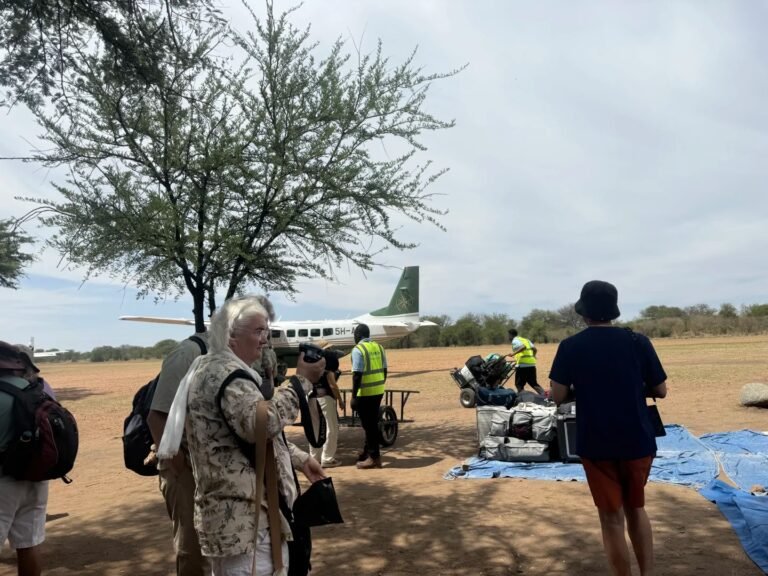
Arusha To Serengeti Direct Flights: Costs, Schedule, And Travel Planning Guide
A deep look at planning the direct flight from Arusha to Serengeti, covering costs, schedules, airline options, and essential safari logistics for 2027.
View package detailsArusha To Serengeti Flight Price : Tickets & Safari Airstrips 2027
Arusha to Serengeti Flight Price 2027: Tickets & Safari Airstrips is explained with current 2027 planning, price, itinerary and booking information.
View package details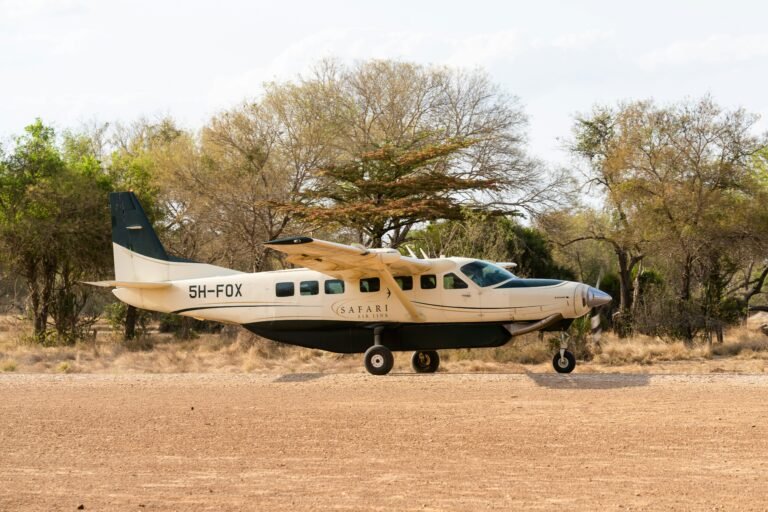
Cheap Flights From Arusha To Serengeti: Prices & Booking 2027
Cheap Flights From Arusha to Serengeti: Prices & Booking is explained with current 2027 planning, price, itinerary and booking information.
View package detailsFly From Arusha To Serengeti For A 2-Day Safari: Understanding Flight Costs
Discover how to budget and plan a fast-paced 2-day safari to the Serengeti, starting from Arusha. We break down flight costs, transfer options, and what to expect from a short, focused trip.
View package details
How Much Is A Flight From Arusha To Serengeti? 2027
How Much Is a Flight From Arusha to Serengeti? is explained with current 2027 planning, price, itinerary and booking information.
View package details
Arusha To Serengeti Return Flights: Airfare & Booking 2027
Arusha to Serengeti Return Flights: Airfare & Booking is explained with current 2027 planning, price, itinerary and booking information.
View package detailsArusha To Serengeti Flying Safari Vs Road Full Cost Comparison 2027
Arusha to Serengeti Flying Safari vs Road Safari: Full Cost Comparison is explained with current 2027 planning, price, itinerary and booking information.
View package detailsKogatende Airstrip Flights: Ticket Prices & Northern Serengeti Safari 2027
Kogatende Airstrip Flights: Ticket Prices & Northern Serengeti Safari is explained with current 2027 planning, price, itinerary and booking information.
View package detailsZanzibar To Serengeti Safari By Flight: Prices & Packages 2026-2027
A practical guide to booking a Zanzibar to Serengeti safari by flight in 2027, covering route options, baggage logistics, and how to choose the right itinerary length.
View package detailsNo related package matches those filters. Clear one or more filters to see the other topic-matched options.



