
For climbers aiming for Kilimanjaro in November 2026, the Rongai Route stands out as a superior choice, especially considering the typical short rains. Its northern approach offers a drier microclimate compared to southern routes, providing a better trekking experience during this transitional weather period. Additionally, November often sees fewer trekkers on the mountain, allowing for a more serene ascent, and the Rongai’s gradual acclimatization profile suits many climbers, making it a practical and often more rewarding option for this specific time of year.
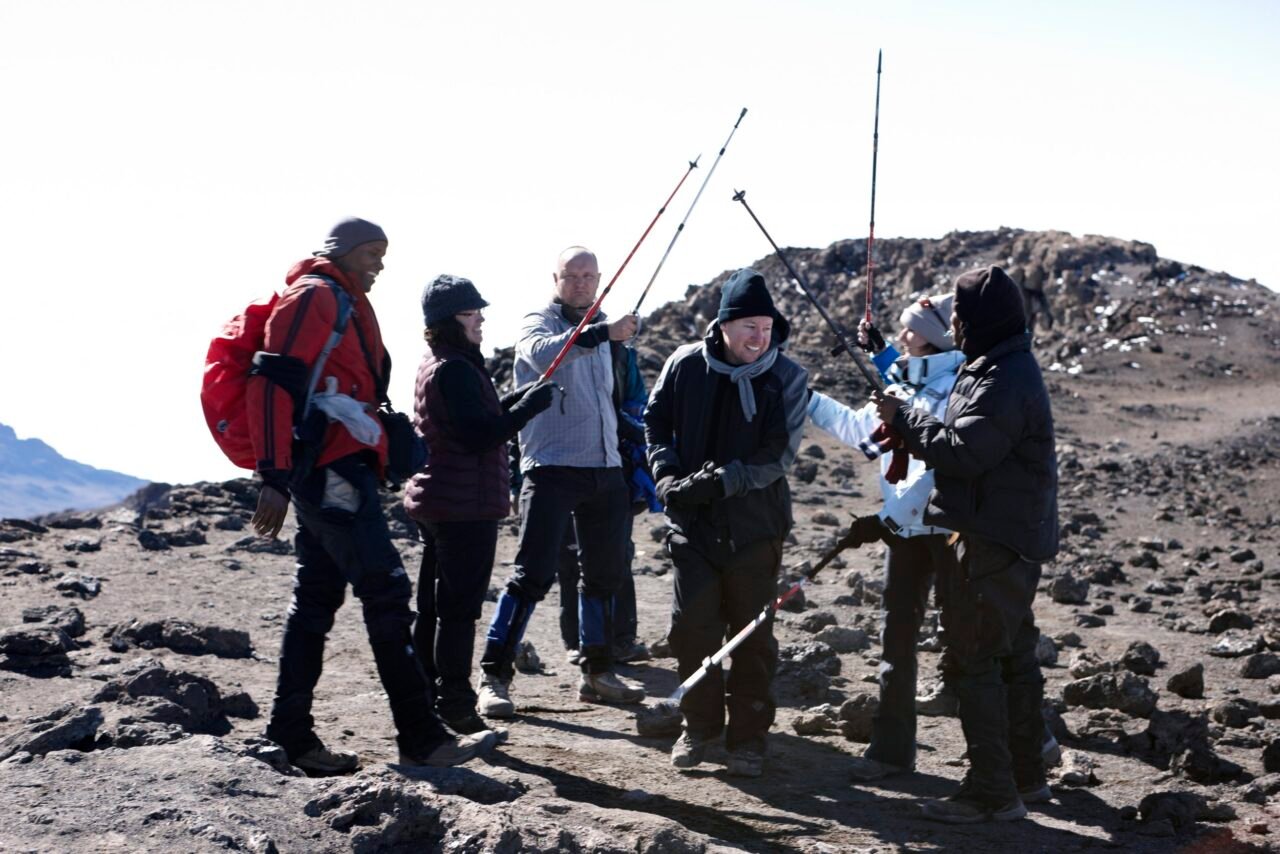
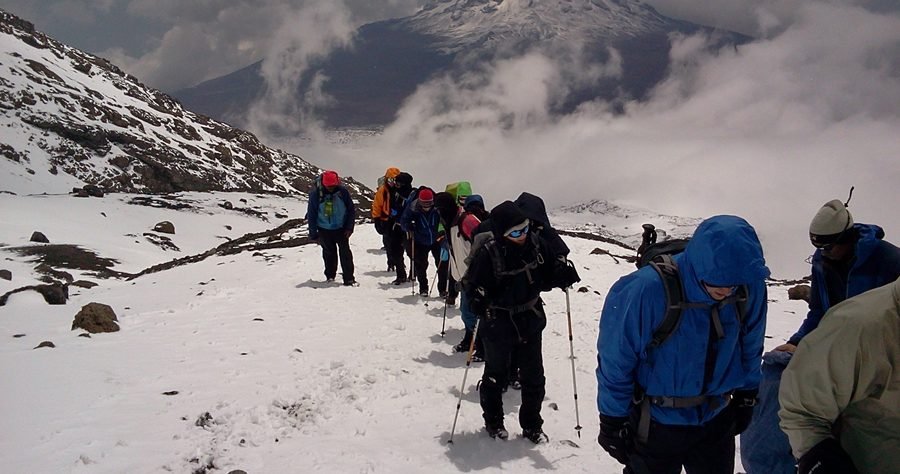
Understanding Kilimanjaro in November 2026: The Short Rains Explained
Kilimanjaro experiences distinct wet and dry seasons, but the shoulder periods can offer a unique blend of conditions. November falls within the **short rains season**, a period that often surprises many potential climbers. Unlike the heavier, more consistent rains of the long rains (April-May), the short rains are typically characterized by brief, often intense, afternoon showers, followed by clearer mornings and evenings. This means your trekking days might be interspersed with periods of sunshine, and the overall rainfall might not significantly impede your progress if you’re well-prepared. For 2026, understanding this nuanced weather pattern is crucial for choosing the right route and packing appropriately.
The average temperatures in November can range from around 20-25°C (68-77°F) at the base of the mountain to well below freezing at higher altitudes, particularly at night and on summit day. The humidity levels tend to be higher during this season. While the northern slopes of Kilimanjaro, where the Rongai Route ascends, are known to be drier year-round, this effect is often amplified during the short rains. This is due to Kilimanjaro’s rain shadow effect, which is more pronounced on the northern side.
It’s also worth noting that November is generally considered a **low to shoulder season** for Kilimanjaro tourism. This translates to fewer crowds on the trails and at the campsites. For many trekkers, this offers a more intimate and peaceful experience of the mountain, away from the hustle and bustle that can characterize peak seasons like January-February or June-August. This reduction in foot traffic can also mean more availability for guides, porters, and campsite spots, though booking well in advance for 2026 is still highly recommended to secure your preferred dates and operator.
### What to Expect from November Weather on Kilimanjaro:
* Rainfall Patterns: Expect intermittent showers, typically in the afternoon or early evening. These are often brief but can be heavy. Mornings are usually clear.
* Temperature Fluctuations: Comfortable temperatures at lower altitudes, but significant drops at higher elevations, especially at night. Summit night will be very cold.
* Humidity: Higher than in the dry seasons, which can make the air feel heavier and affect perceived temperatures.
* Visibility: Generally good, especially in the mornings. Clouds can build up in the afternoons.
* Trail Conditions: Trails can become muddy and slippery, particularly on the southern routes. The Rongai’s northern approach is comparatively drier.
Choosing to climb Kilimanjaro in November 2026 means embracing a season that requires a degree of flexibility and preparedness for varied weather, but it also offers unique advantages in terms of solitude and a potentially more authentic mountain experience. The Rongai Route is particularly well-suited to navigate these conditions effectively.
Why the Rongai Route Shines in November
The Rongai Route has earned its reputation as a prime choice for Kilimanjaro treks during the short rains, and for good reason. Its geographical position and gradual ascent profile align perfectly with the challenges and opportunities presented by November’s weather and crowd dynamics.
### 1. The Dryness Advantage: Kilimanjaro’s Rain Shadow Effect
This is perhaps the most significant advantage of the Rongai Route, especially in November. The Rongai approaches Kilimanjaro from the north, directly benefiting from the mountain’s rain shadow. While the southern and western slopes receive the brunt of the moisture carried by prevailing winds, the northern side remains significantly drier. This means that during the short rains, when other routes might experience persistent drizzle or mud, the Rongai trail is often more forgiving. You’re less likely to be trekking through continuous downpours, and campsites tend to be less waterlogged. This dryness can make the trekking experience considerably more comfortable and enjoyable, reducing the risk of hypothermia and making the journey less physically demanding.
### 2. Fewer Crowds for a Serene Experience
November is not a peak season for Kilimanjaro. This naturally leads to fewer trekkers on the mountain compared to months like January, February, or July. The Rongai Route, being less popular than the Machame or Marangu routes even in peak season, often feels even more secluded during November. This offers a profound advantage for those seeking a quieter, more personal connection with the mountain and its landscapes. You’ll experience less congestion on the trails, find more space at campsites, and have more opportunities for genuine interaction with your guides and porters without the distraction of large groups.
### 3. Gradual Acclimatization Profile
The Rongai Route is known for its gentle, gradual ascent, particularly in the initial stages. It traverses the northern plains before crossing over to the Marangu Route’s descent path on the southeastern side. This slow and steady gain in altitude allows your body more time to adapt to the thinning air. Proper acclimatization is the single most important factor for a successful summit bid, and the Rongai’s design inherently supports this. While all routes require careful management of acclimatization, the Rongai’s profile is often considered one of the best for minimizing the risk of altitude sickness. This is especially valuable during November when the weather can add an extra layer of challenge.
### 4. Unique Scenery and Wildlife
While Kilimanjaro’s primary draw is the summit, the journey through its diverse ecosystems is equally rewarding. The Rongai Route offers a different perspective, starting in the arid plains of Kenya before entering Tanzania. The northern slopes are characterized by drier moorland and savannah landscapes, which can be quite beautiful, especially after any brief showers. There’s also a higher chance of spotting wildlife, such as baboons and various bird species, in the lower sections of the Rongai compared to some other routes. This initial phase of the trek offers a distinct environmental experience.
### 5. Cost-Effectiveness (Potentially)
While prices vary significantly between operators, trekking during the shoulder or low season can sometimes present opportunities for better value. Some operators might offer slightly reduced rates for November departures in 2026, or you might find that the overall experience feels more exclusive and less commercialized. It’s essential to compare operators based on their inclusions, safety standards, and reputation rather than solely on price, but the timing can be a factor in budget planning.
In summary, the Rongai Route’s combination of a drier ascent path, fewer fellow trekkers, and a well-paced acclimatization schedule makes it an exceptionally strong contender for anyone planning a Kilimanjaro climb in November 2026. It offers a practical, comfortable, and often more rewarding experience during the short rains.
Rongai Route Itinerary Options for November 2026
The Rongai Route is typically offered in different durations, each with its own balance of acclimatization and ascent pace. For a November 2026 climb, choosing the right itinerary length is crucial to maximize your chances of success and enjoyment, especially considering the potential for short rains. The most common durations are 6 and 7 days, with some operators offering longer 8-day variations.
### The 6-Day Rongai Route Itinerary (Often the Shortest Option)
This is the most basic Rongai itinerary. It covers the essential stages of the route but offers the least amount of time for acclimatization.
* Day 1: Nale Muru (1950m / 6400ft) to Second Cave (2800m / 9186ft)
* Trek Duration: 4-5 hours
* Distance: ~9 km / 5.6 miles
* Description: Starts with a gentle climb through farmland and then into pine forest. The trail is relatively easy, and the aim is to gain altitude steadily.
* Day 2: Second Cave (2800m / 9186ft) to Kikelewa Caves (3600m / 11811ft)
* Trek Duration: 6-7 hours
* Distance: ~9 km / 5.6 miles
* Description: The terrain changes to moorland. The path becomes steeper as you approach the Kikelewa Caves, offering increasingly expansive views.
* Day 3: Kikelewa Caves (3600m / 11811ft) to Third Cave (3900m / 12795ft)
* Trek Duration: 3-4 hours
* Distance: ~4 km / 2.5 miles
* Description: A shorter but steeper day, moving into alpine desert. This day is designed to position you higher for the next day’s push.
* Day 4: Third Cave (3900m / 12795ft) to School Hut (4750m / 15584ft)
* Trek Duration: 5-6 hours
* Distance: ~7 km / 4.3 miles
* Description: This is a significant altitude gain day, taking you to the base camp for the summit attempt. The landscape is barren and rocky.
* Day 5: Summit Day! School Hut (4750m) to Uhuru Peak (5895m / 19341ft) and down to Kibo Hut (4700m / 15420ft)
* Trek Duration: 7-8 hours ascent, 3-4 hours descent
* Distance: ~5 km / 3.1 miles ascent, ~12 km / 7.5 miles descent
* Description: The most challenging day. Starts very early (around midnight), ascends through the night via Stella Point and then to Uhuru Peak. Descend to Kibo Hut for a short rest before continuing down to Horombo Huts.
* Day 6: Horombo Huts (3700m / 12140ft) to Marangu Gate (1800m / 5905ft)
* Trek Duration: 5-6 hours
* Distance: ~20 km / 12.4 miles
* Description: A long descent through the rainforest. Celebrations at the gate.
Pros of 6-Day Rongai for November 2026: Shorter duration, potentially lower cost.
Cons: Lower acclimatization, higher risk of altitude sickness. Not ideal for those new to high altitudes.
### The 7-Day Rongai Route Itinerary (Recommended for November 2026)
This is the most popular and generally recommended duration for the Rongai Route. It adds an extra day, allowing for better acclimatization and a more comfortable pace, which is particularly beneficial during the short rains of November 2026.
* Day 1: Nale Muru (1950m / 6400ft) to Second Cave (2800m / 9186ft)
* Trek Duration: 4-5 hours
* Distance: ~9 km / 5.6 miles
* Description: Similar to the 6-day, starting through farmland and into forest.
* Day 2: Second Cave (2800m / 9186ft) to Kikelewa Caves (3600m / 11811ft)
* Trek Duration: 6-7 hours
* Distance: ~9 km / 5.6 miles
* Description: Moorland terrain, steady ascent.
* Day 3: Kikelewa Caves (3600m / 11811ft) to Mawenzi Tarn Hut (4330m / 14206ft)
* Trek Duration: 4-5 hours
* Distance: ~7 km / 4.3 miles
* Description: This day offers a significant altitude gain and moves you into the alpine desert zone. Mawenzi Tarn Hut is set in a spectacular cirque below the Mawenzi peak, offering stunning views and a chance to acclimatize higher.
* Day 4: Acclimatization Day around Mawenzi Tarn Hut (4330m) or short hike to Kibo 1 (4700m)
* Description: This extra day is crucial for acclimatization. You might spend the day exploring the area around Mawenzi Tarn, or take a gradual hike towards Kibo 1 (the first camp on the Marangu route side towards Kibo Hut) before returning to Mawenzi Tarn. This ‘climb high, sleep low’ principle is vital.
* Day 5: Mawenzi Tarn Hut (4330m / 14206ft) to School Hut (4750m / 15584ft)
* Trek Duration: 4-5 hours
* Distance: ~7 km / 4.3 miles
* Description: A shorter hike to the base camp for summit night, allowing more rest before the big push.
* Day 6: Summit Day! School Hut (4750m) to Uhuru Peak (5895m) and down to Kibo Hut (4700m)
* Trek Duration: 7-8 hours ascent, 3-4 hours descent
* Distance: ~5 km / 3.1 miles ascent, ~12 km / 7.5 miles descent
* Description: The challenging summit push, descending to Kibo Hut.
* Day 7: Kibo Hut (4700m) to Marangu Gate (1800m) via Horombo Huts
* Trek Duration: 10-12 hours total (descent to Horombo 3-4 hrs, then Horombo to Gate 5-6 hrs)
* Distance: ~20 km / 12.4 miles from Horombo to Gate
* Description: Descend from Kibo Hut to Horombo Huts, rest, then continue the long descent through forest to Marangu Gate.
Pros of 7-Day Rongai for November 2026: Significantly better acclimatization, higher success rates, more enjoyable pace, better suited for mixed weather.
Cons: Longer duration, slightly higher cost.
### The 8-Day Rongai Route Itinerary (For Enhanced Acclimatization)
Some operators offer an 8-day version, which often involves an additional acclimatization day or a more leisurely pace on existing days. This might include starting from the Rongai Gate (instead of Nale Muru) and taking a more scenic, slower route, or adding another night at a lower camp.
* Typically adds an extra day for acclimatization, either by breaking down a longer day into two or by spending an extra night at a lower camp (e.g., Second Cave or Kikelewa Caves) before ascending further.
* This offers the best chance of success and the most comfortable experience, especially for those with less experience at high altitudes or who want to fully experience themselves in the mountain environment during November 2026.
Pros of 8-Day Rongai: Optimal acclimatization, highest success rates, most comfortable experience.
Cons: Longest duration, highest cost.
### Choosing Your Itinerary for November 2026:
For a **November 2026 Kilimanjaro climb via the Rongai Route**, the **7-day itinerary is strongly recommended**. It strikes an excellent balance between acclimatization, cost, and duration. While the 6-day option is available, the increased risk of altitude sickness, particularly when combined with potentially damp conditions, makes it less advisable for most trekkers. The 8-day option offers the ultimate in comfort and success probability, but the 7-day provides a very robust and achievable plan.
When reviewing itineraries for 2026 departures, pay close attention to the exact daily distances, elevation gains, and acclimatization strategies proposed by your chosen operator. Look for operators that emphasize ‘climb high, sleep low’ principles and include dedicated acclimatization days where appropriate.
Comparing Rongai to Other Routes in November 2026
When planning a Kilimanjaro trek for November 2026, especially during the short rains, understanding how the Rongai Route stacks up against other popular routes is essential for making an informed decision. Each route has its own character, advantages, and disadvantages, which become more pronounced in specific weather conditions.
### Rongai Route vs. Machame Route in November
* Machame Route: Known as the ‘Whiskey Route’, Machame is arguably the most popular route. It’s scenic, offers excellent acclimatization (especially the 7-day version), and joins the southern circuit.
* November Considerations: Being on the southern side, Machame is more exposed to the short rains. Expect muddy trails, potentially significant cloud cover, and a higher chance of rain impacting visibility and comfort. While it’s a beautiful route, the weather in November can make it challenging.
* Crowds: Even in November, Machame can still see a moderate number of trekkers, though fewer than in peak season.
* Rongai Advantage: The Rongai’s northern approach offers a distinct advantage in terms of dryness and potentially fewer crowds.
### Rongai Route vs. Marangu Route in November
* Marangu Route: The ‘Coca-Cola Route’ is the oldest and only route offering hut accommodation throughout. It’s often perceived as the easiest due to its gentler slope and hut stays.
* November Considerations: Marangu also approaches from the south-east and is subject to the short rains. While huts offer shelter, the trekking days can still be wet and muddy. The gentler slope means less focus on acclimatization, and the 5-day option (common on Marangu) has a very low success rate.
* Crowds: Marangu can be quite busy, even in November, due to its accessibility and hut system.
* Rongai Advantage: Rongai’s gradual ascent, better acclimatization potential (especially 7-day), and drier conditions make it a more reliable choice for November success and comfort.
### Rongai Route vs. Lemosho Route in November
* Lemosho Route: Highly scenic, Lemosho is known for its beauty and excellent acclimatization profile (especially the 7 or 8-day versions). It starts in the west and traverses the southern circuit.
* November Considerations: Similar to Machame, Lemosho is on the southern/western side and will experience the short rains. While incredibly beautiful, the rain and mist can obscure the stunning views for which Lemosho is famous.
* Crowds: Lemosho is generally less crowded than Machame or Marangu, but still more exposed to weather.
* Rongai Advantage: Rongai’s dryness remains its key differentiator for November. If pristine views are paramount and weather is a concern, Rongai might offer more consistent trekking days, even if Lemosho’s scenery is arguably more varied when clear.
### Rongai Route vs. Northern Circuit / Western Breach in November
* Northern Circuit: The longest route, offering the best acclimatization and a full circumnavigation of the mountain. The Western Breach is a challenging, steep ascent option.
* November Considerations: The Northern Circuit’s extended duration helps with acclimatization, but its western and southern aspects will still be affected by the short rains. The Western Breach, while often closed in the wet seasons due to rockfall risk, is also a significant factor to consider.
* Crowds: The Northern Circuit is the least crowded route, offering maximum solitude.
* Rongai Advantage: While the Northern Circuit offers superior acclimatization, the Rongai’s specific northern approach still provides a drier trekking experience for November 2026. For those prioritizing a drier trek over the full mountain circuit experience, Rongai is a practical choice.
### Summary Comparison for November 2026:
| Feature | Rongai Route | Machame Route | Marangu Route | Lemosho Route | Northern Circuit / Western Breach |
| :—————- | :—————————————– | :—————————————- | :—————————————– | :—————————————– | :—————————————- |
| **November Weather**| **Drier (Rain Shadow)** | Exposed to rain, muddy | Exposed to rain, muddy | Exposed to rain, potentially misty | Exposed to rain, longer duration |
| **Acclimatization**| Good (esp. 7-day) | Very Good (esp. 7-day) | Fair (5-day poor) | Excellent (esp. 7/8-day) | **Excellent (longest)** |
| **Scenery** | Unique northern plains, then forest | Very scenic, diverse | Forest, moorland, alpine desert | **Most scenic, diverse** | **Most diverse, full circuit** |
| **Crowds (Nov)** | **Fewest** | Moderate | Moderate to High | Moderate | **Fewest** |
| **Accommodation** | Camping | Camping | Huts | Camping | Camping |
| **Success Rate** | Good (esp. 7-day) | High (esp. 7-day) | Lower (esp. 5-day) | Very High (esp. 7/8-day) | **Highest** |
| **Cost** | Mid-range | Mid-range | Mid-range (can be cheaper due to huts) | Mid to High | High |
| **Recommendation**| **Strongly Recommended for Nov 2026** | Good, but be prepared for rain | Less recommended due to acclimatization | Good, but be prepared for rain | Excellent, but Rongai is drier |
For a November 2026 Kilimanjaro climb, the **Rongai Route emerges as the most practical and comfortable option** due to its drier ascent path and fewer crowds. While routes like Lemosho or the Northern Circuit might offer superior scenery or acclimatization, they are more susceptible to the wet conditions of the short rains. The Rongai provides a reliable balance for a successful and enjoyable trek during this period.
Preparing for Your November 2026 Rongai Climb
Successfully climbing Kilimanjaro via the Rongai Route in November 2026 requires meticulous preparation, covering everything from gear and fitness to health and logistics. The short rains season, while offering advantages, also presents specific challenges that need to be addressed.
### 1. Fitness and Training:
* Cardiovascular Fitness: Kilometers of walking uphill, day after day, demand strong aerobic capacity. Focus on hiking, running, cycling, or swimming at least 3-4 times a week for several months leading up to your trek. Incorporate long hikes (4-6 hours) with significant elevation gain if possible.
* Strength Training: Focus on legs (squats, lunges) and core strength to handle the demanding terrain and carrying a daypack. Hiking with a weighted backpack on your training hikes is highly recommended.
* Altitude Acclimatization Training: While no training can perfectly replicate high altitude, good general fitness will help your body cope better. Consider visiting higher altitudes (if accessible) in the weeks before your climb.
### 2. Gear Essentials for November 2026:
Packing the right gear is paramount for comfort and safety, especially during the short rains. Layers are key.
* Waterproof and Windproof Outerwear: A high-quality, breathable **waterproof and windproof jacket and trousers** are non-negotiable. Ensure they have good ventilation zips.
* Layering System:
* Base Layers: Moisture-wicking thermals (merino wool or synthetic).
* Mid Layers: Fleece jackets or down/synthetic insulated jackets for warmth.
* Outer Layer: Your waterproof shell.
* Footwear: **Broken-in, waterproof hiking boots** with good ankle support are essential. Bring several pairs of moisture-wicking hiking socks (wool or synthetic).
* Headwear: A warm beanie (essential for summit night), a sun hat with a wide brim, and a balaclava or neck gaiter for wind protection.
* Gloves: **Warm, waterproof gloves or mittens** are critical for summit night. Bring a lighter pair of gloves for trekking days.
* Sleeping Bag: A **4-season sleeping bag** rated to at least -15°C (0°F) is recommended. Consider a liner for extra warmth.
* Backpack: A comfortable daypack (30-40 liters) for essentials, and a larger duffel bag (80-100 liters) for your main gear, carried by porters.
* Trekking Poles: Highly recommended to reduce strain on knees and improve stability on slippery terrain.
* Headlamp: Essential for summit night and early morning starts. Bring spare batteries.
* Water Bottles/Hydration Reservoir: Carry at least 2-3 liters of water. Insulated bottles or covers can prevent water from freezing on summit night.
* Sun Protection: High SPF sunscreen, lip balm with SPF, and sunglasses (UV protection).
* Personal First-Aid Kit: Include blister treatment, pain relievers, antiseptic wipes, personal medications, and altitude sickness medication (consult your doctor).
* Toiletries: Biodegradable soap, toothbrush, toothpaste, wet wipes (essential for hygiene), hand sanitizer.
### 3. Health and Vaccinations:
* Consult Your Doctor: Visit your doctor 6-8 weeks before your trip to discuss necessary vaccinations and malaria prophylaxis (though risk is low on Kilimanjaro itself, it’s relevant for lower elevations and Zanzibar). Discuss **altitude sickness medication** like Diamox (Acetazolamide).
* Travel Insurance: Ensure your insurance covers high-altitude trekking up to 6,000 meters and emergency medical evacuation.
* Hydration and Nutrition: Drink plenty of water throughout your trek (3-5 liters per day). Eat well, even if your appetite decreases at altitude. High-carbohydrate meals are recommended.
### 4. Logistics and Documentation:
* Passport and Visa: Ensure your passport is valid for at least six months beyond your stay and you have the necessary visa for Tanzania.
* Travel Arrangements: Book flights well in advance for November 2026 departures. Arrange airport transfers and any pre- or post-climb accommodation.
* Operator Confirmation: Confirm all inclusions and exclusions with your tour operator. Understand their emergency procedures and guide qualifications.
### Specific Considerations for November 2026 on the Rongai Route:
* Mud and Slipping: While drier than other routes, expect some muddy sections, especially when descending or on the less-trafficked parts. Sturdy boots and trekking poles are crucial.
* Afternoon Showers: Be prepared for brief, heavy rain. Always have your waterproofs readily accessible in your daypack.
* Cold on Summit Night: The short rains don’t negate the extreme cold at high altitudes. Layering, warm gear, and proper preparation for summit night are vital.
* Flexibility: Weather can be unpredictable. Maintain a flexible attitude and trust your guides’ judgment.
By focusing on these preparation areas, you’ll be well-equipped to tackle the Rongai Route in November 2026, maximizing your chances of a safe and successful climb.
Booking Your Rongai Kilimanjaro Trek for 2026-2027
Securing your spot for a Kilimanjaro trek, especially on a favored route like Rongai during a specific season like November 2026, requires careful planning and timely booking. Choosing the right tour operator is as important as choosing the right route. For those targeting November 2026 or looking ahead to the 2026-2027 trekking seasons, here’s how to approach the booking process.
### 1. Why Choose Climb 4 Africa for Your November 2026 Climb?
Climb 4 Africa specializes in Kilimanjaro expeditions and offers intimate knowledge of the mountain and its routes. For a **Rongai Route Kilimanjaro November 2026** trek, we provide:
* Local Expertise: As a Tanzanian-based company, we have deep insights into local conditions, weather patterns, and operational logistics. This is invaluable for navigating the nuances of the short rains season.
* Experienced Guides and Crew: Our guides are highly trained in mountain safety, first aid, and altitude sickness management. They are crucial for your success and well-being.
* Focus on Safety and Acclimatization: We prioritize safety above all else, ensuring our itineraries, particularly the 7-day Rongai for November 2026, are designed with optimal acclimatization in mind.
* Sustainable Tourism Practices: We are committed to responsible tourism, ensuring fair treatment of porters and minimizing our environmental impact on Kilimanjaro.
* Tailored Support: We offer personalized support throughout the planning process, answering all your questions and helping you prepare for your adventure.
### 2. Key Factors When Selecting an Operator for 2026-2027:
* Itinerary Length: For the Rongai route in November 2026, **prioritize 7-day or longer itineraries** for better acclimatization. Avoid 5 or 6-day options unless you have significant high-altitude experience.
* Inclusions and Exclusions: Understand exactly what is covered. Typically, climbs include park fees, guide/porter salaries, food, tents, and basic accommodation. Flights, visas, personal gear, tips, and insurance are usually extra.
* Group Size: Smaller groups often mean more personalized attention and less environmental impact. While we offer private climbs, our group departures are designed to be intimate.
* Safety Standards: Inquire about emergency oxygen, evacuation procedures, and guide-to-client ratios.
* Reviews and Reputation: Look for independent reviews on platforms like TripAdvisor. A consistent track record of positive feedback is a good indicator.
* Price: Kilimanjaro climbs are an investment. Be wary of prices that seem too good to be true, as they may compromise on safety, guide quality, or porter welfare. The Rongai Route Kilimanjaro November 2026 trek price will vary, but should reflect quality services.
### 3. The Booking Process for 2026-2027 Departures:
* Inquire Early: For popular months or specific dates like November 2026, booking 9-12 months in advance is advisable. For 2027, starting your research now is wise.
* Contact Us: Reach out to Climb 4 Africa with your desired dates and preferred route (Rongai for November 2026). Let us know your group size and any specific requirements.
* Receive a Tailored Quote: We will provide a detailed itinerary and a transparent quote based on your needs. We can discuss the 7-day Rongai itinerary as the prime option for your November 2026 climb.
* Confirm and Deposit: Once you are happy with the proposal, a deposit will be required to secure your booking. This is standard practice for confirming your place and commencing preparations.
* Pre-Trip Information: After booking, you will receive comprehensive pre-trip information, including gear lists, training advice, and visa guidance.
### 4. Planning for 2027 and Beyond:
If November 2026 is too soon, consider planning for the following year. The considerations for the Rongai Route during the short rains remain similar for November 2027. Early booking for 2027 is also recommended, especially if you have specific dates or group requirements. The Kilimanjaro climbing season is popular year-round, but shoulder seasons like November often offer a more unique experience.
**Ready to plan your Rongai Route Kilimanjaro November 2026 adventure or explore options for 2027?** Don’t hesitate to get in touch with the experts at Climb 4 Africa. We are here to help you craft an unforgettable and successful journey to the Roof of Africa.
Contact Climb 4 Africa today:
- WhatsApp: +255 747 477 898
- Email: climb4africa@gmail.com
Let us guide you through selecting the best itinerary, preparing your gear, and ensuring you have the most rewarding experience on Kilimanjaro during the November 2026 short rains season.
Check Availability for Rongai Route Kilimanjaro November : Your Best Short-Rains Trekking Option
Ready to compare dates, prices, and the best option for your group? Send the package name and travel month so the team can reply with a clear quote, availability, and what is included.
Machame Route 14 November : Navigating The Short Rains On Kilimanjaro
Climbing Kilimanjaro via the Machame Route on November 14, 2026, falls within the 'short rains' season. This guide details what trekkers can anticipate regarding weather, trails...
View package details
Rongai Route Kilimanjaro May : Your Guide To A Quiet Northern Trail 2027
The Rongai Route presents a unique opportunity for a less crowded Kilimanjaro ascent, especially in May 2027. This guide details its northern approach, advantages, and what to expect.
View package details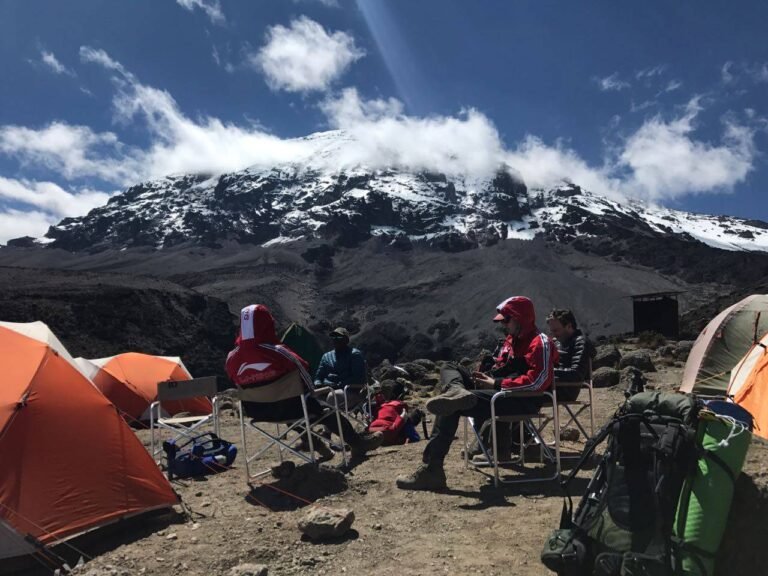
Rongai Route Kilimanjaro April : Your Northern-Side Rainy Season Trek 2027
start your Kilimanjaro adventure via the Rongai Route in April 2027. This guide details the northern-side experience during the shoulder rainy season, offering practical insights for...
View package detailsRongai Route March : Your Northern Approach For Changing Kilimanjaro Weather
The Rongai Route offers a unique advantage for trekkers aiming for Kilimanjaro in March 2027. Its northern approach provides a distinct weather pattern compared to southern routes, often...
View package details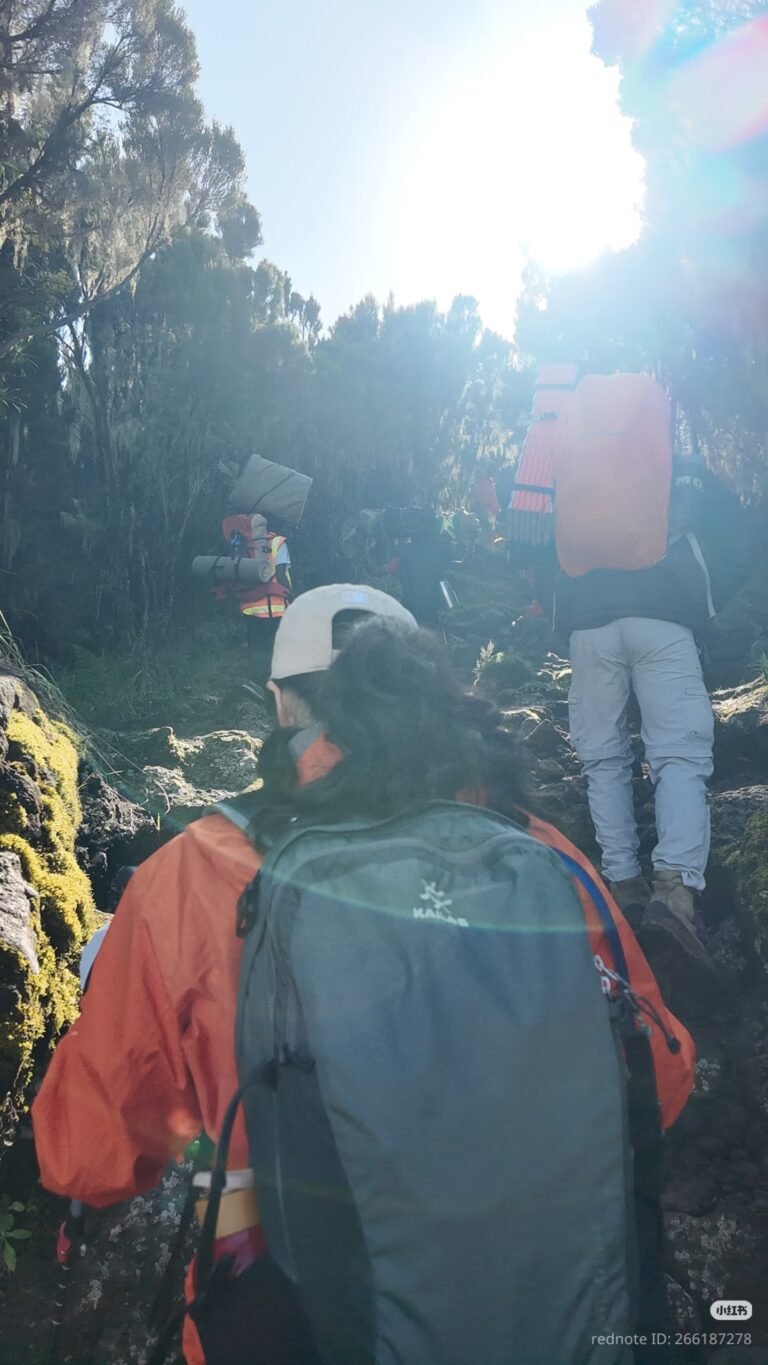
Rongai Route 30 December – Your New Year Kilimanjaro Expedition 2026-2027
start an unforgettable New Year's Eve Kilimanjaro climb via the Rongai Route, departing December 30, 2026. Discover why this route and timing offer a special experience, along with...
View package details
Kilimanjaro Mid-October – Best Routes Before The Short Rains 2026-2027
Kilimanjaro Mid-October 2026 – Best Routes Before the Short Rains is explained with current 2026-2027 planning, price, itinerary and booking information.
View package details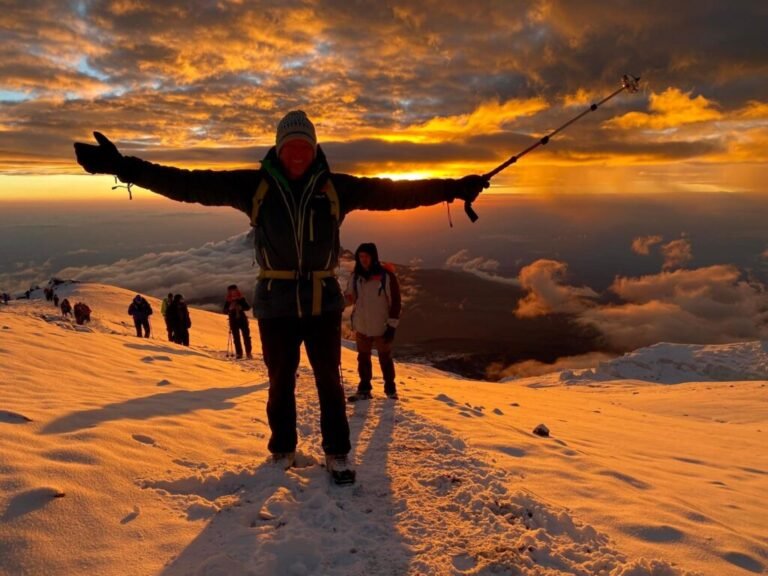
Late May Kilimanjaro – Is It Better Than Early May? 2027
Deciding between late May and early May for your 2027 Kilimanjaro climb involves understanding subtle shifts in weather, crowd dynamics, and the mountain's overall feel. While both periods...
View package details
Kilimanjaro April – Quiet Trails, Weather And Route Choice 2027
Kilimanjaro April 2027 – Quiet Trails, Weather and Route Choice is explained with current 2027 planning, price, itinerary and booking information.
View package details
Late March Kilimanjaro – Rainy-Season Route Choices 2027
Late March Kilimanjaro 2027 – Rainy-Season Route Choices is explained with current 2027 planning, price, itinerary and booking information.
View package details8 Day Lemosho Route – 6 March Kilimanjaro Climb 2027
8 Day Lemosho Route – 6 March 2027 Kilimanjaro Climb is explained with current 2027 planning, price, itinerary and booking information.
View package details
Kilimanjaro Climb March 2027 – Early-Month Groups Before The Long Rains Guide
Discover the unique advantages of climbing Kilimanjaro in early March 2027, just before the onset of the long rainy season. This guide covers weather expectations, route considerations, and...
View package details
Kilimanjaro Late February : Last Dry-Season Groups Before March Rains 2027
Discover the unique opportunity to climb Kilimanjaro in late February 2027, capturing the last dry weather window before the arrival of the March rains. Plan your ascent during this...
View package detailsNo related package matches those filters. Clear one or more filters to see the other topic-matched options.



