
For a Kilimanjaro climb in mid-October 2026, the best routes to consider before the short rains typically begin are the longer, more gradual ascent profiles such as the Lemosho, Machame, and Northern Circuit routes. These routes offer higher acclimatization rates, which are crucial for success, especially as weather patterns can become more unpredictable with the onset of the short rains in November. Opting for a route with more days on the mountain increases your body’s ability to adapt to the altitude, significantly improving your chances of reaching Uhuru Peak safely and comfortably during this transitional period.

Understanding Kilimanjaro’s Weather Patterns in Mid-October 2026
Kilimanjaro, a majestic dormant volcano in Tanzania, experiences distinct weather seasons. Understanding these patterns is paramount for any climber, especially when targeting a specific window like mid-October 2026. The mountain’s weather is influenced by its immense altitude and equatorial location. We have four main seasons:
- Dry Season (June to October): Generally the most popular and stable period, offering clear skies and moderate temperatures. However, as October progresses, there’s a subtle shift.
- Short Rains (November to mid-December): Characterized by brief, often afternoon showers, which can make trails slippery and reduce visibility. Snowfall can increase at higher altitudes.
- Long Rains (March to May): Heavy rainfall, making climbing significantly more challenging and increasing the risk of landslides. Many operators advise against climbing during this period.
- Short Dry Season (December to February): Another excellent period for climbing, often with clear skies and warm temperatures.
For those planning a Kilimanjaro expedition in mid-October 2026, you are positioned at the tail end of the primary dry season. This means you can generally expect good weather – clear mornings and evenings, with cooler temperatures and potentially less crowded trails compared to peak July-September. However, it’s also a transitionary period. The chances of encountering the first hints of the short rains increase as the month progresses. These rains are typically not continuous downpours like the long rains but can manifest as afternoon showers, fog, or mist, particularly on the higher slopes. Visibility might decrease, and trails can become muddy and more challenging underfoot. Therefore, route selection becomes even more critical to ensure a safe and enjoyable ascent. The goal is to choose a path that maximizes acclimatization and offers varied terrain to best cope with potential weather shifts.
Why Mid-October is a Sweet Spot (and its Caveats)
Mid-October on Kilimanjaro often hits a desirable balance for many climbers. It falls between the peak of the summer dry season (July-September) and the onset of the short rains (November). This timing offers several advantages:
- Fewer Crowds: While still a popular month, it’s generally less crowded than the preceding summer months. This means more personal space on the trails, in campsites, and a more intimate experience with the mountain.
- Pleasant Temperatures: Daytime temperatures are usually mild, making trekking comfortable. Evenings and nights can be cold, especially at higher altitudes, but generally manageable with appropriate gear.
- Good Visibility (Initially): The early part of October often still benefits from the dry season’s clear skies, offering spectacular panoramic views of the plains below and the surrounding landscape.
- Potential for Lower Prices: Sometimes, operators may offer slightly more competitive pricing in shoulder seasons, though this is not always guaranteed for Kilimanjaro climbs which are heavily regulated.
However, there are definite caveats to consider for your Kilimanjaro mid-October 2026 adventure:
- Increasing Rainfall Probability: As mentioned, the short rains begin in November. By mid-to-late October, you are increasingly likely to encounter some precipitation. This can range from light drizzles to more persistent afternoon showers.
- Trail Conditions: Rain makes the trails muddy and potentially slippery, especially on steeper sections. This requires careful footing and can slow down your progress.
- Visibility Changes: While mornings might still be clear, afternoons can bring fog, mist, or clouds, obscuring the views and making the higher sections of the climb feel more exposed and atmospheric, but less visually rewarding.
- Temperature Fluctuations: With increased cloud cover and potential rain, temperatures can feel colder than in the heart of the dry season, particularly at night and on the summit attempt.
Despite these caveats, mid-October remains a viable and often excellent time to climb Kilimanjaro. The key is to be prepared for variable weather and, crucially, to choose a route that prioritizes acclimatization. Longer routes are always superior for this, but particularly when crossing into a transitional weather period. A well-planned trip for Kilimanjaro 2026 in mid-October will leverage the benefits while mitigating the risks associated with the approaching rains. The success of your climb hinges significantly on your body’s adaptation to altitude, which is directly facilitated by a longer, slower ascent profile. This is where route choice becomes paramount.
Top Route Recommendations for Kilimanjaro in Mid-October 2026
When planning your Kilimanjaro mid-October 2026 climb, the choice of route is arguably the most critical decision after deciding to go. For this transitional period, where the risk of rain increases, prioritizing acclimatization and a gentler ascent is paramount. Longer routes generally offer higher success rates because they allow your body more time to adapt to the increasing altitude.
Lemosho Route: The Premier Choice for Acclimatization
The Lemosho Route is consistently recommended as one of the best routes on Kilimanjaro, and it shines particularly bright for a mid-October 2026 climb. It’s known for its stunning scenery, low crowds, and excellent acclimatization profile.
- Duration: Typically 7 to 8 days. The 8-day option is highly recommended for mid-October to maximize acclimatization before the short rains potentially impact conditions.
- Acclimatization: Excellent. The route traverses the mountain from west to east, offering a gradual climb that allows your body to adjust to the altitude effectively. The initial days are spent at lower elevations, gradually increasing as you move towards the main caldera.
- Scenery: Arguably the most scenic route, Lemosho offers diverse landscapes, starting in lush rainforest, moving through moorland and alpine desert, and finally to the arctic summit zone. The views from the western side are spectacular.
- Crowds: Relatively low, especially in the first few days. It joins the main trails (Machame and Shira) later on, but overall, it feels less crowded than routes like Marangu or Machame.
- Why it’s good for mid-October 2026: The longer duration provides essential acclimatization. While rain is a possibility, the gradual ascent helps climbers feel stronger and better prepared for the summit push, even if conditions become slightly more challenging. The varied terrain means that even if some sections get muddy, there are usually alternatives or opportunities to navigate them safely.
Pros of Lemosho for October 2026:
- High acclimatization rate, leading to higher success rates.
- Exceptional scenic beauty throughout the trek.
- Fewer people on the initial days.
- Good camping experience with varied campsites.
Cons of Lemosho for October 2026:
- Longer duration means a higher overall cost compared to shorter routes.
- Can be cold due to higher starting points and exposure.
Machame Route: The Popular “Whiskey” Trail
The Machame Route, often called the “Whiskey Route” (in contrast to Marangu’s “Coca-Cola Route”), is the most popular route on Kilimanjaro. It’s known for its challenging ascent profile, beautiful scenery, and high success rates, particularly when taken over 6 or 7 days.
- Duration: Typically 6 or 7 days. For mid-October 2026, a 7-day Machame itinerary is strongly recommended to improve acclimatization.
- Acclimatization: Good, especially on the 7-day version. It utilizes the “climb high, sleep low” strategy effectively, which is vital for altitude adaptation. The route ascends via the southern circuit and descends via the Mweka trail.
- Scenery: Very scenic, passing through diverse ecological zones from rainforest to alpine desert. The views of the Western Breach and the southern ice fields are memorable.
- Crowds: It is the most popular route, so expect to see other climbers. However, campsites are well-managed, and the sheer volume of climbers is a testament to its popularity and effectiveness.
- Why it’s good for mid-October 2026: The 7-day Machame offers a good balance of scenery, challenge, and acclimatization. While it can be busier, its well-trodden paths mean that even if it rains, the trails are usually well-defined. The emphasis on “climb high, sleep low” is a significant advantage when the weather might become less predictable.
Pros of Machame for October 2026:
- High success rates, especially on the 7-day option.
- Excellent acclimatization strategy.
- Beautiful and diverse scenery.
- Well-established infrastructure and experienced guides.
Cons of Machame for October 2026:
- Can be crowded due to its popularity.
- Steeper sections can be challenging, especially if wet.
- The 6-day option is often considered too short for optimal acclimatization.
Northern Circuit: The Longest and Safest for Acclimatization
The Northern Circuit is Kilimanjaro’s longest route, offering the highest success rates due to its exceptional acclimatization profile. It circles the mountain, providing a comprehensive and in-depth experience.
- Duration: 9 to 10 days. This extended duration is its greatest asset for acclimatization.
- Acclimatization: Superior. The sheer length of the trek allows your body ample time to adjust to the altitude, making it the safest option for summiting. It follows the Lemosho route for the first few days before diverging to circle the northern slopes.
- Scenery: Offers unparalleled, 360-degree views of Kilimanjaro and the surrounding landscapes. It traverses diverse terrains and provides a truly wilder experience.
- Crowds: Very low. This is one of the least crowded routes on the mountain, offering a more tranquil and solitary trekking experience.
- Why it’s good for mid-October 2026: For climbers prioritizing safety and success, especially in a transitional month like October, the Northern Circuit is the ultimate choice. The extended acclimatization significantly reduces the risk of altitude sickness, and the longer time on the mountain means you’re better prepared to handle any unexpected weather shifts that might occur as the short rains approach. The views from the northern side are also often less affected by clouds that can build up on the southern slopes.
Pros of Northern Circuit for October 2026:
- Highest success rates due to exceptional acclimatization.
- Most relaxed pace and least rushed experience.
- Unrivaled panoramic views.
- Minimal crowds for a serene trek.
Cons of Northern Circuit for October 2026:
- Longest duration means it’s the most expensive option.
- Requires more time off work/commitments.
Marangu Route: The “Coca-Cola” Trail (Considerations for October)
The Marangu Route is the oldest and most famous route. It’s often chosen for its perceived ease (it’s the only route with hut accommodation) and shorter duration options.
- Duration: 5 or 6 days.
- Acclimatization: Poor. The short duration and direct ascent profile mean that acclimatization is rushed, leading to significantly lower success rates, especially on the 5-day option.
- Scenery: Pleasant, but generally considered less scenic than Lemosho or Machame. It ascends and descends the same path.
- Crowds: Can be very crowded.
- Why it’s *less* ideal for mid-October 2026: The primary concern with Marangu for this period is its poor acclimatization. If the short rains begin, the trails can become muddy and slippery, making the steeper sections more challenging. While huts offer shelter, the overall acclimatization deficit makes it a riskier choice for summit success in transitional weather. A 6-day Marangu is better than a 5-day, but still lags behind the longer routes for acclimatization.
Pros of Marangu for October 2026:
- Hut accommodation offers comfort and shelter.
- Perceived as easier due to huts and less steep terrain in parts.
- Shorter duration (but this is also its major drawback).
Cons of Marangu for October 2026:
- Lowest success rates due to poor acclimatization.
- Most crowded route.
- Ascent and descent on the same path.
- Not ideal for unpredictable weather due to limited acclimatization.
Rongai Route: A Drier Alternative (Less Ideal for Mid-October)
The Rongai Route approaches Kilimanjaro from the north, near the Kenyan border. It’s known for being drier and less crowded.
- Duration: Typically 6 or 7 days.
- Acclimatization: Moderate. It offers a gradual ascent, but the shorter durations (compared to Lemosho or Northern Circuit) mean it’s not as optimal as the longer routes.
- Scenery: Pleasant, but less varied and dramatic than the southern routes. It traverses drier landscapes for much of the trek.
- Crowds: Very low.
- Why it’s *less* ideal for mid-October 2026: While Rongai’s drier nature might seem appealing as the rains approach, its acclimatization profile is still not as robust as the longer southern routes. The main advantage of Rongai is its dryness, which is more beneficial during the main rainy seasons. In mid-October, when the southern routes are still enjoying good weather (albeit with a chance of rain), their superior acclimatization benefits outweigh Rongai’s dryness. Also, the descent via Marangu can be quite steep and muddy if rain has set in.
Pros of Rongai for October 2026:
- Drier approach, potentially less muddy in parts.
- Less crowded.
- Gradual ascent.
Cons of Rongai for October 2026:
- Less scenic compared to southern routes.
- Acclimatization is good but not as superior as longer routes.
- Descent can be challenging if wet.
Route Comparison: Length, Scenery, and Success Rates for October 2026
When making your decision for Kilimanjaro mid-October 2026, it’s helpful to see how the prime candidates stack up. Success rates are heavily influenced by route length and acclimatization, and this is even more critical when weather is transitioning. The following table provides a general comparison. Remember that operator quality, guide experience, and personal preparation also play significant roles.
| Route | Typical Duration (Days) | Acclimatization Profile | Scenery Rating | Crowd Level | Estimated Success Rate (7+ Days) | Best for Mid-October 2026 |
|---|---|---|---|---|---|---|
| Lemosho | 7-8 | Excellent | Outstanding | Low-Medium | 85-90% | Highly Recommended |
| Machame | 6-7 | Good (7-day) | Excellent | High | 80-85% (7-day) | Recommended (7-day) |
| Northern Circuit | 9-10 | Superior | Exceptional (360°) | Very Low | 90-95% | Top Recommendation for Safety |
| Marangu | 5-6 | Poor | Moderate | Very High | 50-70% (6-day) | Not Recommended for October |
| Rongai | 6-7 | Good | Moderate | Low | 75-80% (7-day) | Less Ideal than Southern Routes |
For your Kilimanjaro mid-October 2026 climb, the data clearly points towards the longer routes. The Northern Circuit stands out for its unmatched acclimatization, making it the safest bet. Lemosho is a close second, offering a fantastic balance of scenery and high success rates. The 7-day Machame is a solid option if you prefer a slightly more popular trail and a bit more challenge, but ensure it’s the 7-day version for adequate acclimatization. Avoid the shorter 5-day options, especially Marangu, as they don’t provide sufficient time for your body to adapt to the altitude, which is crucial when weather is becoming less predictable.
Crucial Planning Factors for Your Mid-October 2026 Kilimanjaro Expedition
Beyond selecting the right route, several other planning elements are vital for a successful and enjoyable Kilimanjaro mid-October 2026 expedition. These factors ensure you’re physically, mentally, and logistically prepared for the challenges and rewards of climbing Africa’s highest peak.
Choosing the Right Duration: The Key to Acclimatization
As highlighted, duration is king for Kilimanjaro. For Kilimanjaro 2026, especially in October, aim for the longest feasible duration for your chosen route:
- Northern Circuit: 9-10 days is optimal.
- Lemosho Route: 8 days is highly recommended over 7.
- Machame Route: 7 days is essential; 6 days is a significant compromise on acclimatization.
Why is this so important? Altitude sickness is the primary reason climbers fail. Longer routes allow for a slower, more gradual ascent, giving your body more time to produce red blood cells and adapt to the lower oxygen levels. This “climb high, sleep low” strategy is naturally built into longer itineraries and is your best defense against Acute Mountain Sickness (AMS). In mid-October, when the weather can be variable, having a body that is well-acclimatized means you are more resilient and better equipped to handle the physical demands, even if it rains or visibility drops.
Packing for Variable October Weather
October on Kilimanjaro demands a versatile packing list. You need to be prepared for sunshine, wind, rain, and freezing temperatures, often within the same day. Layering is your best strategy.
Essential Gear for October 2026:
- Base Layers: Moisture-wicking thermal tops and bottoms (merino wool or synthetic).
- Mid Layers: Fleece jackets or down vests for insulation.
- Outer Shell: Waterproof and windproof jacket and trousers (Gore-Tex or similar).
- Insulation Jacket: A warm, puffy down or synthetic jacket for evenings and summit night.
- Footwear: Broken-in, waterproof hiking boots with good ankle support. Consider bringing camp shoes or sandals.
- Socks: Several pairs of wool or synthetic hiking socks.
- Headwear: Warm woolen hat, sun hat with a brim, and a balaclava or neck gaiter for wind protection.
- Gloves: Warm waterproof gloves and thinner liner gloves.
- Sleep System: Warm sleeping bag (rated to -10°C to -20°C / 0°F to -4°F). Some operators provide these, confirm with your provider.
- Backpack: A comfortable daypack (30-40 liters) for essentials during the day, and a larger duffel bag for your main gear.
- Trekking Poles: Highly recommended for stability, especially on descents and potentially slippery trails.
- Hydration: Water bottles or hydration reservoir (ensure it’s insulated to prevent freezing).
- Sun Protection: High SPF sunscreen, lip balm with SPF, sunglasses (UV protection).
- Headlamp: With extra batteries for summit night.
- Personal Items: Medications, toiletries, camera, power bank.
It’s crucial to pack smart – avoid unnecessary weight but don’t skimp on essential warmth and waterproof gear. Your operator will provide a detailed packing list. For Kilimanjaro 2026, ensure your waterproofs are in good condition, as they will be your primary defense against any rain showers.
Physical Preparation: Beyond Just Fitness
While cardiovascular fitness is essential, preparing for Kilimanjaro involves more than just running or gym sessions. The key is endurance and strength, with a focus on legs and core.
- Cardiovascular Endurance: Regular hiking with a backpack, cycling, swimming, or running for at least 30-60 minutes, 3-5 times a week.
- Strength Training: Focus on leg strength (squats, lunges, calf raises) and core stability. These muscles will carry you up and down the mountain.
- Hiking Experience: Undertake multi-day hikes if possible, ideally with significant elevation gain. This helps your body and mind adapt to sustained effort.
- Mental Preparation: Kilimanjaro is as much a mental challenge as a physical one. Understand the risks of altitude sickness and be prepared for discomfort, cold, and long days. A positive mindset is crucial.
For your Kilimanjaro mid-October 2026 climb, start your training at least 3-6 months in advance. The goal isn’t to be an elite athlete, but to have a body that is resilient and can sustain effort for many consecutive days at altitude.
Understanding Your Operator: Why Climb 4 Africa for 2026?
Choosing a reputable and experienced tour operator is paramount. This is especially true for a climb in a transitional month like October 2026. A good operator ensures:
- Experienced Guides: Certified guides with extensive knowledge of Kilimanjaro, altitude sickness, and emergency procedures.
- Quality Equipment: Well-maintained tents, sleeping mats, cooking equipment, and safety gear (like oxygen cylinders and first-aid kits).
- Proper Nutrition: Nutritious, high-energy meals prepared by experienced cooks to sustain you throughout the trek.
- Safety Protocols: Strict safety measures, including regular monitoring of climbers for AMS symptoms and clear evacuation plans.
- Ethical Treatment of Porters: Ensuring fair wages and conditions for the crew who are vital to your climb.
Climb 4 Africa specializes in Kilimanjaro climbs and Tanzanian adventures. For your Kilimanjaro mid-October 2026 expedition, we understand the nuances of this season. Our guides are highly trained, and our itineraries are designed with acclimatization as the top priority. We emphasize longer routes and durations, ensuring you have the best possible chance of success. We provide comprehensive support, from detailed pre-trip information to on-mountain logistics, all aimed at delivering a safe, memorable, and successful climb. Our commitment extends to ensuring our porter teams are treated with respect and paid fairly, reflecting our dedication to responsible tourism.
The Short Rains: What to Expect and How to Mitigate Risks
While mid-October generally offers good trekking conditions, the short rains are a factor to acknowledge and prepare for. These rains typically begin in November, but showers can start earlier in October, particularly in the latter half of the month. Here’s what you might encounter and how to manage it:
- Afternoon Showers: The most common manifestation is brief, often intense, rain showers in the afternoon. Mornings are usually clearer.
- Muddy Trails: Lower and mid-altitude sections can become muddy and slippery, requiring careful footing.
- Reduced Visibility: Fog, mist, and clouds can roll in, especially at higher altitudes, obscuring views and making the environment feel more dramatic but less panoramic.
- Increased Cold: Wet conditions can make the ambient temperature feel significantly colder.
- Snow at Summit: While not heavy snowfall, the summit area can experience light snow or sleet if temperatures drop low enough, especially during the night or early morning.
Mitigation Strategies for your Kilimanjaro Mid-October 2026 Climb:
- Route Choice: As emphasized, longer routes (Northern Circuit, 8-day Lemosho, 7-day Machame) provide superior acclimatization, making you more resilient to the physical demands that can be exacerbated by rain.
- Gear: High-quality waterproof and windproof outer layers are non-negotiable. Ensure your boots are waterproof and well-sealed. Consider waterproof gaiters to keep mud and water out of your boots.
- Pacing: Hike at a steady, slow pace. Rushing increases the risk of fatigue and falls, especially on slippery terrain. Listen to your guides; they will adjust the pace based on conditions.
- Hydration and Nutrition: Staying well-hydrated and well-fed is crucial. When it’s cold and wet, it’s easy to forget to drink. Warm drinks from your guide can be a welcome boost.
- Mindset: Embrace the challenge! Kilimanjaro is a wild place. A little rain can add to the adventure and the sense of accomplishment. Focus on the journey and the incredible achievement, rather than solely on perfect weather.
- Guide Expertise: Trust your guides. They have encountered every weather scenario and will make decisions based on safety, including potential route adjustments if conditions become too hazardous.
By being prepared for the possibility of rain and choosing a route that prioritizes acclimatization, your Kilimanjaro 2026 expedition in mid-October can still be incredibly successful and rewarding. The mountain’s beauty is present in all its moods.
Booking Your Mid-October 2026 Kilimanjaro Climb: Next Steps
Securing your spot for a Kilimanjaro mid-October 2026 climb requires careful planning and timely booking. Given the popularity of Kilimanjaro and the specific appeal of the October window, it’s advisable to book well in advance, ideally 9-12 months ahead of your desired departure date. This ensures availability, particularly for specific routes and longer durations which are always in higher demand.
When you are ready to move forward with your Kilimanjaro 2026 adventure, here’s how to proceed:
- Research and Choose Your Operator: Look for experienced operators with a strong safety record, good reviews, and a commitment to responsible tourism. Companies like Climb 4 Africa have a deep understanding of Kilimanjaro and the best practices for climbing during transitional seasons like mid-October.
- Select Your Route and Duration: Based on the information provided, decide which route best suits your preferences for scenery, challenge, and most importantly, acclimatization. For mid-October, prioritize the Northern Circuit (9-10 days), 8-day Lemosho, or 7-day Machame.
- Inquire and Get a Detailed Itinerary: Contact your chosen operator for a personalized quote and a day-by-day itinerary. Ask specific questions about inclusions, exclusions, guide qualifications, safety equipment, and porter welfare. For example, at Climb 4 Africa, we pride ourselves on transparency and detailed planning.
- Confirm Inclusions and Exclusions: Understand what your package covers. Typically, this includes park fees, permits, accommodation before/after the climb, meals on the mountain, guides, porters, and rescue fees. Flights, visas, personal gear, tips, and travel insurance are usually extra.
- Book Your Trip: Once you are satisfied with the details and the operator, proceed with the booking. This will involve signing a contract and paying a deposit.
- Start Your Preparation: Begin your physical training and gear acquisition as soon as possible.
To discuss your ideal Kilimanjaro mid-October 2026 climb, or to explore tailor-made options that fit your schedule and preferences, we invite you to connect with the experts at Climb 4 Africa. Our team is ready to help you plan a safe, successful, and unforgettable journey to the Roof of Africa. You can reach us directly via WhatsApp at +255 747 477 898 or by email at climb4africa@gmail.com. Let us help you make your Kilimanjaro 2026 dream a reality before the short rains arrive.
“,
“faq_schema”: []
}
“`
Check Availability for Kilimanjaro Mid-October – Best Routes Before The Short Rains 2026-2027
Ready to compare dates, prices, and the best option for your group? Send the package name and travel month so the team can reply with a clear quote, availability, and what is included.
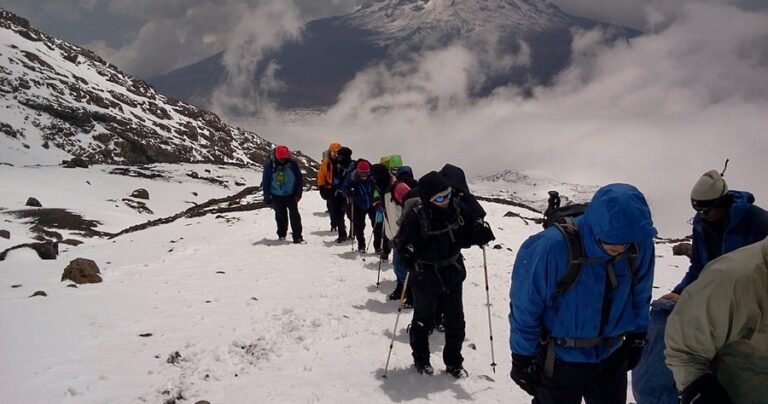
Kilimanjaro Mid-July : Best Routes For Summer Climbers 2027
Embarking on a Kilimanjaro adventure in mid-July 2027 offers a unique window of opportunity for trekkers. This period falls within the drier, cooler season, generally providing stable...
View package details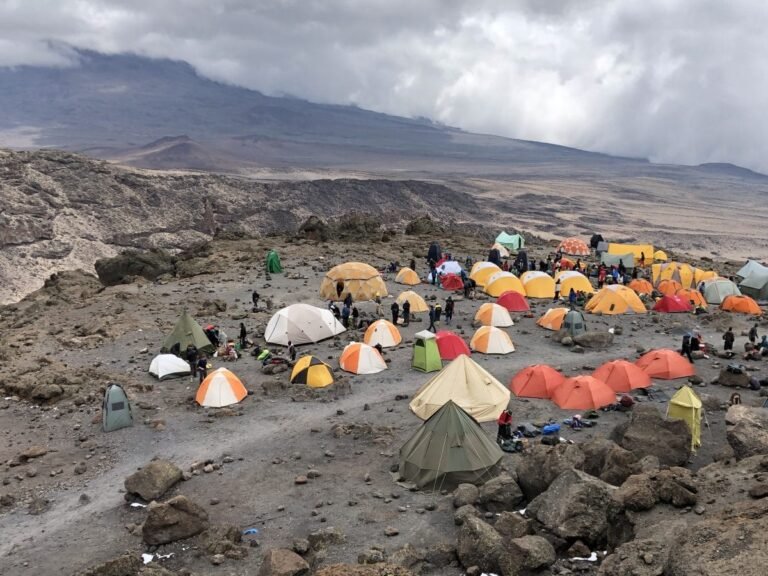
Kilimanjaro Climb March 2027 – Early-Month Groups Before The Long Rains Guide
Discover the unique advantages of climbing Kilimanjaro in early March 2027, just before the onset of the long rainy season. This guide covers weather expectations, route considerations, and...
View package details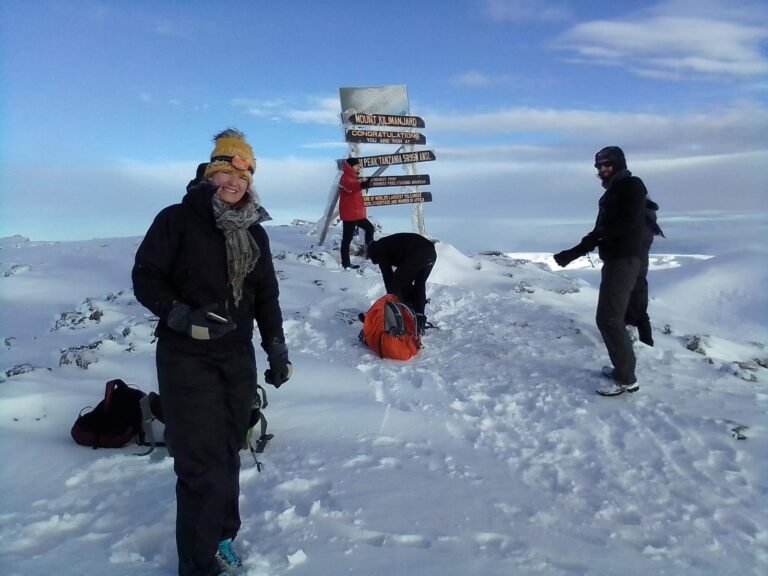
Kilimanjaro Late February : Last Dry-Season Groups Before March Rains 2027
Discover the unique opportunity to climb Kilimanjaro in late February 2027, capturing the last dry weather window before the arrival of the March rains. Plan your ascent during this...
View package details
6 Day Machame Route – 26 October Kilimanjaro Group Climb 2026-2027
Discover the details of the 6-day Machame Route Kilimanjaro group climb scheduled for October 26, 2026. This comprehensive guide covers itinerary, preparation, what to expect, and booking...
View package detailsRongai Route Kilimanjaro Late October : Your Drier Northern Approach Guide
Explore the Rongai Route for your Kilimanjaro climb in late October 2026. This guide details the drier northern approach, itinerary, benefits, and what to expect for your 2026-2027 trek.
View package details
Machame Route 14 November : Navigating The Short Rains On Kilimanjaro
Climbing Kilimanjaro via the Machame Route on November 14, 2026, falls within the 'short rains' season. This guide details what trekkers can anticipate regarding weather, trails...
View package details
Last Minute Kilimanjaro August – Group Spaces And Availability 2027
Last Minute Kilimanjaro August 2027 – Group Spaces and Availability is explained with current 2027 planning, price, itinerary and booking information.
View package details
Northern Circuit – 10 July Dry-Season Expedition: Your Ultimate Kilimanjaro
Plan your Northern Circuit expedition for July 10, 2027. This dry-season adventure offers the most scenic and gradual ascent on Kilimanjaro, maximizing acclimatization and success rates.
View package details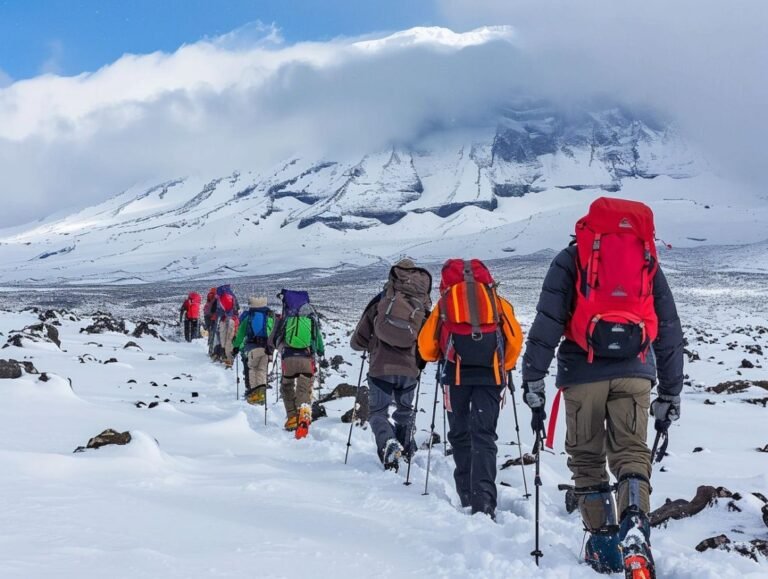
Kilimanjaro Climb July – Peak Dry-Season Group Departures 2027
Kilimanjaro Climb July 2027 – Peak Dry-Season Group Departures is explained with current 2027 planning, price, itinerary and booking information.
View package details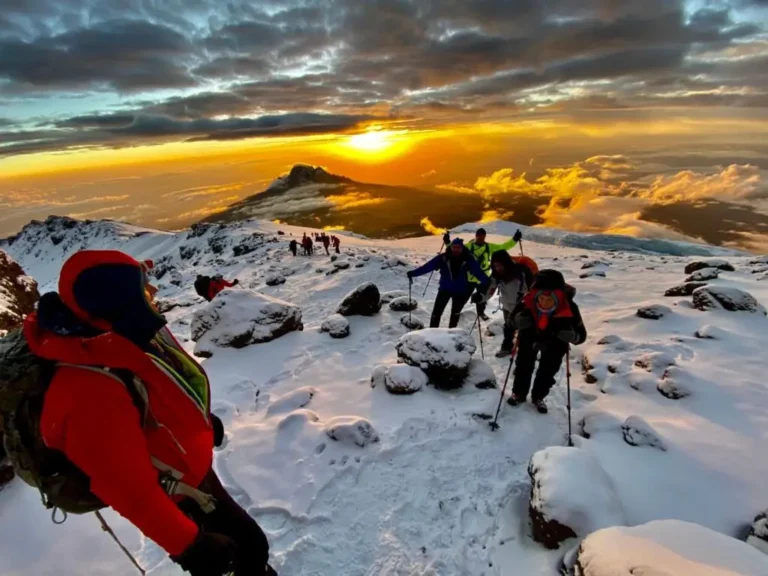
Marangu Route – 26 June Kilimanjaro Group Climb 2027
Marangu Route – 26 June 2027 Kilimanjaro Group Climb is explained with current 2027 planning, price, itinerary and booking information.
View package details7 Day Machame Route – 19 June Kilimanjaro Group Departure 2027
Planning to climb Kilimanjaro on the Machame Route in a group setting? This 7-day departure on June 19, 2027, offers a balanced approach to acclimatization and scenery. Learn what to...
View package details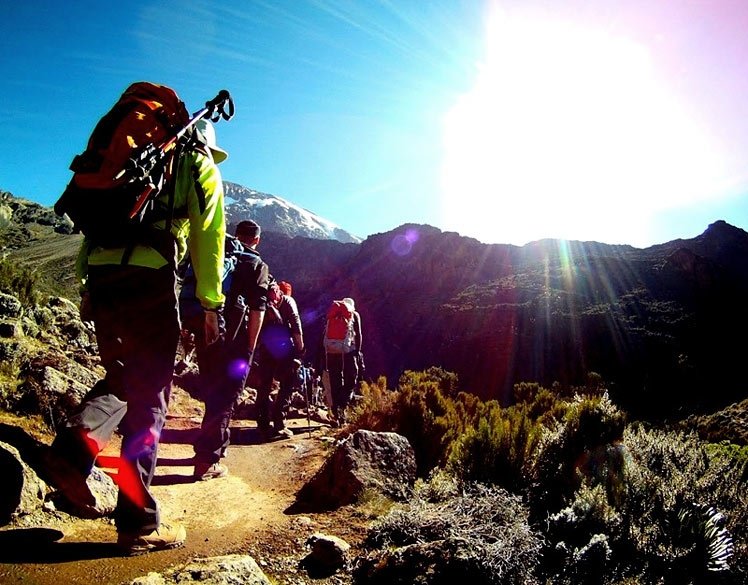
Kilimanjaro Climb February – Dry Season Groups And Availability 2027
Kilimanjaro Climb February 2027 – Dry Season Groups and Availability is explained with current 2027 planning, price, itinerary and booking information.
View package detailsNo related package matches those filters. Clear one or more filters to see the other topic-matched options.



