The cost of an African safari in 2026-2027 can range widely, typically from $200-$350 per person per day for a budget safari, $400-$700 per person per day for a mid-range safari, and $800+ per person per day for a luxury safari. These figures are highly variable, depending on the duration, country, national park fees, accommodation style, private versus shared tours, and the level of service and exclusivity desired.
Understanding African Safari Costs: A Comprehensive Guide for 2026-2027
Embarking on an African safari is a lifelong dream for many, a chance to witness incredible wildlife in its natural habitat and experience landscapes of unparalleled beauty. However, the prospect of planning such an adventure can seem daunting, especially when it comes to understanding the associated costs. The question of ‘African safari cost’ is complex, with prices varying dramatically based on a multitude of factors. This guide aims to demystify these expenses for 2026-2027, breaking down the typical price ranges for budget, mid-range, and luxury safaris, and explaining what drives these differences.
At Climb 4 Africa, we specialize in crafting authentic Tanzanian travel experiences, from exhilarating Kilimanjaro climbs to unforgettable wildlife safaris and serene Zanzibar holidays. We understand that budget is a critical factor for our clients, and we are committed to transparency. Whether you’re envisioning a private, tailor-made adventure or seeking a value-packed group safari, knowing what to expect financially is key to planning a trip that meets your expectations and your budget.
The price of a safari isn’t just about the daily rate; it’s a mosaic of park entry fees, accommodation choices, transportation, guide expertise, and the overall experience quality. For 2026-2027, anticipating these costs accurately will empower you to make informed decisions, ensuring your safari is not only spectacular but also financially sound. Let’s explore the different tiers of safari experiences and their associated costs.
Budget Safari Explained: Maximizing Value
A budget African safari is about experiencing the core essence of wildlife viewing without the frills of high-end accommodations or exclusive services. For 2026-2027, expect daily costs to hover around $200 to $350 per person. This tier is ideal for adventurous travelers, backpackers, or those on a tighter financial plan who prioritize seeing the animals and landscapes over opulent comfort. The focus here is on delivering an authentic safari experience efficiently.
What typically defines a budget safari? Primarily, it’s the accommodation. You’ll likely be staying in tented camps with basic amenities, often shared ablutions (bathrooms), or simple, clean lodges. These accommodations are usually located either inside or just outside the national parks, providing convenient access for game drives. While they may lack en-suite bathrooms, air conditioning, or swimming pools, they are clean, safe, and offer a fantastic connection to the natural environment. Think canvas tents with comfortable beds, mosquito nets, and perhaps a shared washbasin.
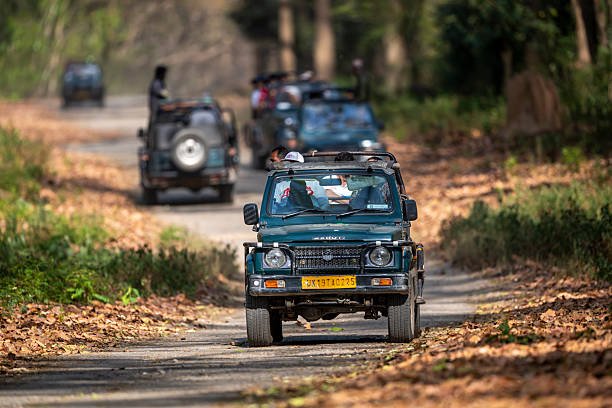
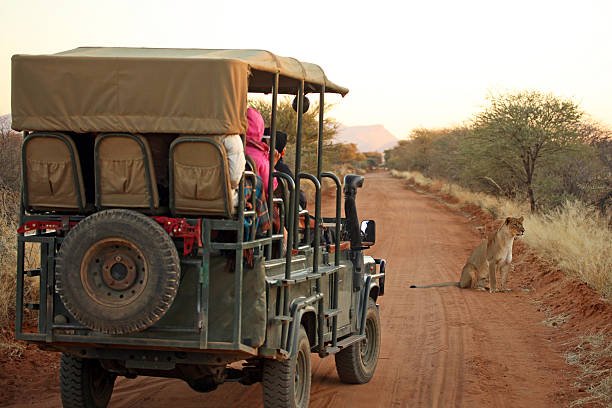
Transportation is another key area where costs are managed. Budget safaris commonly utilize shared 4×4 safari vehicles, often with pop-up roofs for game viewing. This means you might be sharing the vehicle with other travelers, which can be a great way to meet like-minded people but offers less flexibility for stopping at your own pace or customizing game drives. The vehicles are well-maintained and driven by experienced guides, but they might not be as spacious or equipped with as many amenities as those on higher-tier safaris.
Food on a budget safari is typically prepared by camp cooks, offering hearty and wholesome meals. While not gourmet, the food is usually plentiful and delicious, catering to a range of tastes. Expect local ingredients and traditional dishes. Dining is often communal, further enhancing the social aspect of the trip.
What’s typically included in a budget safari package for 2026-2027:
- Accommodation in basic tented camps or lodges.
- All meals (breakfast, lunch, dinner).
- Shared safari vehicle with a driver-guide.
- National park entry fees (this can be a significant portion of the cost).
- Water during game drives.
What’s often excluded:
- International flights to and from your safari destination.
- Visa fees.
- Travel insurance.
- Drinks (alcoholic and non-alcoholic) beyond water.
- Gratuities for guides and camp staff.
- Optional activities like hot air balloon safaris.
- Personal expenses.
Who is a budget safari best suited for?
- Solo travelers or couples looking for an affordable adventure.
- Younger travelers or students.
- Groups of friends sharing costs.
- Travelers who prioritize experiences over luxury.
- Those undertaking longer trips where daily costs need to be kept low.
When planning a budget safari for 2026 or 2027, it’s crucial to understand that ‘budget’ does not mean poor quality. It signifies a focus on essential safari elements. Reputable operators like Climb 4 Africa will ensure safety, knowledgeable guides, and well-maintained equipment, even at the lower price point. The trade-off is often in the level of comfort, privacy, and exclusivity.
Mid-Range Safari Explained: Comfort Meets Adventure
The mid-range safari strikes a balance between affordability and comfort, offering a more enhanced experience than budget options without the premium price tag of luxury. For 2026-2027, expect daily costs to typically fall between $400 and $700 per person. This tier is incredibly popular as it provides a substantial upgrade in accommodation, service, and often, vehicle choice, making it suitable for a wide range of travelers seeking a comfortable and memorable adventure.
Accommodation in the mid-range segment usually involves well-appointed tented camps or comfortable lodges. These properties often feature en-suite bathrooms, hot running water, comfortable beds, and sometimes even private verandas or seating areas. While not ultra-luxurious, they offer a high level of comfort and are often situated in prime locations within or near national parks, providing excellent access to wildlife viewing opportunities. Many mid-range lodges and camps boast amenities like swimming pools, on-site restaurants, and well-stocked bars.
Transportation for mid-range safaris often includes private 4×4 safari vehicles. This is a significant advantage, offering greater flexibility. You’ll have your own vehicle and guide for your group, allowing you to set the pace, decide on game drive timings, and spend more time at sightings that capture your interest. The vehicles are typically well-maintained, comfortable, and equipped with features like charging ports and ample space for luggage. Some operators might even offer open-sided vehicles for better viewing, depending on park regulations.
Dining experiences are also elevated. Mid-range safaris usually feature delicious, varied meals prepared by professional chefs. You can expect a broader menu, often with more international options alongside local specialties. The dining settings are usually more refined, whether in a lodge restaurant or a picturesque picnic spot in the bush.
What’s typically included in a mid-range safari package for 2026-2027:
- Accommodation in comfortable lodges or well-equipped tented camps with en-suite facilities.
- All meals, often with a wider variety and higher quality.
- Private 4×4 safari vehicle for your group with a professional driver-guide.
- National park entry fees and conservation fees.
- Bottled water during game drives.
- Sometimes, a selection of local drinks.
What’s often excluded:
- International flights.
- Visa fees and travel insurance.
- Premium drinks (imported spirits, fine wines).
- Gratuities.
- Optional activities like hot air ballooning, guided bush walks (if not included).
- Personal expenses.
Who is a mid-range safari best suited for?
- Couples and families looking for comfort and convenience.
- Travelers celebrating special occasions.
- Those who appreciate private experiences and flexibility.
- Travelers who want a good balance between adventure and relaxation.
- First-time safari-goers who want a solid, comfortable introduction to Africa.
The mid-range safari offers a sweet spot for many travelers planning for 2026 or 2027. It provides a significant upgrade in comfort and personalization compared to budget options, allowing for a more relaxed and intimate wildlife viewing experience. The private vehicle aspect is a major draw, offering control over your safari schedule and maximizing your chances of unique sightings without the constraints of a group.
Luxury Safari Explained: Exclusive Experiences
A luxury African safari is designed for the discerning traveler who seeks the highest standards of comfort, service, exclusivity, and unique experiences. For 2026-2027, expect daily costs to start from $800 per person and can easily exceed $2,000 or more, depending on the level of opulence and the specific lodge or camp chosen. This tier focuses on providing an unparalleled, personalized journey with attention to every detail.
Luxury accommodation is a hallmark of this tier. You’ll find yourself staying in exclusive lodges or tented suites that rival five-star hotels. These properties boast spacious, elegantly appointed rooms or tents, often featuring private plunge pools, expansive decks with stunning views, opulent en-suite bathrooms with premium amenities, and personalized butler service. The design emphasizes blending seamlessly with the environment while offering supreme comfort and sophistication.
On a luxury safari, transportation is typically in custom-designed, high-spec 4×4 vehicles, often with fewer guests per vehicle (e.g., 4-6 people) to ensure maximum space and viewing comfort. Some luxury camps may even offer specialized vehicles for specific activities like night drives or walking safaris, which are often included. The focus is on comfort, panoramic views, and a smooth ride across the terrain.
The culinary experience on a luxury safari is exceptional. Expect gourmet dining prepared by world-class chefs, featuring fine wines, exquisite presentation, and diverse menus that can often be tailored to individual dietary preferences or requests. Dining can occur in elegant restaurants, private settings under the stars, or even in the comfort of your suite.
Luxury safaris often include a range of exclusive activities and personalized services. This can encompass private game drives at any time, guided bush walks with expert trackers, night drives to spot nocturnal animals, visits to local communities with a more in-depth cultural exchange, and unique dining experiences. The guiding is typically of the highest caliber, with guides who are not only knowledgeable about wildlife but also passionate storytellers and exceptional hosts.
What’s typically included in a luxury safari package for 2026-2027:
- Accommodation in premium lodges or tented suites with top-tier amenities.
- All gourmet meals and a selection of premium beverages, including fine wines and spirits.
- Private 4×4 safari vehicle with a highly experienced, specialist guide.
- All park entry and conservation fees.
- A wide range of exclusive activities (e.g., private game drives, bush walks, night drives).
- Laundry services.
- Transfers in comfortable aircraft or private vehicles.
What might be excluded (though less common than in other tiers):
- International flights.
- Champagne and imported premium wines.
- Spa treatments or exclusive optional activities not part of the standard package.
- Gratuities (sometimes included, sometimes optional but highly recommended).
- Personal expenses.
Who is a luxury safari best suited for?
- Travelers seeking the utmost in comfort, privacy, and personalized service.
- Honeymooners or those celebrating significant anniversaries.
- Families or groups who want exclusive experiences tailored to their needs.
- Wildlife enthusiasts who desire specialized guiding and access to prime locations.
- Travelers who appreciate fine dining, premium amenities, and sophisticated ambiance.
For those planning a safari in 2026 or 2027 who desire an exceptional level of indulgence and bespoke service, a luxury safari delivers an unforgettable journey. It’s an investment in a truly premium African experience, where every detail is curated to ensure a smooth and extraordinary adventure.
Key Factors Influencing Safari Costs
Understanding the broad price ranges is just the first step. The actual African safari cost for your 2026-2027 trip will be shaped by a complex interplay of various factors. Identifying these elements will help you budget more accurately and make informed choices about where to allocate your funds to best suit your priorities.
National Park Fees and Conservation Contributions
This is often one of the most significant and unavoidable costs on any safari. National parks and game reserves charge daily entry fees for both individuals and vehicles. These fees are crucial for the conservation of wildlife and habitats, funding anti-poaching efforts, park maintenance, and community development programs. For popular destinations like the Serengeti, Maasai Mara, or Kruger, these fees can add up substantially over the course of a multi-day safari.
In Tanzania, for instance, park fees can range from $50 to $70+ per person per day, depending on the specific park (e.g., Serengeti, Ngorongoro Crater, Tarangire, Lake Manyara). These fees are typically included in tour operator packages, but it’s essential to confirm this. For 2026-2027, expect these fees to remain a significant portion of the overall safari cost and potentially see minor annual increases.
Conservation fees, sometimes separate from entry fees, are also common, particularly in private concessions or conservancies associated with certain lodges. These directly support local communities and wildlife management initiatives, offering a more direct contribution to conservation efforts.
Accommodation Choices and Their Impact
As detailed in the budget, mid-range, and luxury sections, accommodation is a primary driver of safari costs. The type of lodging you choose will dictate much of your daily expenditure.
- Budget: Basic tented camps, often with shared facilities, dormitories, or very simple rooms. Lower operational costs translate to lower prices.
- Mid-Range: Comfortable lodges and well-equipped tented camps with en-suite bathrooms, hot showers, and often a pool. These offer a good balance of comfort and price.
- Luxury: Exclusive lodges and opulent tented suites featuring private plunge pools, gourmet dining, premium amenities, and personalized service. The high operational costs and exclusivity command higher prices.
- Permanent vs. Mobile Camps: Permanent camps are generally more established and can be pricier. Mobile camps, which move seasonally to follow wildlife, can sometimes offer a more rustic but prime location at a competitive price, though luxury mobile camps exist too.
- Location: Lodges or camps located deep within prime wildlife areas often have higher costs due to logistical challenges but offer superior wildlife viewing opportunities.
When planning for 2026-2027, research the specific lodges or camps included in any proposed itinerary. Their reputation, amenities, and location will significantly influence the overall safari cost.
Transportation and Vehicle Options
The type of vehicle used for your safari and whether it’s private or shared profoundly impacts the cost and experience.
- Shared Vehicles: The most budget-friendly option. You’ll share a safari vehicle (often a 4×4 land cruiser or land rover with a pop-up roof) with other travelers. This limits flexibility but spreads the vehicle and guide costs.
- Private Vehicles: A significant upgrade, offering your own dedicated vehicle and guide for your group. This provides immense flexibility in terms of timing, duration of game drives, and the ability to stop for extended periods at sightings. The cost per person will be higher than a shared safari, but the value in terms of personalized experience is often worth it.
- Vehicle Type: Standard safari 4x4s are common. However, some luxury operators may use specially modified vehicles with enhanced suspension, open sides for better photography, or even offer specialized vehicles for night or walking safaris.
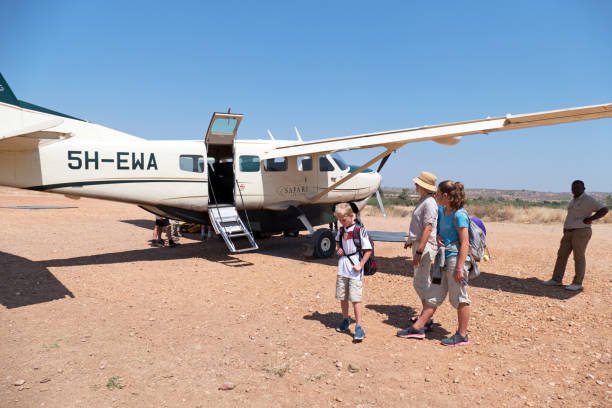
- Internal Flights: For remote or exclusive camps, especially in countries like Botswana, light aircraft transfers are often necessary. These flights are expensive and significantly increase the overall safari cost, but they save considerable time and offer spectacular aerial views.
For 2026-2027 trips, confirm the vehicle type and whether it’s private or shared, as this is a key differentiator in price and experience.
Guide Expertise and Private vs. Shared Safaris
The quality of your guide is paramount to a successful safari. Experienced, knowledgeable guides can significantly enhance your wildlife sightings, understanding of animal behavior, and overall enjoyment. While basic guiding is included in all safari tiers, the level of expertise and specialization can vary.
- Experienced Guides: Reputable operators invest in highly trained guides who possess extensive knowledge of local flora, fauna, and ecosystems. This expertise is reflected in the price, particularly for private safaris where you have direct access to this knowledge.
- Specialist Guides: In the luxury segment, you might find guides who are specialists in specific areas, such as birding, photography, or tracking.
- Private vs. Shared: As mentioned, private safaris offer exclusive access to your guide, allowing for a highly personalized and interactive experience. Shared safaris mean sharing the guide’s attention with others.
When comparing safari costs for 2026-2027, consider the reputation and experience of the guides offered by different operators. A slightly higher cost for a highly recommended guide can be a worthwhile investment.
Duration and Itinerary Complexity
Naturally, the longer your safari, the higher the total cost will be. A 10-day safari will cost more than a 5-day safari, assuming similar daily rates. However, the *average daily cost* can sometimes decrease slightly on longer itineraries as operators might offer slight discounts for longer bookings.
The complexity of your itinerary also plays a role. Visiting multiple national parks, crossing borders, or incorporating diverse activities (like climbing Kilimanjaro followed by a safari) requires more logistical planning and transportation, which can increase the overall price. A simple itinerary focusing on one or two key parks will generally be more cost-effective than a multi-country, multi-activity adventure.
For 2026-2027, consider how many days you plan to spend on safari and how many locations you wish to visit when calculating your budget. A common safari duration in Tanzania is 5-7 days, often covering the Northern Circuit parks.
Seasonality and Travel Timing
The time of year you choose to travel can significantly impact safari costs, primarily due to demand and weather patterns.
- High Season: Generally the dry season (e.g., June to October in East Africa). This is a popular time for safaris due to pleasant weather and abundant wildlife sightings as animals congregate around water sources. Prices for accommodation and sometimes even park fees can be higher during this period due to increased demand. For 2026-2027, expect peak pricing during these months.
- Shoulder Season: The periods just before and after the peak season (e.g., May, November). These months often offer a good balance of decent weather, fewer crowds, and potentially lower prices. The landscape can be beautiful with greener scenery after rains.
- Low Season (Green Season): Typically the wet season (e.g., March to May). While there might be more rain, this period is often characterized by lush vegetation, newborn wildlife, and significantly lower prices. It’s an excellent time for budget-conscious travelers or photographers seeking dramatic skies and fewer people. However, some roads can become challenging to navigate, and certain camps might close.
When planning for 2026 or 2027, consider if traveling during a shoulder or low season could offer substantial savings without compromising the core safari experience.
Country-Specific Cost Differences
The cost of an African safari varies considerably from one country to another. While this guide primarily focuses on Tanzania, it’s worth noting general trends for 2026-2027:
- Tanzania & Kenya: Known for iconic wildlife and the Great Migration. They offer a wide range of options from budget to luxury, with generally high park fees. Tanzania can be slightly more expensive due to higher park fees and the cost of visiting multiple parks in the Northern Circuit.
- Botswana: Generally considered one of the most expensive safari destinations. It focuses on low-volume, high-revenue tourism, with a strong emphasis on exclusive camps, private concessions, and fly-in safaris. Expect premium pricing for most Botswana experiences.
- South Africa: Offers a diverse range of safari experiences, from self-drive options in Kruger National Park (very budget-friendly) to exclusive private game reserves bordering Kruger (which can be very luxurious and expensive). South Africa generally offers more accessible options across the price spectrum.
- Uganda & Rwanda: Primarily known for gorilla and chimpanzee trekking. While the permits for these activities are expensive ($600-$1500+), the overall safari costs can be more moderate if combined with other experiences.
When comparing safari costs for 2026-2027, be sure to compare like-for-like itineraries across different countries, factoring in all inclusions and the unique offerings of each destination.
Calculating Your Safari Budget for 2026-2027
To arrive at a realistic budget for your African safari in 2026 or 2027, it’s best to break down the potential costs and consider your priorities. Here’s a systematic approach:
- Determine Your Travel Style: Are you aiming for budget, mid-range, or luxury? This is the most significant factor.
- Choose Your Destination(s): Which country or region are you most interested in? This impacts park fees, accommodation availability, and general costs. For Tanzania, popular choices include the Northern Circuit (Serengeti, Ngorongoro, Tarangire, Lake Manyara) or southern parks like Ruaha and Selous (Nyerere National Park).
- Decide on Duration: How many days do you want to spend on safari? A typical safari ranges from 3 to 10 days.
- Select Accommodation Type: Research specific lodges or camps within your chosen price tier.
- Vehicle Choice: Will you opt for a shared safari or a private vehicle?
- Travel Season: When are you planning to travel in 2026 or 2027? High season will be more expensive.
- Calculate Daily Costs: Multiply your estimated daily rate (based on style and destination) by the number of safari days.
- Add Park Fees: If not explicitly included, add these per person per day.
- Factor in Internal Transfers: If flying between locations or to remote camps, include these costs.
- Include International Flights: Research flight costs to your entry point (e.g., Kilimanjaro International Airport – JRO).
- Add Extras: Budget for tips, drinks, souvenirs, and optional activities.
- Contingency Fund: Always set aside an extra 10-15% for unforeseen expenses.
Example Calculation (Mid-Range, 7-Day Tanzania Safari):
- Daily Rate: $550 per person per day x 7 days = $3,850
- Park Fees (approx.): $60 per person per day x 7 days = $420
- Total per person (estimated): $4,270 (This excludes international flights, visas, tips, and personal expenses).
This is a simplified example. A detailed quote from an operator like Climb 4 Africa will provide a more precise breakdown for your specific 2026-2027 itinerary.
Budgeting for Extras and Tips
Beyond the core safari package, there are several additional expenses to consider when budgeting for your 2026-2027 trip. These often get overlooked but can add up.
Gratuities
Tipping is customary and a significant part of the income for guides, drivers, cooks, and camp staff. While specific amounts vary, here are general guidelines:
- Driver-Guide: $20 – $40 per day for the group.
- Camp Staff (cooks, waiters, housekeepers): $10 – $20 per day for the group, often collected in a communal tip box.
- Assistant Guides (if applicable): $10 – $20 per day.
It’s best to confirm the operator’s tipping policy. Some luxury lodges include gratuities, while others leave it to your discretion. Always carry smaller denominations of USD for tipping.
Drinks and Beverages
Most safari packages include drinking water during game drives. However, alcoholic beverages, soft drinks, and sometimes even bottled juices are usually an extra cost. Budget approximately $5 – $15 per drink, depending on the type.
Optional Activities
Activities like hot air balloon safaris (a popular but expensive option, typically $500-$600+ per person), guided bush walks (if not included), or cultural village visits might incur additional charges. Factor these in if they are part of your desired experience for 2026-2027.
Souvenirs and Personal Shopping
If you plan to buy souvenirs, crafts, or local artwork, allocate a separate budget for this. Prices can vary widely.
Travel Insurance
Comprehensive travel insurance is non-negotiable. It should cover medical emergencies, evacuation, trip cancellation, and lost luggage. Costs vary based on coverage and your age, but budget around $100 – $300+ for a typical safari trip.
Visas
Check visa requirements for your nationality for the country you are visiting. Visa fees can range from $50 to $100+ per person.
Booking Your Safari with Climb 4 Africa
Understanding the African safari cost is crucial, but navigating the options and ensuring you get the best value for your money requires expertise. At Climb 4 Africa, we pride ourselves on offering transparent pricing and tailor-made safari experiences that cater to a range of budgets and preferences. Our local knowledge and commitment to quality mean you can be confident in the value and authenticity of your adventure.
When you’re ready to plan your dream safari for 2026 or 2027, we encourage you to reach out to us. We don’t offer generic packages; instead, we work with you to understand your specific interests, comfort levels, and budget to craft an itinerary that perfectly matches your expectations. Whether you’re drawn to the vast plains of the Serengeti, the unique ecosystem of the Ngorongoro Crater, or the wilder landscapes of southern Tanzania, we can help you build an unforgettable journey.
Why Choose Climb 4 Africa for your safari cost planning?
- Local Expertise: As a Tanzania-based company, we have intimate knowledge of the parks, lodges, and logistics, allowing us to find the best value for your money.
- Tailor-Made Itineraries: We customize every safari to your needs, ensuring you get exactly what you’re looking for, whether it’s a budget-friendly adventure or a luxury escape.
- Transparency: We provide clear breakdowns of costs, so you know exactly what you’re paying for, from park fees to accommodation.
- Quality Assurance: We partner with reputable lodges and use well-maintained vehicles, ensuring a safe and comfortable experience at every price point.
- Practical Support: From initial planning to your departure, we offer dedicated support to make your safari planning smooth.
To get a personalized quote for your 2026-2027 African safari cost, or to discuss your options, please don’t hesitate to contact us. We can help you navigate the complexities of safari pricing and design an itinerary that offers exceptional value and an unforgettable wildlife experience.
WhatsApp: +255 747 477 898
Email: climb4africa@gmail.com
We look forward to helping you plan your incredible African adventure!
Check Availability for African Safari Cost: Budget, Mid-Range And Luxury Prices Guide
Ready to compare dates, prices, and the best option for your group? Send the package name and travel month so the team can reply with a clear quote, availability, and what is included.
Budget Fly-In Safari From Zanzibar: Best Packages & Prices 2026-2027
Discover how to plan a budget-friendly fly-in safari from Zanzibar to Tanzania's top parks without sacrificing the quality of your wildlife experience.
View package details
I Am On A Budget—What Is The Cheapest Serengeti Group Safari?
I Am on a Budget—What Is the Cheapest Serengeti Group Safari?
View package details
Nov 6, – 3 Day Serengeti And Ngorongoro Budget Group Safari 2026
A detailed look at our November 6, 2026 group departure for a 3-day Serengeti and Ngorongoro safari, including planning tips and route logistics.
View package details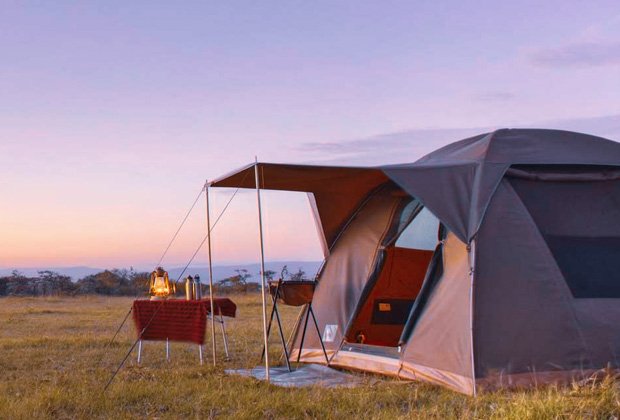
Nov 12, – 5 Day Tanzania Budget Camping Group Joining Safari 2026
A detailed guide to the November 12, 2026, 5-day budget camping group joining safari in Tanzania, covering route logistics, group dynamics, and planning essentials.
View package details
Luxury Fly-In Safari From Zanzibar: Private Packages For 2026-2027
Experience the ultimate Tanzanian getaway with a luxury fly-in safari from Zanzibar. Discover private, all-inclusive packages tailored for smooth wildlife encounters.
View package detailsFly From Arusha To Serengeti For A 2-Day Safari: Understanding Flight Costs
Discover how to budget and plan a fast-paced 2-day safari to the Serengeti, starting from Arusha. We break down flight costs, transfer options, and what to expect from a short, focused trip.
View package detailsDecember Tanzania Group Joining Safari Dates And Prices: Best Guide 2026
A detailed guide on planning your December 2026 Tanzania safari, covering group joining logistics, cost considerations, and how to prepare for this peak travel window.
View package detailsZanzibar To Ruaha National Park Fly-In Safari: Prices & Booking Guide
A practical guide to planning a fly-in safari from Zanzibar to Ruaha National Park, covering flight logistics, itinerary choices, and how to book with Climb 4 Africa.
View package details2-Day Nyerere Safari From Zanzibar: Flight-Inclusive Package Prices 2026-2027
An expert guide to planning a 2-day Nyerere safari from Zanzibar, covering flight-inclusive package structures, cost drivers, and the practical rhythm of a short-stay wildlife adventure.
View package detailsZanzibar To Mikumi Safari By Flight: Prices & Travel Options 2026-2027
A practical guide to the logistics, costs, and planning steps for flying from Zanzibar to Mikumi National Park.
View package details2-Day Tarangire & Ngorongoro Safari From Zanzibar: Flight Package Cost 2026
A detailed guide on the logistics, cost factors, and itinerary realities for a 2-day fly-in safari from Zanzibar to Tarangire National Park and the Ngorongoro Crater.
View package details1-Day Serengeti Safari From Zanzibar By Flight: Cost & Itinerary 2026-2027
Is a 1-day Serengeti safari from Zanzibar feasible? Get the expert breakdown on the flight logistics, cost factors, and how to manage your expectations for this intense, one-day wildlife...
View package detailsNo related package matches those filters. Clear one or more filters to see the other topic-matched options.