The top 10 African countries for an unforgettable safari, offering a blend of iconic wildlife, diverse ecosystems, and unique cultural experiences, are Tanzania, Kenya, Botswana, South Africa, Namibia, Rwanda, Uganda, Zambia, Zimbabwe, and Malawi. Each country provides distinct advantages, from the Great Migration in Tanzania and Kenya to the Okavango Delta’s aquatic adventures in Botswana, the Big Five concentrations in South Africa, and the rare mountain gorilla treks in Rwanda and Uganda. Planning for 2026-2027 involves considering the best time to visit for specific wildlife events and booking well in advance, especially for peak seasons.
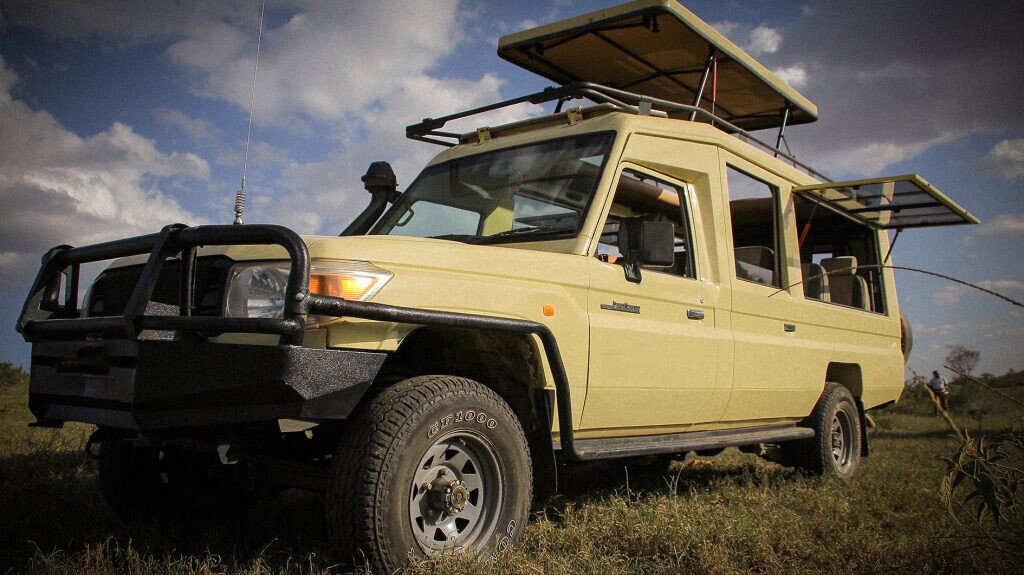

Planning an African safari is a dream for many, a journey into the wild that promises encounters with magnificent animals in their natural habitat. With a continent as vast and varied as Africa, selecting the right country is paramount to crafting that truly unforgettable experience. This guide aims to demystify the choices, highlighting the premier destinations that consistently deliver world-class safaris, whether you’re seeking the iconic Big Five, unique primate encounters, or simply the impressive beauty of the African wilderness. We’ll explore the distinct offerings of the top contenders, providing insights to help you decide where your 2026-2027 adventure should unfold.
1. Tanzania: The Quintessential Safari Destination
Tanzania is often the first country that springs to mind when people envision an African safari, and for good reason. It offers an unparalleled concentration of iconic wildlife experiences, from the vast plains of the Serengeti to the unique ecosystem of the Ngorongoro Crater. If you’re looking for a classic, diverse, and truly wild safari, Tanzania should be at the very top of your list for 2026-2027.
The Serengeti: A World of Wonder
The Serengeti National Park is perhaps the most famous wildlife reserve in the world. Its name, derived from the Maasai word ‘Siringet,’ meaning ‘endless plains,’ perfectly describes its sprawling grasslands. The Serengeti is most renowned for hosting the Great Migration, a spectacular natural phenomenon where over 1.5 million wildebeest, zebras, and gazelles traverse the plains in search of fresh grazing. This movement is a constant cycle, with different areas offering prime viewing opportunities throughout the year.
- January-March: Witness the calving season in the southern Serengeti, a time of intense predator activity as predators capitalize on the vulnerable newborns. This is a prime time for photography and observing lion prides, cheetahs, and hyenas.
- April-May: These are the ‘long rains’ months, meaning fewer tourists and lush, green landscapes. While some roads might be less accessible, the wildlife remains, and the dramatic skies offer incredible photographic potential.
- June-October: The migration moves north and west, often crossing the Grumeti and Mara Rivers. These river crossings are dramatic and dangerous spectacles, a must-see for many safari-goers. The weather is drier, with plenty of sunshine.
- November-December: The migration begins to move back south and east, often taking a more central route through the Serengeti. This is another good period for wildlife viewing as animals disperse across the plains.
For those planning a 2026-2027 safari, understanding the migration’s timing is crucial for maximizing sightings. A 7-day safari in the Serengeti, for instance, could focus on a specific region or attempt to follow the migration’s path, depending on the month of travel.
The Ngorongoro Crater: A Natural Amphitheatre of Wildlife
Adjacent to the Serengeti, the Ngorongoro Conservation Area (NCA) offers a dramatically different, yet equally impressive, safari experience. The centerpiece is the Ngorongoro Crater, a UNESCO World Heritage Site and the world’s largest intact volcanic caldera. Its sheer walls enclose a thriving ecosystem supporting an incredible density of wildlife, including the rare black rhino. Unlike the vastness of the Serengeti, the crater is a more concentrated wildlife viewing area, often allowing for sightings of the Big Five (lion, leopard, elephant, rhino, buffalo) in a single day.
- Accessibility: The crater floor is easily accessible for game drives, and the views from the rim are impressive.
- Wildlife Density: The high concentration of animals makes it ideal for shorter stays or for those who want to ensure they see a wide variety of species.
- Conservation: The NCA is unique in that it allows Maasai communities to coexist with wildlife, offering a glimpse into cultural heritage alongside the natural wonders.
A typical itinerary might combine a few days in the Serengeti with a day or two exploring the Ngorongoro Crater, offering a comprehensive Tanzanian safari experience. For 2026-2027, booking accommodation within or near the NCA, especially lodges with crater views, is highly recommended due to demand.
Beyond the Serengeti and Ngorongoro
Tanzania’s safari offerings extend far beyond its most famous parks:
- Tarangire National Park: Known for its massive elephant herds and iconic baobab trees, especially prominent during the dry season (July-October).
- Lake Manyara National Park: Famous for its tree-climbing lions and large bird populations, it’s a smaller park offering diverse habitats.
- Ruaha National Park: Tanzania’s largest national park, offering a wilder, less-visited experience with a high concentration of predators.
- Selous Game Reserve (Nyerere National Park): One of Africa’s largest game reserves, offering boat safaris on the Rufiji River and walking safaris, providing a different perspective.
For a comprehensive Tanzanian safari in 2026-2027, consider a 7-10 day itinerary that includes a mix of these parks, tailored to your interests. Climb 4 Africa specializes in crafting these tailor-made experiences, ensuring you see the best of Tanzania.
2. Kenya: Birthplace of the Safari
Kenya holds a special place in the history of safaris, offering vast landscapes, abundant wildlife, and a deep-rooted culture of conservation and tourism. It’s a country that embodies the spirit of adventure, with iconic reserves that have captivated travelers for generations. For an unforgettable safari in 2026-2027, Kenya presents a compelling choice.
The Maasai Mara: A Wildlife Spectacle
The Maasai Mara National Reserve is arguably Kenya’s most famous safari destination. It forms a vital part of the larger Mara-Serengeti ecosystem and is the primary destination for the Great Migration’s arrival in Kenya from July to October. The Mara is renowned for its high predator populations, particularly lions, cheetahs, and leopards, making it a prime location for witnessing thrilling wildlife action.
- Great Migration: From July to October, the Mara teems with millions of wildebeest and zebras. The river crossings of the Mara River are particularly dramatic and sought-after viewing events.
- Predator sightings: The open grasslands and abundant prey support a healthy population of predators, offering excellent chances to see lions, cheetahs, and leopards.
- Maasai Culture: The reserve is home to the Maasai people, and many lodges and camps offer opportunities to visit local villages and learn about their traditions.
A 3-4 day stay in the Maasai Mara is common, often combined with other Kenyan parks. For 2026-2027, booking accommodations in or near the Mara, especially those with prime migration viewing access, should be done well in advance.
Amboseli National Park: Elephants and Kilimanjaro Views
Amboseli National Park offers one of the most iconic safari backdrops in Africa: vast herds of elephants set against the majestic, snow-capped peak of Mount Kilimanjaro, Africa’s highest mountain, which lies just across the border in Tanzania. This park is a photographer’s paradise and a fantastic place to observe elephant behavior.
- Elephant Herds: Amboseli is home to large, stable elephant families, and the animals are often seen grazing or drinking in the park’s swamps and plains.
- Kilimanjaro Views: The panoramic views of Kilimanjaro, especially at sunrise and sunset, are simply spectacular and provide a unique photographic opportunity.
- Birdlife: The park also boasts a rich diversity of birdlife, particularly around the seasonal lakes.
Amboseli is often included in longer Kenyan itineraries, providing a different landscape and iconic wildlife. For 2026-2027, consider visiting during the dry season (July-October) for the best elephant viewing and clearest Kilimanjaro vistas.
Other Notable Kenyan Destinations
- Samburu National Reserve: Known for its unique ‘Samburu Special Five’ – the Grevy’s zebra, reticulated giraffe, Somali ostrich, gerenuk, and Beisa oryx – adapted to the arid northern region.
- Lake Nakuru National Park: Famous for its large flocks of flamingos (though numbers can fluctuate) and as a sanctuary for rhinos.
- Tsavo East and West National Parks: Vast and wild, these parks offer a more rugged safari experience, with Tsavo East known for its red-dust elephants and Tsavo West for its volcanic landscapes and clear springs.
A well-rounded Kenyan safari for 2026-2027 might combine the Maasai Mara with Amboseli and Samburu, offering a diverse range of wildlife and landscapes. These tailor-made trips can be arranged to suit your specific interests and timeframe.
3. Botswana: Exclusive Luxury and Pristine Wilderness
Botswana stands out for its commitment to high-value, low-impact tourism, offering an exclusive and pristine safari experience. It’s a destination for those who seek to escape the crowds and experience themselves in untouched wilderness, particularly around the magnificent Okavango Delta and the Kalahari Desert. For a discerning traveler in 2026-2027, Botswana provides unparalleled quality.
The Okavango Delta: Africa’s Inland Paradise
The Okavango Delta is a UNESCO World Heritage Site and one of the world’s largest inland deltas. When the waters from the Angolan highlands flow into Botswana, they create a labyrinth of channels, lagoons, and islands teeming with wildlife. This unique environment allows for safaris that are vastly different from those in other African countries.
- Mokoro Safaris: Glide silently through the waterways in a traditional dugout canoe (mokoro), offering intimate wildlife encounters and a unique perspective.
- Water-based and Land-based Safaris: Camps within the Delta offer both mokoro excursions and traditional game drives, exploring islands and the mainland areas.
- Abundant Wildlife: The Delta is home to a vast array of animals, including elephants, lions, leopards, wild dogs, hippos, crocodiles, and a remarkable diversity of birdlife.
The prime time to visit the Delta for water-based activities is typically during the flood season, which usually peaks from June to September. For 2026-2027, booking lodges in the Delta is essential, as these are exclusive and often booked years in advance.
Chobe National Park: The Elephant Kingdom
Chobe National Park is famed for its enormous elephant population, estimated to be the largest in Africa. During the dry season, vast herds congregate along the Chobe River, providing incredible viewing opportunities, especially from boat-based safaris.
- River Safaris: Boat cruises on the Chobe River offer a unique vantage point to see elephants, hippos, crocodiles, and a wealth of bird species.
- Game Drives: The park’s Savuti Marsh region is known for its predator populations, particularly lions and hyenas, and dramatic wildlife interactions.
Chobe is often combined with Victoria Falls in neighboring Zimbabwe or Zambia, making it an excellent addition to a multi-country itinerary for 2026-2027.
The Kalahari Desert: A Different Kind of Wild
Botswana also encompasses a significant portion of the Kalahari Desert, offering a starkly beautiful and unique safari experience. This arid region is home to specialized wildlife adapted to the harsh conditions.
- Central Kalahari Game Reserve: One of the largest game reserves in the world, it offers a remote and wild experience with opportunities to see desert-adapted lions, cheetahs, and oryx.
- Makgadikgadi Pans: These ancient salt pans offer a surreal landscape, and during the wet season, they attract large numbers of flamingos and other water birds.
For travelers seeking an off-the-beaten-path adventure in 2026-2027, the Kalahari provides a profound connection with nature.
Botswana’s safari style is generally more exclusive and expensive due to its conservation model. Lodges are often intimate, and activities are typically private or shared with very few guests. This is ideal for those prioritizing quality over quantity.
4. South Africa: Accessibility and Diverse Experiences
South Africa is a remarkably diverse country that offers a wide range of safari experiences, from the world-renowned Kruger National Park to private game reserves and unique wildlife encounters. Its excellent infrastructure, coupled with a variety of accommodation options, makes it an accessible and popular choice for many travelers, including those planning for 2026-2027.
Kruger National Park: The Big Five Haven
Kruger National Park is South Africa’s flagship conservation area and one of the largest game reserves in Africa. It is famous for its exceptional density of wildlife, including the Big Five, and offers a range of safari experiences to suit different budgets and preferences.
- Self-drive Safaris: Kruger is well-suited for self-drive adventures, with a good road network and various rest camps offering accommodation.
- Guided Safaris: Many lodges and camps within and bordering Kruger offer guided game drives, often in open 4×4 vehicles, providing expert tracking and insightful commentary.
- Private Game Reserves: Adjoining Kruger are exclusive private reserves like Sabi Sands, Timbavati, and Klaserie, which offer off-road driving, night drives, and a more luxurious, intimate safari experience with guaranteed Big Five sightings.
The best time to visit Kruger for game viewing is during the dry winter months (May to September) when vegetation is sparser and animals congregate around water sources. For 2026-2027, booking popular rest camps or lodges in private reserves is highly recommended, especially for peak seasons.
Private Game Reserves: Luxury and Exclusivity
The private game reserves bordering Kruger, such as Sabi Sands, offer a more exclusive and high-end safari experience. These reserves have no fences between them and Kruger, allowing wildlife to move freely, but restrict off-road driving and night drives, leading to more intimate encounters.
- Off-Road Driving: Guides can take vehicles off-road to follow animals, increasing the chances of close-up sightings.
- Night Drives: Spot nocturnal animals like leopards, civets, and owls.
- Luxury Accommodation: Lodges in these reserves offer world-class service, gourmet dining, and private plunge pools, providing a luxurious safari experience.
For a truly special occasion or a honeymoon safari in 2026-2027, the private reserves offer unparalleled comfort and wildlife viewing.
Beyond Kruger: Diverse Wildlife Experiences
South Africa’s safari offerings extend beyond Kruger:
- Addo Elephant National Park: Located in the Eastern Cape, this park is renowned for its large elephant population and is also home to the Big Seven (including the Southern Right Whale and Great White Shark, viewed offshore).
- Madikwe Game Reserve: A malaria-free Big Five reserve, making it an excellent choice for families or those concerned about malaria.
- Pilanesberg National Park: Another malaria-free Big Five destination, situated in a unique ancient volcanic crater.
South Africa’s accessibility, excellent road networks, and a wide range of options make it a fantastic choice for first-time safari-goers or those seeking a combination of wildlife, culture, and stunning scenery. For 2026-2027, planning ahead ensures access to the best lodges and availability.
5. Namibia: Dramatic Landscapes and Unique Wildlife
Namibia offers a safari experience unlike any other, characterized by its vast, dramatic desert landscapes, towering sand dunes, and unique wildlife adapted to arid conditions. It’s a destination for the adventurous spirit, seeking solitude and impressive scenery alongside wildlife encounters. For a truly distinctive 2026-2027 safari, Namibia is a standout choice.
Etosha National Park: The Waterhole Spectacle
Etosha National Park is Namibia’s premier wildlife destination, centered around the vast, shimmering Etosha Pan. The park’s unique ecosystem relies heavily on waterholes, which become focal points for wildlife, especially during the dry season.
- Waterhole Viewing: Etosha is famous for its numerous waterholes where animals, including elephants, rhinos, lions, giraffes, and a multitude of antelope species, gather to drink. This concentrated viewing is incredibly efficient.
- Salt Pan Landscapes: The sheer scale of the Etosha Pan creates a surreal and photogenic environment.
- Black Rhinos: Etosha is a crucial sanctuary for the endangered black rhinoceros, offering some of the best chances to see them in the wild.
The dry season, from June to October, is the best time to visit Etosha for concentrated wildlife viewing. For 2026-2027, staying in the park’s rest camps or lodges just outside offers convenient access.
Damaraland and Sossusvlei: Desert-Adapted Wildlife and Iconic Dunes
Namibia’s southern and western regions offer some of the most iconic desert landscapes on Earth.
- Sossusvlei: Famous for its towering red sand dunes, including the iconic Dune 45 and Deadvlei with its ancient camel thorn trees. While not a traditional wildlife destination, the sheer beauty is a major draw.
- Damaraland: This rugged region is one of the few places in the world where you can find desert-adapted elephants and black rhinos. Tracking these elusive animals on foot or by vehicle is a unique adventure.
Combining Etosha with the desert landscapes of Sossusvlei and the wildlife of Damaraland creates a diverse Namibian itinerary. For 2026-2027, consider self-drive options or guided fly-in safaris to cover these vast distances efficiently.
The Skeleton Coast: Remote and Mysterious
The Skeleton Coast National Park offers a starkly beautiful and remote wilderness experience, where the desert meets the Atlantic Ocean. It’s known for its shipwrecks, seal colonies, and desert-adapted lions and elephants that roam the harsh coastline.
Namibia’s appeal lies in its vastness, dramatic scenery, and the unique adaptations of its wildlife. It’s a country that rewards slow travel and an appreciation for the raw power of nature. Planning for 2026-2027 should account for the distances involved and the best times to visit specific regions.
6. Rwanda: The Land of a Thousand Hills and Gorillas
Rwanda, often called the ‘Land of a Thousand Hills,’ is a country that has undergone a remarkable transformation and is now a premier destination for encountering mountain gorillas. While its safari offerings are more focused than other countries, the gorilla trekking experience is profoundly moving and unforgettable. For those seeking a special primate encounter in 2026-2027, Rwanda is unparalleled.
Volcanoes National Park: Gorilla Trekking Paradise
Volcanoes National Park, located in the northwest of Rwanda, is part of the Virunga Mountains and is home to a significant population of endangered mountain gorillas. Trekking to see these gentle giants is a highlight of any trip to East Africa.
- Gorilla Trekking Permits: Permits are required for each trek and are limited in number, making advance booking essential. Prices can fluctuate, so checking for 2026-2027 availability and costs is vital.
- The Trek: Treks can range from a few hours to a full day, depending on the gorillas’ location. The terrain can be steep and challenging, requiring a reasonable level of fitness.
- Gorilla Families: Several gorilla families are habituated to human presence, allowing visitors to spend up to an hour observing them in their natural habitat.
The best time for gorilla trekking in Rwanda is during the dry seasons (June to August and December to February), when the trails are less muddy. However, gorillas can be tracked year-round.
Akagera National Park: A Resurgent Wildlife Haven
Akagera National Park, located in the east of Rwanda, is a testament to successful conservation efforts. Once depleted, it has been revitalized and now offers a more traditional safari experience, including the Big Five.
- Diverse Landscapes: From savannas to woodlands and lakes, Akagera offers varied scenery.
- Big Five Safaris: The park has reintroduced lions and rhinos, and now hosts the Big Five, alongside giraffes, zebras, hippos, and crocodiles.
- Boat Trips: Enjoy boat safaris on Lake Ihema, offering excellent birdwatching and sightings of hippos and crocodiles.
Combining a gorilla trek in Volcanoes National Park with a safari in Akagera National Park provides a well-rounded Rwandan experience for 2026-2027. This combination offers both unique primate encounters and classic savanna wildlife viewing.
Nyungwe National Park: Chimpanzee Trekking and Canopy Walks
Nyungwe National Park is one of the largest and best-preserved montane rainforests in Africa. It is renowned for its incredible primate diversity, including chimpanzees and various monkey species.
- Chimpanzee Trekking: Similar to gorilla trekking, this involves hiking through the forest to find habituated chimpanzee groups.
- Canopy Walkway: Experience the rainforest from a different perspective on one of Africa’s longest canopy walkways.
For those interested in primates and lush forest environments, Rwanda offers a remarkable journey. Planning for 2026-2027 requires early booking of gorilla permits and accommodation.
7. Uganda: Primate Capital and Untamed Beauty
Uganda, often called the ‘Pearl of Africa,’ is a land of incredible biodiversity, famous for its mountain gorillas and chimpanzees. It offers a more rugged and authentic safari experience compared to some of its East African neighbors, making it a compelling choice for adventurous travelers in 2026-2027.
Bwindi Impenetrable National Park: Gorilla Trekking Heart
Bwindi Impenetrable National Park, a UNESCO World Heritage Site, is home to approximately half of the world’s remaining mountain gorillas. Trekking here is an intense and deeply rewarding experience.
- Gorilla Trekking: Similar to Rwanda, permits are essential and must be booked well in advance for 2026-2027. The terrain in Bwindi is often steeper and more challenging than in Volcanoes National Park.
- Biodiversity: Beyond gorillas, Bwindi is a biodiversity hotspot with numerous bird species and other primates.
The dry seasons (June-August and December-February) are generally preferred for trekking, but gorillas can be seen year-round.
Murchison Falls National Park: Power of the Nile
Uganda’s largest national park, Murchison Falls, is famous for the powerful Murchison Falls, where the Nile River squeezes through a narrow gorge. It offers a classic savanna safari experience with abundant wildlife.
- Game Drives: Spot elephants, giraffes, lions, leopards, buffalo, and a variety of antelopes.
- Boat Safaris: Cruising on the Nile River towards the falls provides opportunities to see hippos, crocodiles, elephants, and a rich array of birdlife.
Murchison Falls is ideal for those seeking a traditional African safari with the dramatic backdrop of the falls.
Kibale National Park: Chimpanzee Trekking Capital
Kibale National Park is renowned as the best place in East Africa for chimpanzee trekking, boasting the highest density of primates in the region. It’s also home to 12 other primate species.
- Chimpanzee Tracking: Daily treks take visitors into the forest to observe habituated chimpanzee families.
- Birdwatching: Kibale is a premier birdwatching destination, with over 370 species recorded.
Combining gorilla trekking in Bwindi with chimpanzee trekking in Kibale and a safari in Murchison Falls makes for a comprehensive Ugandan adventure in 2026-2027.
8. Zambia: Walking Safaris and Victoria Falls
Zambia is celebrated for pioneering the walking safari, offering an intimate and thrilling way to experience the African bush. It’s also home to the magnificent Victoria Falls, one of the world’s largest and most spectacular waterfalls. For those seeking adventure and a deeper connection with the wilderness in 2026-2027, Zambia is an excellent choice.
South Luangwa National Park: The Birthplace of the Walking Safari
South Luangwa National Park is considered one of the finest wildlife destinations in Africa and is the birthplace of the walking safari. Its diverse habitats support a rich array of wildlife, and its relatively low tourist numbers ensure a more exclusive experience.
- Walking Safaris: Guided walks allow you to explore the bush on foot, learning about tracks, plants, and the smaller details of the ecosystem. This is an in-depth way to experience the wild.
- Night Drives: South Luangwa is renowned for its excellent night drives, offering opportunities to spot elusive nocturnal animals like leopards, genets, and civets.
- Leopard Capital: The park has one of the highest densities of leopards in Africa, making it a prime location for spotting these elusive big cats.
The dry season (May to October) is the best time for game viewing, especially for walking safaris and night drives. For 2026-2027, booking camps in South Luangwa is recommended, particularly for those wanting to experience walking safaris.
Lower Zambezi National Park: Riverine Wilderness
The Lower Zambezi National Park offers a beautiful riverine environment, perfect for a combination of game drives, walking safaris, and water-based activities.
- Canoe Safaris: Paddle down the Zambezi River, enjoying close-up views of hippos, crocodiles, elephants coming to drink, and abundant birdlife.
- Game Drives: Explore the park’s diverse landscapes, seeking out lions, elephants, buffalo, and other savanna animals.
The Lower Zambezi provides a more relaxed yet equally wild safari experience, often combined with a visit to South Luangwa.
Victoria Falls: The Smoke That Thunders
While shared with Zimbabwe, Zambia offers a unique perspective of Victoria Falls, known locally as ‘Mosi-oa-Tunya’ (The Smoke That Thunders). The town of Livingstone is the gateway to the falls and a hub for adventure activities.
- Activities: Beyond viewing the falls, options include helicopter flights, white-water rafting on the Zambezi, bungee jumping, and sunset cruises.
For a 2026-2027 trip, combining Zambia’s walking safaris with the awe-inspiring Victoria Falls offers a thrilling and diverse African adventure.
9. Zimbabwe: Majestic Victoria Falls and Big Game
Zimbabwe is home to the spectacular Victoria Falls, one of the Seven Natural Wonders of the World, and offers exceptional wildlife viewing, particularly in Hwange National Park. It provides a powerful and authentic safari experience, often at a more accessible price point than some other destinations. For 2026-2027, Zimbabwe presents a compelling blend of natural wonder and wildlife.
Hwange National Park: Elephant Capital and Diverse Wildlife
Hwange National Park is Zimbabwe’s largest park and a premier destination for wildlife viewing. It is particularly famous for its huge elephant population and its diverse array of mammal and bird species.
- Elephant Herds: Hwange is home to one of the largest elephant populations in Africa, especially visible during the dry season when they congregate at pumped waterholes.
- Big Five: The park is also home to lions, leopards, rhinos, and buffalo, among many other species.
- Pandamatenga Plains: These open plains are excellent for spotting large herds of plains game and predators.
The dry season (July to October) is the best time to visit Hwange for concentrated wildlife viewing. For 2026-2027, lodges within or bordering the park offer excellent safari experiences.
Victoria Falls: The Zimbabwean Perspective
The Zimbabwean side of Victoria Falls offers the most extensive and dramatic views of the falls themselves. The viewpoints provide impressive panoramas of the cascading water and the surrounding rainforest.
- Viewpoints: Numerous viewpoints allow you to witness the sheer power and beauty of the falls.
- Rainforest: The spray from the falls creates a unique microclimate, supporting a lush rainforest that contrasts with the dry surroundings.
- Adventure Activities: Similar to Zambia, Livingstone offers a range of adrenaline-pumping activities.
For 2026-2027, a visit to Victoria Falls on the Zimbabwean side offers unparalleled views, often combined with a safari in Hwange.
Mana Pools National Park: Wilderness and Riverine Beauty
Mana Pools National Park, a UNESCO World Heritage Site, is known for its wild and remote atmosphere. It’s particularly famous for its large populations of elephants and hippos, and the opportunity for walking safaris.
- Walking Safaris: The park is renowned for walking safaris, allowing visitors to experience the bush on foot.
- Riverine Environment: The Zambezi River forms the park’s northern boundary, offering beautiful scenery and excellent opportunities for wildlife viewing along its banks.
Mana Pools is best visited during the dry season (May to October). For a truly wild and in-depth experience in 2026-2027, Mana Pools is an exceptional choice.
Zimbabwe offers a fantastic combination of iconic natural wonders and rich wildlife, often at a more competitive price point. For 2026-2027, planning ahead is crucial for securing permits and accommodation, especially for Mana Pools and prime Hwange lodges.
10. Malawi: The Warm Heart of Africa and Lakeside Adventures
Malawi, often called ‘The Warm Heart of Africa,’ is known for its incredibly friendly people and the stunning Lake Malawi, one of the largest freshwater lakes in the world. While not as renowned for Big Five safaris as its neighbors, it offers a unique blend of lake-based activities, excellent birdwatching, and a more relaxed, off-the-beaten-path safari experience. For 2026-2027, Malawi appeals to those seeking a different pace and a focus on culture and aquatic adventures.
Liwonde National Park: Revitalized Wildlife
Liwonde National Park is Malawi’s premier wildlife reserve, situated on the Shire River. It has undergone significant conservation efforts, leading to a resurgence in its wildlife populations.
- Boat Safaris: The Shire River is teeming with hippos and crocodiles, and boat trips offer excellent opportunities to see elephants coming down to drink, as well as abundant birdlife.
- Walking Safaris: Explore the bush on foot with experienced guides.
- Big Five Potential: While still developing, Liwonde is home to elephants, hippos, crocodiles, and has seen the reintroduction of predators like cheetahs and lions, as well as black rhinos.
The dry season (May to October) is the best time to visit Liwonde for concentrated wildlife viewing. For 2026-2027, Liwonde offers a growing safari experience with beautiful riverine scenery.
Lake Malawi National Park: Aquatic Paradise
Lake Malawi National Park, a UNESCO World Heritage Site, protects the southern part of the lake and its islands. It’s famous for its crystal-clear waters and unparalleled diversity of cichlid fish.
- Snorkeling and Diving: Explore the vibrant underwater world, home to hundreds of endemic fish species.
- Water Sports: Kayaking, paddleboarding, and sailing are popular activities on the lake.
- Lakeside Relaxation: Enjoy the beautiful beaches and tranquil atmosphere.
Combining a safari in Liwonde with time spent on Lake Malawi provides a unique and highly enjoyable Malawian experience for 2026-2027.
Other Malawian Highlights
- Majete Wildlife Reserve: Another success story of conservation, Majete is now a Big Five reserve, offering a more traditional safari experience with fewer crowds.
- Nyika National Park: Known for its rolling grasslands, unique flora, and abundant antelope species, it offers a cooler, high-altitude safari experience.
Malawi offers a more intimate and less crowded safari experience, with an emphasis on the warmth of its people and the beauty of its lake. For 2026-2027, it’s a wonderful choice for those seeking something different.
Comparing Your Top Safari Choices
Choosing the right country for your African safari depends heavily on your priorities. Here’s a comparative overview to help guide your decision for 2026-2027:
| Country | Key Wildlife Highlights | Landscape Diversity | Safari Style | Best For | Typical Duration | Potential Cost Level |
|---|---|---|---|---|---|---|
| Tanzania | Great Migration, Big Five, Ngorongoro Crater | Vast plains, crater, savanna, mountains | Classic game drives, Great Migration tracking | Iconic sights, Great Migration, diverse ecosystems | 7-14 days | Mid to High |
| Kenya | Great Migration, Big Five, diverse birdlife | Savanna, Rift Valley lakes, arid north | Classic game drives, cultural visits | Great Migration, classic safari feel, photography | 7-12 days | Mid to High |
| Botswana | Okavango Delta wildlife, elephants, wild dogs | Delta waterways, Kalahari desert, salt pans | Exclusive, low-impact, mokoro, walking, game drives | Luxury, exclusivity, unique Delta experience | 5-10 days | High to Very High |
| South Africa | Big Five (Kruger), rhinos, diverse species | Savanna, bushveld, coast, mountains | Self-drive, private reserves, guided drives, malaria-free options | Accessibility, variety, luxury, families, first-timers | 5-10 days | Budget to Very High |
| Namibia | Desert-adapted wildlife, black rhinos, elephants | Deserts, dunes, coast, canyons, Etosha Pan | Self-drive, unique landscape exploration, tracking | Dramatic scenery, solitude, unique desert wildlife | 7-14 days | Mid to High |
| Rwanda | Mountain Gorillas, chimpanzees, Big Five (Akagera) | Volcanic mountains, rainforest, savanna | Primarily gorilla trekking, forest walks, savanna drives | Primate encounters, conservation focus, unique experience | 4-8 days | High (due to permits) |
| Uganda | Mountain Gorillas, Chimpanzees, Big Five | Rainforest, savanna, mountains, lakes | Primate trekking, classic game drives, river safaris | Primate diversity, authentic wilderness, adventure | 7-14 days | Mid to High (due to permits) |
| Zambia | Walking safaris, leopards, elephants, Victoria Falls | Riverine, savanna, woodland | Walking safaris, night drives, canoe safaris, game drives | Walking safaris, raw wilderness, adventure | 5-10 days | Mid to High |
| Zimbabwe | Victoria Falls, elephants (Hwange), wildness | Victoria Falls, savanna, Zambezi River | Game drives, walking safaris, Victoria Falls activities | Victoria Falls, authentic wildlife, value for money | 5-10 days | Mid to High |
| Malawi | Lake Malawi cichlids, elephants, hippos | Lake, riverine, savanna, highlands | Lake activities, boat safaris, walking, relaxed game drives | Lake relaxation, friendly culture, unique aquatic focus | 7-12 days | Budget to Mid |
Planning Your Safari for 2026-2027
A successful safari in 2026-2027 requires careful planning. Here are key considerations:
When to Go
The ‘best’ time often depends on what you want to see. Generally, the dry season (June to October) is optimal for wildlife viewing in most East and Southern African countries, as animals congregate around water sources and vegetation is less dense. However, the green season can offer dramatic landscapes, fewer crowds, and lower prices, with excellent birdwatching and calving seasons in some areas.
- Great Migration: For Tanzania and Kenya, timing is everything. Plan your trip around the expected river crossings (July-September) or calving season (January-March).
- Gorilla Trekking: Dry seasons (June-Aug, Dec-Feb) offer easier trekking conditions, but gorillas are accessible year-round.
- Botswana’s Delta: The flood season (June-September) is ideal for water-based activities.
Budget Considerations
Safari costs vary significantly by country, accommodation type, and duration. Generally:
- High Cost: Botswana, Rwanda (due to permits), luxury lodges in South Africa.
- Mid to High: Tanzania, Kenya, Uganda, Zambia, Zimbabwe, Namibia.
- Budget to Mid: South Africa (self-drive, public camps), Malawi
Check Availability for Top 10 African Countries For An Unforgettable Safari 2026-2027
Ready to compare dates, prices, and the best option for your group? Send the package name and travel month so the team can reply with a clear quote, availability, and what is included.
12 closely related packages
Dec 24, – 3 Day Christmas Serengeti And Ngorongoro Group Safari
Dec 24, 2026 – 3 Day Christmas Serengeti and Ngorongoro Group Safari.
View package details
Dec 20, – 10 Day Complete Tanzania Group Joining Safari
Dec 20, 2026 – 10 Day Complete Tanzania Group Joining Safari.
View package details
Which Dec Group Safari Ends Before New Year’s Eve?
Which Dec Group Safari Ends Before New Year’s Eve?
View package details
How Early Should I Book A Nov Or Dec Tanzania Group Safari?
How Early Should I Book a Nov or Dec Tanzania Group Safari?
View package details
Can I Pay A Deposit To Reserve A Tanzania Group Safari?
Can I Pay a Deposit to Reserve a Tanzania Group Safari?
View package details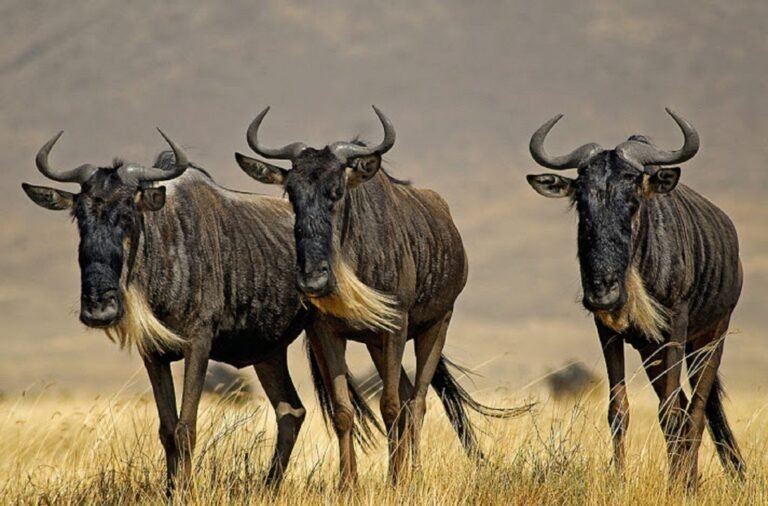
Nov 23, – 3 Day Serengeti And Ngorongoro Safari From Zanzibar
Nov 23, 2026 – 3 Day Serengeti and Ngorongoro Safari from Zanzibar.
View package details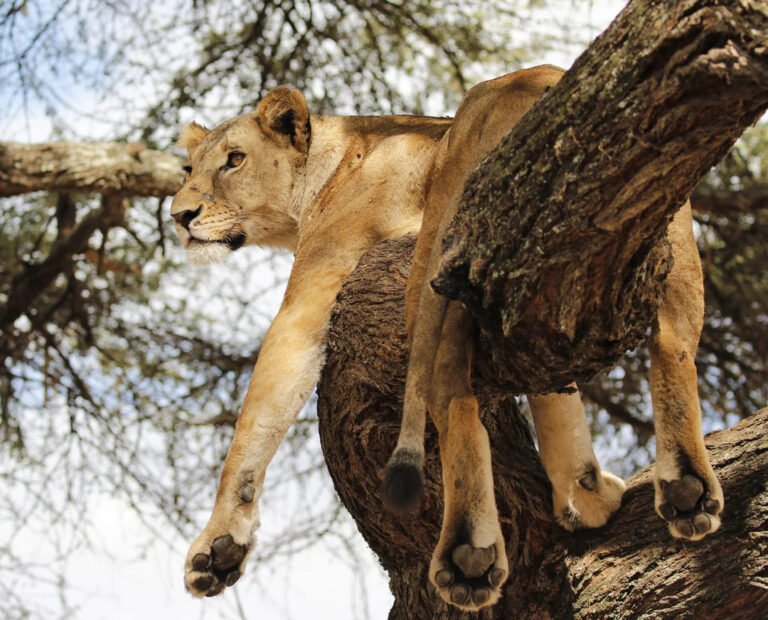
Dec 26, – 6 Day Christmas And New Year Northern Circuit Safari
Dec 26, 2026 – 6 Day Christmas and New Year Northern Circuit Safari.
View package details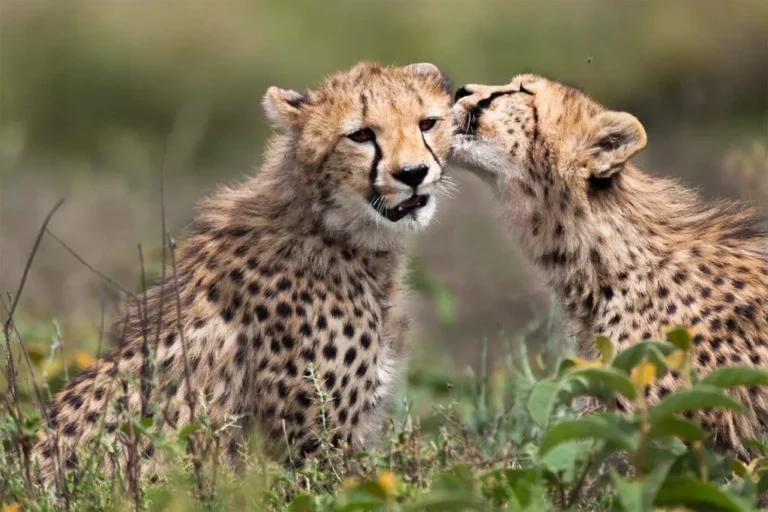
Dec 31, : New Year’s Eve Serengeti Group Safari Planning Guide
This guide provides essential planning details for a group safari trip to the Serengeti for New Year's Eve 2026, covering logistics, seasonal highlights, and what to expect.
View package details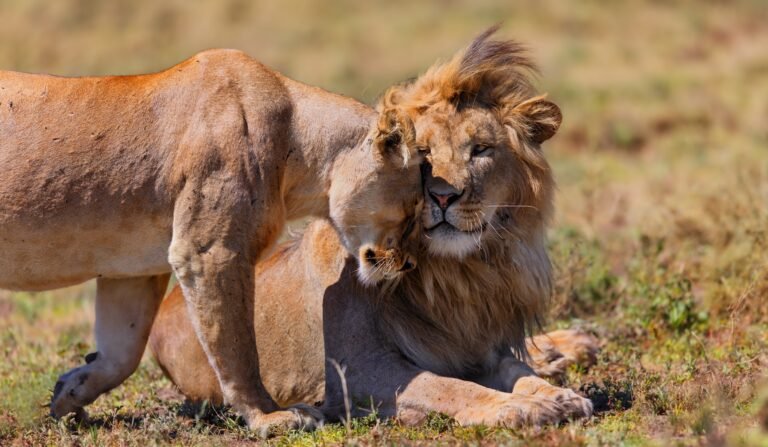
Dec 22, – 3 Day Nyerere Group Joining Safari
Dec 22, 2026 – 3 Day Nyerere Group Joining Safari.
View package details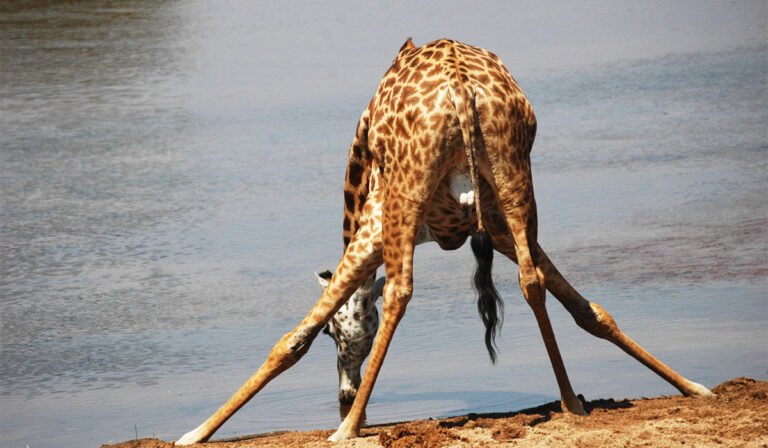
Can I Join A Safari That Has Already Confirmed Travellers?
Can I Join a Safari That Has Already Confirmed Travellers?
View package details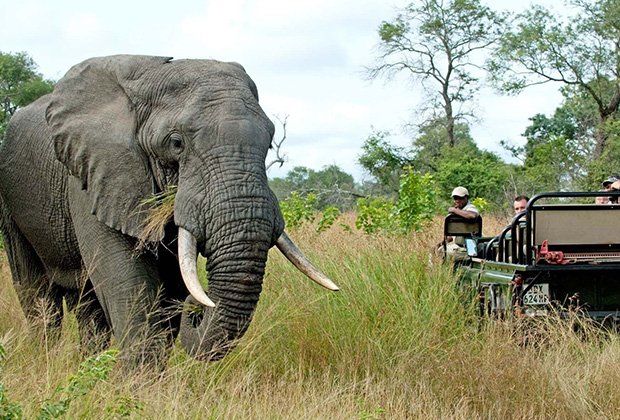
I Am On A Budget—What Is The Cheapest Serengeti Group Safari?
I Am on a Budget—What Is the Cheapest Serengeti Group Safari?
View package details_1_John_from-rednote-web-768x1024.jpg)
Dec 13, – 2 Day Nyerere Fly-In Group Safari From Zanzibar 2026
A detailed guide to the December 13, 2026 group fly-in safari from Zanzibar to Nyerere National Park, covering the itinerary, logistics, and planning for your trip.
View package detailsNo related package matches those filters. Clear one or more filters to see the other topic-matched options.