A Nairobi to Zanzibar via Tanzania safari itinerary typically involves flying from Nairobi into Tanzania (often Kilimanjaro International Airport – JRO) for a Northern Circuit safari, then heading to Zanzibar for relaxation. Common durations range from 10 to 20 days, combining 4-7 days of safari in parks like the Serengeti and Ngorongoro Crater with 3-5 days on Zanzibar. This popular route offers a fantastic mix of iconic wildlife viewing and beautiful beach experiences, with planning for 2026-2027 crucial for securing preferred accommodations and flight schedules.

Understanding the Nairobi to Zanzibar via Tanzania Safari Journey
This journey is a quintessential East African adventure, seamlessly blending the thrill of world-class wildlife viewing with the serene beauty of tropical islands. When you plan a Nairobi to Zanzibar via Tanzania safari itinerary, you’re essentially creating a multi-faceted experience. It starts with arriving in Nairobi, Kenya, a common gateway to East African travel. From there, the adventure transitions into Tanzania for its legendary safari destinations, culminating in a flight to the exotic spice island of Zanzibar for a well-deserved period of relaxation and cultural immersion.
The appeal lies in the contrast: the dust and drama of the savanna versus the turquoise waters and white-sand beaches. Tanzania’s Northern Circuit, featuring parks like the Serengeti, Ngorongoro Crater, Tarangire, and Lake Manyara, is renowned for its density of wildlife and dramatic landscapes. Zanzibar, on the other hand, offers a rich history, vibrant culture in Stone Town, and idyllic coastal resorts.
For travelers aiming for 2026-2027, understanding this flow is key. It’s not just about visiting places; it’s about orchestrating a logical progression that minimizes travel time and maximizes enjoyment. This often means a flight from Nairobi to Kilimanjaro International Airport (JRO) in Tanzania, initiating your safari. After the safari portion concludes, usually with a flight from an airstrip within Tanzania (like Seronera in the Serengeti or Arusha Airport) to Zanzibar, you’ll transition to island life.
Many travelers choose this route because it efficiently covers two of East Africa’s most sought-after experiences. It’s a popular choice for honeymoons, anniversary trips, or simply for those wanting a comprehensive African adventure without the complexity of piecing together multiple independent trips. The core components are:
- Arrival in Nairobi: Usually the starting point for international flights.
- Transfer to Tanzania: Typically a flight to Kilimanjaro International Airport (JRO).
- Tanzania Safari: Exploring the Northern Circuit parks.
- Transfer to Zanzibar: A flight from a Tanzanian airport to Zanzibar.
- Zanzibar Holiday: Relaxation, culture, and exploration on the island.
- Departure: Often from Zanzibar, or back through Nairobi/Dar es Salaam.
The exact pacing and choice of parks will shape your experience. A shorter trip might focus on the Serengeti and Ngorongoro, while a longer one could incorporate Tarangire and Lake Manyara, or even extend to other regions if time permits. For 2026-2027, booking well in advance is recommended, especially for peak seasons.
Defining Your Ideal Nairobi to Zanzibar via Tanzania Safari Itinerary
Crafting the perfect Nairobi to Zanzibar via Tanzania safari itinerary is deeply personal. It hinges on your interests, travel style, budget, and the time you have available. There’s no single ‘best’ way, but rather an optimal way for *you*. Here’s how to start thinking about what makes your ideal trip:
Interests: Wildlife vs. Culture vs. Relaxation
Are you primarily a wildlife enthusiast, eager to witness the Great Migration or spot the Big Five? Or is the allure of Zanzibar’s history, spice tours, and pristine beaches more compelling? A balanced itinerary can satisfy both, but if one aspect is a higher priority, it should guide your choices.
- Wildlife Focus: Allocate more days to the Serengeti, perhaps timing your visit with the migration. Consider a walking safari in Tarangire or exploring the unique ecosystem of the Ngorongoro Crater.
- Cultural Immersion: Spend more time in Zanzibar’s Stone Town, exploring its labyrinthine alleys, historical sites, and vibrant markets. Include a spice tour and perhaps a visit to a local village.
- Beach Relaxation: Dedicate ample time to Zanzibar’s coastlines, choosing resorts that offer the tranquility and amenities you desire. Consider islands like Mnemba Atoll for snorkeling and diving.
For 2026-2027 trips, consider what kind of *feeling* you want from your holiday. Do you want constant action and discovery, or a more laid-back pace with occasional adventures?
Travel Style and Pace
Your travel style dictates the type of accommodation, transport, and overall tempo of your trip.
- Luxury: High-end lodges and tented camps, private vehicles and guides, exclusive experiences. This often means higher costs but offers unparalleled comfort and service.
- Mid-Range: Comfortable safari lodges, tented camps, and hotels. Shared or private vehicles are available. This is a popular choice offering a great balance of quality and value.
- Budget: Camping safaris, more basic lodges. While possible, a ‘budget’ approach for a Nairobi to Zanzibar via Tanzania safari itinerary can sometimes compromise the quality of wildlife viewing and comfort, especially with the inter-country travel.
Think about how many destinations you want to visit. Trying to cram too many parks into a short safari can lead to a rushed experience, spending more time traveling than exploring. For a Nairobi to Zanzibar via Tanzania safari itinerary, a common approach is 2-3 key safari locations followed by Zanzibar.
Duration of Your Trip
This is perhaps the most significant factor.
- 7-10 Days: This is a tight schedule for a Nairobi to Zanzibar via Tanzania safari. You might need to fly between Nairobi and Tanzania, do a whirlwind 3-4 day safari (e.g., Ngorongoro & Tarangire), then fly to Zanzibar for 3-4 days. It’s doable but intense.
- 10-14 Days: This offers a more comfortable pace. You can typically fit in 4-5 days of safari (Serengeti, Ngorongoro, possibly Tarangire) and 4-5 days in Zanzibar.
- 14-20 Days: This allows for a more in-depth safari experience, potentially including more parks or longer stays in key areas like the Serengeti. You’ll also have ample time for Zanzibar, perhaps exploring different parts of the island or engaging in more activities.
When planning for 2026-2027, consider how much annual leave you have. Longer trips generally provide a more relaxed and fulfilling experience.
Budget Considerations
Your budget will influence every decision, from accommodation to the number of days.
- Flights: International flights to Nairobi, flights between Nairobi and Tanzania, and flights to Zanzibar are significant costs.
- Safari Costs: Park fees, vehicle hire, guide fees, and accommodation are the main drivers. Private tours are more expensive than group tours.
- Zanzibar Costs: Accommodation, activities (diving, spice tours, historical tours), and food.
Understand what is typically included. For example, a safari package usually covers park fees, accommodation, meals on safari, and a vehicle/guide. Zanzibar packages might include accommodation and breakfast, with other meals and activities being extra.
Mobility and Accessibility
Consider your comfort with travel. Safaris involve game drives in 4×4 vehicles, which can be bumpy. Zanzibar offers varied terrain, from paved roads in Stone Town to sandy tracks to beach resorts. Ensure your chosen itinerary aligns with your physical capabilities.
Typical Itinerary Structures for Nairobi to Zanzibar via Tanzania Safari
While flexibility is key, most Nairobi to Zanzibar via Tanzania safari itineraries follow a logical flow, balancing the intensity of safari with the relaxation of the coast. Here are a few common structures, with durations that can be adjusted.
The Classic Combination (Approx. 10-12 Days)
This is a popular choice for those with limited time who want to experience the absolute highlights.
- Day 1: Arrive in Nairobi, Kenya. Overnight in Nairobi.
- Day 2: Fly from Nairobi to Kilimanjaro International Airport (JRO), Tanzania. Transfer to Arusha. Overnight in Arusha.
- Day 3: Arusha to Tarangire National Park. Game drive. Overnight near Tarangire.
- Day 4: Tarangire to Ngorongoro Conservation Area. Game drive en route or descend into the Crater for afternoon game drive. Overnight on the Crater rim or nearby.
- Day 5: Ngorongoro Crater to Serengeti National Park. Game drive en route. Overnight in Central Serengeti.
- Day 6: Full day game drive in Serengeti National Park. Overnight in Central Serengeti.
- Day 7: Morning game drive in Serengeti. Fly from Seronera airstrip to Zanzibar. Transfer to beach resort. Overnight in Zanzibar.
- Day 8-9: Relax on Zanzibar beaches, optional activities (snorkeling, spice tour). Overnight in Zanzibar.
- Day 10: Transfer to Zanzibar Airport for departure, or fly back to Nairobi/Dar es Salaam for onward travel.
This structure prioritizes the iconic Serengeti and Ngorongoro, with Tarangire offering a different landscape and excellent elephant viewing. The flight from Seronera directly to Zanzibar is efficient.
The In-Depth Explorer (Approx. 14-16 Days)
This itinerary allows for a more relaxed pace and inclusion of more diverse environments.
- Day 1: Arrive in Nairobi. Overnight.
- Day 2: Fly Nairobi to JRO. Transfer to Arusha. Visit local markets or cultural sites. Overnight Arusha.
- Day 3: Arusha to Lake Manyara National Park. Game drive, known for tree-climbing lions and birdlife. Overnight near Lake Manyara.
- Day 4: Lake Manyara to Tarangire National Park. Full day exploring Tarangire’s large elephant herds and baobab trees. Overnight near Tarangire.
- Day 5: Tarangire to Ngorongoro Conservation Area. Descend into the Ngorongoro Crater for an extensive game drive. Overnight on the Crater rim.
- Day 6: Ngorongoro to Serengeti National Park (Central/Seronera area). Game drive en route. Overnight Central Serengeti.
- Day 7: Full day game drive in Central Serengeti. Focus on predator sightings. Overnight Central Serengeti.
- Day 8: Serengeti (Central) to Serengeti (North/Kogatende – seasonal for migration). Game drive en route. Overnight North Serengeti.
- Day 9: Full day game drive in Northern Serengeti, focusing on migration river crossings if in season. Overnight North Serengeti.
- Day 10: Fly from Kogatende airstrip to Zanzibar. Transfer to beach resort. Overnight Zanzibar.
- Day 11-13: Explore Zanzibar: Stone Town tour, spice tour, Jozani Forest, beach relaxation. Overnight Zanzibar.
- Day 14: Transfer to Zanzibar Airport for departure.
This version adds Lake Manyara for its unique ecosystem and allows for exploration of a different region of the Serengeti, especially beneficial if the migration is in the north (typically July-October). Planning for 2026-2027 requires checking migration patterns for the specific time of travel.
The Extended East African Adventure (20+ Days)
For those with ample time, this itinerary can incorporate more remote areas or even a Kenyan component.
- Days 1-3: Nairobi exploration, perhaps a day trip to the David Sheldrick Wildlife Trust or Giraffe Centre.
- Day 4: Fly Nairobi to JRO. Transfer to Arusha.
- Days 5-6: Lake Manyara and Tarangire National Parks.
- Days 7-8: Ngorongoro Crater and surrounding Maasai communities.
- Days 9-12: Extensive exploration of the Serengeti, potentially including different zones (Central, North, South) depending on the season.
- Day 13: Fly from Serengeti to Zanzibar.
- Days 14-18: Deep look at Zanzibar: Stone Town, spice farms, Jozani Forest, northern beaches (Nungwi/Kendwa), eastern coast (Paje/Jambiani) for kitesurfing and diving, perhaps a day trip to Prison Island.
- Day 19: Fly from Zanzibar to Dar es Salaam for onward international connections, or back to Nairobi.
This extended version allows for a much deeper immersion into both the safari and Zanzibar experiences, offering flexibility and time for spontaneous discoveries. For 2026-2027, such an extended trip might involve booking lodges and internal flights up to a year in advance.
These are just frameworks. A specialist can tailor them precisely to your needs. For example, if you’re keen on seeing specific animals or wish to include activities like hot air ballooning over the Serengeti, these elements would be integrated into the daily schedule.
Safari Parks and Wildlife Highlights in Tanzania
When planning a Nairobi to Zanzibar via Tanzania safari itinerary, the selection of Tanzanian parks is crucial for a memorable wildlife experience. Tanzania’s Northern Circuit is legendary for a reason. Here’s a look at the key parks and what makes them special:
Serengeti National Park
Often described as the ‘endless plains’, the Serengeti is the crown jewel of Tanzanian safaris. Its vastness is home to an incredible concentration of wildlife.
- Key Attractions: The Great Migration (millions of wildebeest, zebras, and gazelles), big cats (lions, leopards, cheetahs), elephants, giraffes, hippos, crocodiles.
- Migration Patterns: The wildebeest migration is a year-round phenomenon, but its location varies.
- December-March: Southern Serengeti (Ndutu area) for calving season.
- April-May: Western Corridor, crossing the Grumeti River.
- June-October: Northern Serengeti, crossing the Mara River.
- November: Moving south from the north.
Timing your safari for 2026-2027 to coincide with specific migration events (like river crossings) requires careful planning and often means staying in specific areas of the Serengeti. The central Seronera area offers excellent resident wildlife year-round.
Ngorongoro Conservation Area (and the Crater)
The Ngorongoro Crater is a UNESCO World Heritage Site and a natural wonder. It’s a caldera, the remnant of a massive volcano, now a self-contained ecosystem teeming with wildlife.
- Key Attractions: High density of predators (lions, hyenas, jackals), black rhinos (a rare sight elsewhere), large herds of wildebeest and zebras, hippos, flamingos on the lake. It’s often called the ‘eighth wonder of the world’ for its sheer concentration of animals in a relatively small area.
- Experience: Game drives are restricted to the crater floor. The views from the rim are spectacular. It’s also home to Maasai people, and cultural visits can be incorporated.
Due to its popularity, visitor numbers are managed. Booking crater access in advance, especially for 2026-2027 peak seasons, is advisable.
Tarangire National Park
Famous for its large elephant herds and iconic baobab trees, Tarangire offers a distinct safari experience.
- Key Attractions: Huge elephant populations, lions often found in trees, diverse birdlife, large baobab trees, migratory wildebeest and zebras (especially in the dry season).
- Best Time to Visit: Dry season (June-October) when animals congregate around the Tarangire River.
Tarangire is often visited on the way to or from the Serengeti, making it a natural fit for a Nairobi to Zanzibar via Tanzania safari itinerary.
Lake Manyara National Park
Though small, Lake Manyara is incredibly diverse, offering dense woodland, open grasslands, and the lake itself.
- Key Attractions: Famous for its tree-climbing lions, large troops of baboons, diverse birdlife (including flamingos), hippos, and elephants.
- Experience: A good park for a shorter game drive or for spotting animals that are harder to find elsewhere. The scenic drive through the Rift Valley escarpment is also a highlight.
It’s often included as a stop between Arusha and the Ngorongoro Crater.
Other Potential Parks (for Extended Itineraries)
If your Nairobi to Zanzibar via Tanzania safari itinerary is longer, consider:
- Selous Game Reserve (Nyerere National Park): Southern Tanzania, offers boat safaris on the Rufiji River, walking safaris, and a more wild, less crowded experience. Requires flights from Zanzibar or Dar es Salaam.
- Ruaha National Park: Also in Southern Tanzania, known for its large predator populations and remote wilderness.
These southern parks are less commonly combined with the Northern Circuit and Zanzibar in a single trip due to logistics, but are fantastic destinations in their own right. For most travelers focusing on the Nairobi-Zanzibar route, the Northern Circuit parks are the standard and highly recommended choice.
Logistics and Travel Between Destinations
Efficient logistics are key to a smooth Nairobi to Zanzibar via Tanzania safari itinerary. Understanding how you move between these distinct locations will help you plan effectively for 2026-2027.
Nairobi to Tanzania
- Flying: The most common and time-efficient method. You’ll typically fly from Jomo Kenyatta International Airport (NBO) in Nairobi to Kilimanjaro International Airport (JRO) in Tanzania. Several airlines operate this route, often with daily flights. This bypasses lengthy overland travel and gets you straight to the safari gateway city of Arusha.
- Overland (Not Recommended for this itinerary): While possible to drive between Nairobi and Arusha, it’s a long journey (6-8 hours minimum, often longer with border crossings) and can be tiring, especially at the start of your trip. For a Nairobi to Zanzibar via Tanzania safari, flying is the preferred method to maximize safari time.
Within Tanzania (Safari Circuit)
- 4×4 Safari Vehicles: This is the standard. You’ll be in a specially adapted safari vehicle (usually a Land Cruiser or Land Rover) with a pop-up roof for game viewing. These are comfortable for long drives within parks and offer excellent visibility. For group tours, you’ll share a vehicle; for private tours, you have exclusive use.
- Park Roads: Roads within the parks can range from well-maintained dirt tracks to more challenging, rutted paths, especially during the rainy season.
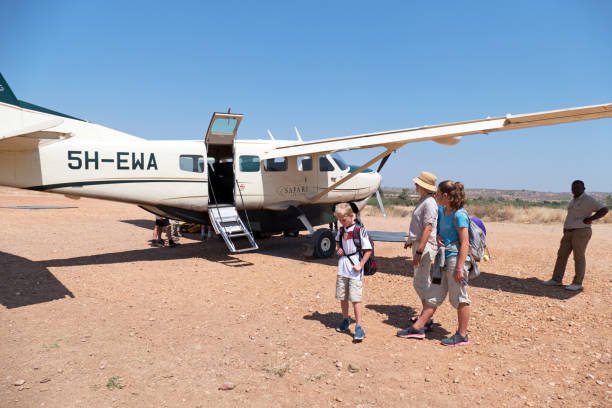
- Internal Flights (Airstrips): For longer distances within the Serengeti or to/from Zanzibar, small bush planes operate from various airstrips (e.g., Seronera, Kogatende, Grumeti in Serengeti; Arusha Airport; Zanzibar Airport). These flights significantly cut down travel time, transforming a full day’s drive into a 1-2 hour flight. This is highly recommended for connecting the Serengeti to Zanzibar.
Tanzania to Zanzibar
- Flying: This is the overwhelmingly popular and practical method. Flights operate from Kilimanjaro International Airport (JRO) or Arusha Airport to Abeid Amani Karume International Airport (ZNZ) in Zanzibar. Alternatively, and often more conveniently for safari-goers, you can fly directly from a Serengeti airstrip (like Seronera) to Zanzibar. This saves an entire day of travel. For 2026-2027 planning, booking these internal flights well in advance is essential, as they can fill up.
- Ferry (Not Recommended for this itinerary): A ferry service operates between Dar es Salaam and Zanzibar. While an option for those already in Dar es Salaam, it’s not practical if you’re coming directly from a Northern Circuit safari, as it would require an additional transfer from Arusha/JRO to Dar es Salaam first.
Within Zanzibar
- Transfers: Airport transfers to your hotel are usually pre-arranged by your accommodation provider or tour operator.
- Taxis/Private Drivers: For getting around Stone Town or between different parts of the island, taxis and private drivers are readily available. Negotiate fares beforehand.
- Scooters/Motorbikes: Popular for exploring local areas but require caution due to road conditions and local driving habits.
- Bicycles: A pleasant way to explore smaller villages or coastal paths.
When booking your Nairobi to Zanzibar via Tanzania safari itinerary for 2026-2027, confirm all transfer details and flight schedules with your tour operator. Understanding these logistical connections helps avoid surprises and ensures a smooth transition between your safari adventures and island relaxation.
Planning Your 2026-2027 Trip: Timing, Budget, and Booking
Successful planning for a Nairobi to Zanzibar via Tanzania safari itinerary, especially for travel in 2026-2027, requires foresight. Key elements to consider are the best time to travel, realistic budgeting, and the booking window.
Best Time to Travel
East Africa has distinct seasons, and the best time for your trip depends on what you want to see and experience.
- Dry Season (June to October): This is generally considered the peak season for safaris. The weather is sunny and dry, making game viewing easier as animals congregate around water sources. The vegetation is less dense, improving visibility. This is also a prime time for the Great Migration river crossings in the Northern Serengeti (July-October). Zanzibar is also pleasant, with less humidity and consistent sunshine, though it can be busier. Expect higher prices and more crowds during this period for 2026-2027 travel.
- Short Rains (November to December): A transitional period. The landscape becomes greener, and wildlife sightings can still be excellent, especially in the Serengeti where the migration starts moving south. Zanzibar experiences more rainfall, but it’s often in short, heavy bursts, with plenty of sunshine in between. This can be a good time for budget-conscious travelers seeking fewer crowds and potentially lower prices.
- Long Rains (January to May): This is the low season. The landscape is lush and green, with beautiful light for photography. It’s the calving season for wildebeest in the Southern Serengeti (Jan-Mar). Birdwatching is excellent. However, game viewing can be more challenging due to denser vegetation and scattered animals. Some roads may become impassable. Zanzibar experiences heavier and more prolonged rainfall, particularly from March to May, which can impact beach holidays. Prices are typically at their lowest.
For a Nairobi to Zanzibar via Tanzania safari itinerary, consider the trade-offs. If seeing the migration river crossings is paramount, aim for July-October. If you prefer fewer crowds and lush scenery, the shoulder seasons or even the early rainy season can be rewarding. For 2026-2027, booking well in advance is critical for peak season.
Budget Considerations for 2026-2027
Costs can vary significantly. A rough estimate for a mid-range 10-14 day Nairobi to Zanzibar via Tanzania safari itinerary, excluding international flights, might range from $4,000 to $7,000+ per person. Luxury options can easily exceed $10,000 per person.
Key cost components:
- International Flights: Highly variable depending on origin and booking time.
- Internal Flights: Nairobi-JRO, Serengeti-Zanzibar, Zanzibar-Nairobi/Dar es Salaam. Budget $200-$500 per person per flight segment.
- Safari Costs: This is the largest portion. Includes park fees (which are substantial, e.g., Serengeti can be $70-80 per person per day), accommodation (lodges/camps range from $150-$1000+ per person per night), vehicle hire, guide fees, and meals. A 5-day safari could cost $2,000 – $5,000+ per person depending on luxury level.
- Zanzibar Costs: Accommodation (from $50-$500+ per night), activities, food, and local transport. A 4-day Zanzibar stay might cost $500 – $2,000+ per person.
- Visas, Vaccinations, Insurance: Factor these in.
Tips for Budgeting for 2026-2027:
- Travel in shoulder seasons: April, May, November, early December often offer better value.
- Consider group tours: Shared safari costs can reduce individual expenses.
- Choose mid-range accommodation: Many comfortable and well-located lodges offer excellent value.
- Be clear on inclusions: Ensure you understand what your safari package covers (park fees, meals, drinks, activities).
Get a detailed quote from a reputable operator. For 2026-2027, prices are subject to change, so getting an updated quote is essential.
Booking Window
For a popular Nairobi to Zanzibar via Tanzania safari itinerary, especially during peak seasons or for specific lodges, booking well in advance is crucial.
- 12-18 months ahead: Recommended for peak season travel (June-October) or if you have very specific lodge preferences or are traveling during a major event like the migration river crossings. This is particularly true for 2026-2027 as availability tightens.
- 6-12 months ahead: Ideal for most travel periods. This gives you good choice of accommodation and flight options.
- 3-6 months ahead: Possible for off-peak or shoulder seasons, or if you are flexible with accommodation. However, popular lodges and internal flights may already be booked.
Last-minute bookings are sometimes possible but often come with higher prices and limited availability. For a smooth experience in 2026-2027, aim to book your safari and Zanzibar components at least 9-12 months prior to your travel dates.
Maximizing Your Experience
To truly make the most of your Nairobi to Zanzibar via Tanzania safari itinerary, consider these enhancements and practical tips.
Enhancing Your Safari
- Hot Air Balloon Safari: A quintessential Serengeti experience. Floating silently over the plains at sunrise, watching wildlife from above, is unforgettable. This is an optional extra, usually costing around $500-$600 per person. Book this in advance.
- Walking Safaris: Available in some areas outside the main crater/Serengeti core (e.g., near Lake Manyara, or in certain conservancies). These offer a different perspective and a more intimate connection with the bush.
- Cultural Visits: Engaging with local communities, such as Maasai villages, can provide fascinating insights into the cultures of the region. Ensure these are arranged respectfully and ethically.
- Night Game Drives: Offered in some private concessions or areas outside national parks. These can reveal nocturnal animals rarely seen during the day.
- Photography Tips: Bring a good camera with a zoom lens. Consider a beanbag for stabilizing your camera in the vehicle. Early morning and late afternoon light (golden hours) are best for photography.
Enhancing Your Zanzibar Experience
- Stone Town Exploration: Beyond a quick walk-through, consider a guided historical tour to understand the rich cultural mix, the influences of Omani sultans, Persian traders, and European explorers. Visit the House of Wonders, the Old Fort, and the slave market site.
- Spice Tours: Zanzibar is known as the ‘Spice Island’. A tour will let you see, smell, and taste various spices like cloves, nutmeg, cinnamon, vanilla, and tropical fruits. It’s an educational and sensory experience.
- Water Sports: Zanzibar offers excellent opportunities for snorkeling and diving, particularly around Mnemba Atoll. Kayaking, paddleboarding, and kitesurfing (especially on the east coast like Paje) are also popular.
- Jozani Forest: Visit to see the rare Red Colobus monkeys, unique to Zanzibar. It’s a beautiful example of the island’s indigenous flora and fauna.
- Sunset Dhow Cruise: A traditional sailing experience, often offered at sunset, providing beautiful views of the coast and a relaxing end to the day.
Practical Tips for Your 2026-2027 Trip
- Packing: Light, neutral-colored clothing for safari (long sleeves and trousers for evenings/sun protection), swimwear for Zanzibar, comfortable walking shoes, a hat, sunglasses, high SPF sunscreen, insect repellent, a small backpack, binoculars, and a good camera. A lightweight rain jacket is useful year-round.
- Health: Consult your doctor about vaccinations (e.g., Yellow Fever, Hepatitis A, Typhoid) and malaria prophylaxis. Carry a basic first-aid kit. Drink bottled or treated water only.
- Currency: Tanzanian Shilling (TZS) is the local currency. US Dollars are widely accepted for park fees, major lodges, and Zanzibar tourist services. Carry smaller USD bills for tips and local purchases. ATMs are available in major towns and tourist hubs.
- Tipping: Tipping is customary for safari guides, camp staff, and drivers. Your tour operator can provide guidance on appropriate amounts.
- Connectivity: Wi-Fi is available in most lodges and hotels, though it can be intermittent, especially in remote safari areas. Consider a local SIM card for better data access if needed.
- Travel Insurance: Absolutely essential. Ensure it covers medical emergencies, evacuation, trip cancellation, and lost luggage.
By incorporating these elements into your Nairobi to Zanzibar via Tanzania safari itinerary, you’ll ensure a richer, more enjoyable, and smooth journey for your 2026-2027 adventure.
Booking Your Safari and Zanzibar Holiday
Securing the right tour operator is paramount for a successful Nairobi to Zanzibar via Tanzania safari itinerary. For travelers planning for 2026-2027, choosing a reputable company that understands the nuances of this combined trip is essential.
Why Choose a Specialist Operator?
- Expertise: Operators like Climb 4 Africa have in-depth knowledge of Tanzania’s parks, optimal safari routes, migration patterns, and the best accommodations. They also understand the logistics of combining safari with Zanzibar travel.
- Customization: They can tailor an itinerary precisely to your interests, budget, and pace, whether you’re looking for a family safari, a honeymoon, or a photographic expedition.
- Logistical Management: Handling internal flights, park permits, vehicle bookings, and accommodation reservations across multiple locations can be complex. A good operator manages all these details seamlessly.
- Local Support: Having a local contact on the ground provides peace of mind. If any issues arise, they can be resolved quickly.
- Value: While not always the cheapest, specialist operators often provide the best overall value by ensuring quality experiences, efficient use of time, and reliable service.
What to Look for in a Tour Operator
- Reviews and Reputation: Check independent review sites (like TripAdvisor) and ask for references.
- Responsiveness: How quickly and thoroughly do they answer your inquiries? This is a good indicator of their service level.
- Transparency: Do they provide clear, detailed itineraries and cost breakdowns? Are inclusions and exclusions clearly stated?
- Safety Standards: For safaris, this includes vehicle maintenance, guide training, and emergency protocols.
- Tailor-Made Options: Ensure they offer customized itineraries, not just fixed group departures.
Getting a Quote for 2026-2027
When you contact a tour operator, be prepared to provide the following information to get the most accurate quote for your Nairobi to Zanzibar via Tanzania safari itinerary:
- Travel Dates: Specific dates or a preferred travel window.
- Number of Travelers: Including ages if children are involved.
- Desired Duration: How many days for safari and how many for Zanzibar?
- Accommodation Style: Budget, mid-range, luxury, or specific lodge preferences.
- Interests: Wildlife focus, cultural activities, specific animals, relaxation preferences.
- Budget Range: Providing a rough budget helps them suggest suitable options.
- Starting/Ending Point: Confirming Nairobi arrival and Zanzibar departure.
For example, when reaching out to Climb 4 Africa for your 2026-2027 trip, you can use their contact details to initiate the planning process:
To discuss your dream Nairobi to Zanzibar via Tanzania safari itinerary and receive a personalized quote for 2026-2027, feel free to reach out. Our team is ready to help you craft an unforgettable African adventure. You can contact us via WhatsApp at +255 747 477 898 or send an email to climb4africa@gmail.com. We specialize in creating smooth journeys that combine the best of Tanzania’s wildlife with the magic of Zanzibar.
Booking your safari and Zanzibar holiday is an investment in lifelong memories. By partnering with experienced professionals, you ensure that your Nairobi to Zanzibar via Tanzania safari itinerary is not just a trip, but an expertly curated experience that perfectly balances adventure, discovery, and relaxation.
Check Availability for Nairobi To Zanzibar Via Tanzania Safari Itinerary Guide
Ready to compare dates, prices, and the best option for your group? Send the package name and travel month so the team can reply with a clear quote, availability, and what is included.
1-Day Serengeti Safari From Zanzibar By Flight: Cost & Itinerary 2026-2027
Is a 1-day Serengeti safari from Zanzibar feasible? Get the expert breakdown on the flight logistics, cost factors, and how to manage your expectations for this intense, one-day wildlife...
View package details
Nov 23, – 3 Day Serengeti And Ngorongoro Safari From Zanzibar
Nov 23, 2026 – 3 Day Serengeti and Ngorongoro Safari from Zanzibar.
View package details_1_John_from-rednote-web-768x1024.jpg)
Dec 13, – 2 Day Nyerere Fly-In Group Safari From Zanzibar 2026
A detailed guide to the December 13, 2026 group fly-in safari from Zanzibar to Nyerere National Park, covering the itinerary, logistics, and planning for your trip.
View package details
Dec 5, – 1 Day Mikumi Fly-In Group Safari From Zanzibar 2026
A practical guide to the December 5, 2026, group fly-in safari to Mikumi National Park. Learn about the itinerary, group logistics, and how to book your seat.
View package details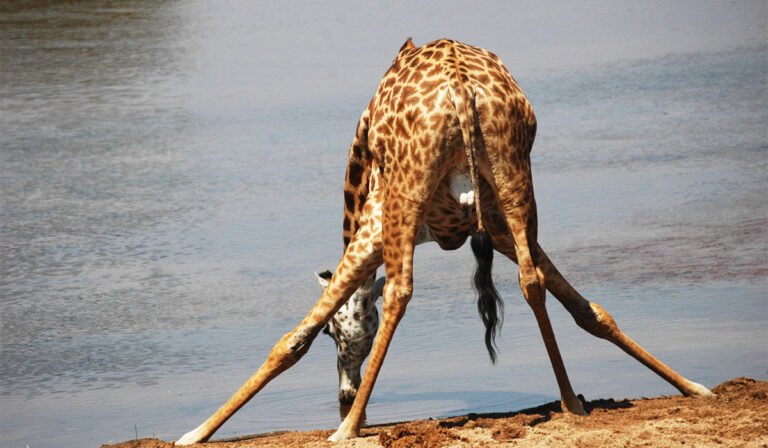
Nov 15, – 2 Day Mikumi Fly-In Group Safari From Zanzibar 2026
A practical guide and booking overview for the November 15, 2026, group fly-in safari to Mikumi National Park, departing from Zanzibar.
View package details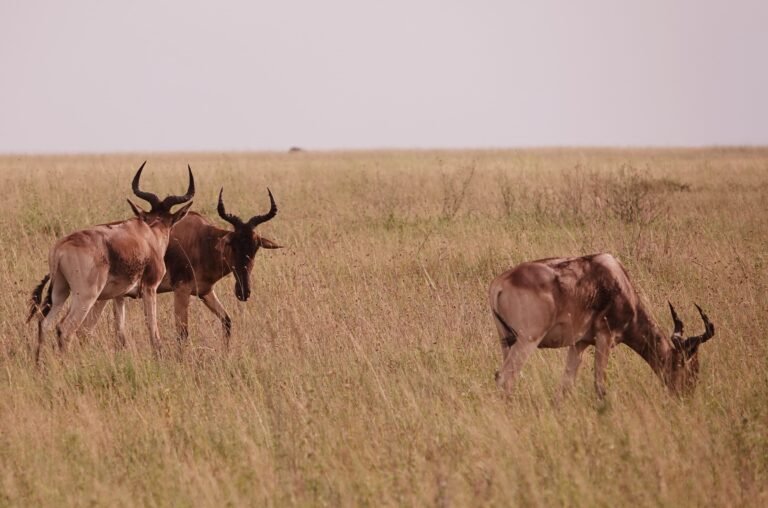
Oct 25, – 1 Day Nyerere Fly-In Group Safari From Zanzibar 2026
Secure your spot for the October 25, 2026, group fly-in safari to Nyerere National Park. A professional, time-efficient wildlife experience from Zanzibar.
View package details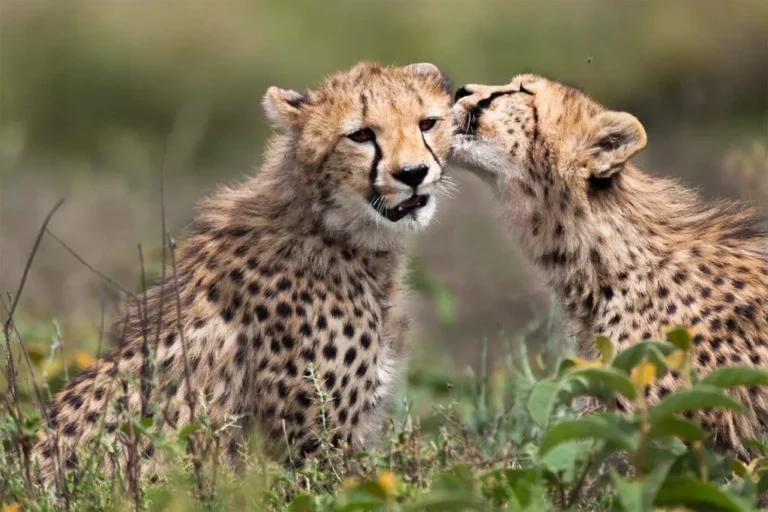
Nov 28, – 3 Day Fly-In Serengeti Group Safari From Zanzibar 2026
A detailed look at the 3-day fly-in Serengeti group safari departing November 28, 2026, including logistics, itinerary highlights, and travel tips for your Tanzania adventure.
View package details2-Day Serengeti Safari From Zanzibar By Flight: Price & Booking Guide
A practical guide to booking a 2-day Serengeti safari from Zanzibar by flight, covering itinerary logistics, cost considerations, and how to maximize your short time in the bush.
View package details
Luxury Fly-In Safari From Zanzibar: Private Packages For 2026-2027
Experience the ultimate Tanzanian getaway with a luxury fly-in safari from Zanzibar. Discover private, all-inclusive packages tailored for smooth wildlife encounters.
View package detailsBudget Fly-In Safari From Zanzibar: Best Packages & Prices 2026-2027
Discover how to plan a budget-friendly fly-in safari from Zanzibar to Tanzania's top parks without sacrificing the quality of your wildlife experience.
View package detailsZanzibar To Ruaha National Park Fly-In Safari: Prices & Booking Guide
A practical guide to planning a fly-in safari from Zanzibar to Ruaha National Park, covering flight logistics, itinerary choices, and how to book with Climb 4 Africa.
View package details2-Day Nyerere Safari From Zanzibar: Flight-Inclusive Package Prices 2026-2027
An expert guide to planning a 2-day Nyerere safari from Zanzibar, covering flight-inclusive package structures, cost drivers, and the practical rhythm of a short-stay wildlife adventure.
View package detailsNo related package matches those filters. Clear one or more filters to see the other topic-matched options.