Yes, solo travelers can absolutely join a safari group after climbing Kilimanjaro. Many tour operators, including Climb 4 Africa, specialize in arranging shared safari departures designed for individuals and small groups, making it easy to connect with fellow adventurers. This is a common and practical way for solo trekkers to experience Tanzania’s wildlife wonders, offering companionship, cost-sharing, and expertly guided itineraries for 2026 and 2027.
Planning Your Solo Safari Adventure Post-Kilimanjaro
Reaching Uhuru Peak is an incredible accomplishment, and the natural next step for many is to explore Tanzania’s world-renowned wildlife. For solo travelers, the question of how to do this efficiently and enjoyably is paramount. The most popular and logistically sound method is to join an existing safari group. This approach offers several distinct advantages over arranging a private safari, especially when you’re traveling alone.
When you’ve just descended from the roof of Africa, you’re likely tired but exhilarated. The thought of navigating complex travel arrangements independently might feel daunting. That’s where the simplicity and social aspect of joining a group safari come into play. It allows you to continue experiencing Tanzania’s magic with the company of others who share your passion for adventure, turning a solo journey into a shared expedition.
The key is understanding how these group departures work and how to best align them with your post-Kilimanjaro schedule. This guide will walk you through the process, from choosing the right itinerary to booking your spot for the 2026 or 2027 safari season.
Why Join a Group Safari After Kilimanjaro?
The decision to join a group safari after your Kilimanjaro climb is driven by a blend of practical and social considerations. For a solo traveler, these benefits are amplified.
Companionship and Shared Experience
Climbing Kilimanjaro is an intense, shared experience, and you might have already formed bonds with fellow climbers. Continuing this journey with a group allows you to maintain that sense of camaraderie. Sharing game drives, evening campfires, and the thrill of spotting wildlife creates lasting memories and opportunities for new friendships. It combats the potential isolation of solo travel, ensuring your Tanzanian adventure is rich with social interaction.
Cost-Effectiveness
Solo travel often means paying a single supplement for accommodations and vehicle hire, significantly increasing costs. Group safaris, by their nature, divide these expenses among multiple travelers. This shared cost model makes the overall safari much more affordable for solo individuals. For example, the cost of a safari vehicle, which is typically priced per vehicle, is shared among the passengers, bringing down the per-person rate considerably compared to hiring a private vehicle.
Logistical Simplicity and Expertise
After the demanding Kilimanjaro trek, you’ll appreciate having the logistics handled. Reputable tour operators like Climb 4 Africa have established routes, reliable vehicles, experienced guides, and pre-booked accommodations. Joining a group means you step into a well-organized tour where all the planning, permits, park fees, and daily schedules are managed for you. This allows you to relax and focus on the incredible wildlife and landscapes.
Diverse Itinerary Options
Operators offering group safaris typically have a range of itineraries catering to different interests and durations. Whether you have a few days or a couple of weeks, you can find a group departure that fits your post-climb timeframe and desired safari experience. This flexibility is crucial when coordinating with your Kilimanjaro ascent and subsequent travel plans.
Coordinating Your Safari with Your Kilimanjaro Climb
Timing is everything when planning a Kilimanjaro climb followed by a safari. The most common mistake solo travelers make is not allowing enough buffer time between descending the mountain and starting their safari.
Buffer Days: Essential for Recovery
After descending Kilimanjaro, your body will need rest. You’ll experience varying degrees of fatigue, muscle soreness, and possibly mild altitude sickness symptoms. It is highly recommended to schedule at least 2-3 rest days in Moshi or Arusha after your climb before embarking on a safari. This buffer allows you to recover, clean up, and mentally prepare for the next adventure without feeling rushed.
Consider the descent itself. While the summit day is often the most challenging, the multi-day descent can also be physically taxing. You’ll be tired, possibly dehydrated, and your muscles will ache. Rushing into a safari vehicle the day after finishing your trek is a recipe for exhaustion rather than enjoyment. Allow yourself proper recovery time; it makes the safari experience infinitely better.
Booking Safari Group Departures
When booking, you’ll need to know your exact Kilimanjaro descent date. Safari group departures are scheduled on specific dates. You’ll need to find a group departure that starts at least 2-3 days after your planned Kilimanjaro finish date. For instance, if your Kilimanjaro climb is scheduled to finish on October 15th, 2026, you should look for safari group departures starting on October 18th, 2026, or later.
Typical Itinerary Flow
A common flow for solo travelers is:
- Arrive in Tanzania and transfer to Moshi/Arusha.
- Undertake your Kilimanjaro climb (typically 5-9 days).
- Descend Kilimanjaro and spend 2-3 recovery days in Moshi/Arusha.
- Transfer to your safari starting point (often Arusha) and meet your group.
- Begin your safari adventure.
This structured approach ensures you are well-rested and ready to fully experience the safari experience.
Popular Tanzania Safari Itineraries for Group Departures
For solo travelers looking to join a group after Kilimanjaro, certain safari circuits are particularly popular due to their accessibility from Moshi/Arusha and their concentration of wildlife.
The Northern Circuit: A Classic Choice
The Northern Circuit is the most popular safari destination in Tanzania, and for good reason. It offers a diverse range of ecosystems and abundant wildlife. Group departures often focus on the highlights of this circuit.
Serengeti National Park
No safari in Tanzania is complete without a visit to the Serengeti. Famous for the Great Migration, this vast grassland hosts an incredible density of predators and prey. Group tours typically spend 2-3 days here, allowing ample time for game drives across its different regions. For 2026-2027, the migration patterns are usually consistent, offering excellent viewing opportunities.
Ngorongoro Conservation Area
The Ngorongoro Crater is a UNESCO World Heritage Site and a true natural wonder. Its caldera teems with wildlife, including the Big Five (lion, leopard, elephant, rhino, buffalo), in a relatively compact area. Group safaris usually include a full day of game driving within the crater. Access can be restricted, so booking in advance for 2026-2027 departures is wise.
Tarangire National Park
Known for its large elephant herds and baobab trees, Tarangire is often included in Northern Circuit itineraries. It’s a fantastic park for spotting predators and offers a different landscape compared to the Serengeti.
Lake Manyara National Park
Famous for its tree-climbing lions and diverse birdlife, Lake Manyara is often a half-day or full-day stop. It provides a beautiful backdrop with its alkaline lake and rift valley escarpment.
Typical Group Safari Durations
Group safaris following Kilimanjaro often range from 3 days to 7 days. A 3-day safari might cover Lake Manyara and Ngorongoro, while a 5-day or 7-day trip would typically include Serengeti and Tarangire as well.
- 3-Day Northern Circuit: Lake Manyara, Ngorongoro Crater. Ideal for those with limited time.
- 5-Day Northern Circuit: Lake Manyara, Serengeti (2 days), Ngorongoro Crater. A popular choice offering a good balance.
- 7-Day Northern Circuit: Tarangire, Serengeti (3 days), Ngorongoro Crater, Lake Manyara. For a more in-depth experience.
Customizing Group Safaris
While group tours have fixed itineraries, some operators may offer minor customizations, such as adding an extra day in the Serengeti or swapping a park. It’s worth inquiring if your specific needs can be accommodated when booking your post-Kilimanjaro safari group tour for 2026 or 2027.
Choosing Your Safari Vehicle
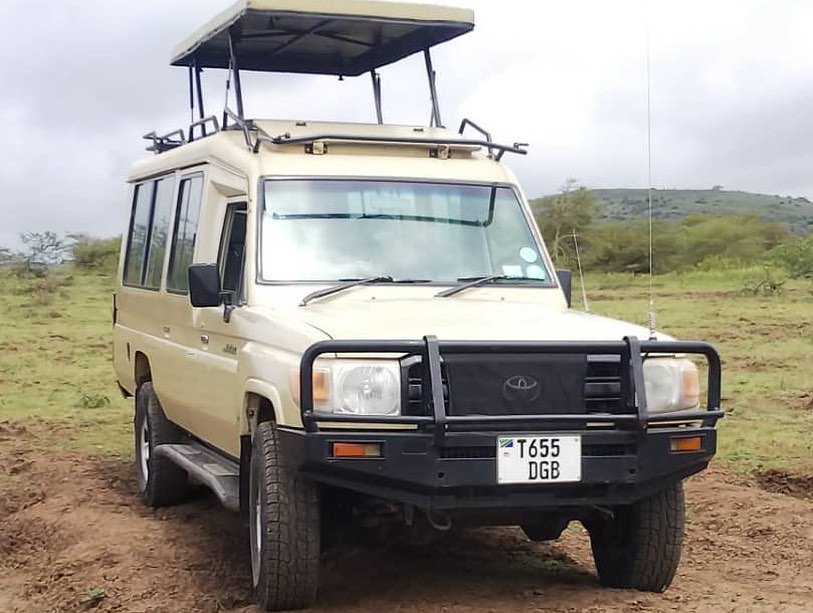
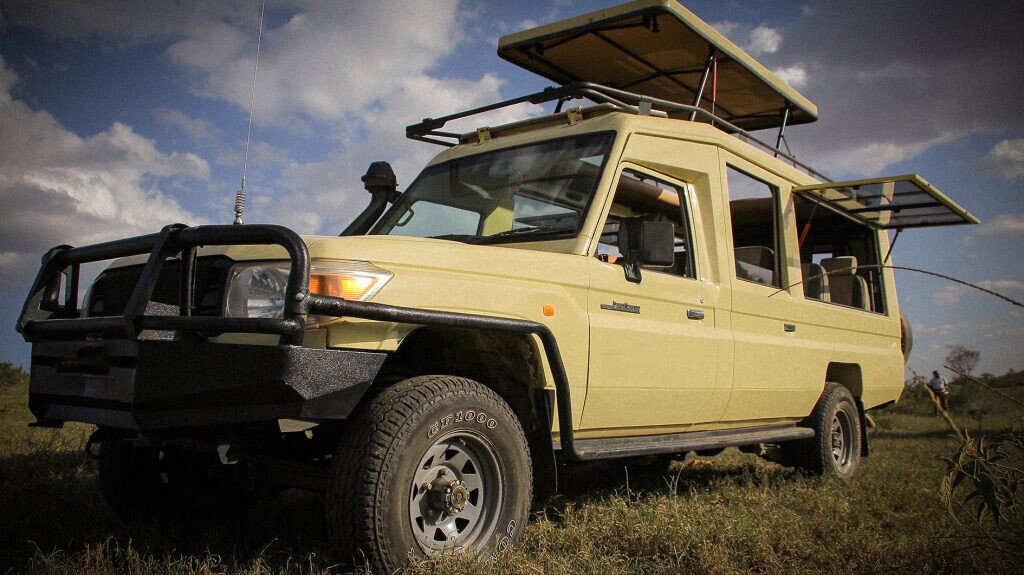
Most group safaris in Tanzania use 4×4 Land Cruisers or Land Rovers, specifically designed for off-road conditions. These vehicles typically seat 6-7 passengers comfortably, with each person guaranteed a window seat and access to a pop-up roof for game viewing and photography. This setup is ideal for shared experiences, ensuring everyone has a good vantage point.
Finding and Booking Your Safari Group Departure
The process of finding and booking a group safari requires attention to detail, especially when coordinating with your Kilimanjaro climb. Here’s how to approach it effectively.
Where to Look for Group Departures
Your Kilimanjaro tour operator is often the best first point of contact. Companies like Climb 4 Africa specialize in both Kilimanjaro climbs and Tanzania safaris, offering smooth integration.
- Kilimanjaro Tour Operators: Many operators who arrange Kilimanjaro climbs also run their own safari divisions or partner with safari companies. They understand the post-climb schedule and can advise on suitable group departures.
- Specialized Safari Companies: Dedicated safari companies offer a wide array of group departures throughout the year. Look for those with a strong presence in Tanzania and positive reviews for their group tours.
- Online Travel Marketplaces: Platforms like TripAdvisor Experiences, G Adventures, or Intrepid Travel list group safaris. However, always cross-reference with the direct operator to understand inclusions and exclusions fully.
Key Information to Provide When Inquiring
When you contact an operator about joining a group safari, be prepared to provide specific details:
- Your Kilimanjaro Descent Date: This is the most critical piece of information.
- Your Preferred Safari Duration: How many days do you want your safari to last?
- Your Budget: Group safaris offer different tiers (e.g., budget camping, mid-range lodges, luxury lodges).
- Your Interests: Are you particularly keen on specific parks, wildlife, or photography?
Understanding Group Size and Dynamics
Group sizes can vary. Typically, a group safari might have 4 to 12 travelers. Smaller groups tend to offer a more intimate experience, while larger groups can sometimes lead to longer wait times for everyone to board vehicles or take photos. Operators usually specify the maximum group size for their departures. For 2026-2027 departures, it’s wise to ask about typical group sizes.
Booking Windows and Availability
Popular group departures, especially during peak seasons (June-October and December-February), can fill up months in advance. For 2026-2027, it’s advisable to book your safari group departure at least 4-6 months prior to your planned travel dates, especially if your Kilimanjaro climb finish date is fixed.
What to Confirm Before Booking
Before committing to a booking, ensure you have clarity on:
- Inclusions: Park fees, accommodation (type and meal plan), vehicle, driver-guide, water, transfers.
- Exclusions: Tips for guides, personal insurance, drinks, souvenirs, visa fees, international flights.
- Accommodation Details: Type of lodges/tented camps, single room supplement if applicable (though often waived/reduced in groups).
- Payment Schedule: Deposit required and final payment date.
- Cancellation Policy: Understand the terms in case your plans change.
Essential Checklist for Joining a Post-Kilimanjaro Safari Group
- Confirm Kilimanjaro Descent Date: Crucial for timing.
- Select Safari Duration: 3, 5, or 7 days are common.
- Choose Itinerary: Northern Circuit is standard.
- Identify Operator: Climb 4 Africa is a good starting point.
- Check Group Departure Dates: Align with your rest days.
- Understand Inclusions/Exclusions: For clarity on costs.
- Review Accommodation: Lodge vs. tented camp.
- Ask About Group Size: For your comfort.
- Confirm Vehicle Type: 4×4 Land Cruiser is standard.
- Book in Advance: Especially for 2026-2027 peak seasons.
Accommodation Styles on Group Safaris
The type of accommodation significantly impacts the safari experience and cost. Group safaris typically offer a few tiers.
Budget Camping Safaris
These safaris utilize basic but comfortable tented camps, often with shared ablutions. While rustic, they offer an authentic connection to nature and are the most budget-friendly option for solo travelers. Meals are usually prepared by a dedicated camp chef. This is a classic way to experience East African safaris.
Mid-Range Lodge and Tented Camp Safaris
This is the most popular option for group tours. Accommodations are comfortable lodges or more permanent tented camps with en-suite bathrooms, hot showers, and often swimming pools. They offer a good balance between comfort and immersion in the wilderness. Expect well-appointed rooms and good service.
Luxury Safaris
For those seeking higher comfort levels, luxury lodges and tented camps offer premium amenities, gourmet dining, and often more exclusive locations. While more expensive, they can still be part of a group departure, though the per-person cost will be higher.
Single Supplements on Group Safaris
One of the major advantages of joining a group safari is that operators often waive or significantly reduce single supplements for solo travelers. This is because your accommodation is typically shared with another same-sex traveler within the group, or the cost is absorbed into the overall group package. Always clarify this policy when booking.
What to Pack for Your Post-Kilimanjaro Safari
Packing for a safari after Kilimanjaro requires a different approach than for the trek. While you’ll still need durable clothing, the focus shifts slightly.
Clothing Essentials
- Neutral-Colored Clothing: Khaki, green, brown, and beige are best to avoid startling wildlife. Avoid bright colors and black/dark blue, which can attract tsetse flies.
- Layers: Mornings and evenings can be cool, while midday can be hot. Pack light, breathable layers.
- Long-Sleeved Shirts and Trousers: For sun protection and mosquito protection in the evenings.
- Comfortable Footwear: Closed-toe shoes are essential. You won’t be doing much walking, but sturdy shoes are practical.
- Hat: A wide-brimmed hat for sun protection.
- Swimsuit: Many lodges have pools.
Safari Gear
- Binoculars: Essential for spotting wildlife at a distance.
- Camera with Zoom Lens: To capture those incredible wildlife moments. Extra batteries and memory cards are a must.
- Sunscreen and Insect Repellent: High SPF sunscreen and a repellent containing DEET.
- Small Backpack: For day trips and carrying essentials like water, camera, and snacks.
- Headlamp or Flashlight: Useful for navigating around camps and lodges at night.
Post-Kilimanjaro Considerations
You’ll likely have some gear from your climb. While not all of it is necessary for safari, some items might be useful:
- Comfortable Trekking Trousers: Can be worn as casual safari wear.
- Warm Fleece or Jacket: For cool mornings/evenings.
- Hiking Boots: While not needed for game drives, they can be useful if your lodge has walking trails. However, lighter shoes are generally preferred for safari.
Important Note on Clothing Colors
Avoid black and dark blue clothing on safari, as these colors can attract tsetse flies, which can deliver a painful bite and transmit sleeping sickness. Stick to earthy tones.
Meeting Your Safari Group and Guide
The meeting point for your group safari is typically in Arusha, the gateway to the Northern Circuit. Arusha is easily accessible from Moshi, where you’ll likely be recovering after Kilimanjaro.
Transfer from Moshi to Arusha
Most tour operators will arrange a transfer from your Moshi hotel to Arusha on the morning your safari begins. This is usually included in the safari package. The journey takes approximately 1-2 hours.
Safari Briefing
Upon arrival in Arusha, you’ll usually meet your safari guide and fellow group members for a pre-safari briefing. This is an excellent opportunity to:
- Meet Your Guide: Get acquainted with your driver-guide, who will be with you for the duration of the safari.
- Discuss the Itinerary: Confirm the day-by-day plan and ask any last-minute questions.
- Vehicle Check: Ensure your vehicle is comfortable and equipped.
- Meet Fellow Travelers: Begin building rapport with your group.
The Role of the Safari Guide
Your driver-guide is more than just a driver; they are your expert on wildlife, local culture, and park regulations. They are trained to spot animals, understand their behavior, and navigate the parks efficiently. They are also responsible for your safety and comfort. For 2026-2027 tours, expect highly experienced and knowledgeable guides.
Navigating Tanzania’s Parks and Wildlife Viewing
Tanzania’s national parks are vast and teeming with life. Understanding how game drives work in a group setting is key.
Game Drive Etiquette
When on a group safari, respecting fellow travelers and the environment is paramount:
- Be Patient: Wildlife viewing often involves waiting. Be patient and considerate of others’ desire to see animals.
- Keep Noise Levels Down: Loud talking or music can disturb wildlife and other guests.
- Respect Wildlife: Maintain a safe distance, do not feed animals, and avoid disturbing their natural behavior.
- Photography: Be mindful of others when taking photos. Avoid blocking views or holding up the group for extended periods.
Maximizing Wildlife Sightings
Your guide will employ various strategies to maximize sightings:
- Early Morning and Late Afternoon Drives: Wildlife is most active during these cooler hours.
- Using Binoculars and Spotting Scopes: To see animals at a distance.
- Listening to Your Guide: They have an uncanny ability to spot camouflaged animals.
- Communicating with Other Guides: Guides often share information about animal sightings.
The Great Migration
If your safari coincides with the Great Migration (timing varies by year but generally spans across the Serengeti), you’re in for an extraordinary spectacle. Group tours are excellent for experiencing this phenomenon, as guides know the best vantage points.
Sample 5-Day Northern Circuit Group Safari Itinerary (Post-Kilimanjaro)
This is a typical itinerary for a solo traveler joining a group after their Kilimanjaro climb.
- Day 1: Arusha to Tarangire National Park
Meet your group and guide in Arusha, followed by a drive to Tarangire. Afternoon game drive. Overnight near Tarangire. - Day 2: Tarangire to Serengeti National Park
Morning game drive in Tarangire, then drive to Serengeti. Afternoon game drive en route to your camp/lodge. Overnight in Central Serengeti. - Day 3: Full Day Serengeti National Park
Full day of game drives in the Serengeti, exploring different regions depending on wildlife movements. Overnight in Central Serengeti. - Day 4: Serengeti to Ngorongoro Conservation Area
Morning game drive in Serengeti, then drive towards the Ngorongoro Crater. Overnight on the crater rim or nearby. - Day 5: Ngorongoro Crater Tour and Departure
Early morning descent into the Ngorongoro Crater for a game drive. Ascend in the afternoon and drive back to Arusha for your onward journey.
Note: This is a sample itinerary. Actual routes and timings may vary based on wildlife movements and operator planning for 2026-2027.
Safety and Health Considerations
Safety and health are paramount for any traveler, especially when continuing your journey solo.
Vaccinations and Malaria Prevention
Consult your doctor or a travel clinic well in advance of your trip for recommended vaccinations and malaria prophylaxis. Yellow Fever vaccination is often required for entry into Tanzania. Malaria risk is present in most safari areas, so taking preventative medication is crucial.
Travel Insurance
Comprehensive travel insurance is non-negotiable. Ensure it covers:
- Medical Emergencies: Including evacuation.
- Trip Cancellation/Interruption: In case of unforeseen circumstances.
- Lost or Stolen Belongings.
Your Kilimanjaro climb should also be covered by your insurance; ensure your safari is also included.
Water and Food Safety
Drink only bottled or purified water. Be cautious with uncooked foods and street food. Most safari lodges and camps provide safe drinking water and well-prepared meals.
Wildlife Safety
Always follow your guide’s instructions. Never exit the vehicle in national parks unless in a designated safe area. Be aware of your surroundings, especially at lodges and camps where wildlife may roam.
Choosing the Right Operator for Your Post-Kilimanjaro Safari
Selecting a reputable tour operator is crucial for a smooth and enjoyable solo safari experience.
Why Choose Climb 4 Africa?
Climb 4 Africa has extensive experience in arranging both Kilimanjaro climbs and Tanzania safaris. As a local operator, they offer deep insights into the region and practical support.
- Integrated Packages: They can seamlessly book your Kilimanjaro climb and subsequent group safari, ensuring all logistics are coordinated.
- Local Expertise: Deep knowledge of Tanzanian parks, wildlife, and culture.
- Quality Guides: Experienced and knowledgeable driver-guides for your safari.
- Competitive Pricing: Offering excellent value for group departures.
- Personalized Support: Dedicated assistance for solo travelers.
What to Expect When Booking with Climb 4 Africa
When you’re ready to book your post-Kilimanjaro safari group tour for 2026 or 2027, contact Climb 4 Africa. They will guide you through the process:
- Initial Consultation: Discuss your Kilimanjaro finish date, desired safari duration, and budget.
- Itinerary Recommendation: They will suggest suitable group departure dates and itineraries.
- Booking Confirmation: Secure your spot with a deposit.
- Pre-Departure Information: Receive detailed packing lists, itinerary, and contact information.
- On-the-Ground Support: From arrival in Tanzania to your departure, they provide practical assistance.
Contacting Climb 4 Africa
For personalized advice and to discuss your specific travel plans for 2026-2027, reach out to Climb 4 Africa:
- WhatsApp: +255 747 477 898
- Email: climb4africa@gmail.com
They can help you find the perfect group safari to complement your Kilimanjaro achievement, ensuring a memorable and hassle-free experience.
Frequently Asked Questions for Solo Travelers
Can I join a safari group if I am a solo traveler?
Yes, absolutely. Group safaris are an excellent option for solo travelers. They offer companionship, shared costs, and a structured itinerary, making it a popular choice for individuals looking to experience Tanzania’s wildlife after their Kilimanjaro climb. Operators like Climb 4 Africa specialize in facilitating these arrangements for 2026-2027.
How do I coordinate my safari with my Kilimanjaro climb?
The key is timing. Allow at least 2-3 rest days in Moshi or Arusha after descending Kilimanjaro before your safari begins. You’ll need to find a group safari departure date that starts at least this many days after your scheduled Kilimanjaro descent date.
What is the typical cost of a group safari after Kilimanjaro?
Costs vary significantly based on the duration, accommodation style (camping, mid-range lodges, luxury lodges), and parks visited. A 3-day group safari might start from around $500-$800 per person, while a 5-7 day Northern Circuit safari could range from $1,000 to $2,500+ per person for mid-range options in 2026-2027. These are estimates, and actual quotes will depend on specific inclusions.
Will I have to pay a single supplement for a group safari?
Often, solo travelers on group safaris do not pay a single supplement, or it’s significantly reduced. This is because accommodations are typically shared with another same-sex traveler from the group, or the cost is factored into the group rate. Always confirm this policy with your operator.
What is the best duration for a safari after Kilimanjaro?
A 3-day safari is the minimum to see key highlights like Lake Manyara and Ngorongoro. However, a 5-day safari, including the Serengeti, is highly recommended for a more comprehensive experience. If time permits, 7 days allows for a deeper exploration of the Northern Circuit.
Which parks are typically included in a post-Kilimanjaro group safari?
The most common itinerary is the Northern Circuit, which includes Serengeti National Park, Ngorongoro Conservation Area, Lake Manyara National Park, and sometimes Tarangire National Park. These parks offer the highest concentration of iconic wildlife.
Making the Most of Your Solo Safari Experience
Traveling solo after a significant achievement like climbing Kilimanjaro is a unique opportunity. Embrace the experience fully.
Be Open to New Connections
The group safari setting is designed for interaction. Be open to chatting with your fellow travelers, sharing stories, and learning from their experiences. You might find common ground beyond just the safari itself.
Engage with Your Guide
Your driver-guide is a wealth of knowledge. Ask questions about the animals, the ecosystem, local culture, and Tanzanian life. They are often eager to share their insights.
Document Your Journey
Keep a journal, take plenty of photos, or even record short video clips. These will be invaluable memories of your dual adventure – the climb and the safari.
Stay Flexible
While group tours follow a schedule, wildlife viewing inherently involves an element of unpredictability. Embrace the spontaneous moments and be flexible if your guide needs to adjust the itinerary slightly for better wildlife viewing opportunities.
For solo travelers seeking an unforgettable adventure that perfectly complements their Kilimanjaro achievement, joining a group safari is a practical, social, and cost-effective choice. With careful planning and the right operator, your Tanzanian safari in 2026 or 2027 will be as rewarding as your trek to the summit.
Ready to plan your smooth transition from Kilimanjaro to a thrilling Tanzanian safari group adventure? Climb 4 Africa specializes in creating these integrated experiences. We understand the logistics of post-climb travel and can help you find the ideal group departure to suit your schedule and interests for 2026-2027. Contact us today to discuss your options and start planning your dream safari. Reach out via WhatsApp at +255 747 477 898 or email us at climb4africa@gmail.com to get started.
Check Availability for Joining A Safari Group After Kilimanjaro: Your Solo Traveler Guide 2026-2027
Ready to compare dates, prices, and the best option for your group? Send the package name and travel month so the team can reply with a clear quote, availability, and what is included.
Kilimanjaro And Serengeti Safari Holiday : Your Ultimate Tanzania Adventure
Discover how to combine the challenge of climbing Kilimanjaro with the majesty of the Serengeti safari in 2027. Practical advice for planning your perfect Tanzanian journey.
View package detailsTanzania Kilimanjaro And Safari Holiday Packages 2027
An expert, long-form guide to combining Kilimanjaro treks with Tanzania safaris and Zanzibar experiences, with practical planning and booking guidance for 2027.
View package details
Kilimanjaro And Tanzania Safari Packages – Canadian Travel Guide 2027
- Kilimanjaro and Tanzania Safari Packages – Canadian Travel Guide is explained with current 2027 planning, price, itinerary and booking information.
View package details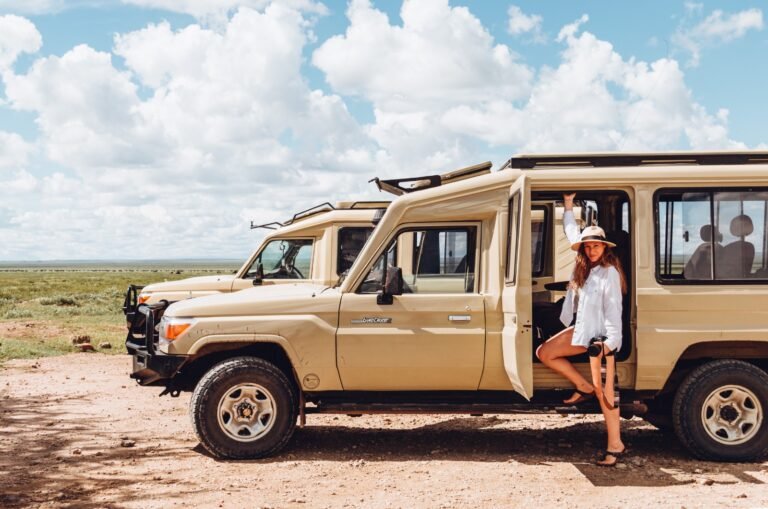
Nov 2, – 1 Day Lake Manyara Group Joining Safari: Plan & Logistics 2026
A practical guide to the November 2, 2026, group-joining safari to Lake Manyara. Learn about the logistics, the benefits of shared transport, and how to book your spot with Climb 4 Africa.
View package detailsKilimanjaro Group Climbing Tours : Join Scheduled Departures 2027
A guide for US travelers planning a Kilimanjaro climb in 2027, focusing on the logistical, financial, and social advantages of joining scheduled group departures.
View package details
Kilimanjaro Climb : Guided Group Tours & Planning Guide 2026-2027
A deep look at planning your 2027 Kilimanjaro expedition. Learn why guided group tours are the preferred choice for safety, logistics, and shared camaraderie on the roof of Africa.
View package detailsKilimanjaro Guided Group Trips – Irish Traveller Guide 2027
- Kilimanjaro Guided Group Trips – Irish Traveller Guide is explained with current 2027 planning, price, itinerary and booking information.
View package detailsKilimanjaro Group Departures July And August 2027
- Kilimanjaro Group Departures July and August 2027 is explained with current 2027 planning, price, itinerary and booking information.
View package detailsKilimanjaro Group Trekking Holidays 2027
- Kilimanjaro Group Trekking Holidays 2027 is explained with current 2027 planning, price, itinerary and booking information.
View package details
Kilimanjaro Airport To Zanzibar Flights: Ticket Prices & Airlines 2026-2027
A practical guide to flying from Kilimanjaro International Airport (JRO) to Zanzibar, covering airline choices, baggage logistics for climbers, and how to book your connection.
View package detailsZanzibar To Ruaha National Park Fly-In Safari: Prices & Booking Guide
A practical guide to planning a fly-in safari from Zanzibar to Ruaha National Park, covering flight logistics, itinerary choices, and how to book with Climb 4 Africa.
View package detailsKilimanjaro Climb August : Dates And Costs Planning Guide 2026-2027
Expert guide to planning a Kilimanjaro expedition in August 2027. We break down the logistics, cost factors, route choices, and seasonal weather patterns for your summit attempt.
View package detailsNo related package matches those filters. Clear one or more filters to see the other topic-matched options.