Yes, late December can be a good time to start a calving-season safari in Tanzania, especially if you’re interested in seeing newborn wildlife and experiencing fewer crowds in certain areas, though it falls just before the peak calving season in some regions. It offers a blend of good wildlife viewing opportunities as animals prepare for and begin calving, combined with generally pleasant weather across many popular safari destinations. For 2026 and 2027, planning around this period allows for a unique perspective on the circle of life in the wild.
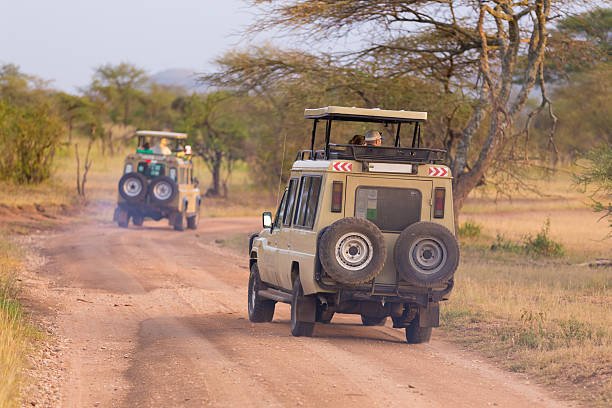
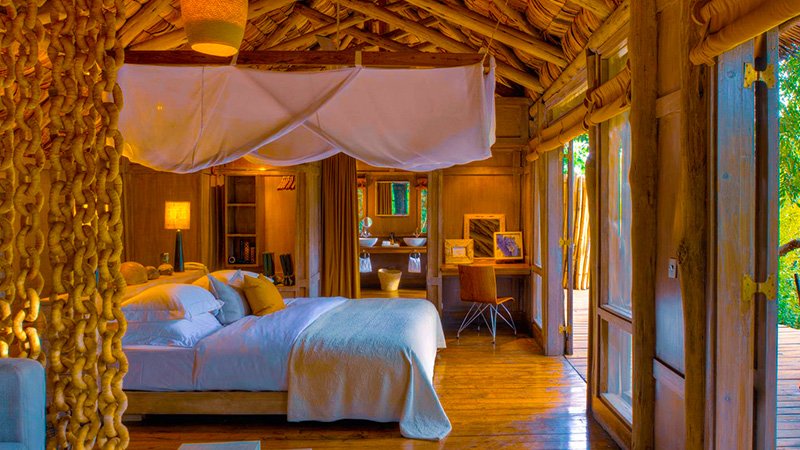
Late December Safari: An Overview for Calving Season Enthusiasts
Starting a safari in late December presents a compelling proposition for travelers keen on witnessing the initial stages of Tanzania’s calving season. While the absolute peak of calving for some species, particularly wildebeest in the Serengeti, often stretches into February, the period around Christmas and New Year offers a unique window. You’ll find many animals beginning to give birth, leading to a heightened sense of activity and vulnerability in the ecosystem. This can translate into excellent predator-prey interactions and a palpable sense of renewal across the landscape. For those planning a 2026 or 2027 safari, understanding these nuances is key to setting the right expectations.
Late December falls within the transition from the dry season to the short rains (Vuli rains), which typically begin around November and can extend into January. This can mean varied weather conditions, from clear, sunny days to occasional brief showers. However, these rains often rejuvenate the landscape, bringing fresh greenery, especially in the southern and western parts of the country, which can attract grazers. The combination of this emerging green flush and the commencement of calving means you might find herds congregating in areas with new growth, making them easier to locate. Furthermore, late December is often considered a shoulder season for some parts of Tanzania, potentially meaning fewer crowds compared to the peak dry season months of July to October, offering a more intimate wildlife viewing experience.
When considering a late December safari, it’s important to differentiate between the general calving season and the specific migrations. The Great Migration, with its dramatic river crossings, is typically in the western or central Serengeti during this time, while the calving grounds are often in the southern Serengeti. However, smaller herds and other species throughout Tanzania’s parks will be entering their reproductive cycles. This means you’re not just looking for wildebeest calves; you’re observing the broader reproductive efforts of antelopes, zebras, and other herbivores across various ecosystems. The opportunity to witness these early births, alongside the general abundance of resident wildlife, makes late December a viable and often rewarding choice for a calving-focused safari in 2026 or 2027.
This period also offers advantages for photographic opportunities. The softer light during the early rains, combined with lush, green landscapes, can create stunning backdrops. While dust might be less of an issue than in the dry season, occasional rain can mean muddy tracks, which guides are adept at navigating. The increased presence of young, less experienced animals can also lead to more dynamic wildlife sightings, including playful interactions and hunting attempts by predators.
In essence, a late December safari for calving season is about embracing a time of transition and new beginnings. It offers a different, perhaps more nuanced, experience than the dramatic peaks of other seasons. It requires a willingness to adapt to potentially varied weather and to appreciate the subtle yet significant signs of life re-emerging across Tanzania’s iconic landscapes. For 2026 and 2027, it represents an excellent opportunity for those seeking a less predictable, yet deeply rewarding, wildlife encounter.
Understanding Tanzania’s Calving Season Dynamics
Tanzania, a vast and ecologically diverse nation, hosts several distinct calving seasons, each influenced by rainfall patterns, food availability, and the specific reproductive cycles of its wildlife. The most famous, of course, is the wildebeest calving season in the Serengeti, but it’s crucial to understand that this is just one piece of a much larger natural puzzle. For travelers targeting late December, grasping these broader dynamics helps in selecting the right parks and setting realistic expectations.
The iconic wildebeest calving season in the Serengeti typically occurs between January and March. During this period, the southern Serengeti plains become a nursery, with hundreds of thousands of wildebeest giving birth. The calves are born strong and can stand and run within minutes, a vital adaptation for survival against predators. However, the lead-up to this intense period is just as significant. In late December, many female wildebeest and zebras will be nearing the end of their gestation periods. This means you’ll see pregnant females, and the very first calves may start to appear, especially towards the end of the month. The presence of these vulnerable newborns immediately attracts predators like lions, cheetahs, hyenas, and wild dogs, making for incredibly dynamic viewing.
Beyond the Great Migration, other species have their own calving cycles. Antelopes such as impalas, gazelles, and dik-diks often have more extended birthing periods, with new arrivals possible throughout the year, but with concentrations often aligning with periods of good forage. For instance, after the short rains (Vuli) in late December and January, the vegetation flushes, providing ample food for nursing mothers and young. This can lead to increased sightings of newborn antelopes in parks like Tarangire, Lake Manyara, and the Ngorongoro Conservation Area.
Giraffes, with their long gestation periods, tend to calve year-round, but observations suggest peaks in certain months. A late December safari might coincide with younger giraffes learning to navigate the world, often staying close to their mothers. Elephants, known for their extended family structures and long reproductive cycles, also calve throughout the year, with calves of various ages frequently seen alongside their herds. The presence of young elephants is a constant feature in many Tanzanian parks, adding to the overall richness of sightings.
Predators often time their reproductive efforts to coincide with the availability of young prey. While the main calving events for herbivores draw the most attention, the increased vulnerability of newborns across multiple species in late December means predators are actively hunting. This creates a thrilling, albeit sometimes confronting, spectacle of the circle of life in action. Lions might be seen with cubs, cheetahs on the hunt for young gazelles, and hyenas scavenging or bringing down larger prey.
It’s also important to consider the impact of the short rains (Vuli) on wildlife behavior and viewing. These rains, which often occur in late December, bring life to the landscape. Grasses grow, waterholes replenish, and the overall environment becomes more vibrant. While short, these rains can make certain areas more accessible and can concentrate animals as they seek out the best grazing. For a 2026 or 2027 safari, understanding that late December is a period of *beginning* for many calving events, rather than the absolute peak for all species, is crucial for managing expectations and appreciating the full spectrum of wildlife activity.
Wildlife Highlights in Late December: What to Expect
When embarking on a late December safari in Tanzania, particularly with the aim of witnessing calving season, the wildlife highlights are varied and offer a distinct experience from other times of the year. While the dramatic herds of the Great Migration’s peak calving season are yet to fully descend upon the southern Serengeti plains, the preceding weeks are teeming with life and anticipation.
One of the most significant draws in late December is the arrival of the first newborn wildebeest and zebra calves. These early arrivals, often born to females who are more experienced or have found particularly rich grazing patches, are incredibly vulnerable. You’ll witness them taking their first wobbly steps, often within minutes of birth, and staying exceptionally close to their mothers. This increased vulnerability means predators are on high alert. Look for lion prides with new cubs, cheetahs actively hunting young gazelles, and hyena clans with their own pups emerging from dens. The sight of a lioness with tiny cubs, or a cheetah expertly stalking a fleet-footed youngster, is a powerful reminder of the harsh realities and beautiful cycles of nature.
Beyond the famous migration species, late December is a prime time for observing newborn antelopes across various parks. Impalas, Thomson’s gazelles, Grant’s gazelles, and dik-diks often have concentrated birthing periods that align with periods of good forage. The short rains in late December can lead to lush new grass, making these herbivores more active and visible. You might see mothers with their spotted fawns, often well-camouflaged against the emerging greenery. These young animals are playful, curious, and a constant source of joy for safari-goers.
Birdlife also experiences a surge in activity during this period. As the rains arrive, many resident birds begin their breeding plumage, and migratory birds are present. The landscape becomes alive with birdsong, and you might witness courtship displays and nest-building. This makes late December an excellent time for birdwatchers, even if their primary focus is on mammals.
Predator-prey interactions are particularly engaging. The presence of young, inexperienced animals means predators have a higher success rate. You could witness thrilling chases, successful hunts, and the subsequent feeding frenzies. It’s a raw and compelling display of the natural world. Keep an eye out for leopards, often solitary hunters, who may be bringing down smaller prey to feed themselves and potentially their own young, who might be hidden in a den.
Even the larger herbivores, like elephants and giraffes, often have calves of varying ages present. You’ll see mother elephants protectively guiding their young, and young giraffes, still gangly and awkward, learning to keep pace with their mothers. These sightings, while perhaps less dramatic than a major calving event, offer intimate glimpses into family dynamics and the nurturing aspects of the wild.
In parks like Tarangire National Park, the landscape is often dotted with fresh greenery after the Vuli rains, attracting elephants and various antelope species. Lake Manyara National Park, with its diverse habitats, can also host a good number of newborns. The Ngorongoro Conservation Area, with its rich grasslands and abundant prey, is a reliable place to spot predators and their young. Even if the Serengeti’s southern plains are not yet at their absolute densest with calving wildebeest, the surrounding areas and other parks offer a rich mix of life and new beginnings.
For those planning a 2026 or 2027 safari, late December offers a unique blend: the anticipation and very first arrivals of major calving events, combined with the general abundance of resident wildlife and their young. It’s a time of hope and renewal in the African bush.
Weather Patterns for Your Late December Safari
Understanding the weather patterns for a late December safari in Tanzania is crucial for packing appropriately and managing expectations. This period marks a transition, moving from the dry season towards the rainy season, specifically the short rains, often referred to as ‘Vuli’. This transition brings a mix of conditions that can influence your safari experience.
Generally, late December sees the onset of the short rains, which typically begin around November and can extend through January. These rains are usually characterized by brief, localized showers rather than prolonged downpours. You might experience sunny mornings and afternoons, followed by a refreshing rain shower in the late afternoon or evening, often clearing up by morning. This means you should be prepared for both sunshine and rain.
Temperatures during late December are usually pleasant across most safari destinations. In the northern circuit parks like the Serengeti, Ngorongoro, Tarangire, and Lake Manyara, daytime temperatures can range from the mid-20s to low 30s Celsius (mid-70s to high 80s Fahrenheit). Evenings and early mornings can be cooler, especially at higher altitudes like the Ngorongoro Crater rim, where temperatures can drop to around 10-15 Celsius (50-60 Fahrenheit). It’s advisable to pack layers to accommodate these temperature fluctuations.
The short rains, while not as intense as the long rains (Masika) that occur from March to May, do have a significant impact on the landscape. They bring a much-needed flush of green growth to the vegetation, transforming the typically dry savanna into a more vibrant, lush environment. This new growth attracts herbivores and can lead to increased wildlife activity as they take advantage of the fresh grazing and water.
However, the rains can also affect road conditions. Tracks within the parks can become muddy and slippery, potentially making some areas less accessible or slowing down game drives. Experienced safari operators, like Climb 4 Africa, are well-versed in navigating these conditions and will have appropriate 4×4 vehicles equipped for off-road travel. They will also adjust itineraries if certain roads become impassable.
For those specifically interested in calving season, the timing of the rains is important. The Vuli rains often precede or coincide with the initial stages of calving for many species. This means that by late December, you might find fresh grass and water sources that are attracting pregnant females and supporting the very first newborns. The combination of greenery and young animals can create very picturesque and rewarding photographic opportunities.
When planning for a 2026 or 2027 safari, it’s wise to check more specific long-range forecasts closer to the time, but general patterns hold. The key is to be prepared for variability. Pack lightweight, quick-drying clothing, a good waterproof jacket, and sturdy, comfortable walking shoes. Sun protection, including a hat, sunglasses, and high SPF sunscreen, remains essential due to the equatorial sun.
In summary, late December offers a climate that is generally agreeable for safaris, characterized by warm days, cooler nights, and the intermittent, refreshing Vuli rains. This weather contributes to a revitalized landscape and supports the burgeoning wildlife activity associated with the onset of calving season, making it a potentially rewarding time to visit for those who appreciate nature’s cycles.
Comparing Late December to Peak Calving Months
When deciding if late December is the optimal time for your Tanzanian safari focused on calving season, it’s beneficial to compare it with the months typically considered the absolute peak. This comparison helps in setting expectations and understanding the unique advantages and trade-offs of visiting in late December versus, say, January or February.
Late December: The Dawn of Calving Season
* Pros:
* Fewer Crowds: Generally, late December sees fewer tourists than the peak dry season (July-October) or the absolute peak of the calving season in February. This can lead to a more exclusive and intimate wildlife viewing experience. For 2026 and 2027, booking early for late December might secure better lodge availability and potentially more personalized service.
* Emerging Greenery: The onset of the short rains (Vuli) often brings a refreshing green flush to the landscape, creating beautiful backdrops and attracting herbivores. This can make spotting animals easier in certain areas.
* Initial Calving Activity: You’ll witness the very first newborns of many species, offering a glimpse into the start of the reproductive cycle. This can include early wildebeest calves in the Serengeti and newborn antelopes across parks.
* Predator Activity: With the first vulnerable calves appearing, predators become highly active, increasing the chances of witnessing dramatic hunting sequences.
* Pleasant Temperatures: Days are generally warm but not excessively hot, and evenings are cooler, making for comfortable game drives.
* Cons:
* Rainfall: The Vuli rains, while often brief, can lead to muddy tracks and occasional disruptions to game drives. Some remote areas might be less accessible.
* Not Peak Numbers: While calving begins, the massive congregations of wildebeest and zebra in the southern Serengeti, characteristic of the peak calving season, may not have fully formed yet. The sheer numbers will be lower compared to January-March.
* Great Migration Location: During late December, the Great Migration is typically in the western or central Serengeti, moving towards the southern plains. River crossings are unlikely during this period.
January to March: The Heart of Calving Season (Especially for Wildebeest)
* Pros:
* Massive Calving Events: The southern Serengeti plains are teeming with hundreds of thousands of wildebeest and zebras, with newborns appearing daily. This is the prime time for witnessing the sheer scale of the phenomenon.
* Concentrated Wildlife: The abundance of prey in the southern Serengeti draws a huge concentration of predators, leading to unparalleled predator-prey interactions.
* Abundant Young Wildlife: Across all parks, this period often signifies peak birthing for many species, meaning a high density of young, playful animals.
* Green Season Beauty: The landscape is lush and vibrant, offering excellent photographic opportunities with good light and greenery.
* Cons:
* Higher Tourist Numbers: These months, especially February, are very popular, and parks can be more crowded. Booking well in advance for 2026 or 2027 is essential.
* More Rainfall: While still often characterized by showers, there’s a higher chance of more sustained rain compared to late December.
* Potential for Muddy Roads: Similar to late December, but potentially more pronounced, leading to accessibility issues in some areas.
* Higher Prices: Due to demand, lodge and tour prices might be higher during these peak months.
What This Means for Your Decision:
If your primary goal is to witness the absolute peak of the wildebeest calving spectacle, with the largest numbers and most intense predator activity centered around those herds, then January to March is likely your best bet. However, if you are interested in seeing the early stages of calving across various species, appreciate a more tranquil safari experience with fewer vehicles, and enjoy a landscape coming alive with fresh greenery, then late December is an excellent choice. For 2026 and 2027, late December offers a unique perspective on the beginning of life’s cycle, with the promise of incredible sightings without the peak season crowds.
It’s also worth noting that Tanzania has diverse ecosystems. While the Serengeti’s wildebeest are the most famous, calving occurs in other parks too. Late December might be particularly good for seeing newborn antelopes in areas like Tarangire or the Ngorongoro Crater, where resident populations are high and the Vuli rains are beneficial.
Ultimately, the ‘best’ time depends on your priorities. Late December provides a rich, albeit slightly less dramatic, calving-season experience that many travelers find incredibly rewarding. It’s a time of renewal, anticipation, and the subtle yet profound beauty of new life emerging in the wild.
Popular Destinations for Late December Safaris
When planning a late December safari in Tanzania, especially with an interest in calving season and experiencing the country’s diverse wildlife, several key destinations stand out. While the southern Serengeti is the focal point for the peak wildebeest calving, other parks offer fantastic viewing opportunities during this transitional period.
1. Serengeti National Park:
While the absolute peak of the wildebeest calving season is typically January-March, late December is when the herds begin to gather and the very first calves start to appear. The southern Serengeti plains are where these events predominantly unfold. By late December, migratory herds are often moving into this region from the central or western areas, preparing for the birthing. This means you’ll find pregnant females, early births, and increased predator activity as lions, cheetahs, and hyenas capitalize on the vulnerable newborns. Even if the sheer numbers aren’t at their zenith, the Serengeti in late December offers a spectacular introduction to calving season, with a good chance of seeing resident wildlife alongside the early migrants.
2. Ngorongoro Conservation Area:
Often referred to as the ‘eighth wonder of the world,’ the Ngorongoro Crater is a wildlife haven year-round. In late December, the lush grasslands within the crater floor, replenished by the short rains, support a dense population of herbivores. This makes it an excellent place to spot newborn wildebeest, zebras, gazelles, and other antelopes. The crater’s unique ecosystem also means predators, including lions, hyenas, and jackals, are always present and actively hunting. The enclosed nature of the crater often leads to higher concentrations of animals and excellent viewing opportunities, regardless of the broader migration patterns. For 2026-2027, the Ngorongoro offers reliable, high-density wildlife viewing.
3. Tarangire National Park:
Tarangire is renowned for its large elephant herds and iconic baobab trees. Late December falls within the park’s green season, meaning the landscape is revitalized by the Vuli rains. This fresh vegetation attracts a variety of herbivores, including wildebeest, zebras, impalas, and gazelles, many of whom will be calving. The park’s numerous water sources, replenished by the rains, also concentrate wildlife, making for excellent game drives. You can expect to see numerous young animals, playful calves, and their protective mothers. The birdlife is also particularly vibrant during this time.
4. Lake Manyara National Park:
This relatively small but diverse park offers a rich microcosm of Tanzanian wildlife. Known for its tree-climbing lions, large troops of baboons, and abundant birdlife, Lake Manyara’s ecosystem also supports numerous resident herbivores. In late December, the park’s woodlands and grasslands benefit from the short rains, providing good grazing for species like wildebeest, zebras, and various antelopes. This can lead to sightings of newborn fawns and calves, adding to the park’s already impressive wildlife density. The proximity to other northern circuit parks makes it a convenient addition to a late December itinerary.
5. Selous Game Reserve (Nyerere National Park):
While the northern circuit is most famous for the Great Migration and its calving events, southern Tanzania’s Selous Game Reserve (now Nyerere National Park) offers a different, more remote safari experience. Late December here is part of the wet season. While this can mean more challenging driving conditions in some areas, it also means a lush landscape and fewer tourists. Wildlife is abundant, and while not focused on the large migratory calving spectacle, you can still find newborn animals among the resident populations of elephants, giraffes, buffaloes, and various antelopes. Boat safaris on the Rufiji River are particularly rewarding during this time.
When planning your 2026 or 2027 late December safari, consider combining destinations to get a varied experience. For instance, a Serengeti and Ngorongoro combination offers both the migratory elements and the concentrated wildlife of the crater. Adding Tarangire provides a different landscape and excellent elephant viewing. Each park has its unique charm and wildlife offerings during this exciting time of year, making late December a viable and often beautiful period for a Tanzanian adventure.
Planning Your 2026-2027 Late December Safari
Planning a successful safari, especially one timed for the beginning of calving season in late December, requires careful consideration of several factors. For your 2026 or 2027 adventure, approaching the planning process systematically will ensure you make the most of this unique time of year.
1. Define Your Priorities:
* Calving Focus: Are you specifically aiming to see the very first wildebeest calves in the Serengeti, or are you interested in the broader phenomenon of newborn animals across various species in different parks?
* Wildlife Variety: Do you want to focus solely on the Serengeti, or are you keen to experience diverse landscapes and wildlife in parks like Tarangire, Ngorongoro, or even potentially Selous?
* Crowd Tolerance: While late December is generally less crowded than peak season, some areas will be busier. Decide how important exclusivity is to you.
* Budget: Late December can be a good value period, but prices can fluctuate. Knowing your budget early helps in selecting accommodation and safari style.
2. Itinerary Design:
* Duration: A typical Tanzanian safari ranges from 5 to 10 days, but for calving season, aiming for at least 7-10 days allows for deeper exploration of one or two key areas.
* Park Combinations:
* Classic Northern Circuit: A popular choice for late December is combining the Serengeti (focusing on the southern plains if possible) with the Ngorongoro Crater and Tarangire National Park. This offers a great mix of migration elements, dense wildlife, and diverse landscapes.
* Serengeti Deep Dive: If calving is your absolute priority, spending more time in the Serengeti, perhaps splitting time between central and southern areas, can be very rewarding.
* Pace: Avoid trying to cram too many parks into a short trip. A slower pace allows for more relaxed game drives and a better chance of encountering wildlife.
3. Accommodation Choices:
* Lodges vs. Tented Camps: Both offer unique experiences. Lodges provide more permanent comfort, while tented camps offer a closer-to-nature feel. Mobile tented camps in the Serengeti can be strategically located to follow the migration or calving herds.
* Location: For calving season, consider lodges or camps located in or near the southern Serengeti plains for the best chance of witnessing early births and predator activity. In Ngorongoro, staying on the crater rim or nearby offers convenience.
* Luxury vs. Budget: Options range from ultra-luxury lodges to more affordable tented camps and even budget-friendly options. Your choice will significantly impact the overall cost.
4. Transportation and Logistics:
* Vehicle Type: A 4×4 safari vehicle is essential for navigating Tanzanian parks, especially during the rainy season. Ensure your operator provides a well-maintained vehicle with pop-up roofs for optimal viewing.
* Flights: Internal flights between parks can save significant driving time, though they add to the cost. For late December, consider if flights are necessary or if driving is preferable to enjoy the landscape changes.
* Guides: An experienced, knowledgeable local guide is invaluable. They understand animal behavior, track animals effectively, and can provide insights into the ecosystem and culture.
5. Packing Essentials:
* Clothing: Lightweight, neutral-colored clothing (khaki, beige, olive green). Include layers for cooler mornings and evenings (fleece or jacket). A good waterproof jacket is essential due to the Vuli rains.
* Footwear: Comfortable, closed-toe shoes are a must. Hiking boots are useful if you plan any walking safaris.
* Sun Protection: High SPF sunscreen, a wide-brimmed hat, and sunglasses are critical.
* Insect Repellent: Especially important during the green season.
* Camera Gear: Binoculars, camera with a good zoom lens, and extra batteries/memory cards.
* Health: Consult your doctor about malaria precautions and any necessary vaccinations. Carry a basic first-aid kit.
6. Booking for 2026-2027:
* Early Booking: For travel during the popular holiday period of late December, booking at least 6-12 months in advance is highly recommended, especially for 2026 and 2027. This secures your preferred accommodation and safari dates.
* Operator Choice: Partner with a reputable local tour operator like Climb 4 Africa. They have in-depth knowledge of the parks, seasonal variations, and can tailor an itinerary to your specific interests, ensuring practical support throughout your trip.
* What to Confirm: Before booking, clarify what is included in your package (accommodation, meals, park fees, guide, vehicle, activities) and what is excluded (international flights, visas, tips, personal insurance, drinks).
Planning your late December safari for 2026 or 2027 is an exciting prospect. By focusing on your priorities and working with experienced local experts, you can craft an unforgettable journey to witness the magical beginnings of Tanzania’s calving season.
Booking Considerations for Late December 2026-2027
Booking your late December 2026 or 2027 safari requires attention to detail, particularly given that this period coincides with the festive season and the start of a significant wildlife event. Making informed decisions early will ensure a smoother and more rewarding experience.
1. Tour Operator Selection:
Choosing the right tour operator is paramount. For a calving-season safari in late December, a company with deep local knowledge and expertise in Tanzania is essential. Look for operators who:
* Specialize in Tanzanian safaris.
* Have a strong understanding of seasonal wildlife movements and calving patterns.
* Offer flexible itinerary planning to cater to your specific interests.
* Provide well-maintained 4×4 safari vehicles and experienced, licensed guides.
* Have a clear pricing structure and transparent inclusions/exclusions.
Climb 4 Africa, with its extensive experience in Kilimanjaro climbs and Tanzania safaris, is well-positioned to help you plan a late December calving safari. They can advise on the best parks, optimal itineraries for 2026-2027, and ensure logistical details are handled efficiently.
2. Timing Your Booking:
* Advance Booking is Crucial: Late December is a popular travel period globally due to holidays. For safaris, especially in sought-after areas like the Serengeti and Ngorongoro, booking at least 9-12 months in advance for 2026 and 2027 is highly recommended. This is particularly true for specific lodges or tented camps that have limited availability.
* Flexibility: If your dates are flexible within late December or early January, you might find slightly better availability or pricing, but the core period remains popular.
3. Understanding Pricing and Inclusions:
Safari costs can vary significantly based on accommodation level, vehicle type (private vs. shared), duration, and park fees. For a late December 2026-2027 safari:
* Peak Season Surcharges: Some lodges and camps may impose peak season or Christmas/New Year surcharges. Ensure these are clearly communicated and included in quotes.
* Key Inclusions to Verify:
* Accommodation (lodges/camps)
* All meals (breakfast, lunch, dinner)
* Park entrance fees (these are substantial and often a large part of the cost)
* Game drives in a 4×4 vehicle with a professional guide
* Airport transfers
* Bottled water during game drives
* Common Exclusions: International flights, visa fees, travel insurance, tips for guides and staff, alcoholic and soft drinks, laundry, and any personal expenses.
4. Payment Schedule:
Reputable operators typically require a deposit (often 20-50%) at the time of booking to secure services, with the balance due 45-60 days before your safari start date. For 2026-2027 bookings, confirm the exact payment schedule.
5. Travel Insurance:
Comprehensive travel insurance is non-negotiable. Ensure it covers:
* Trip cancellation and interruption.
* Medical emergencies and evacuation (including remote areas).
* Lost or delayed baggage.
* COVID-19 related issues (if applicable).
6. Visas and Vaccinations:
* Visas: Check the latest visa requirements for Tanzania for your nationality. Many nationalities can obtain a visa on arrival or apply online in advance.
* Vaccinations: Consult your doctor or a travel clinic regarding recommended vaccinations and malaria prophylaxis. Yellow fever vaccination may be required if arriving from or transiting through a country with a risk of yellow fever transmission.
7. Communication:
Establish clear communication channels with your chosen operator. For prompt assistance and inquiries regarding your 2026-2027 late December safari, you can reach Climb 4 Africa via:
* WhatsApp: +255 747 477 898
* Email: climb4africa@gmail.com
When contacting them, be prepared to provide details such as your preferred travel dates (late December 2026/2027), number of travelers, desired safari style (e.g., private, group), and any specific interests (like calving season).
By addressing these booking considerations well in advance, you can secure a fantastic late December safari in Tanzania for 2026 or 2027, focusing on the exciting early stages of calving season with peace of mind.
FAQs About Late December Safaris
Q1: Is late December a good time to see the Great Migration in the Serengeti?
A1: In late December, the Great Migration herds are typically starting to move towards the southern Serengeti plains, their traditional calving grounds. While you may encounter large numbers of wildebeest and zebras in the Serengeti during this time, the absolute peak of the calving season, with the highest density of newborn calves and intense predator activity, usually occurs from January to March. However, late December offers a great opportunity to see the herds gathering and the very first births.
Q2: What is the weather typically like in Tanzania in late December?
A2: Late December falls within the ‘Vuli’ or short rains season. Expect warm days, with temperatures often in the mid-20s to low 30s Celsius (70s-80s Fahrenheit), and cooler evenings. The rains are usually brief and localized, often occurring in the late afternoon or evening, leaving mornings and afternoons clear. It’s advisable to pack layers and waterproof gear.
Q3: Will I see newborn animals if I go on safari in late December?
A3: Yes, late December is the beginning of the calving season for many species. You are likely to see the first newborn wildebeest, zebras, and various antelopes, especially in the southern Serengeti and other grazing areas that benefit from the early rains. The presence of these vulnerable young animals also means increased predator activity.
Q4: Are late December safaris more expensive than other times of the year?
A4: Late December is considered a popular travel period due to the holidays, and some lodges may implement peak season or Christmas/New Year surcharges. However, it generally falls outside the absolute peak dry season (July-October), so prices might be more moderate than July-October or the peak calving months of January-February for some operators and accommodations. Booking well in advance for 2026-2027 is recommended to secure the best rates and availability.
Q5: Which parks are best for a late December safari focused on calving?
A5: The Serengeti National Park, particularly the southern plains, is the prime destination for wildebeest calving. The Ngorongoro Conservation Area offers dense wildlife populations and good chances of seeing newborns. Tarangire National Park and Lake Manyara National Park also benefit from the short rains, attracting herbivores and their young. Your choice might depend on whether you prioritize the migration’s initial stages or a broader variety of wildlife in different landscapes.
Q6: Is it possible to combine a late December safari with a Kilimanjaro climb?
A6: Yes, it’s absolutely possible. Many travelers combine a safari with a Kilimanjaro climb. Late December can be a viable time for climbing Kilimanjaro, though weather can be variable. It’s crucial to plan the logistics carefully, ensuring enough time for both activities and acclimatization. Operators like Climb 4 Africa can arrange combined packages for 2026-2027.
Q7: What should I pack for a late December safari?
A7: Pack lightweight, neutral-colored clothing suitable for warm weather, plus layers for cooler mornings/evenings (fleece, jacket). A good waterproof jacket is essential due to the short rains. Include comfortable closed-toe shoes, a wide-brimmed hat, sunglasses, high SPF sunscreen, insect repellent, and a good camera with binoculars. Always consult your tour operator for a detailed packing list.
Q8: How far in advance should I book my late December 2026 or 2027 safari?
A8: Given that late December is a popular travel window and calving season is a sought-after wildlife event, booking 9-12 months in advance is strongly advised for 2026 and 2027 to secure preferred lodges, camps, and safari dates.
Check Availability for Is Late December A Good Time To Start A Calving-Season Safari In Tanzania?
Ready to compare dates, prices, and the best option for your group? Send the package name and travel month so the team can reply with a clear quote, availability, and what is included.
_1_John_from-rednote-web-768x1024.jpg)
Ndutu Airstrip Flights: Prices, Airlines & Calving Season Safari 2027
Ndutu Airstrip Flights: Prices, Airlines & Calving Season Safari is explained with current 2027 planning, price, itinerary and booking information.
View package details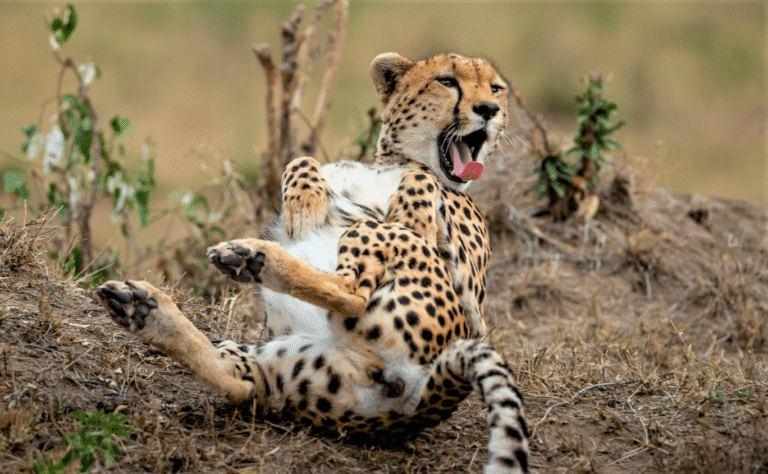
Dec 29, – 6 Day Ndutu, Serengeti And Ngorongoro Group Safari 2026
A detailed guide to our 6-day group safari departure on December 29, 2026, focusing on the Ndutu plains, the Serengeti, and the Ngorongoro Crater.
View package details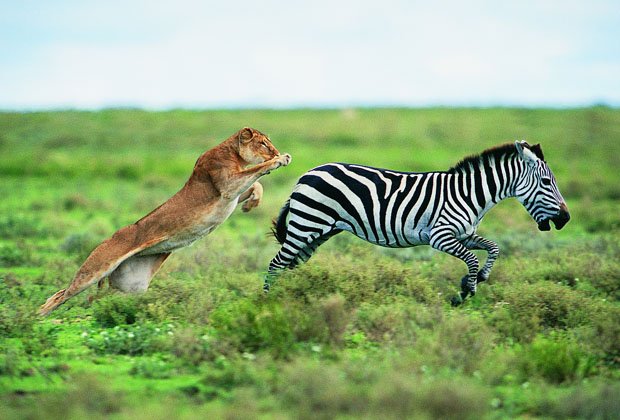
Dec 28, – 5 Day Ndutu Migration And Ngorongoro Group Safari 2026
Join a small group for a 5-day safari departing December 28, 2026, targeting the Ndutu region for the start of the calving season and the Ngorongoro Crater.
View package details
8 Day Serengeti And Ngorongoro Group Safari – December 16, 2026
Planning your December 2026 Tanzanian adventure? Our 8-day group safari offers a deep, unhurried exploration of the Serengeti and Ngorongoro Crater.
View package details
December Tanzania Group Joining Safari Dates And Prices: Best Guide 2026
A detailed guide on planning your December 2026 Tanzania safari, covering group joining logistics, cost considerations, and how to prepare for this peak travel window.
View package detailsDec 13, – 2 Day Nyerere Fly-In Group Safari From Zanzibar 2026
A detailed guide to the December 13, 2026 group fly-in safari from Zanzibar to Nyerere National Park, covering the itinerary, logistics, and planning for your trip.
View package details
Dec 5, – 1 Day Mikumi Fly-In Group Safari From Zanzibar 2026
A practical guide to the December 5, 2026, group fly-in safari to Mikumi National Park. Learn about the itinerary, group logistics, and how to book your seat.
View package details
Nov 15, – 2 Day Mikumi Fly-In Group Safari From Zanzibar 2026
A practical guide and booking overview for the November 15, 2026, group fly-in safari to Mikumi National Park, departing from Zanzibar.
View package details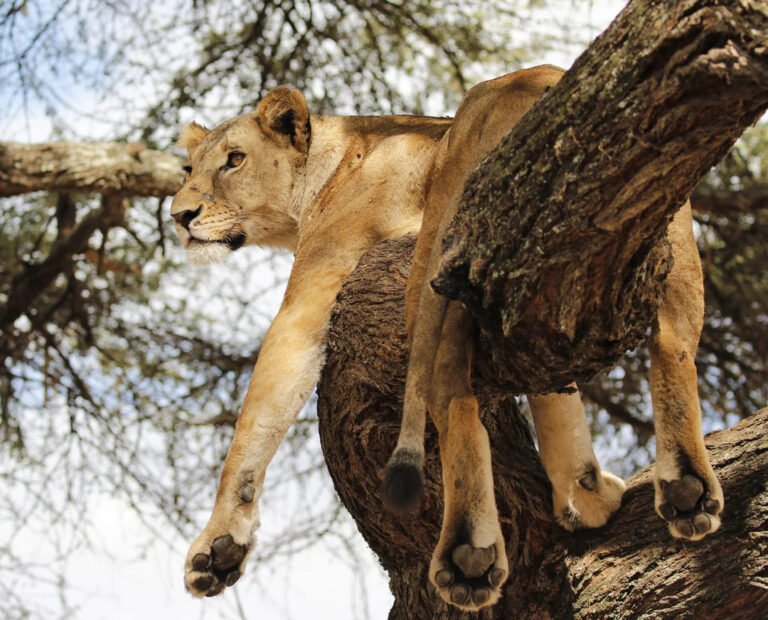
Dec 25, – 5 Day Christmas Tanzania Group Joining Safari 2026
Celebrate Christmas in the heart of the Tanzanian wilderness. Join our 5-day group safari departing December 25, 2026, and experience the iconic Northern Circuit.
View package detailsDec 21, – 2 Day Mikumi Christmas Group Safari From Dar Es Salaam 2026
Celebrate the festive season with a 2-day group safari to Mikumi National Park, departing from Dar es Salaam on December 21, 2026. Perfect for travelers seeking a quick wildlife escape.
View package detailsDec 18, – 9 Day Tanzania Wildlife And Cultural Group Safari 2026
A deep look at our 9-day wildlife and cultural group safari departing December 18, 2026. This trip balances classic Northern Circuit game viewing with genuine cultural engagement.
View package detailsDec 14, – 7 Day Complete Tanzania Northern Circuit Group Safari 2026
Planning for December 2026? Join our 7-day complete Tanzania Northern Circuit group safari. A deep look at the Serengeti, Ngorongoro, and Tarangire with expert, locally-led logistics.
View package detailsNo related package matches those filters. Clear one or more filters to see the other topic-matched options.