
Yes, combining the Ndutu migration with the Ngorongoro Crater is not only possible but highly recommended for a comprehensive and unforgettable Tanzania safari experience. These two destinations offer distinct yet complementary wildlife viewing opportunities, making their combination a cornerstone of many classic Northern Circuit itineraries. Planning this dual-destination trip allows you to witness the dramatic spectacle of the Great Migration in the Ndutu plains and then descend into the unique ecosystem of the Ngorongoro Crater, often within the same safari trip, especially during key migration months.
The Compelling Synergy: Why Combine Ndutu Migration and Ngorongoro Crater?
The decision to combine the Ndutu migration with the Ngorongoro Crater is a strategic one for any traveler seeking the quintessential Tanzanian safari. These two locations, while geographically close, offer vastly different yet equally spectacular wildlife encounters, creating a well-rounded and deeply satisfying journey. Ndutu, located in the Ngorongoro Conservation Area and bordering the Serengeti, is the heart of the Great Wildebeest Migration during its calving season. It’s a landscape defined by vast, open plains where millions of wildebeest, zebras, and gazelles gather for the dramatic birth of new life. This period is characterized by predator activity as lions, cheetahs, and hyenas seize the opportunity presented by the vulnerable newborns.
In contrast, the Ngorongoro Crater is a UNESCO World Heritage Site, a collapsed volcano caldera that forms a self-contained ecosystem teeming with wildlife year-round. Its unique topography means that predators and prey are concentrated within its walls, offering incredible chances to see the ‘Big Five’ – lion, leopard, elephant, rhino, and buffalo – often within a single day. The Ngorongoro Conservation Area itself is managed differently from the national parks, allowing Maasai communities to coexist with wildlife, adding a cultural dimension to the experience.
By weaving these two experiences together, a safari itinerary moves from the raw, dynamic spectacle of the migration in Ndutu to the concentrated, almost guaranteed wildlife sightings within the impressive caldera of Ngorongoro. This combination provides a powerful narrative arc for your safari: the epic journey and birth of life in Ndutu, followed by the pristine, abundant, and diverse ecosystem of the Ngorongoro Crater. For travelers planning their trips in 2026 or 2027, understanding this synergy is key to crafting an itinerary that maximizes your chances of witnessing Tanzania’s most iconic natural phenomena.
Understanding the Ndutu Migration: Births, Grasses, and Spectacle
The term ‘Ndutu migration’ specifically refers to the Great Migration’s presence in the Ndutu plains, which are part of the Ngorongoro Conservation Area (NCA) but are often considered the southern Serengeti ecosystem. This area is crucial because it hosts the calving season, a period of intense activity and a significant chapter in the life cycle of the millions of wildebeest and zebras that undertake this monumental journey.
Timing is Everything: When to See the Ndutu Migration
The most critical factor for witnessing the Ndutu migration is timing. The calving season typically runs from late January through March. During these months, the wildebeest, having completed their arduous journey north from the southern plains of the Serengeti, find the nutrient-rich grasses of Ndutu irresistible. This is where they come to give birth, with an estimated 300,000 to 400,000 calves born within a few weeks. This concentration of vulnerable young animals is a primary draw for predators, making it an exceptionally exciting time for wildlife viewing. Therefore, if your primary goal is to witness the calving spectacle, planning your safari for late January, February, or March is essential.
What to Expect in Ndutu: The Calving Season
A safari in Ndutu during the calving season is an experience of sheer abundance and raw nature. The plains are dotted with vast herds, creating a impressive visual. You can expect to see:
- Massive Herds: The sheer scale of the wildebeest and zebra populations is awe-inspiring.
- Calving Activity: Witnessing newborn wildebeest taking their first wobbly steps is a profound moment.
- Predator Action: Lions, cheetahs, hyenas, and jackals are highly active, preying on the young and the weak. This leads to dramatic predator-prey interactions.
- Birdlife: The area also attracts numerous migratory and resident bird species, especially during the wetter months.
- Open Plains: Ndutu’s landscape is characterized by short-grass plains, acacia woodlands, and kopjes, offering excellent visibility for spotting wildlife.
It’s important to note that while the calving is the main event, Ndutu is part of the larger migration path. Depending on rainfall patterns, some early departures or late arrivals of the herds might occur, but February is almost always peak calving season. For 2026 and 2027, these general timings are expected to hold true, though consulting with local experts closer to the date can provide the most current insights.
How Ndutu Fits into the Larger Migration Cycle
The Ndutu plains are a critical transit and birthing ground within the Great Migration’s annual circuit. The migration is a continuous movement of over 1.5 million wildebeest, hundreds of thousands of zebras, and various antelope species. They follow the rains in search of fresh grazing land. After the rains in the south, the grasses become lush in Ndutu, triggering the calving. As the dry season approaches and grasses are depleted, the herds begin to move northwards through the Serengeti, eventually crossing the Grumeti and Mara Rivers, before heading into Kenya’s Masai Mara.
Understanding this cycle is key to combining Ndutu with other areas. If you visit Ndutu in February, you’ll see the calving. By March or April, the herds will have largely moved north. However, if you are combining with the Ngorongoro Crater, which is a distinct ecosystem, the presence of the migration in Ndutu is the primary timing consideration for that specific part of your trip.
Exploring the Ngorongoro Crater: A Wildlife Haven
The Ngorongoro Crater offers a safari experience that is profoundly different from the vast plains of Ndutu, yet equally, if not more, rewarding in terms of concentrated wildlife viewing. It’s a natural amphitheater of biodiversity, a place where evolution has created an almost perfectly balanced ecosystem.
The Uniqueness of the Crater Ecosystem
What makes the Ngorongoro Crater so special is its geological formation and the resulting contained environment. It’s the world’s largest intact caldera, a massive volcanic depression spanning approximately 260 square kilometers (100 square miles). The crater floor is a mosaic of grasslands, swamps, acacia forests, and a soda lake, providing a diverse range of habitats that support an astonishing density of wildlife. Unlike the migratory nature of Ndutu, the crater’s boundaries mean that many animals remain within its confines year-round, leading to incredibly reliable sightings.
Wildlife Highlights in Ngorongoro
The Ngorongoro Crater is renowned for its high concentration of wildlife, making it a prime location to see the Big Five in a single day. Here’s what you can typically expect:
- The Big Five: Lions are abundant. Leopards are present but notoriously elusive. Elephants, including large bulls, inhabit the crater. Buffalo herds are common. Critically, the endangered Black Rhino has a protected population within the crater, offering a high chance of spotting these magnificent creatures.
- Other Mammals: Expect to see hippos in the swamps and lake, hyenas, cheetahs, wildebeest, zebras, various antelopes (like Thomson’s gazelles, Grant’s gazelles, waterbucks, and reedbucks), warthogs, and jackals.
- Birdlife: The crater is also a birdwatcher’s paradise, with flamingos often seen on the soda lake, along with numerous other species including ostriches, secretary birds, and various raptors.
The landscape itself is stunning, with the steep crater walls rising dramatically around you. The game drives here are often on the crater floor, offering intimate encounters with a vast array of animals.
Crater Logistics and Rules
Visiting the Ngorongoro Crater involves specific regulations designed to protect its fragile ecosystem:
- Entry and Exit: Vehicles must enter and exit the crater floor through designated gates.
- Time Limits: There are strict time limits for descending into the crater, typically a maximum of six hours for game drives. This is to minimize human impact and traffic.
- Vehicle Restrictions: Only a limited number of vehicles are allowed in the crater at any one time, and they must stay on designated tracks.
- No Off-Road Driving: Driving off-road is strictly prohibited.
- Littering: Littering is not permitted.
- Accommodation: Overnight stays within the crater itself are not allowed. Visitors must stay in lodges or camps on the crater rim or outside the conservation area.
These rules ensure that the Ngorongoro Crater remains a pristine wildlife sanctuary. Understanding these logistics is vital when planning your combined safari for 2026 or 2027.
Logistical Planning for Combined Ndutu and Ngorongoro Safaris
Successfully combining the Ndutu migration with the Ngorongoro Crater requires careful logistical planning. The proximity of these two areas within the Ngorongoro Conservation Area makes them ideal partners for a single safari, but the transitions and timing need to be managed effectively.
Travel Routes and Transitions
The typical flow for combining Ndutu and Ngorongoro is to move between them within the Ngorongoro Conservation Area. Assuming you are coming from Arusha or another Northern Circuit destination:
- Arrive in Ndutu: You would typically drive from Arusha (or fly into a nearby airstrip like Manyara or Seronera and then drive). Spend your allotted days exploring the Ndutu plains for the migration.
- Transfer to Ngorongoro: From Ndutu, you will drive towards the Ngorongoro Crater. This transfer itself is a scenic journey through the NCA. You might stop at viewpoints or visit a Maasai village en route if your itinerary allows.
- Crater Descent: You will then descend into the Ngorongoro Crater for your game drive.
- Crater Rim/Lodge: After your crater game drive (which typically lasts up to 6 hours), you will ascend and stay at a lodge or camp located on the crater rim or in the surrounding highlands.
- Departure: From the crater rim, you can either drive back to Arusha or take a flight from a nearby airstrip.
The distance between Ndutu and the crater rim is manageable, often taking 2-4 hours of driving, depending on road conditions and your exact location within Ndutu. This makes the transition smooth and efficient, minimizing travel time and maximizing wildlife viewing.
Optimal Safari Durations
To truly appreciate both Ndutu and Ngorongoro, a minimum of 4 to 5 nights is recommended for this combination:
- 2-3 nights in Ndutu: This allows sufficient time to witness the calving, predator activity, and the sheer scale of the migration herds.
- 1-2 nights in Ngorongoro: One full day dedicated to the Ngorongoro Crater descent is usually sufficient for most travelers to experience its highlights. An additional night on the rim offers relaxation and stunning views.
A longer safari of 6-7 nights would allow for a more relaxed pace, more time in each location, or the addition of other nearby attractions like Lake Manyara National Park or Tarangire National Park, further enriching your 2026-2027 safari adventure.
Accommodation Options: Lodges vs. Tented Camps
Your choice of accommodation significantly impacts the safari experience. For both Ndutu and Ngorongoro, you’ll find a range of options:
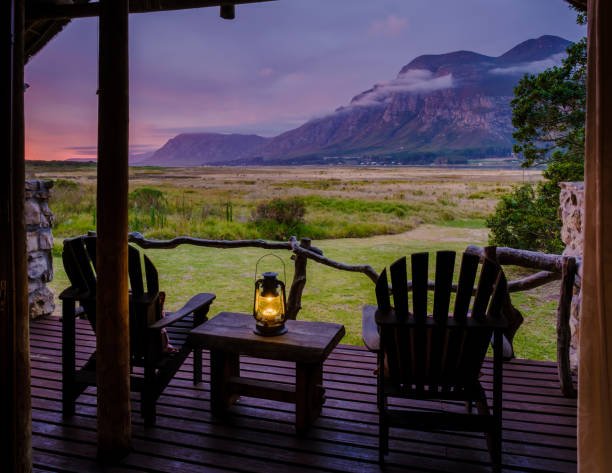
- Ndutu: This area is known for its excellent tented camps, from comfortable mid-range options to luxurious permanent camps. These offer an in-depth experience, allowing you to feel closer to the wilderness. Some mobile camps follow the migration, but fixed camps in the Ndutu region are popular during the calving season.
- Ngorongoro: Accommodation options are primarily on the crater rim or in the nearby Karatu highlands. Crater rim lodges offer unparalleled views and immediate access to the descent road, but are often more expensive. Karatu lodges provide a more secluded, often more luxurious, experience and require a drive to the crater floor each day.
When planning for 2026 or 2027, booking accommodation well in advance is crucial, especially for peak migration season (February-March) and popular lodges on the crater rim, as they have limited availability.
Best Time to Combine for 2026-2027
The absolute best time to combine Ndutu and Ngorongoro for the migration spectacle is during the calving season, which generally falls between late January and March. During these months:
- Ndutu: You will witness the peak of the wildebeest calving, with hundreds of thousands of newborns on the plains and abundant predator activity.
- Ngorongoro Crater: While the migration itself doesn’t pass through the crater, the rains in the surrounding areas during this time mean the crater floor is lush and green, supporting a high density of resident wildlife. The weather is also generally pleasant, though occasional showers are possible.
If your priority is not specifically the calving but rather seeing the general movement of the migration, other times of the year can also work, but you might miss the Ndutu calving spectacle. For example, heading north from Ndutu in April/May as the herds move towards the central Serengeti, or visiting the Serengeti in June/July/August for river crossings (though this is further north and less directly tied to Ndutu). However, for the direct combination of Ndutu and Ngorongoro, February and March 2027 (or 2026) are prime. Outside of this, you can still visit Ngorongoro Crater year-round for its resident wildlife, and Ndutu for its general wildlife populations, but the dramatic calving event would be missed.
Comparing Safari Styles: Ndutu vs. Ngorongoro
While both destinations are part of a Tanzanian safari, the experience of exploring Ndutu during the migration and descending into the Ngorongoro Crater differs significantly, catering to slightly different preferences and offering unique photographic opportunities.
Game Drive Experiences
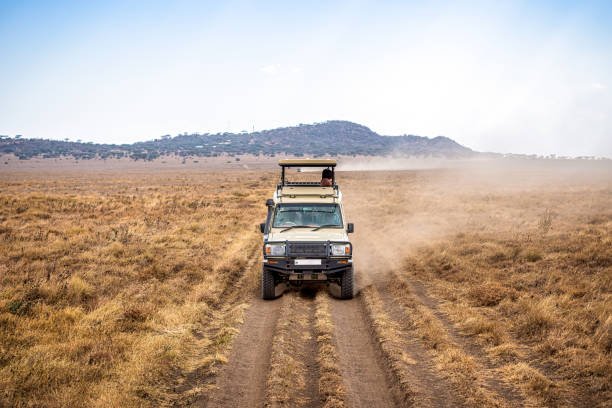
Ndutu: Game drives in Ndutu are characterized by the vastness of the landscape and the sheer scale of animal numbers. You’ll often drive for miles across open plains, encountering herds stretching to the horizon. The focus is on observing the dynamics of the migration, predator-prey interactions, and the dramatic birth of new life. Drives can involve following herds, waiting for predator action, or simply marveling at the spectacle. The terrain is generally flat and open, making it accessible.
Ngorongoro Crater: Game drives within the crater are more concentrated. The enclosed space means wildlife is densely packed. You’ll navigate tracks on the crater floor, often encountering animals at close range. The experience is more about spotting a variety of species in a relatively small area, including the elusive Black Rhino. The terrain varies from open grasslands to swamps and forests. Drives are typically limited to six hours, creating a focused and intense wildlife viewing period.
Photography Opportunities
Ndutu: Offers epic, sweeping landscapes. Photographers will love capturing the scale of the herds against the backdrop of the African savanna. The drama of predator kills, the tender moments of newborn animals, and the sheer movement of millions create compelling photographic narratives. The soft light of early mornings and late afternoons is ideal.
Ngorongoro Crater: Provides incredible opportunities for close-up shots due to the high density of animals and their relative lack of fear. The dramatic backdrop of the crater walls adds a unique dimension. Photographers can capture intimate portraits of the Big Five, the vibrant birdlife, and the unique flora. The enclosed nature means you’re often very close to the action.
Who Suits Which Experience?
Ndutu Migration:
- Travelers interested in the phenomenon of the Great Migration and its dramatic life-cycle events.
- Those who appreciate vast, open landscapes and the feeling of being amidst immense natural forces.
- Wildlife enthusiasts keen on observing predator-prey dynamics and the thrill of the hunt.
- Photographers looking for epic landscapes and large-scale wildlife scenes.
Ngorongoro Crater:
- Travelers seeking high chances of seeing the Big Five, including the Black Rhino, in a single day.
- Those who prefer concentrated wildlife viewing in a unique, contained ecosystem.
- Visitors interested in iconic African scenery with a dramatic geological backdrop.
- Photographers seeking close-up shots and diverse wildlife encounters within a compact area.
Combining them means you get the best of both worlds: the epic migration spectacle in Ndutu and the unparalleled wildlife density of the Ngorongoro Crater, ensuring a safari that is both grand in scale and intimate in its encounters. This combination is particularly well-suited for first-time visitors to Tanzania who want to experience its most famous wildlife attractions.
Practical Planning Tips for Your Safari
To ensure your combined Ndutu migration and Ngorongoro Crater safari in 2026-2027 is a resounding success, consider these practical planning tips:
Booking in Advance for 2026-2027
Tanzania’s prime safari destinations, especially the Ngorongoro Crater rim lodges and popular tented camps in Ndutu, book up months, and sometimes over a year, in advance. This is particularly true for peak seasons like the calving months (February-March) and the general dry season (June-October). For 2026 and 2027, especially if you have specific accommodation preferences or travel dates, it’s highly advisable to book your safari at least 6-12 months ahead. This secures your preferred lodges, vehicles, and guides, and allows for better itinerary customization.
What to Pack
Pack light, neutral-colored clothing. Avoid bright colors or dark colors like blue or black, which can attract tsetse flies and disturb wildlife. Essential items include:
- Lightweight, long-sleeved shirts and trousers (for sun and insect protection)
- T-shirts and shorts/skirts
- A warm fleece or jacket for cooler mornings and evenings, especially on the crater rim
- Comfortable walking shoes (though most safari activities are in vehicles)
- Sun hat, sunglasses, and high SPF sunscreen
- Insect repellent
- Binoculars (essential for wildlife spotting)
- Camera with extra batteries and memory cards
- Personal toiletries and any necessary medications
- A small backpack for day trips
Remember that most safari lodges and camps offer laundry services, so you don’t need to pack an outfit for every single day.
Health and Safety
Consult your doctor or a travel clinic 4-6 weeks before your trip regarding vaccinations and malaria prophylaxis. Tanzania is a malaria-risk area. Other precautions include:
- Drink bottled or purified water only.
- Wash hands frequently.
- Be cautious of insects, especially mosquitoes.
- Follow your guide’s instructions at all times for your safety around wildlife.
Understanding Park Fees
Park and conservation fees are a significant part of any Tanzanian safari cost. For the combined Ndutu and Ngorongoro experience, you will encounter fees for:
- Ngorongoro Conservation Area (NCA) fees: These cover entry into the NCA and the 6-hour crater service fee for your vehicle.
- Serengeti National Park fees: If your route involves driving through the Serengeti to reach Ndutu, or if you choose to spend time in the Serengeti itself, these fees will apply. Ndutu is technically within the NCA, but often the migration spectacle there is considered part of the broader Serengeti ecosystem experience.
These fees are typically paid per person, per day, and per vehicle. They are a substantial component of the overall safari package and are subject to change annually. It’s crucial to understand what is included in your safari quote regarding these fees for 2026-2027. Generally, reputable tour operators will include these in their package prices.
Customizing Your Safari with Climb 4 Africa
At Climb 4 Africa, we specialize in creating tailor-made Tanzanian safari experiences that perfectly blend iconic destinations like the Ndutu migration and the Ngorongoro Crater. We understand the nuances of timing, logistics, and accommodation to ensure your 2026-2027 safari is smooth and unforgettable.
When planning your combined Ndutu and Ngorongoro safari, we consider your specific interests, budget, and travel style. Whether you dream of witnessing the raw drama of the calving season, the incredible predator action, or the dense wildlife of the caldera, we can craft an itinerary that maximizes your experience. We work with a range of hand-picked lodges and tented camps, from comfortable and authentic to luxurious, ensuring your stay is as memorable as the wildlife encounters.
Our expertise allows us to advise on the best time to visit, the optimal duration for your trip, and the most efficient routes. We handle all the logistical complexities, including park fees, vehicle arrangements, and experienced guides, so you can focus on enjoying the incredible biodiversity of Tanzania.
To begin planning your bespoke Ndutu migration and Ngorongoro Crater safari for 2026 or 2027, or to discuss any other Tanzanian travel plans, please do not hesitate to reach out. We are here to help you create an adventure of a lifetime. You can contact us via WhatsApp at +255 747 477 898 or by email at climb4africa@gmail.com.
Check Availability for Combining Ndutu Migration With Ngorongoro Crater: A Smooth Tanzania Safari
Ready to compare dates, prices, and the best option for your group? Send the package name and travel month so the team can reply with a clear quote, availability, and what is included.
3-Day Serengeti And Ngorongoro Safari: Your Ultimate Tanzania Wildlife
start a concise yet unforgettable 3-day Serengeti and Ngorongoro safari, designed to maximize wildlife encounters in Tanzania's most celebrated parks. This compact adventure offers a taste...
View package details
7-Day Tanzania Safari: Serengeti, Ngorongoro, And Tarangire In 2026-2027
A comprehensive guide to a 7-day Tanzania safari adventure, focusing on the iconic Serengeti National Park, the Ngorongoro Crater, and Tarangire National Park. Learn about optimal...
View package details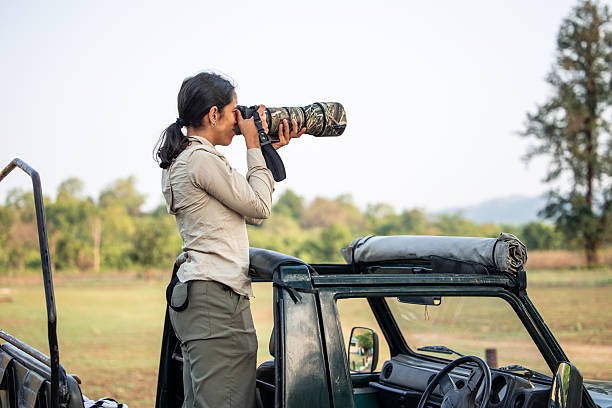
All-Inclusive African Safari Vacations Guide
start an all-inclusive African safari vacation in Tanzania, a premier destination for wildlife viewing in 2026-2027. This comprehensive guide covers everything from iconic parks like the...
View package details
Tanzania Safari Tours & Packages /: Your Ultimate Wildlife Adventure 2026-2027
Discover the magic of Tanzania with expertly crafted safari tours and packages for 2026 and 2027. From the vast plains of the Serengeti to the depths of the Ngorongoro Crater, find your...
View package details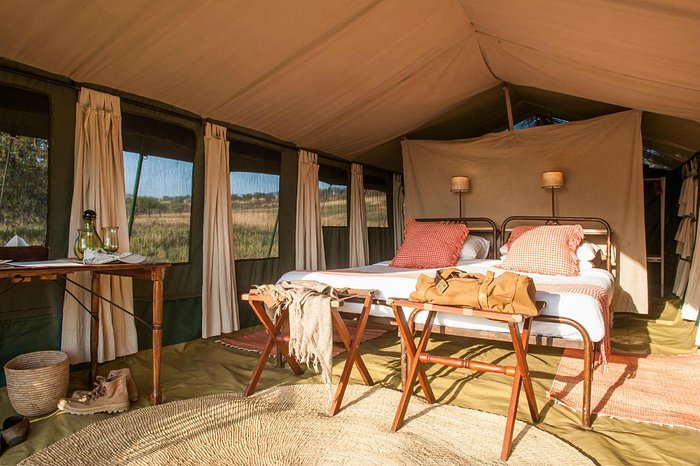
Best African Safari Tours & Vacation Packages /: Your Ultimate Tanzania
start an unforgettable African safari adventure in 2026/2027 with expertly curated tours and vacation packages in Tanzania's most iconic wildlife destinations. From the Serengeti to the...
View package details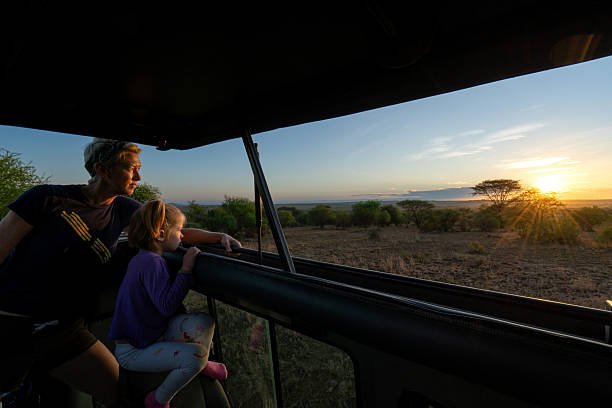
Private Tanzania Safari Packages: Your Ultimate Guide For 2026-2027
Discover the unparalleled freedom and personalized experience of a private Tanzania safari package. This comprehensive guide for 2026-2027 explores custom itineraries, key destinations like...
View package detailsWhen Is The Great Migration In Tanzania And Kenya? Your Guide 2026-2027
The Great Migration's timing is dynamic, following the rains. Generally, it's in Kenya's Masai Mara from July to October, and in Tanzania's Serengeti from December to March. Planning around...
View package detailsGreat Migration Safari: Best Time, Places & Tours 2026-2027
Great Migration Safari: Best Time, Places & Tours is explained with current 2026-2027 planning, price, itinerary and booking information.
View package details
Serengeti Great Migration Safari Packages: Your Guide To Witnessing The Wonder
start an unforgettable journey with our comprehensive guide to Serengeti Great Migration safari packages for 2026-2027. Understand the best times to go, optimal viewing locations, and how...
View package details
Kenya And Tanzania Combined Safari Packages: Ultimate Guide 2026-2027
Discover the unparalleled adventure of combining Kenya and Tanzania for a comprehensive East African safari. This guide details everything you need to know for planning your 2026-2027...
View package detailsPlaces Where You Can Combine Beach And Safari 2026-2027
Places Where You Can Combine Beach and Safari is explained with current 2026-2027 planning, price, itinerary and booking information.
View package details
How Far In Advance Should You Book An African Safari? 2026-2027
How Far in Advance Should You Book an African Safari? is explained with current 2026-2027 planning, price, itinerary and booking information.
View package detailsNo related package matches those filters. Clear one or more filters to see the other topic-matched options.



