Absolutely, combining a trip to Nyerere National Park from Zanzibar with a boat safari is a highly recommended and achievable travel plan. This popular combination allows you to experience the rich history and beaches of Zanzibar followed by the wild landscapes and unique wildlife viewing of Nyerere, particularly known for its boat-based safaris on the Rufiji River. Planning for 2026-2027 involves choosing the right travel dates, understanding the logistics of flying from Zanzibar to the park’s airstrip, selecting appropriate accommodation, and booking a safari package that incorporates the desired boat safari experience.

Planning Your Zanzibar to Nyerere Safari with Boat Safari
The question of whether you can do Nyerere from Zanzibar and include a boat safari is a common one, and the answer is a resounding yes. This itinerary offers a superb contrast: the vibrant culture and turquoise waters of Zanzibar, followed by the raw, untamed wilderness of mainland Tanzania. Nyerere National Park, formerly known as the Selous Game Reserve, is one of Africa’s largest and most spectacular wildlife sanctuaries. Its unique appeal lies in its vast, unspoiled landscapes and, crucially for this itinerary, its extensive network of rivers and lakes, making boat safaris a signature experience.
When considering this trip for 2026 or 2027, the key is to approach it logically. It’s not a simple day trip; it requires careful planning to connect the two destinations efficiently and to maximize your time in both locations. The most practical way to travel between Zanzibar and Nyerere is by small aircraft, as road transfers are exceptionally long and impractical. This flight connection is the linchpin of a successful itinerary.
Your decision to include a boat safari in Nyerere is a wise one. While walking safaris and game drives are available, the Rufiji River offers an unparalleled perspective. Cruising along its waters allows you to see hippos, crocodiles, elephants, buffalo, and a staggering variety of birdlife up close, often from a unique vantage point that land-based safaris cannot replicate. For many, this boat safari is the highlight of their Nyerere experience.
This comprehensive guide will walk you through every aspect of planning a Nyerere National Park safari from Zanzibar, with a special focus on incorporating those essential boat safari elements. We’ll cover logistical considerations, the best times to visit in 2026-2027, what to expect in Nyerere, and how to structure your trip for a smooth and unforgettable adventure.
Understanding Nyerere National Park (Selous) and Its Boat Safari Appeal
Before diving into the logistics, it’s essential to understand what makes Nyerere National Park a unique destination, especially for those coming from Zanzibar. Formerly the Selous Game Reserve, it was elevated to National Park status in 2019, recognizing its ecological importance and its role in conservation. This vast park, a UNESCO World Heritage Site, covers an immense area, roughly 50,000 square kilometers, making it one of the largest protected areas in Africa.
What sets Nyerere apart is its diverse topography and its reliance on the Rufiji River system. This river, along with its tributaries and the vast lakes it feeds, is the lifeblood of the park. This aquatic environment dictates much of the wildlife behavior and offers distinct safari opportunities.
Why Boat Safaris are Key in Nyerere:
- Unique Wildlife Encounters: The Rufiji River is home to one of the largest concentrations of hippos in Africa, alongside large saltwater crocodile populations. Boat safaris allow you to observe these formidable creatures in their natural habitat, often just meters away.
- Elephant and Buffalo Viewing: Large herds of elephants and buffalo frequently come to the riverbanks to drink and cool off. A boat safari provides a superb vantage point to witness these herds, often in considerable numbers, especially during the dry season.
- Birdwatcher’s Paradise: The wetlands and riverine forests attract an incredible diversity of birdlife, including kingfishers, fish eagles, herons, storks, and many migratory species. Birdwatching from a boat is exceptionally rewarding.
- Scenic Beauty: The Rufiji River meanders through stunning landscapes, offering picturesque views of acacia woodlands, riverine forests, and vast open plains. The tranquility of a boat trip, punctuated by wildlife sightings, is a profoundly peaceful experience.
- Access to Remote Areas: Certain areas of the park are best explored by boat, offering access to sections that are less frequented by game drives.
When planning your trip for 2026-2027, you’ll find that most lodges and camps in Nyerere are strategically located along the Rufiji River or its associated lakes, specifically to leverage these boat safari opportunities. Therefore, any safari package you choose should inherently include or offer these excursions.
Logistics: Connecting Zanzibar to Nyerere National Park
The critical first step in planning a Nyerere safari from Zanzibar is understanding the travel logistics. Given the vast distances involved, driving from Zanzibar to Nyerere is not a feasible option for a typical safari duration. The journey would take multiple days and involve ferry crossings and extensive overland travel, consuming valuable safari time and energy.
The Primary Travel Method: Scheduled Flights
The most efficient and recommended way to travel between Zanzibar and Nyerere National Park is by small aircraft. Several Tanzanian charter and scheduled flight operators offer services that connect Zanzibar (ZNZ) with the main airstrips within or near Nyerere National Park. The most common airstrips include:
- Selous Game Reserve Airstrip (SEU): This is the traditional airstrip serving the northern and central areas of the park.
- Mtemere Airstrip (UTM): Often used for camps located in the eastern part of the park.
- Beho Beho Airstrip (BBH): Serves camps in the northern sector, particularly around Beho Beho.
Flight Details to Consider for 2026-2027:
- Departure Point: Flights will depart from Abeid Amani Karume International Airport (ZNZ) in Zanzibar.
- Arrival Point: Your chosen lodge or camp will typically arrange your transfer from the most convenient airstrip for their location.
- Flight Duration: The flight time from Zanzibar to Nyerere is typically around 1 hour to 1 hour 30 minutes, depending on the specific route and any intermediate stops.
- Luggage Restrictions: Small aircraft have strict luggage limitations, usually around 15-20 kg (33-44 lbs) per person in soft-sided bags. It’s crucial to adhere to these limits.
- Booking: Flights are usually booked by your safari operator as part of your overall package. You will need to provide your passport details for booking.
- Frequency: Flights operate on specific days of the week, often daily or several times a week, depending on the season and operator. Availability for 2026 and 2027 should be checked well in advance, especially during peak travel periods.
Important Considerations:
- Cost: These flights are a significant component of the overall safari cost. They are more expensive than overland travel but are essential for time efficiency and comfort.
- Scenery: The flight itself offers spectacular aerial views of the Tanzanian coastline, the Rufiji River delta, and the vast wilderness below.
- Transfers: Upon arrival at the airstrip, you will be met by a representative from your lodge or camp, who will transfer you to your accommodation, often with a short game drive en route.
When you make an inquiry for a 2026 or 2027 trip, clearly state your desire to fly from Zanzibar to Nyerere. This allows tour operators to build the flight costs and schedules into your personalized itinerary.
Structuring Your Zanzibar & Nyerere Itinerary
A well-structured itinerary is key to enjoying both Zanzibar and Nyerere National Park without feeling rushed. The duration of your stay in each location will depend on your interests and available time, but a common approach is to split your time between beach relaxation and wildlife exploration.
Typical Itinerary Flow:
- Arrive in Zanzibar: Spend a few days exploring Stone Town, visiting spice farms, and relaxing on the beaches (e.g., Nungwi, Kendwa, Paje).
- Fly to Nyerere: Take a morning flight from Zanzibar to Nyerere National Park.
- Nyerere Safari: Spend 2-4 nights in Nyerere, engaging in game drives, walking safaris, and, of course, boat safaris.
- Fly Back: Depart from Nyerere via flight, either back to Zanzibar for departure or to connect with onward travel to other safari destinations like the Serengeti or Ngorongoro.
Duration Recommendations for 2026-2027:
- Zanzibar: A minimum of 3-4 nights is recommended to get a feel for the island.
- Nyerere National Park: A minimum of 2 nights is often sufficient for a taste, but 3-4 nights allow for a more in-depth experience, including various safari activities and ample time for boat safaris.
Example Itinerary Outline (6 Nights Total):
- Day 1-3: Zanzibar – Arrival, Stone Town tour, beach relaxation.
- Day 4: Travel & Nyerere Afternoon – Morning flight to Nyerere, transfer to lodge, afternoon boat safari.
- Day 5: Nyerere Full Day – Morning game drive, afternoon boat safari or walking safari.
- Day 6: Nyerere Morning & Departure – Morning game drive or boat trip, flight back to Zanzibar or onward.
Customization for 2026-2027:
The beauty of planning with a local operator is the ability to tailor this. For instance:
- More Beach Time: If you prefer more relaxation, reduce Nyerere to 2 nights.
- More Safari Time: If wildlife is your priority, extend Nyerere to 4 nights and perhaps add a day trip or two.
- Connecting to Other Parks: If you’re combining Nyerere with Northern Circuit parks (Serengeti, Ngorongoro), you would fly from Nyerere back to a hub like Kilimanjaro International Airport (JRO) or Arusha Airport (ARK).
When you discuss your plans for 2026-2027 with Climb 4 Africa, provide your desired number of days in each location, and they can craft a precise itinerary. Remember to factor in travel days; a flight from Zanzibar to Nyerere will take up a significant portion of the day.
Choosing Your Nyerere Accommodation and Safari Style
The type of accommodation you choose in Nyerere National Park will significantly influence your safari experience and the types of activities readily available, especially regarding boat safaris. Lodges and camps in Nyerere are typically categorized by their location and the amenities they offer, often catering to different budget levels.
Types of Accommodation in Nyerere:
- Luxury Tented Camps: These offer a high level of comfort, often with en-suite bathrooms, private verandas, and excellent service. Many are situated directly on the Rufiji River or overlooking lakes, providing prime access to boat activities.
- Mid-Range Lodges: Comfortable and well-appointed, these options provide a great safari experience without the premium price tag of luxury camps. They still usually offer good access to riverine activities.
- Budget Camps/Basic Lodges: More rustic options that focus on the essential safari experience. While they may be located further from prime river access, they can still arrange boat trips.
Location is Key for Boat Safaris:
For a Nyerere safari that prioritizes boat excursions, look for camps situated along the Rufiji River or the larger lakes like Lake Njaa. Camps in these areas will often:
- Have their own boats for guest use.
- Offer boat safaris as a standard activity included in the package.
- Provide easy access for morning and afternoon river cruises.
Safari Packages: All-Inclusive vs. Partial Board
When planning for 2026-2027, consider the safari package structure:
- All-Inclusive: This typically covers accommodation, all meals, standard drinks, park fees, and scheduled safari activities (game drives, walking safaris, and boat safaris). This is often the most convenient option for a smooth experience.
- Full Board with Activities Extra: This covers accommodation and meals, but park fees and safari activities are charged separately. Ensure you clarify what ‘scheduled activities’ include.
What to Confirm Regarding Boat Safaris:
- Inclusion: Is the boat safari explicitly included in the package price, or is it an optional extra?
- Frequency: How many boat safaris are typically included for a given stay duration (e.g., one per stay, one per day)?
- Duration: How long do the boat safaris usually last?
- Type: Are they motorized boat trips, or could they potentially include canoeing on smaller channels? (Motorized boats are standard for wildlife viewing on the main river).
When you engage with Climb 4 Africa for your 2026-2027 safari, be specific about your interest in boat safaris. They can recommend lodges and camps that excel in this area and ensure your chosen package reflects your preferences. For example, a 3-night stay in Nyerere could comfortably include at least two significant boat safari excursions, alongside game drives.
Traveler Decision Point: When selecting accommodation, consider whether you want to be deep in the wilderness with limited connectivity or closer to the main river for immediate boat access. For a Nyerere trip focused on boat safaris, proximity to the Rufiji River is paramount.
Best Time to Visit Nyerere National Park from Zanzibar (2026-2027)
The timing of your trip can significantly impact wildlife viewing, weather, and crowds. Nyerere National Park experiences distinct wet and dry seasons, each offering unique advantages for safaris, including boat safaris.
Dry Season (June to October):
- Pros: This is generally considered the peak safari season. Wildlife congregates around water sources, making animals easier to spot. The Rufiji River shrinks, concentrating hippos and crocodiles and creating excellent viewing opportunities from boats. Vegetation is less dense, improving visibility on game drives. Weather is typically sunny and pleasant.
- Cons: This is also the busiest and most expensive time to travel. Flights and lodges can book up quickly, especially for 2026-2027 peak dates.
- Boat Safaris: Excellent, as water levels are lower and animals are drawn to the river.
Wet Season (November to May):
- Pros: This is the “green season” or “low season.” Vegetation is lush and beautiful. Birdlife is abundant, especially during the earlier months (Nov-Feb) when migratory birds are present. Fewer tourists mean a more exclusive experience and potentially lower prices. It’s ideal for photographers wanting lush landscapes.
- Cons: Heavy rains can occur, particularly from March to May, potentially making some roads impassable and disrupting flight schedules. Wildlife may be more dispersed. Some lodges might close or reduce services.
- Boat Safaris: Still very good, though river levels will be higher. Hippos and crocodiles are always present. Birdwatching is exceptional.
Shoulder Seasons:
- May & June: The end of the rains and the beginning of the dry season. Good wildlife viewing potential as the landscape dries out, fewer crowds than peak dry season, and good prices.
- November & December: The short rains period. Lush landscapes, good birding, and usually manageable weather before the main rains start.
Recommendation for 2026-2027:
For a balance of good weather, excellent wildlife viewing, and enjoyable boat safaris, the period from June to October remains a top choice. However, if you prefer fewer crowds and lush scenery, consider the shoulder months of May, June, or November. If photography is your focus and you don’t mind potential rain, the green season can be magical.
Important Note on Flights:
Flight operations to Nyerere can be affected by weather. While generally reliable, it’s always wise to have some flexibility in your itinerary, especially if traveling during the peak of the wet season (March-May).
- Book Early: For peak season travel in 2026-2027, especially flights and popular lodges, booking 6-12 months in advance is highly recommended.
- Weather Flexibility: If traveling in the wet season, build a little buffer time into your schedule if possible.
- Specific Interests: If birdwatching is a priority, consider the earlier parts of the wet season. If seeing large mammal herds is paramount, aim for the dry season.
What to Expect on a Nyerere Boat Safari
The boat safari is the signature experience in Nyerere National Park, and it’s often the primary reason travelers choose this park over others, especially when coming from Zanzibar. The Rufiji River system offers a unique perspective on the African wilderness.
The Experience:
- Vessel: Safaris are typically conducted on sturdy, motorized boats. Some camps may also offer canoeing on smaller channels for a more intimate experience, but the main boat safaris are on larger vessels.
- Duration: Boat safaris usually last between 2 to 4 hours, often offered in the early morning or late afternoon when wildlife is most active.
- What You’ll See:
- Hippos: Expect to see large pods of hippos lounging in the water or on the muddy banks. Their grunts and snorts are a constant soundtrack.
- Crocodiles: Nile crocodiles bask on the riverbanks or lie submerged, often only their eyes visible.
- Elephants: It’s common to see elephants coming down to the river to drink, bathe, or cross. They are often very close to the boat.
- Buffalo: Large herds of Cape buffalo are frequent visitors to the river.
- Antelope: Various antelope species, including waterbuck and impala, can be seen drinking at the water’s edge.
- Birdlife: The variety of birdlife is astonishing. Look out for African Fish Eagles, kingfishers, herons, storks, pelicans, and many smaller species.
- Photography: The low angle from the boat provides excellent photographic opportunities. The reflections on the water, the wildlife at eye level, and the vast landscapes are incredibly photogenic.
- Atmosphere: The atmosphere is usually serene and peaceful, punctuated by the sounds of wildlife. It’s a slower-paced experience than a game drive, allowing for deeper observation and appreciation of the ecosystem.
Safety:
Your safety is paramount. Boats are operated by experienced guides who know the river and wildlife behavior. They maintain a safe distance from larger animals like hippos and crocodiles, though they are often very close. You will be advised on safety protocols by your guide.
When to Go for Boat Safaris:
While boat safaris are available year-round, they are particularly spectacular during the dry season (June-October) when water levels are lower, concentrating wildlife along the riverbanks. However, the abundance of birdlife in the wet season also makes boat trips rewarding at other times of the year.
For your 2026-2027 trip, confirm with your lodge how many boat safaris are included. Most camps situated on the river will offer at least one, if not daily, boat excursion as part of a standard safari package.
Comparing Nyerere with Other Tanzanian Safari Destinations
When planning a safari from Zanzibar, it’s helpful to understand how Nyerere National Park compares to other popular Tanzanian destinations, such as the Serengeti National Park and the Ngorongoro Conservation Area. Each offers a distinct safari experience.
Nyerere National Park (Selous):
- Unique Selling Points: Boat safaris on the Rufiji River, walking safaris, vast and less crowded landscapes, significant populations of wild dogs, elephants, and hippos. It’s a UNESCO World Heritage Site.
- Wildlife: Excellent for large mammals, particularly elephants, hippos, crocodiles, buffalo, lions, and wild dogs. Less renowned for large prides of lions compared to the Serengeti.
- Landscape: Diverse, with miombo woodlands, riverine forests, swamps, and open plains.
- Travel from Zanzibar: Relatively straightforward via short flights.
- Best For: Travelers seeking a more remote and wild experience, those who value boat safaris, and those looking to avoid the larger crowds often found in the Northern Circuit.
Serengeti National Park:
- Unique Selling Points: World-famous for the Great Migration, vast open plains, iconic acacia-dotted landscapes, immense predator populations (lions, cheetahs, leopards).
- Wildlife: Unparalleled density of wildlife, especially during the migration. Excellent for lions, cheetahs, leopards, and the spectacle of the wildebeest and zebra herds.
- Landscape: Predominantly rolling grasslands and savanna, with some kopjes (rocky outcrops).
- Travel from Zanzibar: Requires a flight to a Serengeti airstrip (e.g., Seronera, Kogatende).
- Best For: Those who want to witness the Great Migration, experience classic savanna wildlife viewing, and see large predator concentrations.
Ngorongoro Conservation Area (Crater):
- Unique Selling Points: The Ngorongoro Crater, a UNESCO World Heritage Site, is a natural amphitheater teeming with wildlife. It’s one of the best places to see the ‘Big Five’ (lion, leopard, elephant, rhino, buffalo) in a single day.
- Wildlife: Extremely high density of animals within the crater, including a significant population of black rhinos.
- Landscape: The crater floor is a unique ecosystem with grasslands, swamps, and a soda lake.
- Travel from Zanzibar: Typically involves flying to Arusha, then a road transfer to the crater rim.
- Best For: Travelers with limited time who want to maximize sightings of the Big Five, including the rare black rhino, in a stunning setting.
Decision Factors for 2026-2027 Planning:
- Your Priorities: Do you dream of boat safaris and wild dogs (Nyerere)? The Great Migration spectacle (Serengeti)? Or guaranteed Big Five sightings in a unique caldera (Ngorongoro)?
- Time Available: Nyerere is easiest to combine with Zanzibar due to direct flights. Serengeti and Ngorongoro are typically part of a Northern Circuit itinerary, which requires more time.
- Budget: Nyerere can sometimes be more budget-friendly than the prime Serengeti locations, especially outside peak season.
- Crowds: Nyerere is generally less crowded than the Serengeti and Ngorongoro.
For a trip originating from Zanzibar, a Nyerere safari offers the most logical and time-efficient integration of a mainland wildlife experience, especially when the boat safari is a key attraction.
Practicalities: What to Pack for Nyerere and Zanzibar
Packing for a trip that combines the beaches of Zanzibar with the wildlife-rich plains of Nyerere National Park requires a versatile approach. You’ll need items suitable for both tropical island life and safari excursions.
For Zanzibar (Beach & Culture):
- Lightweight, breathable clothing (cotton, linen).
- Swimwear.
- Sun hat and sunglasses.
- Sunscreen (high SPF).
- Insect repellent.
- Sandals or flip-flops.
- A light cover-up for evenings or visiting religious sites (shoulders and knees should be covered in Stone Town).
- A light rain jacket or umbrella, especially if traveling during the shoulder or wet seasons.
For Nyerere National Park (Safari):
- Clothing: Neutral-colored clothing is best for safaris (khaki, olive green, beige, brown). Avoid bright colors, white, and dark blue/black, which can attract insects or be too hot.
- T-shirts and long-sleeved shirts (for sun and insect protection).
- Comfortable trousers or safari pants.
- Shorts (for warmer days, though long trousers are often preferred for evenings).
- A fleece or warm jacket for cool mornings and evenings.
- Footwear:
- Comfortable walking shoes or hiking boots (if planning walking safaris).
- Comfortable shoes for around the lodge/camp.
- Accessories:
- Sun hat with a wide brim.
- Sunglasses.
- High SPF sunscreen.
- Insect repellent (with DEET or Picaridin).
- Binoculars (essential for wildlife viewing).
- Camera with extra batteries and memory cards.
- A small backpack or daypack for carrying water, camera, and essentials on game drives.
- Headlamp or flashlight (useful in camps).
- Health & Personal Items:
- Personal first-aid kit.
- Any personal medications.
- Hand sanitizer.
Luggage Restrictions:
As mentioned, flights to Nyerere National Park have strict luggage limits, typically 15-20 kg (33-44 lbs) per person in soft-sided bags. Soft duffel bags are preferred over rigid suitcases. Ensure your safari operator confirms the exact limit.
Important for 2026-2027 Planning:
When packing, consider layering. Mornings and evenings in Nyerere can be cool, while midday can be very hot. Versatile items that can be layered are ideal. For Zanzibar, focus on beachwear and comfortable casual clothing.
Booking Your Zanzibar & Nyerere Safari for 2026-2027
The process of booking a combined Zanzibar and Nyerere National Park safari is straightforward when working with an experienced tour operator. Their expertise is invaluable in coordinating flights, accommodations, park fees, and safari activities to ensure a smooth experience.
Why Book with a Local Specialist like Climb 4 Africa?
- Local Knowledge: We have firsthand knowledge of lodges, flight operators, and the best times to visit specific areas.
- Logistical Expertise: Coordinating flights between Zanzibar and remote airstrips in Nyerere requires precision. We handle all these details.
- Customization: We can tailor itineraries to your specific interests, budget, and duration, whether you want more beach time in Zanzibar or extended boat safaris in Nyerere.
- Value: While we don’t invent prices, we work with trusted partners to offer competitive rates for 2026-2027.
- Support: We provide ongoing support before, during, and after your trip, offering peace of mind.
The Booking Process:
- Initial Inquiry: Contact us with your desired travel dates for 2026 or 2027, the number of travelers, your preferred duration in Zanzibar and Nyerere, and any specific interests (e.g., focus on boat safaris, photography).
- Itinerary Proposal: Based on your requirements, we will craft a detailed itinerary, including proposed accommodations, activities, and an estimated cost breakdown. This will clearly outline what’s included, such as flights from Zanzibar, park fees, meals, and safari activities like boat safaris.
- Review and Refine: You review the proposal. This is where we can make adjustments – perhaps swapping a lodge, extending a stay, or modifying activities.
- Confirmation and Deposit: Once you approve the itinerary, a deposit is typically required to secure your bookings, especially for flights and lodges which have limited availability, particularly for 2026-2027.
- Final Payment: The remaining balance is usually due a few weeks before your departure date.
- Pre-Departure Information: We provide comprehensive pre-departure information, including packing lists, visa advice, and emergency contact details.
Key Information to Provide When Booking:
- Full names as per passports.
- Passport details (number, expiry date).
- Dietary requirements or allergies.
- Any medical conditions or mobility concerns.
- Preferred travel style (e.g., luxury, mid-range, family-friendly).
By planning your Nyerere safari from Zanzibar with a specialized operator like Climb 4 Africa, you ensure that the logistical challenges are managed professionally, allowing you to focus on the incredible experiences awaiting you, from the beaches of Zanzibar to the wildlife-rich waters of Nyerere.
For personalized assistance with your 2026-2027 safari plans, including combining Zanzibar with Nyerere National Park and its unique boat safaris, please reach out:
WhatsApp: +255 747 477 898
Email: climb4africa@gmail.com
We look forward to helping you craft an unforgettable Tanzanian adventure.
“,
“faq_schema”: [
{
“question”: “Can I fly directly from Zanzibar to Nyerere National Park?”,
“answer”: “Yes, the most practical way to travel from Zanzibar to Nyerere National Park is by taking a scheduled light aircraft flight. These flights connect Zanzibar Airport (ZNZ) to airstrips within or near Nyerere, such as Selous Game Reserve Airstrip (SEU). This is much faster and more convenient than overland travel for 2026-2027 trips.”
},
{
“question”: “How long should I spend in Nyerere National Park for a boat safari?”,
“answer”: “For a fulfilling experience that includes ample time for boat safaris, game drives, and possibly walking safaris, a minimum of 2-3 nights in Nyerere National Park is recommended. Three nights will allow for at least two significant boat safari excursions, offering a great perspective on the Rufiji River ecosystem.”
},
{
“question”: “What is the best time of year for boat safaris in Nyerere from Zanzibar?”,
“answer”: “Boat safaris are excellent year-round, but the dry season (June to October) offers prime viewing as water levels are lower, concentrating wildlife along the riverbanks. The wet season (November to May) is fantastic for birdwatching, with lush landscapes, and boat trips remain very rewarding.”
},
{
“question”: “What wildlife can I expect to see on a boat safari in Nyerere?”,
“answer”: “On a Nyerere boat safari, you can expect to see large numbers of hippos and crocodiles, elephants coming to drink, buffalo, and a vast array of birdlife. It’s a unique way to observe these animals in their aquatic environment.”
},
{
“question”: “What are the luggage restrictions for flights from Zanzibar to Nyerere?”,
“answer”: “Flights to Nyerere National Park operate on small aircraft, which have strict luggage limitations. Typically, this is around 15-20 kg (33-44 lbs) per person, and luggage must be in soft-sided duffel bags. Always confirm exact limits with your tour operator for your 2026-2027 booking.”
},
{
“question”: “Is Nyerere National Park suitable for a combined trip with Zanzibar?”,
“answer”: “Absolutely. Nyerere National Park is an ideal safari destination to combine with Zanzibar. The flight connections make it logistically feasible, and the contrast between island relaxation and wild safari adventure is a popular and highly rewarding choice for travelers in 2026 and 2027.”
}
]
}
“`
Check Availability for Can We Do Nyerere From Zanzibar And Include A Boat Safari? 2026-2027
Ready to compare dates, prices, and the best option for your group? Send the package name and travel month so the team can reply with a clear quote, availability, and what is included.
_1_John_from-rednote-web-768x1024.jpg)
Dec 13, – 2 Day Nyerere Fly-In Group Safari From Zanzibar 2026
A detailed guide to the December 13, 2026 group fly-in safari from Zanzibar to Nyerere National Park, covering the itinerary, logistics, and planning for your trip.
View package details
Oct 25, – 1 Day Nyerere Fly-In Group Safari From Zanzibar 2026
Secure your spot for the October 25, 2026, group fly-in safari to Nyerere National Park. A professional, time-efficient wildlife experience from Zanzibar.
View package details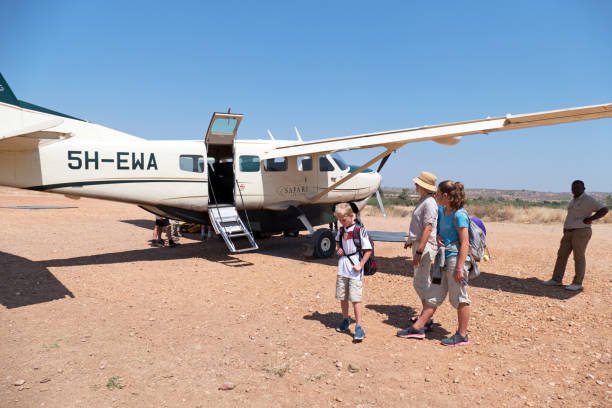
2-Day Nyerere Safari From Zanzibar: Flight-Inclusive Package Prices 2026-2027
An expert guide to planning a 2-day Nyerere safari from Zanzibar, covering flight-inclusive package structures, cost drivers, and the practical rhythm of a short-stay wildlife adventure.
View package detailsI Am Staying In Zanzibar—Can I Join A Mainland Safari Group?
A practical guide for travelers staying in Zanzibar who want to add a group safari to their itinerary, covering logistics, regional differences, and planning tips.
View package detailsCan I Book A One Day Safari From Zanzibar In Dec ?
Can I Book a One Day Safari from Zanzibar in Dec 2026?
View package details
Nov 23, – 3 Day Serengeti And Ngorongoro Safari From Zanzibar
Nov 23, 2026 – 3 Day Serengeti and Ngorongoro Safari from Zanzibar.
View package details
Dec 5, – 1 Day Mikumi Fly-In Group Safari From Zanzibar 2026
A practical guide to the December 5, 2026, group fly-in safari to Mikumi National Park. Learn about the itinerary, group logistics, and how to book your seat.
View package details
Nov 15, – 2 Day Mikumi Fly-In Group Safari From Zanzibar 2026
A practical guide and booking overview for the November 15, 2026, group fly-in safari to Mikumi National Park, departing from Zanzibar.
View package details
Nov 28, – 3 Day Fly-In Serengeti Group Safari From Zanzibar 2026
A detailed look at the 3-day fly-in Serengeti group safari departing November 28, 2026, including logistics, itinerary highlights, and travel tips for your Tanzania adventure.
View package details2-Day Serengeti Safari From Zanzibar By Flight: Price & Booking Guide
A practical guide to booking a 2-day Serengeti safari from Zanzibar by flight, covering itinerary logistics, cost considerations, and how to maximize your short time in the bush.
View package details
Luxury Fly-In Safari From Zanzibar: Private Packages For 2026-2027
Experience the ultimate Tanzanian getaway with a luxury fly-in safari from Zanzibar. Discover private, all-inclusive packages tailored for smooth wildlife encounters.
View package detailsBudget Fly-In Safari From Zanzibar: Best Packages & Prices 2026-2027
Discover how to plan a budget-friendly fly-in safari from Zanzibar to Tanzania's top parks without sacrificing the quality of your wildlife experience.
View package detailsNo related package matches those filters. Clear one or more filters to see the other topic-matched options.