A private safari in Tanzania generally costs between 30% and 100% more than a comparable group joining safari. This difference primarily stems from the exclusive use of a safari vehicle, a dedicated guide, and the flexibility to customize your itinerary and pace. While group tours spread fixed costs like vehicle hire and guide fees across multiple travelers, private safaris allocate these costs solely to your party, leading to a higher per-person price, especially for smaller groups. Factors like accommodation level, safari duration, and the specific parks visited also influence the final price difference for 2026 and 2027 bookings.
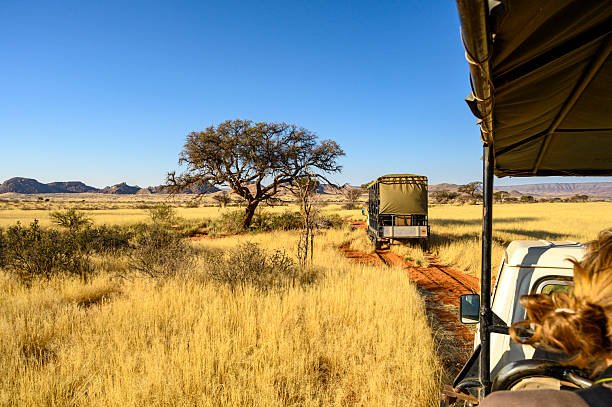

Understanding the Safari Cost Equation: Private vs. Group Joining
When planning your Tanzanian adventure, one of the most significant decisions influencing your budget is whether to opt for a private safari or join a group departure. The allure of a private safari – with its exclusivity, flexibility, and personalized attention – is undeniable for many. However, this comes at a price. Conversely, group joining safaris offer a more economical way to experience Tanzania’s incredible wildlife, sharing costs and the adventure with like-minded travelers. Understanding the core components that drive these cost differences is crucial for making an informed decision that aligns with your travel style and budget for 2026 or 2027.
At its heart, the difference in how much extra a private safari costs compared with group joining hinges on the principle of shared versus exclusive resources. Think of it like renting a venue: a group booking leverages the space for many, lowering the per-person cost. A private booking means you’re paying for the entire venue, regardless of how many people are in your party. This fundamental concept applies directly to safari logistics in Tanzania.
For a group joining safari, the tour operator pools travelers to fill specific departure dates. This allows them to spread the costs of essential safari components across more individuals. These components include:
- Vehicle Hire: The 4×4 Land Cruiser or Land Rover, essential for navigating park tracks and providing elevated viewing, is shared.
- Guide Fees: A skilled, experienced safari guide is shared amongst the group.
- Fuel and Maintenance: Operational costs for the vehicle are divided.
- Park Entry Fees: While park fees are typically per person, the overall logistics cost per person is reduced.
- Accommodation: Camps and lodges often have rates that are more accessible when booked in bulk for groups.
In contrast, a private safari means your group (whether it’s one person, a couple, a family, or friends) has exclusive use of these resources. This means:
- Exclusive Vehicle Use: You have a dedicated safari vehicle for your entire trip, meaning no waiting for others and the ability to stay longer at sightings.
- Dedicated Guide: Your guide’s sole focus is on your group’s experience, knowledge, and safety.
- Flexible Itinerary: You set the pace. Want to spend an extra hour watching lions? No problem. Want to skip a particular area? You can.
- Customized Experience: The guide can tailor game drives to your specific interests, whether it’s birdwatching, photography, or simply seeking out the Big Five.
The financial implication is straightforward: the fixed costs of the vehicle and guide are now borne entirely by your smaller group, leading to a higher per-person cost. For instance, a safari vehicle might cost $300-$500 per day to operate, including the driver-guide’s fee, fuel, and insurance. On a group safari with 6 passengers, this is $50-$83 per person per day. On a private safari with 2 passengers, it’s $150-$250 per person per day – a significant increase.
Beyond these core elements, the choice between private and group joining can also influence accommodation choices and the level of service, further impacting the overall price. Understanding these dynamics is the first step to accurately budgeting for your 2026-2027 Tanzanian safari.
Dissecting the Cost Components: What Drives the Difference?
To truly grasp how much extra does a private safari cost compared with group joining, we need to break down the specific cost drivers. It’s not simply a flat percentage increase; it’s a reflection of the value placed on exclusivity, flexibility, and personalized service.
1. Vehicle and Guide Exclusivity
This is arguably the most significant factor. On a group joining safari, the tour operator optimizes logistics by filling their safari vehicles. A standard safari vehicle, typically a modified Land Cruiser or Land Rover, seats a maximum of 6-7 passengers comfortably, with each passenger having a window seat. The cost of hiring this vehicle, including the driver-guide, fuel, and maintenance, is spread across all passengers.
For a group of 6, the per-person cost for the vehicle and guide might be relatively low. However, if you are a solo traveler or a couple booking a private safari, you are paying for the entire vehicle and the guide’s time yourself. This means the daily rate for the vehicle and guide, which might be $350-$500 per day for the group, now falls entirely on your party. If you’re two people, this $350-$500 cost is split between you, making it $175-$250 per person per day. For a solo traveler, it could be $350-$500 per person per day. This immediate increase is the primary reason why private safaris are more expensive.
Key Takeaway: The more exclusive your vehicle and guide arrangement, the higher the per-person cost. A private safari guarantees this exclusivity.
2. Itinerary Flexibility and Pace
Group joining safaris operate on a fixed schedule. To accommodate everyone and ensure timely arrivals at accommodations, there’s a set pace. If a particular sighting is exceptional, the group might have to move on to stick to the itinerary. Similarly, if someone wants to spend more time photographing a particular animal, it can hold up the entire group.
With a private safari, you dictate the pace. If you’re passionate about birdwatching and spot a rare species, your guide can stop for as long as you wish. If you’re mesmerized by a pride of lions, you can stay and observe their behavior without feeling rushed. This flexibility is a major draw for many travelers, especially photographers or those seeking a deeper connection with the wildlife. This personalized experience is factored into the higher cost of private tours.
The ability to deviate from the standard route, perhaps to explore a lesser-known area or revisit a favorite spot, is also a feature of private safaris. This customization adds value and unique memories, which the tour operator charges a premium for.
3. Accommodation Choices and Booking Power
While park fees and vehicle costs are straightforward, accommodation can introduce further variance. Both private and group safaris will utilize various lodges and tented camps, ranging from budget-friendly to ultra-luxury. However, tour operators often secure bulk rates for accommodations on group departures. These rates are typically lower than what an individual booking might achieve, especially for peak season travel in 2026 or 2027.
On a private safari, while you have the flexibility to choose your accommodation, the tour operator may not have the same bulk-buying power for your specific, potentially smaller, group. If you opt for high-end lodges or exclusive-use properties, the cost will naturally be significantly higher than standard mid-range options often used in group tours. Even when staying in similar lodges, the overall package cost for a private arrangement might reflect a slightly higher per-person rate due to the operator’s reduced leverage compared to large group bookings.
Consider this: A mid-range tented camp might cost $200-$300 per person per night on a group tour. The same camp could be $250-$350 per person per night on a private booking, reflecting a slightly adjusted rate or the inclusion of more personalized services around the accommodation.
4. Customization and Special Requests
Private safaris are built for customization. This can range from specific dietary requirements and preferred activity timings to unique photographic needs or even a desire to focus on particular wildlife species. Accommodating these special requests often requires more planning, communication, and potentially extra resources from the tour operator, which is reflected in the pricing.
For example, if you have a passion for astrophotography and want to ensure minimal light pollution around your accommodation or specific driving times to capture the night sky, this requires careful itinerary planning. Similarly, if you’re a keen birder and want to dedicate half a day to a specific wetland area, the guide and vehicle must be allocated solely to that pursuit, impacting efficiency and cost.
Group joining safaris, by necessity, offer a standardized experience. While operators try to cater to general interests, they cannot typically accommodate highly specific or niche requests that would disrupt the group’s overall plan. The premium for a private safari, therefore, is also a premium for the operator’s ability to meticulously craft an experience around your individual preferences.
5. Operational Efficiency and Overhead
Tour operators manage overhead costs such as office staff, marketing, and vehicle maintenance. On group tours, these costs are distributed across a larger number of clients, lowering the per-person share. For private safaris, especially those booked well in advance for specific dates in 2026 or 2027, the operator dedicates resources and staff time to your booking from the outset. This includes sales, planning, and logistical coordination specifically for your private trip.
While the impact might be less direct than vehicle costs, it contributes to the overall pricing structure. The assurance of a dedicated point of contact and personalized customer service throughout the planning process for a private trip is a valuable, albeit less tangible, aspect of its higher cost.
Quantifying the Difference: A Hypothetical Cost Breakdown
To give you a clearer picture of how much extra does a private safari cost compared with group joining, let’s consider a hypothetical 7-day Northern Tanzania safari, visiting Tarangire, Lake Manyara, Serengeti, and Ngorongoro Crater. We’ll compare a mid-range group joining option with a private safari, assuming similar accommodation standards and park fees per person for both in the 2026-2027 travel season.
Scenario 1: 7-Day Group Joining Safari (Mid-Range)
This assumes a group of 5-6 people, sharing a custom safari vehicle and guide.
- Accommodation: Mid-range tented camps and lodges (e.g., Rhino Safari Camp, Maramboi Tented Lodge, Serengeti Kati Kati Camp, Ngorongoro Rhino Lodge).
- Vehicle: 7-seater custom safari Land Cruiser (shared).
- Guide: Experienced driver-guide (shared).
- Meals: All meals included.
- Park Fees: Per person, per park, per day (e.g., Serengeti $70-80, Ngorongoro Crater $300 per vehicle + $60 per person, Tarangire $55).
- Approximate Cost Per Person: $2,500 – $3,500
Scenario 2: 7-Day Private Safari (Mid-Range)
This assumes a group of 2 people, with exclusive use of a vehicle and guide. Accommodation is the same standard as above.
- Accommodation: Same mid-range tented camps and lodges as above.
- Vehicle: Exclusive 7-seater custom safari Land Cruiser for your group.
- Guide: Exclusive, experienced driver-guide for your group.
- Meals: All meals included.
- Park Fees: Per person, per park, per day (same as above).
- Additional Costs for Private:
- Vehicle & Guide Premium: The daily cost of the vehicle and guide is now entirely for your 2-person group. If the shared cost was $70 per person, the private cost for the vehicle/guide might be $250-$350 per person per day.
- Potential Accommodation Adjustment: While using the same lodges, the operator might have slightly higher rates for smaller, private bookings compared to bulk group rates.
- Customization Factor: Built into the premium for flexibility.
- Approximate Cost Per Person: $4,000 – $6,000
The Cost Difference Calculation
Based on these hypothetical figures for a 7-day safari in 2026-2027:
- Group Joining: $2,500 – $3,500 per person
- Private: $4,000 – $6,000 per person
This results in a difference of $1,500 to $2,500 per person. As a percentage, this is approximately a 60% to 100% increase for the private safari compared to the group joining option for a 2-person party. If the private safari group was larger, say 4 people, the per-person cost would decrease, potentially bringing the difference closer to the 30-50% range.
Important Considerations for the Cost Breakdown:
- Group Size: The per-person cost of a private safari decreases significantly as the group size increases. A private safari for 6 people is much closer in price per person to a group joining safari than a private safari for 2.
- Accommodation Level: Opting for luxury lodges on a private safari will dramatically increase the cost, far beyond the difference attributed solely to vehicle/guide exclusivity.
- Vehicle Type: While most operators use similar Land Cruisers, some might offer specialized photography vehicles or larger custom builds, which carry a higher price tag for private bookings.
- Itinerary Complexity: Very specific or remote itineraries for private tours can incur higher logistical costs.
- Seasonality: Peak seasons (e.g., June-October, December-February) will see higher prices for both private and group safaris, but the gap might widen for private bookings due to demand for exclusive services.
This breakdown illustrates that the premium for a private safari is substantial but directly correlates to the enhanced experience of exclusivity and personalization. For many, the investment is well worth the unique memories created.
Factors Influencing the Private vs. Group Safari Price Gap
While the core reason for the cost difference lies in shared versus exclusive resources, several other factors can widen or narrow the gap between private and group joining safaris. Understanding these nuances helps travelers budget more accurately for their 2026 or 2027 adventures.
1. The Number of Travelers in Your Private Group
This is perhaps the most significant variable. The cost of a private safari is often quoted per vehicle or per day, with a base price that covers the vehicle, guide, and operational costs. This base price is then divided among the passengers.
Example: A private safari vehicle and guide cost $400 per day.
- If you are 2 people: $200 per person per day.
- If you are 4 people: $100 per person per day.
- If you are 6 people: $67 per person per day.
As you can see, the per-person cost of exclusivity drops dramatically with more people. A private safari for 6 people might be only marginally more expensive per person than a group joining safari for 6 people, offering much of the flexibility without a huge financial leap. Conversely, a solo traveler on a private safari will experience the highest per-person cost, as they bear the full expense of the exclusive vehicle and guide.
2. Accommodation Standards and Exclusivity
The choice of accommodation plays a huge role. Group joining safaris often use a set list of mid-range lodges and tented camps that offer competitive rates for tour operators. These are comfortable, well-located, and provide a good safari experience.
Private safaris offer the flexibility to choose any accommodation. If you opt for luxury lodges, boutique camps, or even exclusive-use properties, the per-night cost can skyrocket. For instance, a mid-range camp might be $250 per person per night, while a high-end lodge could be $700-$1,000+ per person per night. When these higher accommodation costs are combined with the premium for a private vehicle and guide, the overall price difference for a private safari becomes much larger.
Crucially: If you’re comparing a mid-range group safari to a mid-range private safari, the accommodation cost per person might be similar. The primary difference will remain the vehicle and guide. If you compare a budget group safari to a luxury private safari, the price gap will be enormous, but it’s not solely due to the ‘private’ aspect.
3. Specific Parks and Areas Visited
Some parks have higher entry fees or conservation fees than others. For example, the Ngorongoro Crater Conservation Area has a significant vehicle fee ($300 per vehicle per day) in addition to per-person fees. While this fee applies to both private and group safaris, its impact on a per-person cost is greater for smaller groups on private tours.
Additionally, remote areas that require longer driving distances or specialized vehicles for access might incur higher operational costs for private operators. While most standard Northern Circuit safaris (Serengeti, Ngorongoro, Tarangire, Lake Manyara) use similar vehicles and routes, venturing into less-trafficked areas for a private experience could increase costs.
4. Duration of the Safari
The longer the safari, the more the daily costs accumulate. For a short 3-day safari, the difference between private and group might seem less dramatic. However, over a 10-day or 14-day safari, the cumulative cost of a private vehicle and guide adds up significantly. This amplifies the percentage difference. A $100-$200 per-person per-day premium for exclusivity over 10 days can mean an extra $1,000-$2,000 per person.
5. Seasonality and Demand (2026-2027 Travel)
Safari prices fluctuate based on the season. High seasons (typically June to October and December to February) see increased demand, leading to higher rates for both accommodation and tour services. During these peak times, the availability of private vehicles and guides can also become more limited, potentially increasing their cost.
Conversely, low seasons (e.g., March to May, with the long rains) often offer lower prices for both private and group tours. However, the inherent cost structure of exclusivity means that even in the low season, a private safari will remain more expensive than a group option. For travelers planning for 2026 and 2027, booking during shoulder seasons (e.g., late May, early June, November) can offer a good balance of wildlife viewing and potentially slightly lower prices, but the private vs. group cost differential will still persist.
6. Level of Service and Inclusions
Sometimes, the ‘private’ experience extends beyond just the vehicle and guide. It can include:
- Higher guide-to-guest ratio: In some ultra-luxury private options, you might even have a dedicated guide for a smaller number of people within your private group.
- Enhanced amenities: Welcome amenities, stocked mini-bars, or premium drinks might be included in private packages.
- Concierge services: Dedicated support for all aspects of your trip.
- Specialized activities: Walking safaris, night drives (where permitted), or cultural visits might be easier to arrange and include in a private itinerary.
These added layers of service and bespoke activities contribute to the higher price of private safaris. Group joining tours are designed for efficiency and broad appeal, so such specialized inclusions are rare.
Who Benefits Most from Each Safari Type?
Understanding how much extra does a private safari cost compared with group joining is only part of the equation. The other crucial aspect is determining which type of safari best suits your travel personality, priorities, and budget.
Who is a Group Joining Safari Best For?
Group joining safaris are an excellent choice for:
- Budget-Conscious Travelers: If maximizing wildlife viewing opportunities while minimizing expenditure is key, group tours offer the best value.
- Solo Travelers or Couples on a Tighter Budget: Sharing costs with a larger group significantly reduces the per-person price, making a safari accessible.
- Travelers Who Value Social Interaction: Some people enjoy the camaraderie of sharing experiences and stories with fellow travelers from around the world.
- Those Who Prefer a Structured Itinerary: If you like having a clear plan and don’t mind a set schedule, group tours are perfectly suited.
- First-Time Safari Goers: For a first taste of Tanzania’s wildlife, a group tour provides a well-organized and comprehensive introduction without the higher financial commitment of a private option.
- Travelers Seeking Specific Departure Dates: Group tours often have fixed departure dates, which can be convenient for those with limited time off or who want to coordinate with others.
Pros of Group Joining:
- Significantly lower per-person cost.
- Opportunity to meet other travelers.
- Logistically simple and well-organized by the operator.
Cons of Group Joining:
- Less flexibility in pace and itinerary.
- Potential for waiting for other group members.
- Shared vehicle means less personal space and potentially less optimal viewing angles for everyone at all times.
- Less ability to cater to highly specific interests.
If you are looking at group departures for 2026 or 2027, it’s wise to check tour operator websites for available dates and itineraries. For instance, Climb 4 Africa offers a range of group joining safari dates, providing an accessible entry point to Tanzania’s wonders.
Who is a Private Safari Best For?
A private safari is ideal for:
- Travelers Prioritizing Exclusivity and Intimacy: Those who want their own space, to travel at their own pace, and have a guide’s undivided attention.
- Photographers: The ability to stop for extended periods at sightings, position the vehicle optimally, and have the guide’s focus on photographic opportunities is invaluable.
- Families or Groups of Friends: Traveling as a private unit allows for shared experiences tailored to the group’s dynamics and interests. The per-person cost also becomes more competitive with more people.
- Honeymooners or Special Occasions: The enhanced service, privacy, and customization make private safaris perfect for romantic getaways or milestone celebrations.
- Travelers with Specific Interests: Birdwatchers, wildlife enthusiasts focused on particular species, or those interested in conservation efforts can tailor their safari precisely.
- Those Seeking Maximum Flexibility: If you want the freedom to change plans on the fly, spend more time where you wish, or explore off-the-beaten-path locations.
- Travelers with Higher Budgets: If the extra cost is manageable and the benefits of exclusivity and personalization are a priority.
Pros of Private Safari:
- Ultimate flexibility in pace, itinerary, and timings.
- Dedicated vehicle and guide for your exclusive use.
- More personal space and comfort.
- Ability to focus on specific interests.
- Often a higher level of personalized service.
Cons of Private Safari:
- Significantly higher per-person cost, especially for solo travelers or couples.
- Requires more decision-making regarding itinerary and accommodation choices.
When considering a private safari for 2026 or 2027, it’s essential to work with an operator who can truly customize your experience. Companies like Climb 4 Africa specialize in tailor-made itineraries, ensuring your private safari is exactly as you envision it.
Making the Decision: Factors to Consider Before Booking
Deciding between a private and group joining safari involves weighing the cost difference against the desired travel experience. Here are key considerations to help you make the best choice for your 2026-2027 Tanzanian adventure:
1. Your Budget Realistically
This is the primary driver for most travelers. Be honest about what you can comfortably afford. Remember that the quoted safari price is only one part of your overall trip cost; you also need to factor in international flights, visas, travel insurance, tips, personal expenses, and any pre- or post-safari accommodation.
If a private safari pushes your budget too far, a group joining safari might be the more practical choice, allowing you to still experience Tanzania’s magic without financial strain. Alternatively, consider if a slightly shorter private safari or a private safari with more basic accommodation could fit your budget.
2. Your Travel Companions
Who are you traveling with? If you’re a family with young children, a private safari offers the flexibility to manage nap times, meal schedules, and the pace of game drives without disrupting others. If you’re a group of friends, a private safari allows you to control the music, the stops, and the general vibe of the trip.
If you’re a solo traveler or a couple, the cost of a private safari is at its highest per person. Weigh whether the benefits of exclusivity are worth the premium over joining a group. If you’re traveling with a larger group (4-6 people), a private safari becomes much more cost-effective on a per-person basis and offers the advantage of traveling entirely within your own party.
3. Your Priorities and Travel Style
What do you hope to get out of your safari?
- Photography: If capturing professional-quality wildlife photos is a goal, the flexibility and dedicated time offered by a private safari are invaluable.
- Relaxation and Pace: Do you want to set your own schedule, take leisurely breaks, and not feel rushed? Private is the way to go.
- Social Experience: Do you enjoy meeting new people and sharing stories around a campfire? A group safari can be very rewarding.
- Adventure vs. Comfort: While both can offer comfort, private tours often allow for more niche adventures or luxurious touches.
- Specific Wildlife Interests: If you’re a keen birder or have a particular fascination with big cats, a private guide can focus efforts accordingly.
Be honest about your expectations. A group safari is excellent for general wildlife viewing and experiencing the highlights of Tanzania. A private safari elevates this to a personalized journey.
4. Level of Customization Desired
Do you have a dream itinerary in mind? Are there specific lodges you want to stay in, or particular areas you want to explore beyond the standard circuit? A private safari offers the ultimate canvas for customization. You can work with your tour operator to craft an itinerary that perfectly matches your vision.
Group joining safaris are generally fixed itineraries designed to appeal to a broad audience. While there might be minor adjustments possible, the core structure remains the same. If you crave a unique, tailor-made experience, a private safari is the only option.
5. Booking Lead Time (for 2026-2027)
For popular private safari options, especially during peak seasons in 2026 and 2027, booking well in advance is crucial. This is because private vehicles and guides need to be secured specifically for your dates. While group tours also fill up, there’s often more flexibility with available seats on different departure dates.
If you’re a last-minute planner, you might find more readily available spots on group joining departures. However, if you’re set on a private safari, start planning and booking at least 6-12 months ahead, particularly for the prime safari months.
Maximizing Value: Tips for Both Safari Types
Regardless of whether you choose a private or group joining safari, there are ways to ensure you get the best value and experience for your investment in 2026 or 2027.
For Group Joining Safaris:
- Research Operators Thoroughly: Look for reputable companies with good reviews and clear itineraries. Understand what is included and excluded.
- Choose a Reputable Operator: Companies like Climb 4 Africa offer well-structured group tours with experienced guides.
- Understand Group Size: Some operators advertise ‘small group’ tours, which can offer a better experience than very large groups.
- Check Inclusions: Ensure park fees, meals, accommodation, and guide services are clearly stated.
- Be Open to Socializing: Embrace the opportunity to meet fellow travelers.
For Private Safaris:
- Clearly Communicate Your Needs: Be specific about your interests, pace, and any special requests when discussing your itinerary with the operator.
- Work with Experienced Operators: Companies specializing in custom tours, like Climb 4 Africa, can translate your vision into a smooth reality.
- Discuss Accommodation Options: Understand the different lodge/camp tiers and their associated costs.
- Confirm Vehicle Type: Ensure the vehicle is suitable for your group size and any specific needs (e.g., photography).
- Factor in All Costs: Be clear on what’s included in the private package and what potential extras might arise.
- Consider Group Size Carefully: The larger your private group, the better the per-person value.
Conclusion: Is the Extra Cost of a Private Safari Worth It?
The question of how much extra does a private safari cost compared with group joining ultimately leads to a more profound question: is that extra cost worth the investment for your specific travel goals?
For many, the answer is a resounding yes. The ability to explore Tanzania’s magnificent landscapes and abundant wildlife at your own pace, with a dedicated guide focused solely on your experience, transforms a standard safari into an unforgettable, deeply personal adventure. The flexibility to linger at a impressive sighting, to deviate slightly to follow a promising animal track, or simply to enjoy the quiet solitude of your own safari vehicle is a luxury that justifies the premium price tag.
However, if your priority is budget, or if you relish the social aspect of travel and don’t mind a structured itinerary, a group joining safari offers exceptional value. It’s a fantastic way to experience the magic of Tanzania without breaking the bank, and you’ll still have incredible wildlife encounters and lasting memories.
Ultimately, the choice is yours. Consider your budget, your travel companions, your priorities, and the kind of experience you envision for your 2026 or 2027 Tanzanian safari. Whether you choose the camaraderie of a group or the exclusivity of a private tour, working with a trusted operator like Climb 4 Africa ensures a well-organized and memorable journey.
If you’re leaning towards a private safari and want to discuss how we can tailor an itinerary to your exact needs and budget, or if you’re interested in our group joining departures, please don’t hesitate to reach out. We can help you understand the specific costs for your desired travel dates in 2026-2027 and craft the perfect Tanzanian safari experience for you. Contact us via WhatsApp at +255 747 477 898 or email us at climb4africa@gmail.com.
Check Availability for How Much Extra Does A Private Safari Cost Compared With Group Joining? Guide
Ready to compare dates, prices, and the best option for your group? Send the package name and travel month so the team can reply with a clear quote, availability, and what is included.
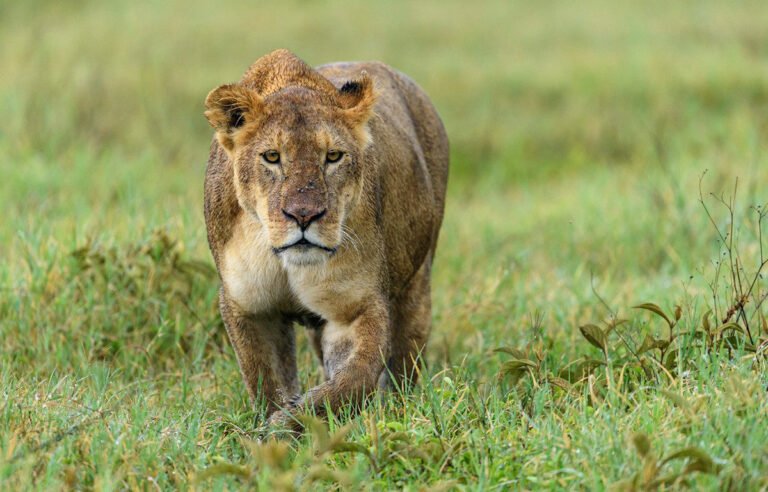
Dec 20, – 10 Day Complete Tanzania Group Joining Safari
Dec 20, 2026 – 10 Day Complete Tanzania Group Joining Safari.
View package details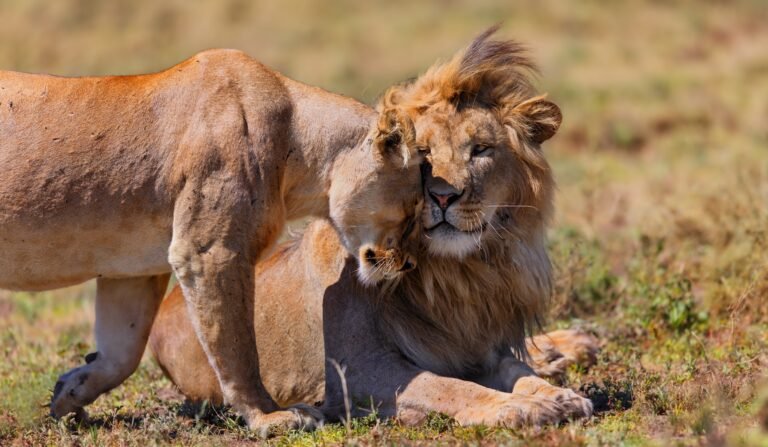
Dec 22, – 3 Day Nyerere Group Joining Safari
Dec 22, 2026 – 3 Day Nyerere Group Joining Safari.
View package details
Dec 30, – 7 Day New Year Tanzania Group Joining Safari 2026
A complete guide to our 7-day group joining safari for the 2026/2027 New Year season, covering the Northern Circuit, wildlife expectations, and how to secure your spot.
View package details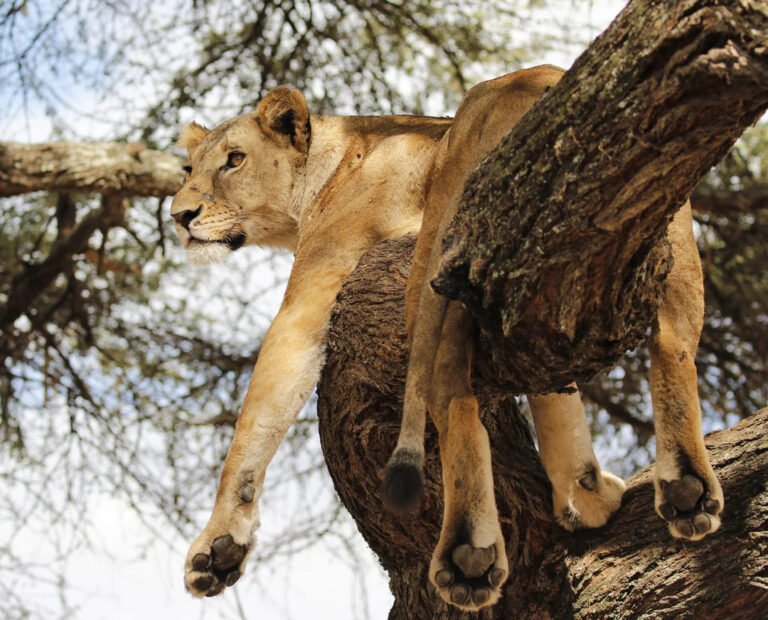
Dec 25, – 5 Day Christmas Tanzania Group Joining Safari 2026
Celebrate Christmas in the heart of the Tanzanian wilderness. Join our 5-day group safari departing December 25, 2026, and experience the iconic Northern Circuit.
View package details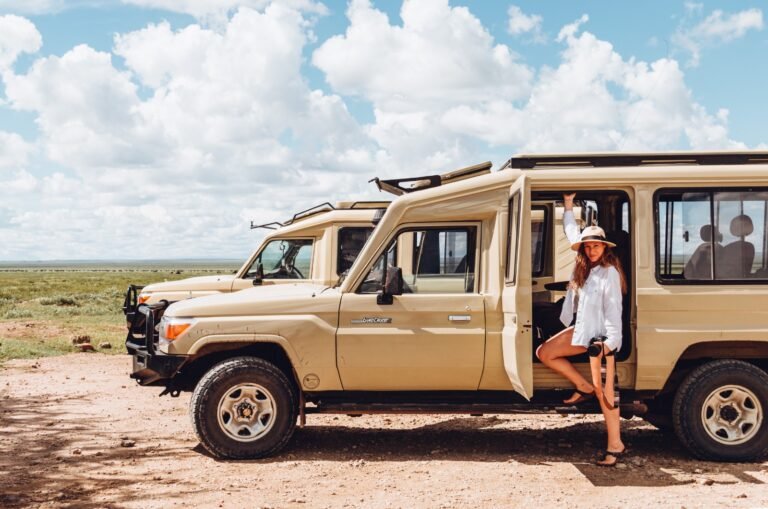
Dec 10, – 5 Day Northern Tanzania Group Joining Safari 2026
A detailed guide to our 5-day Northern Tanzania group joining safari scheduled for December 10, 2026. Learn about the route, group logistics, and how to book your spot.
View package detailsDec 2, – 2 Day Tarangire And Ngorongoro Group Joining Safari 2026
Planning a trip for December 2, 2026? Join our 2-day shared safari to Tarangire and Ngorongoro. Perfect for travelers seeking an efficient, cost-effective wildlife experience.
View package detailsNov 2, – 1 Day Lake Manyara Group Joining Safari: Plan & Logistics 2026
A practical guide to the November 2, 2026, group-joining safari to Lake Manyara. Learn about the logistics, the benefits of shared transport, and how to book your spot with Climb 4 Africa.
View package detailsOct 25, – 1 Day Tarangire Group Joining Safari From Arusha 2026
Planning a trip for October 25, 2026? Join our group safari to Tarangire National Park for a day of wildlife viewing, departing from Arusha.
View package detailsNov 26, – 4 Day Nyerere And Mikumi Group Joining Safari 2026
A detailed guide to the November 26, 2026, 4-day group joining safari covering Nyerere National Park and Mikumi National Park, including logistics, wildlife expectations, and booking steps.
View package detailsNov 22, – 2 Day Mikumi Group Joining Safari From Dar Es Salaam 2026
A practical guide to our November 22, 2026, group joining safari to Mikumi National Park, covering logistics, expectations, and booking details for travelers starting from Dar es Salaam.
View package detailsNov 18, – 7 Day Serengeti And Ngorongoro Group Joining Safari 2026
A detailed guide to the 7-day group joining safari departing November 18, 2026, covering Serengeti, Ngorongoro, and the logistical advantages of shared travel.
View package detailsNov 14, – 5 Day Tanzania Lodge Group Joining Safari 2026
Join our November 14, 2026, 5-day Tanzania lodge safari. This group-joining itinerary offers a balanced, cost-effective way to explore the Northern Circuit.
View package detailsNo related package matches those filters. Clear one or more filters to see the other topic-matched options.