Camping is generally significantly cheaper than staying in safari lodges in Tanzania, often by 30-60% or more, depending on the level of luxury and specific inclusions. While camping offers a more rustic and budget-friendly experience, lodges provide enhanced comfort, amenities, and a different type of immersion, with costs reflecting these differences. For budget-conscious travelers planning a 2026 or 2027 safari, camping is the clear winner for reducing overall trip expenses, but it’s crucial to understand what each option entails beyond just the price tag.
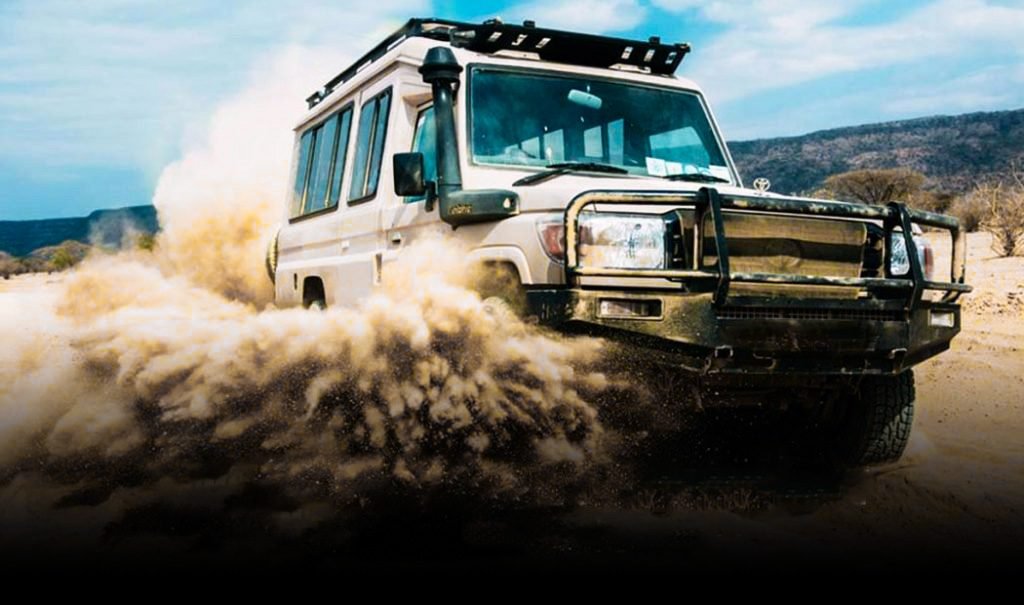

Understanding the Cost Dynamics: Camping vs. Lodges in Tanzania
When planning an African safari, particularly in a prime destination like Tanzania, accommodation is one of the largest budget considerations after flights. The choice between camping and staying in safari lodges isn’t just about where you’ll sleep; it dictates much of your daily experience, the level of comfort you can expect, and, of course, the financial outlay. For many travelers, especially those looking to make their budget stretch further for longer trips or to include more activities, the question of is camping much cheaper than staying in safari lodges is paramount. The straightforward answer is yes, camping typically offers substantial savings, but the nuance lies in understanding why and what trade-offs are involved.
Climb 4 Africa, as a local operator deeply familiar with Tanzania’s diverse travel landscape, sees this question frequently. We help clients navigate these choices, ensuring they align their expectations with their budget and desired safari experience. Whether you’re dreaming of the Serengeti, Ngorongoro Crater, or Tarangire National Park, the accommodation style you choose will shape your adventure significantly.
Safari Accommodation Styles: A Spectrum of Options
To truly understand the cost difference, it’s essential to define the types of accommodation we’re comparing. In Tanzania, these generally fall into a few main categories:
Public Campsites (Budget Camping)
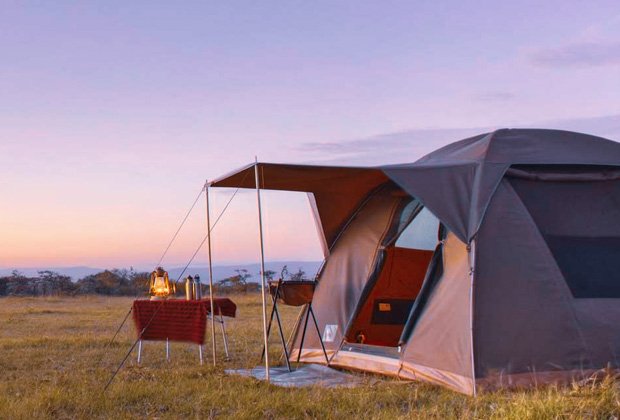
These are the most basic and affordable options. Public campsites are often located within or near national parks and game reserves. Facilities are usually very rudimentary, typically consisting of a cleared area for pitching tents, a basic long-drop toilet, and sometimes a shower (often just a bucket of water). There’s usually a communal mess tent or area for cooking and dining. The atmosphere is communal, with other campers around, and the focus is purely on being close to nature and wildlife with minimal frills. This is the quintessential budget safari Tanzania experience.
Tented Camps (Mid-Range to Luxury)
Tented camps can range from comfortable canvas structures on permanent platforms to luxurious suites with en-suite bathrooms, private verandas, and even plunge pools. They offer a more comfortable and often more exclusive experience than public campsites. While you’re still in a tent, the level of comfort, amenities, and service is considerably higher. These often provide a ‘glamping’ feel, blending the romance of camping with hotel-like comforts. They are a significant step up in price from public campsites and often bridge the gap between basic camping and full-blown lodges.
Safari Lodges (Mid-Range to Luxury)
Safari lodges are permanent structures, typically built from stone, wood, or thatch, resembling small hotels or guesthouses. They offer private rooms with en-suite bathrooms, hot water, electricity, restaurants, bars, and often swimming pools. Lodges are usually situated in scenic locations, sometimes with impressive views of the surrounding wilderness. They provide the highest level of comfort and convenience, often with more extensive facilities and a more structured dining experience.
Mobile Camps (Seasonal & Exclusive)
For certain migrations or specific wildlife viewing periods, operators may set up temporary mobile camps. These can be very luxurious, offering an exclusive and intimate wildlife experience. While they might be tents, they are a far cry from basic camping and often come with a premium price tag due to their exclusivity and prime, often changing, locations.
The Core Cost Comparison: Why Camping is Cheaper
The fundamental reason is camping much cheaper than staying in safari lodges lies in the overheads and the level of service provided. Let’s break down the contributing factors:
Infrastructure and Fixed Costs
Lodges: Require substantial investment in permanent buildings, foundations, plumbing for hot and cold running water, electricity generation (often generators or solar farms), waste management systems, and regular maintenance of these structures. They often have extensive grounds, reception areas, bars, dining halls, and kitchens, all requiring upkeep.
Campsites: Basic public campsites have minimal infrastructure. A cleared patch of land, perhaps a basic latrine, and a water source are often all that’s provided. Even private or semi-permanent tented camps have lower fixed costs than stone lodges, as tents are less permanent and require simpler foundations or none at all.
Amenities and Services
Lodges: Offer a full suite of services: daily housekeeping, room service (sometimes), multiple dining options, bars, swimming pools, concierge services, and often Wi-Fi. These all translate to higher staffing costs and operational expenses.
Campsites: Typically provide only the essentials. You might have a cook for your group if on a guided camping safari, but you won’t find room service, multiple bars, or daily linen changes. Tented camps offer more services than basic campsites but generally fewer than lodges.
Food and Beverage
Lodges: Often offer a more extensive menu, sometimes à la carte options, and a wider selection of beverages, all contributing to higher food and beverage costs that are usually factored into the daily rate.
Campsites: Meals are typically simpler, often prepared over an open fire or on a portable stove. While delicious and hearty, they are generally less complex and therefore less expensive to produce. Drinks might be limited to what you bring or what the operator provides, which is usually less varied than a lodge bar.
Location and Exclusivity
While both can be in stunning locations, lodges might have prime spots that are more expensive to acquire and develop. However, very exclusive tented camps, especially those that move with the wildlife, can also command high prices. For budget safari Tanzania, public campsites are usually located in less exclusive, but still very game-rich, areas.
Cost Breakdown: What You Actually Pay For
Let’s look at what contributes to the daily rates for each accommodation type on a typical Tanzania safari in 2026 or 2027:
For Camping (Public Campsites)
- Park Fees: Daily park entry fees are mandatory and are the same regardless of accommodation type. These are a significant portion of the cost.
- Camping Fees: A small fee for using the campsite itself.
- Guide and Cook Salary: If you’re on a guided camping safari, you pay for the expertise of your driver-guide and the skills of your cook.
- Vehicle and Fuel: The cost of a 4×4 safari vehicle and fuel for game drives.
- Food and Water: Basic but nutritious meals prepared for your group.
- Equipment Hire: Rental of tents, sleeping bags, mats, cooking gear.
- Operator’s Margin: The company’s profit for organizing and managing the trip.
For Safari Lodges
- Park Fees: Same as for camping.
- Accommodation Rate: This covers the room, basic amenities, and a contribution to the lodge’s infrastructure and maintenance.
- Meals and Drinks: Usually includes breakfast, lunch, and dinner, often with a wider variety and higher preparation cost. Drinks can be extra and are often priced at lodge rates.
- Staffing: A larger staff including receptionists, waiters, chefs, housekeeping, maintenance, groundskeepers, and security.
- Amenities: Access to swimming pools, lounges, bars, and sometimes Wi-Fi.
- Location Premium: Lodges in prime, exclusive locations often charge more.
- Operator’s Margin: If booked through a tour operator, their commission is also factored in.
Typical Cost Differences: A General Estimate (2026-2027)
It’s challenging to give exact figures as prices vary wildly based on the operator, the specific park, the season, and the level of inclusions. However, we can provide a general range to illustrate the difference for a Tanzania safari:
Estimated Per Person Per Night Costs (Illustrative Ranges)
| Accommodation Type | Estimated Cost (USD) | Key Inclusions/Notes |
|---|---|---|
| Public Campsite (with guide/cook/vehicle) | $150 – $250 | Includes park fees, camping fees, guide, cook, vehicle, fuel, all meals, basic equipment. Price reflects a shared safari experience. |
| Mid-Range Tented Camp | $300 – $500 | Often includes all meals, sometimes drinks, private tent with en-suite facilities, more refined service. |
| Luxury Tented Camp/Lodge | $500 – $1000+ | All-inclusive (meals, select drinks), high-end amenities, en-suite bathrooms, private decks, exceptional service, exclusive locations. |
Important Note: These figures are highly variable. For a full safari package, camping options will generally be 30-60% less expensive per day than comparable lodge stays, especially when comparing full-service packages.
For a 7-day safari, this difference can amount to hundreds, if not thousands, of dollars per person. This is why, when the question is is camping much cheaper than staying in safari lodges, the answer is a resounding yes for budget-conscious travelers.
What Kind of Traveler Suits Each Option?
Understanding the cost is one thing, but matching the accommodation style to your personal travel preferences is crucial for a fulfilling safari. Here’s who each option typically suits:
Who Should Choose Camping?
- Budget Travelers: This is the most obvious group. If cost is a primary concern, camping is the way to go.
- Adventurous Spirits: Those who enjoy being closer to nature, don’t mind basic facilities, and embrace the ‘roughing it’ aspect.
- Younger Travelers / Backpackers: Often more flexible with comfort and looking for social interaction with fellow campers.
- Long-Term Safari Goers: If you’re on an extended trip and need to manage costs, camping allows you to extend your travel duration.
- Those Seeking a More Authentic/Raw Experience: Waking up to the sounds of the bush, with only canvas between you and the wilderness, is a unique thrill.
Who Should Choose Safari Lodges?
- Comfort Seekers: Travelers who prioritize comfort, amenities, and a high level of service.
- Families with Young Children: Lodges offer more security, predictable routines, and easier access to amenities like swimming pools.
- Honeymooners / Special Occasions: Lodges often provide a more romantic and luxurious setting.
- Travelers with Mobility Issues: Permanent structures and developed paths can be easier to navigate than campsite terrain.
- Those Seeking Convenience: If you prefer not to worry about setting up tents, cooking, or basic sanitation, lodges offer a hassle-free experience.
- Luxury Enthusiasts: For those who want to be pampered and enjoy fine dining and premium services.
The ‘Camping’ Spectrum: From Basic to Glamping
It’s important to distinguish between basic public campsite camping and what might be called ‘glamping’ or luxury tented camps. The cost and experience differ dramatically.
Basic Camping (Public Campsites)
When people ask is camping much cheaper than staying in safari lodges, they are often thinking of this basic style. It involves:
- Your Own Tent: Or renting a basic dome tent.
- Shared Facilities: Pit latrines (long drops) and basic showers (often bucket showers).
- Communal Areas: A mess tent for dining, a campfire area.
- Self-Setup/Pack-Down: Often you’ll help set up and pack down tents.
- Cooked Meals: A dedicated cook prepares meals for your group, usually over a fire or on a gas stove.
Pros: Extremely affordable, very close to nature, social atmosphere. Cons: Minimal comfort, basic hygiene facilities, can be noisy with other campers.
Luxury Tented Camps (‘Glamping’)
These are often marketed as ‘tented camps’ but offer a high level of comfort, blurring the lines with lodges. They feature:
- Spacious Tents: Large canvas tents, often on raised platforms.
- En-suite Bathrooms: Flush toilets and proper showers with hot water.
- Comfortable Beds: Real beds with quality linens.
- Private Verandas: Often with seating areas overlooking the bush.
- Full Service: Daily housekeeping, attentive service, gourmet meals.
Pros: Combines the romance of a tent with luxury and comfort, often in stunning, exclusive locations. Cons: Significantly more expensive than basic camping, though often still less than equivalent high-end lodges.
Factors Influencing Safari Costs Beyond Accommodation
While accommodation is a major driver, several other elements impact the overall safari cost, and these can sometimes narrow the gap between camping and lodges, or conversely, widen it:
1. Park Entrance Fees
These are fixed per person per day and are a substantial cost. For example, Serengeti National Park fees can be around $70-$80 per person per day, plus vehicle fees. These are non-negotiable and apply whether you sleep in a tent on a public campsite or a luxury lodge. For a 7-day safari, park fees alone can amount to $500-$600+ per person.
2. Vehicle and Guide Costs
A reputable safari operator like Climb 4 Africa provides a sturdy 4×4 safari vehicle and an experienced driver-guide. The cost of the vehicle, fuel, guide’s salary, and their accommodation/meals (if not staying at the same place as guests) are spread across the group. This is why group safari Tanzania options are more budget-friendly than private ones.
3. Duration of Safari
The longer your safari, the more the accommodation cost difference accumulates. A 10-day camping safari will yield much greater savings compared to a 10-day lodge safari than a 3-day trip. Planning for 2026 or 2027 means you have time to consider a longer duration if budget allows.
4. Season of Travel
High Season (June-October, December-February): Prices for both camping and lodges tend to be higher due to demand. Lodges can reach peak rates, and even campsites might be busier. The migration in the Serengeti is a major draw during the dry season.
Low Season (March-May, November): Prices often drop, especially for lodges, as this is the rainy season. Camping can still be a good option, though rain can impact comfort. Some lodges offer significant discounts during these periods.
5. Included Meals and Drinks
Some lodge packages are all-inclusive (meals and select drinks), while others are full board or half board. Camping packages typically include all meals, but drinks might be extra or limited. Clarifying what’s included is vital when comparing quotes for 2026 or 2027.
6. Private vs. Group Safaris
Private Safaris: You have a dedicated vehicle and guide for your group only. This offers maximum flexibility but is significantly more expensive. Costs are spread among fewer people.
Group Safaris (Shared): You join a small group in a safari vehicle. This is the most budget-friendly way to safari and is where the cost savings of camping over lodges become most pronounced. Climb 4 Africa offers excellent group departure dates for both Kilimanjaro climbs and safaris, which can be a very economical way to travel.
7. Park Choice
Some parks have higher fees or are more remote, increasing logistical costs. For instance, visiting more exclusive conservancies outside the main parks can add considerable expense, often only feasible with lodge-style accommodation.
The ‘Hidden Costs’ and What to Watch For
When comparing prices, it’s essential to look beyond the headline figure. What seems cheaper might have hidden extras:
For Camping:
- Drinks: Often, drinks (water, soda, beer, wine) are not included and need to be purchased separately. This can add up.
- Tips: Tipping guides, cooks, and camp staff is customary and expected.
- Souvenirs and Extras: Personal spending money.
- Optional Activities: Hot air balloon safaris, walking safaris (if available) are usually extra.
For Lodges:
- Premium Drinks: Imported spirits, fine wines, and champagne are almost always extra and can be very expensive.
- Spa Treatments / Activities: If the lodge offers them.
- Park fees for conservancies: If the lodge is in a private conservancy with higher fees.
- Park fees for activities: e.g., night drives might be extra.
It’s crucial to get a detailed itinerary and inclusions list from your operator. For instance, when you inquire about a Tanzania safari package for 2026 or 2027 with Climb 4 Africa, we will provide a clear breakdown of what is and isn’t included in your quote, whether you opt for camping or lodge accommodation.
Is Camping Ever *Not* Cheaper?
While the general rule holds true, there are niche scenarios where the cost difference might be less pronounced or even reversed:
- Extremely High-End Luxury Tented Camps: Some mobile or permanent tented camps offer such an exclusive, all-inclusive, and personalized experience (private chefs, private game drives, prime migration locations) that their per-night cost can rival or even exceed mid-range lodges. These are not your typical ‘budget camping’ options.
- All-Inclusive Lodge Deals: Occasionally, lodges might offer very aggressive all-inclusive packages during the low season, which, when factoring in all potential extras for a camping trip (like buying all your drinks), could make the price difference seem smaller. However, the fundamental difference in infrastructure and service levels usually keeps lodges at a higher price point.
- DIY Camping (Rare and Not Recommended for Tanzania): In some countries, independent camping where you rent a car and camp yourself can be very cheap. This is generally not feasible or advisable in Tanzania due to the complexities of park access, vehicle hire, safety, and logistics. Most ‘camping’ safaris in Tanzania are guided packages.
The Trade-Offs: Comfort, Experience, and Wildlife Viewing
The question of is camping much cheaper than staying in safari lodges is often followed by: “What am I giving up?”
Wildlife Viewing
Wildlife viewing itself is largely dictated by the park, the season, the time of day, and your guide’s skill, not directly by your accommodation type. You can have incredible game drives starting from a public campsite or a luxury lodge. However, some exclusive concessions or lodges might offer off-road driving, night drives, or walking safaris that are not permitted in general park areas accessible to basic campsites, potentially offering unique viewing opportunities.
Comfort and Amenities
This is the most significant trade-off. Camping means foregoing:
- En-suite bathrooms with hot showers.
- Air conditioning or fans.
- Swimming pools.
- A wide variety of dining options and bars.
- Plush bedding and daily housekeeping.
- Reliable electricity for charging devices.
If these are important to your relaxation and enjoyment, then lodges are likely a better fit, even if they are more expensive.
Experience and Atmosphere
Camping: Offers a more raw, in-depth, and often communal experience. Sitting around a campfire under a million stars, listening to the sounds of the bush, is profoundly affecting. You’re closer to the elements.
Lodges: Provide a more relaxed, pampered, and often luxurious experience. They offer a comfortable base to return to after a day of exploring, with amenities to unwind and socialize in a more structured environment.
Safety and Security
Both are generally safe when organized by reputable operators. Lodges have staff, security, and solid structures. Campsites, especially public ones, rely more on the alertness of the campers and the presence of rangers. Reputable tour operators ensure safety protocols are in place for camping, including proper campsite selection and ensuring animals are kept at a distance.
Making Your Decision for 2026-2027
When planning your Tanzania safari for 2026 or 2027, consider these points to decide between camping and lodges:
1. Your Budget
This is the most direct answer to is camping much cheaper than staying in safari lodges. If your budget is tight, camping is the clear choice to maximize your safari days or include more parks.
2. Your Tolerance for Rustic Conditions
Be honest with yourself. Do you enjoy camping? Are you comfortable with basic facilities, or do you need the comforts of a hotel?
3. Who You Are Traveling With
Families with young children or older travelers might prefer the comfort and convenience of lodges. Solo travelers or younger couples might embrace the adventure of camping.
4. The Length of Your Trip
For shorter trips, the cost difference might be less impactful. For longer safaris, the savings from camping can be substantial.
5. Your Overall Travel Style
Are you an adventure traveler seeking immersion, or do you prefer a more relaxed, pampered holiday?
Climb 4 Africa’s Approach to Safari Accommodation
At Climb 4 Africa, we understand that every traveler has unique needs and budgets. We don’t push one type of accommodation over another. Instead, we aim to provide the best possible experience within your chosen parameters.
- For Budget-Conscious Travelers: We can arrange fantastic camping safaris using quality equipment and experienced cooks and guides. These safaris are designed to be fun, adventurous, and surprisingly comfortable, offering incredible value and answering the question is camping much cheaper than staying in safari lodges with a clear affirmative. We often combine camping with strategic stays in more affordable lodges or tented camps to balance cost and comfort.
- For Comfort and Mid-Range Travelers: We partner with a selection of reputable tented camps and comfortable lodges that offer a good balance of amenities, service, and location without astronomical prices.
- For Luxury Seekers: We work with exclusive lodges and high-end tented camps that provide unparalleled comfort, service, and unique experiences.
When you plan your 2026 or 2027 safari with us, we’ll discuss your priorities in detail. We can help you craft an itinerary that might even mix accommodation types – perhaps starting with camping to save costs and then splurging on a lodge for a few nights for a special treat.
Example Itinerary Snippet: Comparing Costs
Let’s consider a hypothetical 5-day Northern Circuit safari (Tarangire, Serengeti, Ngorongoro) for two people in the dry season (high season) of 2027.
Option A: Camping Safari
- Accommodation: 4 nights in public campsites within/near parks.
- Inclusions: Private 4×4 vehicle, driver-guide, cook, all meals, park fees, camping fees, equipment hire.
- Estimated Cost (per person): $1,000 – $1,500 (This includes all the above, reflecting a private safari cost. Shared safaris would be less per person).
Option B: Lodge Safari
- Accommodation: 4 nights in mid-range lodges/tented camps.
- Inclusions: Private 4×4 vehicle, driver-guide, all meals (lodge rates vary, some might exclude drinks), park fees, lodge fees.
- Estimated Cost (per person): $2,000 – $3,500+ (This includes all the above, reflecting a private safari cost. Shared safaris would be less per person but lodges have minimum occupancy rates).
As you can see, the cost difference is substantial. The camping option can be nearly half the price of the lodge option, directly answering is camping much cheaper than staying in safari lodges with a clear financial advantage.
Final Thoughts: Choosing Your Perfect Safari Style
The decision between camping and lodges for your Tanzania safari in 2026 or 2027 hinges on your personal definition of value. If value means maximizing time in the bush and experiencing raw nature on a budget, camping is the undeniable choice. If value means comfort, convenience, and a touch of luxury after a day of adventure, then lodges are the way to go.
Ultimately, both offer incredible opportunities to witness Tanzania’s impressive wildlife and landscapes. The key is to be well-informed about the trade-offs. A well-organized camping safari can be incredibly rewarding and comfortable, while a lodge safari offers a different, often more pampered, kind of immersion.
We encourage you to reach out to us at Climb 4 Africa to discuss your specific travel dreams for 2026 or 2027. Whether you’re leaning towards the adventure of camping or the comfort of lodges, we can tailor a safari package that fits your budget, preferences, and expectations. Let us help you plan an unforgettable Tanzanian adventure.
Contact us for a personalized safari quote:
WhatsApp: +255 747 477 898
Email: climb4africa@gmail.com
“,
“faq_schema”: [
{
“question”: “What is the average cost difference between camping and safari lodges in Tanzania?”,
“answer”: “On average, camping safaris in Tanzania are significantly cheaper than staying in safari lodges, often costing 30-60% less per person per day. This difference can amount to hundreds or even thousands of dollars for a multi-day safari, making camping the preferred option for budget-conscious travelers planning for 2026 or 2027.”
},
{
“question”: “What does a typical budget camping safari in Tanzania include?”,
“answer”: “A budget camping safari typically includes park entrance fees, camping fees, a private 4×4 safari vehicle, an experienced driver-guide and cook, all meals prepared for your group, and rental of basic camping equipment like tents and sleeping mats. It focuses on essential comfort and proximity to nature.”
},
{
“question”: “What amenities can I expect at a safari lodge versus a campsite?”,
“answer”: “Safari lodges offer private rooms with en-suite bathrooms, hot showers, electricity, restaurants, bars, swimming pools, and often Wi-Fi. Campsites, especially public ones, provide much more basic facilities, usually just a cleared space for tents, shared pit latrines (long drops), and sometimes basic bucket showers. Tented camps fall in between, offering more comfort than basic campsites but typically fewer amenities than lodges.”
},
{
“question”: “Are there any hidden costs associated with camping safaris?”,
“answer”: “While generally cheaper, potential extra costs for camping safaris can include drinks (water, soda, beer, wine), tips for guides and cooks, souvenirs, and optional activities like hot air balloon rides. It’s important to clarify what’s included in your package.”
},
{
“question”: “When is the best time to travel to Tanzania for a safari, and how does it affect costs?”,
“answer”: “The high season (June-October and December-February) sees higher prices for both camping and lodges due to demand. The low season (March-May and November), which is the rainy season, often brings lower prices, especially for lodges, offering better value if weather is not a primary concern for your 2026-2027 trip.”
},
{
“question”: “Can I mix camping and lodge stays on a single safari itinerary?”,
“answer”: “Yes, absolutely. Many travelers choose to mix accommodation types to balance cost and comfort. For example, you might opt for camping for the majority of your safari to save money and then spend a few nights in a comfortable lodge or tented camp for a more luxurious experience. Climb 4 Africa can help design such hybrid itineraries for 2026 or 2027.”
}
]
}
“`
Check Availability for Is Camping Much Cheaper Than Staying In Safari Lodges? 2026-2027
Ready to compare dates, prices, and the best option for your group? Send the package name and travel month so the team can reply with a clear quote, availability, and what is included.
Nov 12, – 5 Day Tanzania Budget Camping Group Joining Safari 2026
A detailed guide to the November 12, 2026, 5-day budget camping group joining safari in Tanzania, covering route logistics, group dynamics, and planning essentials.
View package details
I Am On A Budget—What Is The Cheapest Serengeti Group Safari?
I Am on a Budget—What Is the Cheapest Serengeti Group Safari?
View package details
Nov 6, – 3 Day Serengeti And Ngorongoro Budget Group Safari 2026
A detailed look at our November 6, 2026 group departure for a 3-day Serengeti and Ngorongoro safari, including planning tips and route logistics.
View package details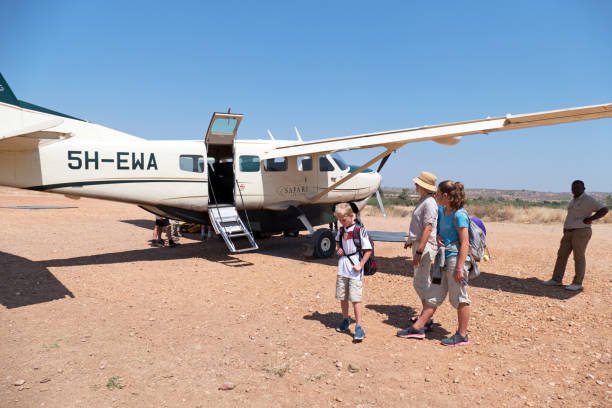
Budget Fly-In Safari From Zanzibar: Best Packages & Prices 2026-2027
Discover how to plan a budget-friendly fly-in safari from Zanzibar to Tanzania's top parks without sacrificing the quality of your wildlife experience.
View package detailsFly From Arusha To Serengeti For A 2-Day Safari: Understanding Flight Costs
Discover how to budget and plan a fast-paced 2-day safari to the Serengeti, starting from Arusha. We break down flight costs, transfer options, and what to expect from a short, focused trip.
View package details_1_John_from-rednote-web-768x1024.jpg)
Serengeti To Zanzibar Vs Arusha To Which Is Better After Safari? 2027
Choosing the right transfer to Zanzibar after a safari—Serengeti to Zanzibar or Arusha to Zanzibar—depends entirely on your safari route, time constraints, and budget. This guide breaks...
View package details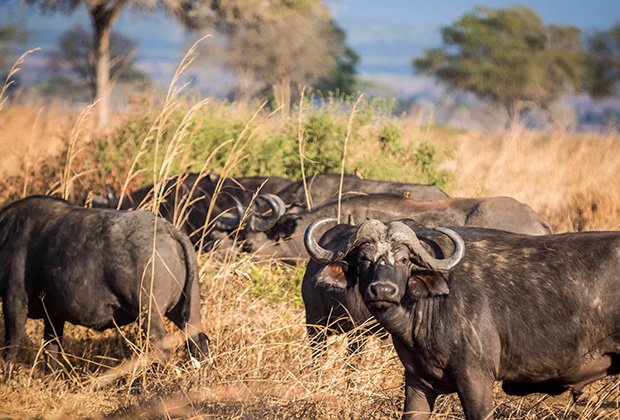
Dec 24, – 3 Day Christmas Serengeti And Ngorongoro Group Safari
Dec 24, 2026 – 3 Day Christmas Serengeti and Ngorongoro Group Safari.
View package details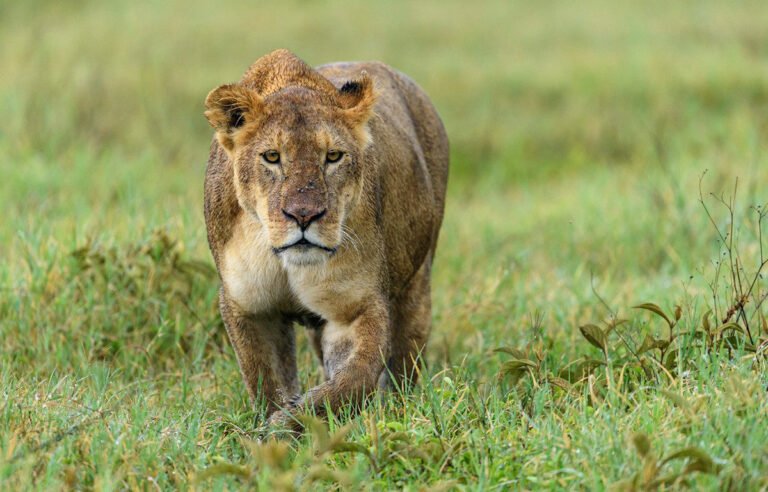
Dec 20, – 10 Day Complete Tanzania Group Joining Safari
Dec 20, 2026 – 10 Day Complete Tanzania Group Joining Safari.
View package details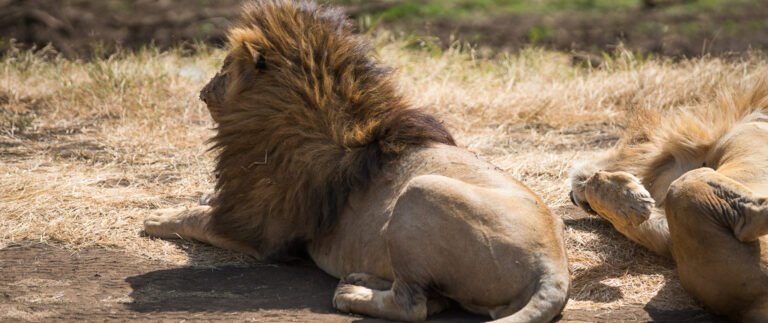
Which Dec Group Safari Ends Before New Year’s Eve?
Which Dec Group Safari Ends Before New Year’s Eve?
View package details
How Early Should I Book A Nov Or Dec Tanzania Group Safari?
How Early Should I Book a Nov or Dec Tanzania Group Safari?
View package details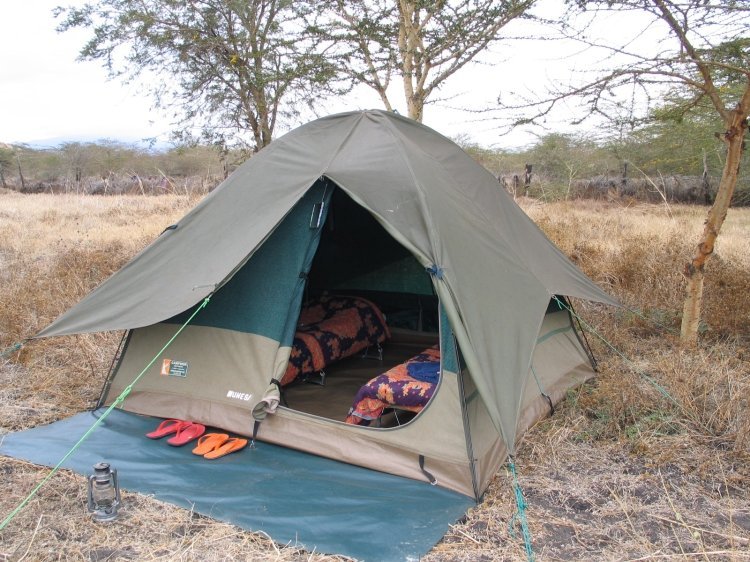
Can I Pay A Deposit To Reserve A Tanzania Group Safari?
Can I Pay a Deposit to Reserve a Tanzania Group Safari?
View package details
Nov 23, – 3 Day Serengeti And Ngorongoro Safari From Zanzibar
Nov 23, 2026 – 3 Day Serengeti and Ngorongoro Safari from Zanzibar.
View package detailsNo related package matches those filters. Clear one or more filters to see the other topic-matched options.