You can determine if a Tanzania safari quote is overpriced by meticulously comparing what’s included against industry standards and your specific needs, scrutinizing accommodation levels, vehicle quality, park fees, guide experience, and the operator’s local presence and support. An overpriced quote often features vague inclusions, uses generic accommodation, lacks transparency on park fees, or is significantly higher than comparable itineraries from reputable local operators for 2026-2027 travel, while a well-priced quote clearly outlines every detail, justifies costs, and reflects genuine value for the experience offered.
Understanding Tanzania Safari Pricing: What Drives the Cost?
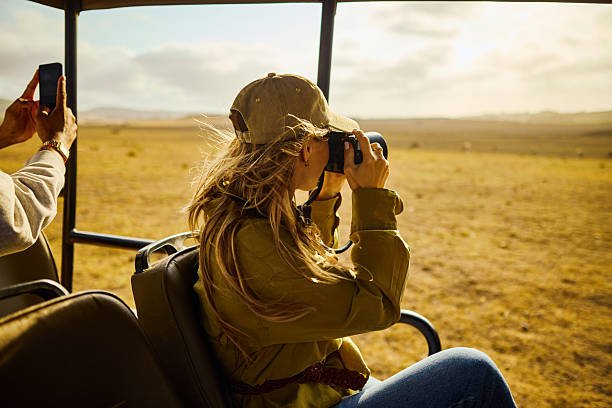
Embarking on a Tanzania safari is a dream for many, conjuring images of vast savannas teeming with wildlife. However, translating that dream into reality involves navigating a landscape of safari quotes, and it’s not always straightforward to know if you’re getting fair value. A common question for travelers planning their 2026 or 2027 adventure is: How do I know if a Tanzania safari quote is overpriced? The answer lies in understanding the core components that build a safari package and how they translate into cost. It’s a mix of tangible assets, essential services, and the intangible quality of expertise and local knowledge.
At its heart, a safari quote is a package deal. It bundles together transportation, accommodation, park entry fees, guiding services, meals, and often other logistical elements. The price you see is a reflection of the quality and quantity of each of these components. For instance, a quote for a luxury tented camp will naturally be higher than one for a more basic lodge, just as a private 4×4 Land Cruiser with a pop-up roof will command a different price than a shared minivan.
Beyond the obvious inclusions, several less visible factors significantly influence safari pricing. These include the operator’s overheads, their commitment to fair wages for local staff, their investment in vehicle maintenance and safety, their ground support infrastructure, and their local knowledge which can dramatically enhance your safari experience. A reputable local operator, like Climb 4 Africa, often has a better understanding of these nuances and can often provide more competitive pricing for comparable quality because they operate directly on the ground, cutting out intermediary markups.
When evaluating a quote, it’s crucial to look beyond the headline figure. Is it a per-person price or a total for a group? Does it include all park fees, or are they a separate, potentially significant, add-on? Are meals included at all lodges, or only at certain camps? Are drinks factored in? These details, often overlooked, can dramatically alter the final cost and thus the perceived value of a quote. We’ll explore deeper into each of these areas to equip you with the knowledge to confidently assess whether a Tanzania safari quote is genuinely overpriced or represents excellent value for your upcoming 2026-2027 expedition.
Deconstructing the Safari Quote: Key Components and Their Cost Impact
To effectively gauge whether a Tanzania safari quote is overpriced, you must first understand what goes into constructing that price. Think of it like building a house; the final cost depends on the materials used, the labor involved, and the foundation it sits on. Similarly, safari costs are built from several critical pillars, each with its own pricing implications.
1. Accommodation: Lodges, Camps, and Glamping
This is often one of the largest cost drivers on a safari. Tanzania offers a spectrum of accommodation options, from rustic tented camps to ultra-luxury lodges. The quality, location, and amenities of your accommodation will significantly impact the price.
- Luxury Lodges & Camps: These typically feature en-suite bathrooms, hot showers, fine dining, swimming pools, and impeccable service. They are often situated in prime locations with stunning views and excellent wildlife viewing opportunities. Expect higher price points for these. For 2026-2027 bookings, these will naturally reflect current operational costs and demand.
- Mid-Range Lodges & Camps: Comfortable and well-appointed, these offer good amenities, often en-suite facilities, and quality meals. They provide a balanced experience between comfort and cost.
- Budget Camps/Tented Camps: These might offer shared bathroom facilities, simpler meals, and more basic furnishings. While more affordable, they still provide an authentic safari experience.
- Mobile Camps: Some operators use temporary tented camps that move with the migration. These can offer an exclusive experience but may vary in comfort and price.
When evaluating a quote: Always check the specific names of the accommodations. A quote that vaguely states “lodges” or “camps” without specifying is a red flag. Research these properties yourself. Are they in desirable locations? Do their reviews align with the safari experience you seek? A quote that includes high-end properties will naturally be more expensive than one using more modest options, but it should be clearly stated.
2. Transportation: The Safari Vehicle and Driver-Guide
Your safari vehicle and your guide are your eyes and ears in the bush. The type of vehicle and the caliber of your guide are paramount to your experience and, consequently, to the quote’s price.
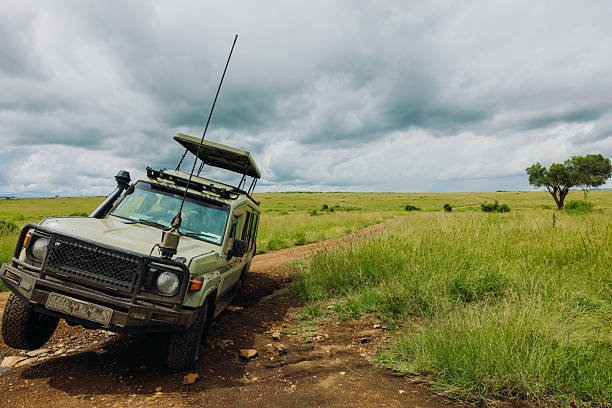
- Vehicle Type: Most reputable operators use custom-built 4×4 Land Cruisers or Land Rovers. These are equipped with pop-up roofs for optimal game viewing, comfortable seating, and sturdy suspension for rough terrain. The capacity (e.g., 6-7 passengers) also affects cost, with private vehicles being more expensive than shared ones. A quote specifying a private 4×4 Land Cruiser with a pop-up roof is standard for quality Tanzanian safaris.
- Driver-Guide Experience: A good driver-guide is more than just a driver; they are a naturalist, a tracker, and a storyteller. Experienced guides who know the parks intimately can significantly enhance your wildlife sightings and understanding of the ecosystem. Top-tier guides often command higher salaries, which is reflected in the safari price.
When evaluating a quote: Does it specify the vehicle type? Does it mention a private vehicle, or is it a shared tour? Does it hint at the guide’s experience level? A quote that includes a private vehicle and a highly experienced, English-speaking driver-guide will be more expensive than a shared tour with a less experienced guide, and this difference should be clear.
3. Park Fees and Concession Fees
These are non-negotiable government charges and often represent a substantial portion of your safari cost. They are usually calculated per person, per day, and vary by park. For example, fees for Serengeti National Park and Ngorongoro Conservation Area are significant.
- National Park Entrance Fees: Daily fees charged by Tanzania National Parks Authority (TANAPA) for entry into parks like the Serengeti, Tarangire, Lake Manyara, and Arusha.
- Ngorongoro Crater Service Fee: A daily fee for descending into the crater.
- Concession Fees: In some private or community-run wildlife management areas, additional fees may apply. These often fund conservation and local communities.
When evaluating a quote: This is a critical area for transparency. A quote that clearly itemizes these fees, or at least states that they are included in the total price, is preferable. Operators who don’t include them often present a lower initial quote, which can be misleading. Always ask for a breakdown or confirmation of inclusion. For 2026-2027, be aware that park fees are subject to change by the Tanzanian government, so check for any updates or clauses related to fee increases.
4. Duration and Itinerary
The length of your safari and the specific parks you visit directly influence the cost. More days mean more accommodation, more park fees, and more guiding time.
- Number of Days: A 7-day safari will cost more than a 5-day safari.
- Parks Visited: Visiting the popular Northern Circuit parks (Serengeti, Ngorongoro, Tarangire, Lake Manyara) often involves higher park fees and longer travel distances than focusing on a single park or the Southern Circuit.
- Pace: A fast-paced itinerary with frequent moves between locations might seem cost-effective but can be exhausting. A slower pace allows for deeper exploration and often better wildlife viewing.
When evaluating a quote: Ensure the itinerary is logical and achievable within the timeframe. Does it cover the parks you’re interested in? Does the duration align with your expectations? A quote for a 10-day Serengeti-focused safari will naturally be higher than a 3-day Tarangire excursion.
5. Inclusions and Exclusions: The Devil is in the Details
This is where many discrepancies arise. What is and isn’t included in your quote can drastically alter its final cost and your on-the-ground expenses.
- Meals: Are all meals included, or just breakfast at lodges? Are lunches and dinners covered?
- Drinks: Are water, soft drinks, and alcoholic beverages included? This can add up quickly.
- Activities: Does the quote include optional activities like guided bush walks, hot air balloon safaris, or cultural visits? These are often extra.
- Tips: Are tips for guides and lodge staff included, or are they expected to be paid separately?
- Gratuities: Similar to tips, clarify expectations.
- Visa Fees & Flights: International flights, internal charter flights, and visa costs are almost always excluded.
- Travel Insurance: Essential but rarely included.
- Personal Expenses: Souvenirs, laundry, etc.
When evaluating a quote: A comprehensive quote will clearly list everything that is included and explicitly state what is not. Vague inclusions or a lack of detail here are significant warning signs of a potentially overpriced or poorly structured package. For 2026-2027 travel, always double-check the latest visa requirements and flight costs, as these can fluctuate.
Comparing Safari Quotes: The Art of Diligent Research
Once you understand the components, the next step is to compare quotes effectively. This requires more than just looking at the bottom line; it involves a deep look at the specifics offered by different operators.
1. Standardize Your Comparison Criteria
To make a fair comparison, you need to ensure you are comparing apples to apples. This means creating a checklist of what you expect from your safari and comparing each quote against it.
- Duration: Are the quoted safaris for the same number of days?
- Parks: Are the same national parks and conservation areas included?
- Accommodation Level: Are the lodges and camps of a similar standard? Request specific lodge names.
- Vehicle Type: Is it a private 4×4 Land Cruiser or a shared vehicle?
- Inclusions: Are park fees, meals, drinks, and specific activities consistently included or excluded across quotes?
- Group Size: Is it a private safari or a group tour?
Actionable Advice: Create a spreadsheet. List your key criteria down one side and the different tour operators’ quotes across the top. Fill in the details for each operator. This visual comparison makes it easy to spot where costs differ and why.
2. Understand the Operator’s Type and Location
The type of company providing the quote significantly impacts pricing and service quality.
- Local Tanzanian Operators (e.g., Climb 4 Africa): These companies are based in Tanzania, have deep local knowledge, and often have lower overheads. They can offer excellent value because they manage operations directly. They are also best placed to ensure your money directly benefits the local economy.
- International Tour Operators/Agents: These companies are based outside Tanzania and often act as intermediaries. They may sell safaris from various local providers. While they can offer convenience and sometimes package deals, they typically add a markup to cover their own operational costs, marketing, and profit. This can make their quotes appear higher for the same safari.
- Hybrid Operators: Some companies have a presence both internationally and locally. Their pricing can vary.
When evaluating a quote: Ask the operator where they are based and how they manage their operations on the ground. A quote from a company with a strong local presence in Arusha or Moshi, like Climb 4 Africa, is often more competitive and transparent than one from an overseas agent who relies on third parties.
3. Research the Operator’s Reputation and Reviews
A company’s track record speaks volumes. While not directly a cost factor, a poor reputation can indicate underlying issues that might make an expensive safari feel like a rip-off.
- Online Reviews: Check platforms like TripAdvisor, Google Reviews, and specialized safari forums. Look for consistent feedback on service, guides, vehicles, and overall value.
- Accreditation and Memberships: Are they members of recognized tourism bodies?
- Longevity: How long have they been operating?
When evaluating a quote: If a quote seems too good to be true, or conversely, exorbitantly high, check the operator’s reputation. A well-respected operator might charge a premium, but it’s often justified by quality and reliability. Conversely, a cheap quote from an unknown operator could signal poor service or hidden costs down the line.
4. Beware of Hidden Costs and Vague Language
This is where many overpriced quotes hide. Lack of clarity is a major red flag.
- Vague Inclusions: Phrases like “accommodation as available” or “park fees may apply” are problematic.
- Unspecified Park Fees: If park fees aren’t clearly stated as included or excluded, they can be a surprise add-on.
- “Optional” Activities That Aren’t: Sometimes, activities presented as optional are essential for the itinerary.
- Exaggerated “Luxury”: A quote might promise luxury but use mid-range accommodations or basic vehicles.
Actionable Advice: Always ask for clarification on anything unclear. If an operator is hesitant to provide details or becomes defensive, it’s a sign to be cautious. For 2026-2027 planning, ensure the quote addresses how potential price fluctuations (e.g., government fees, fuel costs) will be handled.
Red Flags: Signs a Tanzania Safari Quote Might Be Overpriced
Certain signals in a safari quote should immediately prompt closer scrutiny. These are often indicators that you might be paying more than necessary for the services rendered, or that the value proposition is weak.
1. Lack of Specificity in Inclusions
As mentioned, vague language is a major concern. If a quote doesn’t clearly list:
- The exact names and star rating/type of accommodations.
- The specific type of vehicle (e.g., 4×4 Land Cruiser with pop-up roof).
- Whether park fees, conservation fees, and crater fees are included.
- Details on meals (e.g., all meals, or just breakfast).
- Inclusion of bottled water in the vehicle.
…then it’s difficult to compare it accurately with other offers. This vagueness often allows operators to substitute lower-quality services or add unexpected charges later, making the initial quote appear competitive but the final cost higher.
2. Significantly Higher Price Than Comparable Itineraries
While every safari is unique, if you receive several quotes for very similar itineraries (same duration, parks, accommodation level, private vehicle) and one is substantially higher than the others without a clear justification (e.g., vastly superior accommodation or exclusive access), it’s a strong indicator of being overpriced. This is where your spreadsheet comparison becomes invaluable.
3. Pressure Tactics or “Limited Time Offers”
Reputable operators provide clear information and allow you time to consider. If you feel pressured to book immediately with vague justifications like “this price is only valid today” or “we only have one spot left” (especially for private safaris), be wary. This tactic is sometimes used to rush clients into decisions before they’ve had time to thoroughly compare or research, potentially leading them to overpay.
4. Poor Communication and Unresponsiveness
If an operator is slow to respond to your queries, provides unclear answers, or seems unwilling to discuss details, it’s a bad sign. This lack of transparency can extend to their pricing and inclusions. A company that values its clients will be clear and prompt in its communication, especially when discussing something as significant as a safari quote for 2026 or 2027.
5. Unrealistic Promises or “Too Good to Be True” Pricing
Conversely, a quote that is dramatically lower than all others can also be a red flag. It might indicate:
- Substandard accommodation or vehicles.
- Inexperienced guides.
- Exclusion of critical fees (like park entries).
- Overcrowded group tours disguised as private.
- A company cutting corners on safety or conservation.
A genuinely good deal offers excellent value, but a suspiciously cheap quote can lead to disappointment and unexpected costs.
6. Lack of Local Presence or Support
While not always directly tied to price, an operator without a strong local presence in Tanzania (like Climb 4 Africa in Arusha) might have higher overheads due to using third-party ground handlers. This can inflate prices. More importantly, local operators offer better real-time support should any issues arise during your safari in 2026-2027.
When is a Higher Price Justified?
It’s important to note that not all higher-priced quotes are overpriced. A higher cost can be justified by:
- Superior Accommodation: Staying in exclusive, high-end lodges or mobile camps in prime wildlife areas.
- Exclusive Access: Safaris that include private conservancies or concessions, offering more intimate wildlife viewing away from crowds.
- Exceptional Guiding: Employing renowned, highly experienced guides with deep knowledge of wildlife behavior and tracking.
- Higher Vehicle Standards: Newer, more comfortable, or specially adapted safari vehicles.
- All-Inclusive Packages: Including premium drinks, laundry, and even gratuities, which can add significant value.
- Small Group Sizes: Offering true private safari experiences with fewer people per vehicle.
- Strong Conservation & Community Support: Operators who invest heavily in conservation projects and fair wages for local staff may reflect this in their pricing, which is often a worthwhile investment for responsible travelers.
Evaluating Value: Beyond the Price Tag
Ultimately, determining if a Tanzania safari quote is overpriced hinges on assessing its value proposition. Value isn’t just about the lowest price; it’s about the quality of the experience you receive for the money you spend.
1. The “Local Support” Factor
A key differentiator for operators like Climb 4 Africa is our robust local presence. This means we have:
- On-the-Ground Expertise: We live and breathe Tanzania. We know the parks, the wildlife patterns, and the best times to visit each year.
- Direct Operational Control: We manage our own vehicles and employ our own guides, ensuring quality control and competitive pricing.
- Rapid Problem Solving: If a vehicle breaks down or there’s an issue, we can respond immediately.
- Fair Employment Practices: We ensure our staff are well-compensated and treated ethically, which translates into motivated and professional service.
When comparing quotes, consider the operator’s connection to Tanzania. A quote from a company with a strong local base often represents better value because it reflects direct operational costs and superior on-the-ground support, crucial for a smooth 2026-2027 safari.
2. Customization vs. Standard Packages
Are you looking for a tailor-made itinerary designed around your specific interests, or a standard package? Customization often comes at a premium because it requires more planning and personalized service.
- Tailor-Made Safaris: Allow you to design your dream trip, choosing specific lodges, activities, and pacing. This flexibility can sometimes lead to a higher quote but ensures you get exactly what you want.
- Set Itinerary Safaris: These are often more cost-effective as they are pre-planned and can be operated more efficiently, especially if they are group departures.
When evaluating a quote: If you’ve requested a custom itinerary, ensure the quote reflects the personalization. If you’re opting for a standard package, compare it against other similar standard packages. For a custom 2026-2027 safari, discuss with operators like Climb 4 Africa how your specific requests influence the price.
3. Understanding Different Pricing Models
Safari pricing can vary based on sharing arrangements and seasonality.
- Per Person Sharing (PPS): The most common pricing model, assuming two people share a room and vehicle. Prices are lower per person when sharing.
- Single Supplement: If you travel solo, you’ll often pay a single supplement for your room and potentially for a private vehicle if not joining a group.
- Private Safari: A safari booked exclusively for your group, offering maximum flexibility and privacy. This will be more expensive than a shared tour.
- Group Safaris: Joining a pre-scheduled group departure. These are typically the most budget-friendly option.
- Seasonality: Prices can fluctuate significantly between the high season (e.g., June-October, December-February) and the low season (e.g., March-May, November). High season sees higher demand and thus higher prices.
When evaluating a quote: Ensure the quote clearly states the pricing model. Are you being quoted PPS, a single rate, or a private group rate? Are you comparing high season rates with low season rates? For 2026-2027, understand that peak seasons will always command higher prices.
4. The Value of Experience and Expertise
Sometimes, a higher quote reflects a higher level of expertise. This can manifest in:
- Seasoned Guides: Guides who can spot elusive wildlife, understand animal behavior, and provide fascinating insights into the ecosystem.
- Logistical Prowess: Operators who have mastered the logistics of Tanzanian safaris, ensuring smooth transitions and timely arrivals.
- Safety Protocols: Robust safety measures for vehicles and on safari.
- Conservation Ethos: Operators genuinely committed to responsible tourism and conservation efforts.
A quote that includes a premium for these factors might be higher, but it can deliver an unparalleled safari experience that is well worth the investment. It’s about asking yourself what you prioritize: lowest cost, or the best possible chance for incredible wildlife encounters and a smooth, enriching journey.
Actionable Steps: How to Get the Best Value for Your Tanzania Safari
Armed with this knowledge, you’re ready to approach your safari planning with confidence. Here’s how to ensure you get the best value for your 2026-2027 adventure:
1. Define Your Priorities
Before requesting quotes, know what’s most important to you:
- Budget: What is your absolute maximum spend?
- Accommodation Style: Are you seeking luxury, comfort, or authenticity?
- Wildlife Focus: Are you after the Big Five, specific bird species, or the Great Migration?
- Pace: Do you prefer to move quickly between parks or spend more time in fewer locations?
- Privacy: Is a private safari essential, or are you comfortable with a small group?
Knowing your priorities will help you filter quotes and communicate effectively with operators.
2. Request Detailed Quotes from Multiple Operators
Don’t settle for the first quote you receive. Contact at least 3-4 reputable operators, including local ones like Climb 4 Africa, and provide them with the same detailed requirements for your desired itinerary.
- Be Specific: Clearly state your preferred dates (e.g., for 2026 or 2027), duration, number of travelers, desired parks, accommodation level, and any specific interests.
- Ask for Itemized Breakdowns: Request a quote that clearly lists inclusions, exclusions, accommodation names, and estimates for park fees.
This allows for direct comparison and helps you identify any significant price discrepancies or areas where value might be lacking.
3. Ask Probing Questions
Don’t hesitate to ask for clarification. Good operators welcome questions.
- “Can you provide the specific names of the lodges/camps you’ve quoted?”
- “Is this a private safari or a group tour? What is the maximum group size?”
- “Are all park fees, conservation fees, and crater fees included?”
- “What type of vehicle will be used, and does it have a pop-up roof?”
- “What is your cancellation policy?”
- “What is your policy on handling price increases for park fees or fuel for 2026-2027 travel?”
The way an operator answers these questions can reveal a lot about their transparency and professionalism.
4. Consider the “Total Cost of Ownership”
Think beyond the initial quote. Factor in potential extras:
- Tips: Budget around $20-30 per person per day for guides and camp staff.
- Drinks: If not included, budget for sodas, beer, and wine.
- Optional Activities: Hot air balloon rides ($500-$600+ pp), cultural visits, etc.
- Souvenirs and Personal Expenses.
A quote that includes more upfront might seem higher, but it can save you money and hassle during the trip.
5. Trust Your Gut and Choose a Reputable Operator
If a quote seems too cheap or too expensive, and you can’t get clear answers, it’s often best to walk away. Prioritize operators with a strong reputation, excellent reviews, and a clear commitment to ethical tourism and client satisfaction. For your 2026 or 2027 safari, partnering with a knowledgeable and reliable operator like Climb 4 Africa is key to a memorable and valuable experience.
By following these steps, you can move beyond simply looking at numbers and truly understand the value behind each Tanzania safari quote, ensuring your investment translates into an unforgettable African adventure.
Making the Final Decision: Booking Your 2026-2027 Tanzania Safari
Deciding on the right safari quote involves more than just comparing prices; it’s about aligning the offer with your expectations for an incredible experience. When you’re ready to move forward, remember that working with a trusted partner makes all the difference. At Climb 4 Africa, we pride ourselves on transparency, value, and delivering exceptional safari experiences tailored to your desires.
We understand the nuances of Tanzanian safaris, from the best times to witness the Great Migration in the Serengeti in 2026-2027 to the most comfortable lodges in Tarangire during the dry season. Our quotes are detailed, outlining every inclusion and exclusion so you know exactly what to expect. We work with a fleet of well-maintained 4×4 Land Cruisers and employ experienced, passionate driver-guides who are experts in wildlife spotting and ensuring your safety and enjoyment.
If you have received quotes and are unsure about their value, or if you are just beginning your research for a 2026 or 2027 safari, we encourage you to reach out. We can help you dissect other quotes, compare options, and provide our own transparent pricing for an itinerary that perfectly matches your dreams and budget. We believe that a great safari should offer outstanding value, combining unforgettable wildlife encounters with comfortable and reliable logistics.
To discuss your Tanzania safari plans, get a personalized quote, or simply ask more questions about how to ensure you’re not overpaying, please don’t hesitate to contact us. Our team is ready to assist you in crafting the adventure of a lifetime. You can reach us via WhatsApp at +255 747 477 898 or by emailing us at climb4africa@gmail.com. Let’s plan your incredible journey together.
“,
“faq_schema”: [
{
“question”: “What are the main cost components of a Tanzania safari quote?”,
“answer”: “The main cost components of a Tanzania safari quote include accommodation (lodges/camps), transportation (safari vehicle and driver-guide), park and conservation fees, the duration of the safari, and specific inclusions/exclusions like meals, drinks, and activities. Operator overheads and their local presence also play a role.”
},
{
“question”: “How can I compare different Tanzania safari quotes fairly?”,
“answer”: “To compare quotes fairly, standardize your criteria: ensure the duration, parks visited, accommodation level, vehicle type, and inclusions (like park fees) are consistent across the quotes. Use a spreadsheet to track these details. Also, consider the operator’s location (local vs. international) and reputation.”
},
{
“question”: “What are common red flags for an overpriced Tanzania safari quote?”,
“answer”: “Red flags include vague inclusions, lack of specific accommodation names, significantly higher prices than comparable itineraries without justification, pressure tactics, poor communication, unrealistic low prices, and a lack of local operational presence. Always ask for detailed breakdowns.”
},
{
“question”: “Are park fees always included in Tanzania safari quotes?”,
“answer”: “Park fees, conservation fees, and Ngorongoro Crater fees are significant costs. Reputable operators will clearly state whether these are included or excluded. If excluded, they can add a substantial amount to the final price. Always verify this inclusion.”
},
{
“question”: “Should I prioritize the cheapest Tanzania safari quote?”,
“answer”: “Not necessarily. The cheapest quote might indicate compromises on accommodation, vehicle quality, guide experience, or even safety. Focus on value for money by comparing detailed inclusions and operator reputation. A slightly higher quote from a reputable local operator often offers a much better overall experience and reliability for 2026-2027 trips.”
},
{
“question”: “How does booking with a local Tanzania operator like Climb 4 Africa affect pricing?”,
“answer”: “Booking with a local operator like Climb 4 Africa typically offers better value. Local companies have lower overheads, direct operational control, deep local knowledge, and can often provide more competitive pricing for comparable quality compared to international agents who add markups. They also ensure your money directly supports the local economy and community.”
},
{
“question”: “What should I expect to pay for a 7-day Tanzania safari in 2026-2027?”,
“answer”: “For a 7-day Tanzania safari in 2026-2027, prices can range widely. Mid-range options typically start from around $2,500 – $4,000 per person, while luxury safaris can be $5,000 – $10,000+ per person, depending heavily on accommodation, private vs. group, and specific parks. Always get detailed quotes for accurate pricing.”
}
]
}
“`
Check Availability for How Do I Know If A Tanzania Safari Quote Is Overpriced? 2026-2027
Ready to compare dates, prices, and the best option for your group? Send the package name and travel month so the team can reply with a clear quote, availability, and what is included.
AFCON 2027 Safari Packages from Tanzania
Hitaji la safari ya kundoka ili kufurahia AFCON 2027? Chagua kutoka kwa mikakati ya safari nchini Tanzania inayoambatana na wildlife, mbuga maarufu, na uwekaji wa huduma ya kimataifa ya...
View package details
AFCON 2027 Mid Range Safari Packages Tanzania
Mwongozo wa safari ya kati ya AFCON 2027 Tanzania kutoka Climb 4 Africa: mipango ya njia, maeneo ya msitu wa serikali, na usalama wa wasafiri. Onyesha jinsi ya kuchagua kilima cha kati...
View package details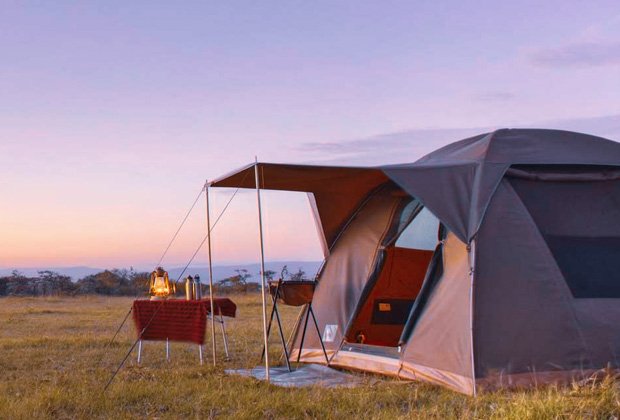
Best Tanzania Safari Before Afcon Final
Best Tanzania Safari Before AFCON 2027 Final.
View package detailsBest Tanzania Safari After Afcon Match
Best Tanzania Safari After AFCON 2027 Match.
View package details
Five Day Tanzania Safari And Afcon Package
Five Day Tanzania Safari and AFCON Package.
View package details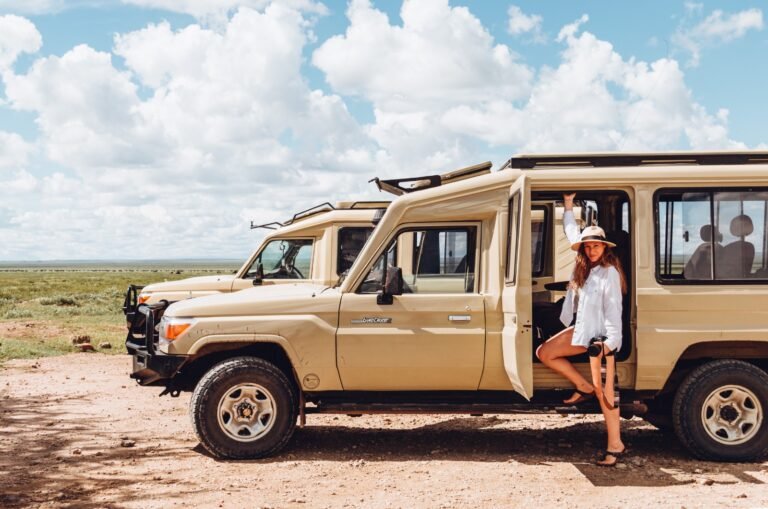
Afcon Northern Tanzania Safari Packages
AFCON 2027 Northern Tanzania Safari Packages.
View package detailsAfcon Tanzania Football Kilimanjaro And Safari Tour
AFCON 2027 Tanzania Football Kilimanjaro and Safari Tour.
View package details
Tanzania Safari Packages from Dar es Salaam During AFCON 2027
Mwongozo wa kina wa safari za Tanzania kuanzia Dar es Salaam wakati AFCON 2027: rasilimali, mipango ya siku, na hatua za uhakika za ziara za wanyama na mbuga maarufu.
View package detailsTanzania Safari Tours for AFCON 2027 Fans
Muhtasari wa safari za Tanzania kwa mashabiki wa AFCON 2027: maeneo ya hifadhi, mizunguko ya wildlife, usalama wa safari, na jinsi ya kupanga na kuhudumiwa na Climb 4 Africa.
View package details
Dec 20, – 10 Day Complete Tanzania Group Joining Safari
Dec 20, 2026 – 10 Day Complete Tanzania Group Joining Safari.
View package detailsHow Early Should I Book A Nov Or Dec Tanzania Group Safari?
How Early Should I Book a Nov or Dec Tanzania Group Safari?
View package detailsNo related package matches those filters. Clear one or more filters to see the other topic-matched options.