
For families traveling with children aged 8 and 12, a recommended safari duration in Tanzania is typically between 5 to 7 full safari days. This length strikes an excellent balance, allowing ample time to explore diverse ecosystems and witness iconic wildlife without overwhelming younger travelers. It provides enough opportunities for exciting game drives, learning about conservation, and experiencing the magic of Africa, while still leaving room for relaxation or other activities before or after the safari in 2026-2027. Shorter trips might feel rushed, while excessively long ones could test the patience of an 8-year-old, making 5-7 days the sweet spot for memorable family adventures.
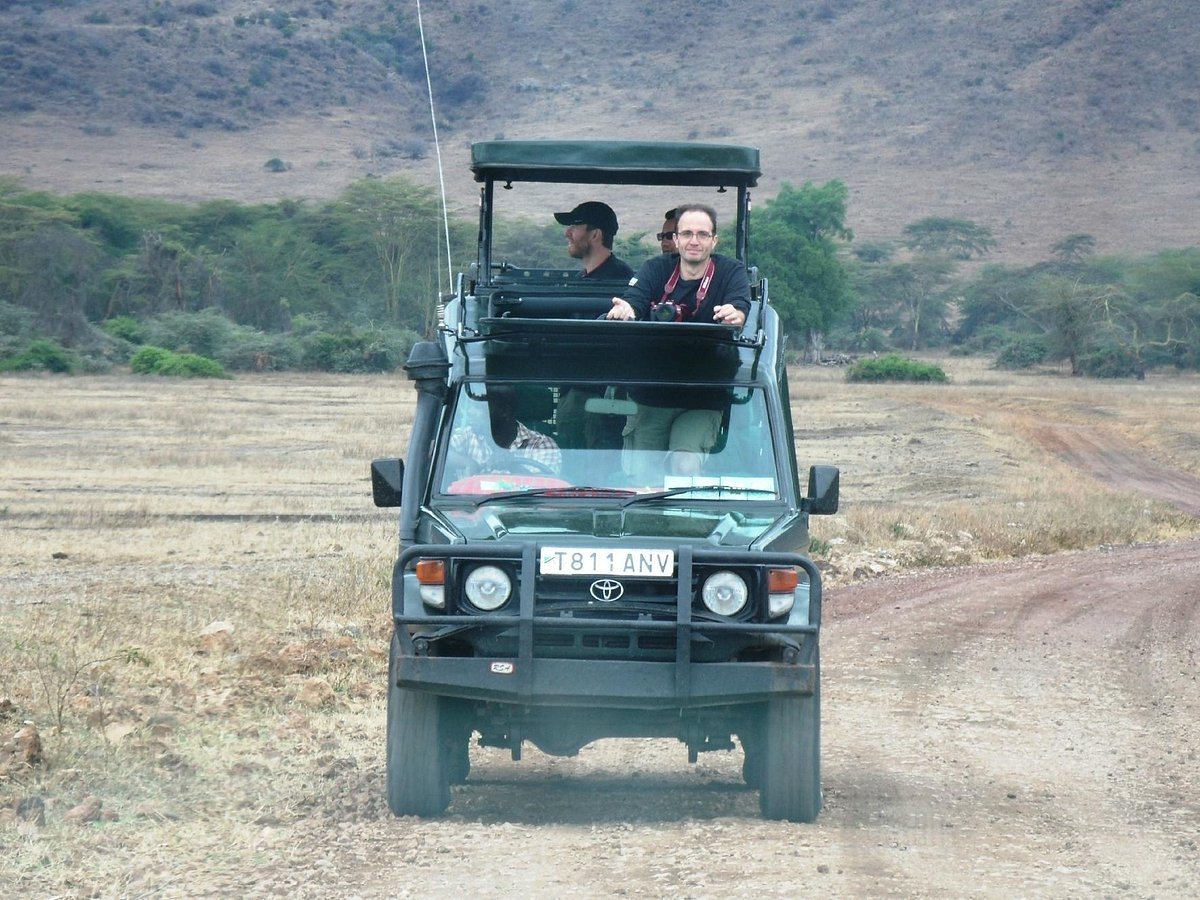

Understanding Safari Pace for Young Explorers (Ages 8 & 12)
When planning a safari with children aged 8 and 12, the key is to create an experience that is both exciting and manageable. These ages are fantastic because kids are old enough to appreciate the wildlife, understand basic safety instructions, and actively participate in the adventure, yet they still have shorter attention spans and different energy levels compared to adults. The question of how many safari days would you recommend for this age group is central to crafting a successful trip for 2026-2027.
A safari isn’t just about ticking off animal sightings; it’s about immersion, learning, and creating lasting memories. For an 8-year-old, prolonged periods in a vehicle, no matter how exciting the scenery, can become tiring. A 12-year-old might be more patient but will still benefit from variety and engaging activities. Therefore, the duration needs to cater to their stamina, curiosity, and overall enjoyment.
We often advise families that 5 to 7 full safari days provides the optimal blend. This duration allows for:
- Sufficient Wildlife Viewing: Enough time to visit at least two distinct ecosystems, increasing the chances of seeing a wider array of animals.
- Varied Activities: Opportunities for morning and afternoon game drives, perhaps a bush walk (if age-appropriate and available), and time to relax at lodges or camps.
- Reduced Travel Fatigue: Minimizing the number of long travel days between parks, which can be a significant factor for younger travelers.
- Flexibility: A slightly longer duration allows for some flexibility should weather conditions impact game drives or if a particular area proves exceptionally rewarding.
Consider this: a 3-day safari might only allow you to scratch the surface of one park, leading to a feeling of being rushed. Conversely, a 10-day safari, while offering incredible depth, might start to feel too long for an 8-year-old, potentially leading to boredom or fatigue setting in. Therefore, the 5-7 day window is where we find most families with children in this age bracket achieve the best results for their 2026-2027 travel plans.
Factors Influencing Safari Duration for Families
While 5-7 days is a strong recommendation, several factors can influence the ideal safari length for your family. Understanding these nuances will help you tailor the trip perfectly to your children’s interests and your family’s overall travel style for 2026-2027.
1. Children’s Interests and Stamina
This is paramount. Are your children budding zoologists, fascinated by every creature, or are they more easily distracted? An 8-year-old might be thrilled by a few hours of intense game viewing followed by downtime, while a 12-year-old might have the focus for longer stretches. Discuss their expectations beforehand. If they are incredibly enthusiastic and have proven stamina for long days, you might lean towards the higher end of the 5-7 day range, or even consider adding a day. If they tend to get restless, sticking to the shorter end or incorporating more frequent breaks is wise. Remember, a safari day often involves early starts to catch animals at their most active, followed by lunch and a rest, then an afternoon/evening game drive. Balancing these active periods with relaxation is crucial for younger travelers.
2. Itinerary Scope and Parks Visited
The number of national parks and the geographical spread of your itinerary directly impact the required duration. Tanzania offers a vast array of safari destinations, each with its unique appeal:
- The Northern Circuit (Serengeti, Ngorongoro, Tarangire, Lake Manyara): This is the most popular circuit for a reason, offering incredible wildlife density and diversity. Visiting two parks (e.g., Serengeti and Ngorongoro Crater) typically requires a minimum of 4-5 days to do them justice. Adding Tarangire or Lake Manyara for a third location would push the ideal duration towards 6-7 days.
- Southern Circuit (Selous/Nyerere National Park, Ruaha): These parks offer a more wild and less crowded experience. Selous, being vast, requires a good few days to explore its riverine and open plains habitats. Ruaha, Tanzania’s largest park, is more remote and best explored over 3-4 days. A combined Southern Circuit trip, perhaps with a focus on Selous, might be best suited for 5-6 days to avoid excessive travel.
- Western Circuit (Gombe, Mahale): These parks are renowned for chimpanzee trekking. Chimpanzee tracking itself is an activity that takes a specific amount of time, usually a full day or more. If chimpanzees are a primary focus, a dedicated 3-4 day segment for this might be part of a larger safari, extending the overall trip.
For children aged 8 and 12, sticking to the well-trodden Northern Circuit is often the most practical and rewarding choice, as it minimizes travel times between parks and offers reliable wildlife sightings. For this circuit, 5-7 days is ideal.
3. Travel Style and Accommodation Choice
Your choice of accommodation can significantly influence the pace and enjoyment of your safari. Do you prefer staying in one lodge for multiple nights to minimize packing and unpacking, or do you enjoy moving between different locations?
- Tented Camps vs. Lodges: Permanent lodges offer more amenities and often swimming pools, which can be a great way for kids to relax and cool down. Tented camps can offer a more ‘wild’ experience, which might excite older children, but ensure they are family-friendly with comfortable amenities.
- Pace of Movement: If you opt for staying longer in fewer locations, you can achieve more with fewer days. For example, spending 3 nights in the Serengeti allows for multiple game drives without changing camps. If you wish to experience more varied environments, you’ll need more days.
For families with younger children, fewer camp/lodge changes are generally recommended. This means spending at least 2-3 nights in each major location. This approach naturally supports the 5-7 day recommendation as it allows for sufficient exploration of each area without constant packing and transit.
4. Inclusion of Other Activities
Is your safari a standalone trip, or is it part of a larger Tanzanian adventure? If you plan to combine your safari with a Kilimanjaro climb, a beach holiday in Zanzibar, or cultural visits, the safari duration might need to be adjusted.
- Pre/Post-Climb Safaris: If you’re climbing Kilimanjaro, a 3-4 day safari is often a good way to decompress and see wildlife after the trek. This might be sufficient for an 8 and 12-year-old.
- Safari + Zanzibar: A common combination. You might dedicate 4-5 safari days to see key wildlife areas and then head to Zanzibar for relaxation.
- Cultural Immersion: Adding a day for a Maasai village visit or a visit to a local school can enrich the experience for children and adds value to the trip, potentially justifying a slightly longer safari.
If your safari is the main focus of the trip, then 5-7 days is a solid recommendation. If it’s one component, you might adjust downwards slightly, ensuring you don’t compromise the core wildlife viewing experience for the children.
Sample Itinerary Frameworks (5-7 Days) for Families with Kids Aged 8 & 12
To illustrate what 5-7 safari days can look like for families with children aged 8 and 12, here are a couple of frameworks focusing on the popular Northern Circuit. These are adaptable for 2026-2027 travel.
Framework 1: The Classic Northern Explorer (6 Days / 5 Nights)
This is a very popular and well-rounded itinerary that offers a great introduction to Tanzania’s iconic wildlife for families.
- Day 1: Arrival in Arusha & Transfer to Lodge. Arrive at Kilimanjaro International Airport (JRO), meet your guide, and transfer to your comfortable lodge in Arusha. Relax and prepare for the adventure ahead. This day is about acclimatization and easing into the travel.
- Day 2: Tarangire National Park. Drive to Tarangire, famous for its large elephant herds and baobab trees. Enjoy an afternoon game drive. The relatively short drive from Arusha makes this a good first park for kids.
- Day 3: Ngorongoro Crater. Drive to the Ngorongoro Conservation Area. Descend into the Crater for an incredible full-day game drive. The concentration of wildlife here is astounding, and the enclosed environment means sightings are frequent and exciting for all ages. A picnic lunch is served on the crater floor.
- Day 4: Serengeti National Park (Central). Drive to the Serengeti, with a stop at Olduvai Gorge (optional, depending on children’s interest). Settle into your lodge or camp in the central Serengeti, known for its abundant resident wildlife. Afternoon game drive.
- Day 5: Serengeti National Park. Full day exploring the vast plains of the Serengeti. Focus on areas known for predator sightings or specific animal behaviors that might captivate the children.
- Day 6: Serengeti to Arusha & Departure. Morning game drive in the Serengeti, followed by a flight back to Arusha. Transfer to JRO for your onward flight, or to a hotel if extending your stay.
Why this works for 8 & 12-year-olds: This itinerary offers variety (elephants in Tarangire, dense wildlife in Ngorongoro, vast plains in Serengeti), minimizes long drives between parks by using a flight on the last day, and packs in incredible sightings. The Ngorongoro Crater, in particular, is a hit with children due to the high density of animals in a contained area.
Framework 2: Extended Northern Circuit with Lake Manyara (7 Days / 6 Nights)
This framework adds an extra park, offering even more diversity and a slightly more relaxed pace, which can be beneficial for families.
- Day 1: Arrival in Arusha & Transfer. As above.
- Day 2: Lake Manyara National Park. Drive to Lake Manyara, known for its tree-climbing lions (though not always seen), large elephant herds, and diverse birdlife. Enjoy an afternoon game drive. The park is relatively small, making it easy to explore in a single afternoon.
- Day 3: Tarangire National Park. Drive to Tarangire for a full day of game viewing, focusing on its iconic baobabs and elephant populations.
- Day 4: Ngorongoro Crater. Drive to the Ngorongoro Conservation Area and descend into the Crater for a full day’s game drive.
- Day 5: Serengeti National Park (Central). Drive to the Serengeti, perhaps with a cultural stop. Settle into your accommodation and enjoy an afternoon game drive.
- Day 6: Serengeti National Park. Full day exploring the Serengeti. Depending on the time of year, you might focus on areas relevant to the Great Migration if that is of interest.
- Day 7: Serengeti to Arusha & Departure. Morning game drive in the Serengeti, followed by a flight back to Arusha for your departure.
Why this works for 8 & 12-year-olds: The inclusion of Lake Manyara adds another unique ecosystem. It’s a beautiful park with dense forest and open grasslands, offering a different feel to Tarangire or the Serengeti. The slightly longer duration allows for a more leisurely pace, potentially with more time for swimming at lodges or simply relaxing between game drives, which can be a lifesaver with younger children. This 7-day option provides a comprehensive yet manageable introduction for families.
Maximizing Engagement: Tips for Safari with Kids Aged 8 & 12
Beyond just the number of days, how you structure your safari days and what you emphasize can make a huge difference in keeping your 8 and 12-year-olds engaged and excited throughout your 2026-2027 adventure.
1. Early Mornings and Afternoon Drives
Animals are most active during the cooler parts of the day – early morning and late afternoon/early evening. This often means early starts. For children, ensure they have a good breakfast and perhaps a mid-morning snack. Break up long drives with opportunities to stretch their legs (safely at designated spots or back at camp during siesta time). A good lodge with a pool can be a fantastic reward after a morning game drive.
2. Variety is Key
Don’t just do game drives. If your itinerary allows and age restrictions permit (usually 12+ for walking safaris, but some operators may allow younger children with parents on specific, short walks), a guided bush walk can be incredibly insightful. Children can learn about tracking, plants, insects, and smaller creatures they might miss from a vehicle. Visiting a Maasai village can also be a profound cultural experience, offering a different perspective on life in Tanzania.
3. Involve Them in Planning
Show them photos of animals they might see. Let them choose which animal they are most excited to spot. Provide them with a simple safari checklist or a nature journal. A good pair of binoculars for each child can also make them feel like real explorers. For the 12-year-old, perhaps discuss the concept of the food chain or conservation efforts.
4. Choosing the Right Accommodation
Look for family-friendly lodges or camps. These often have larger rooms or interconnecting options, child-friendly menus, and sometimes even supervised activities. A pool is almost always a winner! Some camps offer educational activities for children, like learning to identify animal tracks or participating in a mini-safari briefing.
5. Pacing and Downtime
Don’t overschedule. Allow for downtime during the hottest part of the day when animals are also less active. This is a perfect time for swimming, reading, drawing, or simply resting. Rushing from one activity to the next can lead to burnout for everyone, especially the children.
6. Expert Guides
A good safari guide is worth their weight in gold. They know how to spot animals, understand animal behavior, and importantly, how to engage children. They can tell stories, answer questions, and make the wildlife come alive. Our guides at Climb 4 Africa are experienced in working with families and know how to make the safari educational and fun for all ages.
Safari Duration Considerations for 2026-2027 Bookings
As you look ahead to planning your 2026-2027 safari, consider how booking timelines and availability might influence your decision on safari days.
Peak Seasons and Availability
Tanzania’s peak safari seasons are typically during the dry months: June to October and December to February. During these times, accommodations and popular parks can book up well in advance, especially family-friendly options. If you are targeting a specific period, booking 9-12 months ahead is advisable. This means that for a 2026 safari, you should ideally be looking at booking in late 2024 or early 2025. For 2027, aim for late 2025 or early 2026. A longer safari duration (like 7 days) might require more advance booking than a shorter 5-day trip due to the increased demand for lodging over a longer period.
Shoulder Seasons for Families
Consider the shoulder seasons (e.g., March-May, November) for potentially lower prices and fewer crowds, though weather can be more unpredictable. For families with children, the slightly lower prices might make a longer 7-day safari more feasible within a budget. However, ensure you pack appropriate rain gear. The wildlife is still abundant, and the landscapes are lush and beautiful.
Booking Windows for Specific Experiences
Certain experiences, like staying in exclusive tented camps or booking private conservancies (though less common in the Northern Circuit for standard safaris), may have longer booking windows or minimum stay requirements. For a standard Northern Circuit safari, a 5-7 day duration is generally flexible enough to accommodate most lodge and camp availability.
When is a Shorter Safari (3-4 Days) Sufficient for Kids?
While 5-7 days is recommended, there are scenarios where a shorter safari might work for families with 8 and 12-year-olds:
- Combined Trip: If the safari is an add-on to a Kilimanjaro climb or a Zanzibar holiday, a 3-4 day safari can still provide a fantastic wildlife experience. For instance, a 3-day safari could focus solely on the Ngorongoro Crater and a day in Lake Manyara or Tarangire.
- Younger End of Age Range: If your 8-year-old is particularly sensitive to travel or has a shorter attention span, a more concentrated 3-4 day experience might be more enjoyable than a longer, potentially tiring, trip.
- Budget Constraints: Shorter safaris are naturally less expensive. If budget is a primary concern, focusing on one or two key parks for 3-4 days can still yield incredible memories.
Trade-off: The main drawback of a shorter safari is that you will see less. You might only be able to focus on one or two parks, limiting the diversity of landscapes and species you encounter. The pace will be faster, and there will be less time for relaxation or unexpected wildlife encounters that might occur with more time.
When Might More Than 7 Days Be Beneficial?
For families with particularly keen young naturalists or those seeking a more in-depth, less rushed exploration, extending beyond 7 days can be rewarding:
- Deep look at Serengeti: If the Serengeti is a major highlight, spending 4-5 days there alone allows for exploring different regions, tracking the migration (seasonally), and experiencing the vastness.
- Adding Another Circuit: Combining a short Northern Circuit trip (e.g., 4 days) with a few days in a Southern Circuit park (e.g., Selous/Nyerere) can offer a contrast in environments and wildlife. However, this increases travel time and complexity, which needs careful consideration for younger children.
- Specific Interests: If your children are deeply interested in birding, specific predators, or primate trekking (which requires its own dedicated time), a longer duration would be necessary.
Trade-off: The primary consideration here is maintaining engagement. While more time offers more opportunities, you must ensure the activities remain varied and exciting for the 8 and 12-year-olds. Longer drives, more frequent travel days between locations, and potential for boredom are risks that need careful mitigation through itinerary planning and guide expertise.
Making the Decision for 2026-2027
Ultimately, the decision on how many safari days your family needs hinges on a blend of practical considerations and your children’s unique personalities. The 5-7 day recommendation is a strong guideline because it consistently delivers exceptional experiences for families with 8 and 12-year-olds without the potential downsides of being too short or too long.
When you’re ready to plan your unforgettable family safari for 2026 or 2027, reach out to us at Climb 4 Africa. We specialize in crafting tailor-made itineraries that cater to the specific needs and interests of families. Understanding your children’s ages, their energy levels, and your overall travel goals is crucial for us to design the perfect safari duration and itinerary. We can help you balance iconic sightings with comfortable pacing, ensuring that both your 8-year-old and your 12-year-old have an absolutely magical time witnessing the wonders of Tanzania.
To get started, consider what your priorities are: Do you want to see the Big Five? Are you hoping to witness the Great Migration? Do you prefer a more relaxed pace or a packed adventure? The more information you can share, the better we can assist you. Feel free to contact us via WhatsApp at +255 747 477 898 or send an email to climb4africa@gmail.com. Let’s build your dream family safari!
A Note on Safari Vehicles
For families with children, the type of safari vehicle is also important. A 4×4 Land Cruiser is generally preferred for its comfort, better viewing height, and ability to handle varied terrain. Most safari vehicles are designed for 6-7 passengers, providing ample space. Ensure your chosen operator, like Climb 4 Africa, uses well-maintained vehicles and experienced drivers who can cater to the needs of younger travelers, such as making unscheduled stops for photos or bathroom breaks.
Child Safety on Safari
Safety is paramount. Our guides are trained to enforce safety protocols, especially concerning wildlife. Children should always remain inside the vehicle during game drives unless at a designated safe area. They should be briefed on safety rules before the safari begins. For 8 and 12-year-olds, reinforcing these rules in a positive, non-frightening way is key. For example, explaining that animals are wild and need their space helps them understand the rules.
Booking for 2026-2027
Planning ahead is crucial for family travel, especially during peak seasons. Booking your 2026 or 2027 safari with Climb 4 Africa at least 9-12 months in advance is highly recommended to secure your preferred accommodations and safari dates. This allows us to craft a bespoke itinerary that perfectly suits your family’s needs, ensuring the optimal number of safari days for your children aged 8 and 12.
Check Availability for How Many Safari Days Recommended For Kids Aged 8 And 12 In Tanzania? A Deep
Ready to compare dates, prices, and the best option for your group? Send the package name and travel month so the team can reply with a clear quote, availability, and what is included.
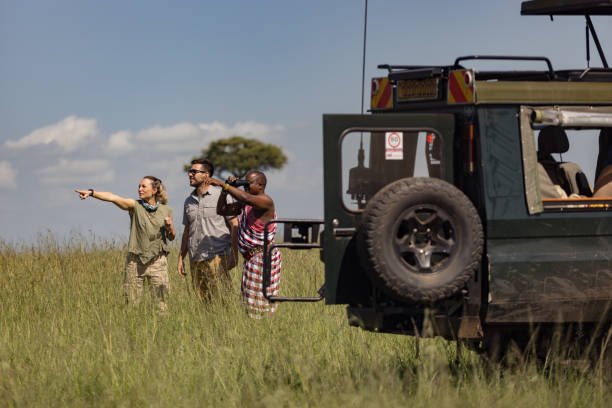
How Many Days Are Enough For An African Safari? A Deep Dive 2026-2027
Determining the right length for your African safari is crucial for a rewarding experience. This guide helps you decide how many days are truly enough for a memorable Tanzania safari in...
View package details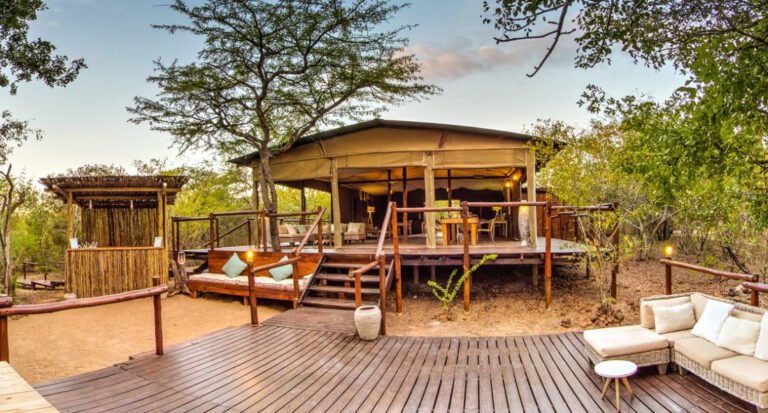
Family Safari Packages In Africa: Planning Your Unforgettable Adventure
Discover the magic of Africa with our guide to family safari packages. We cover everything from choosing the right destination and accommodations to essential packing lists and booking...
View package details
How Far In Advance Should You Book An African Safari? 2026-2027
How Far in Advance Should You Book an African Safari? is explained with current 2026-2027 planning, price, itinerary and booking information.
View package details
Kenya Safari Tours & Holiday Packages 2026-2027
Kenya Safari Tours & Holiday Packages is explained with current 2026-2027 planning, price, itinerary and booking information.
View package details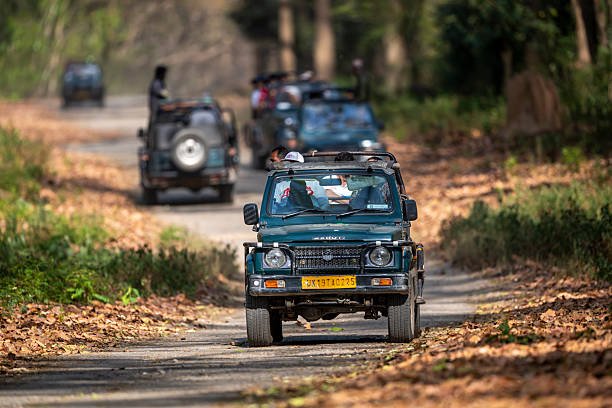
Solo African Safari Tours: Your Ultimate Guide For 2026-2027
start an incredible solo African safari adventure. This comprehensive guide covers everything you need to know for planning a safe, rewarding, and memorable trip in 2026-2027, from choosing...
View package details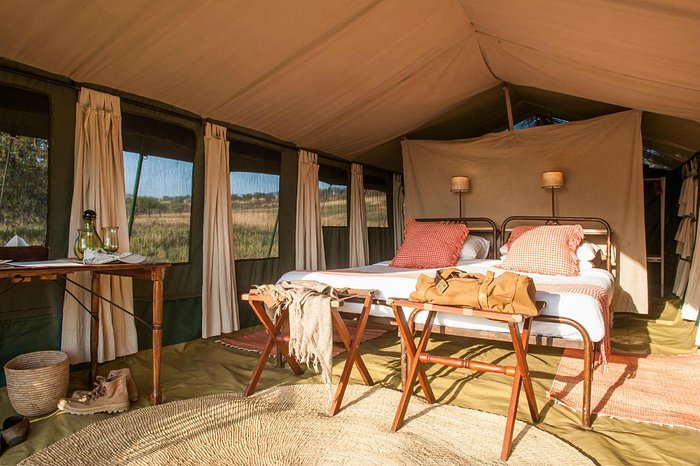
Safari From Zanzibar: Best Packages, Prices & Parks For 2026-2027
Combining a Zanzibar beach holiday with a Tanzania safari is a dream for many travelers. This guide details the best safari packages from Zanzibar, covering essential planning, park...
View package detailsIs It Better To Book A Safari Online Or Locally? 2026-2027
Is It Better to Book a Safari Online or Locally? is explained with current 2026-2027 planning, price, itinerary and booking information.
View package details
What Is Included In An African Safari Package? A Complete Guide For 2026-2027
Demystifying African safari packages. This guide details what you can expect to be included, from essential logistics like accommodation and transport to crucial elements like park fees and...
View package detailsAffordable African Safari Packages: Your Guide To Budget-Friendly Tanzania
Discover how to plan and book affordable African safari packages for 2026-2027. This guide provides practical advice on choosing budget-friendly Tanzania tours, understanding costs, and...
View package details
Best Wildlife Safaris In Africa: Your Ultimate Guide For 2026-2027
start the ultimate African wildlife safari. This comprehensive guide covers the best destinations, essential planning tips, and what to expect for your 2026-2027 adventure.
View package details
Serengeti Safari Tours: Prices, Packages & Best Time To Visit In 2026-2027
Discover everything you need to know for planning your Serengeti safari tour, from understanding pricing and package variations to identifying the ideal travel times in 2026-2027. This...
View package detailsAfrican Safari Packages From Europe 2026-2027
African Safari Packages From Europe is explained with current 2026-2027 planning, price, itinerary and booking information.
View package detailsNo related package matches those filters. Clear one or more filters to see the other topic-matched options.



