An African safari package typically includes accommodation, most meals, internal transportation (like 4×4 safari vehicles), experienced guides, park entrance fees, and game drives. Depending on the specific tour operator and itinerary, it might also cover airport transfers, bottled water in the vehicle, and sometimes even cultural visits. For 2026-2027 trips, understanding these core inclusions is vital for budgeting and setting expectations.

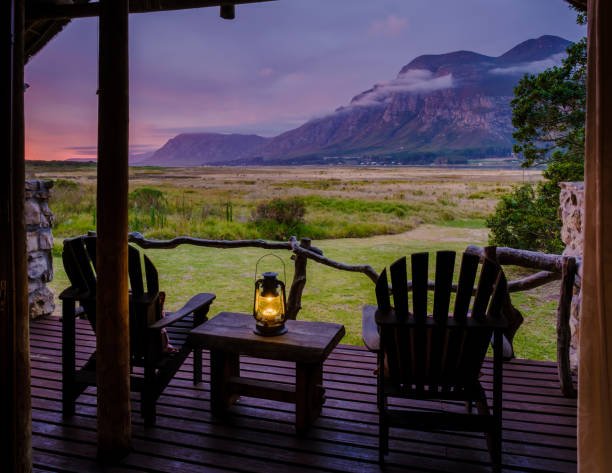
Understanding the Core Components of an African Safari Package
Planning an African safari is an exciting prospect, and one of the first questions many travelers ask is, “What exactly is included in a safari package?” This is a crucial question because the answer directly impacts your budget, your experience, and your peace of mind. A well-structured safari package handles many of the logistical complexities, allowing you to focus on the incredible wildlife and landscapes. However, the specifics can vary significantly between tour operators, destinations, and the level of luxury you choose. For travelers looking ahead to 2026 and 2027, understanding these inclusions is the first step toward booking a smooth adventure.
At its heart, a safari package is designed to simplify your journey. Instead of booking individual components – finding lodges, arranging transport between parks, hiring guides, and paying daily fees – you purchase a bundled experience. This approach is particularly beneficial in places like Tanzania, where vast distances, varied terrain, and the need for specialized vehicles and knowledgeable guides make independent planning challenging.
The essential elements that almost always form the backbone of an African safari package are:
- Accommodation: Where you’ll rest after exhilarating days of wildlife viewing.
- Meals: What you’ll eat, from hearty breakfasts to evening dinners.
- Transportation: How you’ll get around, primarily the iconic safari vehicle.
- Park Entrance Fees: The mandatory costs for accessing protected areas.
- Guides: The experts who will bring the wilderness to life.
- Game Drives: The core activity of spotting animals.
Beyond these fundamentals, the finer details can differ. Some packages are comprehensive, covering almost every expense from the moment you land, while others are more basic, requiring you to arrange some elements yourself. This guide aims to break down each component, helping you compare offerings and make informed decisions for your 2026-2027 safari.
Accommodation: Your Home Away From Home in the Wild
The type and quality of accommodation are perhaps the most significant variables within a safari package. This element dictates your comfort level, proximity to wildlife, and overall atmosphere. When you see “accommodation included” in a package description, it’s essential to understand the different categories available.
Types of Safari Accommodation
Safari accommodations range from rustic to ultra-luxurious, each offering a distinct experience:
- Tented Camps: These can vary greatly. Some are basic canvas tents with shared facilities, offering a true bush experience. Others are ‘glamping’ style, featuring comfortable beds, en-suite bathrooms, and even private verandas. They often provide a more intimate connection with nature, with sounds of the wild right outside your tent.
- Lodges: Safari lodges are typically permanent structures, resembling small hotels or guesthouses. They offer more amenities, such as swimming pools, restaurants, bars, and often stunning views. Lodges can range from comfortable mid-range options to opulent, high-end establishments.
- Luxury Tented Camps/Lodges: These represent the pinnacle of safari comfort, offering spacious tents or suites with fine linens, gourmet dining, premium beverages, and exceptional service. They are designed for travelers seeking an exclusive and pampered experience.
- Mobile Camps: Used in some locations, these camps are set up and moved according to wildlife movements or specific migration seasons. They offer a very authentic, transient experience, often in more remote areas.
What’s Typically Included with Accommodation?
When accommodation is part of your package, it generally covers:
- The room/tent itself: A place to sleep and store your belongings.
- Bedding and linen: Usually provided, though you might need to bring your own sleeping bag for some camping styles.
- Most meals: Breakfast, lunch, and dinner are often served at the lodge or camp.
- Shared facilities: Depending on the type, this could include dining areas, lounges, and sometimes pools.
What’s often NOT included: Drinks (beyond water or basic tea/coffee), laundry services, tips, and personal items. It’s always wise to check if your package specifies which meals are included on travel days, as sometimes the first or last day might only have one meal provided.
Choosing Your Accommodation Style for 2026-2027
Your choice of accommodation will significantly influence your safari’s feel and cost. For a 2026-2027 safari, consider:
- Budget: Basic tented camps are most economical. Mid-range lodges offer a good balance. Luxury camps and lodges are the most expensive.
- Experience: Do you want to feel close to nature (tented camps) or prefer hotel-like amenities (lodges)?
- Location: Some lodges are situated within prime wildlife areas, offering game viewing right from your doorstep, while others might require a drive.
Climb 4 Africa works with a range of carefully selected accommodations, from comfortable mid-range lodges to exclusive tented camps, ensuring a quality stay that complements your safari adventure. We can help you match your accommodation preferences with the best locations for wildlife viewing in 2026 or 2027.
Meals and Dining: Fueling Your Safari Adventures
Food is a vital part of the travel experience, and on safari, it’s often a highlight. Safari packages typically include a significant portion of your meals, removing the need to constantly search for dining options in remote areas.
Typical Meal Inclusions
Most safari packages will include:
- Breakfast: Usually served at your lodge or camp before the day’s activities begin.
- Lunch: This can be a packed lunch (a picnic box) enjoyed in the bush during a game drive, or a sit-down meal at a lodge/camp. Packed lunches are common on full-day drives or when moving between parks.
- Dinner: Typically a sit-down meal at your accommodation, often featuring a mix of local and international cuisine.
The quality and style of meals depend heavily on the accommodation. Luxury lodges and camps will offer gourmet dining, while more budget-friendly options might provide simpler, hearty meals. Expect fresh ingredients, often with a focus on local produce.
What’s Often Excluded?
It’s crucial to note what’s typically not included:
- Drinks: While bottled water is often provided in safari vehicles, alcoholic beverages and sometimes even soft drinks at lodges/camps are usually at your own expense. Some higher-end packages might include select drinks.
- Snacks: Unless specified, snacks during game drives are not usually included.
- Meals on Arrival/Departure Days: Depending on your flight times, the first and last meals of your trip might not be covered. Always clarify this with your tour operator.
- Gratuities: Tipping guides and lodge staff is customary and not included in package prices.
Dietary Requirements
If you have specific dietary needs (vegetarian, vegan, gluten-free, allergies, etc.), it’s imperative to inform your tour operator well in advance. Reputable operators like Climb 4 Africa can accommodate most dietary requests with advance notice, ensuring you have delicious and safe meals throughout your 2026-2027 safari.
The Safari Picnic Experience
A packed lunch during a game drive is an iconic safari experience. These aren’t just simple sandwiches; they often include cold meats, salads, fruit, juice, and sometimes even a small dessert. Enjoying your meal with a view of the savanna, perhaps with elephants or giraffes grazing nearby, is a truly memorable part of what’s included in many safari packages.
Transportation and Game Drives: Exploring the Wilderness
Getting around and experiencing the wildlife are the core of any safari. The type of vehicle and how game drives are conducted are fundamental inclusions.
The Safari Vehicle
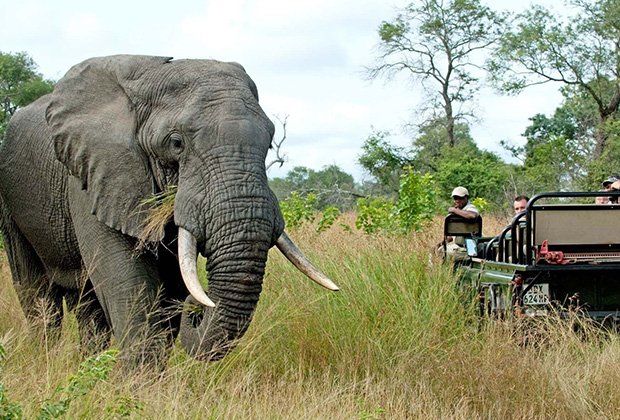
The workhorse of any safari is the specialized 4×4 safari vehicle. In Tanzania, these are typically:
- Land Cruisers or Land Rovers: Robust, custom-built vehicles designed for rough terrain.
- Pop-top Roofs: Essential for providing unobstructed 360-degree views and excellent photographic opportunities. The roof pops up, allowing you to stand and scan the horizon for wildlife.
- Comfortable Seating: Usually designed for a maximum of 6-7 passengers per vehicle, ensuring everyone has a window seat and ample space.
- Refrigeration: Many vehicles have a small fridge to keep drinks cool, especially important for packed lunches and bottled water.
What’s included: The vehicle itself, driven by your guide, for the duration specified in your itinerary. This includes fuel and maintenance.
What’s often NOT included: Private vehicle hire. If you opt for a private safari, you’ll have a dedicated vehicle and guide. For group or shared safaris, you’ll share the vehicle with other travelers, which is more budget-friendly for 2026-2027 trips.
Game Drives
Game drives are the primary activity. They involve driving through national parks and reserves in your safari vehicle, searching for animals. Your guide’s expertise is crucial here.
- Duration: Packages typically include morning and afternoon game drives, or full-day drives.
- Flexibility: While there’s an itinerary, experienced guides often adjust timings based on wildlife sightings or to avoid crowds.
- Off-road driving: In most Tanzanian parks, off-road driving is restricted to protect the environment and wildlife. Your guide will adhere to park rules.
What’s included: Access to game drives within the national parks and reserves as per your itinerary, with your guide.
Airport Transfers
Many safari packages include transfers from the nearest airport (e.g., Kilimanjaro International Airport – JRO) to your first night’s accommodation, and the reverse at the end of your safari. This is a key convenience, especially after a long international flight.
Internal Flights
For longer safaris covering multiple regions (e.g., Serengeti to Zanzibar), some packages might include domestic flights. These are often light aircraft flights between airstrips. If not included, they will be an additional cost, and it’s important to know the baggage restrictions for these flights.
Park Entrance Fees: The Cost of Access
This is a significant, non-negotiable cost for any safari in Tanzania’s famous national parks and conservation areas. Safari packages almost universally include these fees, but understanding them is vital for budgeting.
What are Park Fees?
These are daily fees charged by the Tanzanian government (through TANAPA for national parks and NCAA for conservation areas) for every person and vehicle entering a protected area. The fees contribute to conservation efforts, infrastructure maintenance, and anti-poaching initiatives.
Typical Fee Structure
- Per Person, Per Day: This is the standard. Fees vary by park, with popular parks like the Serengeti and Ngorongoro Conservation Area often having higher rates than others. For 2026-2027, expect these fees to remain a substantial part of the safari cost and potentially increase slightly year on year.
- Vehicle Fee: A smaller fee is charged per vehicle per day.
- Camping Fees: If your itinerary includes camping, separate fees apply for using designated campsites.
Current estimates (subject to change for 2026-2027):
- Serengeti National Park: Approx. $70-80 per person per day.
- Tarangire National Park: Approx. $50-60 per person per day.
- Lake Manyara National Park: Approx. $50-60 per person per day.
- Ngorongoro Conservation Area: Approx. $70-80 per person per day (plus vehicle fee).
Note: These are approximate and can fluctuate. Always confirm the exact fees with your tour operator for your 2026-2027 safari booking.
What’s Included?
When a package states “park fees included,” it means the tour operator will cover these daily charges for all the parks listed in your itinerary. This is a major benefit, as these fees can add up quickly, especially on longer safaris.
What’s Often NOT Included?
- Conservation Fees for Private Reserves: Some exclusive concessions or private reserves bordering national parks have their own, often higher, conservation fees. These might be an optional add-on or included in premium packages.
- Fees for Extended Stays: If you decide to extend your stay in a park beyond the original itinerary, you’ll incur additional daily fees.
The Ngorongoro Crater Fee Nuance
The Ngorongoro Crater has a unique fee structure. It’s a conservation area, not a national park, and includes a daily entry fee per person, a vehicle fee, and importantly, a crater service fee. This latter fee is charged per vehicle entering the crater floor and is meant to limit the number of vehicles. Packages typically include all of these, but it’s worth confirming the exact breakdown.
Important Planning Note for 2026-2027 Safaris:
Park fees are a significant cost component. When comparing safari packages for 2026 or 2027, ensure that park fees are explicitly listed as included. If they are not, be prepared to add approximately $50-$80 per person per day to your budget for each park visited. This is a non-negotiable expense for accessing these protected wildlife havens.
Expert Guides: Your Key to an Unforgettable Safari
A great safari guide can transform a good trip into an extraordinary one. They are the interpreters of the bush, the trackers of wildlife, and the custodians of your safety and enjoyment.
The Role of a Safari Guide
Your guide is much more than a driver. They are:
- Wildlife Spotters: With years of experience and intimate knowledge of animal behavior and habitats, they can spot animals that would otherwise remain unseen.
- Animal Behavior Experts: They understand the intricacies of animal interactions, migration patterns, and the best times and places to find specific species.
- Naturalists: They can identify birds, plants, and insects, explaining their ecological significance.
- Cultural Ambassadors: They often share insights into local cultures and traditions.
- Safety Officers: They ensure you maintain a safe distance from wildlife and are aware of any potential risks.
- Mechanics (often): Safari vehicles operate in harsh conditions, and guides are often trained to perform basic repairs.
What’s Included with Guides?
A standard safari package includes the services of a professional, licensed safari guide for the duration of your safari activities. This usually covers:
- Guide’s Salary and Expenses: The tour operator covers their wages, accommodation, and meals while you are on safari.
- Vehicle and Fuel: The guide operates the safari vehicle provided for your group.
What’s Often NOT Included?
- Guide’s Gratuity: This is a customary and highly appreciated part of a guide’s income. Tips are usually given at the end of the safari, based on service quality. A common guideline is $10-$20 per person per day for the guide.
- Accommodation/Meals for Guides: While typically covered by the tour operator, in some very remote or basic camping scenarios, clients might be expected to contribute to the guide’s meals or accommodation if staying in similar facilities. This is rare with reputable operators.
Choosing a Safari Operator for Expert Guides
The quality of guides can vary. Established operators invest in training and retaining experienced guides. For your 2026-2027 safari, look for companies that:
- Employ licensed, local guides.
- Have a low guide turnover rate.
- Receive consistently good feedback on guide knowledge and personality.
Climb 4 Africa prides itself on its team of highly skilled and passionate local guides. Our guides are not just drivers; they are knowledgeable naturalists dedicated to making your safari an educational and unforgettable experience. They are integral to what makes our safari packages special.
What Else Might Be Included (and What to Watch For)?
Beyond the core elements, safari packages can offer a range of additional inclusions that enhance convenience and value. Conversely, some crucial items might be excluded, requiring careful attention.
Common Additional Inclusions:
- Bottled Water: Essential for staying hydrated, especially during game drives. Most packages include a generous supply of bottled water in the safari vehicle.
- Welcome/Departure Briefings: A briefing upon arrival and a debriefing before departure can help set expectations and answer last-minute questions.
- Park Information/Maps: Some operators provide basic information about the parks you’ll visit.
- First Aid Kit: A well-equipped first-aid kit is standard in safari vehicles.
- Binoculars: Some guides may carry spare binoculars for guests.
- Cultural Visits: Some itineraries might include a visit to a local Maasai village or community. This is often an optional extra or included in specific packages.
What is Typically NOT Included in a Safari Package?
This list is as important as knowing what IS included. Common exclusions that travelers must budget for include:
- International Flights: Flights to and from Tanzania (e.g., to Kilimanjaro International Airport – JRO) are almost never included.
- Visa Fees: You will need a visa to enter Tanzania (check requirements for your nationality).
- Travel Insurance: Absolutely essential. It should cover medical emergencies, trip cancellation, and lost luggage.
- Vaccinations and Medications: Consult your doctor for recommended vaccinations and malaria prophylaxis.
- Personal Expenses: Souvenirs, tips, laundry, alcoholic beverages, and extra snacks.
- Optional Activities: Hot air balloon safaris, guided walking safaris (where permitted), or night drives in certain areas are usually extra.
- Gratuities: For guides, camp/lodge staff, and cooks. This is a significant part of compensation for service staff.
- Lunches/Dinners on non-safari days: If your itinerary includes days in towns like Arusha before or after the safari, meals might not be included.
Key Questions to Ask Your Tour Operator for 2026-2027 Safaris:
- What is the exact number of people per vehicle? (For shared safaris)
- Are park fees, concession fees, and crater fees definitely included for all mentioned parks/areas?
- What type of accommodation is used (e.g., specific lodges/camps or category)?
- What meals are included on arrival and departure days?
- Is bottled water provided in the vehicle, and how much?
- Are there any optional activities not included in the main package price?
- What is the policy on luggage weight for any internal flights?
- What is the cancellation policy?
- What is the payment schedule and accepted payment methods?
Comparing Safari Package Types: Budget vs. Mid-Range vs. Luxury
The “what’s included” list will look quite different depending on the tier of safari package you choose. Understanding these differences is key to finding a package that aligns with your expectations and budget for your 2026-2027 adventure.
Budget Safari Packages
- Accommodation: Basic tented camps with shared bathrooms, or simple, clean guesthouses outside park boundaries.
- Meals: Simple, hearty meals, often with packed lunches. Limited variety.
- Vehicles: Often shared vehicles with other travelers (up to 7-8 people). May use slightly older but well-maintained vehicles.
- Guides: Experienced and licensed, but perhaps with less formal training in specific areas like ornithology or botany compared to higher tiers.
- Inclusions: Core inclusions like park fees, transport, main meals, and guides are covered. Often excludes drinks, tips, and most extras.
- Focus: Value for money, getting you into the parks and seeing wildlife.
Mid-Range Safari Packages
- Accommodation: Comfortable lodges and well-appointed tented camps with en-suite bathrooms. Good amenities like pools and restaurants.
- Meals: A wider variety of dishes, often buffet-style or à la carte. Some drinks might be included (e.g., house wine with dinner).
- Vehicles: Typically 4×4 Land Cruisers/Land Rovers, often with a maximum of 6 passengers for more comfort and better viewing.
- Guides: Highly experienced, knowledgeable, and often with specialized training.
- Inclusions: Broader inclusions, often including most meals, water, park fees, accommodation, transport, and guide services. May include some airport transfers.
- Focus: A balance of comfort, experience, and value. A popular choice for many 2026-2027 travelers.
Luxury Safari Packages
- Accommodation: Exclusive lodges and luxury tented camps with premium furnishings, fine linens, private plunge pools, and exceptional service.
- Meals: Gourmet dining, often personalized menus, fine wines, and premium beverages included.
- Vehicles: Private 4×4 vehicles with a maximum of 4-5 passengers for ultimate comfort and flexibility.
- Guides: Top-tier guides, often with extensive experience, specialized knowledge, and a personal approach.
- Inclusions: Most comprehensive. Includes all meals, premium drinks, park fees, exclusive use of vehicle and guide, often laundry, sometimes internal flights, and exclusive activities.
- Focus: Uncompromising comfort, exclusivity, personalized service, and exceptional wildlife encounters.
Understanding Package Pricing for 2026-2027:
Prices for safari packages vary significantly based on the tier. For 2026-2027, expect:
- Budget: Starting from around $150-$250 per person per day.
- Mid-Range: Typically $300-$500 per person per day.
- Luxury: $600-$1500+ per person per day.
These are rough estimates and depend heavily on the specific parks visited, duration, and accommodation chosen. Always ask for a detailed breakdown of what is included for the price quoted.
Booking Your African Safari Package: What to Confirm
When you’re ready to book your 2026 or 2027 safari, clear communication with your chosen tour operator is paramount. This ensures that you have no misunderstandings about what your package includes and excludes.
Key Confirmation Points:
- Detailed Itinerary: Get a day-by-day breakdown of activities, locations, and accommodation.
- Inclusions List: A clear, written list of everything covered by the package price.
- Exclusions List: Equally important, a clear list of what is not covered.
- Accommodation Details: Specific lodge/camp names or at least the category and standard.
- Vehicle Type and Sharing Policy: Confirm if it’s a private or shared vehicle and the maximum number of passengers.
- Payment Terms: Deposit amount, due dates for balance payments, and accepted payment methods.
- Cancellation Policy: Understand the terms and conditions for cancellations.
- Travel Dates and Validity: Ensure all dates and the validity of the quote are clear.
Why Choose Climb 4 Africa for Your 2026-2027 Safari?
At Climb 4 Africa, we believe in transparency and providing exceptional value. When you book a safari package with us, you benefit from:
- Local Expertise: As a Tanzania-based company, we have intimate knowledge of the parks, lodges, and logistics.
- Tailor-Made Itineraries: We craft each safari to your specific interests, budget, and travel style.
- Quality Accommodation and Vehicles: We partner with reputable lodges and use well-maintained 4×4 safari vehicles.
- Experienced Guides: Our guides are passionate, knowledgeable, and dedicated to providing an unforgettable experience.
- Clear Inclusions: We provide detailed itineraries clearly outlining what is included, from park fees and meals to accommodation and game drives.
- Support: We offer practical local support throughout your planning and travel journey.
Next Steps for Booking Your Safari
If you’re planning a safari for 2026 or 2027 and want to ensure you have a clear understanding of inclusions, we encourage you to reach out. We can discuss your dream safari, provide a detailed quote, and answer all your questions about what makes a Climb 4 Africa safari package comprehensive and special.
To start planning your tailor-made African safari, contact us via:
- WhatsApp: +255 747 477 898
- Email: climb4africa@gmail.com
Let us help you craft the perfect safari experience, ensuring all the essential elements are included for an incredible journey into the wild.
Frequently Asked Questions About Safari Package Inclusions
Here are some common queries regarding what’s included in an African safari package:
Q1: Are international flights typically included in safari packages?
A: No, international flights to and from Tanzania (usually Kilimanjaro International Airport – JRO) are almost never included in standard safari packages. These are considered separate travel arrangements that you will need to book yourself.
Q2: What about visa fees for Tanzania? Are they included?
A: Visa fees are typically not included. You will need to check the visa requirements for your nationality and arrange for your Tanzanian visa prior to or upon arrival. This is an additional cost.
Q3: Does a safari package cover tips for guides and staff?
A: Gratuities for guides, lodge staff, and cooks are almost always an exclusion. Tipping is customary and a significant part of their income, so it’s important to budget for this separately. We can provide guidelines on recommended tipping amounts.
Q4: What if I have specific dietary requirements for my 2026-2027 safari?
A: Reputable tour operators, like Climb 4 Africa, can usually accommodate dietary needs such as vegetarian, vegan, gluten-free, or allergies. It is crucial to inform us of any requirements well in advance of your safari so we can make the necessary arrangements with accommodations and cooks.
Q5: Is travel insurance included in the safari package price?
A: No, travel insurance is not included. It is a mandatory requirement for most tour operators, and it is your responsibility to purchase comprehensive travel insurance that covers medical emergencies, evacuation, trip cancellation, and lost belongings.
Q6: What kind of vehicle will I be using for my safari? Is it private?
A: This depends on the package type. For shared/group safaris, you’ll typically use a 4×4 Land Cruiser or Land Rover with a pop-up roof, shared with up to 6-7 other travelers. For private safaris, you’ll have your own dedicated vehicle and guide. Always confirm this detail when booking your 2026-2027 safari.
Q7: Are drinks included in the safari package?
A: Generally, bottled water in the safari vehicle is included. Alcoholic beverages, soft drinks, and specialty coffees/teas at lodges or camps are usually an extra cost, unless you opt for a high-end luxury package where they might be included. Always check the specific inclusions.
Q8: What happens if my safari itinerary involves internal flights?
A: If internal flights (e.g., to Zanzibar or remote airstrips) are part of your package, they will be specified. Be aware of strict luggage weight limits (usually 15-20 kg total, often in soft-sided bags) for these light aircraft flights. The cost is usually included if it’s part of the main itinerary.
Q9: What are the typical park fees for Tanzania in 2026-2027?
A: Park fees are a significant part of the cost. For 2026-2027, expect daily fees per person to range from approximately $50 to $80 USD in popular parks like Serengeti and Ngorongoro, with variations for other parks. These are usually included in reputable safari packages.
Q10: How much should I budget for things not included in my safari package?
A: A good rule of thumb is to budget an additional 10-15% of your safari package cost for excluded items like tips, drinks, souvenirs, and personal expenses. This can vary based on your spending habits.
Planning Your 2026-2027 Safari: A Final Checklist
As you plan your dream safari for 2026 or 2027, understanding what’s included in your package is your foundation for a stress-free adventure. It allows for accurate budgeting, setting realistic expectations, and focusing on the incredible wildlife and landscapes that await you.
Key Takeaways:
- Core Inclusions: Look for accommodation, most meals, safari vehicle, park fees, and a professional guide.
- Variable Inclusions: Drinks, optional activities, and internal flights can vary greatly.
- Essential Exclusions: International flights, visas, travel insurance, and tips are almost always extra.
- Tier Differences: Budget, mid-range, and luxury packages offer vastly different levels of comfort and service, impacting inclusions.
- Transparency is Key: Always get a detailed written confirmation of all inclusions and exclusions from your tour operator.
Climb 4 Africa is dedicated to providing transparent and comprehensive safari packages. We ensure that all essential elements are covered, allowing you to fully experience the magic of an African safari. Whether you’re dreaming of the vast plains of the Serengeti, the unique ecosystem of the Ngorongoro Crater, or the elephant herds of Tarangire, we can help tailor an experience for 2026-2027 that perfectly matches your desires.
We invite you to connect with our team to discuss your specific safari plans. Understanding what’s included in your package is the first step to an unforgettable journey. Let us handle the details so you can focus on the adventure.
Contact us today:
- WhatsApp: +255 747 477 898
- Email: climb4africa@gmail.com
Explore our Tanzania Safari Group Departures for 2026-2027 or ask about our tailor-made options.
Check Availability for What Is Included In An African Safari Package? A Complete Guide For…
Ready to compare dates, prices, and the best option for your group? Send the package name and travel month so the team can reply with a clear quote, availability, and what is included.
I Am On A Budget—What Is The Cheapest Serengeti Group Safari?
I Am on a Budget—What Is the Cheapest Serengeti Group Safari?
View package details
Dec 24, – 3 Day Christmas Serengeti And Ngorongoro Group Safari
Dec 24, 2026 – 3 Day Christmas Serengeti and Ngorongoro Group Safari.
View package details
Dec 20, – 10 Day Complete Tanzania Group Joining Safari
Dec 20, 2026 – 10 Day Complete Tanzania Group Joining Safari.
View package details
Which Dec Group Safari Ends Before New Year’s Eve?
Which Dec Group Safari Ends Before New Year’s Eve?
View package details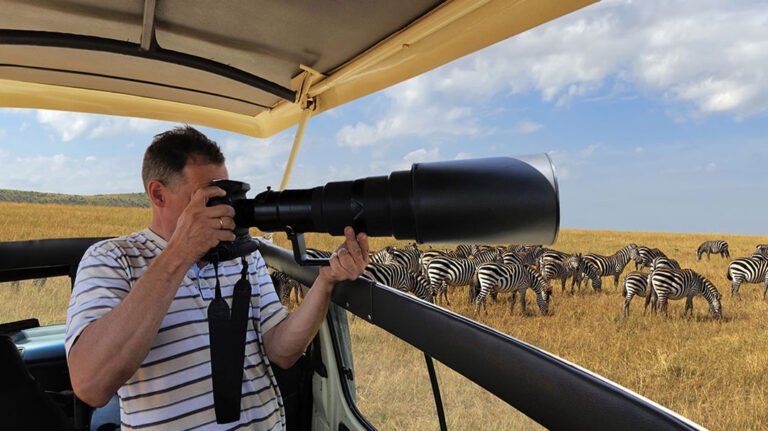
How Early Should I Book A Nov Or Dec Tanzania Group Safari?
How Early Should I Book a Nov or Dec Tanzania Group Safari?
View package details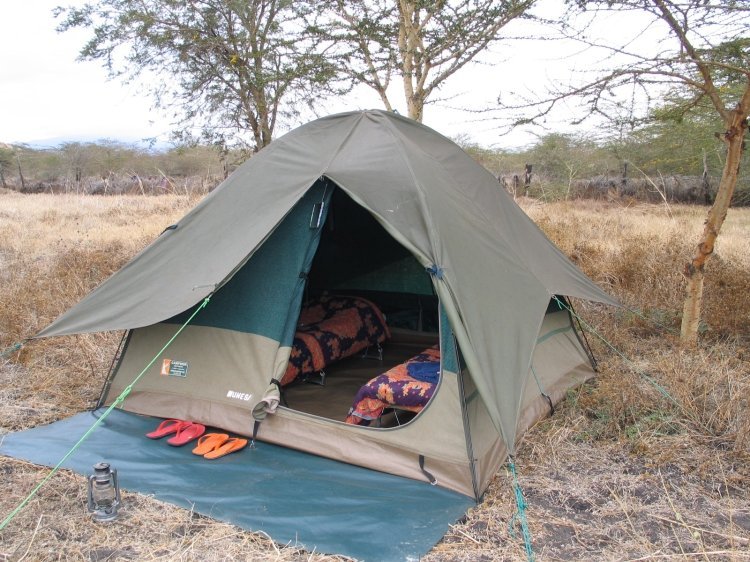
Can I Pay A Deposit To Reserve A Tanzania Group Safari?
Can I Pay a Deposit to Reserve a Tanzania Group Safari?
View package details
Nov 23, – 3 Day Serengeti And Ngorongoro Safari From Zanzibar
Nov 23, 2026 – 3 Day Serengeti and Ngorongoro Safari from Zanzibar.
View package details
Dec 26, – 6 Day Christmas And New Year Northern Circuit Safari
Dec 26, 2026 – 6 Day Christmas and New Year Northern Circuit Safari.
View package details
Dec 31, : New Year’s Eve Serengeti Group Safari Planning Guide
This guide provides essential planning details for a group safari trip to the Serengeti for New Year's Eve 2026, covering logistics, seasonal highlights, and what to expect.
View package details
Dec 22, – 3 Day Nyerere Group Joining Safari
Dec 22, 2026 – 3 Day Nyerere Group Joining Safari.
View package details
Can I Join A Safari That Has Already Confirmed Travellers?
Can I Join a Safari That Has Already Confirmed Travellers?
View package details_1_John_from-rednote-web-768x1024.jpg)
Dec 13, – 2 Day Nyerere Fly-In Group Safari From Zanzibar 2026
A detailed guide to the December 13, 2026 group fly-in safari from Zanzibar to Nyerere National Park, covering the itinerary, logistics, and planning for your trip.
View package detailsNo related package matches those filters. Clear one or more filters to see the other topic-matched options.