Family safari packages in Africa offer a curated and convenient way for all ages to experience wildlife encounters, cultural immersion, and stunning landscapes, with popular choices often focusing on Tanzania’s Serengeti and Ngorongoro Crater or Kenya’s Maasai Mara, designed for safety, engagement, and memorable moments throughout 2026 and 2027.

Planning Your Ultimate Family Safari Adventure in Africa
Embarking on a safari as a family is a profound experience, creating shared memories that resonate for a lifetime. Africa, with its unparalleled biodiversity and vast, wild landscapes, provides an extraordinary backdrop for such an adventure. When considering family safari packages in Africa, the key is to find a balance between exhilarating wildlife viewing, comfortable and safe accommodations, and activities that engage children and adults alike. This guide is crafted to help you navigate the complexities of planning, from selecting the ideal destination and itinerary to understanding what makes a safari truly family-friendly for your 2026 or 2027 travels.
At Climb 4 Africa, we specialize in crafting tailor-made African travel experiences, including bespoke family safaris. Our local expertise means we understand the nuances of different regions, the best times to visit, and the accommodations that best suit family dynamics. We believe that a well-planned safari isn’t just a trip; it’s an educational journey, a bonding experience, and an opportunity to connect with nature in its purest form. This article will walk you through the essential considerations, helping you make informed decisions for an unforgettable family safari.
Where to Go: Top Family Safari Destinations in Africa
Choosing the right destination is paramount for a successful family safari. Different regions offer distinct advantages, from the density of wildlife to the types of landscapes and the range of family-focused activities. For family safari packages in Africa, certain countries consistently stand out due to their infrastructure, safety record, and the sheer abundance of wildlife that appeals to all ages.
Tanzania: The Classic Safari Experience
Tanzania is often the first country that comes to mind when planning an African safari, and for good reason. Its iconic parks offer some of the most spectacular wildlife viewing opportunities on the continent.
- Serengeti National Park: Famous for the Great Migration, the Serengeti provides endless plains teeming with wildlife. For families, the sheer number of animals visible often means exciting sightings are frequent, keeping younger travelers engaged. The vastness of the park also means that even during peak seasons in 2026 or 2027, you can often find quieter spots for a more intimate experience.
- Ngorongoro Conservation Area: The Ngorongoro Crater is a UNESCO World Heritage Site and a natural amphitheater teeming with wildlife. Its relatively small size means that spotting a wide array of animals, including the Big Five, is highly probable within a single day’s game drive. This concentration is ideal for families with shorter attention spans or those who want guaranteed sightings. The educational aspect of the crater’s unique ecosystem is also a significant draw.
- Tarangire National Park: Known for its large elephant herds and baobab trees, Tarangire offers a different landscape and is particularly interesting during the dry season when animals congregate around the Tarangire River. It’s often less crowded than the Serengeti or Ngorongoro, providing a more relaxed safari experience.
Why Tanzania for Families? The variety of parks, the high density of wildlife, and the availability of lodges that cater to families make Tanzania an excellent choice. The infrastructure is well-developed for tourism, ensuring a comfortable journey.
Kenya: The Birthplace of Safari
Kenya offers a quintessential safari experience, with vast savannas, diverse wildlife, and a rich cultural heritage.
- Maasai Mara National Reserve: Arguably Kenya’s most famous wildlife reserve, the Maasai Mara is an extension of the Serengeti ecosystem. It’s renowned for its high predator populations and, like the Serengeti, hosts the Great Migration (typically July to October). The Mara offers incredible opportunities to see lions, leopards, cheetahs, elephants, and more.
- Amboseli National Park: Famous for its large elephant herds and stunning views of Mount Kilimanjaro as a backdrop, Amboseli provides iconic photographic opportunities and excellent game viewing.
- Lake Nakuru National Park: While known for its flamingos (though numbers can fluctuate), Lake Nakuru is also home to rhinos, Rothschild’s giraffes, and a variety of other mammals, making it a diverse and accessible park for families.
Why Kenya for Families? Kenya boasts well-established safari circuits, excellent guiding, and a variety of accommodations. The cultural interactions, particularly with the Maasai people, can be very enriching for children.
Botswana: Exclusive and Eco-Conscious
Botswana offers a more exclusive, high-end safari experience, focusing on conservation and low-impact tourism. This often translates to fewer crowds and a more pristine wilderness feel.
- Okavango Delta: This unique inland delta floods seasonally, creating a labyrinth of channels and islands teeming with wildlife. Mokoro (dugout canoe) excursions offer a peaceful way to observe animals.
- Chobe National Park: Famous for its enormous elephant population and spectacular riverfront, Chobe offers incredible boat safaris, which can be a less intimidating and highly engaging way for families to see wildlife.
Why Botswana for Families? While often pricier, Botswana’s exclusive reserves mean less crowded sightings and a more intimate connection with nature. Lodges are typically luxurious and offer excellent service, though some may have age restrictions for younger children on certain activities.
South Africa: Accessibility and Variety
South Africa offers a range of safari experiences, from malaria-free reserves to world-renowned national parks, often with excellent infrastructure and a variety of family-friendly activities.
- Kruger National Park: One of Africa’s largest game reserves, Kruger offers self-drive options as well as guided tours. It’s known for its high density of wildlife and excellent accessibility. Many private lodges bordering Kruger offer a more exclusive experience.
- Sabi Sands Game Reserve: Adjacent to Kruger, Sabi Sands is particularly famous for its leopard sightings and luxurious lodges. It often has fewer age restrictions than some other private reserves, making it a good option for families seeking premium wildlife viewing.
- Eastern Cape Reserves (e.g., Shamwari): Many reserves in the Eastern Cape are malaria-free, which is a significant advantage for families traveling with very young children or those who prefer to avoid antimalarial medication.
Why South Africa for Families? The combination of excellent infrastructure, malaria-free options, diverse landscapes, and a wide range of accommodations from self-catering to ultra-luxury makes South Africa a versatile choice. It’s also often easier to combine with other South African attractions like Cape Town.
Uganda & Rwanda: Gorilla Trekking Adventures
For families with older children (typically 15 and above, though this can vary by park and operator), gorilla trekking in Uganda or Rwanda offers an unparalleled, special experience.
- Bwindi Impenetrable National Park (Uganda): Home to a significant population of mountain gorillas. The treks can be challenging but incredibly rewarding.
- Volcanoes National Park (Rwanda): Offers a more accessible and arguably more comfortable gorilla trekking experience, with well-maintained trails and a higher chance of sightings.
Why Uganda/Rwanda for Families? The sheer wonder of encountering gorillas up close is an educational and deeply moving experience. It requires a higher level of physical fitness and maturity from participants.
Crafting the Perfect Family Safari Itinerary
A successful family safari itinerary balances travel time, activity levels, and downtime. For family safari packages in Africa, especially when traveling in 2026 or 2027, careful planning ensures that the pace is suitable for all members of the family.
Balancing Duration and Pace
While longer safaris offer a deeper immersion, for families, particularly those with younger children, shorter durations might be more manageable. A typical family safari might range from 7 to 14 days. This allows for visits to 2-3 distinct locations without excessive travel between them.
- 7-10 Day Safaris: Ideal for families with limited time or younger children. This could cover two main parks, such as the Serengeti and Ngorongoro Crater in Tanzania, or the Maasai Mara and Lake Nakuru in Kenya.
- 10-14 Day Safaris: Allows for a more relaxed pace and the inclusion of an additional park or a different type of experience, like a visit to Zanzibar or a community interaction.
Key Consideration: Minimize long travel days. Opt for short internal flights where feasible, especially between distant parks. Driving between locations can be scenic but can also be tiring for children.
Choosing Between Driving and Flying
Road Safaris: These are generally more affordable and offer opportunities to stop at local villages or scenic viewpoints. However, they involve longer travel times between parks. A private safari vehicle with a knowledgeable guide is essential for comfort and engagement.
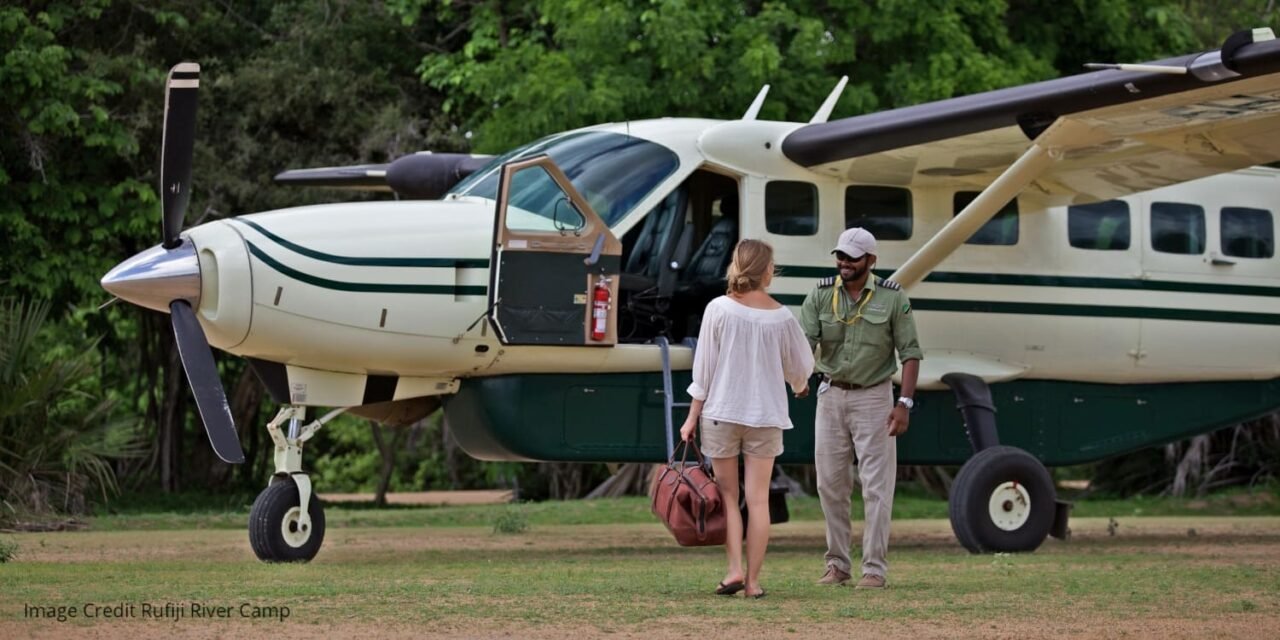
Flying Safaris: Internal charter flights significantly reduce travel time, connecting remote camps and lodges efficiently. This is often preferred for families wanting to maximize wildlife viewing and minimize transit fatigue. While more expensive, the time saved and the comfort can be well worth the investment for family safari packages in Africa.
Considering Age and Interests
The age of your children is a crucial factor. While younger children might enjoy frequent sightings of common animals like zebras and giraffes, older children and teenagers might be more interested in predator action, cultural insights, or more adventurous activities. Safari packages can be customized to cater to these varying interests.
- Younger Children (Under 10): Shorter game drives, lodges with swimming pools, educational activities, and frequent animal sightings are key. Parks with high animal density and accessible viewing points, like the Ngorongoro Crater, are excellent.
- Older Children (10-16): Can handle longer drives and more challenging treks. They may appreciate learning about conservation efforts, tracking, and more in-depth wildlife behavior.
- Teenagers (16+): Can participate in most activities, including walking safaris (where permitted and guided) and potentially even multi-day treks if physically capable. Cultural interactions and discussions about conservation can be particularly engaging.
Sample Itinerary Ideas for 2026-2027
Classic Tanzania Family Safari (8 Days)
- Day 1-2: Arusha/Kilimanjaro Airport to Tarangire National Park. Arrive, transfer to a family-friendly lodge near Arusha, then drive to Tarangire for afternoon game drives. Focus on elephants and baobabs.
- Day 3-4: Ngorongoro Crater. Descend into the crater for a full day of game viewing. The high concentration of animals is perfect for families. Overnight at a lodge on the crater rim or nearby.
- Day 5-7: Serengeti National Park. Fly or drive to the Serengeti. Spend days exploring different areas, focusing on predator sightings and the vast plains. Consider a hot air balloon ride for a spectacular overview.
- Day 8: Departure. Morning game drive, then fly from a Serengeti airstrip back to Kilimanjaro International Airport (JRO) for your departure.
Kenya Family Explorer (10 Days)
- Day 1-2: Nairobi. Arrive in Nairobi. Visit the David Sheldrick Wildlife Trust elephant orphanage and the Giraffe Centre. Overnight in Nairobi.
- Day 3-5: Amboseli National Park. Drive or fly to Amboseli. Enjoy game drives with Kilimanjaro views and abundant elephants.
- Day 6-8: Maasai Mara National Reserve. Fly to the Maasai Mara. Full days of game drives, seeking out the Big Five and experiencing the vast savanna. Optional Maasai village visit.
- Day 9: Lake Nakuru National Park. Drive to Lake Nakuru for birdwatching and rhino sightings.
- Day 10: Departure. Drive back to Nairobi for your departure.
Choosing Family-Friendly Safari Lodges and Camps
The right accommodation can elevate a family safari from good to exceptional. For family safari packages in Africa, look for lodges and camps that offer specific amenities and services for children, ensuring comfort, safety, and entertainment.
Types of Lodging and Family Considerations
- Safari Lodges: These are typically larger, more permanent structures offering hotel-like amenities. Many have family rooms or interconnecting rooms, swimming pools, and dedicated dining areas. They often provide a good balance of comfort and proximity to wildlife.
- Tented Camps: These range from basic canvas tents to luxurious safari tents with en-suite bathrooms and solid floors. Family tented camps often have larger tents with separate sleeping areas or offer adjacent tents for parents and children. Some may have restrictions on younger children due to the proximity to wildlife and open nature of the environment.
- Private Villas/Houses: For larger families or those seeking ultimate privacy and exclusivity, some lodges offer private villas with dedicated staff, chefs, and safari vehicles. This is a premium option but can be ideal for ensuring everyone’s needs are met.
Key Amenities and Services for Families
- Family Rooms/Suites: Rooms designed to accommodate families, often with extra beds, separate sleeping areas, or interconnecting doors.
- Children’s Menus/Flexible Dining: Accommodations that cater to picky eaters or offer flexible meal times. Buffets are often a good option for variety.
- Swimming Pools: A lifesaver for downtime, especially in hotter climates. Children can burn off energy and cool down.
- Kids’ Clubs/Activities: Some lodges offer supervised activities, nature walks, or craft sessions tailored for children, allowing parents some relaxation time.
- Babysitting Services: For families with very young children, this can be invaluable for allowing parents to enjoy a private dinner or an early morning game drive.
- Safety Features: Ensure the lodge has appropriate safety measures, such as secure boundaries, trained staff, and clear protocols for children’s activities.
Understanding Age Restrictions
It’s crucial to be aware that some safari lodges and camps, particularly those in unfenced wilderness areas or offering specific activities like walking safaris or night drives, may have age restrictions. These are typically in place for safety reasons. For example, many lodges do not permit children under 6 or 8 years old on game drives, and some may have higher minimum ages for bush walks or fly-camping. Always confirm these policies when booking family safari packages in Africa for 2026 or 2027.
Examples of Family-Friendly Lodging Styles
- Mid-Range Lodges: Often feature spacious grounds, pools, and family rooms. They strike a good balance between comfort, amenities, and value. Think of lodges with comfortable chalets or bungalows.
- Luxury Lodges: Provide a higher level of service, exquisite dining, and often more sophisticated family suites. Some luxury camps are exceptionally welcoming to families and offer bespoke experiences.
- Conservancy-Based Lodges: Many private conservancies offer lodges that are very family-friendly, allowing for night drives and walking safaris (depending on age) and often providing exclusive guiding for families.
Maximizing Wildlife Viewing for All Ages
The thrill of seeing wild animals in their natural habitat is the core of any safari. For families, ensuring these encounters are exciting, safe, and educational is key to memorable family safari packages in Africa.
Optimizing Game Drives
Game drives are the primary way to see wildlife. Here’s how to make them successful for families:
- Vehicle Choice: Opt for a comfortable 4×4 safari vehicle with pop-up roofs or open sides for excellent viewing. Ensure there’s enough space for everyone. A private vehicle offers flexibility in terms of duration, stops, and focusing on what interests your family.
- Timing: Early morning and late afternoon/early evening drives are typically the most productive as animals are most active during these cooler hours. For younger children, shorter, more frequent drives might be better than one long morning drive.
- Guide Expertise: A good guide is invaluable. They know animal behavior, track animals, and can interpret sightings, making the experience educational and engaging for children. Look for guides experienced with families.
- Patience and Observation: Teach children to be patient and observant. Sometimes the most rewarding sightings come from quiet observation of smaller details or subtle movements.
- Respect Wildlife: Instill respect for the animals and their environment. Maintain a safe distance, avoid loud noises, and never feed the animals.
The Big Five and Other Must-Sees
While the Big Five (Lion, Leopard, Elephant, Rhino, Buffalo) are iconic, Africa’s wildlife viewing offers so much more. For families, spotting:
- Herds of Zebras and Wildebeest: Especially during migration seasons, these create a spectacular visual.
- Giraffes: Their graceful height and unique patterns are always a hit with children.
- Cheetahs: Their speed and elegance are mesmerizing.
- Hippos and Crocodiles: Often seen near water bodies, they offer a glimpse into a different kind of wildlife.
- Abundant Birdlife: Africa has incredible avian diversity, from colourful rollers to majestic eagles.
Night Game Drives
Night drives offer a chance to see nocturnal animals like genets, civets, bushbabies, and sometimes even leopards or lions on the hunt. These are usually conducted in private reserves or conservancies and often have age restrictions (typically 12+ or 16+). If your children are old enough, they can be a thrilling addition to your family safari package.
Making it Photogenic
Encourage children to take photos or draw what they see. This not only keeps them engaged but also serves as a wonderful way to remember their experiences. Many modern safari vehicles have charging ports for cameras and phones.
Beyond Game Drives: Engaging Family Activities
While game drives are central to any safari, a truly memorable family experience incorporates a variety of activities that cater to different interests and energy levels. These can make your family safari package in Africa more dynamic and educational.
Walking Safaris
Led by experienced armed rangers or guides, walking safaris offer a different perspective on the bush. You can learn about tracking, identify plants and insects, and experience the sounds and smells of the wilderness up close. These are usually restricted to older children (often 12 or 16+) and require a good level of fitness and maturity.
Cultural Visits and Interactions
Visiting local communities, such as Maasai villages, can be a deeply enriching experience for families. It provides insight into different ways of life, traditions, and the human element of the regions you visit. Ensure these visits are conducted respectfully and ethically, often arranged through your lodge or tour operator.
Hot Air Balloon Safaris
A sunrise hot air balloon ride over the plains of the Serengeti or Maasai Mara is an unforgettable experience. Floating silently above the landscape as the sun rises and wildlife stirs below is magical. These are typically offered for children aged 6 or 7 and above, depending on the operator.
Educational Programs and Junior Ranger Activities
Many family-friendly lodges offer dedicated children’s programs. These can include:
- Junior Ranger Courses: Teaching kids about tracking, identifying animal tracks, learning about conservation, and basic bushcraft.
- Nature Walks: Shorter, guided walks around the lodge perimeter focusing on smaller creatures, insects, and plants.
- Crafts and Storytelling: Sessions that teach children about local culture and wildlife through art and stories.
Boating and Canoeing Excursions
In areas like the Okavango Delta (Botswana) or along rivers like the Chobe, boat safaris or mokoro trips offer a unique way to see wildlife, particularly hippos, crocodiles, and water birds. These are generally safe and engaging for most ages.
Conservation-Focused Activities
Some safari lodges are involved in conservation projects. Engaging families in activities like visiting a research center, participating in a tree-planting initiative, or learning about anti-poaching efforts can foster a sense of responsibility and a deeper connection to the environment.
Health, Safety, and Practical Considerations
Prioritizing health and safety is paramount when planning family safari packages in Africa, especially for 2026-2027 travel. Being well-prepared minimizes risks and ensures a comfortable and enjoyable trip for everyone.
Malaria Prevention
Malaria is present in many safari destinations, particularly in lower-lying areas and during the rainy seasons. It’s essential to consult your doctor or a travel clinic well in advance of your trip (ideally 4-6 weeks before departure) regarding appropriate antimalarial medication for all family members, including children. Some destinations, like the Eastern Cape of South Africa, are malaria-free, which can be a deciding factor for families.
Vaccinations and Medical Advice
Your doctor will advise on necessary vaccinations and any other health precautions. These might include Hepatitis A, Typhoid, and Yellow Fever (proof of vaccination is often required for entry). Ensure all routine childhood immunizations are up to date.
Safari Vehicle Safety
Always follow your guide’s instructions. Stay seated while the vehicle is moving, keep hands and arms inside, and never stand up without permission. Ensure children are properly buckled or held if the vehicle has seatbelts, and that they understand the importance of staying calm and quiet when observing animals.
Lodge and Camp Safety
Many safari lodges and camps are unfenced, meaning wildlife may roam freely. Always be aware of your surroundings, supervise children closely, and never wander off alone, especially after dark. Follow lodge rules regarding children’s access to certain areas.
Hydration and Sun Protection
The African sun can be intense. Ensure everyone drinks plenty of bottled water throughout the day to stay hydrated. Use high-SPF sunscreen, wear wide-brimmed hats, and consider sunglasses for eye protection. Lightweight, long-sleeved clothing also offers protection from the sun.
First-Aid and Medications
Carry a well-stocked family first-aid kit including:
- Band-aids and antiseptic wipes
- Pain relievers (suitable for children and adults)
- Antihistamines for allergic reactions or insect bites
- Motion sickness medication if needed for drives or flights
- Any personal prescription medications
- Insect repellent with DEET or Picaridin
- Rehydration salts
Travel Insurance
Comprehensive travel insurance is non-negotiable for any international trip, especially a safari. Ensure it covers:
- Medical emergencies and evacuation (including air ambulance services)
- Trip cancellation or interruption
- Lost or stolen baggage and personal items
- Activities such as game drives and walking safaris.
Packing Essentials for Families
Beyond standard travel items, consider:
- Clothing: Neutral-colored, lightweight clothing (khaki, beige, olive green). Avoid bright colors and dark blue/black (which can attract insects). Pack layers for cooler mornings and evenings.
- Footwear: Comfortable walking shoes or hiking boots, plus sandals for relaxing at the lodge.
- Binoculars: Essential for spotting wildlife at a distance. Consider a pair specifically for children.
- Cameras: With extra batteries and memory cards.
- Adapters: For charging electronics.
- Children’s Books/Games: For downtime at the lodge or during travel.
- Personal Items: Any comfort items for children, such as a favorite stuffed animal.
Booking Your Family Safari Package for 2026-2027
Choosing the right tour operator is crucial for ensuring your family safari package in Africa is perfectly tailored to your needs. For travel in 2026 and 2027, starting your planning and booking process early is highly recommended.
Why Book with Climb 4 Africa?
As a local Tanzanian tour operator with extensive experience in crafting bespoke African adventures, Climb 4 Africa offers:
- Local Expertise: We have in-depth knowledge of the destinations, wildlife, lodges, and cultural nuances across Tanzania and neighboring countries. This allows us to create authentic and smooth experiences.
- Tailor-Made Itineraries: We specialize in customizing family safari packages. Whether you need specific accommodations, activities for young children, or a particular wildlife focus, we can design an itinerary that fits your family perfectly.
- Practical Support: From initial planning to your departure, we provide dedicated support. We understand the logistics of family travel and can advise on everything from packing lists to health requirements for 2026-2027.
- Value for Money: Working directly with local suppliers allows us to offer competitive pricing without compromising on quality or experience.
- Safety and Reliability: Your family’s safety is our top priority. We partner with reputable lodges and experienced guides to ensure a secure and enjoyable safari.
Booking Timeline for 2026-2027
12-18 Months in Advance: For peak season travel (e.g., July-October), especially for popular destinations or specific lodges that book up quickly, this is the ideal time to start planning and secure your preferred dates and accommodations. This is particularly relevant for family safari packages that require specific room configurations or amenities.
6-12 Months in Advance: This is a good window for most family safari bookings, allowing ample time for planning, customization, and securing flights and lodges. It also gives you more flexibility in choosing departure dates.
Less than 6 Months: While still possible, availability for popular family lodges and specific safari dates, especially during school holidays, may be limited. Last-minute bookings can sometimes be more expensive.
What to Expect When You Inquire
When you contact Climb 4 Africa for your family safari package, we will ask for details such as:
- The number of travelers and ages of children.
- Your preferred travel dates and duration.
- Your desired destinations or any specific wildlife you wish to see.
- Your budget range (e.g., mid-range, luxury).
- Any specific interests or requirements (e.g., malaria-free, specific activities).
Based on this information, we will create a preliminary itinerary and quote for your consideration. We encourage open communication throughout the planning process to ensure the final package is exactly what you envision for your family’s African adventure in 2026 or 2027.
Making Your Booking
Once you are happy with the proposed itinerary and quote, we will guide you through the booking process. This typically involves signing a booking agreement and paying a deposit to secure your safari arrangements. The balance is usually due closer to your departure date. We are transparent about all payment terms and conditions.
Ready to plan your family’s dream safari? Contact us today to start crafting your unforgettable African adventure. Our team is eager to help you create lasting memories.
WhatsApp: +255 747 477 898
Email: climb4africa@gmail.com
Check Availability for Family Safari Packages In Africa: Planning Your Unforgettable Adventure
Ready to compare dates, prices, and the best option for your group? Send the package name and travel month so the team can reply with a clear quote, availability, and what is included.
Dec 24, – 3 Day Christmas Serengeti And Ngorongoro Group Safari
Dec 24, 2026 – 3 Day Christmas Serengeti and Ngorongoro Group Safari.
View package details
Dec 20, – 10 Day Complete Tanzania Group Joining Safari
Dec 20, 2026 – 10 Day Complete Tanzania Group Joining Safari.
View package details
Which Dec Group Safari Ends Before New Year’s Eve?
Which Dec Group Safari Ends Before New Year’s Eve?
View package details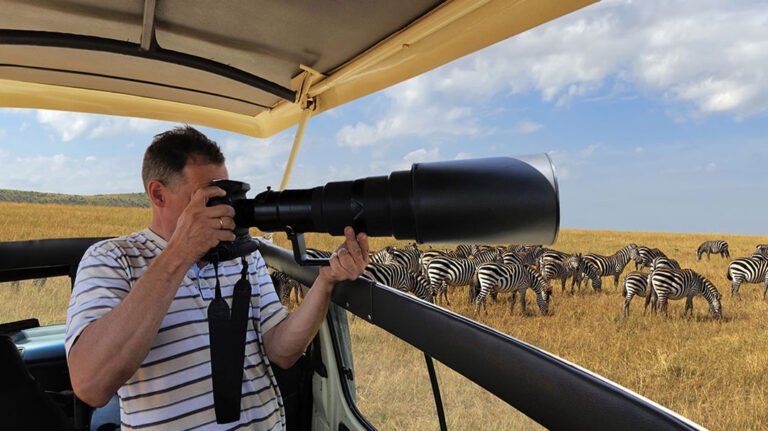
How Early Should I Book A Nov Or Dec Tanzania Group Safari?
How Early Should I Book a Nov or Dec Tanzania Group Safari?
View package details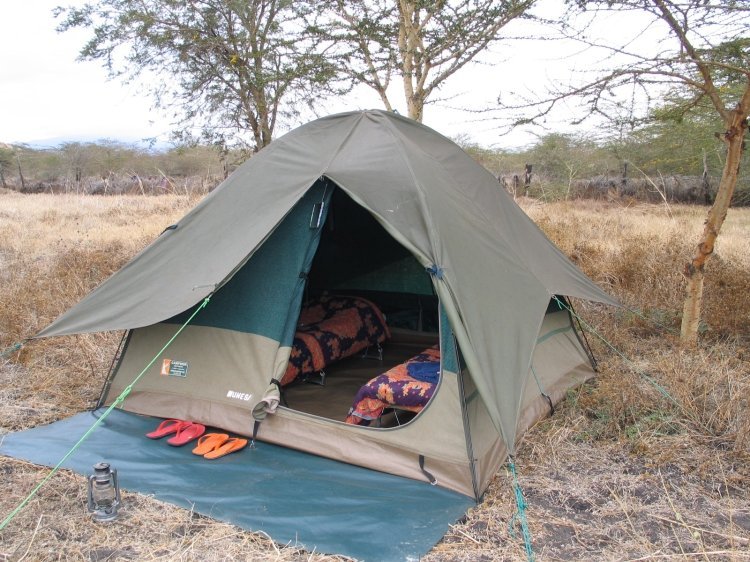
Can I Pay A Deposit To Reserve A Tanzania Group Safari?
Can I Pay a Deposit to Reserve a Tanzania Group Safari?
View package details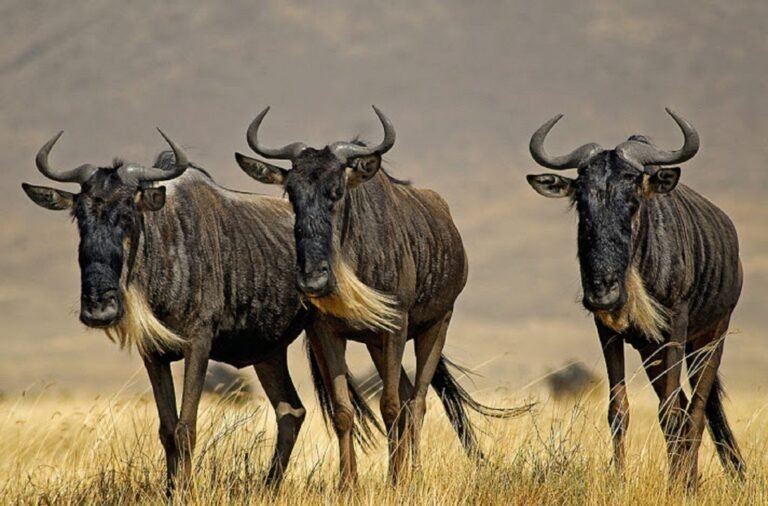
Nov 23, – 3 Day Serengeti And Ngorongoro Safari From Zanzibar
Nov 23, 2026 – 3 Day Serengeti and Ngorongoro Safari from Zanzibar.
View package details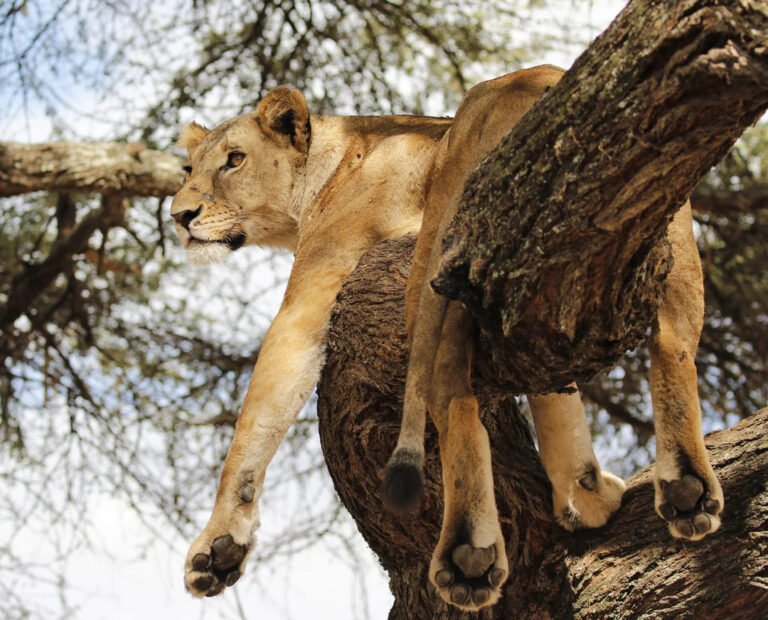
Dec 26, – 6 Day Christmas And New Year Northern Circuit Safari
Dec 26, 2026 – 6 Day Christmas and New Year Northern Circuit Safari.
View package details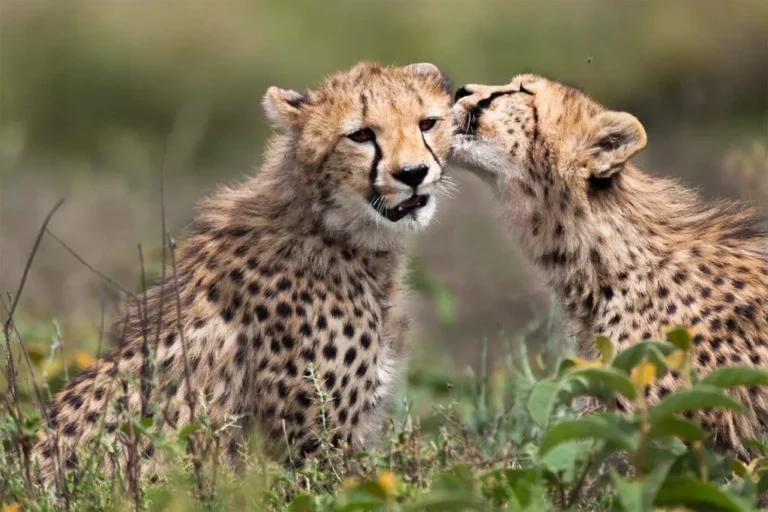
Dec 31, : New Year’s Eve Serengeti Group Safari Planning Guide
This guide provides essential planning details for a group safari trip to the Serengeti for New Year's Eve 2026, covering logistics, seasonal highlights, and what to expect.
View package details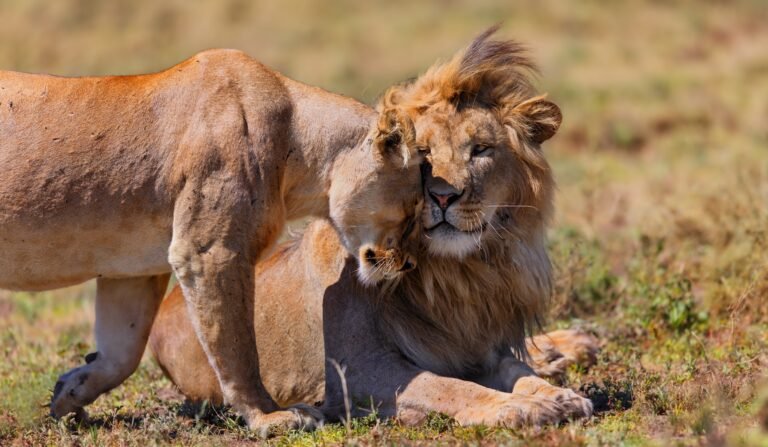
Dec 22, – 3 Day Nyerere Group Joining Safari
Dec 22, 2026 – 3 Day Nyerere Group Joining Safari.
View package details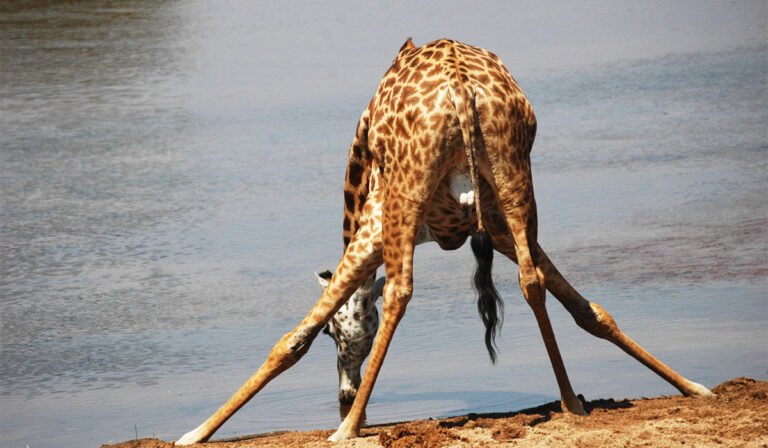
Can I Join A Safari That Has Already Confirmed Travellers?
Can I Join a Safari That Has Already Confirmed Travellers?
View package details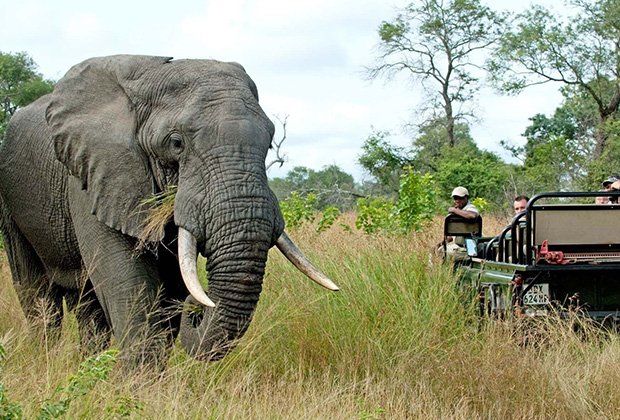
I Am On A Budget—What Is The Cheapest Serengeti Group Safari?
I Am on a Budget—What Is the Cheapest Serengeti Group Safari?
View package details_1_John_from-rednote-web-768x1024.jpg)
Dec 13, – 2 Day Nyerere Fly-In Group Safari From Zanzibar 2026
A detailed guide to the December 13, 2026 group fly-in safari from Zanzibar to Nyerere National Park, covering the itinerary, logistics, and planning for your trip.
View package detailsNo related package matches those filters. Clear one or more filters to see the other topic-matched options.