Yes, the Serengeti is absolutely suitable for a family with young children, provided you choose the right safari style, accommodation, and timing. While it offers vast, wild landscapes, carefully planned itineraries focusing on shorter game drives, family-friendly lodges with amenities, and areas with less demanding wildlife encounters can make it an enriching and safe experience for younger travelers in 2026-2027. The key lies in managing expectations, prioritizing comfort and safety, and selecting activities that engage children without overwhelming them.

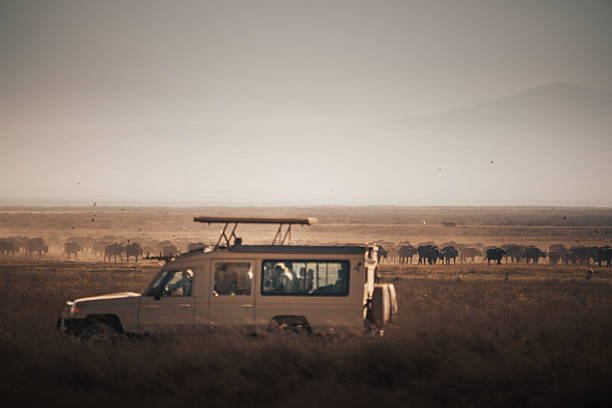
Overall Suitability: Is the Serengeti a Good Fit for Young Families?
The allure of the Serengeti is undeniable – endless plains teeming with wildlife, dramatic predator-prey interactions, and the sheer scale of nature. For many, it represents the quintessential African safari. But when young children are part of the travel party, questions naturally arise about its suitability. The short answer is a resounding yes, but with crucial caveats. Unlike some destinations that might cater exclusively to thrill-seekers or adult adventurers, the Serengeti can be wonderfully adapted for families, even those with toddlers and preschoolers. This involves a strategic approach to planning, focusing on creating an experience that is as comfortable and engaging for the youngest members as it is awe-inspiring for the adults.
When considering Serengeti suitability for a family with young children, think about the core components of a safari: game drives, accommodation, and the overall pace. Young children have different needs and capacities compared to older travelers. They may have shorter attention spans, require more frequent breaks, and have different sensitivities to heat, dust, and long travel times. A successful family safari in the Serengeti acknowledges these factors and builds them into the plan. This means opting for private vehicles where children can have their own space and flexibility, selecting lodges or tented camps that offer child-friendly amenities and secure environments, and planning game drives that are shorter and more frequent, rather than one long, potentially exhausting, excursion.
The Serengeti’s vastness can be both a blessing and a challenge. Its sheer size means incredible wildlife viewing opportunities are almost guaranteed. However, it also means travel between different areas can be lengthy. For families with young children, minimizing these long transfers is key. This often translates to focusing on a specific region within the Serengeti for the duration of your stay, or strategically incorporating shorter internal flights rather than extensive driving. The conservation efforts and the presence of well-established safari infrastructure mean that safety protocols are generally robust, but vigilance and preparation remain paramount. Understanding these nuances helps paint a clearer picture of how the Serengeti can indeed be a magical destination for your entire family in 2026 or 2027.
Best Times to Visit Serengeti with Young Children (2026-2027)
Choosing the right time of year for your Serengeti family safari is crucial for comfort and wildlife viewing, especially with young children. The Serengeti experiences distinct seasons, each offering unique advantages and potential challenges. For families, the ideal period often balances pleasant weather with manageable crowds and accessible wildlife.
The dry season, typically from June to October, is often recommended for its predictable weather. During these months, the weather is generally cooler and there is less rainfall, meaning fewer mosquitoes and less muddy terrain, which simplifies logistics. The landscape becomes drier, concentrating wildlife around water sources, making them easier to spot. However, this is also peak tourist season, which can mean higher prices and more crowded parks, especially in popular areas like the central Serengeti. For families, the benefit of dry, predictable weather often outweighs the crowds, especially if you opt for private tours that can navigate to less-visited spots.
The shoulder months, such as May and November, can offer a sweet spot. May marks the end of the long rains, and while occasional showers are possible, the landscape is lush and green, and tourist numbers are lower. November often sees the start of the short rains, which are usually brief afternoon showers, leaving mornings and evenings clear. These periods can provide excellent value and a more tranquil experience, which is often beneficial for families seeking a more relaxed pace. These times might be particularly appealing for a 2026 or 2027 safari if you’re looking for a balance of good wildlife viewing and fewer crowds.
The green season, from December to April, is characterized by heavier rainfall, particularly in the northern Serengeti and Ngorongoro Highlands. While this can mean lush scenery and incredible birdlife, the rains can make some areas inaccessible and game drives more challenging due to muddy conditions. However, this period is calving season in the southern Serengeti (late January to March), offering a unique spectacle of newborn animals. If your family is keen on witnessing the great migration’s dramatic birthing phase and your accommodation and transport can handle potential rain, this can be an extraordinary time. For families with very young children, the potential for disruptive rain and muddy tracks might make this season less ideal unless you are prepared for the challenges.
When planning for 2026-2027, consider that weather patterns can be unpredictable. It’s always wise to consult with your tour operator about the most current conditions and what to expect. For families with young children, prioritizing ease of travel and comfort often leads to choosing the dry season or the shoulder months. Shorter game drives are also more enjoyable when the weather is consistently pleasant.
The Great Migration and Young Children
The Great Migration is a highlight for many Serengeti visitors. While seeing millions of wildebeest and zebras is spectacular, the timing is crucial for families. The migration is a year-round phenomenon, moving in a vast circle. The calving season in the south (Jan-Mar) is amazing for seeing newborns but can be wet. The river crossings, typically June-July in the west and September-October in the east, are dramatic but can be intense and long events. For families with young children, witnessing the sheer scale of the herds without the stress of river crossings or potentially disruptive weather might be more enjoyable. Focusing on the central Serengeti (Seronera) year-round offers excellent resident wildlife viewing, providing consistent sightings without the need to chase the migration, which can involve extensive driving that young children may find tiring.
Family-Friendly Accommodation Options in the Serengeti
The choice of accommodation is paramount when traveling to the Serengeti with young children. Lodges and tented camps vary significantly in their offerings, and selecting one that caters to families can make a world of difference to your comfort, safety, and overall enjoyment. The goal is to find places that offer a secure environment, engaging amenities for kids, and flexibility for meal times and rest periods.
Lodges often provide more traditional hotel-like comforts. Many have swimming pools, which are a huge hit with children and offer a great way for them to cool off and burn energy after game drives. Look for lodges that offer family rooms or inter-connecting rooms, providing space and privacy for everyone. Some higher-end lodges even have dedicated children’s programs, play areas, or babysitting services, though these are less common in the more remote wilderness areas. Central Serengeti lodges, often near Seronera, can be good bases for families as they offer reliable wildlife viewing and easier access.
Tented camps offer a more in-depth safari experience. While some luxury camps are geared towards couples, there are excellent options designed with families in mind. These camps often feature larger tents that can accommodate extra beds or cribs. The key is to ensure the tents are well-secured and that the camp has a safe, enclosed central area. Some family-friendly tented camps provide bush walks (usually for older children, but check age limits), educational activities, or even dedicated guides for younger guests. The proximity to nature in a tented camp can be magical for children, but it’s essential to ensure they understand and respect the wilderness surrounding them. For 2026-2027 bookings, inquire specifically about family tent configurations and available amenities.
Considerations for families when choosing accommodation include:
- Location: Is it close to areas with reliable wildlife sightings to minimize travel time? Is it within a relatively safe zone, away from immediate predator activity near the camp itself?
- Amenities: Does it have a pool? Are there family rooms or options for extra beds? What are the dining arrangements – can they cater to picky eaters or specific dietary needs?
- Safety: Is the camp/lodge well-fenced or managed to ensure children can move around safely? Are there risks like unfenced swimming pools or steep drops?
- Child Policies: Are there age restrictions for children at the property? What is their policy on extra beds or cribs?
- Staff Attitude: Is the staff welcoming and experienced with children? This can significantly impact the family’s experience.
For a Serengeti family safari with young children, a lodge with a pool in a central, wildlife-rich area often strikes a good balance. However, a well-managed tented camp can offer an unforgettable, closer-to-nature experience if the family is comfortable with that setting. Always discuss your children’s ages and needs with your tour operator when selecting accommodation for your 2026-2027 trip.
Choosing a Family Lodge
When booking for 2026 or 2027, don’t hesitate to ask your tour operator about specific family suites, the availability of cots, and whether high chairs are provided in dining areas. Understanding the daily schedule of the lodge can also help you plan your children’s nap times and activities.
Tailoring Wildlife Viewing for Young Children
The heart of any Serengeti safari is wildlife viewing, but for families with young children, this aspect needs careful management to ensure it remains exciting rather than overwhelming. The key is to adapt the classic safari experience to suit shorter attention spans, energy levels, and a need for comfort and safety.
Shorter, More Frequent Game Drives: Instead of one long, potentially grueling 6-hour game drive, opt for two shorter drives per day – perhaps one in the early morning and another in the late afternoon. Young children often have more energy and better focus in the morning. Early morning drives also offer excellent chances to see predators when they are most active. Late afternoon drives can be rewarding as animals emerge from the midday heat. These shorter drives minimize the risk of children becoming bored, restless, or overtired.
Private Vehicle Advantage: This is arguably the most significant factor for families with young children. A private vehicle means you are not on a schedule dictated by other guests. You can stop whenever the children need a break, a snack, or when they spot something fascinating. You can also adjust the pace, allowing children to ask questions, take photos, or simply observe without feeling rushed. A private vehicle offers more flexibility to tailor the experience precisely to your family’s needs, making Serengeti travel with young children far more manageable.
Focus on Variety and Proximity: While the ‘Big Five’ are a draw, children are often equally fascinated by smaller creatures – colorful birds, dung beetles, monkeys, and giraffes. Plan drives that offer a good mix. For instance, visiting areas known for baboons or giraffes can be very engaging for kids. Lodges located in areas with resident wildlife, like the central Seronera region, mean you don’t have to travel far to see animals, reducing transit time and maximizing viewing opportunities close to your accommodation.
Interactive Elements: Encourage children to keep a safari checklist or a sketchbook. Bring binoculars suitable for children. Many lodges offer nature walks (check age restrictions) where guides can point out smaller flora and fauna and explain their significance in a more hands-on way than a vehicle drive allows. These interactive elements can transform passive viewing into an active learning experience.
Managing Expectations: It’s important to explain to children that wildlife sightings are not guaranteed. While the Serengeti is abundant, animals are wild and unpredictable. Setting realistic expectations helps prevent disappointment and keeps the experience positive. Similarly, managing adult expectations about seeing every single animal is also key to a relaxed family trip.
Safety in the Vehicle: Ensure children understand the rules of the vehicle – staying seated, not leaning too far out, and keeping hands inside. Guides are experienced in managing wildlife encounters safely, but children’s cooperation is essential. For 2026-2027 trips, discuss these points with your guide and ensure they are comfortable with your children’s ages and energy levels.
Booking Private Vehicles for 2026-2027
When you book your Serengeti family safari with young children through Climb 4 Africa, always specify the need for a private vehicle. This is a standard option for families and is essential for tailoring the safari to your children’s needs. It ensures maximum flexibility and comfort, making the experience enjoyable for everyone.
Safety First: Essential Considerations for Families
Safety is the number one priority for any family traveling with young children, and a Serengeti safari is no exception. While Tanzania is a relatively safe country for tourists, and safari operators adhere to strict protocols, there are specific considerations unique to a wildlife environment that parents must be aware of.
Wildlife Encounters: Guides are trained to maintain a safe distance from animals, especially predators. However, children’s curiosity can sometimes lead them to be less cautious. It is vital to instill rules from the outset: never feed wild animals, never approach them, and always stay within the vehicle or designated safe areas of the lodge. Even seemingly docile animals can be dangerous if provoked or startled. For Serengeti travel with young children, constant supervision by parents is non-negotiable when outside the vehicle.
Health Precautions: Consult your pediatrician well in advance of your trip regarding vaccinations and malaria prophylaxis. While malaria risk varies by season and region, it’s a consideration for the Serengeti. Ensure children are up-to-date on routine immunizations. Pack a comprehensive first-aid kit tailored to children, including any personal medications, insect repellent (with DEET for adults, lower concentrations for children, or Picaridin-based options), sunscreen, and after-bite treatments. Hand sanitizer is also a must-have for use before meals and after touching surfaces.
Vehicle Safety: As mentioned, a private vehicle offers a controlled environment. Ensure children use seat belts if available, and instruct them to keep their hands and heads inside the vehicle at all times. Guides are trained to drive cautiously on rough terrain, but bumpy rides are inevitable.
Accommodation Safety: Lodges and tented camps should be assessed for child safety. Are swimming pools fenced? Are there open areas where children could wander off into the bush? Are tent zippers secure and effective? For families with very young children, choose accommodations that offer a secure, enclosed environment. Always ask about these safety features when booking for 2026 or 2027.
Water and Food Safety: Stick to bottled water for drinking, brushing teeth, and washing fruits. Be cautious with uncooked foods or unpeeled fruits. Most reputable lodges and camps maintain high hygiene standards, but it’s always wise to be vigilant, especially with children’s sensitive systems.
Emergency Preparedness: Ensure you have the contact details for your tour operator and any emergency services. For remote areas, understand that medical evacuation can take time and is costly. Travel insurance that covers medical emergencies and evacuation is essential. Discuss any pre-existing medical conditions your children have with your tour operator and doctor before you travel.
Sun Protection: The African sun is intense. Ensure children wear hats, sunglasses, and high-SPF sunscreen. Long-sleeved, light-colored clothing also provides protection. Hydration is key; encourage children to drink plenty of water throughout the day.
By taking these precautions, you can significantly mitigate risks and ensure that your Serengeti family safari with young children is not only thrilling but also safe and worry-free. Your tour operator, like Climb 4 Africa, will be instrumental in guiding you through these safety aspects during your planning for 2026-2027.
Family Safari Safety Checklist
- Consult doctor for vaccinations & malaria advice
- Pack a comprehensive child-friendly first-aid kit
- Use child-appropriate insect repellent and high SPF sunscreen
- Ensure children understand wildlife safety rules (no feeding, no approaching)
- Confirm accommodation safety features (fenced pools, secure tents)
- Always supervise children closely when outdoors
- Stay hydrated with bottled water
- Have comprehensive travel insurance covering medical evacuation
Engaging Activities Beyond Game Drives for Kids
While game drives are the cornerstone of a Serengeti safari, keeping young children engaged requires a broader range of activities. A well-rounded itinerary will incorporate elements that cater to children’s natural curiosity and need for varied stimulation, ensuring they remain excited and entertained throughout the trip. This is especially important for making Serengeti travel with young children a positive and memorable experience.
Nature Walks (Age Dependent): Many lodges and camps offer guided nature walks. While these are often restricted to children aged 6 or older due to safety concerns, they provide a fantastic opportunity for kids to learn about the smaller wonders of the bush – insects, plants, tracks, and signs of wildlife. A knowledgeable guide can make these walks incredibly educational and fun, turning a simple stroll into an adventure. Always confirm the minimum age requirement and suitability for your children with your tour operator.
Cultural Visits (Carefully Selected): While not always a primary focus in the Serengeti itself, some itineraries might include visits to local communities or Maasai villages. If done respectfully and with an emphasis on learning, these can be enlightening for children. They offer a glimpse into different ways of life and can be a valuable cultural exchange. Ensure the visit is organized ethically and genuinely benefits the community, and that the children are prepared for what they might see and experience.
Camp/Lodge Activities: Many family-friendly accommodations go the extra mile. This might include:
- Swimming Pools: A universal hit with kids, providing a great way to cool down and have fun.
- Educational Talks: Some lodges host evening talks by guides about wildlife or conservation, which can be adapted to be engaging for younger audiences.
- Stargazing: The African night sky is spectacular, far from city lights. Children are often mesmerized by the sheer number of stars.
- Creative Activities: Some lodges might offer drawing materials or simple craft activities related to the safari experience.
Junior Ranger Programs: A few higher-end camps and lodges are developing “Junior Ranger” or “Kids’ Club” programs. These can include activities like learning to identify animal tracks, understanding basic survival skills (in a safe context), or participating in conservation-related games. Inquire about these specialized programs when booking for 2026-2027.
Storytelling and Games: Encourage children to share their favorite sightings of the day, create stories about the animals they’ve seen, or play simple card games during downtime. The downtime at lodges is as important as the active safari portions for young children.
Photography: If your children are old enough, give them a camera (even a simple disposable one) and let them capture their own safari memories. This can add an extra layer of engagement and perspective to their experience.
By incorporating these varied activities, you ensure that your Serengeti family safari with young children is not just about ticking off wildlife sightings but is a holistic, engaging, and fun adventure for everyone. This approach helps maintain children’s interest and creates a richer, more memorable experience.
Crafting the Perfect Serengeti Family Itinerary
Designing an itinerary for a Serengeti family safari with young children requires a thoughtful balance of wildlife viewing, relaxation, and child-friendly pacing. The aim is to maximize enjoyment and minimize potential stress. For trips planned for 2026-2027, starting the planning process early is advisable, especially for securing family-friendly accommodations and private vehicles.
Duration: While longer safaris are appealing, for families with young children, a duration of 5-7 days within the Serengeti (plus travel time) is often ideal. This allows for a good introduction to the park without becoming too taxing. A shorter duration might feel rushed, while a longer one could lead to fatigue.
Pacing: This is key. Avoid packing too much into each day. Build in ample downtime, especially during the hottest part of the day (roughly 12 PM to 3 PM). This is when children can nap, play by the pool, or engage in quiet activities at the lodge.
Focus Areas: Instead of trying to cover vast distances, consider focusing on one or two regions within the Serengeti. The Central Serengeti (Seronera) is an excellent choice for families year-round due to its resident wildlife populations, offering consistent sightings without needing to chase the migration. This means shorter drives and more time to explore specific areas.
Sample Itinerary Structure (5-Day Serengeti Example):
- Day 1: Arrival & Settling In. Arrive at Kilimanjaro International Airport (JRO) or Arusha Airport, transfer to Arusha for an overnight stay (depending on flight schedules). This breaks up the journey. Alternatively, fly directly to a Serengeti airstrip. Upon arrival at the Serengeti airstrip, meet your guide and transfer to your lodge/camp. Settle in, have lunch, and perhaps a short, introductory late afternoon game drive.
- Day 2: Exploring Central Serengeti. Morning game drive focusing on areas known for predators like lions, leopards, and cheetahs. Return to the lodge for lunch and rest/pool time. Late afternoon game drive, perhaps exploring a different sector or focusing on riverine areas for hippos and crocodiles.
- Day 3: Variety & Child-Friendly Sights. Morning drive focusing on more diverse wildlife – giraffes, zebras, elephants, and perhaps the famous Serengeti dung beetles. Visit a kopje (rock outcrop) for panoramic views. Afternoon could involve a nature walk (if age-appropriate) or a visit to the Serengeti Visitor Centre (if accessible and suitable).
- Day 4: Deeper Exploration or Relaxation. Depending on the children’s energy levels, either a full-day game drive with a picnic lunch, exploring further afield, or another set of morning/afternoon drives. Alternatively, dedicate the morning to lodge activities or a shorter drive, allowing for more relaxation time in the afternoon.
- Day 5: Final Drive & Departure. Enjoy a final early morning game drive, perhaps revisiting a favorite spot or seeking out any animals missed. After breakfast, transfer to the airstrip for your flight back to Arusha or Kilimanjaro for your onward journey.
Internal Flights: For families, minimizing long drives within Tanzania is often beneficial. Consider flying between Kilimanjaro/Arusha and the Serengeti airstrip. This saves significant time and energy, making the overall journey much smoother for young children. For 2026-2027, booking these internal flights in advance is recommended.
Flexibility: The most crucial element of any family itinerary is flexibility. Be prepared to change plans based on your children’s moods, energy levels, or unexpected wildlife sightings. A good guide and tour operator will be adept at adapting the schedule on the fly.
When working with a specialist like Climb 4 Africa, you can communicate your specific needs for your family, and they will tailor an itinerary that prioritizes comfort, safety, and fun for your young travelers, ensuring your Serengeti family safari with young children is a success.
What to Pack for a Serengeti Safari with Young Children
Packing for a Serengeti safari with young children requires a strategic approach, balancing essentials for the African climate and safari activities with the specific needs of little ones. Layering is key, as temperatures can fluctuate significantly throughout the day. For your 2026-2027 trip, start your packing list early.
Clothing:
- Lightweight, breathable fabrics: Cotton, linen, or moisture-wicking synthetic materials are best.
- Neutral colors: Khaki, beige, olive green, and brown are ideal. Avoid bright colors and dark colors (like black or navy) which can attract insects or be too hot.
- Long-sleeved shirts and trousers: Essential for sun protection and to ward off insects, especially during dawn and dusk.
- T-shirts and shorts: For warmer midday periods.
- Fleece jacket or warm sweater: Evenings and early mornings can be cool, especially in the dry season.
- Rain jacket or poncho: Lightweight and waterproof, useful even outside the main rainy season for unexpected showers.
- Swimsuit: For the lodge pool.
- Comfortable walking shoes or trainers: For around the lodge and any nature walks.
- Sandals or flip-flops: For relaxing at the lodge.
- Sun hats: Wide-brimmed hats are essential for everyone.
Health and Hygiene:
- Insect repellent: With DEET for adults, and a child-safe alternative (e.g., Picaridin or lower DEET concentration) for children.
- Sunscreen: High SPF, broad-spectrum.
- First-aid kit: Including child-specific medications (pain relievers, fever reducers, antihistamines, motion sickness remedies), antiseptic wipes, bandages, gauze, tape, tweezers, and any personal prescriptions.
- Hand sanitizer: Crucial for maintaining hygiene.
- Any necessary prescription medications.
- After-bite or anti-itch cream.
Safari Gear and Accessories:
- Binoculars: Consider a smaller, lighter pair for children.
- Camera and extra batteries/memory cards: To capture memories.
- Reusable water bottles: To stay hydrated and reduce plastic waste.
- Small backpack or daypack: For carrying essentials during game drives (water, snacks, camera, sunscreen).
- Sunglasses.
- Travel-sized games, books, or drawing supplies: For downtime.
- Comfortable travel pillow: For long journeys.
- Headlamps or small flashlights: For navigating around the lodge at night.
Documents and Money:
- Passports and visas.
- Flight and accommodation confirmations.
- Travel insurance details.
- Copies of important documents (stored separately).
- Credit cards and some USD cash for tips or incidentals.
Tips for Packing for Children:
- Pack layers: Children can get cold or hot quickly.
- Comfort is key: Ensure clothing is soft and non-restrictive.
- Snacks: Bring familiar, non-perishable snacks for the plane and game drives.
- Comfort item: A favorite stuffed animal or blanket can help with comfort and security.
- Wet wipes: Invaluable for cleaning hands and faces.
When planning your Serengeti family safari with young children for 2026-2027, remember that lodges often have laundry services, so you don’t need to pack an outfit for every single day. Focus on versatile pieces that can be mixed and matched. Your tour operator can provide a more detailed packing list specific to your itinerary and the time of year.
Booking Your Serengeti Family Safari: What to Know
Booking a Serengeti family safari with young children is an exciting prospect, and for trips planned for 2026-2027, early planning is highly recommended. Secure, reliable booking ensures peace of mind and access to the best options. Here’s what you need to consider and how to approach the booking process.
Choose the Right Tour Operator: Selecting an operator with specific experience in family safaris is paramount. Look for companies that understand the unique needs of traveling with young children, can offer tailored itineraries, and have a strong reputation for safety and service. Climb 4 Africa specializes in creating customized Tanzanian travel experiences, including family safaris, and can guide you through every step of the planning and booking process.
When to Book for 2026-2027: For peak seasons (like June-October) or for specific family-friendly lodges that have limited availability, booking 9-12 months in advance is ideal. For the green season or shoulder months, 6-9 months might suffice, but booking early is always best to secure preferred options.
Key Inclusions to Confirm: When reviewing quotes, ensure you understand what is included. Typically, this includes:
- Accommodation
- All meals (unless specified otherwise)
- Park entry fees
- Game drives in a private 4×4 vehicle (essential for families)
- Professional English-speaking guide
- Internal flights (if applicable)
- Airport transfers
Exclusions to Watch For: Be aware of what is not included, which commonly includes:
- International flights
- Visa fees
- Travel insurance (mandatory)
- Gratuities for guides and lodge staff
- Drinks and alcoholic beverages (unless specified)
- Optional activities (e.g., hot air balloon safaris – usually not suitable for young children)
- Personal expenses
Discuss Your Children’s Needs: When you first contact your tour operator, be upfront about the ages of your children and any specific needs they have (dietary, medical, sleep arrangements). This will help them select the most appropriate accommodations and activities.
Deposit and Payment Schedule: Most operators require a deposit (typically 20-50%) to confirm a booking, with the balance due 60-90 days before departure. Understand the payment terms and cancellation policy clearly.
Travel Insurance: This is non-negotiable. Ensure your policy covers medical emergencies, evacuation, trip cancellation, and interruption. Double-check that it covers all members of your family.
Visa Requirements: Research the visa requirements for Tanzania for your nationality well in advance. Most nationalities can obtain a visa on arrival or apply online, but it’s best to confirm.
Finalizing Details: Closer to your departure date (typically 2-4 weeks before), your operator will provide a detailed itinerary, emergency contact information, and final preparations. This is a good time to ask any last-minute questions.
By partnering with an experienced operator like Climb 4 Africa for your Serengeti family safari with young children, you can navigate the complexities of planning and booking with confidence. They can assist with everything from choosing the best lodge for your family’s needs to ensuring your private vehicle is ready and your itinerary is perfectly paced for your young adventurers. Reach out to them to start planning your unforgettable 2026-2027 safari experience.
For personalized assistance and to discuss creating your ideal family safari, contact Climb 4 Africa via WhatsApp at +255 747 477 898 or email them at climb4africa@gmail.com.
“,
“faq_schema”: [
{
“question”: “Can toddlers and very young children enjoy a Serengeti safari?”,
“answer”: “Yes, toddlers and very young children can enjoy a Serengeti safari if the trip is planned with their needs in mind. This includes opting for shorter game drives, family-friendly lodges with amenities like pools, private vehicles for flexibility, and ensuring adequate downtime. The focus should be on comfort, safety, and manageable experiences rather than trying to replicate an adult-focused safari.”
},
{
“question”: “What are the main safety concerns for families with young children in the Serengeti?”,
“answer”: “The primary safety concerns include wildlife encounters (maintaining safe distances and following guide instructions), health (malaria, vaccinations, hygiene), vehicle safety (staying seated), and accommodation safety (secure areas, fenced pools). Constant supervision by parents is crucial. Consulting a pediatrician and ensuring comprehensive travel insurance are also vital steps.”
},
{
“question”: “Is it better to stay in a lodge or a tented camp with young children in the Serengeti?”,
“answer”: “Both can be suitable. Lodges often offer more amenities like swimming pools and are typically more robust in structure, which can feel safer for some families. Tented camps offer a more in-depth experience; choose well-managed, family-oriented camps with secure tents and safe central areas. The best choice depends on your family’s comfort level with a wilderness setting and the specific amenities offered.”
},
{
“question”: “How long should a Serengeti safari be for a family with young children?”,
“answer”: “For families with young children, a safari duration of 5-7 days within the Serengeti itself is generally recommended. This allows for a good experience without becoming too tiring. It’s important to balance time in the park with travel time to and from Tanzania, and consider breaks in less intense environments like Zanzibar if extending the trip.”
},
{
“question”: “What is the best time of year for a Serengeti family safari in 2026-2027?”,
“answer”: “The dry season (June to October) is often preferred for its predictable weather, fewer mosquitoes, and concentrated wildlife. Shoulder months like May and November can offer fewer crowds and good value. While the green season (Dec-Apr) has its own beauty and calving season, the potential for rain and muddy conditions might be less ideal for families with very young children unless they are well-prepared for potential logistical challenges.”
},
{
“question”: “Do I need a private vehicle for a Serengeti family safari?”,
“answer”: “A private vehicle is highly recommended, almost essential, for families with young children. It provides the flexibility to stop when needed, adjust the pace, and cater to children’s short attention spans or need for breaks without inconveniencing other travelers. This flexibility significantly enhances the comfort and enjoyment of the safari for young families.”
}
]
}
“`
Check Availability for Is Serengeti Suitable For A Family With Young Children? 2026-2027
Ready to compare dates, prices, and the best option for your group? Send the package name and travel month so the team can reply with a clear quote, availability, and what is included.
Dec 24, – 3 Day Christmas Serengeti And Ngorongoro Group Safari
Dec 24, 2026 – 3 Day Christmas Serengeti and Ngorongoro Group Safari.
View package details
Nov 23, – 3 Day Serengeti And Ngorongoro Safari From Zanzibar
Nov 23, 2026 – 3 Day Serengeti and Ngorongoro Safari from Zanzibar.
View package details
Dec 31, : New Year’s Eve Serengeti Group Safari Planning Guide
This guide provides essential planning details for a group safari trip to the Serengeti for New Year's Eve 2026, covering logistics, seasonal highlights, and what to expect.
View package details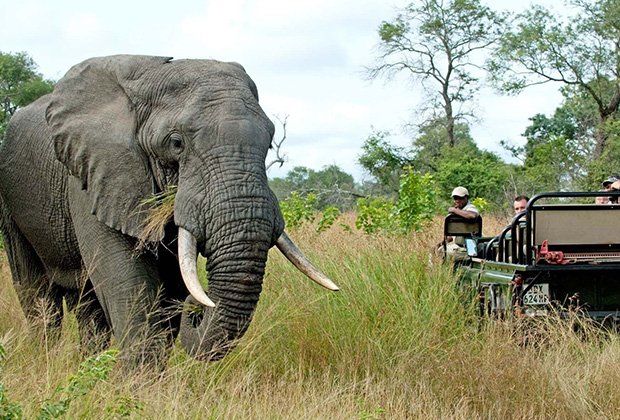
I Am On A Budget—What Is The Cheapest Serengeti Group Safari?
I Am on a Budget—What Is the Cheapest Serengeti Group Safari?
View package details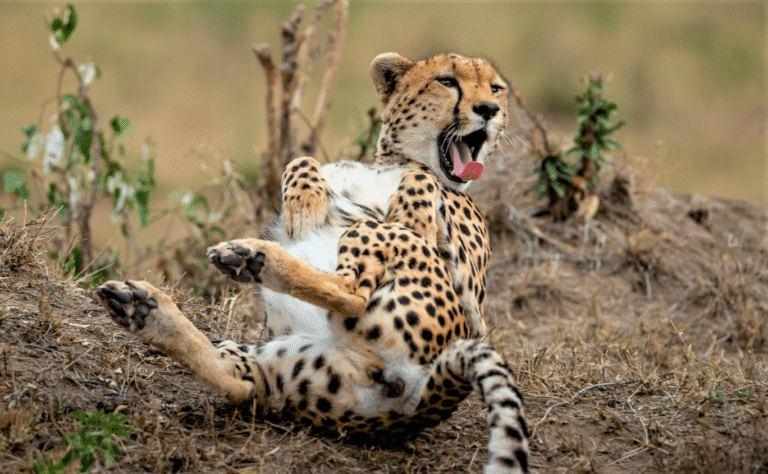
Dec 29, – 6 Day Ndutu, Serengeti And Ngorongoro Group Safari 2026
A detailed guide to our 6-day group safari departure on December 29, 2026, focusing on the Ndutu plains, the Serengeti, and the Ngorongoro Crater.
View package details8 Day Serengeti And Ngorongoro Group Safari – December 16, 2026
Planning your December 2026 Tanzanian adventure? Our 8-day group safari offers a deep, unhurried exploration of the Serengeti and Ngorongoro Crater.
View package detailsDec 12, – 6 Day Serengeti, Ngorongoro, Tarangire And Manyara Group Safari 2026
Dec 12, 2026 – 6 Day Serengeti, Ngorongoro, Tarangire and Manyara Group Safari.
View package detailsDec 8, – 4 Day Tarangire, Serengeti And Ngorongoro Group Safari 2026
A detailed guide to our December 8, 2026 group joining safari, covering the itinerary, logistics, and what to expect during this 4-day wildlife adventure in Tanzania.
View package detailsNov 28, – 3 Day Fly-In Serengeti Group Safari From Zanzibar 2026
A detailed look at the 3-day fly-in Serengeti group safari departing November 28, 2026, including logistics, itinerary highlights, and travel tips for your Tanzania adventure.
View package details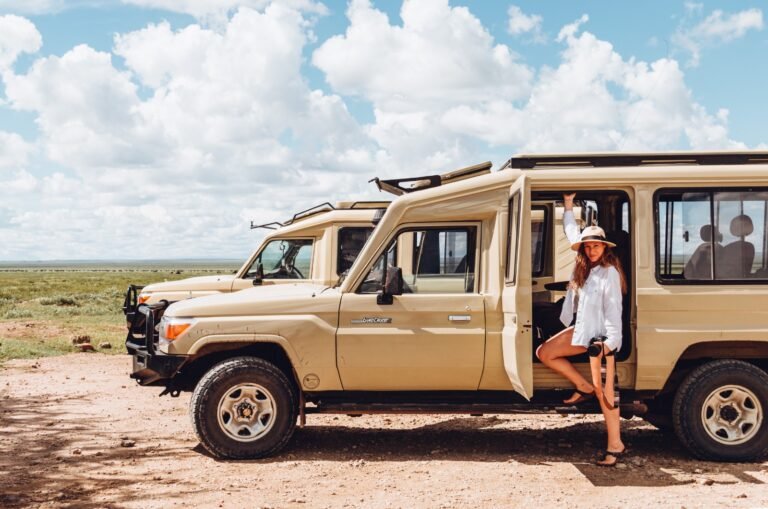
Nov 6, – 3 Day Serengeti And Ngorongoro Budget Group Safari 2026
A detailed look at our November 6, 2026 group departure for a 3-day Serengeti and Ngorongoro safari, including planning tips and route logistics.
View package detailsOct 27, – 3 Day Serengeti And Ngorongoro Group Safari 2026
Planning for a short, high-impact wildlife adventure? Our October 27, 2026, group safari offers a direct route through the Serengeti and Ngorongoro Crater, perfect for travelers with...
View package detailsNov 18, – 7 Day Serengeti And Ngorongoro Group Joining Safari 2026
A detailed guide to the 7-day group joining safari departing November 18, 2026, covering Serengeti, Ngorongoro, and the logistical advantages of shared travel.
View package detailsNo related package matches those filters. Clear one or more filters to see the other topic-matched options.