Kenya safari tours and holiday packages offer unparalleled wildlife viewing experiences, with popular options focusing on the Masai Mara for the Great Migration, Amboseli for elephant herds against Kilimanjaro’s backdrop, and Samburu for unique desert-adapted species. Packages typically range from 5 to 14 days, combining multiple parks, and costs vary widely based on accommodation luxury, private vs. shared vehicles, and season, with planning for 2026-2027 now underway for peak wildlife viewing periods.
Your Comprehensive Guide to Kenya Safari Tours & Holiday Packages
Embarking on a Kenya safari is a profound journey into the heart of wild Africa. For many, it’s a lifelong dream, and choosing the right Kenya safari tour & holiday package is the first critical step toward making that dream a reality. At Climb 4 Africa, we understand the intricacies of crafting unforgettable African adventures, blending world-class wildlife encounters with authentic cultural experiences and comfortable stays. Whether you’re envisioning the drama of the Great Migration in the Masai Mara, the iconic elephant herds of Amboseli, or the unique arid-land wildlife of Samburu, this guide is designed to help you navigate the options and plan your perfect Kenya safari holiday package for 2026-2027 and beyond.
This isn’t just about seeing animals; it’s about experiencing ecosystems, understanding conservation efforts, and connecting with a continent that has captivated travelers for generations. We’ll explore the best destinations, the typical components of a safari package, considerations for different travel styles, and practical advice to ensure your Kenya safari tour is everything you hoped for and more.
Key Kenya Safari Destinations: Where the Wild Things Are
Kenya is blessed with an incredible diversity of landscapes and wildlife, making it one of Africa’s premier safari destinations. When considering a Kenya safari tour & holiday package, the choice of parks and reserves is paramount. Each offers a unique experience, and most itineraries combine two or three locations to provide a varied overview of the country’s natural wonders.
The Masai Mara National Reserve: The Crown Jewel
No discussion of Kenya safaris is complete without highlighting the Masai Mara. This vast, iconic reserve, bordering Tanzania’s Serengeti National Park, is world-renowned for its high concentration of predators – lions, leopards, cheetahs – and its role as the stage for the annual Great Migration. Millions of wildebeest and zebras traverse these plains between July and October, seeking greener pastures, and their journey is a spectacle of nature unmatched anywhere else on Earth.
- Wildlife Highlights: Big Five (lion, leopard, elephant, rhino, buffalo), vast herds of wildebeest and zebra (during migration season), cheetahs, giraffes, hyenas, hippos, crocodiles.
- Best For: Witnessing the Great Migration, exceptional predator sightings, classic savanna landscapes.
- Considerations: Can be very busy, especially during peak migration months. Lodges and camps range from rustic to ultra-luxurious. Bordering conservancies offer more exclusive experiences with fewer vehicles and night game drives.
Amboseli National Park: Elephants and Kilimanjaro’s Majesty
Amboseli National Park offers one of the most iconic photographic backdrops in Africa: large herds of elephants roaming against the majestic, snow-capped peak of Mount Kilimanjaro (which lies just across the border in Tanzania). The park’s relatively flat, open plains make for excellent game viewing, and its large elephant population is a major draw. It’s an essential stop for any comprehensive Kenya safari holiday package.
- Wildlife Highlights: Abundant elephants, lions, cheetahs, giraffes, zebras, wildebeest, hippos, and a rich variety of birdlife. The views of Kilimanjaro are a constant highlight.
- Best For: Elephant encounters, stunning photography, classic savanna scenery with a mountain backdrop.
- Considerations: Known for its dry conditions, making wildlife concentrated around water sources. Can be visited year-round, but the dry season (June-October) offers the best game viewing.
Samburu National Reserve: Arid Beauty and Unique Species
North of the equator, Samburu National Reserve presents a starkly different landscape of arid scrub, rocky hills, and the Ewaso Nyiro River. This reserve is famous for its “Samburu Special Five”: the reticulated giraffe, Grevy’s zebra (distinct from the plains zebra), Somali ostrich, Beisa oryx, and the gerenuk (a long-necked antelope that stands on its hind legs to feed). It’s a destination that offers a more intimate and less crowded safari experience.
- Wildlife Highlights: Samburu Special Five, lions, leopards, cheetahs, elephants, hippos, crocodiles, diverse birdlife.
- Best For: Unique desert-adapted wildlife, dramatic landscapes, a quieter safari experience, cultural interactions with the Samburu people.
- Considerations: The climate is hotter and drier than in southern parks. Game drives can be more challenging due to the terrain.
Lake Nakuru National Park: The Birdwatcher’s Paradise
Famous for its vast flocks of flamingos (though numbers fluctuate), Lake Nakuru is a Rift Valley soda lake that also serves as a sanctuary for black and white rhinos, Rothschild’s giraffes, and a variety of other mammals. The park’s dense acacia woodland and grassland make it a prime location for spotting leopards, as well as lions and buffalos.
- Wildlife Highlights: Large populations of rhinos (black and white), Rothschild’s giraffes, lions, leopards, buffalos, hippos, and historically, massive flocks of flamingos.
- Best For: Rhino sightings, birdwatching, leopard spotting, scenic lake views.
- Considerations: The flamingo population can vary significantly with water levels and food availability. Park is relatively small and can be visited as a day trip or en route to other destinations.
Meru National Park: Wilderness and Conservation Success
Meru National Park, once famously featured in Joy Adamson’s “Born Free,” is a wild and rugged park known for its diverse habitats, including rivers, swamps, and dry savanna. It’s one of the best places to see rhinos in Kenya and offers opportunities to spot elephants, lions, leopards, cheetahs, and a rich array of birdlife. It’s a less-visited park, offering a more remote feel.
- Wildlife Highlights: White and black rhinos, elephants, lions, leopards, cheetahs, reticulated giraffes, Grevy’s zebras, hippos, crocodiles, abundant bird species.
- Best For: Rhino tracking, experiencing a wilder and less-touristed park, diverse landscapes.
- Considerations: Access roads can be challenging, especially in the rainy season. Best explored with a knowledgeable guide.
Other Notable Destinations
While the above are the most popular, Kenya offers other fantastic options that can be incorporated into tailor-made Kenya safari tours:
- Tsavo East & West National Parks: Vast parks known for their red-dust elephants, lions, diverse birdlife, and dramatic landscapes.
- Laikipia Plateau: A region of private conservancies focused on conservation, offering unique wildlife experiences, including tracking rhinos and wild dogs.
- Lake Bogoria: Another famous flamingo hotspot, offering spectacular views of thousands of birds.
When planning your Kenya safari holiday package, we can help you select the parks that best align with your interests, whether that’s maximizing Big Five sightings, focusing on birdlife, or seeking out rarer species.
Understanding Kenya Safari Packages: What’s Included?
A well-structured Kenya safari tour & holiday package simplifies planning by bundling essential services. While inclusions can vary significantly between operators and the level of luxury chosen, most comprehensive packages typically cover:
- Accommodation: Lodging in safari lodges, tented camps, or permanent camps, based on your chosen itinerary and budget. This is a significant component of the package cost.
- Meals: Usually full board (breakfast, lunch, dinner). Drinks may be included at some lodges but are often extra.
- Park Entrance Fees: Daily fees for all national parks and reserves visited. These are a substantial cost and are usually included upfront.
- Game Drives: Daily game drives conducted in a 4×4 safari vehicle (usually a Land Cruiser or Land Rover) with a professional driver-guide.
- Vehicle and Fuel: The use of a dedicated safari vehicle and its associated fuel costs for the duration of the safari.
- Driver-Guide Fees: The salary and expenses for your experienced safari guide.
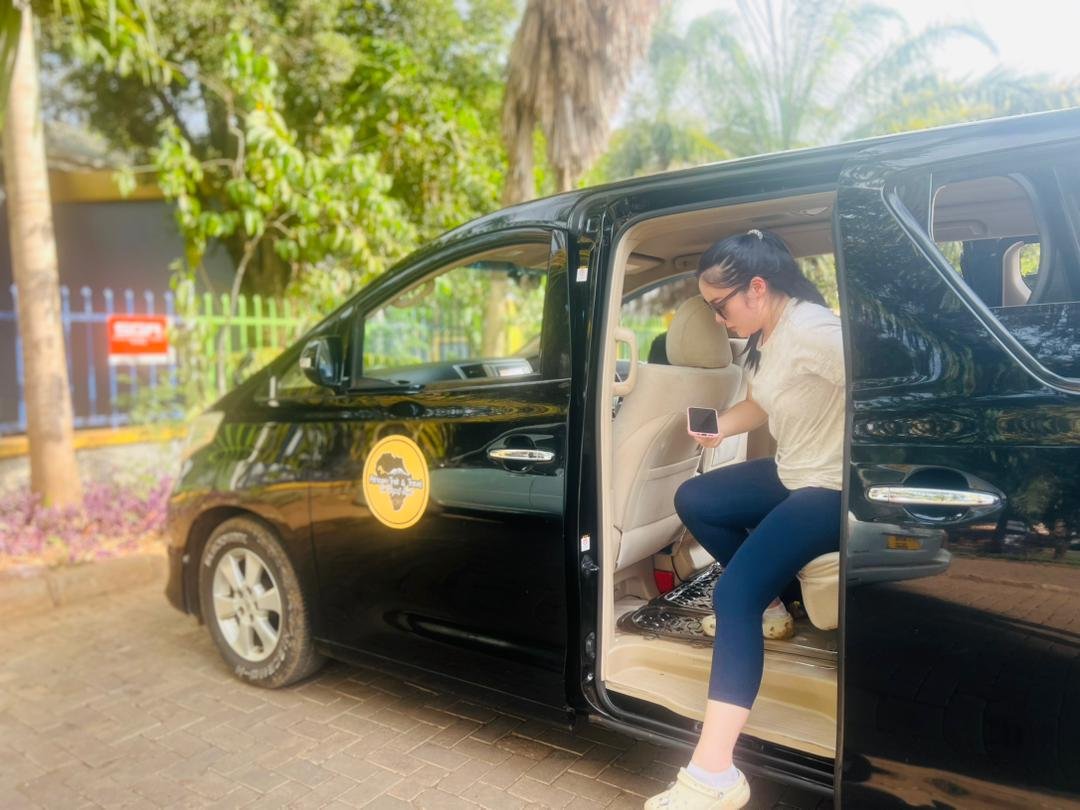
- Transfers: Airport transfers to and from your safari start/end point, and transfers between parks if flying.
- Water: Bottled water is typically provided in the safari vehicle during game drives.
What is often NOT included:
It’s crucial to clarify these points when booking your Kenya safari holiday package:
- International Flights: Flights to and from Kenya (e.g., to Jomo Kenyatta International Airport – NBO in Nairobi).
- Visa Fees: Costs associated with obtaining your Kenyan visa.
- Travel Insurance: Comprehensive travel and medical insurance is essential and always the traveler’s responsibility.
- Tips/Gratuities: For guides, drivers, lodge staff, and porters. This is a customary way to show appreciation.
- Drinks: Alcoholic beverages, soft drinks, and often bottled water outside game drives.
- Optional Activities: Hot air balloon safaris, guided bush walks, cultural village visits (unless specified), and spa treatments.
- Personal Expenses: Souvenirs, laundry, and any other personal items.
- Vaccinations and Medications: Costs associated with necessary health precautions.
Understanding these inclusions and exclusions helps manage expectations and budget accurately for your Kenya safari tour.
Types of Kenya Safari Tours & Holiday Packages
The ideal Kenya safari holiday package depends entirely on your travel style, budget, and interests. Here are the most common types:
Shared Group Safaris
These are the most budget-friendly options. You join a small group of like-minded travelers (typically 6-8 people) in a safari vehicle. Departures are usually on fixed dates, offering a great way to experience Kenya affordably.
- Pros: Most economical, good for solo travelers or couples looking to save costs, social atmosphere.
- Cons: Less flexibility, fixed departure dates, shared vehicle space, potentially longer game drives waiting for other group members.
- Best For: Budget-conscious travelers, solo adventurers, those who enjoy a social travel experience.
Climb 4 Africa offers shared departures for those interested in experiencing Kenya’s highlights with a group. You can find available dates on our Tanzania Safaris Group Departures page, which also often features combined Kenya-Tanzania options.
Private Safaris
These are fully customizable and offer the highest level of flexibility and exclusivity. You have a dedicated safari vehicle and driver-guide for your group (family, friends, or couple). Itineraries can be tailored to your specific interests and pace.
- Pros: Maximum flexibility, private vehicle, tailor-made itinerary, choose your own pace, ideal for families or groups with specific interests.
- Cons: Higher cost per person compared to group safaris.
- Best For: Families, honeymooners, photographers, travelers seeking a personalized and exclusive experience.
A private Kenya safari tour allows for spontaneous stops, spending more time with sightings, and adjusting the schedule as needed. This is often the preferred choice for a truly memorable Kenya safari holiday package.
Luxury Safaris
These packages focus on high-end accommodation, often in exclusive lodges and camps with exceptional service, gourmet dining, and premium amenities. They typically include private vehicles and expert guides, offering comfort and style alongside thrilling wildlife encounters.
- Pros: Superior comfort, exclusive locations, exceptional service, fine dining, often include special touches like sundowners and bush dinners.
- Cons: Highest price point.
- Best For: Honeymooners, discerning travelers, those seeking an indulgent African experience.
Family Safaris
Designed with children in mind, these packages often feature family-friendly lodges with swimming pools, kid-specific activities, and itineraries that balance wildlife viewing with downtime. Guides are experienced in engaging younger travelers.
- Pros: Child-friendly activities and accommodation, safety considerations, educational focus.
- Cons: May involve slightly less intense game viewing schedules.
- Best For: Families with children of varying ages.
Walking Safaris
For the more adventurous, walking safaris offer a different perspective. Led by armed rangers and experienced guides, these treks allow you to explore the bush on foot, learning about tracking, flora, and fauna in a more intimate way. Usually combined with other safari elements.
- Pros: Intimate connection with nature, focus on smaller details, different perspective.
- Cons: Physically demanding, not suitable for all ages or fitness levels, limited wildlife encounters compared to vehicle-based safaris.
- Best For: Active travelers, nature enthusiasts, those seeking a deeper understanding of the wilderness.
Fly-In Safaris
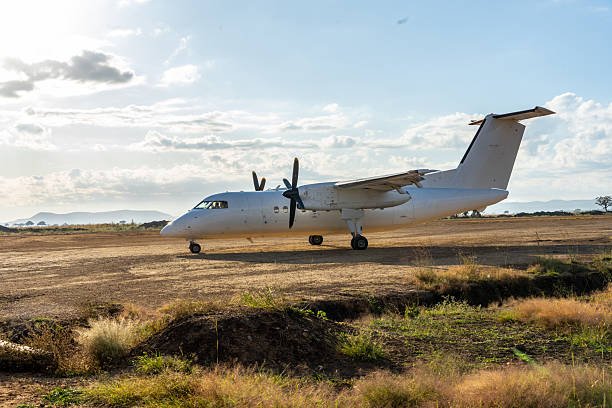
These safaris minimize driving time by utilizing small aircraft to fly between remote airstrips near lodges and camps. This is an excellent way to cover vast distances and access exclusive, far-flung locations quickly.
- Pros: Saves significant travel time, access to remote areas, scenic aerial views.
- Cons: Significantly more expensive than road-based safaris, baggage restrictions on light aircraft.
- Best For: Travelers with limited time, those seeking exclusive remote camps, experiencing multiple distant locations in one trip.
Choosing the right type of Kenya safari tour & holiday package is foundational to your overall experience. We can help you decide which fits best for your 2026-2027 adventure.
Planning Your Kenya Safari: Key Considerations
A successful Kenya safari holiday package hinges on thoughtful planning. Here are critical factors to consider:
Budget Allocation
Safari costs can vary dramatically. Key budget drivers include:
- Accommodation: Luxury lodges are significantly more expensive than mid-range camps or budget campsites.
- Vehicle Type: Private 4×4 vehicles are more costly than shared ones.
- Duration: Longer safaris naturally cost more.
- Parks Visited: Some parks have higher entrance fees.
- Season: Peak seasons (like the Great Migration) command higher prices.
- Inclusions: Packages with more included activities or meals will be pricier.
For 2026-2027, expect prices to reflect current market conditions, inflation, and the ongoing demand for quality safari experiences. A typical mid-range 7-day Kenya safari tour might range from $2,000 to $4,000 per person, excluding international flights, while luxury options can easily exceed $7,000+ per person.
Your Travel Style and Pace
Are you an early riser eager for dawn game drives, or do you prefer a more relaxed pace? Do you want to cover multiple parks or spend more time immersing yourself in one or two locations? Your preferences dictate the itinerary’s structure and the types of activities offered within your Kenya safari holiday package.
Group Size and Composition
Are you traveling solo, as a couple, with family, or with friends? This significantly impacts whether a shared or private safari is more suitable and cost-effective. Family safaris require specific considerations for children’s ages and interests.
Specific Interests
Are you a keen photographer looking for specific lighting conditions and ample time at sightings? Are you passionate about birdwatching, or are you primarily focused on spotting the Big Five? Do cultural interactions with local communities hold importance for you? Tailoring your Kenya safari tour to these interests is key.
Health and Safety
Consult your doctor well in advance regarding vaccinations (e.g., Yellow Fever, Typhoid, Hepatitis A) and malaria prophylaxis. Ensure you have comprehensive travel insurance that covers medical evacuation. Reputable tour operators like Climb 4 Africa prioritize safety, using experienced guides and well-maintained vehicles.
Packing Essentials
Pack light, neutral-colored clothing (khaki, olive green, beige). Avoid bright colors and black/white. Essential items include:
- Lightweight long-sleeved shirts and trousers (for sun and insect protection)
- T-shirts and shorts
- A warm fleece or jacket for cool mornings/evenings
- Comfortable walking shoes
- A wide-brimmed hat and sunglasses
- Sunscreen and insect repellent
- Binoculars (highly recommended!)
- Camera with extra batteries and memory cards
- A small backpack for daily essentials
- Personal first-aid kit
Your chosen Kenya safari holiday package provider should offer a detailed packing list.
Timing Your Kenya Safari: Seasons and the Great Migration
The timing of your Kenya safari tour can profoundly impact your experience, especially if witnessing the Great Migration is a priority. Kenya experiences distinct seasons:
Peak Season (June to October, December to February)
- Weather: Generally dry and sunny with cooler temperatures.
- Wildlife: Excellent game viewing as animals congregate around water sources. The Great Migration typically arrives in the Masai Mara from July/August and stays until October.
- Crowds: Busiest months, especially July-September.
- Prices: Highest accommodation rates and tour package costs.
Shoulder Season (March to May, November)
- Weather: Transition periods; can be rainy (especially March-May, the “long rains”) or pleasantly mild.
- Wildlife: Still good, with fewer crowds. The landscape is lush and green after rains. November can bring the start of the “short rains” and smaller migrations of wildebeest from the north.
- Crowds: Moderate.
- Prices: More moderate rates, offering good value.
Low Season (April to May)
- Weather: Long rains, characterized by heavy downpours, though often not all day.
- Wildlife: Game viewing can be more challenging due to thicker vegetation and scattered animals, but excellent for birdwatchers. Fewer tourists.
- Crowds: Lowest.
- Prices: Significant discounts available, making it an attractive option for budget travelers.
The Great Migration Specifics
The Great Migration is a dynamic event. While the general timeframe is July to October in the Masai Mara, the exact timing and location of river crossings (a dramatic highlight) can vary year to year based on rainfall patterns. Planning a Kenya safari holiday package around this event requires flexibility and expert guidance.
For 2026-2027, booking well in advance is highly recommended if your heart is set on experiencing the migration, as prime lodges and camps fill up quickly.
Accommodation Styles on a Kenya Safari
Your choice of accommodation is central to the comfort and feel of your Kenya safari tour. Options range from basic to opulent:
Safari Lodges
Permanent structures, often built with stone and thatch, offering comfortable rooms, en-suite bathrooms, restaurants, bars, and swimming pools. They provide a classic safari experience with modern amenities.
Tented Camps
These can range from rustic canvas tents with shared bathrooms (more budget-friendly) to luxurious canvas suites with private bathrooms, four-poster beds, and private verandas. They offer a closer-to-nature feel while maintaining comfort.
Luxury Tented Camps
These are often the pinnacle of safari accommodation, offering spacious tents with opulent furnishings, private plunge pools, exceptional service, and gourmet dining. They are designed for ultimate comfort and exclusivity.
Campsites
For the most budget-conscious or adventurous travelers, staying in national park or public campsites offers a very basic experience, often with shared facilities. These are usually part of camping-style safaris.
The type of accommodation chosen will significantly influence the price of your Kenya safari holiday package. When planning for 2026-2027, consider how much comfort and luxury you desire.
Customizing Your Kenya Safari Tour & Holiday Package
While pre-set itineraries are common, the true magic of a safari often lies in its customization. At Climb 4 Africa, we specialize in creating bespoke Kenya safari tours that cater to your unique desires. Here’s how we can tailor your trip:
Tailoring Destinations
Not sure which parks are best for you? We’ll discuss your interests – be it Big Five focus, birding, photography, unique species, or cultural immersion – and recommend the ideal combination of parks and conservancies. For instance, a family with young children might benefit from a shorter itinerary focusing on Amboseli and Lake Nakuru, while keen photographers might prioritize the Mara and Samburu.
Personalizing Itinerary Flow
We can adjust the pace of your safari. Do you prefer longer stays in fewer locations to truly absorb the atmosphere, or do you want to see as much as possible? We can arrange for longer game drives, early morning or late evening excursions, or incorporate guided walks where permitted.
Selecting Accommodation
Your accommodation choice is a significant part of your experience. We work with a range of lodges and camps, from comfortable mid-range options to exclusive luxury properties. We’ll guide you to the places that offer the right blend of comfort, location, and atmosphere for your Kenya safari holiday package.
Adding Special Activities
Want to experience a hot air balloon safari over the Masai Mara at sunrise? Interested in a guided walking safari in a conservancy? Or perhaps a visit to a Maasai village? We can seamlessly integrate these optional activities into your itinerary.
Flexibility for 2026-2027
Planning for future years like 2026-2027 gives you more flexibility. We can start discussions early, secure preferred lodges and guides, and build a package that perfectly matches your vision, ensuring a truly personalized Kenya safari tour.
Booking Your Kenya Safari Tour & Holiday Package
Securing your dream Kenya safari holiday package involves a few key steps. The process is designed to be straightforward and reassuring, especially when planning for future travel dates in 2026-2027.
1. Initial Consultation and Quotation
The first step is to reach out to us with your initial ideas. What are your approximate travel dates, how long do you wish to travel, what is your budget range, and who is traveling? Based on this, we’ll provide a preliminary itinerary and quotation. For a personalized quote for your Kenya safari tour, please contact us.
2. Itinerary Refinement
We’ll discuss the proposed itinerary, accommodation options, and any specific requests you have. This is an iterative process to ensure the plan perfectly matches your expectations. We’ll answer all your questions about parks, activities, and logistics.
3. Deposit and Confirmation
Once you are happy with the itinerary, a deposit is typically required to confirm your booking and secure your preferred lodges and guides. For bookings made well in advance for 2026-2027, this deposit helps guarantee availability, especially for peak season travel.
4. Final Payment
The remaining balance is usually due a specified number of weeks or months before your departure date. We will provide clear payment schedules and instructions.
5. Pre-Departure Information
In the weeks leading up to your safari, we will provide comprehensive pre-departure information, including your final itinerary, packing lists, visa and health advice, and emergency contact details.
Why Book Your Kenya Safari with Climb 4 Africa?
As a local operator with deep roots in East Africa, Climb 4 Africa offers unparalleled expertise for your Kenya safari tour & holiday package. We combine our knowledge of the terrain, wildlife, and culture with a commitment to personalized service and responsible tourism. Our team is dedicated to crafting authentic, memorable experiences.
Get in touch to start planning your 2026-2027 adventure:
- WhatsApp: +255 747 477 898
- Email: climb4africa@gmail.com
We are ready to help you design the Kenya safari holiday package of your dreams.
Practical Tips for Your Kenya Safari
To ensure your Kenya safari tour runs smoothly, consider these practical tips:
Respect Wildlife: Always maintain a safe distance from animals. Never feed them. Follow your guide’s instructions implicitly regarding animal encounters.
Photography: Always ask for permission before photographing people, especially Maasai communities. Be mindful of wildlife; avoid using flash, as it can disturb animals.
Cultural Sensitivity: Dress modestly when visiting local villages. Be respectful of local customs and traditions.
Tipping: Tipping is customary. Your tour operator will provide guidelines, but a general range for a driver-guide is $10-20 per person per day, and for lodge staff, $5-10 per person per day.
Connectivity: Wi-Fi is available in most lodges and camps, but speeds can vary. Consider purchasing a local SIM card if constant connectivity is important.
Currency: The Kenyan Shilling (KES) is the local currency. US Dollars are widely accepted for park fees and at tourist lodges, but it’s good to have some shillings for smaller purchases or tips. ATMs are available in major towns.
Water: Drink only bottled or purified water provided by your lodge or vehicle. Avoid tap water.
Why Choose Climb 4 Africa for Your Kenya Safari?
While Kilimanjaro climbs are our heritage, our expertise extends deeply into crafting exceptional Kenya safari tours & holiday packages. We are a Tanzanian-based company with a strong understanding of East African travel logistics, wildlife behavior, and the cultural nuances of the region. Our commitment is to provide:
- Local Expertise: Deep knowledge of Kenya’s parks, wildlife, and best practices for safaris.
- Personalized Service: Tailor-made itineraries designed around your interests and budget.
- Quality Guides: Experienced, knowledgeable, and passionate driver-guides who enhance your safari experience.
- Responsible Tourism: We are committed to sustainable practices that benefit local communities and conservation efforts.
- Value for Money: We strive to offer competitive pricing without compromising on quality or experience for your Kenya safari holiday package.
Whether you’re planning for the peak season of 2026-2027 or exploring off-peak opportunities, let Climb 4 Africa be your trusted partner. We handle the complexities so you can focus on the wonder of your Kenya safari tour.
Ready to plan your ultimate Kenya safari? Contact us today:
- WhatsApp: +255 747 477 898
- Email: climb4africa@gmail.com
We look forward to helping you create unforgettable memories on your Kenya safari holiday package.
“,
“faq_schema”: [
{
“question”: “What is the best time of year for a Kenya safari tour?”,
“answer”: “The best time for a Kenya safari tour depends on your priorities. For the Great Migration in the Masai Mara, aim for July to October. For excellent general game viewing with dry weather, June to October and December to February are ideal. The shoulder seasons (March-May, November) offer fewer crowds and good value, though May can bring heavy rains.”
},
{
“question”: “How much does a Kenya safari holiday package typically cost?”,
“answer”: “Costs for a Kenya safari holiday package vary significantly. A mid-range 7-day safari can range from $2,000 to $4,000 per person, while luxury options can start from $5,000 and go upwards of $10,000+ per person for 7 days. This usually excludes international flights, visas, and personal expenses. Planning for 2026-2027 should account for potential price adjustments.”
},
{
“question”: “What are the must-visit destinations in Kenya for a safari?”,
“answer”: “The must-visit destinations for a Kenya safari include the Masai Mara National Reserve (for the Great Migration and predators), Amboseli National Park (for elephants and Kilimanjaro views), Samburu National Reserve (for unique arid-adapted wildlife), and Lake Nakuru National Park (for rhinos and birdlife). Most packages combine 2-3 of these locations.”
},
{
“question”: “What is typically included in a Kenya safari package?”,
“answer”: “A typical Kenya safari package usually includes accommodation, most meals (full board), park entrance fees, game drives in a 4×4 vehicle with a driver-guide, fuel, and airport transfers. International flights, visas, travel insurance, tips, drinks, and optional activities are generally excluded.”
},
{
“question”: “Is it better to book a shared or private Kenya safari tour?”,
“answer”: “A shared Kenya safari tour is more budget-friendly and social, ideal for solo travelers or those on a tighter budget. A private Kenya safari tour offers maximum flexibility, exclusivity, and a personalized itinerary, making it better suited for families, couples, or those with specific interests, though it comes at a higher cost.”
},
{
“question”: “How far in advance should I book my Kenya safari holiday package for 2026-2027?”,
“answer”: “For peak seasons like the Great Migration (July-October) or for popular lodges and private vehicles, it’s highly recommended to book your Kenya safari holiday package for 2026-2027 at least 6-12 months in advance. For off-peak travel or shared departures, 3-6 months might suffice, but early booking is always advisable to secure the best options.”
}
]
}
“`
Check Availability for Kenya Safari Tours & Holiday Packages 2026-2027
Ready to compare dates, prices, and the best option for your group? Send the package name and travel month so the team can reply with a clear quote, availability, and what is included.

AFCON 2027 Football and Safari Holiday
Ndani ya mwongozo huu wa kipekee, Climb 4 Africa inakuongoza kupitia muundo wa safari ya AFCON 2027 pamoja na safari ya wildlife na mapumziko ya pwani, ikijumuisha maeneo ya Tanzania na...
View package details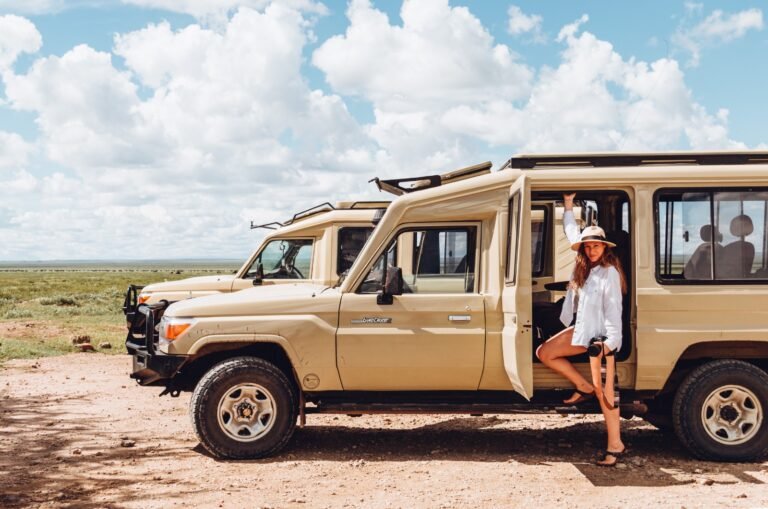
Afcon Private Serengeti Safari With Lodges
AFCON 2027 Private Serengeti Safari with Lodges.
View package details
Afcon Arusha Safari And Football Packages
AFCON 2027 Arusha Safari and Football Packages.
View package detailsAFCON 2027 Dar es Salaam Airport Transfer and Safari
Mwongozo wa kina kwa wageni wanaotaka usafiri wa kiwanja cha ndege hadi safari katika Dar es Salaam wakati AFCON 2027, pamoja na mapendekezo ya ratiba, mipango ya usafiri na marekebisho ya...
View package details
Afcon Pamoja Safari And Travel Packages
AFCON PAMOJA 2027 Safari and Travel Packages.
View package details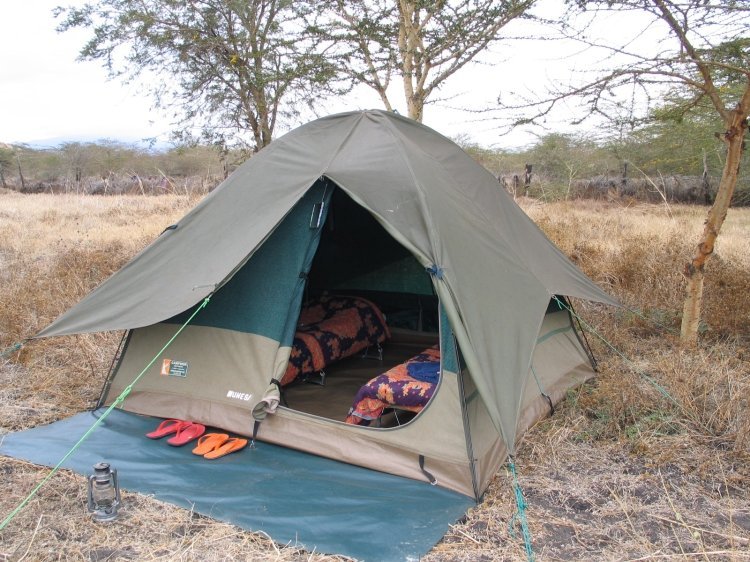
AFCON 2027 Safari Packages from Tanzania
Hitaji la safari ya kundoka ili kufurahia AFCON 2027? Chagua kutoka kwa mikakati ya safari nchini Tanzania inayoambatana na wildlife, mbuga maarufu, na uwekaji wa huduma ya kimataifa ya...
View package details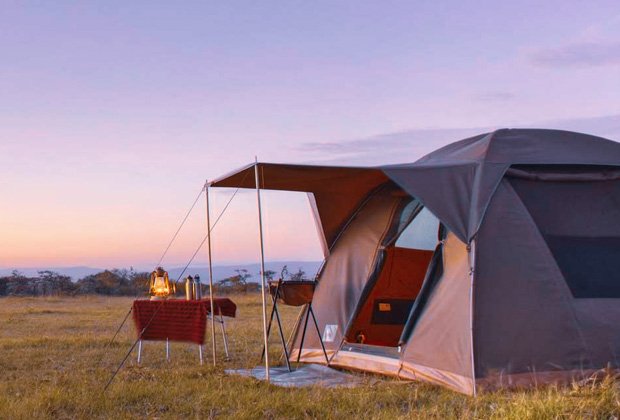
Affordable AFCON 2027 Safari Packages
Mwongozo wa kina kwa safari za AFCON 2027 kwa bajeti, ikiwa ni pamoja na mipango ya kiutawala, maeneo ya wanyama, na chaguzi za malazi.
View package detailsAfcon Safari Packages With Airport Transfers
AFCON 2027 Safari Packages with Airport Transfers.
View package detailsAfcon Luxury Serengeti Safari Packages
AFCON 2027 Luxury Serengeti Safari Packages.
View package details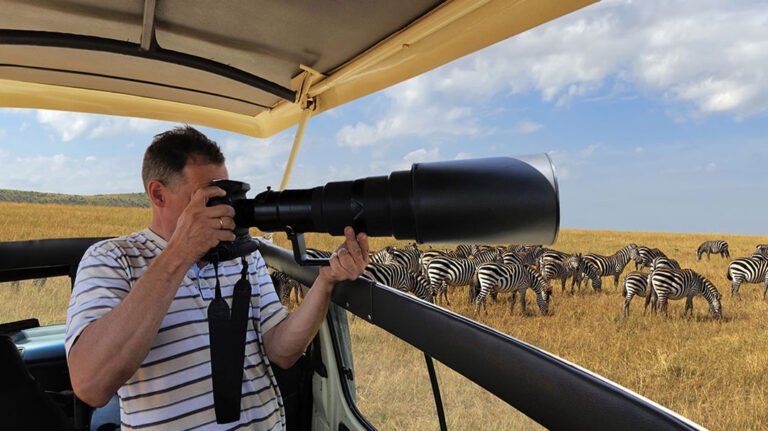
AFCON 2027 Mid Range Safari Packages Tanzania
Mwongozo wa safari ya kati ya AFCON 2027 Tanzania kutoka Climb 4 Africa: mipango ya njia, maeneo ya msitu wa serikali, na usalama wa wasafiri. Onyesha jinsi ya kuchagua kilima cha kati...
View package detailsNo related package matches those filters. Clear one or more filters to see the other topic-matched options.