For a meaningful African safari experience in Tanzania, particularly focusing on iconic parks like the Serengeti and Ngorongoro Crater, 5 to 7 days is generally considered the minimum to cover key highlights without feeling rushed, while 8 to 10 days allows for a more in-depth exploration of diverse ecosystems and wildlife behaviors. The ideal duration for your 2026-2027 safari depends heavily on your interests, the specific parks you wish to visit, and your desired pace, with longer trips offering greater opportunities for wildlife sightings and cultural immersion.
Understanding Safari Duration: Beyond the Basics
When asking how many days are enough for an African safari, it’s easy to think in simple terms: more days equals more animals. While there’s truth to that, the reality is far more nuanced. An African safari isn’t just about ticking off sightings; it’s an experience that unfolds over time, revealing different behaviors, landscapes, and a sense of place. The duration you choose directly impacts the depth of this experience, the variety of ecosystems you can explore, and ultimately, how much you connect with the wild heart of Africa.
For travelers planning a trip for 2026 or 2027, understanding these nuances is key to crafting a safari that meets expectations without leading to disappointment or an overly packed itinerary. We need to consider not just the number of days spent game driving, but also travel time between locations, the pace at which you want to experience each park, and whether you’re aiming for a broad overview or a deep look at specific phenomena like the Great Migration.
The question of duration is inextricably linked to what you hope to achieve. Are you a first-time visitor eager to see the ‘big five’? Are you a keen photographer seeking specific lighting and animal interactions? Or perhaps you’re interested in the cultural encounters that often complement wildlife viewing? Your personal objectives will shape the ideal number of days. Let’s break down typical safari lengths and what you can realistically expect from each.
The Minimum Safari: 3-4 Days for a Taste of the Wild
For those with limited time, perhaps as an add-on to a Kilimanjaro climb or a Zanzibar beach holiday, a 3-4 day safari can still offer a memorable introduction to Tanzania’s wildlife. It’s important to set realistic expectations for this shorter duration. You won’t be able to cover vast distances or explore multiple diverse ecosystems thoroughly.
A typical 3-4 day itinerary often focuses on one or two accessible parks. For instance, a popular option is to combine the Tarangire National Park, known for its large elephant herds and baobab trees, with the Ngorongoro Crater. Tarangire can be visited on day one, with an overnight stay nearby, followed by a full day of exploration within the Ngorongoro Conservation Area. Some itineraries might also squeeze in a brief visit to Lake Manyara National Park, famous for its tree-climbing lions, though this can make the schedule feel quite compressed.
What to expect from a 3-4 day safari:
- Focused Wildlife Viewing: You’ll likely see a good variety of common safari animals, including elephants, giraffes, zebras, wildebeest, various antelope species, and hopefully, predators like lions. Seeing all of the ‘big five’ (lion, leopard, elephant, rhino, buffalo) in this short timeframe is possible but not guaranteed, especially the elusive rhino in the Crater.
- Limited Scope: You’ll typically visit one or two parks. This means you’ll experience a narrower range of habitats and wildlife compared to longer safaris.
- Travel Time is Significant: A substantial portion of your time will be spent traveling between locations and within parks. Early starts and late finishes are common to maximize daylight hours for game drives.
- Sense of Introduction: This duration is perfect for a first-time safari-goer who wants a taste of the experience or for travelers on a tight schedule. It provides a fantastic introduction and often ignites a desire for a longer safari in the future.
While how many days are enough for an African safari is subjective, 3-4 days is the absolute minimum to get a genuine feel for the savanna and its inhabitants. It requires efficient planning to make the most of every hour. For those considering this for 2026 or 2027, booking well in advance is still advisable, especially for popular accommodations and park permits.
The Classic Safari: 5-7 Days for Key Highlights
A 5-7 day safari is often considered the sweet spot for many travelers, offering a more balanced and comprehensive experience without requiring an extensive time commitment. This duration allows for a more relaxed pace, deeper exploration of key areas, and a higher probability of encountering a wider array of wildlife and natural phenomena.
With 5-7 days, you can comfortably explore the Northern Circuit of Tanzania, which is home to some of the continent’s most famous wildlife destinations. A common and highly recommended itinerary would include:
- Day 1-2: Tarangire National Park – Famous for its large elephant herds and iconic baobab trees. You can spend a full day or two here, exploring different sectors of the park.
- Day 3: Lake Manyara National Park – Known for its tree-climbing lions, diverse birdlife, and forest-dwelling primates. A half to full day is usually sufficient.
- Day 4-5: Ngorongoro Crater – A UNESCO World Heritage Site offering unparalleled game viewing within its caldera. A full day is essential to explore the crater floor.
- Day 6-7: Serengeti National Park – The jewel in Tanzania’s crown, offering vast plains teeming with wildlife. With 2-3 days here, you can explore different regions, potentially witnessing predator-prey interactions or specific habitats.
What to expect from a 5-7 day safari:
- Broader Wildlife Encounters: You significantly increase your chances of seeing the ‘big five’ and a wider variety of predators, plains game, and birds. The longer time in Serengeti, in particular, allows for more in-depth game drives.
- Diverse Ecosystems: This itinerary allows you to experience the unique environments of Tarangire’s acacia woodlands, Manyara’s groundwater forest, the Ngorongoro Crater’s unique caldera ecosystem, and the endless plains of the Serengeti.
- More Relaxed Pace: While still active, this duration allows for less rushed game drives, more time for photography, and opportunities to simply soak in the atmosphere. It also allows for slightly later starts or earlier finishes on some days.
- Flexibility: You have more room to adjust based on wildlife movements or personal preferences. Perhaps you want an extra morning game drive in a particular area or wish to spend more time observing a specific animal.
For many, a 5-7 day safari represents the ideal balance of experience and practicality. It answers the question of how many days are enough for an African safari by providing a rich, memorable journey through Tanzania’s most celebrated wildlife destinations. Planning for 2026 or 2027 with this duration in mind ensures you can secure preferred lodges and safari vehicles, especially if aiming for peak seasons.
The In-Depth Safari: 8-10 Days for Deeper Exploration
When you have more time, an 8-10 day safari opens up possibilities for a truly in-depth and comprehensive exploration of Tanzania’s diverse landscapes and wildlife. This duration allows for a slower pace, the inclusion of less-visited parks, and a deeper understanding of the complex ecosystems at play.
With 8-10 days, you can expand beyond the classic Northern Circuit or explore deeper into its constituent parks. Options include:
- Extended Serengeti Exploration: Spending 4-5 days in the Serengeti allows you to explore different regions, such as the central Seronera area, the northern Lamai Wedge (especially during the migration river crossings), or the southern plains (for calving season). This significantly increases your chances of witnessing diverse wildlife behaviors and experiencing the migration.
- Adding Selous Game Reserve (Nyerere National Park): For a different kind of safari experience, combining the Northern Circuit with the vast southern wilderness of Selous (now Nyerere National Park) is possible. Selous offers boat safaris on the Rufiji River, walking safaris, and a more remote, wild feel. A 2-3 day visit here, combined with 5-6 days in the north, makes for a fantastic 8-9 day trip.
- Including Mahale or Gombe Stream National Parks: For those with a specific interest in chimpanzee trekking, extending your safari to 10 days or more allows for travel to western Tanzania. This is a significant logistical undertaking and typically requires internal flights, but offers an unparalleled primate experience.
- Focusing on Specific Interests: If you are a keen birder, photographer, or are interested in tracking specific animals like wild dogs or cheetahs, more time in particular areas will be beneficial.
What to expect from an 8-10 day safari:
- Unparalleled Wildlife Viewing Opportunities: The extended time in Serengeti, or the addition of other parks, dramatically increases your chances of witnessing rare sightings, predator-prey interactions, and the full spectrum of the Great Migration (depending on the time of year).
- Diverse Habitats and Experiences: You can explore varied landscapes from open savanna to riverine forests, and engage in different safari activities like walking safaris or boat safaris.
- More Relaxed and in-depth Pace: This duration allows for genuine relaxation, time to enjoy lodge amenities, and less time spent in transit. You can spend a full day in one area, observing animal behavior without the need to constantly move.
- Deeper Cultural Connections: More time allows for optional visits to local villages or cultural bomas, offering a more meaningful understanding of the people who live alongside the wildlife.
An 8-10 day safari truly answers how many days are enough for an African safari for those seeking a profound connection with the wilderness. It provides ample time to absorb the sights, sounds, and experiences, making it a highly recommended duration for a truly unforgettable trip in 2026 or 2027.
The Ultimate Safari: 10+ Days for Comprehensive Immersion
For the dedicated wildlife enthusiast, photographer, or anyone wanting to experience the absolute best of Tanzania’s natural wonders without compromise, a safari of 10 days or more is the ultimate choice. This extended duration allows for a truly comprehensive immersion into multiple ecosystems, a relaxed pace, and the flexibility to pursue specific interests.
With over 10 days, the possibilities are vast:
- Cross-Park Exploration: You can comfortably combine the Northern Circuit (Serengeti, Ngorongoro, Tarangire, Manyara) with the southern parks like Selous (Nyerere) and Ruaha National Park. Ruaha, in particular, is one of Africa’s largest and wildest parks, known for its large elephant and buffalo herds, and high concentrations of predators.
- Chimpanzee Trekking Adventures: Allocate sufficient time for travel to and from Gombe Stream or Mahale Mountains National Parks in western Tanzania. This usually requires internal flights and a minimum of 3-4 days dedicated solely to the chimpanzee trekking experience, plus travel time.
- Deep look at Specific Parks: Spend a week or more exploring the Serengeti alone, allowing you to cover vast distances, track the Great Migration across different sectors, and dedicate significant time to photography in varying light conditions.
- Cultural and Conservation Focus: Longer safaris provide opportunities to engage with conservation projects, visit local communities more extensively, and truly understand the human-wildlife interface.
- Relaxation and Spontaneity: A 10+ day safari allows for downtime, whether it’s enjoying a lodge’s amenities, a leisurely afternoon tea overlooking the savanna, or the spontaneity to extend a game drive if exceptional wildlife activity is unfolding.
What to expect from a 10+ day safari:
- Unrivaled Wildlife Encounters: The extended time and broader geographical coverage dramatically increase the probability of witnessing rare species, complex animal behaviors, and significant natural events like the Great Migration river crossings or calving season.
- Access to Remote Wilderness: Longer itineraries make it feasible to visit more remote and less-trafficked parks, offering a truly wild and exclusive safari experience.
- Profound Connection with Nature: The unhurried pace allows for a deep immersion, fostering a profound connection with the African landscape and its inhabitants.
- Comprehensive Understanding: You gain a much deeper appreciation for the ecological diversity, conservation challenges, and the intricate balance of life in Africa.
For those who dream of an ultimate African adventure, how many days are enough for an African safari is answered by the desire for comprehensive immersion. A 10+ day safari provides this in spades, making it an ideal choice for a landmark trip in 2026 or 2027. These longer trips benefit greatly from early planning to secure the best lodges and internal flights.
Key Factors Influencing Your Safari Duration
Deciding on the right safari length is more than just picking a number; it involves weighing several critical factors that will shape your entire experience. Understanding these elements is crucial for tailoring your trip to your expectations and ensuring you don’t spend too much or too little time in the wilderness.
Budget Considerations
Safari costs are directly proportional to the duration. Each additional day means more costs for accommodation, park fees, vehicle hire, fuel, and guide services. Therefore, your budget is often a primary determinant of how many days are enough for an African safari. A 3-4 day trip is significantly more affordable than a 10-day expedition. It’s important to allocate funds realistically for 2026-2027 travel, considering that prices can fluctuate based on seasonality and demand. For example, staying in luxury tented camps for an extended period will incur higher costs than opting for comfortable mid-range lodges.
Time Availability and Personal Schedule
This is perhaps the most straightforward factor. How much time can you realistically take off work and other commitments? Many travelers find that 5-7 days is the maximum they can manage for a dedicated trip, especially if traveling from overseas. Longer safaris require more significant time away, making them more suitable for those on sabbatical, extended holidays, or specific ‘special’ trips.
Travel Style and Pace
Do you prefer a fast-paced adventure, seeing as much as possible, or a more relaxed, in-depth experience? A faster pace might mean packing more into a shorter trip, but it can also lead to fatigue. A slower pace, allowing for more downtime and deeper observation, naturally requires more days. If you enjoy photography, for instance, you’ll want more time to wait for the perfect light and animal interactions, leaning towards longer durations.
Specific Interests and Wildlife Goals
Are you primarily interested in seeing the ‘big five’? Are you passionate about birdwatching? Do you dream of witnessing the Great Migration river crossings? Or are you keen on chimpanzee trekking? Each of these interests might dictate a different safari length. For example, witnessing a specific part of the Great Migration in the Serengeti might require 3-4 days in a particular area, while chimpanzee trekking in Gombe or Mahale requires a minimum of 3 days *in addition* to travel time, pushing your total safari duration to 7-10 days or more.
Combination Trips
Many travelers combine a safari with other experiences, such as climbing Mount Kilimanjaro or relaxing on the beaches of Zanzibar. The duration of these other activities will directly impact how many days are enough for an African safari within your overall trip. For instance, a Kilimanjaro climb (typically 5-9 days) plus a 4-day safari would result in an 9-13 day trip. Planning these combinations requires careful consideration of travel days between locations.
Number of Parks/Regions to Visit
Tanzania is vast, and its parks offer distinct experiences. Visiting multiple parks, like the classic Northern Circuit (Serengeti, Ngorongoro, Tarangire, Manyara), requires time for travel between them. A 5-day safari might focus on two parks, while a 10-day safari could comfortably cover four or five distinct areas, offering a richer mix of landscapes and wildlife.
Considering these factors allows you to move beyond a generic answer to how many days are enough for an African safari and arrive at a duration that is perfectly suited to your individual circumstances and desires for your 2026 or 2027 adventure.
Impact of Time of Year: Migrations and Seasons in 2026-2027
The time of year you choose for your safari significantly influences wildlife viewing opportunities and, consequently, can affect how many days are enough for an African safari. Tanzania experiences distinct seasons, each offering unique advantages and challenges, particularly concerning the Great Migration and the availability of certain wildlife sightings. Understanding these seasonal patterns is vital for planning a successful trip for 2026-2027.
The Great Migration: A Year-Round Phenomenon
The Serengeti’s Great Migration is a constant, circular movement of millions of wildebeest, zebras, and gazelles following the rains in search of fresh grazing. While it’s a year-round spectacle, its location varies:
- December – March: The herds are typically in the southern Serengeti and Ngorongoro Conservation Area, coinciding with the calving season. This is a fantastic time to see predators actively hunting vulnerable newborns. A 5-7 day safari focused on this region can be highly rewarding.
- April – May: This is the ‘long rains’ period, and the migration begins moving northwards. Parks can be lush and green, but some roads may become challenging. Fewer tourists mean potentially lower prices, but animal sightings might be more dispersed.
- June – August: The herds are usually in the western and northern Serengeti. This is prime time for witnessing the dramatic river crossings of the Grumeti and Mara rivers as the animals try to reach fresh pastures. River crossings are unpredictable and require patience, often necessitating 3-4 days in the northern Serengeti to maximize chances.
- September – October: The migration is often in the northern Serengeti and heading back south. This period offers excellent game viewing across the Serengeti, with predators often active as herds prepare for the dry season.
If witnessing the Great Migration is a priority, your safari duration should be tailored to its location during your travel dates. For instance, if you aim for river crossings in July, you’ll need at least 3-4 days specifically in the northern Serengeti, potentially making a 7-10 day safari ideal to combine this with other areas.
Dry Season vs. Wet Season
- Dry Season (June – October): This is generally considered peak safari season. Vegetation is sparser, making wildlife easier to spot. Animals congregate around water sources, increasing the chances of sightings. However, it’s also the busiest and most expensive time. For 2026-2027, booking well in advance for this period is essential. A 5-7 day safari during the dry season will still offer excellent game viewing across multiple parks.
- Wet Season (November – May): This is the ‘green season’ or ‘low season’. Landscapes are lush and beautiful, birdlife is abundant, and there are fewer tourists. Prices are often lower. While game viewing can be more challenging due to thicker vegetation and dispersed animals, it’s still excellent, especially in areas like the Ngorongoro Crater and Tarangire (which remains good year-round). The southern Serengeti calving season (Dec-Mar) is a major highlight of the wet season. A 7-10 day safari during the wet season can offer a more intimate and photographic experience.
The season you choose will influence not only what you see but also the overall atmosphere and logistics of your safari. This consideration is fundamental to determining how many days are enough for an African safari that aligns with your specific wildlife interests and desired experience for 2026-2027.
Park-Specific Considerations: How Many Days Per Park?
Tanzania boasts an incredible diversity of national parks and conservation areas, each offering a unique safari experience. The number of days you allocate to each park is a critical component in deciding how many days are enough for an African safari overall. Rushing through too many parks in a short time can be exhausting and diminish the experience.
Serengeti National Park
The vastness of the Serengeti demands time. While a quick drive-through is possible, to truly appreciate its diverse ecosystems and wildlife, at least 3 full days are recommended. If tracking the Great Migration, particularly river crossings in the north, 4-5 days are ideal. For photographers or those seeking a deeper understanding of predator-prey dynamics, a week or more can be spent solely within the Serengeti.
Ngorongoro Crater
The Ngorongoro Crater is a compact, biodiverse ecosystem. Due to conservation regulations, game drives are limited to a maximum of 6 hours on the crater floor. Therefore, 1 full day is typically sufficient to experience the highlights and see the majority of its inhabitants, including the endangered black rhino. Some prefer to spend a second day exploring the rim or nearby areas, but for core game viewing, one day is often enough.
Tarangire National Park
Known for its large elephant herds, baobab trees, and diverse birdlife, Tarangire is best explored over 1-2 full days. A single day allows for a good overview, but two days permit exploration of different sectors and increase chances of spotting predators or other elusive species.
Lake Manyara National Park
This park is relatively small and offers a varied landscape of groundwater forest, savanna, and alkaline lake. It’s famous for its tree-climbing lions and large bird populations. A half to a full day is usually adequate for a comprehensive visit.
Other Parks (e.g., Ruaha, Selous/Nyerere)
For the larger, more remote parks like Ruaha in the south or Selous (Nyerere) Game Reserve, at least 2-3 full days are recommended. These parks offer a wilder, less crowded experience and require more time to traverse their vast expanses and appreciate their unique wildlife concentrations.
Combining Parks
When planning how many days are enough for an African safari, consider the travel time between parks. A typical 5-7 day Northern Circuit safari might involve 1-2 days in Tarangire, 1 day in Manyara, 1 day in Ngorongoro, and 2-3 days in the Serengeti. Trying to fit more than 3-4 main parks into a week often leads to a rushed experience with too much time spent in transit.
For trips planned for 2026-2027, understanding these park durations helps in building a realistic itinerary that balances wildlife encounters with travel logistics, ensuring you get the most out of your safari days.
Safari Styles and Their Impact on Duration
The way you choose to experience your safari can significantly influence the ideal number of days needed. Different safari styles cater to various preferences and can affect the pace, immersion, and overall cost, thereby impacting your decision on how many days are enough for an African safari.
Standard Game Drive Safari
This is the most common style, involving game drives in a 4×4 safari vehicle with a pop-up roof, accompanied by a knowledgeable guide. Most itineraries of 5-10 days fall into this category. It offers a comfortable and effective way to cover ground and spot wildlife. For a standard safari focusing on the Northern Circuit, 5-7 days is usually sufficient to cover the main parks.
Walking Safaris
Walking safaris offer a more intimate connection with the bush, allowing you to appreciate the smaller details and engage your senses in a way that vehicle-based safaris cannot. These are often offered in specific areas or reserves (like parts of the Serengeti or Selous/Nyerere) and typically require at least 2-3 days dedicated to this activity to fully experience yourself. Combining a walking safari component with traditional game drives might necessitate a longer overall safari duration, perhaps 7-10 days.
Photographic Safaris
For serious photographers, time is paramount. They need more daylight hours, opportunities to wait for specific animal behaviors, and flexibility to reposition for optimal lighting. Photographic safaris often involve longer days in the field, custom vehicles with low-profile seating, and potentially more time spent in specific locations known for photographic opportunities. This typically means longer safaris, 8-14 days or more, to allow for these specialized requirements.
Luxury Safaris
Luxury safaris focus on comfort, exclusivity, and high-end service. While the duration might still be 5-7 days for a classic itinerary, the emphasis is on premium lodges, gourmet dining, and personalized attention. Longer durations (10+ days) in luxury settings allow for a more unhurried pace, enjoying the amenities and the serene environment.
Budget Safaris
Budget-conscious travelers might opt for camping safaris or shared group tours. While this style can make longer safaris more accessible financially, it often means a more structured itinerary and less flexibility. However, even on a budget, 5-7 days is generally recommended to get a good overview of the key parks.
Family Safaris
Family safaris need to balance adult interests with the needs of children. This might mean slightly shorter game drives, more frequent breaks, and choosing lodges with family-friendly facilities. A duration of 5-8 days is often ideal, providing enough adventure without overwhelming younger travelers.
The choice of safari style directly influences how you spend your time and what you can achieve. When considering how many days are enough for an African safari for your 2026-2027 trip, align the duration with your chosen safari style to ensure a fulfilling experience.
Logistics and Travel Time: Realities of African Travel
A significant, often underestimated, factor in determining how many days are enough for an African safari is the logistical reality of travel within Tanzania. Africa is vast, and distances between parks can be considerable, with road conditions varying greatly. Efficiently managing travel time is crucial to maximize your actual wildlife viewing hours.
Road Travel
Most safaris in the Northern Circuit rely heavily on road travel. While roads within parks are generally maintained for tourist traffic, the roads connecting parks can be bumpy and slow. For example, the drive from Arusha to the Serengeti can take 6-8 hours depending on the route and park gate. This means that a travel day often consumes a significant portion of daylight hours, reducing time for game drives.
Internal Flights
To save time, especially on longer safaris or when combining distant regions (like the Northern Circuit with western or southern parks), internal flights are often used. Flights operate from Arusha or Kilimanjaro International Airport (JRO) to airstrips within parks like the Serengeti or Ruaha. While flights are faster, they add to the cost and require adherence to strict luggage weight limits (typically 15kg per person in soft bags). Incorporating flights can allow you to experience more areas within a shorter timeframe, potentially influencing how many days are enough if time is a constraint.
Pace and Rest Days
Constant movement can be tiring. A safari involves early mornings and long days. For longer trips (8+ days), incorporating a ‘rest day’ or a day with a more relaxed schedule can be beneficial. This might involve a shorter game drive, time to relax at the lodge, or a scenic walk. These days, while not dedicated to game drives, contribute to the overall enjoyment and prevent burnout, making a longer safari feel more sustainable.
Airport Transfers and Arrival/Departure Days
Remember to factor in arrival and departure days. If you arrive at Kilimanjaro International Airport (JRO) late in the evening, your first day will likely be spent recovering and preparing for the safari. Similarly, your last day will involve travel back to the airport. These days reduce the effective number of safari days, meaning a 7-day itinerary might only offer 5 full days of game driving.
Impact on Duration Decision
When planning for 2026-2027, be realistic about travel times. If you have only 5 days, sticking to 1-2 parks close to Arusha (like Tarangire and Ngorongoro) might be more rewarding than trying to squeeze in the Serengeti and spending most of your time driving. For longer trips (7-10 days), you can comfortably incorporate Serengeti and potentially one other park or region, balancing game drives with necessary travel.
Understanding these logistical constraints is key to answering how many days are enough for an African safari that is both fulfilling and practical.
Planning Your Safari Length in 2026-2027: A Practical Approach
As you look ahead to planning your safari for 2026 or 2027, making an informed decision about duration is paramount. It’s about striking a balance between experiencing the magic of Africa and fitting it within your constraints. Here’s a practical approach to help you decide how many days are enough for an African safari:
1. Define Your Priorities
Start by asking yourself what you absolutely want to see and experience. Is it the Great Migration? The ‘big five’? Chimpanzee trekking? Birdlife? Unique landscapes? Cultural interactions? Your priorities will guide the choice of parks and, consequently, the necessary duration.
2. Assess Your Time and Budget Realistically
Be honest about how much time you can take off and what your budget allows. Remember that longer safaris are more expensive. Consider combining your safari with other activities and factor in travel days. Don’t forget that costs for 2026-2027 may differ from current rates; it’s wise to get an early estimate.
3. Consider Your Travel Pace
Do you prefer to move quickly and see many places, or do you like to linger and absorb the atmosphere? If you enjoy a slower pace, dedicate more days. If you’re happy with a packed itinerary, a shorter duration might suffice, but be prepared for less downtime.
4. Research Key Parks and Their Requirements
Understand how much time is typically recommended for the parks you are most interested in. For example, Serengeti needs more time than Lake Manyara. Researching this helps you build a realistic itinerary.
5. Factor in Travel Time and Logistics
Always add buffer time for travel between locations, especially if relying on road transport. Internal flights can save time but add cost. Factor in arrival and departure days.
6. Consult with Experts
This is where local tour operators shine. They have firsthand knowledge of travel times, park conditions, and what’s achievable within different durations. Discussing your desires and constraints with a specialist can help you craft the perfect itinerary. For example, asking about how many days are enough for an African safari tailored to your specific interests for 2026-2027 will yield personalized advice.
Sample Itinerary Durations for 2026-2027
- 3-4 Days: A taste of the wild. Focus on 1-2 parks like Tarangire & Ngorongoro. Ideal for short breaks or add-ons.
- 5-7 Days: The classic safari. Covers the core Northern Circuit (Serengeti, Ngorongoro, Tarangire, Manyara). Excellent for first-timers.
- 8-10 Days: In-depth exploration. Allows for extended Serengeti time, or combining the North with a southern park, or adding chimpanzee trekking.
- 10+ Days: Ultimate immersion. Comprehensive coverage of multiple regions, remote parks, or deep dives into specific interests like photography or primate tracking.
By following this practical approach, you can confidently determine how many days are enough for an African safari that perfectly matches your vision for your 2026-2027 journey.
Customizing Your Safari Duration with Climb 4 Africa
At Climb 4 Africa, we understand that every traveler is unique, and so is their ideal safari duration. We specialize in crafting tailor-made African travel experiences, ensuring your safari aligns perfectly with your interests, budget, and available time. When you ask us about how many days are enough for an African safari, we don’t offer a one-size-fits-all answer. Instead, we work with you to build an itinerary that maximizes your experience, whether you have a long weekend or several weeks.
For trips planned for 2026 and 2027, our local expertise is invaluable. We can advise on the best times to travel for specific wildlife events, recommend park combinations that suit your duration, and manage all the logistical complexities to ensure a smooth journey.
How we help you determine the right safari length:
- Personalized Consultation: We start by listening to your interests, budget, and time constraints. This allows us to suggest durations that make sense for your specific goals.
- Expert Itinerary Design: Based on your input, we design custom itineraries. Whether you need a 4-day taster or a 14-day comprehensive adventure, we ensure every day is well-spent, balancing exciting game drives with comfortable travel and rest.
- Logistical Mastery: We handle all the details, from park entry fees and permits to selecting the best lodges and arranging reliable transport (including internal flights where beneficial). This efficiency means more of your safari time is spent enjoying the wildlife, not worrying about logistics.
- Informed Recommendations: We provide insights into seasonal wildlife movements, crowd patterns, and the best times to visit specific parks. This helps you make the most of your chosen duration, especially for critical events like the Great Migration river crossings.
- Value and Transparency: We are committed to offering excellent value for your investment. We provide clear breakdowns of costs, helping you understand how your budget translates into safari days and experiences for 2026-2027.
Whether you are considering a short, impactful safari or a longer, more in-depth journey, let us help you answer how many days are enough for an African safari for your dream trip. We are passionate about creating unforgettable adventures in Tanzania.
Ready to plan your perfect safari duration? Contact Climb 4 Africa today to discuss your tailor-made adventure. You can reach us via WhatsApp at +255 747 477 898 or email us at climb4africa@gmail.com. Let’s craft your unforgettable African safari experience for 2026-2027.
Check Availability for How Many Days Are Enough For An African Safari? A Deep Dive 2026-2027
Ready to compare dates, prices, and the best option for your group? Send the package name and travel month so the team can reply with a clear quote, availability, and what is included.
Dec 12, – 6 Day Serengeti, Ngorongoro, Tarangire And Manyara Group Safari 2026
Dec 12, 2026 – 6 Day Serengeti, Ngorongoro, Tarangire and Manyara Group Safari.
View package details
Dec 6, – 3 Day Tarangire, Lake Manyara And Ngorongoro Group Safari 2026
Dec 6, 2026 – 3 Day Tarangire, Lake Manyara and Ngorongoro Group Safari.
View package detailsNov 2, – 1 Day Lake Manyara Group Joining Safari: Plan & Logistics 2026
A practical guide to the November 2, 2026, group-joining safari to Lake Manyara. Learn about the logistics, the benefits of shared transport, and how to book your spot with Climb 4 Africa.
View package detailsOct 31, – 6 Day Serengeti, Ngorongoro, Tarangire And Manyara Group Safari 2026
A detailed look at the 6-day Northern Circuit group safari departing October 31, 2026, covering Tarangire, Manyara, Serengeti, and Ngorongoro Crater.
View package detailsOct 28, – 3 Day Tarangire, Lake Manyara And Ngorongoro Group Safari 2026
A detailed guide to our 3-day group joining safari departing October 28, 2026. Explore the logistics, wildlife highlights, and why this specific route is ideal for travelers looking to...
View package details
Lake Manyara To Serengeti Flight Price & Safari Connections 2026-2027
A practical guide to connecting Lake Manyara and the Serengeti by air, covering flight pricing factors, logistical trade-offs, and how to optimize your safari schedule.
View package detailsZanzibar To Lake Manyara Flights: Prices & Safari Transfers 2026-2027
Zanzibar to Lake Manyara Flights: Prices & Safari Transfers is explained with current 2026-2027 planning, price, itinerary and booking information.
View package details
Dec 24, – 3 Day Christmas Serengeti And Ngorongoro Group Safari
Dec 24, 2026 – 3 Day Christmas Serengeti and Ngorongoro Group Safari.
View package details
Dec 20, – 10 Day Complete Tanzania Group Joining Safari
Dec 20, 2026 – 10 Day Complete Tanzania Group Joining Safari.
View package details
Which Dec Group Safari Ends Before New Year’s Eve?
Which Dec Group Safari Ends Before New Year’s Eve?
View package details
How Early Should I Book A Nov Or Dec Tanzania Group Safari?
How Early Should I Book a Nov or Dec Tanzania Group Safari?
View package details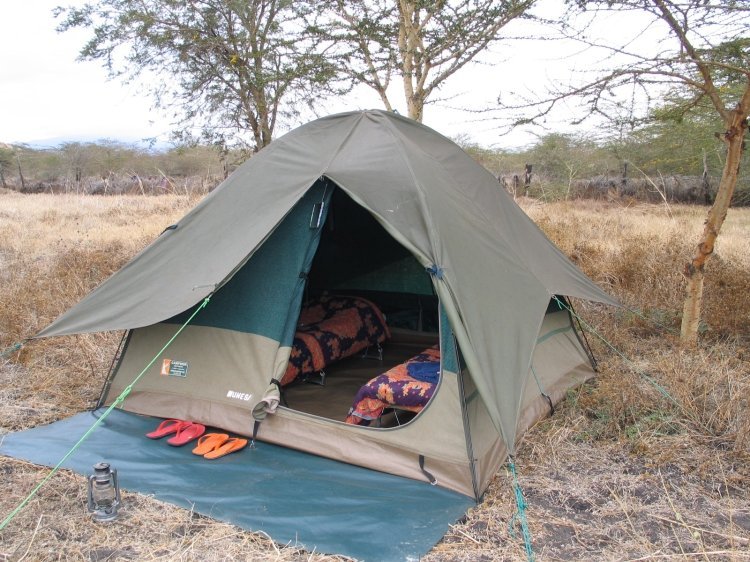
Can I Pay A Deposit To Reserve A Tanzania Group Safari?
Can I Pay a Deposit to Reserve a Tanzania Group Safari?
View package detailsNo related package matches those filters. Clear one or more filters to see the other topic-matched options.