If you only have time for one safari experience between Lake Manyara and Tarangire National Parks in Tanzania, Tarangire is generally the superior choice for diverse wildlife viewing, especially for elephants and large predators, and offers a more expansive, rugged landscape. However, Lake Manyara provides a unique, condensed experience with its tree-climbing lions and vibrant birdlife, making it ideal if you have very limited time and are interested in a specific, iconic sighting or enjoy lush forest environments. Your decision in 2026 or 2027 should hinge on whether you prioritize sheer wildlife numbers and variety (Tarangire) or a concentrated, scenic encounter with specific wildlife and birdlife (Lake Manyara).
Lake Manyara or Tarangire: A Comprehensive Comparison for Your 2026-2027 Safari
The question of whether to choose Lake Manyara or Tarangire National Park for a Tanzanian safari, especially when time is a constraint, is a classic dilemma for many travelers. Both parks are integral parts of the renowned Northern Circuit, offering incredible wildlife viewing opportunities, but they present distinct experiences. Understanding these differences is key to ensuring your limited safari time is spent in the location that best matches your expectations and interests for your 2026 or 2027 adventure.
Tarangire National Park is often lauded for its massive elephant herds, ancient baobab trees, and the seasonal Tarangire River, which acts as a magnet for wildlife. It’s a place where the landscape feels vast and wild, offering a sense of true wilderness. Lake Manyara National Park, on the other hand, is a smaller, more condensed park famous for its elusive tree-climbing lions, a large population of baboons, and a stunning soda lake that attracts thousands of flamingos during certain times of the year. Its setting beneath the Great Rift Valley escarpment adds a dramatic visual element.
When you have the luxury of time, visiting both parks is highly recommended, as they complement each other beautifully. However, for travelers on a tighter schedule, often between 3 to 5 days for a Northern Circuit safari, a choice must be made. This guide aims to provide a detailed breakdown to help you decide between Lake Manyara and Tarangire, ensuring your 2026-2027 safari is everything you dreamed of.
Tarangire National Park: The Land of Elephants
Tarangire National Park, often referred to as the ‘Land of Giants’ due to its significant elephant population and iconic baobab trees, is a gem within Tanzania’s Northern Circuit. Established in 1970, it covers an area of approximately 2,850 square kilometers (1,100 sq mi), making it larger than Lake Manyara but smaller than the Serengeti. Its strategic location, south-east of Lake Manyara and west of the Great Rift Valley, makes it a logical stop on many safari itineraries, often visited en route to the Serengeti or Ngorongoro Crater.
The park’s landscape is a interesting mix of acacia woodlands, grassy savannas, thorny scrub, and the life-giving Tarangire River. This river is the park’s lifeline, especially during the dry season from July to October. As other water sources diminish, the Tarangire River becomes a crucial gathering point for a vast array of wildlife. This seasonal concentration of animals is one of Tarangire’s most significant attractions, offering unparalleled opportunities for game viewing.
Key Highlights of Tarangire National Park:
- Elephant Herds: Tarangire is world-renowned for its enormous elephant populations. During the dry season, it’s not uncommon to see herds numbering in the hundreds, a truly spectacular sight. These elephants are often seen digging for water along the riverbanks or feasting on the acacia trees.
- Ancient Baobab Trees: The park is dotted with majestic, ancient baobab trees, some of which are over a thousand years old. These distinctive trees create a unique and memorable landscape, often serving as vantage points for birds of prey or as resting spots for lions.
- Predator Sightings: Beyond elephants, Tarangire boasts a healthy population of predators, including lions, leopards, cheetahs, and African wild dogs. The open plains and scattered woodlands provide excellent hunting grounds. Lion sightings are particularly good, with prides often seen resting in trees or on rocky outcrops.
- Birdlife: Tarangire is a paradise for birdwatchers, with over 550 species recorded. The park’s diverse habitats support a rich avian population, including large flocks of colorful oxpeckers, various eagles, vultures, and the striking yellow-collared lovebird.
- Seasonal Migration: While not as dramatic as the Great Migration in the Serengeti, Tarangire experiences its own seasonal movements. Animals, particularly elephants, migrate into the park during the dry season to access the river and then disperse to surrounding areas when the rains begin.
- Vast Landscapes: The sheer scale of Tarangire offers a sense of open space and wildness. Driving through its diverse terrain, from the Silale Swamp to the open grasslands, provides a feeling of immersion in nature.
For many travelers planning a safari in 2026 or 2027, the draw of Tarangire lies in its raw, untamed beauty and the sheer abundance of large mammals. It offers a classic safari experience with a strong focus on elephants and predators, set against a backdrop of ancient trees and sweeping plains.
Lake Manyara National Park: A Jewel of the Northern Circuit
Lake Manyara National Park, though smaller in size (approximately 330 sq km, with only about 230 sq km of actual land area available for game viewing), punches well above its weight in terms of visitor experience and unique wildlife encounters. located at the foot of the Great Rift Valley’s western escarpment, the park offers a dramatic and scenic setting. The dominant feature is the shallow alkaline soda lake, Lake Manyara, which attracts a plethora of birdlife and influences the park’s vegetation and wildlife concentrations.
The park’s landscape is remarkably varied, transitioning from the lake shore to groundwater forest, acacia woodlands, and open grassy plains. This diversity of habitats within a relatively small area supports a surprising density and variety of animals. Its proximity to Arusha and other popular Northern Circuit destinations makes it an accessible and often the first or last stop on a safari itinerary.
Key Highlights of Lake Manyara National Park:
- Tree-Climbing Lions: Lake Manyara is perhaps most famous for its elusive tree-climbing lions. While not guaranteed, spotting a pride lounging in the branches of acacia trees is a unique and sought-after sighting that distinguishes this park from many others. The exact reason for this behavior remains debated among researchers.
- Birdlife: The park is a birdwatcher’s haven, with over 400 species recorded. The highlight is the large population of flamingos that frequent the soda lake, creating a stunning spectacle of pink. Other notable species include pelicans, cormorants, and various kingfishers, storks, and herons, especially around the lake and riverine areas.
- Baboon Troops: Large troops of baboons are a common sight in Lake Manyara, particularly in the groundwater forest. They are often seen foraging, grooming, or playing, providing excellent photographic opportunities and a fascinating glimpse into their social dynamics.
- Diverse Mammals: Despite its size, Lake Manyara hosts a good variety of mammals, including large herds of buffalo, wildebeest, zebras, giraffes, hippos (visible in pools), and various antelope species like dik-dik and impala. Elephants are also present, though typically in smaller numbers than in Tarangire.
- Scenic Beauty: The backdrop of the Great Rift Valley escarpment, the shimmering soda lake, and the lush groundwater forest create a visually stunning environment. The park offers beautiful viewpoints overlooking the lake and the plains.
- Compact Experience: For those with very limited time, Lake Manyara offers a concentrated safari experience. You can see a good range of wildlife and enjoy varied scenery within a half-day or full-day visit, making it ideal for a quick introduction to Tanzanian safaris or as an add-on to other destinations.
For travelers prioritizing iconic sightings like tree-climbing lions or a visually dramatic landscape, Lake Manyara presents a compelling option for their 2026 or 2027 safari. Its accessibility and compact nature also make it a practical choice.
Wildlife Comparisons: What to Expect
When deciding between Lake Manyara and Tarangire for your 2026-2027 safari, the primary driver for most travelers is the wildlife. While both parks offer excellent game viewing, their strengths lie in different areas.
Elephant Encounters
Tarangire is the undisputed champion for elephants. During the dry season (July-October), the park hosts one of the largest concentrations of elephants in Tanzania, with herds often numbering in the hundreds. You’ll see them everywhere – by the river, in the woodlands, and crossing the plains. This is the place for truly epic elephant sightings. Lake Manyara has elephants, but they are generally fewer in number and more dispersed. You might see a few individuals or a small family group, but it doesn’t compare to the sheer scale of Tarangire’s herds.
Predator Sightings
Both parks offer good predator viewing, but again, Tarangire often has the edge, particularly for lions and leopards. The park’s open areas and scattered trees provide excellent hunting grounds for lions, and prides are frequently seen resting in trees. Leopards are also present and can be seen draped over branches. Cheetahs are more elusive but can be spotted on the open plains. Tarangire is also one of the best places in the Northern Circuit to potentially see African wild dogs, though sightings are rare. Lake Manyara is famous for its tree-climbing lions, a unique sighting. Other predators like leopards, cheetahs, lions, and wild dogs are present but generally in lower densities and are often harder to spot due to the denser vegetation in parts of the park compared to Tarangire’s more open savannas.
Birdlife
Both parks are excellent for birdwatching, but they offer different experiences. Lake Manyara is renowned for its spectacular flamingo populations that congregate on the soda lake, creating a impressive pink carpet. It also hosts a high density of birds in its diverse habitats, especially around the lake shores and groundwater forest. Tarangire boasts a higher overall number of bird species (over 550 recorded) and is particularly known for its raptors, ground hornbills, and various colorful species like the yellow-collared lovebird. The sheer number of birds around the Tarangire River during the dry season is also impressive.
Other Mammals
Both parks host a good variety of other mammals. Tarangire‘s large size and diverse habitats mean you can encounter large herds of wildebeest, zebras, buffalo, giraffes, impalas, gazelles, and various other antelope species, especially during the dry season migration. You’ll also find hippos in the river. Lake Manyara, despite its size, is home to substantial herds of buffalo, wildebeest, zebras, and impalas. Giraffes are common, and the park is known for its large troops of baboons, which are often seen in large, active family groups. Hippos are also present in the park’s pools.
Summary of Wildlife Differences:
| Wildlife Feature | Tarangire National Park | Lake Manyara National Park |
|---|---|---|
| Elephants | Exceptional: Massive herds, especially in dry season. | Good: Smaller numbers, more dispersed. |
| Predators (Lions, Leopards, Cheetahs) | Excellent: High density, good visibility, tree-climbing lions common. | Good: Famous for tree-climbing lions, but generally harder to spot predators due to vegetation. |
| Birdlife | Outstanding: Highest species count in Northern Circuit, excellent raptors. | Excellent: Famous for flamingos on soda lake, high density of species. |
| Other Mammals (Buffalo, Wildebeest, Zebra, Giraffe) | Abundant, large herds, especially during dry season migration. | Good variety and numbers, large baboon troops are a highlight. |
| Unique Sightings | Massive elephant herds, baobab landscapes. | Tree-climbing lions, large flamingo flocks. |
Landscape and Scenery: A Tale of Two Parks
The visual experience of a safari is as crucial as the wildlife encounters. Both Lake Manyara and Tarangire offer distinct and beautiful landscapes that contribute significantly to the overall safari feel.
Tarangire National Park is characterized by its expansive, relatively flat terrain punctuated by ancient, colossal baobab trees. These “upside-down trees” are a dominant feature, casting long shadows and creating a prehistoric, almost surreal atmosphere. The landscape shifts from dry, dusty plains dotted with acacia trees to denser woodlands and the marshy areas around the Tarangire River and its swamps. During the dry season, the river and swamps become focal points for wildlife, creating scenes of intense activity. The sense of space is immense, providing a feeling of true wilderness and remoteness. The rolling hills and the distant views of the Rift Valley escarpment add to its grandeur. For travelers in 2026 or 2027 seeking dramatic, open vistas and iconic African tree landscapes, Tarangire delivers.
Lake Manyara National Park presents a more varied and condensed topography. The park is dominated by the shallow, alkaline Lake Manyara, which stretches across the northeastern section. The western escarpment of the Great Rift Valley forms a dramatic, towering backdrop to the park, offering impressive views from certain vantage points. Between the lake and the escarpment lie distinct vegetation zones: a narrow strip of dense groundwater forest fed by underground springs, followed by acacia woodlands and open grassy plains. This varied microclimate within a small area supports a rich diversity of life. The groundwater forest, with its tall trees, fig, and mahogany, feels almost like a different world, often cooler and more humid, and is the prime habitat for the tree-climbing lions and large baboon troops. The lake itself, often shimmering and reflecting the sky, attracts huge numbers of water birds. The scenic beauty of Lake Manyara is undeniable, offering a blend of water, forest, and savanna under the shadow of the mighty Rift Valley.
Visual Differences:
- Tarangire: Vast, open plains, iconic baobab trees, acacia woodlands, seasonal river and swamps. Feels expansive and wild.
- Lake Manyara: Dramatic Rift Valley escarpment backdrop, shallow soda lake, dense groundwater forest, acacia woodlands, more varied microclimates within a small area. Feels scenic and diverse.
If your visual preference leans towards dramatic geological features and lush forest pockets, Lake Manyara might appeal more. If you prefer sweeping plains, iconic ancient trees, and a sense of raw, untamed space, Tarangire could be your preference for your 2026-2027 safari.
Best Time to Visit for Each Park (2026-2027 Outlook)
The timing of your safari can significantly impact your experience, especially concerning wildlife viewing and weather. For 2026 and 2027, understanding the seasonal patterns for both Lake Manyara and Tarangire is crucial for making the best choice.
Tarangire National Park:
- Dry Season (July to October): This is widely considered the peak season for Tarangire. As the Tarangire River and its swamps become the primary water source, wildlife concentrates here in massive numbers. Elephant herds are at their largest, and predators are highly active as they stalk the abundant prey. Birdlife is also impressive, especially around water sources. The landscape is drier and dustier, but the game viewing is exceptional. This is the prime time for photographers seeking dramatic wildlife action.
- Green Season (November to June): The rains transform the landscape, bringing lush green vegetation and wildflowers. Wildlife disperses across the park as water becomes plentiful. This can make spotting animals more challenging, especially in the denser bush. However, it’s a fantastic time for birdwatchers, as migratory birds arrive, and resident species are in their breeding plumage. The landscape is incredibly beautiful and verdant. Predator-prey interactions can still be thrilling, and you might witness newborns. Prices are often lower during the green season, making it an attractive option for budget-conscious travelers in 2026-2027.
Lake Manyara National Park:
- Dry Season (July to October): Similar to Tarangire, the dry season is excellent for game viewing in Lake Manyara. Animals congregate around the shrinking water sources, making them easier to spot. The famous tree-climbing lions are often more visible during this period. The lake may have fewer flamingos compared to the wet season, but other water birds remain abundant. The landscape is drier, and visibility can be good.
- Green Season (November to June): Lake Manyara is arguably at its most beautiful during the green season. The groundwater forest is lush and vibrant, and the soda lake attracts large flocks of flamingos, pelicans, and other waterbirds, creating a spectacular visual display. The vegetation is green and lush, making the park incredibly scenic. While animals might be more dispersed, the overall experience is still rewarding, with excellent birdlife and the chance to see young animals. This period can also offer lower prices for safaris in 2026-2027.
Choosing Based on Season for 2026-2027:
- For maximum wildlife density and iconic sightings (elephants, predators): Aim for the dry season (July-October) for Tarangire.
- For spectacular birdlife, especially flamingos, and lush green scenery: Consider the green season (November-June) for Lake Manyara.
- For tree-climbing lions: The dry season is often better, but they can be seen year-round.
- For fewer crowds and potentially lower prices: The shoulder seasons (e.g., November, early December, March-May) can be excellent for both parks, offering a good balance of wildlife and scenery.
Logistics and Accessibility
When planning your limited safari time in 2026 or 2027, the ease of access and logistical considerations for each park are important factors.
Tarangire National Park:
- Location: Located south-east of Lake Manyara, approximately a 2-3 hour drive from Arusha.
- Accessibility: Tarangire is well-connected by road, making it easily accessible from Arusha, Moshi, or other Northern Circuit parks. It’s often included in itineraries that travel from the Ngorongoro Conservation Area or Lake Manyara towards the Serengeti, or as a standalone destination.
- Park Gates and Roads: The park has one main entrance gate. The main park road is generally in good condition, especially near the river. Internal tracks can become challenging during the rainy season, particularly in the southern parts of the park, but most safari vehicles are equipped to handle them.
- Accommodation: Tarangire offers a range of accommodation options, from budget-friendly campsites to mid-range lodges and luxury tented camps, both inside and just outside the park boundaries. Staying inside the park allows for early morning and late evening game drives.
- Time Investment: A minimum of a full day is recommended for Tarangire, but 2-3 days allow for a more in-depth exploration, especially if you want to venture into its less-visited southern areas or focus on specific wildlife.
Lake Manyara National Park:
- Location: Situated at the base of the Rift Valley escarpment, about a 1.5-2 hour drive from Arusha. It’s very close to the town of Mto wa Mbu.
- Accessibility: Lake Manyara is extremely accessible, making it a popular choice for day trips or as a first stop on a Northern Circuit safari. Its proximity to Arusha and other key destinations like the Ngorongoro Conservation Area means travel times are relatively short.
- Park Gates and Roads: The park has a single main entrance. The road network is relatively compact and generally well-maintained, leading visitors through the different habitats, including along the lake shore and into the groundwater forest.
- Accommodation: Options range from campsites and budget lodges to mid-range and high-end lodges, many of which are situated just outside the park with stunning views of the lake and valley. Some lodges are located directly on the escarpment, offering panoramic vistas.
- Time Investment: Lake Manyara can be explored effectively in a half-day or full-day game drive. Many visitors do it as a single day trip from Arusha or as part of a multi-day itinerary, often en route to the Ngorongoro Crater or Serengeti.
Logistical Considerations for 2026-2027:
- Time Constraint: If your time is extremely limited (e.g., a 3-day safari), Lake Manyara’s proximity and compact nature make it a very practical choice for a guaranteed wildlife experience without lengthy travel days.
- Itinerary Flow: If you are traveling between Arusha, Ngorongoro, and the Serengeti, Tarangire might fit more naturally into a circular route, whereas Lake Manyara is often a quick stop.
- Accommodation Preferences: Both parks offer a range of lodging. If you prefer staying deep within a park for early morning/late evening drives, Tarangire might offer more options inside the park boundaries.
For travelers planning their 2026-2027 safari, if efficiency and minimizing travel time are paramount, Lake Manyara’s accessibility is a significant advantage. However, if you have a bit more time and are willing to travel a little further, Tarangire’s vastness and wildlife concentration offer a more expansive safari experience.
Which Park Suits Your Safari Style?
Deciding between Lake Manyara and Tarangire often comes down to personal safari preferences and what you hope to experience on your 2026-2027 trip.
Choose Tarangire If:
- You are an elephant enthusiast: Tarangire offers unparalleled opportunities to see massive herds, making it a must-visit for anyone fascinated by these gentle giants.
- You want to see a wide variety of wildlife in a vast, wild landscape: The park’s size and diverse habitats support a rich ecosystem, and you’ll likely encounter numerous species.
- You are interested in seeing predators like lions and leopards: Tarangire provides excellent chances for predator sightings, with lions often seen in trees.
- You appreciate iconic African landscapes with baobab trees: The unique scenery of Tarangire is a significant draw for many.
- You have at least a full day, preferably two or more: To truly appreciate Tarangire’s scale and wildlife, more than a quick visit is recommended.
- You are visiting during the dry season (July-October): This is when Tarangire truly shines with its concentrated wildlife.
Choose Lake Manyara If:
- You want to see the famous tree-climbing lions: This is Lake Manyara’s signature sighting, and while not guaranteed, it’s a unique behavior found here.
- You have very limited time (e.g., a half-day or full-day trip): Its proximity to Arusha makes it perfect for a shorter, impactful safari experience.
- You are a keen birder and want to see flamingos: The soda lake is a magnet for large flocks of flamingos and other waterbirds, especially in the green season.
- You appreciate scenic beauty and dramatic backdrops: The Rift Valley escarpment and the soda lake create a visually stunning environment.
- You enjoy seeing large troops of baboons: These primates are abundant and active in Lake Manyara.
- You are looking for a more condensed, easily accessible safari experience: It’s a convenient stop on a multi-day itinerary or a great standalone day trip.
For many first-time safari-goers planning their 2026-2027 trip, the choice can be difficult. If your primary goal is to witness the sheer abundance and diversity of large mammals, particularly elephants, and you have a bit more time, Tarangire is likely the better option. If you prioritize unique sightings like tree-climbing lions, spectacular birdlife (especially flamingos), and a scenic, easily accessible experience, Lake Manyara is an excellent choice.
Making the Final Decision for 2026-2027
To make the definitive choice between Lake Manyara and Tarangire for your 2026 or 2027 Tanzanian safari, consider these critical questions:
- How much time do you have? If you have only one day and want a solid safari experience, Lake Manyara is logistically simpler. If you have two or more days, Tarangire opens up significantly and becomes a very strong contender, offering a deeper immersion.
- What are your absolute must-see wildlife sightings? If massive elephant herds are non-negotiable, Tarangire is your park. If tree-climbing lions or huge flocks of flamingos are high on your list, Lake Manyara is the place to go.
- What kind of landscape appeals to you most? Do you prefer vast, open plains with iconic baobab trees (Tarangire), or a more varied landscape with a dramatic escarpment, a soda lake, and dense forest (Lake Manyara)?
- What time of year are you planning to travel? While both are good year-round, Tarangire’s dry season is legendary for wildlife concentration, whereas Lake Manyara’s green season offers stunning scenery and birdlife.
- What is your budget and pace? Lake Manyara’s shorter travel times can sometimes translate to slightly lower overall costs for a single-day trip, especially if staying in Arusha. Tarangire, requiring more travel time and potentially an overnight stay to be fully appreciated, might involve a slightly higher budget for a comparable experience.
If time is the most critical factor and you want a guaranteed, scenic wildlife experience without extensive travel: Choose Lake Manyara. It offers a high-quality safari experience that can be enjoyed within a day trip from Arusha, making it perfect for a tight schedule in 2026 or 2027.
If wildlife density, variety, and a sense of wilderness are your priorities, and you have at least a full day with an option for an overnight: Choose Tarangire. Its vast landscapes, incredible elephant populations, and diverse predators offer a more profound safari immersion.
It’s also worth noting that for many, the ideal Tanzanian safari itinerary includes both parks if time permits. They are close enough to be combined, offering a richer and more varied experience of the Northern Circuit’s ecosystems.
Planning Your Safari with Climb 4 Africa
Choosing between Lake Manyara and Tarangire is a decision that significantly shapes your Tanzanian safari experience. At Climb 4 Africa, we understand that every traveler has unique priorities, especially when it comes to time and desired sightings for their 2026 or 2027 adventure. Our expertise lies in tailoring itineraries that maximize your enjoyment and ensure you see the best of Tanzania, whether that means focusing on the elephant-rich plains of Tarangire or the unique lion-in-trees spectacle of Lake Manyara.
When you plan your safari with us, we take the time to discuss your interests, budget, travel dates, and expectations. For instance, if you’re debating between Lake Manyara and Tarangire, we’ll explore:
- Your specific wildlife interests: Are elephants your absolute priority, or are you more keen on birding or spotting elusive cats?
- Your desired pace: Do you prefer a fast-paced day trip or a more relaxed exploration with overnight stays?
- The time of year for your 2026-2027 trip: We can advise on the best park to visit based on seasonal wildlife movements and landscape conditions.
- How this park fits into your broader itinerary: Whether it’s your first stop after Arusha or part of a longer Northern Circuit journey, we ensure smooth transitions.
We offer a range of safari packages, from group tours with fixed departure dates in 2026 and 2027 to fully customized private safaris. Our local knowledge allows us to recommend the most rewarding routes, the best lodges, and the optimal timing to ensure you get the most out of your chosen park.
Ready to finalize your decision for your 2026-2027 Tanzanian safari?
Whether you’ve leaned towards the vast plains of Tarangire or the scenic beauty of Lake Manyara, or if you’re still weighing the options, we’re here to help. Contact Climb 4 Africa to discuss your dream safari. We can provide detailed itineraries, answer all your questions about park fees, accommodation, and what to expect on the ground. Let us craft an unforgettable Tanzanian adventure tailored precisely to your desires.
Get in touch with our safari specialists today:
- WhatsApp: +255 747 477 898
- Email: climb4africa@gmail.com
We look forward to helping you plan an incredible safari experience in Tanzania for 2026 or 2027!
“,
“faq_schema”: [
{
“question”: “Which park is better for elephants, Lake Manyara or Tarangire?”,
“answer”: “Tarangire National Park is significantly better for elephant sightings. It is famous for hosting massive herds, often numbering in the hundreds, especially during the dry season (July to October). While Lake Manyara does have elephants, they are usually in smaller numbers and more dispersed.”
},
{
“question”: “Is Lake Manyara or Tarangire better for seeing tree-climbing lions?”,
“answer”: “Lake Manyara National Park is renowned for its tree-climbing lions, which are a signature sighting for the park. While lions are also found in Tarangire and are sometimes seen in trees, the likelihood of spotting them in the branches is generally higher in Lake Manyara.”
},
{
“question”: “Which park offers better birdwatching opportunities?”,
“answer”: “Both parks are excellent for birdwatching. Lake Manyara is famous for its large flocks of flamingos on its soda lake and a high density of waterbirds. Tarangire boasts a higher overall species count (over 550 recorded) and is particularly good for raptors and colorful species. The choice depends on whether you prioritize flamingos or a wider variety of species.”
},
{
“question”: “If I only have one day for a safari, which park should I choose?”,
“answer”: “If you have only one day and are based in Arusha, Lake Manyara is the more practical choice due to its shorter travel time (1.5-2 hours from Arusha). It offers a good variety of wildlife and scenic beauty within a compact area, making it ideal for a day trip.”
},
{
“question”: “What is the best time of year to visit Tarangire for wildlife viewing in 2026-2027?”,
“answer”: “The dry season, from July to October, is considered the peak time to visit Tarangire for wildlife viewing. During this period, animals concentrate around the Tarangire River and its swamps, leading to exceptional game viewing, especially for elephants and predators.”
},
{
“question”: “What is the best time of year to visit Lake Manyara for scenery and birds in 2026-2027?”,
“answer”: “The green season, from November to June, is when Lake Manyara is at its most visually stunning. The landscape is lush and vibrant, and the soda lake attracts large numbers of flamingos and other waterbirds, creating spectacular displays. This period also offers lower prices.”
},
{
“question”: “Which park is larger, Lake Manyara or Tarangire?”,
“answer”: “Tarangire National Park is significantly larger than Lake Manyara National Park. Tarangire covers about 2,850 square kilometers, while Lake Manyara’s land area available for game viewing is around 230 square kilometers.”
},
{
“question”: “Can I visit both Lake Manyara and Tarangire on a short safari?”,
“answer”: “Yes, it is possible to visit both parks on a short safari, especially if you have 3-5 days. They are located relatively close to each other in the Northern Circuit and can be combined to offer a diverse safari experience, showcasing the unique features of each park.”
}
]
}
“`
Check Availability for Should We Choose Lake Manyara Or Tarangire If We Only Have Time For One?
Ready to compare dates, prices, and the best option for your group? Send the package name and travel month so the team can reply with a clear quote, availability, and what is included.
Dec 6, – 3 Day Tarangire, Lake Manyara And Ngorongoro Group Safari 2026
Dec 6, 2026 – 3 Day Tarangire, Lake Manyara and Ngorongoro Group Safari.
View package detailsOct 28, – 3 Day Tarangire, Lake Manyara And Ngorongoro Group Safari 2026
A detailed guide to our 3-day group joining safari departing October 28, 2026. Explore the logistics, wildlife highlights, and why this specific route is ideal for travelers looking to...
View package details
Dec 12, – 6 Day Serengeti, Ngorongoro, Tarangire And Manyara Group Safari 2026
Dec 12, 2026 – 6 Day Serengeti, Ngorongoro, Tarangire and Manyara Group Safari.
View package detailsOct 31, – 6 Day Serengeti, Ngorongoro, Tarangire And Manyara Group Safari 2026
A detailed look at the 6-day Northern Circuit group safari departing October 31, 2026, covering Tarangire, Manyara, Serengeti, and Ngorongoro Crater.
View package detailsNov 2, – 1 Day Lake Manyara Group Joining Safari: Plan & Logistics 2026
A practical guide to the November 2, 2026, group-joining safari to Lake Manyara. Learn about the logistics, the benefits of shared transport, and how to book your spot with Climb 4 Africa.
View package details
Lake Manyara To Serengeti Flight Price & Safari Connections 2026-2027
A practical guide to connecting Lake Manyara and the Serengeti by air, covering flight pricing factors, logistical trade-offs, and how to optimize your safari schedule.
View package details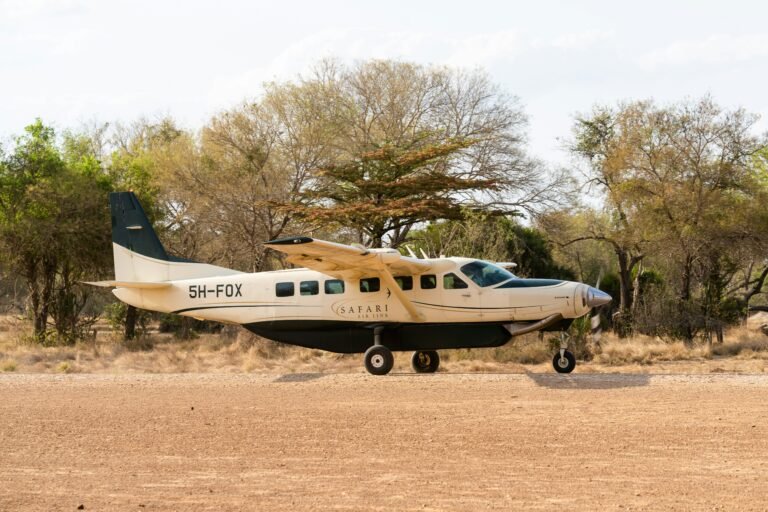
Lake Manyara Airstrip Vs Arusha Airport: Which Is Best For Ngorongoro In ?
Deciding between Lake Manyara Airstrip and Arusha Airport for your Ngorongoro Crater safari? We compare the transfer times, costs, and travel styles to help you choose the right gateway for...
View package detailsAFCON 2027 Tarangire Safari Packages
Mpango wa safari ya Tarangire katika AFCON 2027 unaangazia mbuga ya Tarangire, nyakati za mwitu, mipango ya kulala na usafiri wa ndani, na jinsi ya kupanga kwa ufanisi pamoja na Climb 4...
View package details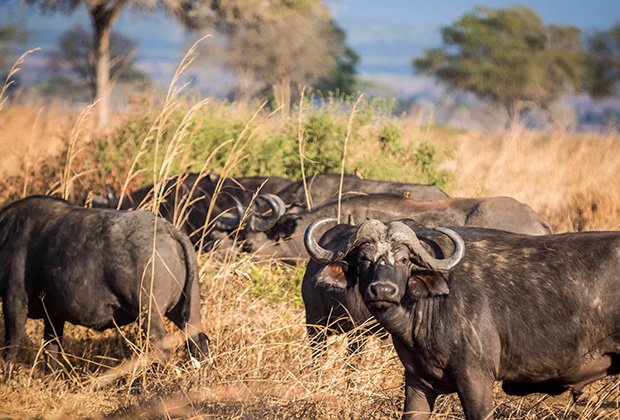
Dec 8, – 4 Day Tarangire, Serengeti And Ngorongoro Group Safari 2026
A detailed guide to our December 8, 2026 group joining safari, covering the itinerary, logistics, and what to expect during this 4-day wildlife adventure in Tanzania.
View package detailsDec 2, – 2 Day Tarangire And Ngorongoro Group Joining Safari 2026
Planning a trip for December 2, 2026? Join our 2-day shared safari to Tarangire and Ngorongoro. Perfect for travelers seeking an efficient, cost-effective wildlife experience.
View package detailsOct 25, – 1 Day Tarangire Group Joining Safari From Arusha 2026
Planning a trip for October 25, 2026? Join our group safari to Tarangire National Park for a day of wildlife viewing, departing from Arusha.
View package detailsNov 10, – 4 Day Serengeti, Ngorongoro And Tarangire Group Safari 2026
Join our group safari on November 10, 2026, for an intensive 4-day tour of Tanzania's Northern Circuit. Perfect for those with limited time who want to experience the best of the Serengeti...
View package detailsNo related package matches those filters. Clear one or more filters to see the other topic-matched options.