While three nights in Northern Serengeti can offer a chance to witness the Great Migration river crossings, it is generally considered a very tight timeframe, and success is not guaranteed. For a more reliable and less rushed experience, aiming for four to five nights, especially during the peak crossing months (typically July to October), significantly increases your odds and allows for more flexibility to track the herds and adapt to their movements.
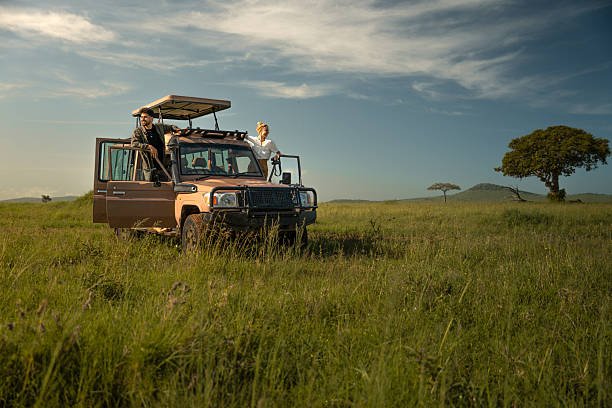

Understanding the Great Migration and River Crossings
The Great Migration is one of the planet’s most awe-inspiring natural spectacles. Millions of wildebeest, zebras, and gazelles traverse the vast plains of the Serengeti ecosystem in search of greener pastures. This epic journey is fraught with peril, and one of its most dramatic moments is the crossing of the Mara River in the northern Serengeti. These crossings are unpredictable, dictated by rainfall, the availability of grass, and the predator-prey dynamics. They are not a daily occurrence and can happen in a matter of hours or days, with long periods of inactivity in between. This inherent unpredictability is key to understanding why a short safari duration in a specific area carries a degree of risk.
When we talk about the Northern Serengeti, we are primarily referring to the region bordering Kenya’s Maasai Mara National Reserve, particularly around the Mara River. This is the stage for the most famous, and often most challenging, river crossings. The wildebeest typically arrive in this area from the central and western Serengeti, often reaching the Mara River between late June and October. However, the exact timing can vary year to year, influenced by weather patterns and grazing conditions. This means that even within the ‘peak’ season, there can be weeks where the herds are milling about on the riverbanks, building up the courage to cross, or have already completed their crossings and moved on.
The scale of these crossings is immense. Imagine thousands, sometimes tens of thousands, of wildebeest surging into the powerful currents of the Mara River. It’s a chaotic, primal scene, with animals being swept downstream, predators like crocodiles lying in wait, and the sheer desperation of survival on full display. For wildlife enthusiasts and photographers, witnessing this is a bucket-list item. However, the very nature of this event – its sporadic and often intense bursts of activity – means that patience and strategic planning are paramount.
Why Three Nights is a Gamble for River Crossings
The core challenge with a three-night stay in the Northern Serengeti specifically for river crossings lies in the element of chance. River crossings are not scheduled events. They are spontaneous decisions made by the herds. If you arrive on day one and the crossings happen on day two, you’re incredibly lucky. If the crossings occurred the week before you arrived, or are due to happen the week after you leave, your three nights will be spent watching herds grazing on the riverbanks, perhaps showing interest, but not committing to the perilous journey. This is why many experienced guides and tour operators advise a longer stay.
Consider the logistics: when you arrive in the Northern Serengeti, you’ve likely spent a day or two traveling to get there. This could involve flying into the nearest airstrip (like Kogatende or Lamai) and then driving to your lodge or camp. Your first day might be largely taken up with travel and settling in. This leaves you with only two full days, or potentially one full day and two half-days, to position yourself at the riverbanks, observe herd movements, and wait for a crossing. This is a very small window of opportunity.
Furthermore, the herds don’t stay in one place. Even if you witness a crossing on your second day, by the third day, a significant portion of the herd might have already moved on, or they might be consolidating on the other side, waiting for more to join them before moving further north or east. Your three nights might capture a fleeting moment, but not necessarily the full breadth of the phenomenon. For a truly satisfying experience, you need time to:
- Track herd movements: Understand where the herds are congregating and which direction they are likely to move.
- Wait for the crossings: Be in the right location at the right time, which can involve hours of patient observation.
- Witness multiple crossings: If possible, seeing different waves of animals cross provides a more comprehensive view.
- Adapt to changes: Weather or herd behavior can shift rapidly, requiring flexibility to move to a different crossing point.
A three-night safari in the Northern Serengeti for river crossings is akin to buying a lottery ticket. You might win, but the odds are stacked against you compared to a more extended stay. For the 2026 and 2027 safari seasons, if witnessing a river crossing is your primary objective, it’s essential to manage expectations and consider the duration carefully.
Timing is Everything: Peak Months for Northern Serengeti Crossings
The window for witnessing the Mara River crossings in the Northern Serengeti is generally considered to be from late July through October. However, this is a generalization, and the actual timing can fluctuate. Some years, the herds might arrive earlier, while in others, they might linger longer on the southern or western plains. The most consistent period, where crossings are most frequently reported, typically falls between August and September. During these months, the grass on the northern banks becomes less appealing, and the herds are driven by instinct to find fresh grazing in the Maasai Mara. For those planning a safari in 2026 or 2027, targeting these months is crucial if river crossings are your priority.
What to Expect with a Longer Stay (4-5 Nights)
Extending your stay in the Northern Serengeti to four or five nights dramatically improves your chances of witnessing a river crossing. This additional time provides crucial flexibility. You can spend more time observing the herds, understanding their patterns, and positioning yourself strategically. Your guide will have more opportunity to scout different crossing points along the Mara River, which can stretch for miles, and to wait patiently for the herds to commit.
With four to five nights, you can:
- Increase your odds: The probability of being present during a crossing event is significantly higher.
- Reduce stress: You won’t feel the pressure of ‘making it happen’ in just one or two days.
- Enjoy the broader ecosystem: The Northern Serengeti is rich in wildlife beyond the migrating herds. You can explore different areas, such as the Lamai Wedge or the Kogatende plains, and still have ample time to focus on the migration.
- Allow for flexibility: If the herds are on one side of the river for an extended period, you have the time to wait them out or to follow them as they move along the banks.
- Capture better photographic opportunities: Multiple crossings or extended periods of herd activity offer more chances for unique shots.
Imagine spending your first two days tracking the herds, observing their behavior, and your guide communicating with other guides in the area. On the third or fourth day, you might witness a spectacular crossing. The fifth day could offer another crossing or a chance to see the herds consolidating on the other side. This layered experience is far more rewarding than a rushed visit.
The Trade-off: Cost and Logistics
The primary trade-off for a longer stay is, of course, cost. Lodging, park fees, and vehicle hire are all calculated per day. A five-night safari will naturally be more expensive than a three-night one. However, when the goal is to witness a specific, unpredictable event like a river crossing, it’s often more cost-effective to invest in a longer duration than to risk a shorter trip that might yield no sightings, leading to disappointment and a potential need to return.
Logistically, getting to the Northern Serengeti usually involves flying into a local airstrip like Kogatende or Lamai, followed by a drive to your camp or lodge. These remote airstrips are typically accessed via light aircraft from hubs like Kilimanjaro International Airport (JRO), Arusha, or even Nairobi in Kenya. The flight itself is part of the experience, offering incredible aerial views of the Serengeti plains. However, these flights add to the overall cost of the safari. A longer stay means you can maximize the value of these travel days.
For travelers on a tighter budget, a common strategy is to combine a few nights in a different Serengeti region (like Central Serengeti, which offers excellent game viewing year-round) with a shorter, focused stay in the North. Even two nights in the North, when strategically timed during the peak crossing months, can increase your chances, though four to five nights remain the recommended duration for a dedicated river crossing focus.
Factors Influencing River Crossing Success
Several factors, beyond just the duration of your stay, influence whether you’ll witness a river crossing. Understanding these can help you plan your 2026-2027 safari more effectively.
1. Precise Timing of the Migration
As mentioned, the migration’s exact schedule is fluid. While July to October is the general window for the Northern Serengeti, the herds might arrive in the first week of July or the last week. They might stay for a month or just two weeks. This annual variation means that even booking for August doesn’t guarantee a crossing on specific dates. Your safari operator’s local knowledge and real-time information from guides on the ground are invaluable. They can track the herds’ progress and advise on the best timing for your visit, although even they cannot predict a crossing with certainty.
2. Weather Patterns
Rainfall plays a significant role. The wildebeest are driven by the need for fresh grass. If there’s a dry spell in the north, they might cross earlier. Conversely, if rains are sparse, they might linger longer on the southern plains, delaying their arrival in the north. Changes in weather can also influence their decision to cross. A sudden downpour might spook them into action, or a dry, calm spell might see them congregating for days without crossing.
3. Herd Dynamics and Behavior
The sheer size of the migration is a factor. The wildebeest move in waves. Sometimes, a large group will gather at the river, hesitate, and then retreat, only for a smaller, bolder group to initiate a crossing. Other times, the entire mass might surge forward. Predators, such as lions and hyenas, can also influence herd behavior, sometimes driving them towards the river. Observing these subtle cues is something experienced guides excel at.
4. Location within the Northern Serengeti
The Mara River is long, and crossings can occur at various points. The most famous crossing points are often busy, especially during peak season. Your guide will know the most likely areas but will also be looking for less-crowded spots where the herds might feel safer to cross. Areas like the Kogatende region and the Lamai Wedge are prime locations. Staying in camps or lodges strategically located within these zones can save travel time to the riverbanks each day.
5. Your Guide’s Expertise
This cannot be overstated. A skilled safari guide is your eyes and ears on the ground. They have experience reading the signs, communicating with other guides, and understanding the complex behavior of the migration. Their ability to position your vehicle effectively, anticipate movements, and patiently wait for the right moment is critical. For a river crossing safari, choosing a reputable operator with experienced guides is non-negotiable.
Maximizing Your Chances: Key Planning Considerations
- Choose the Right Month: For river crossings in the Northern Serengeti, target August or September for the highest probability, with July and October as secondary options.
- Allocate Sufficient Time: Aim for a minimum of four nights in the Northern Serengeti if river crossings are your primary goal. Five nights offer even greater peace of mind.
- Select Your Accommodation Wisely: Consider camps and lodges located in prime areas like Kogatende or near the Mara River to minimize daily travel time.
- Trust Your Operator’s Expertise: Work with a safari company that has a proven track record in the Serengeti and understands the migration’s nuances. They can advise on the best timing and logistics for 2026-2027.
- Be Patient and Flexible: Understand that crossings are not guaranteed and can happen at any time. Embrace the safari experience, enjoying all the wildlife sightings, not just the river crossings.
Alternative Strategies for Serengeti River Crossings
If your budget or time constraints make a long stay in the Northern Serengeti challenging, or if you want to increase your chances further, consider these alternative strategies:
1. Combine Northern and Central Serengeti
A popular approach is to split your Serengeti safari. You could spend, for instance, three nights in Central Serengeti, renowned for its resident game populations and excellent predator sightings year-round, followed by three nights in the Northern Serengeti during the crossing season. This gives you a taste of different Serengeti landscapes and wildlife while still providing a decent window for potential river crossings. This combination offers a more diverse safari experience and often spreads the cost more evenly.
2. Focus on Other Migration Events
The Great Migration isn’t just about river crossings. There are other fascinating phases: the calving season in the southern Serengeti (typically January-March), the mass movement northwards across the central plains, and the dramatic predator-prey interactions that occur throughout the year. If witnessing a river crossing proves too difficult to schedule reliably, these other phases offer equally compelling wildlife viewing opportunities.
3. Consider the Maasai Mara (Kenya)
For those interested in the migration during the months when the herds are in the north, the Maasai Mara in Kenya offers a complementary experience. During the July-October period, the herds that have crossed the Mara River in Tanzania then graze in the Maasai Mara. While the dramatic river crossings themselves are a Northern Serengeti phenomenon, the sheer density of wildebeest and predators in the Mara during these months is astounding. Many travelers combine both parks for a comprehensive migration experience. For 2026 and 2027, a joint Tanzania-Kenya migration safari is a classic itinerary.
4. Seek Advice for Off-Peak Crossing Times
While August and September are peak, sometimes crossings occur in late June or early July, or even into November. If your travel dates are fixed outside the absolute peak, consult with your safari operator about the specific year’s conditions. They might have insights into slightly earlier or later movements that could still offer a chance, even if the herds are not yet in full crossing mode.
Choosing the Right Safari Operator for River Crossings
When planning a safari with the specific goal of witnessing river crossings, the choice of safari operator is paramount. A good operator doesn’t just book lodges and vehicles; they provide expert guidance, access to experienced guides, and real-time information that can make or break your experience. For your 2026 or 2027 safari, consider these points:
- Local Knowledge: Operators like Climb 4 Africa, with deep roots in Tanzania, possess invaluable local knowledge about migration patterns, seasonal variations, and the best guides for tracking the herds.
- Experienced Guides: Ensure the operator employs guides who are specifically experienced in the Serengeti and understand the complexities of the Great Migration. Their ability to read the signs and react quickly is crucial.
- Flexibility and Customization: A good operator will work with you to tailor your itinerary based on your interests and the migration’s movements. They should be able to advise on the optimal duration and locations.
- Real-time Information: Operators and their guides often communicate with each other in real-time about herd movements and sightings. This network is vital for tracking the unpredictable migration.
- Reputation and Reviews: Look for operators with a strong reputation and positive reviews, especially from travelers who have specifically sought out the Great Migration river crossings.
For instance, when planning your 2026-2027 trip focused on the Northern Serengeti river crossings, reaching out to a company like Climb 4 Africa can provide direct access to this expertise. They can help you understand the nuances of timing, recommend suitable lodges in strategic locations, and ensure you have a guide dedicated to maximizing your chances of witnessing this incredible event.
Cost Considerations for a River Crossing Safari
The cost of a Serengeti safari, especially one focused on the Northern region during the migration season, can vary significantly. However, to give you a general idea for planning your 2026-2027 trip:
- Budget/Mid-Range: Expect prices to start from around $350 – $500 per person per day. This typically includes basic but comfortable tented camps or lodges, park fees, a shared safari vehicle, and a guide. For a 4-night stay, this could range from $1400 – $2000 per person, excluding flights to Tanzania and internal flights.
- Mid-Range/Comfort: For better quality lodges, more private vehicles, and potentially slightly more exclusive locations, costs can rise to $500 – $800 per person per day. A 4-night trip might then be in the range of $2000 – $3200 per person.
- Luxury: High-end lodges, exclusive use of vehicles, and premium services can push daily rates to $800 – $1500+ per person per day. A 4-night luxury safari could then be $3200 – $6000+ per person.
Important Notes:
- These are estimates and can change for 2026 and 2027 based on inflation, park fee adjustments, and specific lodge rates.
- Costs are heavily influenced by the duration of stay. A 3-night trip will be cheaper than a 4 or 5-night trip, but as discussed, may reduce your chances of seeing crossings.
- Internal flights to Northern Serengeti airstrips (e.g., Kogatende) are an additional cost, often ranging from $350 – $550 per person round trip.
- Peak season (July-October) generally sees higher rates.
- It is always best to request a personalized quote from a reputable operator for accurate pricing for your specific travel dates and preferences.
Making Your Decision: Is Three Nights Enough?
To directly answer the question: Is three nights in Northern Serengeti enough for river crossings? It’s a gamble. You might get lucky and witness a spectacular event. However, for a more reliable and less stressful experience, especially if witnessing a river crossing is a primary goal for your 2026 or 2027 safari, it is advisable to allocate more time.
A minimum of four nights in the Northern Serengeti during the peak crossing months (August-September) is recommended. This duration provides a much-needed buffer, allowing for tracking, waiting, and adapting to the migration’s unpredictable movements. Five nights offer even greater assurance and a more relaxed pace, enabling you to fully appreciate the Northern Serengeti’s unique environment and wildlife beyond just the crossings.
When you consider the investment in a Tanzanian safari, particularly one traveling halfway across the world to witness a specific natural phenomenon, extending your stay slightly can significantly enhance the value and likelihood of a successful, memorable experience. It’s about managing expectations and making informed choices based on the realities of wildlife viewing.
If you are planning your dream safari for 2026 or 2027 and want to maximize your chances of witnessing the awe-inspiring Great Migration river crossings, or if you simply want to discuss the best itinerary options for your interests, we encourage you to connect with the experts at Climb 4 Africa. Our team has extensive experience in tailoring Tanzanian adventures, from Kilimanjaro climbs to unforgettable wildlife safaris. We can help you craft an itinerary that balances your interests, budget, and the best possible opportunities to witness nature’s greatest spectacle. Reach out to us via WhatsApp at +255 747 477 898 or send an email to climb4africa@gmail.com to start planning your tailor-made African journey.
Check Availability for Is Three Nights In Northern Serengeti Enough For River Crossings? | Climb 4
Ready to compare dates, prices, and the best option for your group? Send the package name and travel month so the team can reply with a clear quote, availability, and what is included.
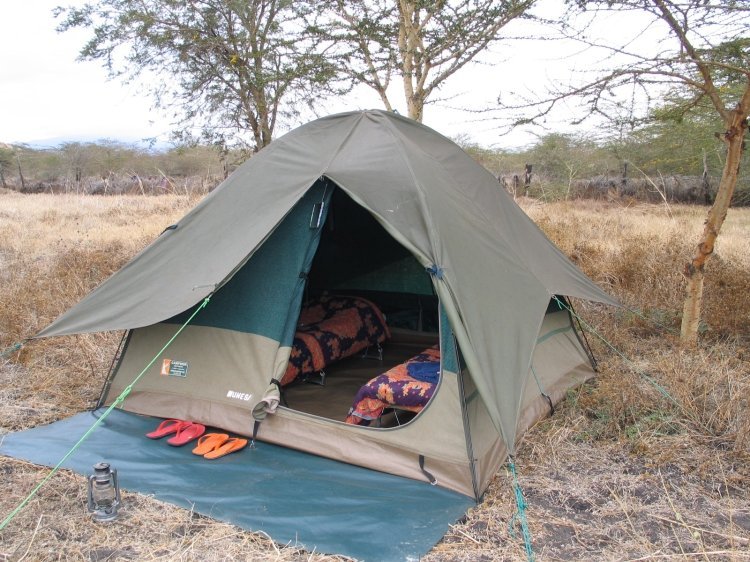
Three Day Serengeti Safari During AFCON 2027
Mwongozo wa kiutendaji kwa safari ya siku tatu ya Serengeti wakati AFCON 2027, ukijumuisha mwelekeo wa maeneo, ratiba ya siku, na ushauri wa ubashiri wa kupanga pamoja na jinsi ya...
View package details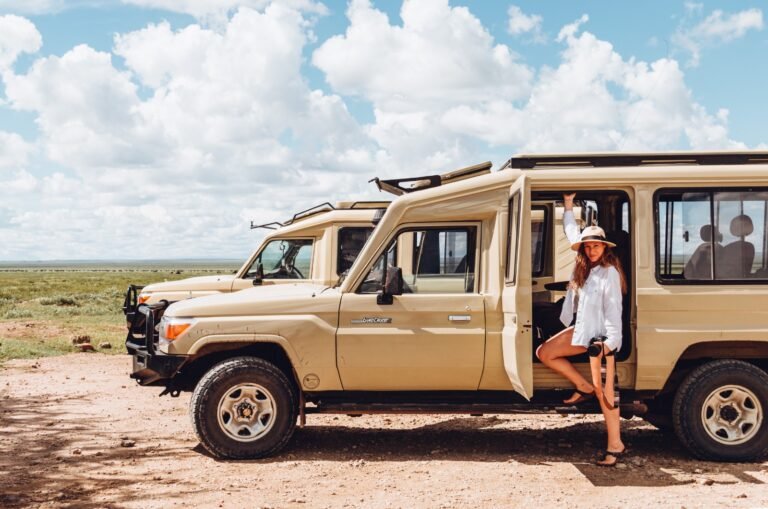
Afcon Private Serengeti Safari With Lodges
AFCON 2027 Private Serengeti Safari with Lodges.
View package detailsAfcon Luxury Serengeti Safari Packages
AFCON 2027 Luxury Serengeti Safari Packages.
View package details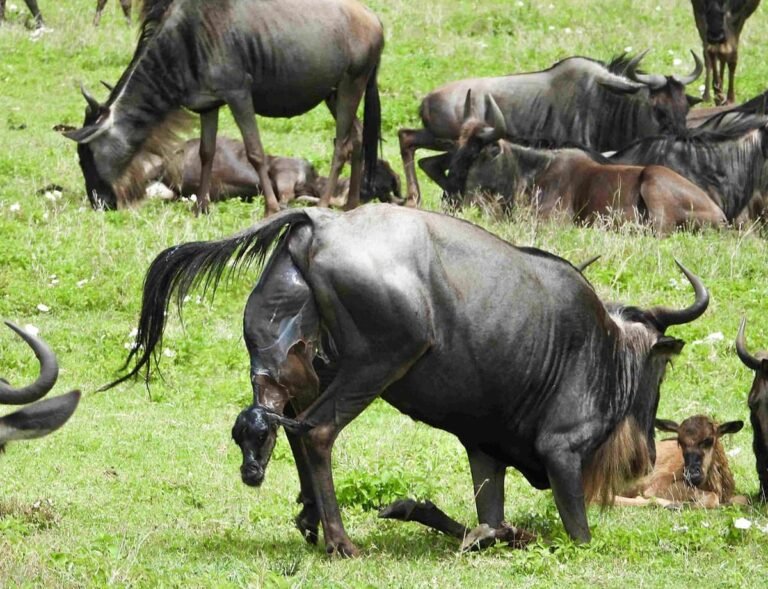
Serengeti Great Migration Safari During AFCON 2027
Mwongozo wa kina kwa safari ya Serengeti Great Migration wakati wa AFCON 2027, ukilenga kuelewa maeneo, kipindi cha mwendo wa mnyama, na mapendekezo ya mipango ya kiutendaji.
View package detailsFour Day Serengeti na Ngorongoro Safari During AFCON 2027
Mwongozo wa safari ya siku 4 kwenye Serengeti na Ngorongoro wakati AFCON 2027; jinsi ya kupanga, nini cha kujali, na jinsi ya kuandaa,”
View package details
Afcon Mount Kilimanjaro And Serengeti Package
AFCON 2027 Mount Kilimanjaro and Serengeti Package.
View package details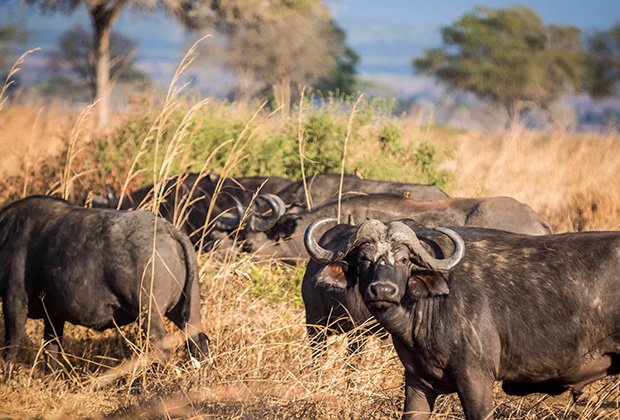
Dec 24, – 3 Day Christmas Serengeti And Ngorongoro Group Safari
Dec 24, 2026 – 3 Day Christmas Serengeti and Ngorongoro Group Safari.
View package details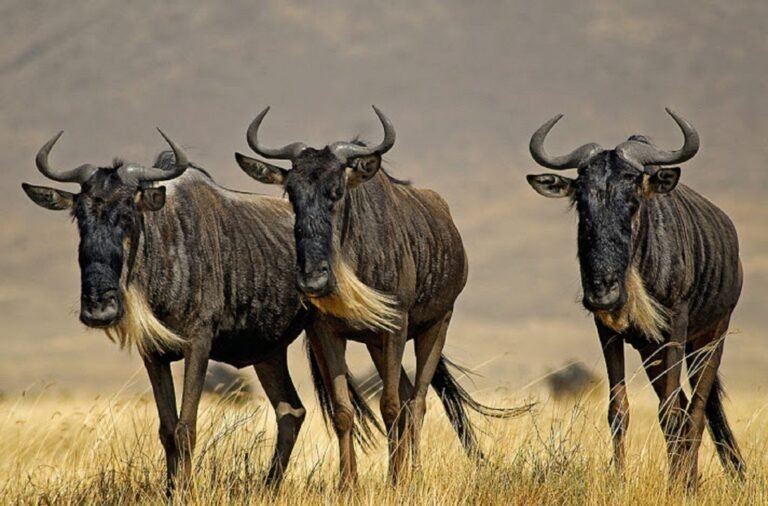
Nov 23, – 3 Day Serengeti And Ngorongoro Safari From Zanzibar
Nov 23, 2026 – 3 Day Serengeti and Ngorongoro Safari from Zanzibar.
View package details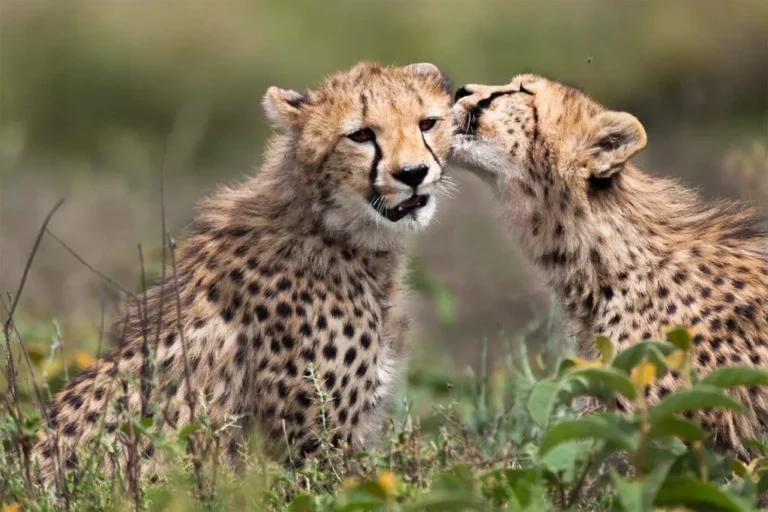
Dec 31, : New Year’s Eve Serengeti Group Safari Planning Guide
This guide provides essential planning details for a group safari trip to the Serengeti for New Year's Eve 2026, covering logistics, seasonal highlights, and what to expect.
View package details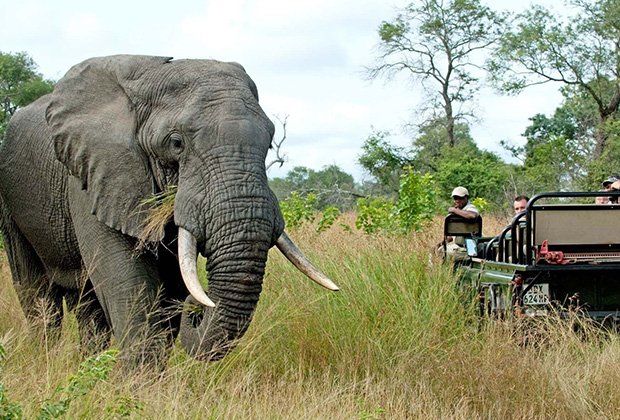
I Am On A Budget—What Is The Cheapest Serengeti Group Safari?
I Am on a Budget—What Is the Cheapest Serengeti Group Safari?
View package details
Dec 29, – 6 Day Ndutu, Serengeti And Ngorongoro Group Safari 2026
A detailed guide to our 6-day group safari departure on December 29, 2026, focusing on the Ndutu plains, the Serengeti, and the Ngorongoro Crater.
View package details8 Day Serengeti And Ngorongoro Group Safari – December 16, 2026
Planning your December 2026 Tanzanian adventure? Our 8-day group safari offers a deep, unhurried exploration of the Serengeti and Ngorongoro Crater.
View package detailsNo related package matches those filters. Clear one or more filters to see the other topic-matched options.