An Okavango Delta, Serengeti, and Zanzibar holiday is a spectacular journey combining Botswana’s unique water-based wildlife experiences with Tanzania’s world-renowned savanna safaris and the tropical allure of Zanzibar’s beaches. This multi-country itinerary offers unparalleled diversity, from mokoro rides through the Delta’s channels and game drives in the Serengeti to snorkeling in Zanzibar’s turquoise waters. Planning such a trip for 2026-2027 requires careful consideration of logistics, travel flow, and the best times to visit each distinct ecosystem to maximize your wildlife viewing and relaxation.
Why Combine Okavango Delta, Serengeti, and Zanzibar?
Combining the Okavango Delta, Serengeti National Park, and Zanzibar offers a truly unparalleled African experience, showcasing three vastly different yet equally compelling facets of the continent. This trifecta appeals to travelers seeking ultimate diversity in landscapes, wildlife, and culture. Imagine the contrast: gliding silently in a mokoro through the papyrus-lined channels of the Okavango, surrounded by a symphony of birdlife and the potential for elephant sightings; then, experiencing the sheer drama of the Serengeti, witnessing vast herds on the move across endless plains, predators in pursuit; finally, unwinding on the powdery white sands of Zanzibar, the scent of cloves in the air, with the gentle rhythm of the Indian Ocean washing away any lingering safari dust. For those planning a significant trip in 2026 or 2027, this combination promises a rich mix of memories that few other itineraries can match. It’s about maximizing your African adventure, ensuring you don’t miss out on some of the continent’s most iconic natural wonders and cultural gems. This isn’t just a holiday; it’s an expedition through diverse ecosystems and vibrant cultures.
Understanding the Destinations: A Closer Look
To truly appreciate the synergy of an Okavango Delta, Serengeti, and Zanzibar holiday, it’s essential to understand what makes each destination unique. They offer contrasting environments and wildlife viewing opportunities, each with its own charm and logistical considerations.
The Okavango Delta: A Unique Water Wilderness
Botswana’s Okavango Delta is a UNESCO World Heritage Site and one of the world’s largest inland deltas. Unlike most deltas, it doesn’t flow into the sea; instead, its life-giving waters fan out into the Kalahari Desert, creating a lush oasis teeming with life. The Delta’s ecosystem is dictated by the annual floodwaters, which arrive from Angola months after the rainy season. This seasonal inundation transforms the landscape, creating channels, lagoons, and islands that support an incredible array of wildlife. The primary mode of exploration here is by mokoro (a traditional dugout canoe) or by guided walking safaris and game drives in specialized 4×4 vehicles. The water levels significantly influence the accessibility and the types of activities available, making timing crucial.
The Okavango Delta is renowned for its pristine wilderness, low-impact tourism model, and exclusive feel. It’s home to a significant population of predators, including lions, leopards, cheetahs, and wild dogs, as well as large herds of elephants, buffalo, hippos, and a vast diversity of birdlife. The shallow waters and papyrus-lined channels make it a particularly good place for observing animals from a unique, water-level perspective.
The Serengeti: Africa’s Iconic Plains
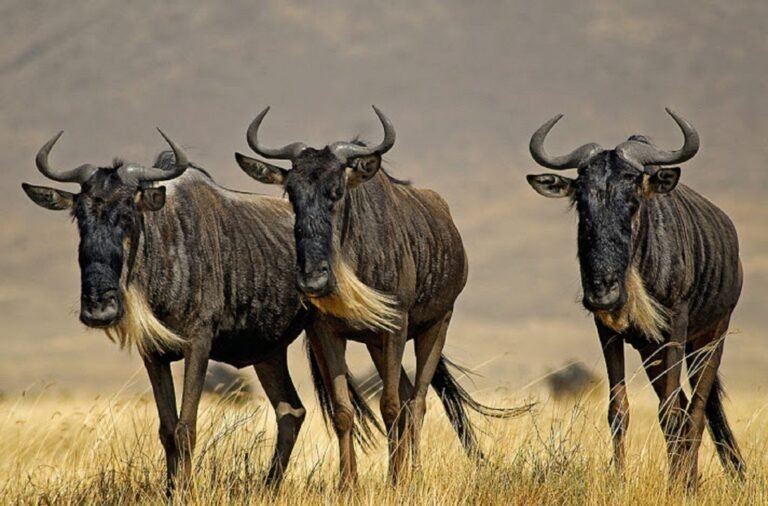
Tanzania’s Serengeti National Park is synonymous with the African safari. Its name, derived from the Maasai word ‘Siringet’, meaning ‘endless plains’, perfectly describes its vast, rolling grasslands dotted with acacia trees and kopjes (rocky outcrops). The Serengeti is most famous for hosting the Great Migration, an awe-inspiring natural spectacle where over 1.5 million wildebeest, along with zebras and gazelles, traverse the plains in search of fresh grazing, facing predators and the dramatic river crossings of the Mara River.
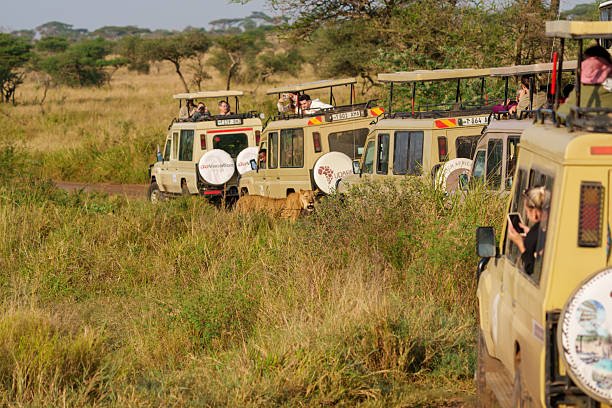
Beyond the migration, the Serengeti offers exceptional year-round game viewing. Its diverse habitats – from open grasslands to woodlands and rocky hills – support a rich predator population, including lions, leopards, cheetahs, and hyenas, as well as large numbers of elephants, giraffes, hippos, and a variety of antelope species. Game drives in open-top 4×4 vehicles are the primary way to explore the park, offering unparalleled opportunities to witness predator-prey interactions and the sheer abundance of wildlife.
Zanzibar Archipelago: Spice Island Paradise
Zanzibar, a semi-autonomous part of Tanzania, is an archipelago in the Indian Ocean, famed for its rich history, Swahili culture, spice plantations, and stunning beaches. The main island, Unguja (often referred to as Zanzibar), offers a blend of historical exploration in Stone Town, a UNESCO World Heritage Site, and relaxation on its idyllic coastlines. Other islands, like Pemba and Mafia, offer more secluded, pristine diving and snorkeling experiences.
Zanzibar’s appeal lies in its contrast to the safari experience. It’s a place to relax, rejuvenate, and experience local culture. The turquoise waters, coral reefs, and vibrant marine life provide opportunities for snorkeling, diving, and water sports. The island’s history as a major trading hub has left it with a unique cultural heritage, evident in its architecture, cuisine, and the warm hospitality of its people. It serves as the perfect serene counterpoint to the adventure and excitement of the Delta and Serengeti.
Crafting Your Itinerary: Logistics and Flow
Designing an itinerary that links the Okavango Delta, Serengeti, and Zanzibar requires careful planning, especially considering the distances and travel methods involved. The order of destinations can significantly impact your experience and logistics.
Travel Flow Options: Which Way Round?
There are several logical ways to sequence these destinations, each with its pros and cons. The most common and often logistically simplest approaches involve flying between major hubs.
- Option 1: Botswana first, then Tanzania, ending in Zanzibar. Fly into Maun (Botswana) for the Okavango Delta. From Maun, you’ll typically fly to a major hub like Johannesburg (South Africa) or directly to Kilimanjaro International Airport (JRO) or Arusha Airport (ARK) in Tanzania. After your Serengeti safari, you’ll fly from a Tanzanian airstrip (like Seronera or Kilimanjaro) to Zanzibar. This flow allows you to start with a unique water-based experience, move to the iconic plains, and finish with relaxation.
- Option 2: Tanzania first, then Botswana, ending in Zanzibar. Fly into Kilimanjaro (JRO) or Arusha (ARK) for the Serengeti. From Tanzania, you would fly to a hub like Johannesburg or directly to Maun (Botswana) for the Okavango Delta. Finally, fly from Maun (via a hub) to Zanzibar. This might be preferred if flight schedules align better or if you wish to experience the dramatic wildlife before the tranquil beaches.
- Option 3: Zanzibar first, then Tanzania, then Botswana. Fly into Zanzibar for beach relaxation. Then fly to Arusha or Kilimanjaro for the Serengeti safari, and finally fly to Botswana for the Okavango Delta. This route is less common as it can involve backtracking and potentially more complex flight connections, but it’s feasible if you prioritize immediate relaxation after a long international flight.
The choice often comes down to flight availability, cost, and personal preference for the order of experiences. Working with a specialist operator like Climb 4 Africa can help navigate these complex flight routes and ensure a smooth transition between countries.
Typical Durations for Each Segment
A comprehensive Okavango Delta, Serengeti, and Zanzibar holiday typically requires at least 10 to 14 days of active travel, but 14 to 21 days is ideal to comfortably experience each location without feeling rushed. Here are suggested minimums:
- Okavango Delta: 3 to 4 nights. This allows time for mokoro excursions, game drives, and potentially walking safaris to appreciate the unique environment.
- Serengeti National Park: 3 to 5 nights. This duration enables exploration of different regions of the vast park and increases chances of witnessing diverse wildlife and migration movements.
- Zanzibar: 3 to 5 nights. This provides ample time for relaxation on the beaches, exploring Stone Town, and enjoying water activities.
Remember to factor in travel days between these locations, which can consume a significant portion of your time.
Internal Travel: Flights and Transfers
Travel between these destinations is almost exclusively done by air. This is not a road-trip combination due to the vast distances and international borders. Expect a combination of international flights between countries and smaller regional flights or light aircraft transfers within Botswana and Tanzania.
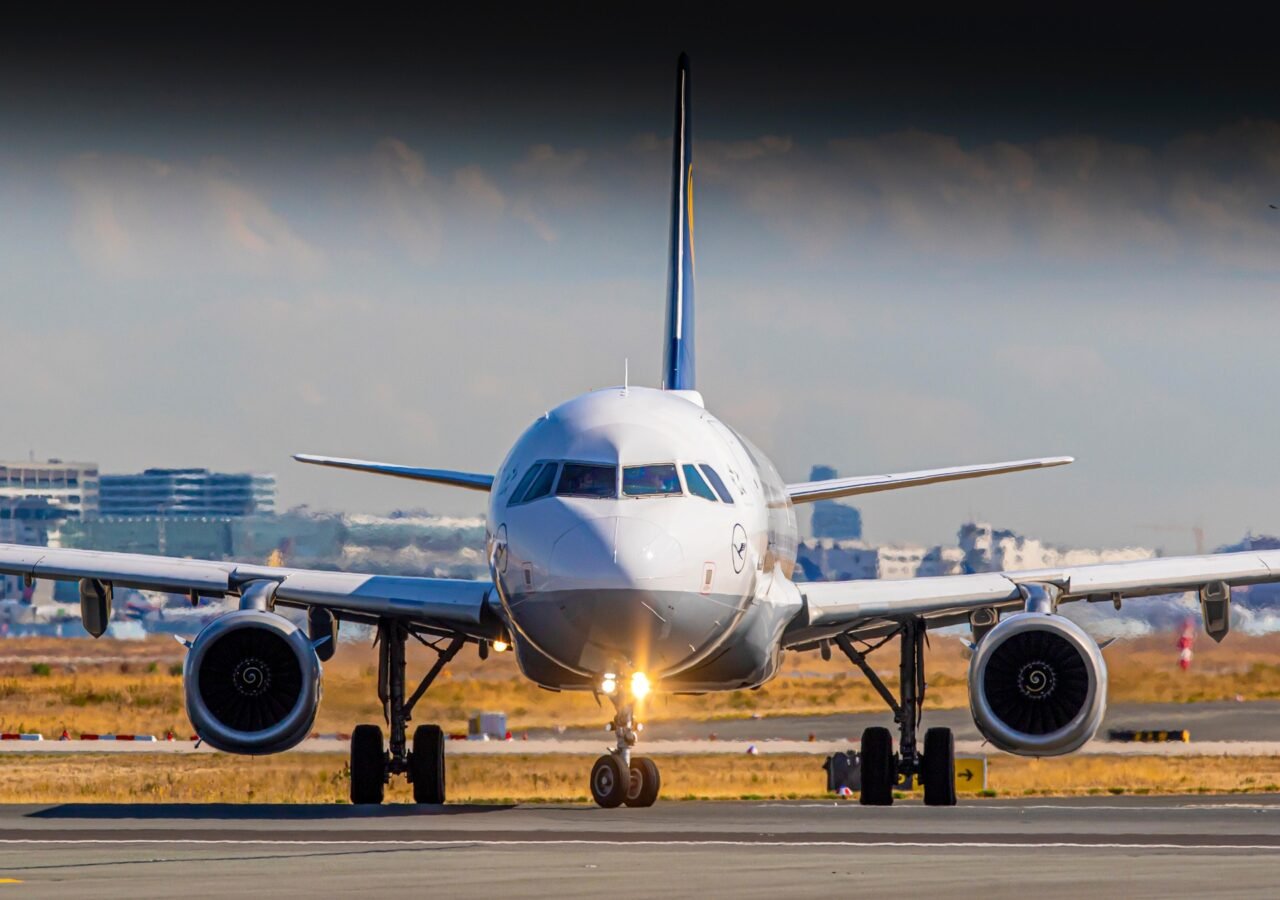
- International Flights: Typically into Maun (MUB) for Botswana and Kilimanjaro International Airport (JRO) or Arusha Airport (ARK) for Tanzania. You might connect through hubs like Johannesburg (JNB), Nairobi (NBO), or Doha (DOH).
- Regional Flights: From Maun, you’ll likely take a light aircraft flight directly to your chosen Okavango Delta camp’s airstrip. Similarly, from Arusha or Kilimanjaro, you’ll fly to an airstrip within the Serengeti (e.g., Seronera, Kogatende, Ndutu).
- Inter-Country Flights: Flights between Botswana and Tanzania are usually via hubs like Johannesburg. From Tanzania, you’ll fly to Zanzibar (ZNZ).
- Transfers: Once at your camp’s airstrip in the Delta or Serengeti, a safari vehicle from your lodge will pick you up for the game drive transfer to your accommodation. In Zanzibar, airport transfers to your hotel are standard.
Key Consideration: Luggage restrictions on light aircraft flights are strict, usually around 15-20 kg (33-44 lbs) per person in soft-sided bags. This is a crucial detail for packing.
Visa and Entry Requirements
As this trip involves travel to two different countries (Botswana and Tanzania), you will need to be aware of their respective visa requirements.
- Botswana: Many nationalities receive a visa on arrival for tourism purposes. It’s essential to check the latest requirements for your specific nationality well in advance of your 2026-2027 travel dates.
- Tanzania: Visas are required for most nationalities. These can often be obtained online in advance (e-visa) or on arrival at major airports. Again, check the official Tanzanian immigration website for the most current information.
- Zanzibar: As part of Tanzania, the visa for Tanzania covers your entry into Zanzibar.
Ensure your passport has at least six months of validity beyond your intended stay and sufficient blank pages for stamps. Some countries may also require proof of onward travel or sufficient funds.
Best Time to Visit: Aligning with Wildlife and Weather (2026-2027)
The optimal timing for an Okavango Delta, Serengeti, and Zanzibar holiday depends on what you want to see and experience in each location. Each destination has its peak seasons for wildlife viewing and weather.
Okavango Delta Timing
The Okavango Delta is at its best when the floodwaters arrive, typically from June to September. This is when the Delta is most expansive, creating prime conditions for mokoro excursions and abundant wildlife viewing as animals congregate around the water. This period also coincides with the dry season in Botswana, meaning less vegetation and easier spotting of animals.
- High Water (June-September): Ideal for mokoro safaris and game viewing. Generally considered the best time to visit.
- Green Season (November-March): Lower water levels, more challenging game viewing, but excellent for birding and lush scenery. Can be hot and humid with rains.
Serengeti Timing
The Serengeti’s best time to visit is dictated by the Great Migration. However, the park offers superb game viewing year-round. The migration’s location shifts constantly:
- December-March: Southern Serengeti, calving season. Excellent for seeing predators and newborn animals.
- April-May: Moving north, rains can be heavy, fewer tourists.
- June-August: Western and Northern Serengeti, river crossings of the Grumeti and Mara rivers. This is a dramatic time to visit.
- September-October: Northern and Eastern Serengeti, plains are greener.
For general game viewing outside of migration-specific interests, the dry seasons (June-October and December-February) are often preferred due to easier animal spotting and pleasant weather.
Zanzibar Timing
Zanzibar enjoys a tropical climate with two main dry seasons that are ideal for beach holidays:
- June to October: This is the most popular time to visit, with pleasant temperatures, low humidity, and minimal rainfall. It aligns well with the dry season in mainland Tanzania.
- December to February: Another dry period, generally hotter and more humid than the June-October window, but still excellent for beach activities.
The ‘long rains’ typically occur from March to May, and the ‘short rains’ in November. These periods can see heavy downpours, though often interspersed with sunshine.
Seasonal Considerations for 2026-2027
To maximize your Okavango Delta, Serengeti, and Zanzibar holiday, consider these combinations for 2026-2027:
- June-August: Excellent for Okavango Delta (high water), Serengeti (river crossings potentially starting), and Zanzibar (dry season). This is a peak travel period, so book well in advance.
- September-October: Still good for Okavango Delta (water receding but still present), Serengeti (migration moving south), and Zanzibar (dry season continues). A great shoulder season option.
- December-February: Good for Serengeti (calving season in the south), and Zanzibar (dry season). Okavango Delta is in its green season, offering a different but still rewarding experience, especially for birding.
Avoid trying to catch specific migration events in the Serengeti and peak Delta floods simultaneously if your trip is shorter than 14 days, as it requires significant travel time. A 14-day trip in 2026 might focus on the Serengeti migration in the north (July-Sept) and then move to Zanzibar, perhaps foregoing the Delta or doing a shorter Botswana segment.
Wildlife Highlights: What to Expect
This combination trip offers an incredible spectrum of wildlife experiences, from aquatic wonders to vast plains and marine ecosystems.
Okavango Delta Wildlife Encounters
The Delta’s wildlife is shaped by its unique aquatic environment. Expect to see:
- Large Mammals: Herds of elephants, buffalo, hippos, crocodiles, and a variety of antelope species like red lechwe, sitatunga, and waterbuck are common.
- Predators: Lions, leopards, and cheetahs are present, though sometimes harder to spot than in the Serengeti. Botswana is a stronghold for the endangered African wild dog, and sightings are more probable here than in many other locations.
- Birdlife: The Delta is a birder’s paradise, with over 400 species recorded. Look for African fish eagles, Pel’s fishing owls, malachite kingfishers, and many more.
- Unique Experiences: Observing animals from a mokoro offers intimate encounters, especially with hippos and crocodiles, and the chance to see shy, water-adapted antelopes.
Serengeti Wildlife Spectacle
The Serengeti is the quintessential safari destination, renowned for:
- The Great Migration: The sheer scale of millions of wildebeest, zebras, and gazelles is impressive. Witnessing a river crossing is a highlight for many.
- Predator Action: High densities of lions, cheetahs, and leopards make the Serengeti one of the best places in Africa for predator sightings. Hyenas and wild dogs also roam these plains.
- Big Cats: The Serengeti offers excellent opportunities to see lions in prides, elusive leopards in trees, and cheetahs hunting on the open plains.
- Other Mammals: Abundant elephants, giraffes, buffalo, hippos, crocodiles, and numerous antelope species (impala, Thomson’s gazelle, grant’s gazelle, topi, hartebeest) are present throughout the year.
Zanzibar Marine Life
While not a safari destination in the traditional sense, Zanzibar offers rich marine biodiversity:
- Coral Reefs: Surrounding islands and coastal areas host vibrant coral reefs teeming with life.
- Fish Species: Expect to see a dazzling array of tropical fish, including angelfish, butterflyfish, parrotfish, and possibly larger species like turtles, dolphins, and even humpback whales (during specific seasons).
- Diving and Snorkeling: Popular spots like Mnemba Atoll offer excellent visibility and opportunities to encounter diverse marine life.
Accommodation Styles: From Luxury Camps to Beachfront Bliss
Your choice of accommodation will significantly shape your experience and budget for your Okavango Delta, Serengeti, and Zanzibar holiday. Options range from rustic charm to opulent luxury.
Okavango Delta Lodges and Camps
Okavango Delta accommodations are typically unfenced, tented camps or lodges, often accessible only by light aircraft. They are designed to experience you in the wilderness, with varying levels of luxury.
- Luxury Tented Camps: Offer spacious canvas tents with en-suite bathrooms, comfortable beds, and often private decks. Service is highly personalized.
- Exclusive Lodges: Provide more permanent structures with high-end amenities, swimming pools, and fine dining.
- Mobile Camps: Some operators offer mobile camps that move seasonally to follow wildlife movements, offering a more adventurous feel.
Expect all-inclusive rates covering meals, drinks, and scheduled safari activities. Privacy and exclusivity are key selling points.
Serengeti Camps and Lodges
The Serengeti offers a wide range of accommodations, from rustic tented camps to luxurious lodges, often strategically located to offer prime wildlife viewing or to be near migration routes.
- Tented Camps: Can range from basic to very comfortable, offering a classic safari feel. Some are permanent, others are mobile and repositioned to follow the Great Migration.
- Safari Lodges: Offer more solid structures, often with swimming pools and a wider range of facilities.
- Luxury Lodges: High-end properties with exceptional service, gourmet food, and stunning locations.
Rates are typically full-board or all-inclusive, covering meals and game drives. Some higher-end lodges may charge extra for premium drinks or specific activities.
Zanzibar Hotels and Resorts
Zanzibar offers a diverse range of accommodations, from boutique hotels in Stone Town to sprawling beach resorts.
- Stone Town Hotels: Historic boutique hotels offering character and easy access to cultural sites.
- Beach Bungalows and Villas: Found along the coast, ranging from simple, charming bandas to luxurious private villas.
- Resorts: Larger hotels with multiple amenities, swimming pools, restaurants, and direct beach access.
- All-Inclusive Resorts: Available for those who prefer a completely hassle-free experience.
Accommodation in Zanzibar is usually priced on a bed and breakfast, half-board, full-board, or all-inclusive basis.
Activities Beyond the Safari Vehicle and Beach
While game drives and beach relaxation are the core, each destination offers unique activities that can enrich your Okavango Delta, Serengeti, and Zanzibar holiday.
Okavango Delta Activities
- Mokoro Excursions: Glide through shallow waterways, offering a serene perspective on the Delta’s life.
- Walking Safaris: Guided walks with armed rangers provide an intimate connection with the bush, focusing on smaller details and tracking.
- Game Drives: In specialized 4×4 vehicles for exploring areas inaccessible by water.
- Motorized Boat Safaris: Available in deeper channels, offering good opportunities to see hippos and crocodiles.
- Bird Watching: Exceptional opportunities throughout the Delta.
Serengeti Activities
- Game Drives: The primary activity, exploring different regions of the park.
- Hot Air Balloon Safaris: A quintessential Serengeti experience, offering a impressive aerial view of the plains and wildlife, especially at sunrise. This is an optional extra, often booked in advance.
- Walking Safaris: Available in specific areas outside the main park or in concessions, offering a different perspective.
- Cultural Visits: Opportunities to visit Maasai villages (though often staged, they can offer insight).
Zanzibar Activities
- Stone Town Tour: Explore the historic labyrinthine streets, visit the House of Wonders, the Old Fort, and the slave market site.
- Spice Tours: Discover the island’s fragrant history and sample tropical fruits and spices.
- Snorkeling and Diving: Especially around Mnemba Atoll, offering vibrant coral reefs and diverse marine life.
- Dolphin Tours: From Kizimkazi or Fumba, though ethical considerations are important.
- Jozani Forest: Home to the endangered Red Colobus monkey.
- Sunset Dhow Cruises: A traditional wooden boat trip along the coast.
- Kite Surfing and Water Sports: Popular in certain areas like Paje.
Planning Your 2026-2027 Trip: Practicalities and Choices
A trip of this magnitude requires careful planning. Here are key considerations for your 2026-2027 adventure.
Budgeting for the Trip
An Okavango Delta, Serengeti, and Zanzibar holiday is generally a high-end travel experience. Costs can vary significantly based on accommodation level, time of year, and duration.
- Okavango Delta: Expect daily rates ranging from $500 to $1500+ per person, often including all meals, drinks, and activities. Botswana is a premium safari destination due to its conservation model.
- Serengeti: Daily rates can range from $300 to $1000+ per person, depending on the lodge or camp. This typically includes meals and game drives. Park fees are additional.
- Zanzibar: Accommodation varies widely, from $50 per night for budget options to $500+ for luxury resorts. Food and activities are usually priced separately unless on an all-inclusive plan.
- Flights: International flights to Africa, regional flights between countries, and light aircraft transfers can add $1000 – $3000+ per person to the total cost.
- Park Fees & Conservation Levies: These are significant and can add several hundred dollars per person for the Serengeti and potentially for areas in Botswana.
A 10-14 day trip in 2026-2027 could range from $6,000 to $15,000+ per person, excluding international flights to Africa. Booking early for 2026 and 2027 is recommended, especially for peak seasons.
Packing Essentials
Packing smart is crucial, especially with light aircraft luggage restrictions.
- Clothing: Neutral-coloured, lightweight clothing (khaki, beige, green, brown). Avoid bright colours and black/white. Long sleeves and trousers are recommended for sun and insect protection.
- Footwear: Comfortable walking shoes or trainers. Sandals for Zanzibar.
- Sun Protection: High SPF sunscreen, wide-brimmed hat, sunglasses.
- Insect Repellent: With DEET for malaria prevention.
- Camera Gear: Extra batteries, memory cards, zoom lens.
- Binoculars: Essential for wildlife viewing.
- Personal Items: Medications, basic first-aid kit, hand sanitizer.
- Adapter: For charging electronics (most camps and lodges have 220V power, often with UK-style plugs).
- Soft-sided Duffel Bag: Strictly adhere to luggage weight limits for internal flights.
Health and Safety
- Malaria: Both Botswana and Tanzania are malaria-endemic areas. Consult your doctor about antimalarial medication and take precautions against mosquito bites.
- Vaccinations: Ensure routine vaccinations are up to date. Yellow Fever vaccination may be required if traveling from or transiting through certain countries. Check requirements well in advance for 2026-2027.
- Travel Insurance: Comprehensive travel insurance, including medical evacuation, is essential.
- Water: Drink only bottled or purified water.
- Sun Safety: The African sun is intense. Stay hydrated and protected.
- Safari Safety: Always follow your guide’s instructions. Do not exit vehicles unless permitted, maintain a safe distance from wildlife, and never feed animals.
Customizing Your Experience
The beauty of planning a complex itinerary like this is the ability to tailor it to your interests. Consider:
- Pace: Do you prefer a faster-paced trip hitting highlights, or a slower journey with more time in each location?
- Interests: Are you primarily interested in birding, photography, predator action, cultural immersion, or pure relaxation?
- Budget: Would you prefer more time in luxury camps or a mix of mid-range and high-end options?
- Activities: Prioritize walking safaris, mokoro trips, hot air ballooning, diving, or cultural visits?
A specialist operator can help design the perfect flow and select accommodations and activities that match your vision for your Okavango Delta, Serengeti, and Zanzibar holiday.
Booking Your Ultimate Holiday
Organizing an Okavango Delta, Serengeti, and Zanzibar holiday is a complex undertaking that benefits immensely from expert guidance. Coordinating international flights, regional transfers, multi-country visas, and ensuring you align with the best wildlife seasons requires deep local knowledge and established relationships with ground operators.
At Climb 4 Africa, we specialize in crafting smooth, unforgettable African adventures. We understand the nuances of travel between Botswana and Tanzania, and how to best combine the unique ecosystems of the Okavango Delta with the iconic plains of the Serengeti and the tropical allure of Zanzibar. Whether you’re planning for 2026 or 2027, we can help you navigate the logistics, secure the best accommodations, and design an itinerary that perfectly matches your interests and budget. We handle the complexities so you can focus on the incredible experiences awaiting you.
To start planning your bespoke Okavango Delta, Serengeti, and Zanzibar holiday, reach out to our expert team. We can discuss your ideal dates, preferred travel style, and any specific interests you have. We are happy to answer all your questions and provide a personalized itinerary proposal. You can contact us via WhatsApp at +255 747 477 898 or by sending an email to climb4africa@gmail.com. Let us help you create the African adventure of a lifetime.
Check Availability for Okavango Delta, Serengeti & Zanzibar Holiday: The Ultimate Tanzania
Ready to compare dates, prices, and the best option for your group? Send the package name and travel month so the team can reply with a clear quote, availability, and what is included.
Nov 23, – 3 Day Serengeti And Ngorongoro Safari From Zanzibar
Nov 23, 2026 – 3 Day Serengeti and Ngorongoro Safari from Zanzibar.
View package details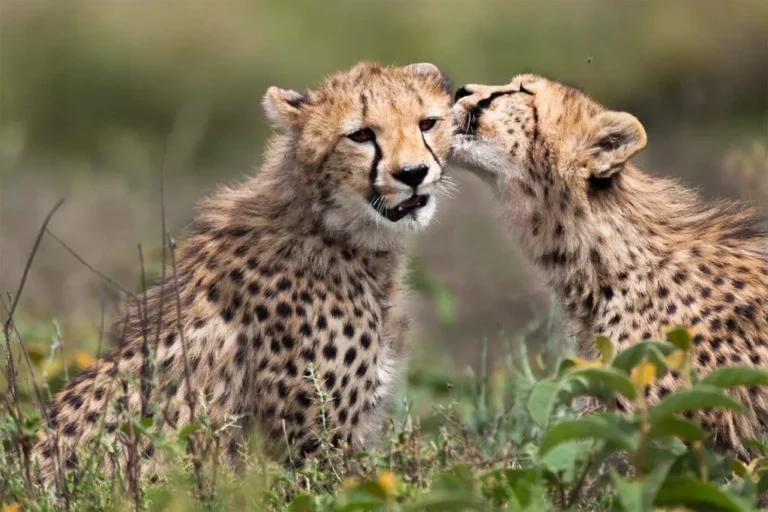
Nov 28, – 3 Day Fly-In Serengeti Group Safari From Zanzibar 2026
A detailed look at the 3-day fly-in Serengeti group safari departing November 28, 2026, including logistics, itinerary highlights, and travel tips for your Tanzania adventure.
View package details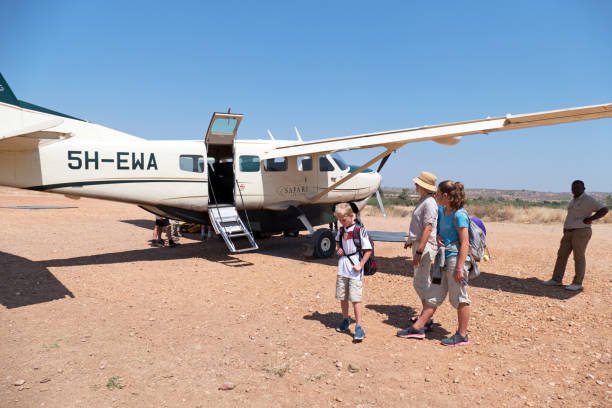
2-Day Serengeti Safari From Zanzibar By Flight: Price & Booking Guide
A practical guide to booking a 2-day Serengeti safari from Zanzibar by flight, covering itinerary logistics, cost considerations, and how to maximize your short time in the bush.
View package details4-Day Serengeti Safari From Zanzibar With Return Flights: A Planning Guide
A deep look at planning a 4-day fly-in safari from Zanzibar to the Serengeti, covering flight logistics, itinerary structures, and the critical decisions needed for a successful 2026 or...
View package details1-Day Serengeti Safari From Zanzibar By Flight: Cost & Itinerary 2026-2027
Is a 1-day Serengeti safari from Zanzibar feasible? Get the expert breakdown on the flight logistics, cost factors, and how to manage your expectations for this intense, one-day wildlife...
View package detailsZanzibar To Serengeti Safari By Flight: Prices & Packages 2026-2027
A practical guide to booking a Zanzibar to Serengeti safari by flight in 2027, covering route options, baggage logistics, and how to choose the right itinerary length.
View package details
3-Day Serengeti & Ngorongoro Safari From Zanzibar By Flight 2027
3-Day Serengeti & Ngorongoro Safari From Zanzibar by Flight is explained with current 2027 planning, price, itinerary and booking information.
View package details_1_John_from-rednote-web-768x1024.jpg)
3-Day Serengeti Fly-In Safari From Zanzibar: All-Inclusive Package Prices 2027
Plan your ultimate Tanzanian adventure, combining Zanzibar's beaches with the Serengeti's wildlife. This guide details all-inclusive package pricing and logistics for a 3-day fly-in safari...
View package details
Serengeti To Zanzibar Flight Baggage Limits And Transfer Costs Guide () 2027
This deep-dive guide covers everything you need to know about baggage restrictions and transfer expenses when flying from the Serengeti region to Zanzibar, ensuring smooth travel planning.
View package detailsSerengeti To Zanzibar Vs Arusha To Which Is Better After Safari? 2027
Choosing the right transfer to Zanzibar after a safari—Serengeti to Zanzibar or Arusha to Zanzibar—depends entirely on your safari route, time constraints, and budget. This guide breaks...
View package details
Zanzibar To Serengeti Flight Price –: Planning Your Safari Transfer 2027
Navigate the complex flight and transfer options between Zanzibar and the Serengeti. This deep guide breaks down expected costs, seasonal variables, and optimal routing for 2026 and 2027...
View package details
Kogatende To Zanzibar Flights: Northern Serengeti Departure Guide 2027
Kogatende to Zanzibar Flights: Northern Serengeti Departure Guide is explained with current 2027 planning, price, itinerary and booking information.
View package detailsNo related package matches those filters. Clear one or more filters to see the other topic-matched options.