
A Zambia and Tanzania safari combination with Zanzibar offers a remarkable journey through some of Africa’s most iconic wildlife destinations, culminating in the idyllic beaches of the Indian Ocean. Typically, this involves exploring Zambia’s renowned South Luangwa or Lower Zambezi National Parks for walking safaris and abundant wildlife, then flying to Tanzania to experience the Serengeti and Ngorongoro Crater, before concluding with relaxation and water activities on the spice island of Zanzibar. Such a trip requires careful planning for transfers, accommodation, and activity sequencing, often spanning 14-21 days, and is best booked well in advance for 2026-2027 travel to secure preferred lodges and flights.
Why Combine Zambia and Tanzania with Zanzibar?
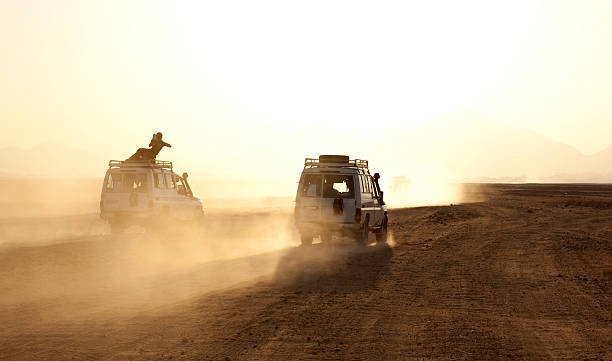
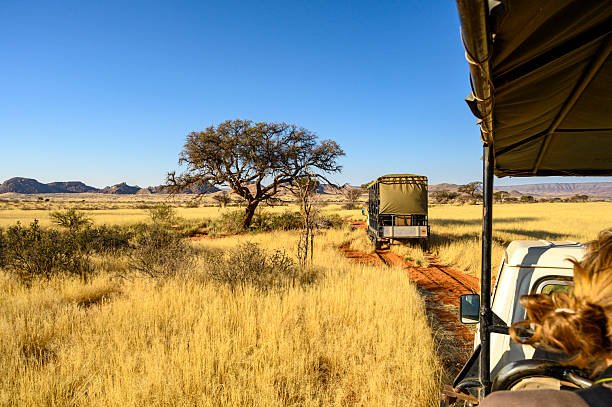
The allure of combining Zambia and Tanzania for a safari, followed by the tranquil shores of Zanzibar, lies in its exceptional diversity. It’s a journey that bridges the raw, untamed wilderness of landlocked Southern Africa with the vibrant ecosystems of East Africa, and finally, the exotic, laid-back atmosphere of a tropical island. This combination is not merely about ticking off destinations; it’s about experiencing distinct facets of the African continent in a single, cohesive adventure. For travelers planning their 2026-2027 adventures, this tripartite journey offers an unparalleled breadth of experiences, from intimate wildlife encounters on foot in Zambia to the dramatic drama of the Great Migration in Tanzania, and the sensory delights of Zanzibar.
Zambia is celebrated for its pioneering walking safaris, particularly in South Luangwa National Park, offering a more profound and in-depth connection with the bush. This is where you can track predators on foot, learn about the intricate details of the ecosystem from expert guides, and feel truly present in the wild. Lower Zambezi National Park offers a different perspective, with its stunning riverine landscapes providing opportunities for canoeing safaris and excellent sightings of elephants, hippos, and crocodiles against a backdrop of acacia woodlands.
Tanzania, on the other hand, is synonymous with vast plains, iconic wildlife spectacles, and the legendary Serengeti National Park, home to the Great Migration. The Ngorongoro Crater, a collapsed volcano caldera, boasts an incredible density of wildlife, making it a prime location to spot the Big Five in a single day. The sheer scale and drama of Tanzania’s wildlife encounters are world-renowned.
Finally, Zanzibar provides a perfect counterpoint. This archipelago off the coast of Tanzania offers a cultural immersion in its historic Stone Town, a UNESCO World Heritage site, and pristine white-sand beaches fringed by turquoise waters. It’s the ideal place to unwind, snorkel, dive, or explore spice plantations after the exhilaration of safari. The contrast between the dust and drama of the safari plains and the calm, warm waters of the Indian Ocean is profoundly satisfying.
This combination appeals to travelers who seek a comprehensive African experience, wanting to witness diverse wildlife, engage with different safari philosophies, and experience both adventure and relaxation. It’s a trip that caters to seasoned safari-goers looking for a new perspective or those wanting to experience the very best of East and Southern Africa’s natural and cultural wonders in one go. Planning this complex itinerary for 2026-2027 requires careful consideration of travel times, the best seasons for each location, and how to seamlessly transition between these distinct environments.
Zambia’s Wild Heart: South Luangwa and Lower Zambezi
Zambia is often described as the true soul of African safari. It’s a country that has deliberately kept mass tourism at bay, preserving its wild spaces and offering a more authentic, intimate wildlife experience. This philosophy is most evident in its two premier national parks: South Luangwa and Lower Zambezi.
South Luangwa National Park: The Birthplace of Walking Safaris
South Luangwa is rightly hailed as the birthplace of the walking safari. For decades, guides here have led guests on foot through its diverse habitats – from dense riverine forests and open grasslands to the vast oxbow lagoons that characterize the Luangwa Valley. This approach allows for a deeper appreciation of the bush, focusing on the smaller details, the tracks, the sounds, and the scents that often go unnoticed from a vehicle.
The park is renowned for its high concentration of predators, particularly leopards, which are often sighted due to the open nature of the park and the skill of the guides. Lions, hyenas, and wild dogs are also resident, and tracking them on foot is an exhilarating experience. The Luangwa River itself is a lifeline, teeming with hippos and crocodiles, and attracting large herds of elephants and buffaloes that come to drink and graze.
The safari camps in South Luangwa are typically small, intimate, and focused on delivering exceptional guiding. Many offer multi-day walking safaris, where guests trek between remote camps, carrying only essentials, truly immersing themselves in the wilderness. This is an experience for those who want to connect with nature on a primal level. For 2026-2027 travel, booking these specific walking safari experiences well in advance is crucial, as availability is limited.
Lower Zambezi National Park: Riverine Majesty
In contrast to South Luangwa’s focus on walking, Lower Zambezi National Park offers a stunning blend of bush and water. The Zambezi River, Africa’s fourth-longest, forms the park’s southern boundary, creating a spectacular landscape of islands, channels, and floodplains dotted with ancient acacia trees. This makes it ideal for a variety of safari activities, including game drives, but most notably, canoeing and boat-based safaris.
Canoeing down the Zambezi allows for incredibly close encounters with wildlife. Imagine paddling silently past pods of hippos, watching elephants gracefully cross the river, or observing crocodiles basking on the banks. The birdlife is also exceptional, with kingfishers, fish eagles, and bee-eaters being common sights. Game drives explore the terrestrial areas, where you can find lions, leopards, elephants, zebras, and various antelope species.
The lodges in Lower Zambezi are often designed to maximize the river views and the unique activities on offer. Many have direct access to the water, allowing for easy embarkation onto canoes or boats. This park offers a more relaxed yet equally rewarding safari experience, perfect for those who appreciate scenic beauty alongside wildlife viewing.
Logistics and Travel Styles in Zambia
Getting to and around Zambia for safari requires a bit more logistical planning than in some other African countries. International flights typically arrive in Lusaka, the capital. From Lusaka, you’ll usually take a light aircraft charter flight to the airstrip closest to your chosen national park. These charter flights are scenic and efficient, saving considerable travel time, but they are a significant cost factor and have strict baggage weight limits (usually 15-20 kg in a soft-sided bag).
Accommodation in Zambia ranges from rustic, authentic bush camps to more luxurious lodges. The emphasis is generally on a high guide-to-guest ratio and a low-impact, intimate safari experience. Most camps operate on an all-inclusive basis, covering meals, local drinks, park fees, and scheduled safari activities (game drives, walks, boat trips). Private guiding can be arranged but is an additional cost.
When planning your Zambia portion for a 2026-2027 trip, consider how long you wish to spend in each park. Two to three nights per location is typical, allowing sufficient time to experience the different activities and explore the area. The dry season (roughly May to October) is generally considered the best time for wildlife viewing, as animals congregate around water sources, and vegetation thins out. However, the green season (November to April) offers lush landscapes, migratory birds, and fewer visitors, with some parks remaining accessible and offering unique photographic opportunities.
Tanzania’s Legendary Landscapes: Serengeti, Ngorongoro, and Beyond
Tanzania is a safari powerhouse, famous for its vast protected areas, incredible wildlife densities, and dramatic natural landscapes. For a combination trip, it’s the logical next step after Zambia, offering a different but equally spectacular wildlife experience. The classic northern circuit – Serengeti, Ngorongoro, Tarangire, and Lake Manyara – is a must-do for many.
Serengeti National Park: The Great Migration and Endless Plains
The Serengeti is perhaps the most famous national park in the world, renowned for its immense plains and the annual Great Migration of wildebeest and zebras. This epic journey, spanning over 2,000 kilometers, sees millions of animals moving in a constant search for fresh grazing. Witnessing the migration, whether it’s the dramatic river crossings (July-September) or the calving season in the south (January-February), is a profound wildlife spectacle.
Beyond the migration, the Serengeti offers exceptional resident wildlife viewing year-round. Predators like lions, leopards, and cheetahs are abundant, often seen resting in acacia trees or hunting across the open savannas. The sheer scale of the Serengeti means that even during peak season, you can find secluded areas and have incredible sightings without feeling overcrowded, especially if you choose lodges strategically located or opt for private guiding.
For 2026-2027 itineraries, understanding the migration’s location is key to optimizing your Serengeti experience. This requires flexibility and expert advice to place you in the right area at the right time.
Ngorongoro Conservation Area: The ‘Eighth Wonder’
The Ngorongoro Crater is a geological marvel and a UNESCO World Heritage site. This intact volcanic caldera, about 20 kilometers wide, is home to an astonishingly high density of wildlife, including the Big Five (lion, leopard, elephant, rhino, buffalo), all within its relatively confined ecosystem. The crater floor is a mix of grasslands, swamps, and a soda lake, creating diverse habitats that support over 25,000 large animals.
A full day spent on the crater floor is often a highlight of a Tanzania safari. The chances of spotting a black rhinoceros, which is rare elsewhere, are very good here. The scenery from the crater rim is also impressive, offering panoramic views of the caldera below. Due to its popularity and the need to protect the fragile ecosystem, visitor numbers and time spent on the crater floor are regulated.
Lodges located on the crater rim offer spectacular views and convenient access, while those slightly further afield or in the surrounding conservation area provide a more secluded experience.
Tarangire and Lake Manyara: Diverse Ecosystems
Tarangire National Park is famous for its large elephant herds and its iconic baobab trees. During the dry season, the Tarangire River becomes a vital water source, attracting huge numbers of wildlife, including elephants, zebras, wildebeest, and predators. The landscape is dotted with ancient baobabs, adding a unique visual character to the park.
Lake Manyara National Park, though smaller, is incredibly diverse. It’s known for its tree-climbing lions (though sightings are not guaranteed), its large population of baboons, and its stunning lake, which attracts thousands of flamingos during certain times of the year. The park encompasses groundwater forest, acacia woodland, and open grassland, supporting a rich variety of animals and birds.
These parks are often included at the beginning or end of a northern circuit safari, offering a varied introduction or conclusion to Tanzania’s wildlife experiences.
Logistics and Safari Styles in Tanzania
Tanzania’s northern circuit is well-developed for tourism. Most international travelers fly into Kilimanjaro International Airport (JRO), located between Arusha and Moshi. Arusha serves as the primary gateway city for northern circuit safaris.
Safari vehicles are typically custom-built 4×4 Land Cruisers or Land Rovers, equipped with pop-up roofs for optimal game viewing and photography. You can choose between shared group safaris, private safaris, or a combination. Shared safaris are more budget-friendly, while private safaris offer greater flexibility and exclusivity. For 2026-2027, booking private safaris allows for more tailored pacing and route adjustments.
Accommodation options in Tanzania are vast, ranging from comfortable mid-range lodges and tented camps to ultra-luxury properties. Many camps are strategically located within or near the parks to maximize wildlife viewing opportunities. The choice of accommodation significantly impacts the overall experience and budget.
Internal travel within Tanzania is primarily done by road, using your safari vehicle. For a Zambia-Tanzania combination, you will fly between the two countries. The flight would typically be from Lusaka or Mfuwe (Zambia) to Kilimanjaro International Airport (JRO) or Arusha (ARK), often with a stopover in Nairobi, Kenya. This flight needs to be booked as part of the overall package.
Zanzibar: Spice Island Serenity
After the exhilarating intensity of safari in Zambia and Tanzania, Zanzibar offers a perfect and essential contrast: a tropical paradise with a rich history and vibrant culture.
Stone Town: A UNESCO World Heritage Site
The heart of Zanzibar City, Stone Town, is a interesting labyrinth of narrow alleyways, bustling bazaars, intricately carved wooden doors, and historic buildings that reflect centuries of Arab, Persian, Indian, and European influences. Wandering through its winding streets is like stepping back in time. You can explore its vibrant markets, visit historic sites like the House of Wonders and the Old Fort, and soak in the unique atmosphere.
The spice trade has historically shaped Zanzibar, and a visit to a spice plantation is a sensory delight. You’ll learn about the cultivation and uses of various spices, fruits, and medicinal plants, often tasting them along the way. This experience provides a fascinating insight into the island’s heritage and economy.
Beaches and Island Hopping
Zanzibar is famed for its stunning coastline, characterized by powdery white-sand beaches and crystal-clear turquoise waters. The most popular beach destinations include Nungwi and Kendwa in the north, known for their vibrant atmosphere and stunning sunsets, and Matemwe and Paje on the east coast, offering a more tranquil experience and excellent kite-surfing conditions.
Beyond the main island of Unguja, there are smaller islands worth exploring. Prison Island, a short boat trip from Stone Town, is home to giant Aldabra tortoises and offers good snorkeling opportunities. Mnemba Atoll, a private island paradise, is a premier spot for diving and snorkeling, with abundant coral reefs and marine life.
For travelers in 2026-2027 looking for pure relaxation, choosing a beachfront resort or villa in a quieter location like Matemwe or Bwejuu on the east coast offers a serene escape. For those seeking more activity and social buzz, Nungwi or Kendwa might be more suitable.
Activities and Experiences in Zanzibar
Zanzibar offers a range of activities to suit different interests. Beyond exploring Stone Town and relaxing on the beaches, you can:
- Snorkeling and Diving: The coral reefs around Mnemba Atoll and other sites offer spectacular underwater visibility and a chance to see colorful fish, turtles, and dolphins.
- Water Sports: Kite-surfing and windsurfing are popular on the east coast, particularly in Paje, thanks to the reliable trade winds.
- Dhow Cruises: Sunset dhow cruises offer a romantic way to experience the coastline and enjoy the ocean breeze.
- Deep-Sea Fishing: The waters around Zanzibar are known for excellent sport fishing.
- Dolphin Tours: Trips to Kizimkazi on the southern coast offer opportunities to see and swim with dolphins, though ethical considerations regarding dolphin interactions are important.
- Cultural Tours: Engaging with local communities, visiting villages, and learning about Swahili culture.
Getting to Zanzibar is straightforward. After your Tanzanian safari, you can take a short domestic flight from Arusha or even direct from some safari airstrips to Zanzibar Airport (ZNZ). Alternatively, you can fly from Kilimanjaro International Airport (JRO).
Crafting Your Zambia, Tanzania, and Zanzibar Itinerary
Combining these three distinct destinations requires careful itinerary planning to ensure a smooth, enjoyable, and logistically sound experience. The sequence of destinations, the duration in each, and the internal travel arrangements are critical.
Duration Considerations for 2026-2027
A well-rounded Zambia, Tanzania, and Zanzibar combination typically requires at least 14 to 21 days. This allows sufficient time to travel between locations, experience the highlights of each region without feeling rushed, and build in some buffer for potential travel delays.
- 14 Days: This would be a fast-paced itinerary, focusing on key highlights. You might spend 3-4 nights in Zambia, 4-5 nights in Tanzania, and 3-4 nights in Zanzibar, plus travel days. This is feasible but leaves less room for relaxation or unexpected events.
- 18-21 Days: This duration allows for a more relaxed pace, more time in each park or region, and the possibility of adding extra activities or destinations. For example, you could spend 5-6 nights in Zambia, 6-7 nights in Tanzania, and 5-6 nights in Zanzibar. This is ideal for a comprehensive experience in 2026-2027.
- 21+ Days: For those with more time, this allows for deeper exploration, perhaps adding another Tanzanian park like Ruaha or Selous (though this complicates logistics further), or more extensive island hopping in Zanzibar.
When planning for 2026-2027, remember that popular lodges and peak season dates (especially July-October for Tanzania) book up very quickly, often 9-12 months in advance. Therefore, starting your planning early is essential.
Sample Itinerary Frameworks
Here are two common frameworks for a Zambia, Tanzania, and Zanzibar combination:
Sample 1: Classic Zambia-Tanzania-Zanzibar (Approx. 16 Days)
- Days 1-4: Zambia (South Luangwa or Lower Zambezi)
Arrive Lusaka, charter flight to park, 3 nights safari activities. - Day 5: Travel to Tanzania
Charter flight back to Lusaka, flight to Kilimanjaro (JRO) or Arusha (ARK) (likely via Nairobi). Overnight Arusha. - Days 6-9: Tanzania (Serengeti & Ngorongoro)
Drive or fly to Serengeti (2 nights), then drive to Ngorongoro Conservation Area (2 nights). - Day 10: Tarangire/Lake Manyara & Fly to Zanzibar
Morning game drive in Tarangire or Manyara, then transfer to Arusha/JRO for flight to Zanzibar. Overnight Zanzibar. - Days 11-15: Zanzibar
4 nights relaxing on the beach, exploring Stone Town, spice tours, water activities. - Day 16: Departure
Transfer to Zanzibar Airport (ZNZ) for international departure.
Sample 2: Extended Zambia-Tanzania-Zanzibar (Approx. 20 Days)
- Days 1-5: Zambia (South Luangwa & Lower Zambezi)
Arrive Lusaka, charter flight to first park (2 nights), transfer (charter or road) to second park (3 nights). - Day 6: Travel to Tanzania
Charter flight back to Lusaka, flight to JRO/ARK (via Nairobi). Overnight Arusha. - Days 7-11: Tanzania (Serengeti)
Fly into Serengeti, 5 nights exploring different regions of the park to follow the migration. - Days 12-14: Tanzania (Ngorongoro & Tarangire)
Fly or drive to Ngorongoro Crater (2 nights), then drive to Tarangire (1 night). - Day 15: Fly to Zanzibar
Morning activity, transfer to Arusha/JRO for flight to Zanzibar. Overnight Zanzibar. - Days 16-19: Zanzibar
4 nights enjoying beaches, Stone Town, and optional excursions. - Day 20: Departure
Transfer to ZNZ for international departure.
These are frameworks. The exact order and duration can be customized based on your interests, budget, and the time of year you plan to travel in 2026-2027.
Internal Flights: The Key to smooth Transitions
Given the vast distances and the desire to maximize time on the ground, internal flights are essential for a Zambia-Tanzania-Zanzibar combination. These flights add to the cost but are indispensable for efficiency.
- Zambia Internal: Charter flights between Lusaka and national parks (e.g., Mfuwe for South Luangwa, Chiawa for Lower Zambezi). These are usually booked by your lodge or tour operator.
- Zambia to Tanzania: This is the most significant international flight leg. Typically involves a charter flight from a Zambian park airstrip back to Lusaka, then a scheduled commercial flight (e.g., Kenya Airways, Ethiopian Airlines) from Lusaka (LUN) to Kilimanjaro (JRO) or Arusha (ARK), often routing via Nairobi (NBO).
- Tanzania Internal: Flights from safari airstrips (e.g., Seronera in Serengeti) to Zanzibar (ZNZ), or from Arusha (ARK) or Kilimanjaro (JRO) to Zanzibar.
Baggage Restrictions: Light aircraft flights in Zambia and Tanzania often have strict weight limits (typically 15-20 kg) and require soft-sided duffel bags. This is crucial information for packing. Check with your tour operator for exact specifications.
Visa and Health Requirements
Planning for visas and health is a critical part of preparing for your 2026-2027 trip.
- Visas:
- Zambia: Depending on your nationality, you may need a visa for Zambia. Many nationalities can obtain a visa on arrival or can pre-apply online.
- Tanzania: Similar to Zambia, visa requirements vary by nationality. Many can obtain a visa on arrival or apply online. It’s advisable to check the latest requirements for your specific nationality well in advance.
- Zanzibar: Zanzibar is part of Tanzania, so the Tanzanian visa covers your stay.
- Health:
- Yellow Fever: A Yellow Fever vaccination certificate is often required for entry into Tanzania and Zambia if you are arriving from or have transited through a country with a risk of Yellow Fever transmission. Zanzibar also requires this. It is crucial to check the latest regulations.
- Malaria: Both Zambia and Tanzania are malaria-endemic regions. Prophylactic medication is strongly recommended. Consult your doctor or a travel clinic for advice on the best antimalarial drugs for your trip.
- Other Vaccinations: Ensure routine vaccinations are up to date. Consult your doctor about recommended vaccinations for Hepatitis A, Typhoid, and others.
- Travel Insurance: Comprehensive travel insurance covering medical emergencies, evacuation, trip cancellation, and lost luggage is essential.
Always consult your doctor or a travel health professional at least 6-8 weeks before your departure for the most current health advice and recommendations for 2026-2027 travel.
Best Time to Travel: Aligning Wildlife and Weather for 2026-2027
The optimal time to undertake a Zambia, Tanzania, and Zanzibar combination depends heavily on what you want to see and experience, as the seasons differ slightly between the regions.
Zambia’s Seasons
- Dry Season (May to October): This is the peak safari season. Vegetation thins out, animals congregate around permanent water sources, and walking safaris are excellent as there’s less cover. Days are warm to hot, and nights can be cool. It’s also the busiest and most expensive period.
- Green Season (November to April): Also known as the ‘Emerald Season’. Landscapes are lush and beautiful. Birdlife is abundant, and it’s the calving season for many antelope species, attracting predators. Safaris can be more challenging due to thicker vegetation and scattered rains, but it offers a different, often more photographic, experience with fewer tourists and lower prices. Some camps may close during the heaviest rains (Jan-Mar).
Tanzania’s Seasons
- Dry Season (June to October): This is prime time for the Serengeti, especially for witnessing the Great Migration river crossings (July-September). Wildlife is concentrated around waterholes, and game viewing is generally excellent across the northern circuit. It’s also peak tourist season.
- Wet Season (November to May): The short rains occur in November/December, and the long rains typically from March to May. The landscape becomes incredibly green and beautiful. The Serengeti’s southern plains are ideal for the wildebeest calving season (Jan-Feb). Birdwatching is excellent. Prices are lower, and there are fewer crowds, but some roads can be difficult, and rain showers are common.
Zanzibar’s Seasons
Zanzibar enjoys a tropical climate year-round, but there are distinct periods:
- Dry Seasons (June to October and December to February): These are the most popular times to visit Zanzibar, with sunny skies and pleasant temperatures. June-October aligns well with the Tanzanian safari dry season.
- Rainy Seasons: The long rains typically occur from March to May, with heavy, prolonged showers. The short rains happen in November, with brief, intermittent showers. During the rainy seasons, you can still enjoy Zanzibar, often with lower prices and fewer crowds, but there’s a higher chance of rain interrupting outdoor activities.
Optimal Combination Timing
For a Zambia and Tanzania safari combination with Zanzibar, aiming for the shoulder seasons or the main dry seasons often provides the best balance:
- July to October: This is arguably the best window. You’ll experience Zambia’s prime dry season, witness the Great Migration river crossings in the Serengeti, and enjoy dry, sunny weather in Zanzibar. This is peak season, so book well in advance for 2026-2027.
- June and November: These months can be excellent transitional periods. June offers good wildlife viewing in Zambia as the dry season begins, while the migration is moving north in Tanzania. November sees the start of the short rains in Tanzania, which can be good for birding and calving, and it’s still pleasant in Zambia and Zanzibar.
- January to February: This period is ideal for witnessing the wildebeest calving in the southern Serengeti and offers good game viewing in Zambia’s green season (though with potential for rain). Zanzibar is warm and dry.
Consider what is most important to you: the migration, walking safaris, specific wildlife sightings, or simply good weather. Your travel specialist can help align these priorities for your 2026-2027 trip.
Accommodation Styles: From Bush Camps to Beachfront
The choice of accommodation is fundamental to the safari and island experience. Each destination offers a distinct range of options.
Zambia: Intimate Bush Camps
Zambia’s safari camps are typically small, intimate, and designed to blend into the natural environment. The focus is on authenticity and excellent guiding.
- Walking Safari Camps: Often rustic but comfortable, these camps are remote and serve as bases for multi-day walking expeditions. Expect en-suite canvas rooms, often with open-air bathrooms, and a central dining/lounge area.
- Luxury Tented Camps: Offer more refined amenities, including larger tents, comfortable beds, private verandas, and sometimes plunge pools. They maintain the intimate feel but with added comfort.
- All-Inclusive: Most Zambian camps operate on an all-inclusive basis, covering meals, local drinks, park fees, and scheduled activities.
Examples include camps run by renowned operators like Remote Africa or The Bushcamp Company in South Luangwa, and Sausage Tree Camp or Chiawa Camp in Lower Zambezi.
Tanzania: Diverse Safari Lodges and Tented Camps
Tanzania offers a wider spectrum of accommodation, catering to various budgets and preferences.
- Luxury Tented Camps: These offer spacious canvas tents with solid floors, en-suite bathrooms, king-sized beds, and often private decks. They provide a classic safari feel with high levels of comfort and service.
- Permanent Lodges: Built structures with rooms, often featuring swimming pools, restaurants, and bars. They can be more substantial and offer greater amenities.
- Budget/Mid-Range Options: Available, particularly outside the most exclusive areas, offering comfortable but simpler accommodation.
- Location is Key: For the Serengeti, lodges located within or very near the migration paths or key wildlife areas are crucial. Crater rim lodges in Ngorongoro offer stunning views but can be more expensive.
Examples include Singita properties, andBeyond lodges, Four Seasons Safari Lodge Serengeti, and numerous excellent smaller operators.
Zanzibar: Resorts, Boutique Hotels, and Villas
Zanzibar offers a wide range of accommodation, from large all-inclusive resorts to charming boutique hotels and private villas.
- Beachfront Resorts: Range from large, amenity-rich resorts with multiple restaurants and pools to smaller, more intimate boutique hotels. Options cater to families, couples, and solo travelers.
- Boutique Hotels in Stone Town: Offer a unique cultural experience, often housed in restored historic buildings, providing charming and atmospheric stays.
- Private Villas: Ideal for groups or families seeking privacy and self-catering options, particularly along the coast.
- Eco-Lodges: Some properties focus on sustainability and offer a more rustic, nature-focused experience.
The choice depends on whether you prioritize beach access, proximity to Stone Town, specific amenities (like kite-surfing facilities), or a tranquil escape.
Wildlife Focus: What to Expect in Each Region
Each of the three destinations offers a unique wildlife viewing experience, complementing each other perfectly.
Zambia’s Wildlife Specialties
- Leopards: South Luangwa is one of the best places in Africa to see leopards, especially on night drives and walking safaris.
- Walking Safari Encounters: The thrill of tracking lions, elephants, and other large mammals on foot, learning about their behavior and signs from your guide.
- Elephants: Abundant in both South Luangwa and Lower Zambezi, often seen in large herds, especially during the dry season.
- Wild Dogs: Zambia is a stronghold for African wild dogs, and sightings are possible, particularly in South Luangwa.
- Riverine Wildlife: Hippos, crocodiles, and waterbirds are a major feature of Lower Zambezi, best observed from canoes or boats.
Tanzania’s Big Five and More
- The Big Five: Lion, Leopard, Elephant, Buffalo, and Rhino are all present in Tanzania’s northern parks. Ngorongoro Crater is one of the best places to see all five in a single day.
- Great Migration: Witnessing millions of wildebeest and zebras on the move in the Serengeti is an unparalleled spectacle, especially during calving season or river crossings.
- Predator Action: The Serengeti and Ngorongoro offer fantastic opportunities to see lions, cheetahs, and leopards in action.
- Birdlife: Tanzania boasts incredible bird diversity, with numerous endemic and migratory species.
- Diverse Habitats: From the open plains of the Serengeti to the unique ecosystem of the Ngorongoro Crater and the woodlands of Tarangire, you’ll encounter a wide array of animals adapted to different environments.
Marine Life in Zanzibar
While not a safari destination in the traditional sense, Zanzibar offers incredible marine biodiversity:
- Coral Reefs: Vibrant coral gardens around Mnemba Atoll and other offshore reefs are home to a kaleidoscope of tropical fish, including angelfish, butterflyfish, parrotfish, and groupers.
- Sea Turtles: Green turtles and hawksbill turtles are often spotted while snorkeling or diving.
- Dolphins: Spinner dolphins are commonly seen off the coast, particularly near Kizimkazi.
- Whales (Seasonal): Humpback whales and whale sharks can be seen in the waters off Tanzania during their migration seasons, though sightings are more common further south or during specific months.
- Other Marine Life: Rays, moray eels, and various invertebrates contribute to the rich underwater ecosystem.
Budgeting for Your Zambia, Tanzania, and Zanzibar Adventure
A combined Zambia, Tanzania, and Zanzibar trip is a significant investment. Understanding the cost factors is crucial for planning your 2026-2027 adventure.
Key Cost Factors
- Duration: Longer trips naturally cost more.
- Accommodation Level: Luxury lodges and camps are significantly more expensive than mid-range or budget options.
- Time of Year: Peak seasons (dry season for safaris, dry season for Zanzibar) are more expensive than shoulder or low seasons.
- Internal Flights: Charter flights in Zambia and flights between countries are a major component of the cost.
- Private vs. Shared Safaris: Private safaris offer more flexibility but come at a higher price point per person.
- Park Fees: These are substantial and vary by country and park.
- Activities: Some specific activities (e.g., hot air ballooning, private guiding) incur additional costs.
Typical Cost Ranges (2026-2027 Estimates)
These are indicative ranges per person, assuming a 14-21 day trip, and can vary greatly:
- Mid-Range: $6,000 – $9,000 per person. This typically includes comfortable mid-range lodges and tented camps, shared safaris in Tanzania, light aircraft transfers in Zambia, and standard hotels/resorts in Zanzibar.
- Luxury: $9,000 – $15,000+ per person. This level features high-end lodges and exclusive camps, private safaris, charter flights between countries where possible, and premium beachfront accommodation in Zanzibar.
Important Note: These figures are estimates for 2026-2027 and do not include international flights to/from Africa, visa fees, travel insurance, tips, or personal expenses.
What’s Typically Included?
In most well-designed packages for this combination:
- Accommodation as specified.
- All meals during safari portions (breakfast, lunch, dinner).
- Most local drinks at safari lodges (check specifics).
- Scheduled safari activities (game drives, walking safaris, boat trips).
- Park entrance fees.
- Internal charter flights (especially in Zambia and between safari areas).
- Transfers to/from airports and lodges.
- Meet-and-greet services.
What’s Usually Excluded:
- International flights to/from Africa.
- Visa fees.
- Travel insurance.
- Premium drinks, champagne, and imported beverages.
- Gratuities for guides and lodge staff.
- Personal expenses (souvenirs, laundry).
- Optional activities not listed in the itinerary.
Saving Money Without Compromising Experience
- Travel in Shoulder or Green Season: Prices can be significantly lower.
- Opt for Mid-Range Accommodation: Many excellent mid-range options offer fantastic experiences without the top-tier price tag.
- Consider Group Safaris in Tanzania: If you’re comfortable sharing, this can reduce costs.
- Focus on Fewer Locations: Instead of trying to cram too much in, spend more time in fewer, carefully chosen locations to reduce transfer costs.
- Book in Advance: This can sometimes secure better rates and ensure availability, especially for 2026-2027.
Booking Your Dream Zambia, Tanzania, and Zanzibar Trip
Organizing a multi-country trip like this requires expert knowledge and careful coordination. Working with a specialist tour operator is highly recommended.
Why Choose Climb 4 Africa for Your Combination Trip?
At Climb 4 Africa, we specialize in creating smooth and unforgettable African travel experiences. We understand the intricacies of combining diverse destinations like Zambia, Tanzania, and Zanzibar. Our local expertise means we have firsthand knowledge of the best lodges, optimal safari routes, and the most efficient travel logistics.
- Tailor-Made Itineraries: We craft each itinerary to your specific interests, budget, and travel style, ensuring you get the most out of your 2026-2027 adventure.
- Logistical Mastery: We handle all the complex flight bookings, transfers, and ground arrangements, ensuring smooth transitions between countries and activities.
- Local Knowledge: Our deep understanding of Zambia and Tanzania allows us to recommend the best parks, camps, and timing for unparalleled wildlife viewing.
- Quality Assurance: We partner with reputable lodges and safari operators, ensuring high standards of service, guiding, and safety.
- Value for Money: While we offer premium experiences, we are committed to providing
Check Availability for Zambia And Tanzania Safari Combination With Zanzibar 2026-2027
Ready to compare dates, prices, and the best option for your group? Send the package name and travel month so the team can reply with a clear quote, availability, and what is included.
12 closely related packages
Serengeti Safari And Zanzibar Beach Holiday: The Ultimate Tanzania
Combine the thrill of a Serengeti safari with the relaxation of a Zanzibar beach holiday. This guide covers everything you need to know for an unforgettable Tanzania adventure in 2026-2027...
View package details
Tanzania Safari And Zanzibar All-Inclusive Packages Guide
Combine the thrill of a Tanzanian wildlife safari with the serene beauty of Zanzibar on an all-inclusive package. This comprehensive guide covers everything you need to know for planning...
View package details
Tanzania Safari And Zanzibar Packages /: Your Complete Guide 2026-2027
Explore the best Tanzania safari and Zanzibar packages for 2026-2027. This comprehensive guide covers itinerary options, wildlife highlights, beach relaxation, and booking considerations to...
View package details
10-Day Tanzania Safari And Zanzibar Beach Holiday: Your Ultimate Itinerary
Combine the thrill of a Tanzania safari with the relaxation of Zanzibar for an unforgettable 10-day adventure. This itinerary balances iconic wildlife viewing with stunning tropical...
View package details
Safari From Zanzibar: Best Packages, Prices & Parks For 2026-2027
Combining a Zanzibar beach holiday with a Tanzania safari is a dream for many travelers. This guide details the best safari packages from Zanzibar, covering essential planning, park...
View package details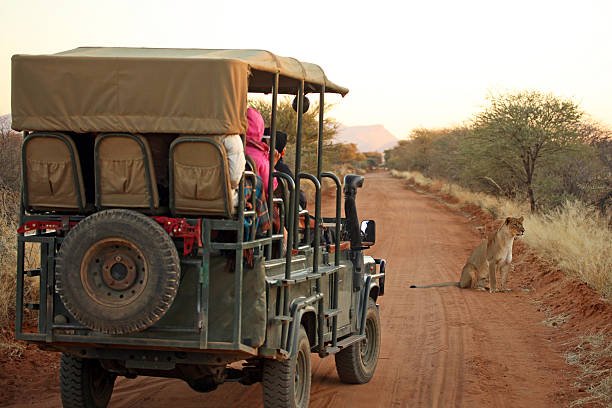
Zanzibar To Mikumi Safari: Flights, Prices And Itinerary Guide
Transition from the spice-scented beaches of Zanzibar to the wildlife-rich plains of Mikumi National Park. This guide details flight logistics, cost considerations, and sample itineraries...
View package details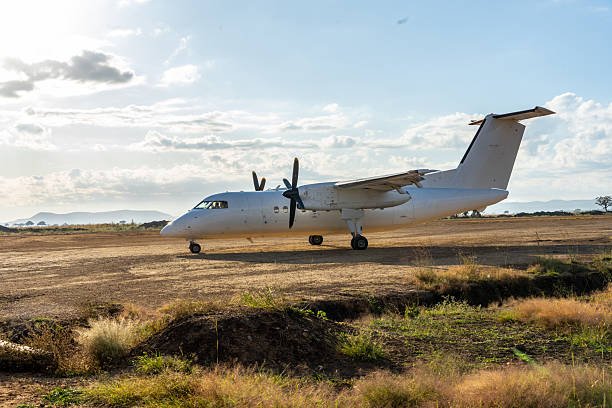
Zanzibar To Nyerere Safari Packages 2026-2027
Zanzibar to Nyerere Safari Packages is explained with current 2026-2027 planning, price, itinerary and booking information.
View package detailsZanzibar To Serengeti Safari Packages 2026-2027
Zanzibar to Serengeti Safari Packages is explained with current 2026-2027 planning, price, itinerary and booking information.
View package details3-Day Safari From Zanzibar 2026-2027
3-Day Safari From Zanzibar is explained with current 2026-2027 planning, price, itinerary and booking information.
View package details
2-Day Safari From Zanzibar: Your Quick Wildlife Escape In 2026-2027
Looking for a short, impactful wildlife adventure without a long trip? A 2-day safari from Zanzibar is your perfect solution. This guide covers the best options, what to expect, and how to...
View package detailsBest Family-Friendly Resorts In Tanzania For Unforgettable Adventures
Planning a family adventure in Tanzania? This guide highlights the best family-friendly resorts offering incredible wildlife viewing, cultural experiences, and comfortable stays for all...
View package detailsWildlife And Nature Titles: Your Ultimate Guide To Tanzanias Best Experiences
This comprehensive guide explores the most sought-after wildlife and nature titles in Tanzania, from iconic safari destinations and Kilimanjaro treks to the tropical allure of Zanzibar...
View package detailsNo related package matches those filters. Clear one or more filters to see the other topic-matched options.



