A combined Kilimanjaro climb, Serengeti safari, Zanzibar holiday, and Dubai stopover offers an epic adventure, typically spanning 14-21 days, starting with the trek in Tanzania, followed by wildlife viewing in the Serengeti, relaxation on Zanzibar’s beaches, and concluding with a cosmopolitan stopover in Dubai. This itinerary is best planned for 2026 or 2027, requiring careful coordination of flights, accommodations, and park permits for a smooth experience.
Combining a Kilimanjaro climb with a Serengeti safari, a relaxing stay in Zanzibar, and a vibrant stopover in Dubai creates an unparalleled African and Middle Eastern adventure. This journey offers a rich mix of experiences, from conquering Africa’s highest peak to witnessing the Great Migration, unwinding on tropical shores, and experiencing the futuristic marvels of Dubai. Planning such a multifaceted trip requires attention to detail, especially when aiming for the 2026-2027 travel seasons. This guide will walk you through the essential components, logistical considerations, and potential variations to craft your perfect Kilimanjaro climb, Serengeti, Zanzibar, and Dubai itinerary.
Understanding the Kilimanjaro Climb, Serengeti, Zanzibar & Dubai Itinerary Scope
This itinerary is designed for travelers seeking a comprehensive East African and Arabian Peninsula experience. It’s not a single package but a collection of distinct, yet complementary, travel experiences that can be logically sequenced. The core components are:
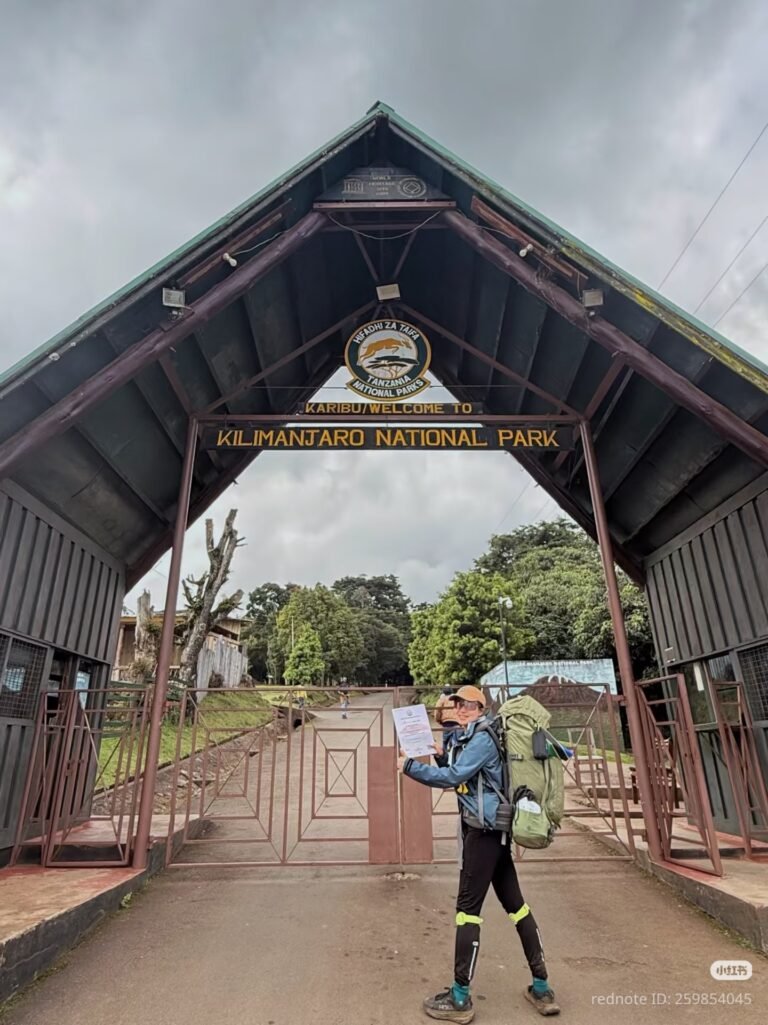
- Kilimanjaro Climb: The adventure begins with ascending Mount Kilimanjaro, Africa’s Roof. This requires physical preparation and choosing the right route.
- Serengeti Safari: Following the trek, a safari in the Serengeti National Park offers an incredible wildlife spectacle, particularly if timed with the Great Migration.
- Zanzibar Holiday: After the exertion of the climb and the excitement of the safari, Zanzibar provides a tropical paradise for relaxation, cultural exploration, and water activities.
- Dubai Stopover: The journey often concludes with a stopover in Dubai, a global hub that offers a stark contrast with its modern architecture, luxury shopping, and diverse entertainment options.
The duration can vary significantly. A standard Kilimanjaro climb takes 5-9 days, a Serengeti safari 3-5 days, and a Zanzibar stay 3-7 days. Adding travel time between locations and the Dubai stopover (typically 2-4 days), a realistic timeframe for a comfortable Kilimanjaro climb, Serengeti safari, Zanzibar, and Dubai itinerary is between 14 and 21 days. For 2026-2027 travel, booking well in advance is crucial, especially for peak climbing seasons and popular safari dates.
Key Considerations for a Combined Trip
Successfully executing this itinerary hinges on several factors:
- Physical Fitness: Kilimanjaro is a serious undertaking. Proper training is paramount.
- Timing: Coordinating the Great Migration in the Serengeti with your safari dates enhances the experience. The dry seasons (June to October and December to February) are generally best for both Kilimanjaro and safaris.
- Logistics: smooth transfers between Kilimanjaro’s base, safari locations, Zanzibar, and international flight connections are vital.
- Budget: This is a multi-faceted trip with significant costs for flights, climbing permits, park fees, accommodation, and activities.
- Visas and Vaccinations: Requirements vary by nationality and should be researched thoroughly for Tanzania and the UAE.
Crafting Your Kilimanjaro Climb Experience
The ascent of Kilimanjaro is the foundational adventure. Your choice of route, duration, and operator significantly impacts the experience and success rate. For a Kilimanjaro climb, Serengeti, Zanzibar, and Dubai itinerary, the climb usually precedes the safari and beach elements.
Choosing the Right Kilimanjaro Route
Several routes ascend Kilimanjaro, each with its own characteristics. For a combined trip, prioritizing acclimatization and success is wise. Routes with higher success rates are generally recommended.
- Marangu Route (Coca-Cola Route): The oldest and one of the easiest to trek. It’s often done in 5 days, but this offers poor acclimatization and a low success rate. A 6-day option improves chances. It’s the only route with dormitory-style huts.
- Machame Route (Whiskey Route): The most popular route, known for its scenic beauty and excellent acclimatization profile, leading to higher success rates. It typically takes 6-7 days and is a camping route. This is a strong contender for a Kilimanjaro climb, Serengeti, Zanzibar, and Dubai trip.
- Lemosho Route: A longer, more scenic, and remote route offering superb acclimatization. It’s typically 7-8 days, also camping, and provides a high success rate.
- Shira Route: Similar to Lemosho but starts at a higher altitude. It’s often combined with Lemosho.
- Rongai Route: Approaches Kilimanjaro from the north, offering a different perspective and often less crowded. It’s a good option during the rainy season, though less ideal for acclimatization than Machame or Lemosho. Typically 6-7 days.
- Northern Circuit: The longest route (9 days), offering the best acclimatization and highest success rates, with stunning panoramic views. Ideal for those who want to maximize their chances and enjoy the mountain’s beauty without rushing.
- Umbwe Route: The shortest and steepest route, demanding excellent physical condition and acclimatization. It has the lowest success rate and is not recommended for most travelers.
Recommendation for this itinerary: For a Kilimanjaro climb, Serengeti, Zanzibar, and Dubai trip, the Machame or Lemosho routes (6-8 days) are often the best balance of scenic beauty, acclimatization, and success rate. The Northern Circuit (9 days) offers the ultimate in acclimatization and comfort if time permits.
Climbing Seasons and 2026-2027 Planning
The best times to climb Kilimanjaro generally coincide with the dry seasons:
- January to March: Warm, dry, good visibility.
- June to October: Cooler, dry, good visibility. This is also a prime time for safaris.
The shoulder seasons (April, May, November) can see more rain but fewer crowds. For 2026-2027, consider booking your Kilimanjaro climb for these periods. If you plan to see the Great Migration during your Serengeti safari, align your dates accordingly. The migration typically moves through the Serengeti, and planning your Kilimanjaro climb, Serengeti, Zanzibar, and Dubai itinerary to catch specific events requires careful timing.
Kilimanjaro Climb Inclusions and Operator Choice
When selecting an operator for your Kilimanjaro climb, Serengeti, Zanzibar, and Dubai trip, look for comprehensive packages. For the climb itself, essential inclusions typically cover:
- Park entry fees and conservation fees
- Experienced, licensed guides and porters
- All meals on the mountain
- Tents, sleeping mats, and cooking equipment
- Transfer from Moshi/Arusha to the mountain gate and back
- Oxygen cylinders and first-aid kits
It’s crucial to confirm what is NOT included, such as personal gear, tips for the crew, travel insurance, and pre/post-climb accommodation in Moshi or Arusha.
Choosing a reputable operator like Climb 4 Africa, with local expertise and a strong safety record, is paramount for a Kilimanjaro climb, Serengeti, Zanzibar, and Dubai adventure. They can assist with coordinating all aspects within Tanzania.
Planning Tip for 2026-2027: For the best availability and to secure your preferred climbing dates, especially for group departures or specific routes, aim to book your Kilimanjaro climb at least 6-9 months in advance. For 2026-2027, this means starting your research and booking process in late 2025 or early 2026.
The Serengeti Safari: Wildlife Encounters
After descending Kilimanjaro and perhaps spending a night to recover, the next segment of your Kilimanjaro climb, Serengeti, Zanzibar, and Dubai itinerary is the thrilling Serengeti safari. This park is world-renowned for its vast plains and abundant wildlife, especially the Great Migration.
Timing the Great Migration
The Great Migration is a year-round phenomenon, with over 1.5 million wildebeest and zebras constantly moving in search of fresh grazing. However, the river crossings of the Grumeti or Mara Rivers are iconic events that many travelers wish to witness.
- December-March: Calving season in the southern Serengeti.
- May-July: The herds begin to move north and west, often crossing the Grumeti River.
- July-October: The most dramatic river crossings of the Mara River in the northern Serengeti.
If your Kilimanjaro climb concludes in June or July, you could potentially catch the herds moving north. If it ends in September or October, the northern Serengeti is ideal for witnessing Mara River crossings. If your climb is earlier in the year, the southern Serengeti offers excellent game viewing.
Serengeti Safari Options
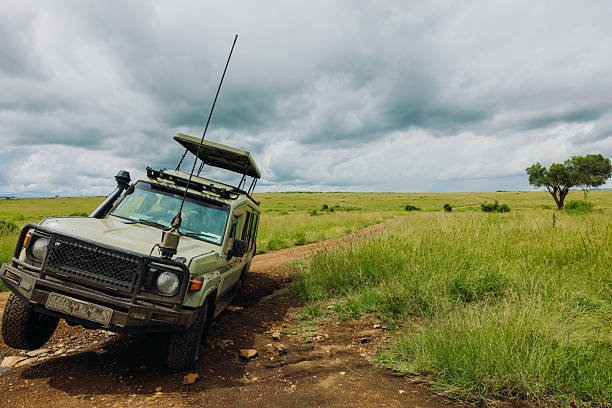
A typical Serengeti safari involves game drives in specialized 4×4 vehicles. You can opt for:
- Shared Safaris: More budget-friendly, joining other travelers. This is a great option for solo travelers or those looking to keep costs down on their Kilimanjaro climb, Serengeti, Zanzibar, and Dubai trip.
- Private Safaris: Offers flexibility, personalized game drives, and dedicated vehicles.
- Mobile Safaris: Camps move with the migration, offering a more in-depth experience.
- Fly-in Safaris: Saves driving time, flying directly into various airstrips within the Serengeti.
Duration: A minimum of 3 days in the Serengeti is recommended to experience its vastness. 4-5 days allows for deeper exploration and a higher chance of witnessing significant wildlife events.
Combining with Other Parks
While the Serengeti is the star, your Tanzanian safari can be enhanced by including:
- Ngorongoro Conservation Area: Home to the Ngorongoro Crater, a UNESCO World Heritage site offering incredible densities of wildlife, including the Big Five, in a unique caldera setting. It’s often visited en route to or from the Serengeti.
- Tarangire National Park: Known for its large elephant herds and iconic baobab trees, especially prominent in the dry season.
A common itinerary might involve a game drive through Tarangire, then Ngorongoro Crater descent, followed by several days in the Serengeti.
Logistics: After your Kilimanjaro climb, you’ll typically be transferred to Arusha for a brief overnight before flying or driving to your safari starting point. For a Kilimanjaro climb, Serengeti, Zanzibar, and Dubai itinerary, flying from Arusha or Kilimanjaro International Airport (JRO) directly to a Serengeti airstrip is the most time-efficient option.
Essential Safari Gear Checklist
- Lightweight, neutral-colored clothing (khaki, beige, olive)
- Long-sleeved shirts and trousers for sun and insect protection
- Warm fleece or jacket for cool mornings/evenings
- Comfortable walking shoes
- Hat with a wide brim
- Sunglasses
- Sunscreen (high SPF)
- Insect repellent
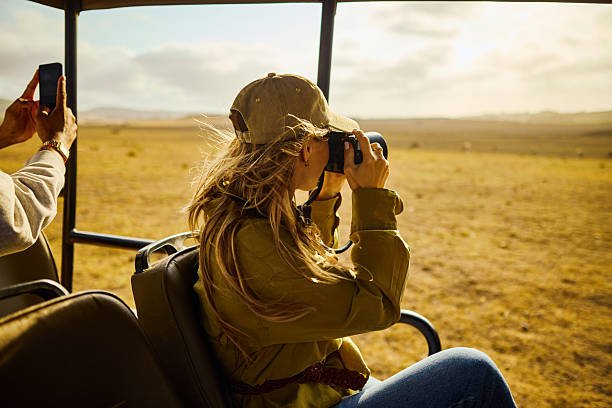
- Binoculars
- Camera with extra batteries and memory cards
- Personal first-aid kit
- Small backpack for daily essentials
Zanzibar: Tropical Relaxation and Culture
Following the physical exertion of Kilimanjaro and the excitement of the Serengeti, Zanzibar offers a perfect contrast – a tropical island paradise. This part of your Kilimanjaro climb, Serengeti, Zanzibar, and Dubai itinerary is dedicated to unwinding and experiencing island life.
Choosing Your Zanzibar Base
Zanzibar is more than just one island; it’s an archipelago. The main island, Unguja, offers the most diverse experiences:
- Nungwi and Kendwa (North): Famous for their pristine white-sand beaches, calm turquoise waters, and spectacular sunsets. Ideal for swimming and relaxation.
- Paje and Jambiani (East Coast): Known for kite surfing due to the strong winds and tidal changes. Also offers beautiful beaches and a more laid-back vibe.
- Stone Town (West Coast): A UNESCO World Heritage site, rich in history, culture, and architecture. Essential for a cultural immersion.
- Matemwe (North-East): Quieter, more exclusive beaches, often with excellent snorkeling and diving opportunities nearby, including Mnemba Atoll.
For a balanced Kilimanjaro climb, Serengeti, Zanzibar, and Dubai trip, combining Stone Town for a day or two with a beach resort is highly recommended.
Zanzibar Activities
Beyond relaxing on the beach, Zanzibar offers a wealth of activities:
- Spice Tours: Discover the island’s history as a spice trading hub.
- Stone Town Tour: Explore the narrow alleyways, historic buildings, and vibrant markets.
- Jozani Forest: Home to the endangered Red Colobus Monkeys.
- Snorkeling and Diving: Especially around Mnemba Atoll.
- Dolphin Tours: From Kizimkazi (though ethical concerns are sometimes raised).
- Sunset Dhow Cruises: A classic Zanzibari experience.
Duration: A minimum of 3-4 days in Zanzibar is ideal for relaxation and a few activities. 5-7 days allows for a more in-depth exploration.
Logistics to Zanzibar
From the Serengeti or Arusha, you’ll typically fly to Zanzibar’s Abeid Amani Karume International Airport (ZNZ). Several local airlines operate these routes. From the airport, taxis or pre-arranged transfers can take you to your chosen accommodation. If you’re flying out of Kilimanjaro International Airport (JRO) after your safari, you might need to route through Dar es Salaam or Nairobi for connections to Zanzibar, or vice-versa if flying to Dubai from JRO.
Sample 18-Day Kilimanjaro Climb, Serengeti, Zanzibar & Dubai Itinerary (2026-2027)
- Day 1: Arrive in Kilimanjaro (JRO), transfer to Arusha.
- Day 2: Briefing for Kilimanjaro climb, final preparations.
- Day 3-8: Kilimanjaro Climb (e.g., Machame Route, 6 days).
- Day 9: Descend Kilimanjaro, transfer to Arusha, rest.
- Day 10: Fly from Arusha to Serengeti, start safari.
- Day 11-12: Serengeti National Park game drives.
- Day 13: Morning game drive, fly from Serengeti to Zanzibar. Transfer to beach hotel.
- Day 14-16: Zanzibar: Beach relaxation, optional activities (Spice Tour, Stone Town).
- Day 17: Fly from Zanzibar (ZNZ) to Dubai (DXB). Check into hotel.
- Day 18: Dubai exploration (e.g., Burj Khalifa, Dubai Mall).
- Day 19: Depart from Dubai.
This is a sample; durations and routes can be customized.
The Dubai Stopover: A Modern Metropolis
The final leg of your Kilimanjaro climb, Serengeti, Zanzibar, and Dubai itinerary is the stopover in Dubai. This offers a stark contrast to the natural wonders of Tanzania, providing a glimpse into modern luxury, innovation, and a vibrant international culture.
Dubai Highlights
Dubai is a city of superlatives. Key attractions include:
- Burj Khalifa: The world’s tallest building, offering panoramic city views.
- The Dubai Mall: A massive shopping and entertainment complex, featuring an aquarium and an indoor theme park.
- Palm Jumeirah: An iconic man-made island shaped like a palm tree, home to luxury resorts.
- Dubai Marina: A stunning waterfront district with skyscrapers and yachts.
- Old Dubai (Deira & Bur Dubai): Explore the souks (gold, spice, textile), Al Fahidi Historical Neighbourhood, and take an Abra ride across Dubai Creek.
- Desert Safari: Experience the Arabian desert with dune bashing, camel rides, and traditional entertainment.
- Global Village (seasonal): A multicultural festival park with pavilions representing different countries.
Duration: A 2-4 day stopover is usually sufficient to experience the main highlights of Dubai. For 2026-2027, consider booking hotels and popular attractions in advance, especially during peak tourist seasons.
Logistics in Dubai
Flights from Zanzibar to Dubai are frequent, with major airlines operating the route. Dubai International Airport (DXB) is a major hub, and getting to your hotel is straightforward via taxi, metro, or pre-booked transfer. The city has an efficient public transport system, particularly the metro, which is useful for reaching many attractions.
Budgetary Considerations for 2026-2027: A trip combining Kilimanjaro, Serengeti, Zanzibar, and Dubai is a significant investment. Costs will vary based on the Kilimanjaro route length, safari lodge standard, Zanzibar accommodation type, and Dubai’s chosen activities. Expect costs to range from USD 6,000 to USD 15,000+ per person, excluding international flights to and from Africa/Dubai.
- Kilimanjaro Climb: USD 1,500 – USD 3,500+ (depending on route and operator)
- Serengeti Safari: USD 300 – USD 1,000+ per day (depending on lodge/camp and vehicle type)
- Zanzibar: USD 100 – USD 500+ per day (depending on accommodation)
- Dubai Stopover: USD 150 – USD 700+ per day (depending on accommodation and activities)
Bookings for 2026-2027: Early booking is essential to secure preferred dates and potentially better rates, especially for Kilimanjaro climbs and peak safari seasons.
Planning Your 2026-2027 Journey: Practicalities
A trip of this magnitude requires meticulous planning. Here are key aspects to consider for your 2026-2027 adventure.
Booking Windows and Lead Times
The further in advance you book, the better your chances of securing preferred options and potentially better pricing. For a Kilimanjaro climb, Serengeti, Zanzibar, and Dubai itinerary, consider the following:
- Kilimanjaro Climb: 6-12 months in advance, especially for specific dates or group departures.
- Serengeti Safari: 6-9 months in advance, particularly if aiming for specific migration viewing periods.
- Zanzibar Accommodation: 4-6 months in advance for popular resorts or during peak season.
- Dubai Accommodation & Flights: 3-6 months in advance for better rates and availability.
- International Flights: 6-10 months in advance for the best fares.
Visas and Health Requirements for 2026-2027
Tanzania: Most nationalities require a visa for Tanzania. This can often be obtained online (eVisa) or on arrival. Check the latest requirements well before your 2026-2027 travel dates.
UAE (Dubai): Visa requirements for the UAE vary significantly by nationality. Many nationalities receive a visa on arrival, while others need to arrange one in advance. It is crucial to check the official UAE embassy or consulate website for your country of origin.
Health: Yellow fever vaccination is often required for entry into Tanzania if arriving from or transiting through a country with a risk of yellow fever. Consult your doctor or a travel clinic regarding recommended vaccinations (e.g., Hepatitis A, Typhoid) and malaria prophylaxis for Tanzania. Dubai is generally considered low-risk for malaria, but consult your doctor.
Travel Insurance
Comprehensive travel insurance is non-negotiable for this trip. Ensure it covers:
- High-altitude trekking (up to 6,000 meters for Kilimanjaro)
- Emergency medical evacuation
- Trip cancellation and interruption
- Lost or delayed baggage
- Travel to all destinations (Tanzania and UAE)
Packing Essentials for the Entire Journey
Packing for such a diverse trip requires careful consideration:
- Kilimanjaro Gear: Layered clothing, waterproofs, sturdy hiking boots, warm sleeping bag, gloves, hat, etc. (often rentable).
- Safari Gear: As listed above (lightweight, neutral clothing).
- Zanzibar Beachwear: Swimsuits, light clothing, sun protection.
- Dubai Citywear: Modest clothing for visiting religious sites or more conservative areas. Casual wear for general exploration, and smart casual for evenings.
- General Items: Universal adapter, power bank, personal toiletries, medications, insect repellent, sunscreen.
Note on Kilimanjaro Gear: Many operators provide a detailed packing list. Some essential items like sleeping bags and warm jackets can often be rented in Moshi or Arusha, saving you space in your luggage for the flights.
Customizing Your Kilimanjaro Climb, Serengeti, Zanzibar & Dubai Adventure
The beauty of this itinerary is its flexibility. You can tailor it to your interests, budget, and available time.
Adjusting Durations
Shorter Trip (12-14 days): This would likely involve a 5-day Kilimanjaro climb (lower success rate), a shorter 2-3 day safari, 2-3 days in Zanzibar, and a 2-day Dubai stopover. This is ambitious and may feel rushed.
Longer Trip (21+ days): Allows for a longer Kilimanjaro climb (7-9 days) for better acclimatization, more time in the Serengeti (4-6 days), extended relaxation in Zanzibar (5-7 days), and a more thorough exploration of Dubai (3-4 days). This offers a much more relaxed and in-depth experience.
Route Variations
Kilimanjaro: Opting for the 7-day Machame or Lemosho route, or the 8-9 day Northern Circuit, significantly increases acclimatization and success rates. For 2026-2027, booking these longer routes means securing your spot earlier.
Safari: Consider adding the Ngorongoro Crater and Tarangire National Park for a more comprehensive Tanzanian wildlife experience. If the Great Migration is a priority, pinpointing the herds’ location is key.
Zanzibar: If you’re not a beach person, you could spend more time exploring Stone Town’s history or take day trips to nearby islands like Prison Island. Diving enthusiasts might focus on Mnemba Atoll.
Dubai: For those interested in theme parks, consider allocating an extra day for Dubai Parks and Resorts. For art and culture lovers, explore Alserkal Avenue.
Considering 2026-2027 Travel Trends
As travel continues to rebound and evolve, planning for 2026-2027 involves considering:
- Sustainability: Choosing eco-conscious operators for your Kilimanjaro climb and safari.
- Flexibility: Understanding booking and cancellation policies in light of potential global events.
- Health Protocols: Staying updated on any health advisories or requirements.
- Technology: Leveraging online booking platforms and travel apps for smooth management.
For a Kilimanjaro climb, Serengeti, Zanzibar, and Dubai trip, working with an experienced local operator like Climb 4 Africa is invaluable. They can navigate these complexities, offer expert advice on the best routes and timings for 2026-2027, and ensure a smooth, unforgettable journey.
This comprehensive itinerary, blending the challenging ascent of Kilimanjaro, the wildlife spectacle of the Serengeti, the tropical allure of Zanzibar, and the modern marvels of Dubai, promises an adventure of a lifetime. By planning meticulously for 2026-2027, considering all logistical aspects, and choosing reliable partners, you can create a truly epic travel experience.
Ready to plan your dream Kilimanjaro climb, Serengeti safari, Zanzibar escape, and Dubai stopover for 2026 or 2027? Contact Climb 4 Africa for expert guidance and tailor-made itineraries. We specialize in creating unforgettable Tanzanian adventures and can help coordinate your entire journey, ensuring smooth transitions between each unique destination. Reach out to us via WhatsApp at +255 747 477 898 or email us at climb4africa@gmail.com to discuss your personalized trip and receive a quote.
Check Availability for Kilimanjaro Climb Serengeti Zanzibar And Dubai Stopover Itinerary 2026-2027
Ready to compare dates, prices, and the best option for your group? Send the package name and travel month so the team can reply with a clear quote, availability, and what is included.
Tanzania Kilimanjaro And Safari Holiday Packages 2027
An expert, long-form guide to combining Kilimanjaro treks with Tanzania safaris and Zanzibar experiences, with practical planning and booking guidance for 2027.
View package details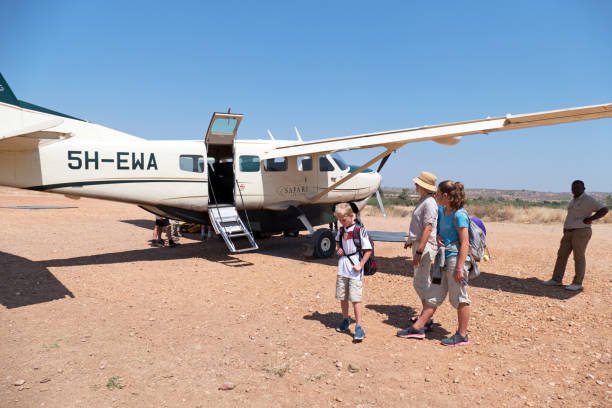
1-Day Serengeti Safari From Zanzibar By Flight: Cost & Itinerary 2026-2027
Is a 1-day Serengeti safari from Zanzibar feasible? Get the expert breakdown on the flight logistics, cost factors, and how to manage your expectations for this intense, one-day wildlife...
View package details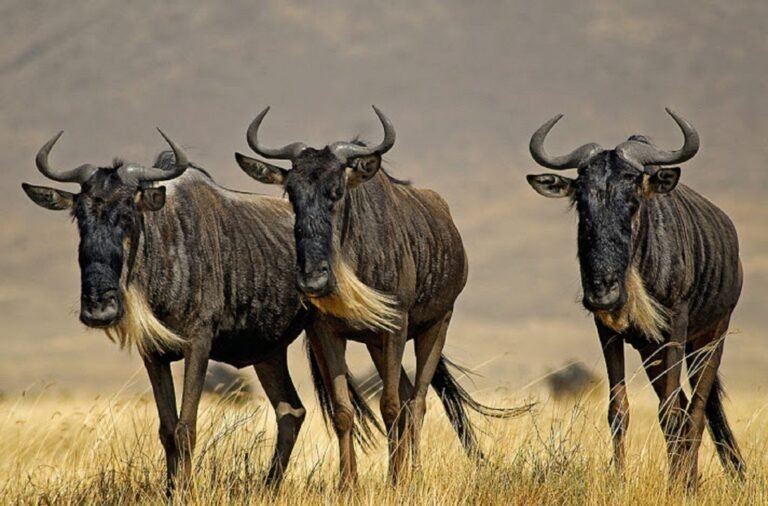
Nov 23, – 3 Day Serengeti And Ngorongoro Safari From Zanzibar
Nov 23, 2026 – 3 Day Serengeti and Ngorongoro Safari from Zanzibar.
View package details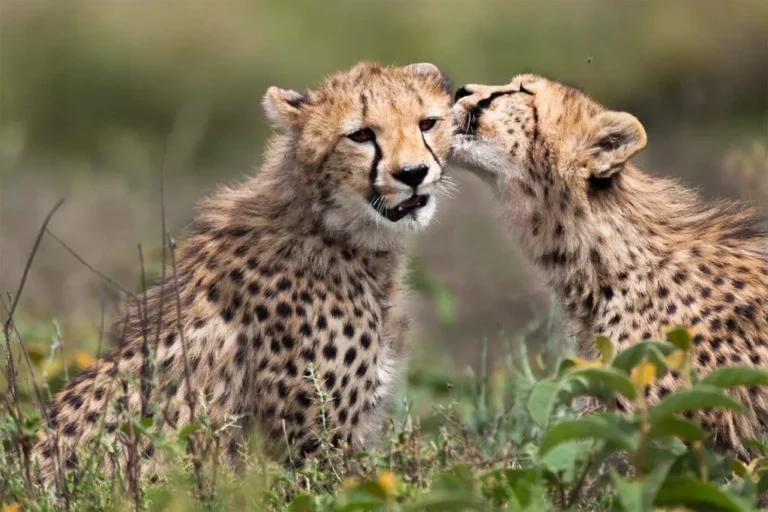
Nov 28, – 3 Day Fly-In Serengeti Group Safari From Zanzibar 2026
A detailed look at the 3-day fly-in Serengeti group safari departing November 28, 2026, including logistics, itinerary highlights, and travel tips for your Tanzania adventure.
View package detailsKilimanjaro Airport To Zanzibar Flights: Ticket Prices & Airlines 2026-2027
A practical guide to flying from Kilimanjaro International Airport (JRO) to Zanzibar, covering airline choices, baggage logistics for climbers, and how to book your connection.
View package details2-Day Serengeti Safari From Zanzibar By Flight: Price & Booking Guide
A practical guide to booking a 2-day Serengeti safari from Zanzibar by flight, covering itinerary logistics, cost considerations, and how to maximize your short time in the bush.
View package details4-Day Serengeti Safari From Zanzibar With Return Flights: A Planning Guide
A deep look at planning a 4-day fly-in safari from Zanzibar to the Serengeti, covering flight logistics, itinerary structures, and the critical decisions needed for a successful 2026 or...
View package detailsZanzibar To Serengeti Safari By Flight: Prices & Packages 2026-2027
A practical guide to booking a Zanzibar to Serengeti safari by flight in 2027, covering route options, baggage logistics, and how to choose the right itinerary length.
View package details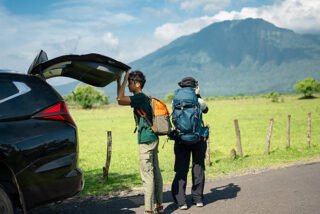
3-Day Serengeti & Ngorongoro Safari From Zanzibar By Flight 2027
3-Day Serengeti & Ngorongoro Safari From Zanzibar by Flight is explained with current 2027 planning, price, itinerary and booking information.
View package details_1_John_from-rednote-web-768x1024.jpg)
3-Day Serengeti Fly-In Safari From Zanzibar: All-Inclusive Package Prices 2027
Plan your ultimate Tanzanian adventure, combining Zanzibar's beaches with the Serengeti's wildlife. This guide details all-inclusive package pricing and logistics for a 3-day fly-in safari...
View package details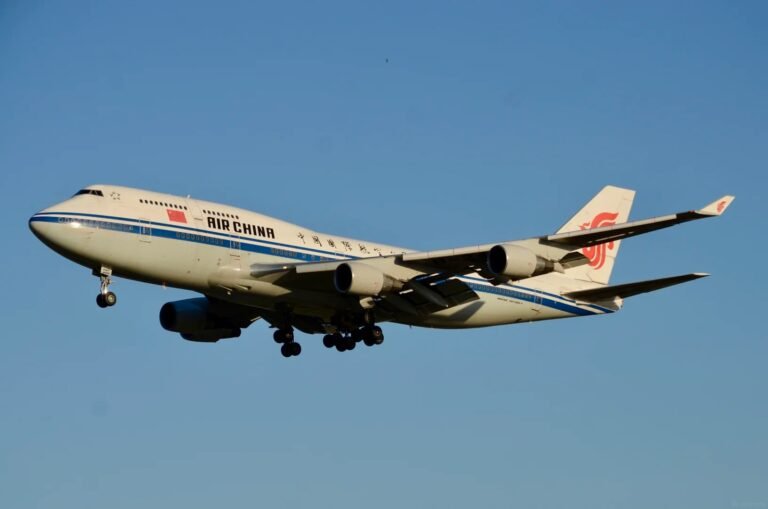
Serengeti To Zanzibar Flight Baggage Limits And Transfer Costs Guide () 2027
This deep-dive guide covers everything you need to know about baggage restrictions and transfer expenses when flying from the Serengeti region to Zanzibar, ensuring smooth travel planning.
View package detailsSerengeti To Zanzibar Vs Arusha To Which Is Better After Safari? 2027
Choosing the right transfer to Zanzibar after a safari—Serengeti to Zanzibar or Arusha to Zanzibar—depends entirely on your safari route, time constraints, and budget. This guide breaks...
View package detailsNo related package matches those filters. Clear one or more filters to see the other topic-matched options.