The best African safari to combine with Kilimanjaro climbing typically involves a multi-day tour in Tanzania’s Northern Circuit, focusing on parks like the Serengeti, Ngorongoro Crater, Tarangire, and Lake Manyara. These locations are geographically convenient, offer diverse wildlife viewing opportunities, and can be seamlessly integrated before or after a climb, with durations ranging from 3 to 7 days for a comprehensive experience in 2026 and 2027.
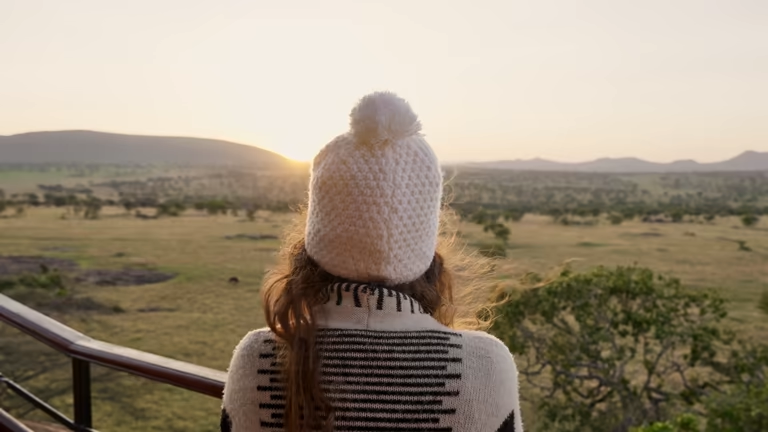
Planning Your Kilimanjaro and Safari Combination Trip
A journey to climb Mount Kilimanjaro and experience an African safari is a dream for many, and Tanzania is the premier destination to achieve both. The logistical harmony between Kilimanjaro National Park and the world-renowned Northern Circuit safari parks makes this combination not just possible, but exceptionally rewarding. When planning for 2026 or 2027, understanding how these two elements fit together is key to a smooth and unforgettable adventure.
The typical flow involves ascending Kilimanjaro first, allowing you to acclimatize and then recover with the exhilaration of wildlife encounters. Alternatively, starting with a safari can build anticipation and offer a relaxed introduction to East Africa’s wonders before the physical challenge of the mountain. Both approaches have their merits, and the choice often depends on personal preference and the overall duration of your trip.
Key Considerations for Combination Trips:
- Timing: Aligning safari and climb seasons for optimal wildlife viewing and trekking conditions.
- Logistics: Ensuring smooth transfers between Kilimanjaro International Airport (JRO), your safari starting point, the mountain, and your departure.
- Duration: Deciding on the ideal length for both the climb and the safari to avoid feeling rushed.
- Parks: Selecting which Tanzanian parks best suit your wildlife interests and budget.
- Accommodation: Choosing between lodges, tented camps, or mobile camps on safari.
- Guides and Operators: Partnering with a reputable company that handles both Kilimanjaro climbs and safaris efficiently.
This guide will break down the most popular and effective safari options to pair with your Kilimanjaro expedition, providing insights to help you craft the perfect 2026-2027 itinerary.
Why Tanzania for Kilimanjaro and Safari?
Tanzania stands out as the preeminent destination for combining a Kilimanjaro climb with a safari for several compelling reasons, all of which remain highly relevant for 2026 and 2027 travel plans.
Firstly, it is home to Mount Kilimanjaro, Africa’s highest peak, offering multiple well-established and diverse trekking routes. Secondly, it boasts the Northern Circuit, a collection of national parks and conservation areas that are arguably the most iconic and wildlife-rich in Africa. This includes the vast Serengeti Plains, the Ngorongoro Conservation Area (home to the Ngorongoro Crater), Tarangire National Park, and Lake Manyara National Park.
The geographical proximity of these attractions is a significant advantage. Kilimanjaro is located in the northeastern part of Tanzania, not far from Arusha, the gateway city for most safaris. The major safari parks are also within a manageable driving distance from Arusha and Kilimanjaro International Airport (JRO). This minimizes travel time and maximizes your time experiencing the landscapes and wildlife.
Furthermore, Tanzania offers a high density and diversity of wildlife. The annual Great Migration in the Serengeti alone is a spectacle that draws visitors from around the globe. The Ngorongoro Crater, a UNESCO World Heritage Site, is a caldera teeming with predators and prey in a relatively confined space, offering incredible viewing opportunities. Tarangire is famous for its large elephant herds and baobab trees, while Lake Manyara provides chances to see tree-climbing lions and a vibrant birdlife.
Reputable tour operators, like Climb 4 Africa, specialize in both Kilimanjaro climbs and Tanzanian safaris. This means they can offer integrated itineraries, handling all the logistics, transfers, accommodation, guides, and park fees seamlessly. This integrated approach is crucial for a stress-free experience, especially when combining two major travel components.
Finally, Tanzania offers a range of safari styles and accommodation options, from budget-friendly camping safaris to luxurious lodges, catering to different preferences and budgets for 2026-2027 travelers. This flexibility allows you to tailor your safari experience to perfectly complement your Kilimanjaro climb.
The Classic Northern Circuit Safari: The Perfect Kilimanjaro Companion
For those combining a Kilimanjaro climb with a safari, the Northern Circuit is almost universally the best choice. It offers an exceptional concentration of wildlife and iconic landscapes within a relatively compact area, making it logistically sound and immensely rewarding.
A typical Northern Circuit safari itinerary, often lasting between 4 to 7 days, can be seamlessly woven into your Tanzanian adventure before or after your mountain ascent. The parks included are:
Serengeti National Park
The Serengeti is the crown jewel of Tanzanian safaris. Its name, derived from the Maasai word ‘Siringet’ meaning ‘endless plains,’ perfectly describes its vastness. It is most famous for the Great Migration, where millions of wildebeest, zebras, and gazelles traverse the plains in search of fresh grazing. While the migration’s location varies throughout the year, the Serengeti always offers incredible resident wildlife viewing.
- Wildlife: Expect to see the ‘Big Five’ (lion, leopard, elephant, rhino, buffalo), cheetahs, hyenas, giraffes, and a multitude of other mammals and birds.
- Best for: Experiencing vast open plains, witnessing predator-prey interactions, and seeing large herds.
- Duration: A minimum of 2-3 days is recommended to truly appreciate its scale.
Ngorongoro Conservation Area & Crater
The Ngorongoro Crater is a UNESCO World Heritage Site and one of the most unique natural wonders on Earth. It’s a caldera formed by a collapsed volcano, now home to an astonishing density of wildlife. The crater floor is a microcosm of East African ecosystems, supporting a remarkable variety of species.
- Wildlife: It’s one of the best places in Africa to see the endangered black rhino. Lions, elephants, buffalos, hippos, zebras, wildebeest, and numerous bird species are abundant.
- Best for: High chances of seeing the Big Five in a single day, dramatic landscapes, and unique conservation model.
- Duration: A full day of game driving on the crater floor is typical.
Note on Ngorongoro: While stunning, the crater has specific regulations regarding vehicle numbers and time spent on the floor. It’s managed by the Ngorongoro Conservation Area Authority (NCAA), which also allows Maasai communities to live within its boundaries, creating a unique human-wildlife coexistence.
Tarangire National Park
Known as the ‘land of giants,’ Tarangire is celebrated for its enormous elephant herds, particularly during the dry season (June to October). The park’s landscape is dotted with iconic baobab trees, which add a dramatic backdrop to the wildlife sightings.
- Wildlife: Large elephant populations, lions, leopards, giraffes, zebras, wildebeest, and over 550 bird species.
- Best for: Elephant viewing, scenic landscapes with baobabs, and birdwatching.
- Duration: A full day or overnight stay is recommended.
Lake Manyara National Park
This park is famous for its diverse habitats, including groundwater forests, acacia woodlands, and a large alkaline lake. It’s particularly known for its elusive tree-climbing lions, large troops of baboons, and a spectacular array of birdlife.
- Wildlife: Tree-climbing lions, elephants, hippos, flamingos (seasonal), impalas, and over 400 bird species.
- Best for: Seeing tree-climbing lions, birdwatching, and a compact safari experience.
- Duration: Can be enjoyed as a half-day or full-day excursion, often visited en route to other parks.
Typical Northern Circuit Itinerary Flow:
A common sequence for a 5-day safari after climbing Kilimanjaro might be:
- Day 1: Arusha to Tarangire National Park (game drive, overnight).
- Day 2: Tarangire to Serengeti National Park (game drive en route, overnight).
- Day 3: Full day game drive in Serengeti (central or specific migration area).
- Day 4: Serengeti to Ngorongoro Conservation Area (game drive, overnight on crater rim or nearby).
- Day 5: Morning game drive in Ngorongoro Crater, return to Arusha.
This structure provides a fantastic overview of Tanzania’s premier wildlife destinations and is a popular choice for 2026-2027 travelers seeking the best African safari to combine with Kilimanjaro climbing.
Safari Itinerary Options and Durations
When planning the best African safari to combine with Kilimanjaro climbing, the duration and specific itinerary of your safari are crucial decisions. These choices impact the depth of your wildlife experience, the variety of parks you visit, and the overall pace of your trip. For 2026 and 2027, operators offer a range of options:
Short Safaris (2-3 Days)
These are ideal for travelers with limited time who still want a taste of Tanzania’s iconic wildlife. They typically focus on one or two parks close to Arusha.
- Option 1: Lake Manyara & Ngorongoro Crater (2 Days)
- Day 1: Arusha to Lake Manyara (game drive), overnight near Karatu or Ngorongoro.
- Day 2: Morning game drive in Ngorongoro Crater, return to Arusha.
- Option 2: Tarangire & Ngorongoro Crater (3 Days)
- Day 1: Arusha to Tarangire National Park (game drive), overnight.
- Day 2: Tarangire to Ngorongoro Conservation Area (game drive), overnight.
- Day 3: Morning game drive in Ngorongoro Crater, return to Arusha.
Pros: Shorter, more budget-friendly, less impact on recovery after a climb.
Cons: Less time in the vast Serengeti, may feel slightly rushed.
Standard Safaris (4-5 Days)
This is the most popular duration, offering a well-rounded experience of the Northern Circuit, including the Serengeti.
- Option: Tarangire, Serengeti & Ngorongoro (4 Days)
- Day 1: Arusha to Tarangire (game drive), overnight.
- Day 2: Tarangire to Serengeti (game drive en route), overnight.
- Day 3: Full day game drive in Serengeti, overnight.
- Day 4: Serengeti to Ngorongoro (game drive), return to Arusha.
- Option: Tarangire, Serengeti & Ngorongoro (5 Days)
- Day 1: Arusha to Tarangire (game drive), overnight.
- Day 2: Tarangire to Serengeti (game drive en route), overnight.
- Day 3: Full day game drive in Serengeti, overnight.
- Day 4: Serengeti to Ngorongoro (game drive), overnight on rim/Karatu.
- Day 5: Morning game drive in Ngorongoro Crater, return to Arusha.
Pros: Covers the essential parks, good balance of time in each, allows for migration viewing if timed correctly.
Cons: Requires more time and budget, can be tiring immediately after a climb.
Extended Safaris (6-8+ Days)
For those who want to explore deeper, an extended safari allows for more time in each park, exploration of less-visited areas, or the inclusion of additional destinations.
- Option: Tarangire, Serengeti, Ngorongoro & Lake Manyara (6 Days)
- This itinerary adds a dedicated day or half-day to Lake Manyara, often visiting it on the way to or from other parks, or as a dedicated stop.
- Option: Deeper Serengeti Exploration (7-8 Days)
- Allows for multiple days in different regions of the Serengeti (e.g., Central, North, South) to track the migration or explore diverse habitats. May include a visit to the Maasai Mara if crossing into Kenya (though typically not combined with Kilimanjaro from Tanzania).
- Option: Adding Other Parks/Destinations
- While the Northern Circuit is the focus, longer trips could include:
- Grumeti River (Serengeti): For river crossings during migration.
- North Serengeti (Mara River): For dramatic migration river crossings.
- Southern Serengeti (Ndutu Area): For calving season (Dec-Mar).
- Arusha National Park: For a shorter, accessible wildlife experience near Kilimanjaro.
- Chemka Hot Springs: A relaxing natural pool for post-climb rejuvenation.
- While the Northern Circuit is the focus, longer trips could include:
Pros: Most comprehensive wildlife experience, relaxed pace, opportunity to see rare sightings, can tailor to specific interests.
Cons: Most expensive, requires significant time commitment, may need more recovery time after Kilimanjaro.
When booking for 2026 or 2027, discuss your interests and time constraints with your tour operator to find the perfect safari duration and itinerary that complements your Kilimanjaro climb.
Choosing the Best Safari Parks and Experiences
While the Northern Circuit forms the backbone of most Kilimanjaro-safari combinations, understanding the unique draws of each park helps tailor your trip. For 2026-2027, the choices remain consistent, offering incredible wildlife diversity.
Serengeti: The Endless Plains & The Great Migration
The Serengeti is not just a park; it’s an ecosystem covering over 14,750 square kilometers. Its sheer size means that wildlife viewing can vary significantly depending on the time of year and your location within the park.
- The Great Migration: This is the primary draw for many. Millions of wildebeest and zebras, followed by predators, move in a vast circular pattern.
- Jan-Mar: Southern Serengeti/Ndutu area for calving.
- Apr-May: ‘Green season’, migration moves north, fewer tourists.
- Jun-Jul: Western Corridor, Grumeti River crossings.
- Jul-Oct: Northern Serengeti, Mara River crossings (most dramatic).
- Nov: Migration moves south again.
- Resident Wildlife: Even outside migration season, the Serengeti is teeming with animals. Lions are abundant, leopards are elusive but present, cheetahs patrol the grasslands, and elephants, giraffes, and buffalo are common.
- Safari Styles: Mobile tented camps follow the migration, offering an intimate experience. Permanent lodges and fixed camps provide more comfort. Day trips are possible but less in-depth.
Ngorongoro Crater: A Natural Amphitheatre of Wildlife
The Ngorongoro Crater offers a unique safari experience due to its geological formation. Being a caldera, animals tend to stay within its boundaries, leading to incredibly high densities of wildlife.
- The Big Five in a Day: It’s one of the few places where seeing all of the Big Five (lion, leopard, elephant, rhino, buffalo) in a single game drive is highly probable.
- Black Rhinos: The crater is a vital sanctuary for the endangered black rhino, and sightings are common.
- Birdlife: A rich variety of bird species, including flamingos on the soda lake.
- Logistics: Access is via a steep track down to the crater floor. Game drives are restricted to a set number of hours (usually 6) to protect the ecosystem.
Tarangire: Elephants, Baobabs, and River Life
Tarangire National Park is particularly appealing during the dry season when wildlife congregates around the Tarangire River.
- Elephant Herds: Famous for its large elephant populations, often seen in herds of hundreds.
- Baobab Trees: The park is dominated by ancient, majestic baobab trees, creating a surreal landscape.
- Predators: Lions are often seen lounging in acacia trees, and leopards are present.
- Birding: A haven for birdwatchers, with a wide array of species.
Lake Manyara: Diverse Habitats and Unique Sightings
Despite its small size, Lake Manyara offers a surprising variety of experiences.
- Tree-Climbing Lions: While not guaranteed, the park is renowned for these elusive cats that often ascend acacia trees.
- Flamingos: The lake’s shallow waters attract thousands of flamingos seasonally, creating a pink spectacle.
- Baboon Troops: Large troops of baboons are frequently seen along the park roads.
- Forest and Waterfalls: The park features lush groundwater forests and scenic waterfalls, providing a different feel from the open plains.
Beyond the Northern Circuit (for longer trips)
For those seeking more, or planning a longer safari in 2026 or 2027, consider:
- Ruaha National Park: Tanzania’s largest park, known for its wilder, less-touristed feel, large elephant and buffalo herds, and impressive predator sightings. It requires internal flights from the Northern Circuit.
- Selous Game Reserve (Nyerere National Park): Famous for its boat safaris on the Rufiji River, walking safaris, and wild dog sightings. Also requires flights.
- Zanzibar: While not a safari park, many combine Kilimanjaro and safari with a beach holiday in Zanzibar for relaxation and cultural immersion. This adds a different dimension to the African adventure.
When deciding on the best African safari to combine with Kilimanjaro climbing, consult with your tour operator about the best parks and timings for your specific travel dates in 2026-2027, considering your interests in specific animals or landscapes.
Timing Your Safari with Kilimanjaro in 2026-2027
The success of your combined Kilimanjaro climb and safari often hinges on choosing the right time of year. Tanzania offers excellent wildlife viewing and trekking conditions for much of the year, but specific periods are better suited for certain experiences.
Kilimanjaro Climbing Seasons
Kilimanjaro has two main climbing seasons, characterized by drier weather and clearer skies:
- January to March: Generally dry and clear, but can be very cold at the summit. A good time for both climbing and safari, though the Serengeti is in its calving season (southern Serengeti).
- June to October: The longest and driest season. Cooler temperatures, clear skies, and excellent visibility. This is also a prime time for the Great Migration in the northern Serengeti. This is often considered the peak season for both climbing and safari.
There are also shoulder seasons (April-May and November-December) which are wetter, but can offer fewer crowds and lower prices. However, rain can impact both trekking and game drives.
Safari Viewing Seasons
Safari viewing is excellent year-round, but certain periods offer unique spectacles:
- June to October (Dry Season): This coincides with Kilimanjaro’s second climbing season. Wildlife congregates around water sources, making game viewing easier. It’s also peak time for the Great Migration in the northern Serengeti, with dramatic river crossings possible. This is the best time for a combined trip if your priority is seeing the migration and having the best weather for climbing.
- December to March (Short Rains/Calving Season): The Serengeti plains are lush and green, and the wildebeest migration is typically in the southern Serengeti and Ndutu area for calving. This offers incredible predator action as predators feast on newborn calves. It’s a good time for climbing too, though there’s a chance of short afternoon showers.
- April to May (Long Rains): This is the ‘green season’ with heavier rainfall. Parks are less crowded, and landscapes are stunningly green. While game viewing is still good, some tracks can become challenging, and visibility might be reduced. Climbing Kilimanjaro during this period is not recommended due to rain and potential snow at higher altitudes.
Putting It Together for 2026-2027
For the absolute best combined experience in 2026 or 2027, aiming for:
- June to October: Offers the best weather for Kilimanjaro and the peak of the Great Migration in the Serengeti. This is ideal for the best African safari to combine with Kilimanjaro climbing if you want optimal conditions for both.
- January to March: A good second choice, with dry weather for climbing and the calving season in the southern Serengeti, offering excellent predator sightings.
If you are flexible or budget-conscious:
- November: The end of the dry season and start of short rains. Migration is moving south. Can be a good compromise.
- December: Start of short rains, but can be a pleasant month for both.
Avoid:
- April to May: Generally too wet for comfortable trekking on Kilimanjaro and can make safari drives challenging.
Important Note: The Great Migration is a natural phenomenon and its exact movements can vary. Always consult with your tour operator for the most up-to-date predictions for your travel dates in 2026-2027.
Logistics and Practicalities for Your Combined Trip
Successfully combining a Kilimanjaro climb with a safari requires meticulous planning, especially concerning logistics. For 2026 and 2027, understanding these elements will ensure a smooth and enjoyable journey.
Arrival and Departure
- Airport: Most international flights arrive at Kilimanjaro International Airport (JRO), located between Arusha and Moshi.
- Transfers: Your tour operator will arrange airport transfers to your hotel in Arusha or Moshi. Arusha is the main hub for safari departures, while Moshi is closer to Kilimanjaro’s main base.
Sequence of Activities
- Climb First, Safari Second: This is the most common approach. It allows you to acclimatize and achieve your summit goal, then relax and recover with the excitement of a safari. It also means you can depart from JRO after your safari without returning to Arusha.
- Safari First, Climb Second: Some prefer to ease into their African adventure with a safari, then tackle Kilimanjaro. This requires careful planning to ensure you’re well-rested and hydrated before the trek. You would typically return to Arusha/Moshi after the safari to prepare for the climb.
Internal Transfers
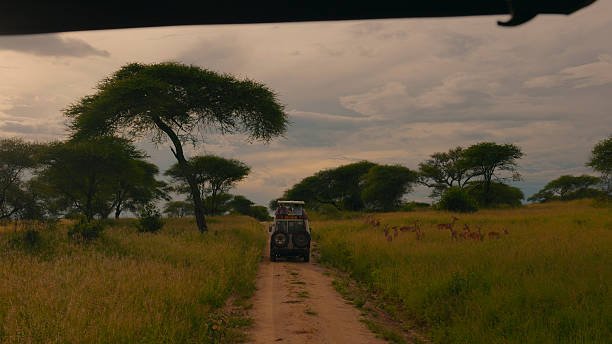
- Safari Vehicles: Safaris are conducted in custom-built 4×4 safari vehicles (Land Cruisers or Land Rovers) with pop-up roofs for optimal game viewing.
- Road Travel: The Northern Circuit involves significant driving between parks. While the roads are generally improving, travel times can be long. Your operator will plan efficient routes.
- Flights: For longer safaris or visits to more remote parks (like Ruaha or Selous), internal charter flights are often used to save time.
Accommodation
- Pre/Post Climb: Hotels or lodges in Arusha or Moshi.
- On Safari: Options range from budget-friendly camping (tents with basic facilities), mid-range tented camps (more comfortable, often with en-suite bathrooms), to luxury lodges and tented suites.
- Near Kilimanjaro: Options include lodges in Moshi or near park gates.
Guides and Support
- Kilimanjaro Guides: Experienced, licensed guides, assistant guides, and porters trained in safety and first aid.
- Safari Guides: Knowledgeable, local guides with excellent tracking skills and an understanding of animal behavior. They are typically your driver as well.
- Integrated Operators: Using a single operator like Climb 4 Africa ensures smooth coordination between your climb and safari teams, minimizing communication gaps and logistical hiccups for your 2026-2027 trip.
Visas and Vaccinations
- Visa: Obtain your Tanzanian visa in advance or on arrival (check current requirements).
- Vaccinations: Consult your doctor or a travel clinic regarding recommended vaccinations (e.g., Yellow Fever, Hepatitis A, Typhoid) and malaria prophylaxis.
Insurance
Crucial: Ensure you have comprehensive travel insurance that covers high-altitude trekking (up to 5,895m for Kilimanjaro) and safari activities. Emergency medical evacuation is a vital component.
By addressing these logistical points with your chosen tour operator, you can ensure that your combined Kilimanjaro climb and safari is a well-orchestrated adventure for 2026 or 2027.
Choosing the Right Tour Operator for Your Combined Trip
Selecting the right tour operator is paramount when planning the best African safari to combine with Kilimanjaro climbing. For 2026 and 2027, a reputable company with expertise in both areas will ensure a smooth, safe, and enriching experience.
What to Look For:
- Dual Expertise: The operator must have proven experience in both high-altitude trekking (Kilimanjaro) and wildlife safaris in Tanzania. Companies that specialize in only one aspect may lack the integrated knowledge required.
- Safety Record & Certifications: For Kilimanjaro, look for operators who prioritize safety, employ well-trained guides, and have robust emergency protocols. For safaris, ensure they use well-maintained vehicles and experienced guides.
- Local Knowledge & Support: A company based in Tanzania, like Climb 4 Africa, offers invaluable local insights, direct support, and often better value as they cut out international middlemen. They understand the nuances of park regulations, wildlife behavior, and mountain conditions intimately.
- Customization: Can they tailor itineraries to your specific interests, budget, and timeframe? A good operator will listen to your needs for your 2026-2027 trip.
- Inclusions & Exclusions: Understand exactly what is covered. For Kilimanjaro, this includes park fees, crew wages, food, tents, and rescue fees. For safaris, it’s park fees, vehicle, guide, fuel, accommodation, and meals. Clarity here avoids surprises.
- Reviews & Reputation: Check independent reviews on platforms like TripAdvisor. Look for consistent feedback regarding service, safety, guide quality, and overall experience.
- Ethical Practices: For Kilimanjaro, ensure fair treatment and proper tipping practices for porters and guides. For safaris, responsible wildlife viewing is key.
Climb 4 Africa’s Integrated Approach
As a Tanzania-based tour operator, Climb 4 Africa specializes in crafting unforgettable Kilimanjaro climbs and Northern Circuit safaris. We understand the synergy between these two iconic experiences.
- Local Expertise: Our team is on the ground, providing real-time support and local knowledge.
- smooth Itineraries: We design integrated packages that flow logically, ensuring smooth transitions between your mountain trek and wildlife adventure.
- Safety First: We adhere to strict safety protocols for Kilimanjaro climbs and equip our safari vehicles with experienced, certified guides.
- Tailor-Made Options: Whether you envision a short, action-packed safari or an extended, in-depth wildlife exploration for 2026 or 2027, we can customize an itinerary to match your desires and budget.
- Value & Transparency: We offer competitive pricing with clear inclusions and exclusions, ensuring you understand what your investment covers.
Choosing Climb 4 Africa means partnering with a team dedicated to making your dream of climbing Kilimanjaro and embarking on a spectacular safari a reality. We handle the complexities so you can focus on the adventure.
Post-Climb Recovery and Safari Relaxation
After the immense physical and mental effort of climbing Kilimanjaro, the transition to a safari offers the perfect balance of recovery and continued adventure. The vastness of the Serengeti or the dramatic landscapes of the Ngorongoro Crater provide a stark, beautiful contrast to the mountain’s stark beauty.
Physical Recovery:
- Hydration and Nutrition: Continue to drink plenty of fluids and eat well. Safari lodges and camps provide hearty meals, and fresh fruits are abundant.
- Rest: While safaris are active, they are generally less physically demanding than climbing. You’ll have opportunities to relax in comfortable vehicles and lodges.
- Gentle Movement: Short walks around camp or lodge premises can aid recovery.
Mental Rejuvenation:
- New Scenery: The ever-changing landscapes of the safari parks offer a visual feast, providing a welcome distraction and a sense of wonder.
- Wildlife Encounters: Witnessing animals in their natural habitat is a profoundly moving and awe-inspiring experience, offering a different kind of thrill compared to summiting a mountain.
- Comfort: Safari lodges and tented camps offer comfortable beds, hot showers, and delicious meals, providing a welcome respite after the rugged conditions on Kilimanjaro.
Integrating the Experience:
Many travelers find that the wildlife encounters on safari offer a powerful emotional and spiritual complement to the personal achievement of climbing Kilimanjaro. The connection to nature deepens, and the shared experiences create lasting memories.
For 2026-2027 trips, consider the pacing. If you opt for a safari immediately after your climb, a shorter, less intensive 2-3 day safari might be ideal. If you have a few days to rest in Arusha or Moshi between the climb and safari, a longer 4-5 day itinerary becomes more feasible and rewarding.
The best African safari to combine with Kilimanjaro climbing should feel like a natural continuation and reward, offering a chance to reflect on your mountain achievement while immersing yourself in another incredible facet of East Africa.
Making Your Booking for 2026-2027
Ready to plan the ultimate African adventure combining Kilimanjaro and a safari for 2026 or 2027? The process is straightforward when you work with an experienced operator.
Step 1: Define Your Preferences
- Kilimanjaro Route: Machame, Lemosho, Marangu, etc.?
- Climb Duration: 7 days, 8 days, or longer for better acclimatization?
- Safari Duration: 3 days, 5 days, or a more extended experience?
- Safari Parks: Which parks are most important to you?
- Accommodation Style: Camping, mid-range, or luxury?
- Travel Dates: When in 2026 or 2027 are you looking to travel?
- Budget: Have a general idea of what you’re looking to spend.
Step 2: Contact Climb 4 Africa
Reach out to us with your initial ideas. We excel at creating custom itineraries that perfectly blend Kilimanjaro climbs with incredible safari experiences. We can help you refine your choices based on the season, your interests, and your budget.
- WhatsApp: +255 747 477 898
- Email: climb4africa@gmail.com
Step 3: Receive Your Custom Itinerary and Quote
Based on your requirements, we will craft a detailed itinerary and provide a transparent quote outlining all inclusions and exclusions. We will discuss options for routes, safari parks, lodges, and timings to ensure your 2026-2027 trip is exactly what you envision.
Step 4: Confirm and Book
Once you are happy with the proposed itinerary, we will guide you through the booking process, including deposit payments and necessary paperwork. We will also provide pre-departure information to help you prepare.
Booking your combined Kilimanjaro and safari adventure with Climb 4 Africa means entrusting your special journey to local experts who are passionate about showcasing the best of Tanzania. Let us help you plan the best African safari to combine with Kilimanjaro climbing for an unforgettable experience in 2026 or 2027.
Check Availability for Best African Safari To Combine With Kilimanjaro Climbing In 2026-2027
Ready to compare dates, prices, and the best option for your group? Send the package name and travel month so the team can reply with a clear quote, availability, and what is included.
Afcon Kilimanjaro Safari And Zanzibar Package: Expert Planning Guide
A comprehensive guide to coordinating your AFCON 2027 travel, including Kilimanjaro trekking, Northern Circuit safaris, and Zanzibar relaxation, with expert logistical advice.
View package detailsI Land At Kilimanjaro Airport—Can I Join A Safari The Next Day? ( Planning
A practical guide to the logistics of starting your Tanzania safari immediately after landing at Kilimanjaro International Airport, including arrival times, visa tips, and itinerary...
View package detailsCan I Join A Safari Group Directly From Kilimanjaro Airport? Logistical Guide
A practical guide to coordinating your arrival at Kilimanjaro International Airport (JRO) with a scheduled group safari, including logistical requirements and booking tips.
View package details
Kilimanjaro Safari And Afcon Final Package
Kilimanjaro Safari and AFCON Final Package.
View package details
Afcon Tanzania Football Kilimanjaro And Safari Tour
AFCON 2027 Tanzania Football Kilimanjaro and Safari Tour.
View package detailsAFCON 2027 Safari from Kilimanjaro Airport
Mwongozo wa kina wa AFCON 2027 Safari starting from Kilimanjaro Airport, ukiruhusu kupanga ratiba, usafiri, mapumziko ya kambi, na maeneo ya kuzunguka ili kuonyesha wanyama na mandhari ya...
View package details
Kilimanjaro to Nairobi AFCON Travel Package
Mpango wa safari wa Kilimanjaro hadi Nairobi kwa AFCON unaowezesha kushuhudia milima na miji miwili mikubwa ya Afrika pamoja na mechi za AFCON kwa njia salama na ya kipekee.
View package details
AFCON 2027 Safari from Moshi: Safari ya Afrika Mashariki kwa Mashabiki wa Soka
Safari ya kipekee ya AFCON 2027 inayochukua mji wa Moshi kuwa kituo cha kuanzia kwa mbuga ya wanyamapori na milima ya Kilimanjaro, ikijumuisha uhifadhi wa ndani na mwongozo wa kiusimamizi...
View package details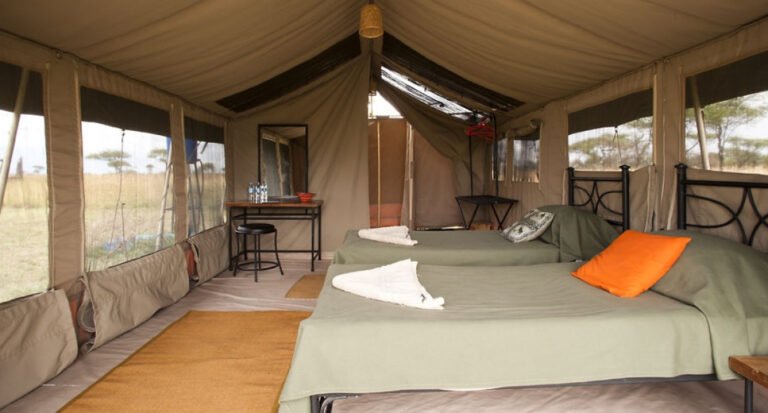
Afcon Kilimanjaro Ngorongoro And Zanzibar Holiday
AFCON 2027 Kilimanjaro Ngorongoro and Zanzibar Holiday.
View package details
Afcon Mount Kilimanjaro And Serengeti Package
AFCON 2027 Mount Kilimanjaro and Serengeti Package.
View package details
AFCON 2027 Safari Packages from Tanzania
Hitaji la safari ya kundoka ili kufurahia AFCON 2027? Chagua kutoka kwa mikakati ya safari nchini Tanzania inayoambatana na wildlife, mbuga maarufu, na uwekaji wa huduma ya kimataifa ya...
View package detailsNo related package matches those filters. Clear one or more filters to see the other topic-matched options.