
Combining a Kilimanjaro climb with a Serengeti safari offers the pinnacle of Tanzanian adventure, typically involving a 5-9 day trek up Africa’s highest peak followed by a 3-7 day safari exploring one of the world’s most iconic wildlife destinations. This integrated journey requires careful planning, ideally starting 6-12 months in advance for 2026-2027 departures, focusing on selecting the right Kilimanjaro route for your fitness and desired experience, timing your visit for optimal wildlife migration in the Serengeti, and coordinating logistics between the two distinct adventures.
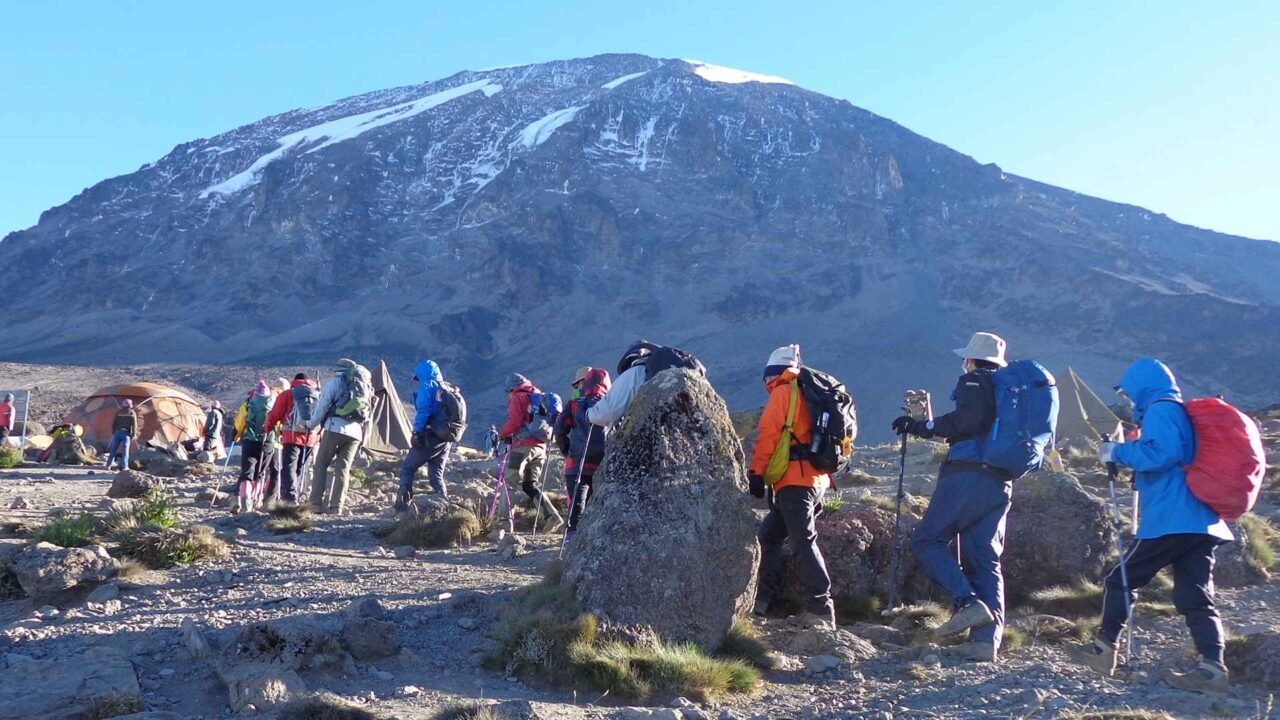
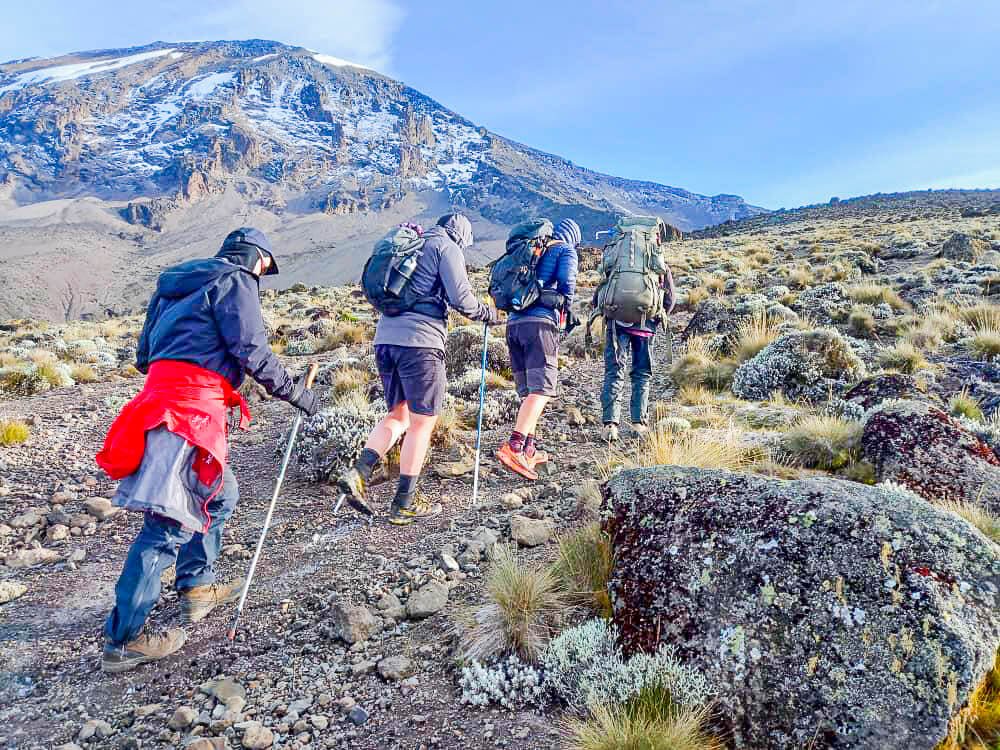
The Allure of Kilimanjaro and Serengeti Combined
The sheer ambition of standing atop Kilimanjaro, the Roof of Africa, followed by the awe-inspiring spectacle of the Great Migration in the Serengeti, represents a dual pilgrimage for many adventurers. It’s more than just ticking off two bucket-list items; it’s about experiencing the profound diversity of Tanzania, from its highest mountain summit to its most fertile plains teeming with life. This combination offers a comprehensive taste of East Africa’s natural wonders, a journey that challenges physically and rewards spiritually. For travelers considering Kilimanjaro and Serengeti safari adventures in 2026 or 2027, understanding how these two experiences complement each other is the first step in crafting an unforgettable expedition.
The contrast is striking: the stark, alpine beauty of Kilimanjaro’s upper reaches versus the sprawling, golden grasslands of the Serengeti. One is a test of endurance and acclimatization, a solitary conquest against the elements. The other is an immersion into a dynamic ecosystem, a constant unfolding of predator-prey dramas and the rhythmic pulse of millions of wildebeest and zebras. When planned together, these experiences create a narrative arc for a trip that is both physically demanding and deeply moving, offering a holistic encounter with Tanzania’s wild heart. The logistics are manageable, and the rewards are immeasurable, making this dual adventure a top choice for discerning travelers.
Many travelers dream of this iconic pairing. They envision the summit sunrise after a challenging climb, followed by the thrilling sight of a lion pride on the hunt or a river crossing during the migration. This synergy is what makes the Kilimanjaro and Serengeti safari package so compelling. It’s about achieving a personal summit and then witnessing the planet’s most magnificent wildlife spectacle. The planning, while detailed, is well worth the effort to create a trip that balances high-altitude achievement with unparalleled wildlife encounters. The year 2026 or 2027 could be the perfect time for you to start this extraordinary journey.
Planning Your Kilimanjaro and Serengeti Safari in 2026-2027
Embarking on a combined Kilimanjaro and Serengeti safari for 2026-2027 requires a strategic approach. The key lies in synchronizing the best times to visit both destinations while aligning them with your personal fitness, time availability, and budget. This integrated trip typically spans 10 to 16 days, with roughly 5-9 days dedicated to the Kilimanjaro climb and 3-7 days for the Serengeti safari, plus travel days. A common sequence is to climb Kilimanjaro first, allowing for recovery and a sense of accomplishment before immersing yourself in the safari experience. Alternatively, some prefer the safari first to fully relax before the physical challenge of the mountain.
Key Planning Considerations for 2026-2027:
- Timing is Crucial: The ideal months for combining these experiences often fall within Tanzania’s dry seasons (June to October and December to February). These periods offer the best trekking conditions on Kilimanjaro with clearer skies and stable weather, and prime wildlife viewing in the Serengeti, especially during the migration’s movements.
- Kilimanjaro Route Selection: The chosen route significantly impacts the climb’s difficulty, success rate, acclimatization profile, and overall experience. Longer routes like Lemosho or Machame are generally recommended for better acclimatization and higher success rates.
- Serengeti Safari Focus: Decide what you want to see. The Great Migration is a major draw, but the Serengeti offers incredible wildlife year-round. The location of the herds shifts, influencing where you should spend your safari days.
- Pace and Recovery: Allow at least one full day, preferably two, for rest and recovery after descending Kilimanjaro before commencing your safari. This is vital for physical well-being and to fully enjoy the safari.
- Logistics: Travel between Kilimanjaro International Airport (JRO), Moshi/Arusha (for the climb start/end), and the Serengeti (usually via a local airstrip or road) needs to be meticulously arranged.
- Budget: A combined trip is a significant investment. Understanding the costs associated with park fees, guides, porters, accommodation, internal flights, and safari vehicles is essential for budgeting for 2026-2027.
When planning for Kilimanjaro and Serengeti safari adventures in 2026-2027, it’s beneficial to work with a local operator like Climb 4 Africa. They possess the on-the-ground knowledge to tailor itineraries, navigate the complexities of park bookings, and ensure a smooth transition between the mountain and the plains. Their expertise is invaluable in maximizing your experience while managing potential challenges.
Choosing Your Kilimanjaro Route
The selection of your Kilimanjaro route is arguably the most critical decision for your mountain trek, directly impacting acclimatization, scenery, and success rates. For those combining it with a Serengeti safari, choosing a route that maximizes your chances of reaching Uhuru Peak while minimizing the risk of altitude sickness is paramount. The general advice for a combined Kilimanjaro and Serengeti safari in 2026-2027 is to opt for longer routes, as they provide better acclimatization, which is key for a successful summit and for feeling well enough to enjoy the subsequent safari.
Here’s a breakdown of popular routes and their suitability:
Machame Route (7-Day Option)
Often called the “Whiskey Route,” Machame is one of the most scenic and popular routes. The 7-day version offers a good balance of ascent and descent, with a reasonable acclimatization profile. It’s a trekker-friendly path with beautiful views. However, for a combined Kilimanjaro and Serengeti safari, the 7-day Machame might be slightly rushed. A 6-day Machame is possible but less recommended for acclimatization. The 7-day Machame is a solid option for many, but consider the 8-day variation for improved acclimatization and a higher success rate, especially when factoring in the energy needed for a safari afterward.
- Pros: Scenic, good acclimatization on longer versions, relatively good success rates.
- Cons: Can be crowded, the 6-day option has lower success rates due to less acclimatization.
- Best for: Most trekkers, especially those opting for the 7 or 8-day variations.
Lemosho Route (8-Day Option)
The Lemosho route is widely considered one of the best for acclimatization and scenery. It’s longer, typically 8 days, allowing for a more gradual ascent and a higher chance of success. The route traverses the western side of Kilimanjaro before joining the Machame route. Its remote starting point offers a true wilderness feel, and the extended time on the mountain is invaluable for physiological adaptation. For a combined Kilimanjaro and Serengeti safari in 2026-2027, the 8-day Lemosho is an excellent choice, ensuring you’re in peak condition for the plains.
- Pros: Excellent acclimatization, very scenic, high success rates, remote start.
- Cons: Slightly more expensive due to longer duration and transport to the starting point.
- Best for: Travelers prioritizing acclimatization, success rates, and a more in-depth mountain experience.
Marangu Route (5 or 6-Day Option)
Known as the “Coca-Cola” route, Marangu is the oldest and only route that offers dormitory-style accommodation in huts. It’s often perceived as easier due to the huts and a more gradual slope on some sections. However, it has the lowest success rates because it ascends and descends the same path, leading to poorer acclimatization. For a combined Kilimanjaro and Serengeti safari, the Marangu route is generally not recommended unless a traveler has specific reasons for preferring huts and is very confident in their acclimatization abilities. The 5-day option is particularly challenging regarding altitude adaptation.
- Pros: Huts offer more comfort than camping, can be slightly cheaper.
- Cons: Lowest success rates, less scenic, very crowded, poor acclimatization.
- Best for: Travelers who strongly prefer huts over camping and have previous high-altitude experience.
Other routes like the 8-day Northern Circuit (highest success rate, most scenic, longest) and the 7-day Rongai (starts from the north, good for drier conditions) are also options. When planning your Kilimanjaro and Serengeti safari for 2026-2027, Climb 4 Africa can help you assess which route best fits your physical condition, time, and desired experience, ensuring you have the best possible foundation for your safari adventure.
Serengeti Safari Essentials: Wildlife, Timing, and Experiences
A Serengeti safari is the perfect counterpoint to the physical exertion of climbing Kilimanjaro. This vast ecosystem, renowned for its boundless plains and dramatic wildlife spectacles, offers a different kind of adventure. For those combining it with a Kilimanjaro and Serengeti safari, understanding the nuances of the Serengeti will enhance your experience immensely, especially when planning for 2026-2027.
The Great Migration: A Must-See Phenomenon
The Serengeti is most famous for the annual Great Migration, where over 1.5 million wildebeest, zebras, and gazelles traverse the plains in search of fresh grazing. This is a continuous, cyclical movement, and its location varies throughout the year. Catching the migration is a highlight for many, but it requires precise timing.
- December – March: Calving season in the southern Serengeti and Ndutu area. Witness thousands of newborns, and the predator action that follows. Excellent for general game viewing and predator sightings.
- April – May: The herds begin to move north. This is the “green season” or “long rains,” which can make some areas inaccessible and may affect road conditions. However, fewer crowds and lush landscapes can be a plus.
- June – October: The herds are typically in the western and northern Serengeti. This is often the time for the dramatic river crossings of the Grumeti (June/July) and Mara (July-October) rivers. These months are part of Tanzania’s dry season, offering excellent general game viewing and clear skies.
- November: A brief “short rains” period often sees the herds moving back towards the south.
For a combined Kilimanjaro and Serengeti safari, aiming for the dry seasons (June-October or December-February) is generally best for both mountain trekking and reliable safari viewing. If your priority is witnessing the river crossings, July to September is prime time. If calving season is of interest, aim for February.
Beyond the Migration: Year-Round Wildlife Magic
Even outside the migration’s peak movements, the Serengeti is an unparalleled wildlife destination. It boasts one of the highest concentrations of predators in Africa, including lions, leopards, cheetahs, hyenas, and wild dogs. The central Serengeti (Seronera Valley) is known for its resident wildlife and excellent leopard sightings year-round. The northern Serengeti offers spectacular lion and leopard viewing, particularly near the Mara River.
Safari Experience Options:
- Vehicle Safaris: The most common way to explore. Open-sided 4×4 vehicles provide excellent viewing opportunities. Consider a private vehicle for maximum flexibility and a personalized experience.
- Walking Safaris: Offered in specific areas (like the Serengeti’s Western Corridor or the Grumeti Reserve), these provide an intimate connection with the bush, focusing on smaller details and tracking.
- Hot Air Balloon Safaris: A impressive way to see the Serengeti at sunrise, offering a bird’s-eye view of the vast plains and wildlife. This is a premium experience, often booked as an add-on.
When planning your Kilimanjaro and Serengeti safari for 2026-2027, discussing your wildlife interests with your tour operator is key. Whether you’re keen on the drama of the migration, tracking elusive leopards, or simply enjoying the vastness of the landscape, tailoring the safari portion ensures it complements your Kilimanjaro achievement perfectly. Climb 4 Africa can help craft an itinerary that maximizes your chances of seeing your desired wildlife, aligning with the best seasonal movements.
Logistics and Itinerary Flow: smooth Transitions
Successfully combining a Kilimanjaro climb with a Serengeti safari hinges on smooth logistics. The transition between these two vastly different experiences needs to be smooth to maximize enjoyment and minimize stress. For a 2026-2027 trip, it’s essential to understand how these elements connect and what arrangements are necessary.
Typical Itinerary Flow:
- Arrival in Tanzania: Fly into Kilimanjaro International Airport (JRO). You’ll typically be met and transferred to your hotel in Moshi or Arusha, the gateway towns for Kilimanjaro. Spend 1-2 nights here preparing for the climb, meeting your guide, and attending a pre-climb briefing.
- Kilimanjaro Climb: Begin your chosen route (e.g., Machame, Lemosho). This will take 5-9 days, culminating in your summit attempt and descent back to the base.
- Post-Climb Recovery: After descending Kilimanjaro, you’ll be transferred back to your hotel in Moshi or Arusha. Crucially, allow at least 1-2 full days for rest and recovery. This period is vital for physical recuperation and to combat any lingering effects of altitude. You can use this time for light activities, exploring local markets, or simply relaxing.
- Transition to Safari: From Arusha, you will typically travel to the Serengeti. This can be done in two main ways:
- By Road: A scenic, albeit longer, journey. You’ll drive from Arusha to the Serengeti gate, often stopping at a Maasai village or visiting the Ngorongoro Conservation Area en route. This typically takes a full day.
- By Air: A much quicker option. You’ll be transferred to Arusha Airport (ARK) for a scheduled or private charter flight to a Serengeti airstrip (e.g., Seronera, Kogatende). This saves significant travel time, allowing more time for game drives. For a combined Kilimanjaro and Serengeti safari, flying is often preferred to maximize safari time.
- Serengeti Safari: Spend 3-7 days exploring the Serengeti, moving between different regions based on the season and wildlife movements. Your safari will include game drives in a dedicated 4×4 vehicle with a guide.
- Departure: Depending on your flight schedule, you might fly from a Serengeti airstrip back to Kilimanjaro International Airport (JRO) for your international departure, or connect via Arusha. Alternatively, some travelers extend their trip to Zanzibar after the safari.
Key Logistical Points:
- Internal Flights: Booking internal flights between Arusha and the Serengeti well in advance is recommended, especially for 2026-2027 travel, as seats can be limited.
- Accommodation: Arrangements for hotels in Arusha/Moshi (pre/post-climb) and safari lodges or tented camps in the Serengeti need to be coordinated.
- Park Fees: Kilimanjaro National Park fees and Serengeti National Park fees (plus any other conservation area fees like Ngorongoro) are significant costs and need to be factored into the overall budget.
- Transfers: All airport transfers, hotel transfers, and transfers between the climb start/end points and safari departure points must be smooth.
Working with an experienced operator like Climb 4 Africa is essential for managing these complex logistics. They ensure that your Kilimanjaro and Serengeti safari flows effortlessly, from the moment you land in Tanzania to your departure, allowing you to focus on the incredible experiences.
Preparing for the Adventure: Fitness, Gear, and Health
A successful Kilimanjaro and Serengeti safari demands thorough preparation, covering physical fitness, appropriate gear, and essential health precautions. The demands of climbing Kilimanjaro are significant, and while the safari is less physically strenuous, it requires endurance for early mornings and long days in a vehicle. Proper preparation ensures you are ready for both aspects of your 2026-2027 adventure.
Physical Fitness for Kilimanjaro:
The most crucial factor for Kilimanjaro success is cardiovascular fitness and, importantly, the ability to hike for extended periods, often for 6-8 hours a day, and on summit night, up to 12-14 hours. Altitude is the primary challenge, but being physically fit helps your body cope better. Focus on:
- Cardiovascular Endurance: Regular aerobic exercise like hiking, running, cycling, or swimming 3-5 times a week.
- Hiking Practice: Undertake long hikes (4-6 hours) carrying a daypack, ideally on varied terrain with inclines. Practice hiking on consecutive days if possible.
- Strength Training: Focus on leg strength (squats, lunges) and core strength.
- Mental Preparation: Be prepared for challenging conditions, cold, and fatigue. The mental aspect is as important as the physical.
Essential Gear for Kilimanjaro:
Layering is key for Kilimanjaro. Temperatures can range from tropical at the base to arctic at the summit. Investing in good quality gear is crucial, and rental options are often available for some items.
- Clothing: Moisture-wicking base layers, insulating mid-layers (fleece/down), and a waterproof/windproof outer shell (jacket and trousers).
- Footwear: Broken-in, waterproof hiking boots are non-negotiable.
- Headwear: Warm hat, sun hat, balaclava/buff for summit night.
- Handwear: Warm, waterproof gloves or mittens, and liner gloves.
- Accessories: Sunglasses, headlamp with extra batteries, high SPF sunscreen, lip balm, water bottles/hydration reservoir (insulated to prevent freezing), trekking poles.
- Sleeping Gear: A warm sleeping bag (rated to -15°C or -20°C) and a sleeping bag liner.
Gear for Serengeti Safari:
Safari gear is generally more relaxed but still requires practical choices.
- Clothing: Lightweight, breathable clothing in neutral colors (khaki, beige, olive green). Avoid bright colors and dark blue/black, which can attract insects. Long sleeves and trousers are recommended for sun and insect protection.
- Footwear: Comfortable walking shoes or trainers are sufficient. You won’t be doing much hiking.
- Outerwear: A light jacket or fleece for cooler mornings and evenings.
- Accessories: Sun hat, sunglasses, binoculars, camera, insect repellent.
Health and Vaccinations:
Consult your doctor or a travel clinic 6-8 weeks before your trip for personalized advice. Common recommendations include:
- Vaccinations: Yellow Fever (required if arriving from or transiting through certain countries), Hepatitis A and B, Typhoid, Tetanus, Polio.
- Malaria Prevention: Tanzania is a malaria risk area. Discuss appropriate antimalarial medication with your doctor.
- Altitude Sickness (AMS): This is a significant risk on Kilimanjaro. Proper acclimatization (achieved through route choice and pacing) is the best prevention. Diamox (acetazolamide) can be prescribed by your doctor to aid acclimatization, but it is not a substitute for slow ascent.
- Travel Insurance: Ensure your travel insurance covers high-altitude trekking (up to 6,000 meters) and emergency medical evacuation. This is absolutely critical for Kilimanjaro.
For your Kilimanjaro and Serengeti safari in 2026-2027, meticulous preparation in these areas will ensure you are physically and mentally ready to embrace every aspect of this extraordinary journey. Climb 4 Africa provides detailed packing lists and pre-departure information to guide you through this process.
Booking Your Kilimanjaro and Serengeti Trip
Booking a combined Kilimanjaro and Serengeti safari is a significant undertaking, and choosing the right operator is key to a successful and memorable experience. For your 2026-2027 adventure, partnering with a reputable company like Climb 4 Africa ensures that all the intricate details are handled with local expertise and a commitment to your safety and enjoyment.
Why Book with Climb 4 Africa?
- Local Expertise: As a Tanzanian-based company, Climb 4 Africa has unparalleled knowledge of Kilimanjaro, the Serengeti, and the logistical intricacies of combining these adventures.
- Safety First: We prioritize your safety on Kilimanjaro with experienced guides trained in wilderness first aid and high-altitude medicine. Our safari guides are seasoned professionals with extensive knowledge of wildlife and the parks.
- Tailor-Made Itineraries: We understand that every traveler is unique. We can customize your Kilimanjaro and Serengeti safari to match your fitness level, interests, budget, and desired pace. Whether you prefer a private climb and safari or joining a group, we can arrange it.
- Quality Equipment and Services: We provide high-quality camping gear for Kilimanjaro, ensuring comfort and warmth. Our safari vehicles are robust and well-maintained, equipped for optimal game viewing.
- Responsible Tourism: We are committed to ethical tourism practices, fair treatment of our porters and staff, and conservation efforts within the national parks.
The Booking Process:
1. Initial Inquiry: Contact Climb 4 Africa with your desired travel dates for 2026-2027, preferred Kilimanjaro route, duration for both activities, and any specific interests (e.g., photography, birdwatching, specific wildlife). You can reach us via WhatsApp +255 747 477 898 or Email climb4africa@gmail.com.
2. Itinerary Customization: Based on your inquiry, we will propose a detailed itinerary, including recommended Kilimanjaro routes, safari regions, accommodation options, and a breakdown of inclusions and exclusions.
3. Quotation and Discussion: We will provide a transparent quotation for your customized Kilimanjaro and Serengeti safari package. We encourage you to ask questions to ensure you are comfortable with all aspects of the trip.
4. Booking Confirmation: Once you are satisfied, a deposit will be required to confirm your booking. This secures your preferred dates, guides, and accommodation. We will provide a detailed booking confirmation and payment schedule.
5. Pre-Departure Support: We offer comprehensive pre-departure information, including packing lists, visa advice, health recommendations, and final itinerary details. We are available to answer any questions leading up to your departure.
What to Consider Before Booking:
- Travel Insurance: As mentioned, ensure it covers high-altitude trekking and medical evacuation.
- Visa Requirements: Check visa regulations for Tanzania for your nationality well in advance.
- Health Preparations: Consult your doctor for vaccinations and malaria prophylaxis.
- Physical Fitness: Be honest about your fitness level and choose a Kilimanjaro route accordingly.
Choosing to start a Kilimanjaro and Serengeti safari is a decision to experience two of Africa’s most iconic natural wonders. Let Climb 4 Africa be your partner in making this dream a reality for 2026-2027. Contact us today to start planning your ultimate Tanzanian adventure.
“,
“faq_schema”: [
{
“question”: “What is the best time of year for a Kilimanjaro and Serengeti safari in 2026-2027?”,
“answer”: “The best time generally aligns with Tanzania’s dry seasons: June to October and December to February. These months offer clearer skies and stable weather for Kilimanjaro trekking, and prime wildlife viewing, including the Great Migration’s movements, in the Serengeti. For specific migration events like river crossings, July to September is ideal; for calving season, February is best.”
},
{
“question”: “How long does a combined Kilimanjaro and Serengeti safari typically take?”,
“answer”: “A combined trip usually requires 10 to 16 days. This includes 5-9 days for the Kilimanjaro climb, 1-2 days for post-climb recovery, 3-7 days for the Serengeti safari, and travel days to and from Tanzania and between the destinations.”
},
{
“question”: “Which Kilimanjaro route is best for a combined safari trip?”,
“answer”: “For a combined Kilimanjaro and Serengeti safari, longer routes like the 8-day Lemosho or the 7-day Machame are highly recommended. They offer better acclimatization, increasing success rates on the mountain and ensuring you feel well enough to enjoy the subsequent safari. The 8-day Northern Circuit also boasts excellent success rates.”
},
{
“question”: “What are the main logistical considerations for this trip?”,
“answer”: “Key logistics include coordinating arrival at Kilimanjaro International Airport (JRO), transfers to Moshi/Arusha, the Kilimanjaro climb itself, post-climb recovery, and the transition to the Serengeti, which can be by road or by air (recommended for saving time). Booking internal flights and accommodation well in advance is crucial, especially for 2026-2027 travel.”
},
{
“question”: “What kind of fitness is required for Kilimanjaro?”,
“answer”: “Significant cardiovascular fitness is essential, along with the ability to hike for many hours daily, including a long summit night. Focus on endurance through regular aerobic exercise and practice hikes with a daypack. While fitness helps, acclimatization is the most critical factor for summit success.”
},
{
“question”: “Do I need special gear for both Kilimanjaro and the Serengeti?”,
“answer”: “Yes. Kilimanjaro requires specialized high-altitude trekking gear for layering, including waterproof/windproof outer shells, warm mid-layers, thermal base layers, and sturdy, broken-in hiking boots. For the Serengeti safari, lightweight, neutral-colored clothing, comfortable walking shoes, and sun protection are key. Binoculars and a camera are highly recommended for wildlife viewing.”
},
{
“question”: “Is travel insurance mandatory for a Kilimanjaro and Serengeti safari?”,
“answer”: “Absolutely. Comprehensive travel insurance that specifically covers high-altitude trekking (up to 6,000 meters) and emergency medical evacuation is non-negotiable for Kilimanjaro. It is also essential for the safari portion of your trip.”
},
{
“question”: “How do I book a combined Kilimanjaro and Serengeti safari with Climb 4 Africa for 2026-2027?”,
“answer”: “You can initiate your booking by contacting Climb 4 Africa via WhatsApp at +255 747 477 898 or by emailing climb4africa@gmail.com. Provide your desired travel dates, preferred Kilimanjaro route, and any specific interests. They will then help customize your itinerary and provide a detailed quotation.”
}
]
}
“`
Check Availability for Kilimandjaro Et Safari Serengeti 2026-2027
Ready to compare dates, prices, and the best option for your group? Send the package name and travel month so the team can reply with a clear quote, availability, and what is included.
3 Day Joining Safari Group Departures From Moshi: 2026
Discover convenient 3-day group safari departures from Moshi, perfect for maximizing your Tanzania adventure. Explore wildlife-rich parks like Tarangire, Manyara, or the Serengeti on shared...
View package detailsWhat Really Happens During The Great Migration? Your Expert Tanzania Safari
The Great Migration is a constant, dynamic cycle of life and death in Tanzania's Serengeti and Kenya's Maasai Mara. Understand the wildebeest, zebra, and predator movements, the best times...
View package detailsWhy Do Animals Gather In The Serengeti? Ultimate Guide 2026-2027
The Serengeti ecosystem is a global marvel, drawing millions of animals for survival. This guide explores the core reasons behind these gatherings, from vital water and grazing to the...
View package details10 Best Wildlife Destinations In The World For Unforgettable Safaris 2026-2027
Explore the planet's most incredible wildlife destinations, from the Serengeti to the Amazon. This comprehensive guide helps you choose and plan your next safari adventure, with practical...
View package detailsWhy Do Wildebeest Migrate Across Africa? Understanding The Great Migration
The great wildebeest migration is one of Africa's most spectacular wildlife events. This article explains the fundamental reasons behind this annual movement, focusing on the quest for...
View package details10 Places In Tanzania That Feel Like Another Planet 2026-2027
Discover Tanzania's most surreal and alien-like destinations. From the vast, mineral-rich plains of the Serengeti to the steaming vents of the Ol Doinyo Lengai volcano and the otherworldly...
View package detailsWhat Makes The Serengeti So Famous? 2026-2027
What Makes the Serengeti So Famous? is explained with current 2026-2027 planning, price, itinerary and booking information.
View package details20 Natural Wonders In Africa You Need To See 2026-2027
Explore Africa's most spectacular natural wonders, from the majestic peaks of Kilimanjaro and the vast plains of the Serengeti to the unique landscapes of Namibia and the vibrant coral...
View package detailsWhat Makes Tanzania So Special For Wildlife Lovers? An Expert Guide 2026-2027
Tanzania stands out for wildlife enthusiasts due to its staggering biodiversity, world-renowned national parks like the Serengeti and Ngorongoro Crater, and the unparalleled spectacle of...
View package detailsAfrica’s Best-Kept Travel Secrets Guide
Beyond the well-trodden paths of Kilimanjaro and the Serengeti, Tanzania holds a treasure trove of lesser-known yet equally spectacular travel experiences. This guide reveals Africa's...
View package details
2 Days 1 Night Safari To Mikumi, Udzungwa & Maasai Village: 2026
Discover the highlights of Tanzania's southern circuit on a rapid 2-day, 1-night safari, combining wildlife viewing in Mikumi, unique landscapes in Udzungwa, and cultural immersion with the...
View package details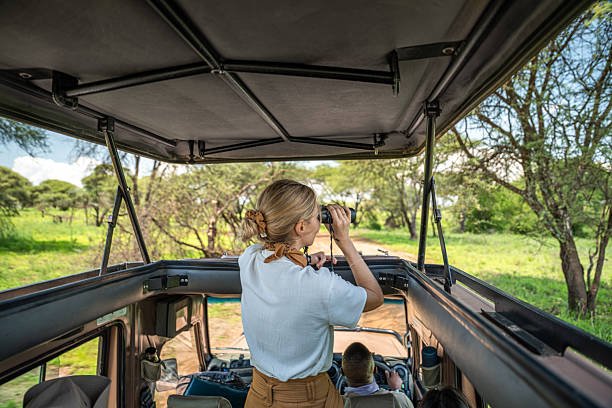
2 Day Group Joining Safari Departures From Moshi: Your Essential Guide
Explore 2-day group joining safaris departing from Moshi, Tanzania. This guide covers essential planning, itinerary options, what's included, and how to book your shared wildlife adventure...
View package detailsNo related package matches those filters. Clear one or more filters to see the other topic-matched options.



