
Kilimanjaro depuis Moshi involves choosing a trekking route that starts from the town, which serves as the primary gateway for most climbers. Moshi offers essential services, accommodation, and tour operator bases for planning and preparing your climb. Key considerations include selecting a route based on duration and difficulty (e.g., Machame, Lemosho, Marangu), understanding the costs involved, arranging permits, and preparing physically for the ascent, with 2026 and 2027 planning now underway for peak seasons.
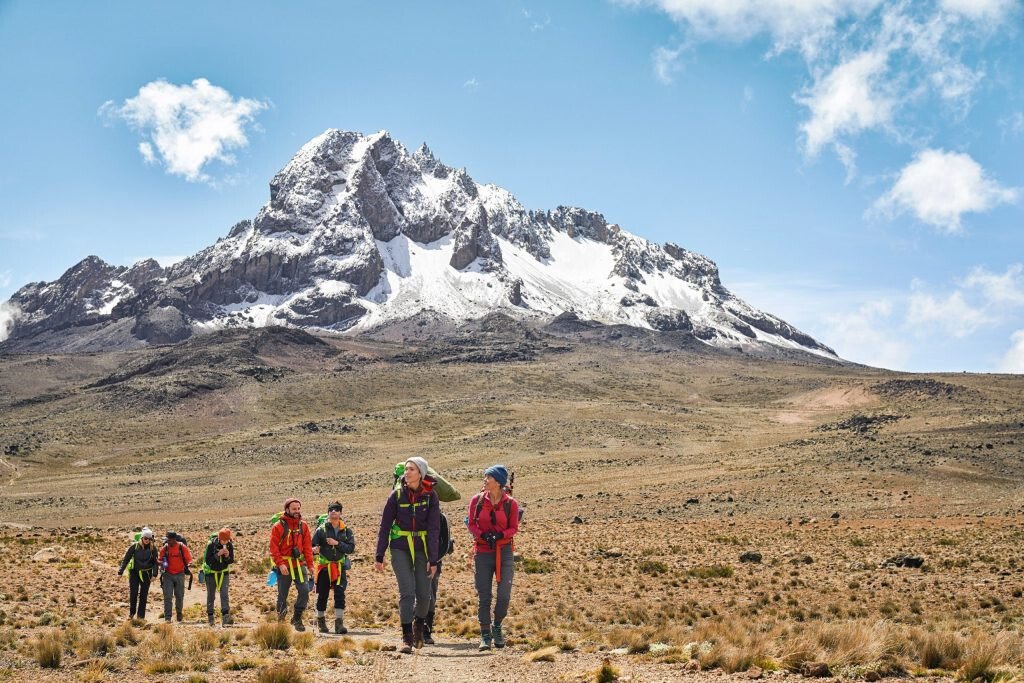
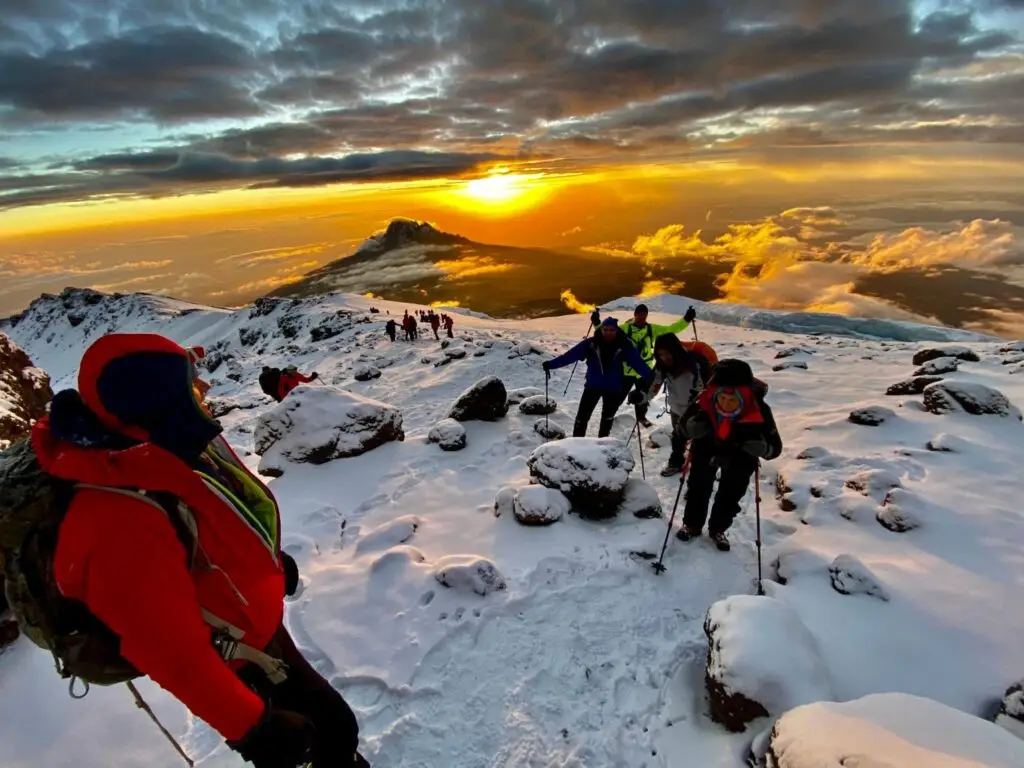
Understanding Moshi as Your Kilimanjaro Base
Moshi is more than just a starting point; it’s the vibrant heart of the Kilimanjaro region, a bustling town located at the foot of Africa’s highest peak. For anyone planning a Kilimanjaro trek, Moshi is where the journey truly begins. It’s the logistical hub where you’ll meet your guides, finalize gear checks, attend pre-climb briefings, and soak in the anticipation of the adventure ahead. Most climbers spend at least one night in Moshi before ascending and one night after descending, using it as a comfortable base to acclimatize slightly, arrange last-minute supplies, and recover from the challenging yet rewarding climb.
The town itself offers a unique cultural experience. You’ll find local markets, craft shops, cafes, and a friendly atmosphere. The proximity to the mountain means that even from the town, on clear days, you can often catch glimpses of Kilimanjaro’s snow-capped summit, a constant reminder of the objective. For travelers arriving internationally, Kilimanjaro International Airport (JRO) is conveniently located between Arusha and Moshi, making transfers straightforward.
Choosing a reputable tour operator based in Moshi, like Climb 4 Africa, is crucial. They handle the complex logistics, including park fees, porters, guides, food, and safety equipment. Understanding their role and how they operate from Moshi is fundamental to a successful Kilimanjaro expedition. Their local expertise ensures you’re well-prepared for the specific conditions of Kilimanjaro, a mountain that demands respect and thorough planning, especially as you look towards expeditions in 2026 and 2027.
Kilimanjaro Routes Starting from Moshi: A Comparative Overview
When you decide to climb Kilimanjaro from Moshi, the first major decision is selecting the route. Each route offers a different experience, varying in length, difficulty, scenery, and acclimatization profile. The choice significantly impacts your chances of reaching the summit and the overall enjoyment of your trek. Moshi serves as the departure point for all these routes, with operators arranging transportation to the respective trailheads.
The Machame Route: The Most Popular Choice
Often called the “Whiskey Route” due to its popularity, the Machame Route is renowned for its scenic beauty and excellent acclimatization profile. It’s a challenging trek, typically lasting 6 to 7 days, and offers a high success rate because of its “climb high, sleep low” strategy. Starting from the Machame Gate, the route winds through diverse landscapes, from rainforests to moorlands and alpine deserts, culminating in the dramatic arctic zone near the summit.
Pros:
- Excellent acclimatization, leading to higher success rates.
- Stunning scenery with diverse vegetation zones.
- The camping experience is generally considered more adventurous.
Cons:
- Can be crowded, especially during peak seasons.
- Steep ascents and descents can be physically demanding.
- Requires camping, which might not suit everyone.
For those considering a trek in 2026 or 2027, booking the Machame Route well in advance is advisable, particularly for peak months like January, February, July, August, and September.
The Lemosho Route: Scenic and Remote
The Lemosho Route is a longer, more remote, and arguably more scenic option. It typically takes 7 to 8 days, offering superior acclimatization and a chance to experience the mountain’s wilder side. It begins in the west and crosses the Shira Plateau, offering impressive views and fewer crowds compared to Machame. The longer duration allows for a more gradual ascent and better adaptation to the altitude.
Pros:
- Exceptional acclimatization and high summit success rates.
- Starts in a remote, pristine area, offering solitude and stunning vistas.
- Diverse ecosystems and dramatic landscapes.
Cons:
- Longer duration means a higher overall cost.
- Can be more challenging due to its length.
Given its popularity for those seeking a more in-depth experience, booking Lemosho for 2026-2027 expeditions is highly recommended months in advance.
The Marangu Route: The “Coca-Cola” or Tourist Route
The Marangu Route is the oldest and most established path up Kilimanjaro. It’s often called the “Coca-Cola Route” because it’s the only one offering basic hut accommodation instead of camping. It’s also the shortest route, typically 5 to 6 days, making it seem like an easier option. However, its rapid ascent profile means poorer acclimatization and consequently, a lower summit success rate.
Pros:
- Comfortable hut accommodation, appealing to those who prefer not to camp.
- Less physically demanding in terms of terrain compared to some other routes.
- More affordable due to shorter duration and fewer logistical needs (no camping gear).
Cons:
- Poorer acclimatization leads to a significantly lower summit success rate.
- Can be very crowded.
- Scenery is less varied than other routes.
While seemingly simpler, the Marangu Route requires careful consideration regarding its acclimatization challenges, even for 2026-2027 climbs.
The Shira Route: Similar to Lemosho, but Shorter Start
The Shira Route is very similar to Lemosho, beginning with an overland transfer to the Shira Plateau itself, thus shortening the initial trekking days compared to Lemosho. It also offers excellent acclimatization and stunning scenery. It typically takes 7 to 8 days.
Pros:
- Good acclimatization and high success rates.
- Spectacular views from the Shira Plateau.
- Fewer crowds than Marangu or Machame.
Cons:
- Higher initial altitude of the plateau can be challenging for some.
- Longer duration implies higher costs.
The Rongai Route: Best for Dry Season
The Rongai Route approaches Kilimanjaro from the north, near the Kenyan border. It’s the preferred route during the rainy seasons (April, May, November) as the northern side receives less rainfall. It’s a gradual ascent, typically 6 to 7 days, offering a good acclimatization profile and a more remote trekking experience.
Pros:
- Good for drier conditions, especially during shoulder seasons.
- Less crowded than southern routes.
- Gradual ascent aids acclimatization.
Cons:
- Scenery is less varied compared to western routes.
- The final summit push can be less spectacular.
The Northern Circuit: The Longest and Highest Success Rate
The Northern Circuit is the longest route, typically 9 days, and encircles the mountain. Its length provides the best acclimatization, leading to the highest summit success rates. It offers incredible views and a more remote experience, starting and ending in the west.
Pros:
- Highest success rate due to excellent acclimatization.
- Most scenic and remote route, offering a true wilderness experience.
- Abundant wildlife viewing opportunities.
Cons:
- Longest duration means the highest cost.
- Requires significant time commitment.
The Umbwe Route: The Most Challenging
The Umbwe Route is the shortest, steepest, and most direct path to the summit. It’s considered the most challenging and is generally recommended only for experienced high-altitude hikers who are very fit and have excellent acclimatization capabilities. It typically takes 5 to 6 days.
Pros:
- Direct and challenging, appealing to seasoned adventurers.
- Fewer crowds.
Cons:
- Very steep ascent with rapid altitude gain.
- Significantly lower summit success rate due to poor acclimatization.
- Requires exceptional fitness and prior high-altitude experience.
Planning Your Kilimanjaro Trek from Moshi: Key Considerations
Successfully climbing Kilimanjaro from Moshi requires meticulous planning. It’s not just about booking a trip; it’s about preparing for a significant physical and mental challenge. As you look towards 2026-2027, here are the critical elements to consider:
Best Time to Climb Kilimanjaro
Kilimanjaro can be climbed year-round, but certain periods offer better weather conditions, increasing your chances of a successful and enjoyable trek. The peak seasons are generally:
- January to March: Generally dry, clear skies, but can be very cold with snow on the summit. Ideal for those who can handle the cold.
- June to October: This is the main dry season, with cooler temperatures and clear skies. It’s a very popular time, so booking in advance for 2026 and 2027 is essential.
The shoulder seasons and rainy seasons are:
- April and May: Long rains, often heavy, making trails muddy and visibility poor. Generally not recommended.
- November and December: Short rains, usually characterized by afternoon showers. Can still be a good time to climb if you are prepared for occasional rain, and there are fewer crowds.
Many climbers prefer the drier, clearer months of June to October 2026 and January to March 2027 for their expeditions.
Physical Preparation for Kilimanjaro
Kilimanjaro is a high-altitude trek, not a technical climb, but it demands significant physical fitness. The primary challenge is the altitude, which affects everyone differently. However, good cardiovascular fitness is essential.
- Cardiovascular Training: Focus on activities like hiking (especially with a backpack on hills), running, cycling, and swimming. Aim for at least 3-4 sessions per week in the months leading up to your climb.
- Strength Training: Concentrate on leg strength (squats, lunges) and core stability.
- Hiking Practice: The most relevant training is hiking, ideally on varied terrain and with a weighted backpack, to simulate mountain conditions. Practice multi-day hikes if possible.
- Altitude Acclimatization: While training can’t fully prepare you for altitude, being fit means your body can focus on acclimatization rather than just struggling with exertion.
For 2026-2027 treks, start your training program at least 3-6 months in advance.
Acclimatization Strategies on the Mountain
Proper acclimatization is the single most important factor for a successful summit. Altitude sickness (Acute Mountain Sickness – AMS) can affect anyone, regardless of fitness level. Kilimanjaro’s routes are designed with acclimatization in mind, especially the longer ones (7+ days).
Key Principles:
- Go “Pole Pole”: This Swahili phrase means “slowly, slowly.” Walk at a pace that allows you to hold a conversation.
- Hydration: Drink plenty of water (3-4 liters per day). Avoid alcohol and caffeine, which can dehydrate you.
- “Climb High, Sleep Low”: Routes that incorporate this strategy, where you ascend to a higher altitude during the day and then descend to a lower camp to sleep, significantly improve acclimatization.
- Listen to Your Body: Report any symptoms of altitude sickness (headache, nausea, dizziness, fatigue) to your guide immediately.
- Medication: Diamox (acetazolamide) can be prescribed by your doctor to help with acclimatization, but it is not a substitute for proper ascent profiles and slow progress.
Choosing a longer route (7 days or more) is the best strategy for acclimatization, especially for your 2026-2027 climb.
Packing Essentials for Your Kilimanjaro Trek
Packing correctly is vital for comfort and safety. Layers are key, as temperatures can vary dramatically from the base to the summit. Your tour operator will provide a detailed packing list, but here are some essentials:
- Clothing: Moisture-wicking base layers, insulating mid-layers (fleece), and a waterproof/windproof outer shell. Thermal leggings and tops are crucial.
- Footwear: Broken-in hiking boots (waterproof), camp shoes or sandals, and several pairs of warm socks (wool or synthetic).
- Headwear: Warm hat, sun hat with a brim, balaclava or neck gaiter for the summit night.
- Gloves: Liner gloves, warm waterproof gloves or mittens.
- Sleep System: Sleeping bag rated to -10°C to -20°C (you can often rent these).
- Backpack: A comfortable daypack (30-40 liters) for daily essentials, and a larger duffel bag (80-100 liters) for porters to carry.
- Other: Sunglasses, high SPF sunscreen, lip balm, headlamp with extra batteries, water bottles or hydration reservoir, trekking poles, personal first-aid kit, toiletries, camera, power bank.
Ensure you have suitable gear for all conditions, especially if planning a trek in the colder months of 2026 or 2027.
Costs and Budgeting for a Kilimanjaro Climb from Moshi
The cost of climbing Kilimanjaro can vary significantly based on the route, duration, operator, and level of service. Moshi-based operators often provide competitive pricing. It’s essential to understand what is included in the price to compare quotes accurately.
Typical Inclusions
A reputable tour operator will typically include:
- Park entry fees, camping/hut fees, and rescue fees.
- Experienced guides (licensed, first-aid certified), assistant guides, and porters.
- All meals on the mountain (breakfast, lunch, dinner).
- Cooks to prepare your meals.
- Tents (if camping), mess tent, tables, chairs.
- Boiled drinking water.
- Transfers from Moshi to the trailhead and back.
- Accommodation in Moshi before and after the climb (sometimes included, sometimes optional).
- Oxygen bottles and a comprehensive first-aid kit.
What’s Usually Excluded
- Flights to/from Kilimanjaro International Airport (JRO).
- Visa fees.
- Travel and medical insurance (mandatory).
- Tips for guides, porters, and cooks (a significant part of the total cost).
- Personal gear (sleeping bag, trekking poles, etc., though rentals are often available).
- Lunches and dinners in Moshi before/after the climb.
- Drinks other than water (e.g., sodas, beer).
- Personal expenses and souvenirs.
Price Ranges for 2026-2027
While exact prices fluctuate, you can expect the following ranges for a 6-7 day climb with a reputable operator like Climb 4 Africa:
- Budget Operators: May offer prices starting from $1200-$1600 per person. Be cautious and thoroughly research their safety standards, equipment, and crew welfare.
- Mid-Range Operators (Recommended): Typically range from $1800 to $2500 per person for a 6-7 day climb. These operators offer a good balance of quality, safety, and value. Climb 4 Africa falls into this category, focusing on ethical treatment of staff and a high level of service.
- Luxury Operators: Can range from $2500 upwards, offering more comfortable accommodations, higher guide-to-client ratios, and additional amenities.
Longer routes (8-9 days) will naturally cost more due to additional days of park fees and crew expenses. For example, a 9-day Lemosho or Northern Circuit trek might cost $2200-$3000+ per person.
Important Note on Tips: Tipping is customary and expected. Budget approximately $200-$300 per climber for tips for the entire crew (guides, assistant guides, porters, cook) on a standard 7-day climb. Your operator will provide recommended tipping guidelines.
When planning your 2026-2027 Kilimanjaro climb, factor in all these costs. Get detailed quotes and understand what’s included before making a decision. Contacting operators directly for customized quotes for your specific dates and route is the best approach.
Booking Your Kilimanjaro Trek from Moshi
Booking your Kilimanjaro trek from Moshi is a significant step. It’s advisable to book with a reputable, locally-based company that prioritizes safety, ethical treatment of staff, and environmental responsibility. Companies like Climb 4 Africa offer comprehensive packages and have a strong understanding of Kilimanjaro’s unique demands. They can assist with everything from route selection and itinerary planning to providing packing lists and pre-climb briefings. For your 2026 or 2027 expedition, contacting them early is key, especially if you have specific dates or a preferred route in mind. Early booking ensures availability, particularly for popular routes and peak seasons.
To start planning your Kilimanjaro adventure from Moshi, reach out to Climb 4 Africa:
- WhatsApp: +255 747 477 898
- Email: climb4africa@gmail.com
They can provide personalized itineraries and quotes tailored to your needs for your 2026-2027 climb.
Life on the Mountain: What to Expect During Your Trek
The experience of climbing Kilimanjaro is as much about the journey as it is about reaching the summit. Life on the mountain is structured, challenging, and incredibly rewarding. Understanding what to expect can help manage expectations and enhance your overall enjoyment.
Daily Routine
A typical day on Kilimanjaro involves:
- Morning: Wake up early, usually around 7:00 AM, to a cup of hot water brought to your tent. After a quick wash and dressing, you’ll have breakfast.
- Trekking: The main part of the day is spent walking. Guides set a slow, steady pace (“pole pole”). You’ll typically walk for 4-7 hours, depending on the day’s itinerary. Lunch is usually a packed meal eaten en route or a hot meal prepared by the cook at a scenic spot.
- Afternoon: Arrive at the campsite or hut in the early to mid-afternoon. You’ll be shown to your tent or room. Porters will set up the mess tent, where you can relax, hydrate, and prepare for the evening.
- Evening: A hot meal is served in the mess tent. Guides will brief you on the next day’s trek, including distance, altitude gain, and expected weather. You’ll then retire to your tent to rest and sleep.
Food and Drink on Kilimanjaro
The cooking crew does an amazing job providing nutritious and surprisingly varied meals at high altitudes. Expect:
- Breakfast: Porridge, eggs, sausages, toast, pancakes, fruit.
- Lunch: Packed lunches (sandwiches, boiled eggs, fruit, biscuits) or hot meals (soups, rice dishes, chicken).
- Dinner: Three-course meals including soup, a main course (e.g., chicken stew, beef curry, pasta with vegetables), and dessert (fruit, cake).
- Snacks: Biscuits, nuts, chocolate are often provided.
Hydration is paramount. You’ll be provided with boiled water, which you should supplement with your own electrolyte powders or purification tablets if preferred. Aim for 3-4 liters daily.
Crew and Support System
Your trekking crew is the backbone of your expedition. They work tirelessly to ensure your safety and comfort.
- Lead Guide: Responsible for overall safety, route planning, and managing the crew.
- Assistant Guides: Support the lead guide, monitor climbers’ health, and assist with pace.
- Porters: Carry all the equipment, including tents, food, cooking gear, and your duffel bag.
- Cooks: Prepare all meals on the mountain.
The quality of your crew significantly impacts the experience. Reputable operators like Climb 4 Africa ensure their crews are well-paid, well-equipped, and treated with respect, which translates to better service and safety on the mountain.
Safety and Emergency Procedures
Safety is the top priority on Kilimanjaro. Your guides are trained in high-altitude first aid and emergency rescue.
- Monitoring: Guides constantly monitor climbers for signs of altitude sickness.
- Evacuation: In case of serious illness or injury, evacuation procedures are in place. This often involves using a stretcher carried by porters or, in critical cases, a helicopter rescue (which requires insurance coverage).
- Oxygen: Most reputable operators carry supplementary oxygen for emergency use.
- Communication: Guides carry radios or satellite phones for emergency communication.
It is mandatory to have comprehensive travel insurance that covers high-altitude trekking and emergency evacuation.
Summit Night: The Ultimate Challenge
Summit night is the most demanding part of the Kilimanjaro climb. It typically begins around midnight from the last camp (e.g., Barafu Camp on most routes) and involves ascending through the night to reach the summit by sunrise.
The Ascent
You’ll wake up cold and tired. Dressed in your warmest layers, you’ll start the ascent, often walking in a single file behind your guide. The pace is extremely slow, with frequent short breaks. The terrain is steep and often involves scree or rocky paths. Temperatures can drop to -10°C to -20°C, with wind chill making it feel even colder.
Reaching Stella Point and Uhuru Peak
Most climbers aim to reach Stella Point (5,756m) by sunrise. From Stella Point, it’s another 45-60 minutes of relatively flat walking along the crater rim to reach Uhuru Peak (5,895m), the true summit of Kilimanjaro. This final stretch is often the most mentally challenging.
The Descent
After a brief celebration and photos at the summit, the descent begins. This is often faster and can be more challenging than the ascent, especially on scree slopes. Most climbers descend back to Barafu Camp for a short rest before continuing down to Mweka Camp (or Millennium Camp on some routes) on the same day. Descending is crucial for acclimatization; the faster you get to lower altitudes, the better.
Tips for Summit Night
- Stay Hydrated: Sip water constantly, even if you don’t feel thirsty.
- Eat Energy Food: Carry high-energy snacks (chocolate, nuts, energy bars) and eat regularly.
- Manage Your Layers: Adjust clothing to avoid overheating during the ascent and getting too cold during breaks.
- Keep Moving: Even slow movement generates body heat.
- Stay Positive: The mental battle is as significant as the physical one.
A successful summit bid is a testament to preparation, perseverance, and the support of your guides. Planning for your 2026 or 2027 summit night should include thorough preparation for this demanding phase.
Post-Climb: Returning to Moshi and Beyond
After a successful (or even unsuccessful) summit attempt, you’ll descend back to the Mweka Gate, where you’ll be met by your tour operator and transferred back to Moshi. The feeling of accomplishment upon returning to town is immense.
Debriefing and Celebration
Your tour operator will typically arrange a debriefing session where you can share your experiences, receive your climbing certificate (if you summited), and thank your crew. Many operators also organize a celebratory dinner or drinks in Moshi to mark your achievement.
Recovery and Relaxation
After days of strenuous activity, you’ll likely be exhausted. Moshi offers comfortable lodges and hotels for rest and recovery. This is the time to enjoy a hot shower, a comfortable bed, and delicious food. Many climbers also take the opportunity to explore Moshi town, buy souvenirs, or visit local attractions.
Further Adventures in Tanzania
Your journey to Kilimanjaro from Moshi can be the perfect prelude to other Tanzanian adventures. Climb 4 Africa specializes in creating tailor-made itineraries:
- Wildlife Safaris: Explore the world-renowned Serengeti National Park, Ngorongoro Crater, Tarangire National Park, and Lake Manyara. Combine your climb with a 3-5 day safari for an unforgettable experience. See group departure dates for safaris here: Tanzania Safari Group Departures.
- Zanzibar Holidays: Relax on the stunning beaches of Zanzibar, explore the historic Stone Town, and enjoy water sports.
- Day Trips: If time is limited, consider day trips to local waterfalls, coffee plantations, or cultural villages around Moshi.
For those planning their 2026 or 2027 trips, integrating a Kilimanjaro climb with a safari or beach holiday is a popular choice. The logistics can be seamlessly arranged by operators like Climb 4 Africa.
Choosing Your Operator: Why Climb 4 Africa?
Selecting the right tour operator is paramount for a safe, enjoyable, and ethical Kilimanjaro climb. Climb 4 Africa is a locally-owned company based in Moshi, deeply committed to providing exceptional experiences while ensuring the well-being of its staff and the preservation of the mountain environment.
Our Commitment to Quality and Ethics
- Local Expertise: Being based in Moshi means we have an unparalleled understanding of Kilimanjaro and its surrounding communities.
- Experienced Guides: Our guides are highly trained, experienced, and possess extensive knowledge of high-altitude trekking and first aid.
- Fair Wages and Conditions: We are committed to fair treatment and payment for our porters and guides, ensuring they are well-equipped and supported. This ethical approach contributes to a motivated and professional crew.
- Safety First: We adhere to strict safety protocols, carry comprehensive first-aid kits, and have access to supplementary oxygen.
- Tailor-Made Itineraries: Whether you prefer the popular Machame route or a more remote option like Lemosho or Northern Circuit for your 2026-2027 climb, we can customize an itinerary to suit your preferences and fitness level.
Planning Your 2026-2027 Kilimanjaro Adventure
As you plan your climb for 2026 or 2027, let Climb 4 Africa be your trusted partner. We offer a range of routes, including the Machame Route with group departures, and can craft private expeditions. Our goal is to make your Kilimanjaro dream a reality with a focus on safety, success, and an unforgettable experience.
Ready to take the next step? Contact us today to discuss your Kilimanjaro climb from Moshi. We are here to answer all your questions and help you plan the adventure of a lifetime.
Get in touch with Climb 4 Africa:
- WhatsApp: +255 747 477 898
- Email: climb4africa@gmail.com
- Website: Climb 4 Africa
We look forward to helping you conquer Kilimanjaro!
Check Availability for Kilimandjaro Depuis Moshi : Trek Et Informations Guide
Ready to compare dates, prices, and the best option for your group? Send the package name and travel month so the team can reply with a clear quote, availability, and what is included.
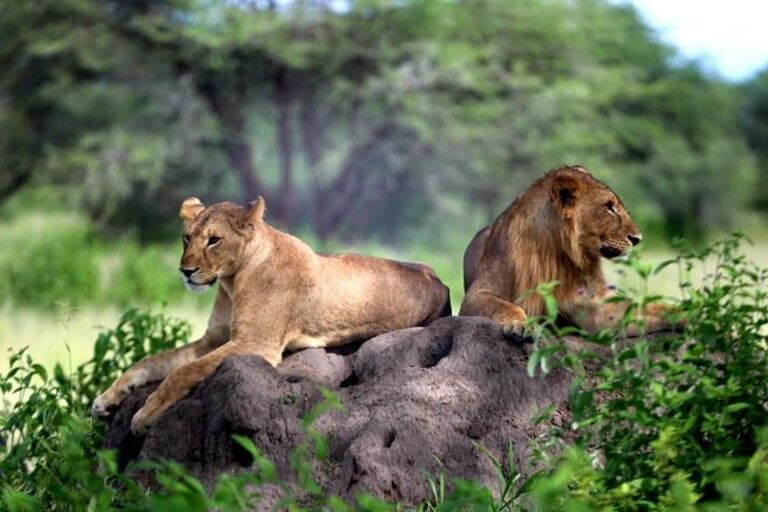
3 Day Joining Safari Group Departures From Moshi: 2026
Discover convenient 3-day group safari departures from Moshi, perfect for maximizing your Tanzania adventure. Explore wildlife-rich parks like Tarangire, Manyara, or the Serengeti on shared...
View package detailsWhat To Expect On Your First Kilimanjaro Trek: A Comprehensive Guide 2026-2027
Planning your first climb up Kilimanjaro? This comprehensive guide covers everything you need to know, from choosing a route and preparing your body to what daily life on the mountain is...
View package detailsKilimanjaro Climb Machame Route : Expert Guide For Your Trek 2026-2027
Discover the ultimate guide to climbing Mount Kilimanjaro via the Machame Route for your 2026 or 2027 adventure. This comprehensive resource covers everything from choosing an itinerary and...
View package details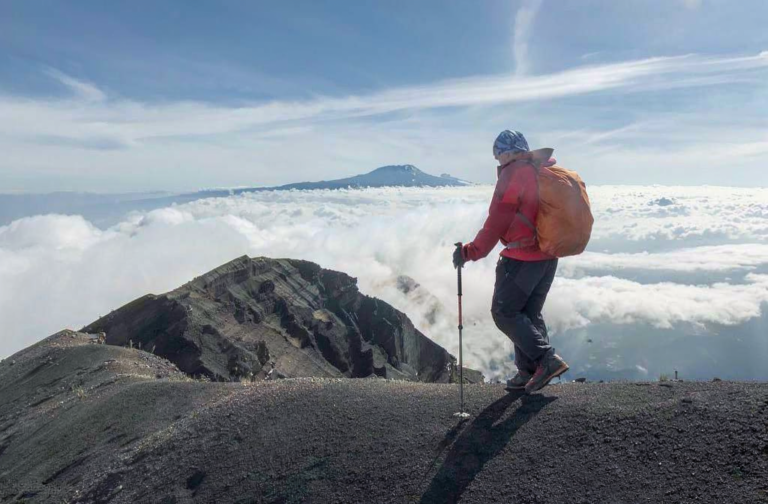
Trek Mont Meru 4 Jours: Your Complete Guide 2026-2027
start a 4-day trek up Mount Meru, a challenging yet rewarding climb near Kilimanjaro. This guide covers routes, preparation, gear, and essential tips for your 2026-2027 expedition.
View package details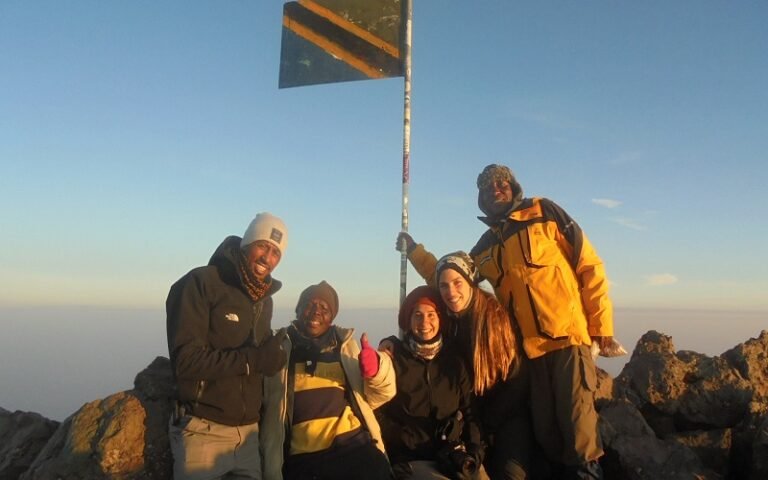
Trekking Monte Meru Tanzania: Precios, Ruta Y Consejos 2026-2027
Trekking Monte Meru Tanzania: precios, ruta y consejos is explained with current 2026-2027 planning, price, itinerary and booking information.
View package details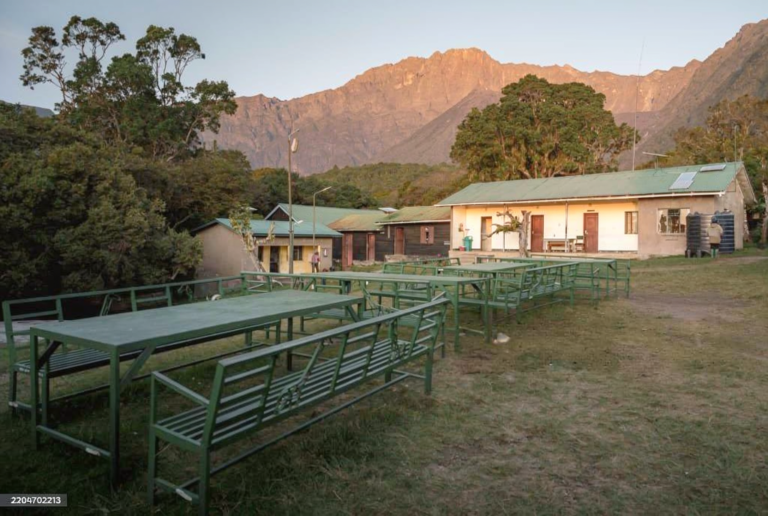
Mount Meru Trekking 3 Tage: Your Essential Planning Guide 2026-2027
A comprehensive guide to the 3-day Mount Meru trek, covering essential planning details for 2026-2027, including routes, preparation, what to expect, and booking advice.
View package details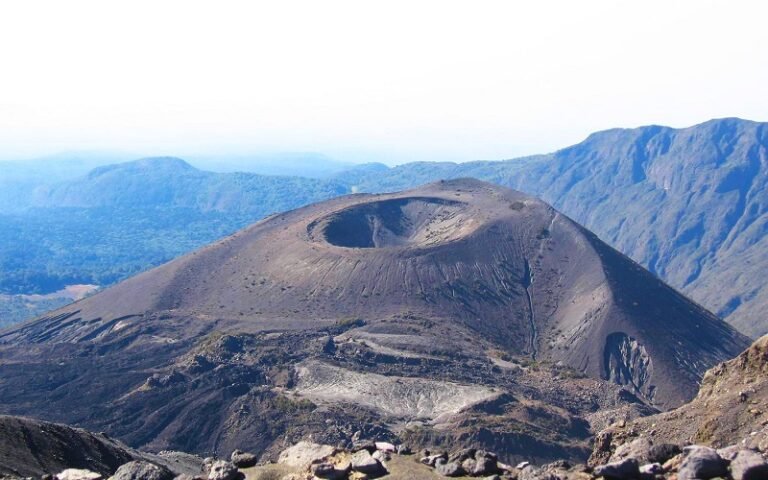
Mount Meru Trekking Ab Arusha 2026-2027
Mount Meru Trekking ab Arusha is explained with current 2026-2027 planning, price, itinerary and booking information.
View package detailsTrekking Monte Meru Desde Arusha: Your Ultimate Guide For 2026-2027
Your comprehensive guide to trekking Mount Meru from Arusha, covering everything from route options and difficulty to essential preparation and booking advice for climbs in 2026-2027.
View package details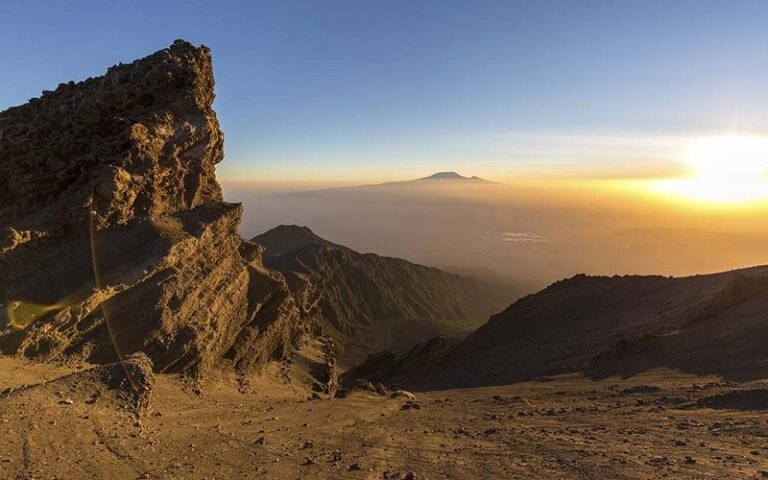
Monte Meru Y Kilimanjaro: Trekking En Tanzania 2026-2027
Discover the ultimate trekking experience in Tanzania by combining Mount Meru and Mount Kilimanjaro. This comprehensive guide covers everything from route selection and preparation to...
View package details
Precio Trekking Monte Meru: ¿Cuánto Cuesta Tu Aventura En ? 2026-2027
Planifica tu aventura en el Monte Meru conociendo los costos detallados. Explora las opciones de rutas, duraciones y lo que influye en el precio para tu expedición 2026-2027.
View package details
Trekking Monte Meru 4 Días 2026-2027
Trekking Monte Meru 4 días is explained with current 2026-2027 planning, price, itinerary and booking information.
View package detailsTrekking Monte Meru 3 Días 2026-2027
Trekking Monte Meru 3 días is explained with current 2026-2027 planning, price, itinerary and booking information.
View package detailsNo related package matches those filters. Clear one or more filters to see the other topic-matched options.



