
A Kalambo Falls hiking tour offers an exceptional opportunity to experience one of Africa’s tallest and most dramatic waterfalls, located in a remote and stunning natural setting in southwestern Tanzania. The experience typically involves guided trekking through varied terrain, often combined with cultural interactions and wildlife viewing in the surrounding Rukwa Region. Expect a journey that requires moderate to challenging hiking, with tour operators providing logistics, guides, and accommodation. For 2026-2027, planning ahead is crucial, especially for accessing this less-visited destination, and booking through experienced local operators like Climb 4 Africa ensures a well-supported and memorable adventure.
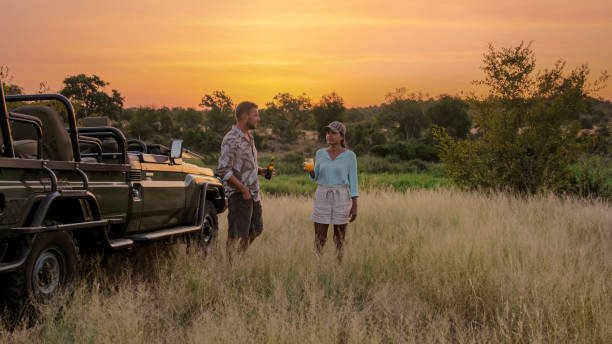

Kalambo Falls: A Natural Wonder
Kalambo Falls stands as a testament to nature’s raw power and beauty, plunging an astounding 221 meters (725 feet) in a single, uninterrupted drop. Located on the border between Tanzania and Zambia, its sheer height and the dramatic gorge it carves make it one of the most impressive waterfalls in Africa, and indeed, the world. Unlike many other waterfalls that are a series of cascades, Kalambo Falls is renowned for its singular, powerful descent. The surrounding landscape is a rugged, semi-arid plateau that offers a starkly beautiful contrast to the lushness often associated with waterfalls elsewhere. This remote location means that reaching Kalambo Falls is an adventure in itself, requiring dedicated travel and often a hiking component, making a Kalambo Falls hiking tour the most rewarding way to experience its grandeur.
The falls are situated within the Rukwa Region of Tanzania, an area less frequented by mainstream tourism compared to the northern safari circuits or Mount Kilimanjaro. This remoteness is a significant part of its allure, offering a genuine sense of discovery and escape. The journey to the falls often passes through traditional villages and varied landscapes, providing glimpses into rural Tanzanian life. For those seeking an authentic travel experience away from crowds, a Kalambo Falls hiking tour is an ideal choice, blending natural spectacle with the spirit of exploration. The sheer scale of the falls, combined with the effort required to reach them, creates a profound sense of accomplishment and awe for every visitor.
Why Choose a Kalambo Falls Hiking Tour?
Opting for a guided hiking tour to Kalambo Falls transforms a potentially challenging journey into a well-supported, enriching, and safe adventure. This isn’t just about seeing a waterfall; it’s about experiencing a remote corner of Tanzania through active exploration and local guidance.
Unique Natural Beauty
The primary draw, of course, is the impressive spectacle of Kalambo Falls itself. The sheer vertical drop and the immense volume of water, especially during the rainy seasons, create a mesmerizing display of natural power. The gorge surrounding the falls is also a unique geological feature, shaped over millennia. A hiking tour allows you to approach the falls from various vantage points, appreciating its scale and the surrounding ecosystem up close, rather than just viewing it from a distant roadside. The unblemished, wild environment surrounding the falls offers a stark contrast to more developed tourist sites, providing a truly in-depth natural experience.
Off-the-Beaten-Path Adventure
Kalambo Falls is not a destination you stumble upon. Reaching it requires commitment and a spirit of adventure, making it perfect for travelers who want to escape the typical tourist trails. A Kalambo Falls hiking tour is designed for those who seek authentic experiences and are willing to venture into less-explored territories. The journey itself, often involving rougher roads and trekking through rural landscapes, is part of the adventure. For 2026-2027, this appeal for authentic, less-crowded destinations is only growing, making Kalambo Falls an increasingly attractive option for discerning travelers.
Cultural Immersion
The areas around Kalambo Falls are home to various ethnic groups, including the Mambwe and Nyakyusa people. A hiking tour often includes visits to local villages, providing opportunities to learn about traditional lifestyles, customs, and agricultural practices. Interacting with local communities, often facilitated by your guides, offers a deeper understanding of Tanzania beyond its wildlife and natural wonders. These encounters are typically a highlight for many visitors, adding a rich human dimension to the natural exploration. A well-organized tour will ensure these interactions are respectful and beneficial to both visitors and the local people.
Wildlife Potential
While not a primary safari destination like the Serengeti or Ruaha, the Rukwa Region and the areas surrounding Kalambo Falls are home to a variety of wildlife. The diverse habitats, from the gorge to the surrounding plateau, support different species. Birdwatching is particularly rewarding, with numerous endemic and migratory birds found in the area. You might also encounter antelopes, primates, and other mammals, especially during early morning or late afternoon walks. A hiking tour offers a chance to spot wildlife in a more natural, unhurried setting than a typical vehicle-based safari.
Planning Your Kalambo Falls Hiking Tour
A Kalambo Falls hiking tour requires careful planning due to the destination’s remoteness and the nature of the trek. Understanding the logistical aspects, best times to visit, and what to expect will ensure a smoother and more enjoyable experience, especially when looking ahead to 2026 and 2027 travel plans.
Best Time to Visit (2026-2027)
The ideal time for a Kalambo Falls hiking tour largely depends on the weather and the desired water flow at the falls. The region experiences distinct wet and dry seasons.
- Dry Season (June to October): This is generally the best period for hiking. The weather is cooler, and the trails are less muddy and more accessible. The skies are usually clear, offering excellent visibility for photography and trekking. While the water flow at Kalambo Falls might be lower than in the wet season, it remains impressive, and the accessibility is significantly better. For 2026 and 2027, this period remains the most practical for a comfortable hiking experience.
- Rainy Season (November to May): During this time, the falls are at their most powerful and spectacular due to increased water volume. However, the trails can become very challenging, muddy, and sometimes impassable. Roads leading to the area can also be affected, making access difficult. While visually stunning, the rainy season is less ideal for a hiking tour due to safety and logistical concerns. Travelers considering this period should be prepared for unpredictable weather and potential travel disruptions.
Recommendation: Aim for the shoulder months of June or October for a good balance of impressive water flow and favorable hiking conditions in 2026-2027.
Duration and Itinerary Options
A Kalambo Falls hiking tour can be structured in various ways, depending on your interests and available time. Typical tours range from 3 to 7 days, often incorporating the falls as part of a broader exploration of the Rukwa Region.
- Short Trips (3-4 Days): These usually focus on reaching the falls from a nearby town like Mbeya or Tunduma, involving a significant amount of travel time. The hiking component might be a day hike to the falls or a short overnight trek. This option is suitable for those with limited time but still wanting to witness the spectacle.
- Extended Trips (5-7 Days): These itineraries allow for a more comprehensive experience. They might include longer hiking treks around the gorge, visits to local villages, exploration of nearby natural areas, and opportunities for wildlife viewing. This duration provides a more relaxed pace and deeper immersion into the region.
- Combined Tours: Many travelers combine a Kalambo Falls visit with other destinations in Tanzania. This could mean flying into Mbeya, visiting the falls, and then continuing to a safari in Ruaha National Park or heading north towards other attractions.
When planning for 2026 or 2027, consider how much travel time you can allocate and whether you want to focus solely on the falls or integrate them into a larger Tanzanian adventure.
Difficulty and Fitness Requirements
A Kalambo Falls hiking tour is generally considered moderately challenging. The difficulty stems less from extreme altitude (unlike Kilimanjaro) and more from the terrain and the need for good stamina.
- Hiking Terrain: Trails can be uneven, rocky, and steep, especially when descending into or ascending from the gorge. There might be sections requiring careful footing.
- Distance: Day hikes can range from a few kilometers to over 15-20 kilometers, depending on the chosen route and viewpoints.
- Fitness Level: A good level of general fitness is recommended. Travelers should be comfortable walking for several hours a day, with some inclines and declines. Prior hiking experience is beneficial but not always essential if you are reasonably fit and prepared.
- Acclimatization: While not a high-altitude trek, the southern highlands of Tanzania can be at a considerable elevation, so being in good physical condition is key.
Recommendation: Engage in regular cardiovascular exercise and hiking in the months leading up to your trip. Consult your doctor if you have any underlying health conditions.
Logistics and Transportation
Reaching Kalambo Falls is a significant logistical undertaking. Tours typically arrange the following:
- Arrival Point: Most journeys begin by flying into Mbeya’s Songwe Airport (MBI) or arriving by road from neighboring countries.
- Ground Transport: From Mbeya or Tunduma (the main border town), 4×4 vehicles are usually necessary to navigate the often rough and unpaved roads leading to the vicinity of the falls. This journey can take several hours, depending on road conditions.
- Local Guides: Essential for navigating trails, understanding the local environment, and ensuring safety. Local guides are invaluable for insights into the flora, fauna, and culture.
- Permits and Fees: Entrance fees to the park or conservation areas, and any necessary permits, are typically handled by the tour operator.
Key Decision: Opting for a tour operator who specializes in this region is vital. They will have the necessary vehicles, understand the road conditions, and have established relationships with local guides. For 2026-2027, booking with an operator experienced in remote Tanzanian travel is paramount.
Accommodation Styles
Accommodation options near Kalambo Falls are basic but comfortable, reflecting the remote nature of the destination.
- Tented Camps: Many tours utilize comfortable, pre-erected safari-style tents at designated campsites. These often come with beds, bedding, and sometimes an en-suite basic bathroom facility or shared facilities nearby.
- Basic Lodges/Guesthouses: In smaller towns or villages en route, you might stay in simple local guesthouses or lodges offering fundamental amenities.
- Homestays: Some tours might arrange respectful overnight stays with local families, offering a truly authentic cultural experience. This is less common for Kalambo Falls itself but may be part of a longer cultural immersion itinerary.
Expectation Management: Do not expect luxury resorts. The focus is on experiencing the natural environment and local culture, with accommodation prioritizing comfort and practicality over opulence. For 2026-2027, this style of accommodation is likely to remain standard for Kalambo Falls tours.
What to Pack: Essential Gear
Packing smart is crucial for a Kalambo Falls hiking tour. Layering is key, and durability is important.
- Footwear: Sturdy, broken-in hiking boots with good ankle support are essential. Camp shoes or sandals for relaxing are also useful.
- Clothing: Lightweight, breathable hiking clothes (trousers and shirts), a warm fleece or jacket for cooler evenings and mornings, waterproof outer layers (jacket and trousers), and comfortable clothing for camp. Avoid cotton; opt for quick-drying synthetic fabrics.
- Sun Protection: Wide-brimmed hat, sunglasses, and high-SPF sunscreen. The sun can be intense, especially in open areas.
- Insect Repellent: Effective repellent containing DEET or Picaridin is necessary, particularly for evenings and near water sources.
- Hydration: Reusable water bottles or a hydration reservoir. Water purification tablets or a filter can be a backup.
- First-Aid Kit: A personal kit with any necessary medications, blister treatment, pain relievers, and antiseptic wipes. Your guide will have a comprehensive kit, but personal items are important.
- Headlamp/Torch: Essential for navigating at night and in tents.
- Camera and Binoculars: To capture the stunning scenery and wildlife. Ensure you have spare batteries and memory cards.
- Backpack: A comfortable daypack for hikes and a larger duffel bag or backpack for your main gear.
- Personal Items: Quick-dry towel, toiletries, hand sanitizer.
Pro Tip: Pack light but smart. Your tour operator will provide a more detailed packing list, but these essentials cover most needs for a Kalambo Falls hiking tour in 2026-2027.
Kalambo Falls Hiking Routes and Experiences
The hiking experience at Kalambo Falls is varied, offering different ways to appreciate the site depending on your fitness, time, and preferences. The key is that it’s an active exploration, not just a drive-by viewing.
The Main Approach from Tunduma
The most common entry point for travelers reaching Kalambo Falls by road is Tunduma, a bustling border town with Zambia. From Tunduma, the journey involves several hours of driving, often in a 4×4 vehicle, through rural landscapes. The roads can be challenging, especially after rain, adding an element of adventure to the start of the tour. The drive itself offers glimpses into rural Tanzanian life, passing through small villages and agricultural lands. This approach is usually part of a multi-day itinerary, as the distance and road conditions make a day trip from Tunduma impractical and unenjoyable.
Once near the falls, the actual hiking begins. The trail may lead you to viewpoints overlooking the main drop, or down into the gorge for a closer perspective. The exact routes can vary depending on the season and the specific arrangements made by your tour operator. Having a local guide is crucial here to navigate the terrain safely and to point out interesting geological or ecological features.
Shorter Day Hikes vs. Multi-Day Treks
The choice between a day hike and a multi-day trek depends on your overall itinerary and fitness level.
- Day Hikes: If your Kalambo Falls hiking tour is part of a larger trip or you have limited time, a day hike to the falls from a base camp or nearby village is feasible. This usually involves a few hours of walking to reach a prime viewpoint, perhaps a short exploration around the rim, and then returning. These hikes are designed to give you the essence of the falls without an extended commitment.
- Multi-Day Treks: For a more in-depth experience, multi-day treks are recommended. These can involve camping near the falls, exploring different sections of the gorge, visiting nearby cultural sites, and potentially venturing further into the surrounding wilderness. These longer treks allow for a slower pace, more opportunities for wildlife spotting, and a deeper appreciation of the natural environment. For 2026-2027, consider the multi-day option if you want to truly disconnect and explore this unique region.
Consideration: The effort involved in accessing Kalambo Falls means that even a ‘day hike’ will likely be part of a longer trip, involving significant travel on preceding and succeeding days. A multi-day trek offers the most comprehensive way to appreciate the area.
Guided Walks and Interpretive Nature
The value of a guided Kalambo Falls hiking tour cannot be overstated. Your local guides are not just navigators; they are knowledgeable interpreters of the environment.
- Flora and Fauna: Guides can identify local plants, explaining their traditional uses, and point out various bird species and other wildlife that might otherwise go unnoticed. The unique ecosystem of the gorge and the surrounding plateau supports a diverse range of life.
- Geology: The dramatic gorge and the falls themselves are geological marvels. Guides can explain the formation of the landscape, providing context to the visual spectacle.
- Culture and History: Guides from local communities can share insights into the history of the area, local traditions, and the significance of Kalambo Falls to the people who live nearby.
Benefit: This interpretive aspect elevates the hiking experience from a simple walk to an educational and engaging journey, making the natural and cultural landscape come alive.
Photography Opportunities
Kalambo Falls offers unparalleled opportunities for photographers, but capturing its grandeur requires some planning.
- The Scale: The sheer verticality of the falls is difficult to convey in a single shot. Wide-angle lenses are essential to capture the full drop and the surrounding gorge.
- Light and Weather: The best light is often in the early morning or late afternoon. Be prepared for mist from the falls, which can create atmospheric shots but also requires lens protection. During the rainy season, dramatic skies and powerful water flow can be stunning, but challenging to shoot.
- Movement and Detail: Experiment with long exposures to capture the silky smooth movement of the water, contrasting with the ruggedness of the cliffs. Alternatively, use faster shutter speeds to freeze the immense power of the water.
- Surrounding Landscape: Don’t forget to photograph the unique plateau landscape, the winding roads, and the local life encountered on the way. These elements add context and narrative to your Kalambo Falls adventure.
Tip for 2026-2027: Consider bringing a drone if regulations permit and you have the skills, as aerial shots can truly capture the scale of the gorge and the falls. Always check local drone policies.
Wildlife and Conservation Around Kalambo Falls
While the majestic waterfall is the main attraction, the area surrounding Kalambo Falls is a haven for wildlife, particularly birds, and is part of Tanzania’s broader conservation efforts.
Birdlife Hotspot
The dramatic cliffs, the gorge, and the surrounding miombo woodlands create diverse habitats that attract a remarkable array of bird species. Kalambo Falls is recognized as an important bird area (IBA). Ornithologists and birdwatchers will find a wealth of species to observe:
- Raptors: Look for various eagles and falcons that patrol the skies above the gorge.
- Water-associated Birds: Kingfishers, herons, and other water birds can be seen near the river upstream or downstream from the main plunge pool.
- Endemic Species: The region is known for certain localized species, and guides can help identify them.
- Migratory Birds: Depending on the season, migratory species add to the diversity.
Best Viewing Times: Early mornings and late afternoons are typically the most active periods for birdlife. Binoculars are highly recommended.
Mammals and Other Fauna
While not a prime big-game safari destination, the Rukwa Region and the areas around Kalambo Falls do support a variety of mammals. These are often more elusive and require keen observation.
- Primates: Various monkey species might be encountered in the forested areas.
- Antelopes: Different species of antelopes, such as impala or various gazelles, can be found on the plateau and in the woodlands.
- Reptiles and Amphibians: The varied terrain and water sources support a range of reptiles and amphibians.
- Insects: The insect life is abundant, forming a crucial part of the ecosystem and a food source for birds and other animals.
Note: Wildlife sightings are more likely during guided walks, especially at dawn and dusk, and are dependent on the specific location within the broader region.
Responsible Tourism Practices
Visiting remote natural wonders like Kalambo Falls comes with a responsibility to minimize impact and support conservation. For any Kalambo Falls hiking tour in 2026-2027, adhering to responsible practices is essential:
- Leave No Trace: Pack out everything you pack in. Avoid littering and stick to designated trails to prevent erosion.
- Respect Wildlife: Maintain a safe distance from animals, never feed them, and avoid disturbing their habitats.
- Support Local Communities: Purchase local crafts and services respectfully. Ensure your tour operator works with and benefits local communities ethically.
- Water Conservation: Be mindful of water usage, especially in drier periods.
- Cultural Sensitivity: When visiting villages, dress modestly and ask permission before taking photographs of people.
Operator Choice: Partnering with tour operators like Climb 4 Africa, who prioritize sustainable tourism and community engagement, is a key part of responsible travel to sensitive areas like Kalambo Falls.
Cultural Encounters Near Kalambo Falls
The region surrounding Kalambo Falls is rich in cultural heritage, offering travelers a chance to connect with local communities and understand their way of life. These interactions are often as memorable as the natural beauty of the falls.
Local Communities and Villages
The Rukwa Region is home to diverse ethnic groups, including the Mambwe, Fipa, and Sukwa people, each with distinct traditions and customs. A Kalambo Falls hiking tour can be designed to include visits to these villages. These visits are not staged performances but rather authentic opportunities to observe daily life. You might see traditional farming methods, local markets, and the architecture of their homes. Understanding the local context of the region adds significant depth to the travel experience.
Traditional Lifestyles
Many communities in this area maintain traditional lifestyles, influenced by agriculture and local customs. Depending on the village and the time of year, you might witness:
- Agriculture: Farming of crops like maize, beans, and cassava, often using traditional tools and techniques.
- Craftsmanship: Local artisans may create pottery, baskets, or other crafts using materials sourced from the environment.
- Social Structures: Observe the community dynamics, the role of elders, and the daily routines of families.
Respectful Engagement: It’s crucial to approach these interactions with respect and humility. Your guide will facilitate introductions and ensure that your visit is welcomed and does not disrupt the community’s rhythm. For 2026-2027, maintaining this respectful approach will be key to positive cultural exchanges.
Interactions with Guides and Locals
Your local guides are your primary cultural ambassadors. They often hail from the region and can offer invaluable insights into local beliefs, social norms, and history. Engaging in conversation (through your guide if language is a barrier) can lead to meaningful exchanges. Simple gestures of goodwill, like sharing a moment or a smile, go a long way. Many tours also support local initiatives, such as schools or community projects, providing a tangible way for travelers to contribute positively.
Booking Your Kalambo Falls Hiking Tour
Securing a well-organized Kalambo Falls hiking tour is essential for a safe, enjoyable, and authentic experience. Given its remoteness, relying on experienced local operators is highly recommended for 2026-2027 travel.
Why Book with Climb 4 Africa?
Climb 4 Africa specializes in Tanzanian adventures, offering deep local knowledge and practical support that is invaluable for destinations like Kalambo Falls. Their expertise in navigating remote areas, arranging logistics, and understanding the specific needs of travelers undertaking challenging treks makes them an ideal partner.
- Local Expertise: Deep understanding of Tanzanian terrain, culture, and logistics.
- Tailor-Made Options: Ability to customize itineraries to fit your preferences, fitness level, and duration.
- Safety and Support: Experienced guides, reliable transportation, and well-planned itineraries to ensure your well-being.
- Community Focus: Commitment to responsible tourism and supporting local communities.
Next Steps: For personalized planning and booking for your 2026 or 2027 Kalambo Falls hiking tour, reach out to Climb 4 Africa. They can provide detailed itineraries, answer specific questions, and guide you through the booking process.
What to Expect in a Tour Package
A comprehensive Kalambo Falls hiking tour package typically includes:
- Accommodation: Nights in camps, lodges, or guesthouses as per the itinerary.
- Meals: Most meals during the trekking portion of the tour, often prepared by a camp cook.
- Transportation: 4×4 vehicle transfers to and from trailheads, and between key points.
- Guides: Professional, licensed local guides and potentially support staff (cooks, porters if needed for multi-day treks).
- Park Fees: Entrance fees and conservation charges for relevant areas.
- Activities: Guided hikes to Kalambo Falls and potentially other excursions included in the itinerary.
Exclusions: Typically, international flights, visa fees, travel insurance, personal expenses (souvenirs, drinks), tips for guides and staff, and sometimes meals in towns before or after the main trek are not included. Always clarify this with your operator.
Questions to Ask Your Operator
Before confirming your booking for a 2026-2027 trip, ask your tour operator these critical questions:
- What is the exact route and daily hiking distance/difficulty?
- What is the typical group size?
- What are the accommodation standards?
- What meals are included, and are dietary restrictions catered for?
- What is the emergency evacuation plan?
- What is the cancellation policy?
- What are the payment terms and schedule?
- What is the guide-to-client ratio?
- What specific gear is provided, and what must I bring?
Asking these questions will help you understand what you are buying and ensure alignment with your expectations and needs.
Preparing for Your Trip (2026-2027)
Beyond packing, preparation for a Kalambo Falls hiking tour involves several key steps:
- Book in Advance: Especially for 2026-2027, secure your spot early. Remote destinations and specialized tours have limited availability.
- Physical Training: As mentioned, focus on cardiovascular fitness and leg strength.
- Visa and Passport: Ensure your passport is valid for at least six months beyond your stay and that you have the necessary visa for Tanzania.
- Vaccinations and Health: Consult your doctor or a travel clinic about recommended vaccinations (e.g., Yellow Fever, Hepatitis A, Typhoid) and malaria prophylaxis.
- Travel Insurance: Comprehensive travel insurance is non-negotiable. It should cover medical emergencies, evacuation, trip cancellation, and lost luggage.
Contact Climb 4 Africa: For expert advice on preparing for your 2026-2027 Kalambo Falls hiking tour, reach out. You can contact them via WhatsApp at +255 747 477 898 or email at climb4africa@gmail.com. They can provide tailored advice based on your specific travel dates and interests.
Alternatives and Comparisons
While Kalambo Falls offers a unique experience, understanding its context within Tanzania’s broader tourism landscape can help in making informed decisions.
Kalambo Falls vs. Other Tanzanian Waterfalls
Tanzania has other notable waterfalls, but Kalambo Falls stands out due to its sheer height and remote location.
- Tanzania’s Northern Circuit Waterfalls: Waterfalls like those near Arusha or on the slopes of Kilimanjaro (e.g., Materuni Waterfalls) are generally more accessible, often visited as day trips from tourist hubs, and integrated into cultural tours or Kilimanjaro treks. They are beautiful but lack the dramatic scale and wilderness feel of Kalambo.
- Usambara Mountains: The Usambara Mountains have several smaller, picturesque waterfalls, offering lush forest trekking. These are more about the forest environment and moderate hiking.
- Kalambo Falls Advantage: The singular, immense drop and the raw, undeveloped nature of the Kalambo Falls site make it a destination for serious adventurers and nature lovers seeking an off-the-beaten-path experience. It offers a sense of discovery that is harder to find at more accessible locations.
Combining Kalambo Falls with Other Tanzanian Destinations
Due to its location in southwestern Tanzania, Kalambo Falls is typically integrated into longer itineraries rather than being a standalone destination for most international travelers.
- Rukwa Region Exploration: Combine Kalambo Falls with visits to Lake Rukwa, known for its birdlife and potential wildlife, and the Katavi National Park, one of Tanzania’s most wild and remote parks, offering a true wilderness safari experience. This creates a comprehensive “deep Tanzania” adventure.
- Southern Circuit Safaris: A Kalambo Falls hiking tour can be paired with safaris in the Southern Circuit parks like Ruaha National Park and Mikumi National Park. This usually involves flying between locations to save time.
- Mbeya Region Highlights: Explore the Mbeya region’s highlands, known for their coffee plantations and cooler climate, before or after your trip to the falls.
Logistical Note: Combining Kalambo Falls with northern or eastern Tanzania destinations (like Kilimanjaro, Serengeti, Zanzibar) requires significant travel time, often involving flights from Mbeya (MBI) to hubs like Dar es Salaam (DAR) or Kilimanjaro International Airport (JRO). For 2026-2027, planning these connections carefully is crucial.
Essential Information for Travelers
Before embarking on your Kalambo Falls hiking tour, ensure you have all the necessary practical information to make your journey smooth and safe.
Visas and Entry Requirements
Most foreign nationals require a visa to enter Tanzania. You can typically obtain a tourist visa upon arrival at major airports or border crossings, or apply online in advance through the official Tanzanian immigration website. Ensure your passport has at least six months of validity remaining from your date of entry and at least one blank page for stamps.
Health and Vaccinations
Consult your doctor or a travel clinic at least 4-6 weeks before your trip. Recommended vaccinations often include:
- Yellow Fever: Vaccination may be required, especially if arriving from or traveling to other countries where it is endemic.
- Hepatitis A and Typhoid: Recommended for most travelers to Tanzania.
- Tetanus, Diphtheria, Polio: Ensure routine vaccinations are up-to-date.
- Malaria: Tanzania is a malaria-risk country. Discuss appropriate antimalarial medication with your doctor.
Additional Health Advice: Drink only bottled or purified water. Be cautious with street food. Carry a basic first-aid kit and any personal medications. For 2026-2027, always check the latest health advisories from official sources like the CDC or WHO.
Travel Insurance Considerations
Comprehensive travel insurance is mandatory for any reputable tour operator. Ensure your policy covers:
- Medical Expenses: Including hospitalization and doctor visits.
- Emergency Evacuation: Crucial for remote areas like Kalambo Falls, covering transport to the nearest adequate medical facility.
- Trip Cancellation and Interruption: Protects your investment if you have to cancel or cut short your trip for covered reasons.
- Lost or Damaged Luggage: Covers essential items if your bags are delayed or lost.
Recommendation: Review policy details carefully, especially regarding adventure activities and remote travel coverage.
Currency and Payment
The local currency is the Tanzanian Shilling (TZS). However, U.S. dollars are widely accepted and often preferred for tourist services, especially for park fees and larger tour payments. Ensure your U.S. dollar bills are newer (post-2009) and in good condition, as older or damaged notes may not be accepted.
- Tour Payments: Operators like Climb 4 Africa typically require a deposit to confirm bookings for 2026-2027, with the balance due closer to the travel date. Payments can usually be made via bank transfer or sometimes credit card (check for fees).
- On-the-Ground Expenses: For tips, souvenirs, and personal spending, carry a mix of U.S. dollars in smaller denominations and some Tanzanian Shillings. ATMs are available in larger towns like Mbeya, but can be unreliable in more remote areas.
Communication and Connectivity
Connectivity can be challenging in the remote areas around Kalambo Falls.
- Mobile Service: Mobile phone reception is generally limited to larger towns like Mbeya and Tunduma. Expect little to no signal once you are on the road to the falls or during the hiking portions.
- Internet: Wi-Fi is scarce outside of major hotels in cities. If you need to stay connected, consider purchasing a local SIM card upon arrival in Tanzania for data, but be prepared for limited coverage.
- Emergency Communication: Tour operators will have satellite phones or other communication devices for emergencies.
Advice: Embrace the opportunity to disconnect. Inform family and friends of your itinerary and expected periods of no contact before you depart.
For a truly unforgettable and well-supported Kalambo Falls hiking tour in 2026-2027, partnering with experienced local experts is key. Climb 4 Africa offers the local knowledge and logistical prowess needed to navigate this remote and spectacular destination. Don’t hesitate to reach out to them to start planning your adventure: WhatsApp +255 747 477 898 or email climb4africa@gmail.com.
”
}
“`
Check Availability for Kalambo Falls Hiking Tour 2026-2027
Ready to compare dates, prices, and the best option for your group? Send the package name and travel month so the team can reply with a clear quote, availability, and what is included.
Kilimanjaro Climb July – Peak Dry-Season Group Departures 2027
Kilimanjaro Climb July 2027 – Peak Dry-Season Group Departures is explained with current 2027 planning, price, itinerary and booking information.
View package details
Marangu Route – 26 June Kilimanjaro Group Climb 2027
Marangu Route – 26 June 2027 Kilimanjaro Group Climb is explained with current 2027 planning, price, itinerary and booking information.
View package details7 Day Machame Route – 19 June Kilimanjaro Group Departure 2027
Planning to climb Kilimanjaro on the Machame Route in a group setting? This 7-day departure on June 19, 2027, offers a balanced approach to acclimatization and scenery. Learn what to...
View package details
Kilimanjaro 1 May : Your Day Mountain Adventure Awaits 2027
start an unforgettable Kilimanjaro 1 May 2027 adventure. This guide details everything you need to know for a successful May Day climb, from route selection to essential preparation.
View package details8 Day Lemosho Route – 20 February Kilimanjaro Departure With Climb 4 Africa
This article details the 8-day Lemosho Route Kilimanjaro climb scheduled for February 20, 2027, focusing on planning, itinerary, and what makes this departure a unique opportunity with...
View package details
Kilimanjaro Climb February – Dry Season Groups And Availability 2027
Kilimanjaro Climb February 2027 – Dry Season Groups and Availability is explained with current 2027 planning, price, itinerary and booking information.
View package detailsLemosho Route – 7 August Summer Group Climb: Your Kilimanjaro Adventure 2027
start a memorable Lemosho Route – 7 August 2027 Summer Group Climb up Mount Kilimanjaro. This guide covers the itinerary, acclimatization, and preparation for your ascent.
View package details
Family Kilimanjaro Climb August : Your Summer Holiday Adventure 2027
start an unforgettable Family Kilimanjaro Climb during August 2027. This guide covers the best routes, essential planning, and tips for a successful summer holiday ascent.
View package details
Kilimanjaro And Great Migration Safari August : Your Peak Season Adventure
Plan your ultimate Tanzanian adventure in August 2027, combining a Kilimanjaro climb with the spectacle of the Great Migration. This guide details the best timings, routes, and safari...
View package detailsUk August Bank Holiday Kilimanjaro Climb : Your Peak Season Adventure 2027
Planning a UK August Bank Holiday Kilimanjaro Climb in 2027 offers a prime opportunity to ascend Africa's highest peak during a favourable season. This guide details how to make the most of...
View package detailsLemosho Route – 28 August Kilimanjaro Group Climb 2027
Lemosho Route – 28 August 2027 Kilimanjaro Group Climb is explained with current 2027 planning, price, itinerary and booking information.
View package detailsKilimanjaro Full Moon Climb August – Summit Around 17 2027
start an unforgettable Kilimanjaro Full Moon Climb in August 2027, targeting a impressive summit on or around August 17th. This guide covers optimal routes, August conditions, and essential...
View package detailsNo related package matches those filters. Clear one or more filters to see the other topic-matched options.



