
The 7 Day Complete Tanzania Northern Circuit Group Safari departing on December 14, 2026, is a comprehensive wildlife expedition designed to maximize your time in Tanzania’s most iconic parks—Tarangire, Lake Manyara, the Serengeti, and the Ngorongoro Crater. By extending the itinerary to seven days rather than the standard four or five, this tour allows for significantly deeper game viewing, reduced daily driving pressure, and a more relaxed pace, making it ideal for travelers who want to see the “Big Five” without feeling rushed between destinations. This group-joining format balances cost-efficiency with the camaraderie of fellow travelers, all supported by our professional local guides.
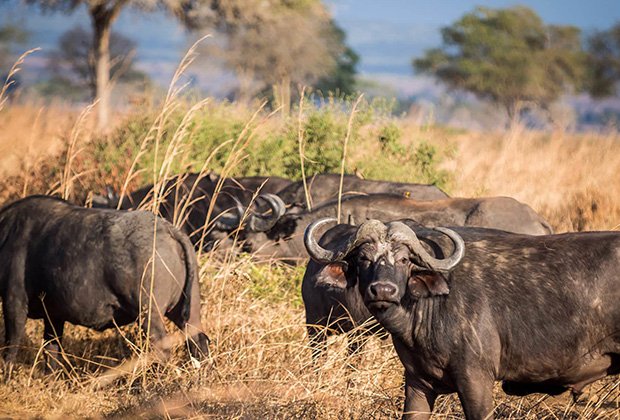
When you start planning a safari for late 2026, the calendar is your most important tool. December is a unique window in Tanzania—the short rains often bring a lush, green landscape, and the wildlife remains active across the Northern Circuit. Choosing a 7-day itinerary for your safari is a strategic decision that separates a “check-the-box” trip from a true wildlife experience. On a 7-day circuit, you aren’t just driving through the parks; you are spending enough time in each location to actually watch animal behavior, observe migration patterns, and catch those quiet moments in the bush that shorter trips simply don’t allow.
Why the 7-Day Complete Northern Circuit is the Right Choice
Many travelers ask whether they should opt for a 4-day, 5-day, or 7-day tour. The difference isn’t just about extra days; it’s about the geography of the Northern Circuit. Tanzania’s parks are vast. To visit Tarangire, Lake Manyara, the Ngorongoro Crater, and the Serengeti properly, you need travel time. In a shorter itinerary, you spend a significant percentage of your day in the vehicle moving between gates. By choosing the 7-day option, you shift the ratio in favor of game drives.
With seven days, you gain an extra full day in the Serengeti. This is the difference between seeing a pride of lions from a distance and sitting quietly while they interact, hunt, or rest. It allows your guide to push further into the central or northern plains, away from the busier entry points, giving you a more authentic and private encounter with the wilderness. You can compare our different tour lengths at our comprehensive list of shared group departures to see how the pacing changes based on the duration you select.
What to Expect on Your 7-Day Journey
While every safari is subject to the dynamics of wildlife movement and park conditions, a 7-day itinerary follows a logical, optimized flow that ensures you see the best of Tanzania’s Northern Circuit. Our goal is always to minimize “dead time” in the vehicle and maximize the time spent with your binoculars in hand.
Day 1: Arrival and Preparation
Your journey begins with a pick-up in Arusha or from Kilimanjaro International Airport. This is a vital day for briefing. You will meet your guide, review the safety protocols, and ensure your gear is ready for the days ahead. It’s a great time to ask questions about the route and get comfortable with your group members.
Day 2: Tarangire National Park
Known for its massive herds of elephants and iconic baobab trees, Tarangire is often a surprise highlight. In December, the scenery is often vibrant, and the Tarangire River becomes a magnet for wildlife. You will spend the day traversing the park, learning to spot the subtle signs of predators in the tall grass.
Day 3: Lake Manyara National Park
A smaller, more intimate park, Lake Manyara is famous for its groundwater forests and tree-climbing lions. The landscape here is vastly different from the open plains of the Serengeti, offering a chance to see primates, flamingos, and a high density of birdlife. It’s a perfect bridge between the baobabs of Tarangire and the vastness of the Serengeti.
Day 4: Into the Serengeti
The drive to the Serengeti is an experience in itself, taking you through the Ngorongoro Conservation Area. By the time you reach the Naabi Hill gate, you are entering one of the most famous wildlife ecosystems on the planet. Your first afternoon is spent exploring the Seronera Valley, the heart of the park.
Day 5: Full Day in the Serengeti
This is the day that justifies the 7-day itinerary. Without the pressure of having to leave the park, you can head out early with the sunrise. This is when the predators are most active. You have the freedom to follow tracks, listen to the local radio reports from other guides, and truly explore the vast plains without a strict “must-leave-by” deadline.
Day 6: Ngorongoro Crater
Often called the “Eighth Wonder of the World,” the Ngorongoro Crater is a self-contained ecosystem. Because of the natural boundaries, the density of wildlife here is staggering. You have a very high chance of seeing the Black Rhino here, one of the rarest sightings in Africa. The descent into the crater floor early in the morning is a highlight for almost every traveler.
Day 7: Return to Arusha
After a final morning game drive or a cultural stop, you will make the return journey to Arusha, arriving in the late afternoon. This allows for connections to evening flights or further travel, such as a flight to Zanzibar for a beach extension.
Planning Your December 2026 Safari
December is a fascinating time to be in Tanzania. The “short rains” are typically light and intermittent, often falling in the late afternoons, which clears the air and leaves the landscape lush and photographers’ dream. Dust levels are significantly lower than in the peak dry season, which makes for clearer long-distance photography.
For those planning a group safari, December requires some advanced coordination. As we approach the end of the year, demand for high-quality, reliable group departures increases. We recommend securing your spot well in advance. If you are debating between a lodge safari or a camping safari, consider your comfort levels. Our budget camping options offer a more raw, close-to-nature experience, while lodge safaris provide the comfort of a bed and a shower after a long day in the bush. You can explore our various December group joining dates and prices to find the balance that fits your budget.
Why Choose a Group Joining Safari?
Many travelers worry that a group safari means a lack of flexibility or a crowded vehicle. In reality, our group joining safaris are designed to be social, cost-effective, and highly efficient. You share the costs of the vehicle, the fuel, and the guide’s expertise with like-minded travelers, which significantly lowers the price compared to a private safari. Furthermore, having a group of 4 to 6 people often makes for better wildlife spotting—more eyes in the vehicle mean a better chance of spotting that camouflaged leopard in a tree.
We curate our groups to ensure compatibility and a shared interest in the wildlife experience. It’s an excellent way to make new friends from around the world who share your passion for adventure. Because we are a local operator, we handle all the logistics—from park permits to accommodation bookings—so you don’t have to worry about the complex regulations of the Tanzanian national parks.
Essential Logistics and Questions
Before you commit to a departure date, there are a few practicalities that every traveler should consider. These are the details that separate a smooth trip from a stressful one.
- Visas and Documentation: Most nationalities require a visa for Tanzania. It is now standard to apply for an e-Visa before you travel. Check the official Tanzanian immigration website for the most current requirements for your specific nationality.
- Health and Vaccinations: Consult your local travel clinic or physician at least two months before departure. Malaria prophylaxis is generally recommended for safari areas, and you may need proof of yellow fever vaccination if you are traveling from a country with a risk of transmission.
- Packing Strategy: On a group safari, space in the vehicle is finite. We recommend soft-sided duffel bags rather than hard-shell suitcases. Pack layers; mornings in the Ngorongoro highlands can be surprisingly chilly, while the Serengeti plains can get quite hot by midday.
- Tipping Culture: Tipping is a standard part of the safari industry in Tanzania. While it is always at your discretion, it is customary to tip your guide and the support staff (cooks/porters on camping safaris) at the end of the trip. We can provide guidance on what is considered appropriate based on the size of your group.
Ready to Book Your 2026 Adventure?
The 7-day Northern Circuit is one of our most popular and rewarding itineraries. By choosing to join a group, you get the expertise of a professional guide and the logistics managed by a local company that knows these parks inside and out. We don’t just sell tours; we help you plan an experience that aligns with your expectations and interests.
If you are looking at the December 14, 2026, date, the next step is simple. Reach out to us to confirm availability and discuss any specific dietary requirements, accommodation preferences, or questions about the route. You can contact our team directly via WhatsApp at +255 747 477 898 or send an email to climb4africa@gmail.com. You can also reach our support team at info@climb-4-africa.com. Let us know which dates you are considering and how many people are in your party, and we will guide you through the booking process.
We understand that planning a trip to Africa can feel overwhelming. That’s why we focus on transparency and practical support. Whether you have questions about the difference between a 6-day safari or this 7-day journey, or you want to know more about what to pack, we are here to provide the local perspective you need to make an informed decision.
Frequently Asked Questions
Is the 7-day safari suitable for families with children?
Yes, but it depends on the age of the children. The long drive times can be tiring for very young children. We generally recommend this itinerary for families with children aged 8 and older who are comfortable with the pace of a safari. Contact us to discuss your family’s specific needs.
What kind of vehicle will we be using?
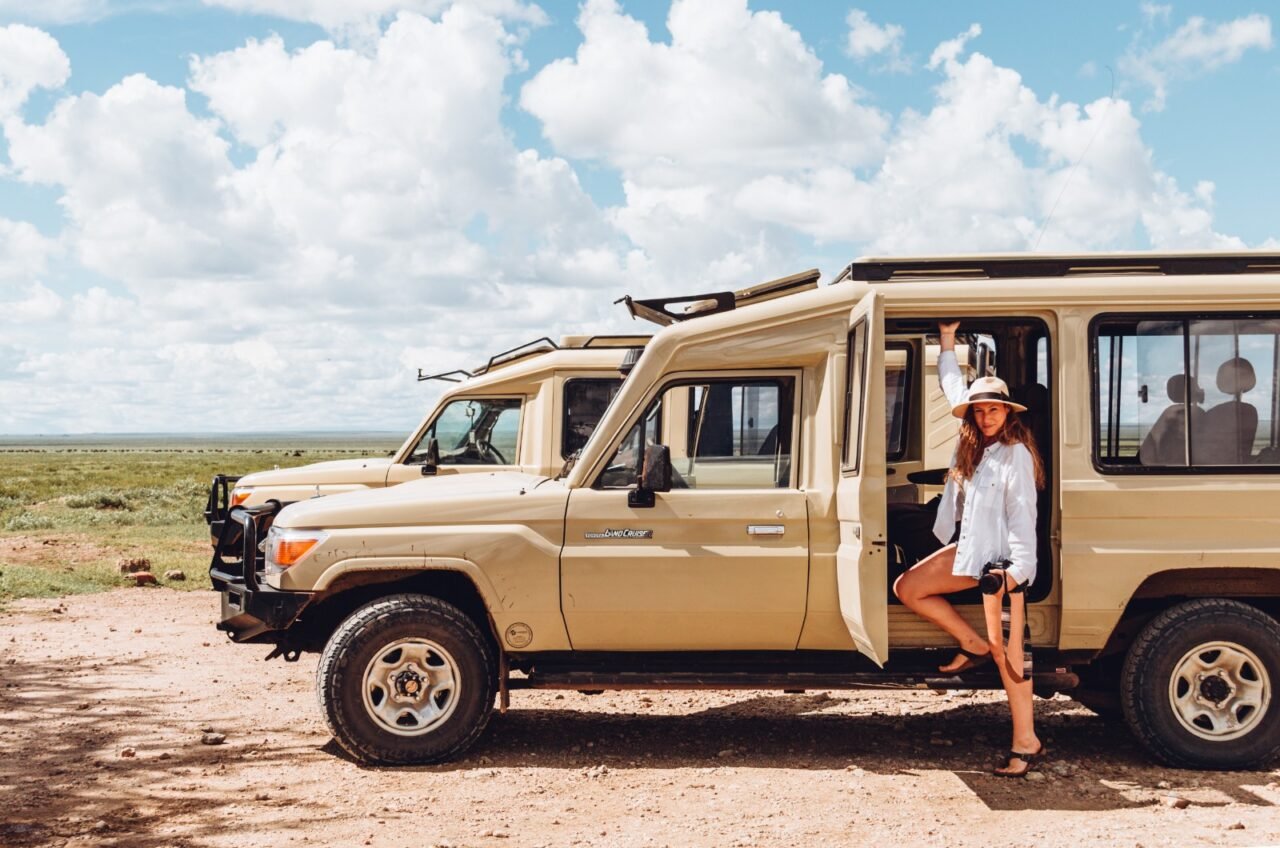
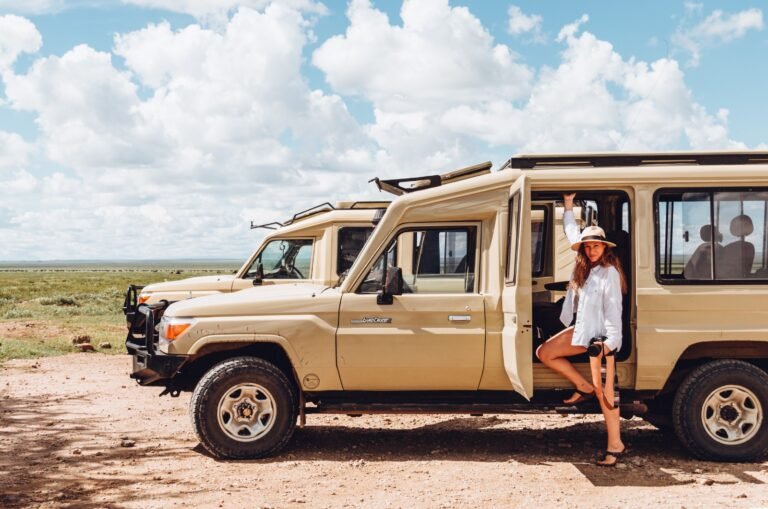
We use 4×4 Land Cruisers specially modified for safaris, featuring pop-up roofs for optimal wildlife viewing and photography. These vehicles are maintained to high standards to handle the terrain of the Serengeti and Ngorongoro.
Are there charging facilities for cameras and phones?
Yes, most of our safari vehicles are equipped with charging ports. Additionally, the lodges and camps we use have electricity, though it may be limited in some remote tented camps (often solar-powered). We recommend bringing a power bank just in case.
What if I have dietary restrictions?
We can accommodate most dietary requirements, including vegetarian, vegan, and gluten-free, provided we are notified well in advance. Please include these details in your booking inquiry so our team can coordinate with the lodges and our field staff.
Mastering the Group Safari Experience: Etiquette and Preparation
Embarking on a 7-day group safari across Tanzania’s Northern Circuit is as much a social experience as it is a wildlife expedition. Because you will be sharing a 4×4 Land Cruiser with fellow travelers for a full week, the success of the trip often depends on group dynamics and shared understanding of safari etiquette. Understanding these nuances before you depart Arusha ensures that every participant, regardless of their background or photography style, has an equitable and rewarding experience.
The Dynamics of a Shared Vehicle
In a group joining safari, the vehicle is your home for the better part of seven days. The most critical component of group harmony is the seating rotation policy. Most professional safari operators implement a daily rotation system, where passengers shift seats every morning or after every game drive. This ensures that everyone gets a turn at the window seat and the front seat, both of which offer different perspectives. Do not wait for the guide to enforce this; proactively discussing the rotation on the first morning is a hallmark of a considerate traveler.
Furthermore, noise management is vital. While excitement is expected when spotting a leopard or a pride of lions, sudden shouts or loud conversations can spook wildlife, particularly in the quieter, more intimate environments of Lake Manyara or the Serengeti’s Seronera Valley. Develop a system with your group: a gentle tap on the roof or a quiet “stop” signal to the driver is usually sufficient to halt the vehicle for a sighting. Once stopped, keep your voices low. The wildlife you are viewing is often sensitive to human proximity, and silence allows you to hear the sounds of the bush—the calls of birds, the rustle of grass, or the low rumble of an elephant—which are just as important as the visual experience.
Photographic Best Practices
The Northern Circuit offers some of the most spectacular photography opportunities in Africa, but the environment is harsh on equipment. The most common mistake travelers make is bringing a tripod. In a shared vehicle, there is simply no floor space for a tripod, and the vibration of the vehicle makes them useless for game drives. Instead, use a beanbag. These are often provided by the operator or can be easily filled with rice or beans at a local market in Arusha. A beanbag draped over the edge of the pop-up roof provides a rock-solid, vibration-free rest for your camera lens.
Regarding lenses, the vastness of the Serengeti requires reach. A lens with a focal length of at least 300mm or 400mm is ideal for capturing wildlife at a distance without disturbing them. However, do not neglect a wider lens (like a 24-70mm) for the sweeping landscapes of the Ngorongoro Crater or the iconic baobab forests of Tarangire. Crucially, bring high-quality dust covers or simple dry bags for your camera gear. December in Tanzania can be dusty, and the fine volcanic soil of the Northern Circuit can infiltrate camera sensors and gears rapidly.
Packing Strategy for the December Landscape
December is a transition month, and your packing list should reflect the “short rains.” While you may experience bright, clear mornings, afternoon showers are common. Pack a lightweight, breathable rain jacket—avoid heavy rubberized ponchos, which are stiflingly hot in the equatorial sun. Layering is your best defense against the temperature fluctuations of the Northern Circuit; it can be chilly at the Ngorongoro Crater rim in the early morning (often below 15°C/59°F) and scorching hot in the Serengeti plains by midday.
Color choice is not just about fashion; it is a practical safety measure. Avoid wearing dark blue or black clothing, as these colors are scientifically proven to attract Tsetse flies, which are prevalent in parts of the Serengeti and Tarangire. These flies deliver a painful bite that can penetrate thin clothing. Opt for neutral tones like khaki, olive, tan, or light grey. These colors not only help you blend into the environment, making you less intrusive to the wildlife, but they also keep you cooler and less attractive to biting insects.
Health and Hygiene in the Bush
For a 7-day circuit, personal hygiene and health maintenance are paramount. Your safari vehicle will have a cooler box, but do not rely on it for anything other than water and occasional snacks. Carry a personal supply of high-SPF sunscreen, polarized sunglasses to cut the glare from the savanna, and a reliable insect repellent containing DEET or Picaridin. Because you are traveling in a group, be mindful of shared spaces. Keep your personal items organized in a single, soft-sided duffel bag—hard-shell suitcases are notoriously difficult to pack into the limited storage space of a safari vehicle and can damage other passengers’ luggage.
Understanding Accommodation Styles on the Northern Circuit
One of the most frequent points of confusion for travelers booking a 7-day group safari is the distinction between accommodation types. Because the Northern Circuit covers diverse environments—from the acacia woodlands of Tarangire to the vast, open plains of the Serengeti—the infrastructure varies significantly. Understanding these differences is essential for setting realistic expectations for your December 2026 trip.
Lodges versus Tented Camps
It is a common misconception that all safari accommodations are either rugged tents or high-end luxury hotels. In reality, the Northern Circuit features a distinct spectrum. A Lodge is typically a permanent, solid-structure building, often constructed with stone, brick, or timber. These properties resemble traditional hotels, often featuring swimming pools, large communal dining areas, and reliable, 24-hour electricity. If you are accustomed to hotel amenities like air conditioning (though rarely needed in the cool evenings of the Ngorongoro highlands) and solid walls, lodges provide the most consistent experience.
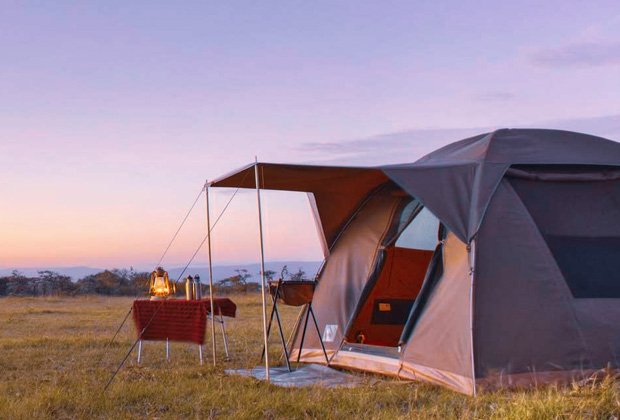
Conversely, a Tented Camp offers a more in-depth wildlife experience. Do not confuse these with standard camping. Tented camps feature permanent, large canvas tents mounted on raised wooden platforms. They include en-suite bathrooms with hot-water showers, flush toilets, and comfortable beds. The primary difference is the experience of the environment: in a tented camp, you will hear the sounds of the bush—the distant roar of a lion or the rustle of hyenas—far more clearly than within the thick walls of a lodge. For many, this is the highlight of the safari, providing a visceral connection to the Tanzanian wilderness.
Managing Expectations for Remote Infrastructure
When you are in the heart of the Serengeti or the remote sections of the Ngorongoro Conservation Area, infrastructure is significantly different from what you experience in Arusha. Electricity is often the most significant adjustment. Many camps rely on solar power or generators that run during specific hours, typically in the early morning and evening. This is sufficient for charging camera batteries and phones, but it does not support high-wattage appliances like hair dryers or travel irons.
Water usage is also managed carefully. In remote bush locations, water is a precious resource transported to the camps. While you will always have access to clean, safe water for washing, it is standard practice to be mindful of your usage. Hot water is usually available, though it may be provided on a schedule or upon request to ensure the systems can recover between uses. Regarding connectivity, while some lodges now offer Wi-Fi in common areas, you should treat your safari as a digital detox. Signal strength is intermittent at best, and data speeds are often insufficient for streaming or uploading large video files. Download your maps, reading material, and music before you leave Arusha; relying on the bush for high-speed connectivity is a strategy that will likely lead to frustration.
Navigating Cultural Etiquette and Tipping Guidelines
Beyond the logistics of the vehicle and the packing list, your success on a 7-day Northern Circuit safari is heavily influenced by your understanding of local customs and the etiquette of service in Tanzania. Because you are traveling in a group and spending an entire week with a professional guide, understanding the social landscape is as important as understanding the wildlife. Tanzania has a deeply rooted culture of hospitality and mutual respect, and your interactions with staff and local communities will define the quality of your trip.
The Tipping Culture in Tanzania
Tipping is an integral component of the safari industry in East Africa. It is not mandatory, but it is standard practice and serves as a significant acknowledgment of the service provided by your guide, your safari cook (if you are utilizing tented camps), and the support staff at the various lodges. For a 7-day group joining safari, the most common point of confusion is how and when to tip. It is best to view tipping as a collective appreciation for the entire team that facilitates your journey.
The standard convention is to tip your guide at the end of the 7-day circuit, rather than daily. This allows you to evaluate the overall experience, including their navigation skills, wildlife knowledge, and the safety protocols they maintained throughout the week. While the exact amount is personal, it is standard to budget a daily amount per person in the group. If you are staying at tented camps where a dedicated safari cook accompanies the group, they are also part of the service team and should be included in your considerations. At lodges, there is often a communal “tip box” at the reception. It is generally advised to use these boxes for lodge staff (waiters, housekeeping, and porters) rather than handing out small amounts to individual staff members, as the lodge management ensures these tips are distributed equitably among the entire team.
Respectful Engagement with Local Communities
During your 7-day journey, you may have opportunities to visit local villages, particularly near the Ngorongoro Conservation Area or on the outskirts of the Serengeti. These cultural encounters are highlights for many, but they require a high degree of sensitivity. The most important rule is to always ask for permission before taking photographs of individuals, especially elders or children. In many local cultures, a photograph is seen as a personal interaction, not just a document of a trip. Taking the time to say “Jambo” (hello) or “Habari” (how are you) and engaging in a brief conversation before reaching for your camera establishes a connection that makes the eventual photograph far more meaningful.
Furthermore, avoid “poverty tourism” behaviors. Do not hand out candy, money, or pens to children you see along the roadside. While the intent is often generous, this practice encourages children to skip school to wait for tourists, creates dependency, and can lead to dangerous situations where children run toward moving vehicles. If you wish to support local communities, the most effective way is to purchase authentic handicrafts directly from community-run markets or to donate to established school or clinic projects through your tour operator, who can ensure the support reaches those in need in a sustainable manner.
The Unwritten Rules of Wildlife Observation
Wildlife viewing is not a passive activity; it is a collaborative effort between the animal, the guide, and the guest. In a 7-day group safari, you will inevitably encounter situations where the behavior of the guests directly impacts the quality of the sighting. Adhering to the unwritten rules of the bush ensures that you do not disturb the wildlife and that you maximize your chances of seeing natural behavior.
Maintaining the Silent Vigil
The most common mistake first-time safari-goers make is talking too loudly when an animal is spotted. Predators like lions, leopards, and cheetahs are highly sensitive to sound. If you are in a vehicle and a predator is nearby, the sound of human voices can cause the animal to become agitated, stop hunting, or move away from the road entirely. When your guide turns off the engine to allow for a viewing, that is the cue for the group to maintain absolute silence. Whispering is acceptable, but loud exclamations or sudden movements should be avoided. By keeping the environment quiet, you allow the animal to go about its natural routine, which provides you with a much more authentic and longer viewing experience.
The Ethics of Off-Roading and Habitat Preservation
It is tempting to ask your driver to get closer to a sighting, especially if you see other vehicles off-road. However, the Northern Circuit parks, particularly the Serengeti and the Ngorongoro Conservation Area, have strict regulations regarding off-road driving. Driving off the designated tracks destroys the fragile root systems of the savanna grasses and can crush the nests of ground-dwelling birds or small mammals. A professional, ethical guide will respect these boundaries, even if it means you are further from the animal than you would like. Remember that a sighting is only “good” if the integrity of the ecosystem remains intact. By staying on the tracks, you are contributing to the long-term health of the park, which ensures that these animals remain in the area for future visitors.
Understanding Guide-to-Guide Radio Protocol
You will often notice your guide communicating with other drivers over the radio. This is the “bush telegraph.” It is a vital tool for locating elusive wildlife like leopards or rhinos. However, it is also a system of mutual respect. Guides share information about sightings, but they also manage the density of vehicles at a specific location. If your guide decides not to rush to a sighting where ten other vehicles are already clustered, trust their judgment. A “crowd” of vehicles can intimidate wildlife and obscure your view. Often, a skilled guide will choose to wait for a moment, knowing that the crowd will eventually disperse, or they will choose to find a different, quieter sighting where you can enjoy the wildlife without the pressure of a traffic jam.
Navigating the Physical Reality of the Safari Trail
While the 7-day Northern Circuit itinerary is expertly structured to balance travel time with wildlife viewing, the physical reality of traversing Tanzania’s national parks is distinct from any traditional road trip. You will spend a significant portion of your week inside a 4×4 Land Cruiser, navigating terrain that ranges from smooth tarmac near Arusha to the notoriously bumpy, corrugated dirt tracks of the Serengeti. Understanding the physical demands of this environment is essential for maintaining your comfort and ensuring you remain energized for the wildlife sightings that define your trip.
Managing the “African Massage” and Road Conditions
Seasoned safari guides often jokingly refer to the intense vibration of the park roads as an “African massage.” Because of the volcanic soil and the sheer volume of safari traffic, the roads in areas like the Serengeti and the Ngorongoro Conservation Area often develop a “washboard” surface—a series of parallel ridges that cause the vehicle to vibrate continuously. This is not a smooth highway experience. To manage this, it is crucial to adopt a posture that absorbs shock rather than fighting it. Keep your core engaged and avoid locking your knees if you are standing up through the pop-up roof. If you are seated, do not lean your head against the side windows, as the vehicle’s vibration will make this uncomfortable within minutes. If you have any history of back or neck issues, bring a small travel cushion to place against the seat back, and inform your guide early in the trip so they can adjust their driving speed where possible to minimize the impact.
Dust Mitigation: Protecting Your Gear and Lungs
In December, while the “short rains” have likely dampened the landscape, the dust remains a pervasive element of the safari experience. When driving in a group of vehicles, the lead car kicks up fine, particulate dust that can infiltrate even the most “sealed” cabins. This dust is particularly hazardous to electronic equipment and respiratory comfort. For your camera gear, never leave lenses exposed when not in use. Use a dedicated camera bag with a rain cover, which also serves as an excellent dust barrier. If you are changing lenses, do so inside the vehicle, away from the open windows, and preferably when the vehicle is stationary and the dust has settled. For personal comfort, a lightweight buff or bandana is indispensable. Pulling it up over your nose and mouth when the vehicle is moving through dry stretches will save you from inhaling excessive dust, which can cause irritation and dehydration. Keep a pack of wet wipes readily available in your daypack; they are the most effective tool for cleaning your hands, face, and gear before you transition to a lodge or camp environment.
The Protocol of the Bush Bathroom Break
One of the most common anxieties for first-time safari travelers is the logistics of bathroom breaks during long game drives. In the vast wilderness of the Serengeti, there are no public restrooms between designated picnic sites or park gates. Your guide is your primary resource here. Never attempt to exit the vehicle to find a spot on your own, as this is strictly prohibited for your safety and the safety of the wildlife. If you need a break, signal your guide discretely. They know exactly where it is safe to stop—typically in areas with high visibility where they can scan for predators. When you exit, stay within a few meters of the vehicle and maintain a line of sight with your guide at all times. Always carry your own supply of toilet paper and hand sanitizer, as bush facilities are rarely stocked. Respect the environment by ensuring you leave nothing behind; all paper and waste must be packed out with you. This “leave no trace” approach is non-negotiable in the national parks.
Combating Sensory and Mental Fatigue
A 7-day safari is an exercise in sustained attention. While it sounds like a dream to watch animals all day, the process of scanning the horizon for movement, focusing through binoculars, and maintaining silence requires a high level of mental energy. By the third or fourth day, many travelers experience “sighting fatigue,” where the initial excitement of seeing common animals like zebras or impalas begins to wane, and the focus shifts entirely to finding the “Big Five.” To avoid burnout, pace yourself. Use the transit periods between game drives to rest your eyes, listen to music with headphones, or simply observe the changing landscape without the pressure of scanning for wildlife. Hydration is the most effective antidote to this fatigue. The dry heat and the constant airflow in the open-roof vehicle accelerate dehydration without you noticing. Aim to drink water consistently throughout the day, even if you do not feel thirsty. A hydrated brain is much better equipped to spot a leopard camouflaged in an acacia tree or a lion pride resting in the tall grass, ensuring you maximize the value of your 7-day investment.
Understanding Connectivity and Digital Disconnection
One of the most significant shifts in mindset required for a 7-day Northern Circuit safari is the transition from a hyper-connected lifestyle to the realities of the Tanzanian bush. In December 2026, while mobile networks have expanded significantly across East Africa, the safari experience is fundamentally defined by intermittent connectivity. Travelers often arrive expecting smooth Wi-Fi at every lodge or strong cellular data coverage throughout the Serengeti plains, only to find that the reality is far more variable. Understanding how to manage your digital expectations is crucial for both your personal peace of mind and the harmony of your group.
Most lodges and tented camps in the Northern Circuit offer Wi-Fi in common areas, such as the main lounge or dining tent. However, these connections are rarely high-speed broadband. They are typically satellite-based links designed for checking emails, sending a few text messages, or uploading a low-resolution photo to social media. They are not suitable for video conferencing, streaming high-definition video, or downloading large files. During your 7-day journey, you should treat connectivity as a luxury rather than a guarantee. Expect periods of complete digital silence, especially when traversing the deep interior of the Serengeti or the floor of the Ngorongoro Crater.
If you have urgent business or personal matters that require daily attention, relying on lodge Wi-Fi is a risky strategy. The best approach is to purchase a local Tanzanian SIM card upon your arrival in Arusha. Major providers like Vodacom or Airtel offer extensive coverage. Even with a local SIM, however, signal strength in the bush fluctuates wildly based on topography. You may have a strong 4G signal while on a ridge overlooking the Serengeti, only to lose it entirely once you descend into a valley or enter a deep ravine. Do not assume that because your phone shows a signal, you will be able to perform data-heavy tasks. If you must be reachable, ensure your travel companions and family understand that you will be “off the grid” for large portions of the day, and that your guide is the primary point of contact for emergencies.
This digital disconnection is, for many, one of the greatest benefits of the 7-day safari. The constant buzz of notifications and the pressure to be constantly available are replaced by the rhythm of the wildlife. By consciously choosing to put your phone on airplane mode during game drives, you not only preserve your battery life—which is precious when you are away from constant power sources—but you also force yourself to remain present. The “Big Five” sightings happen in seconds; if you are busy troubleshooting a Wi-Fi connection or responding to a non-urgent email, you will miss the leopard descending from the tree or the cheetah initiating a hunt. Treat the 7-day circuit as a digital detox, and you will find that your engagement with the environment deepens significantly.
Finally, be mindful of how your device usage impacts your fellow travelers. In a shared 4×4 vehicle, the sound of notifications, the glow of a screen in the dark, or a passenger constantly trying to find a signal can be distracting and disruptive to the group’s experience. If you must check your phone, do so discreetly during breaks at the lodge or while the vehicle is parked for lunch. Respecting the “unplugged” nature of the safari is part of the unspoken etiquette of the shared vehicle, ensuring that everyone in your group can fully experience themselves in the Tanzanian wilderness without the interference of the outside world.
The Reality of Safari Logistics: Understanding Vehicle Maintenance
A critical, yet often overlooked, aspect of a 7-day group safari is the mechanical reality of the vehicles used to traverse the Northern Circuit. The 4×4 Land Cruisers that serve as your transport are not merely cars; they are highly specialized, heavy-duty machines subjected to some of the most punishing road conditions on the planet. Understanding the maintenance cycle of these vehicles can help you manage your expectations when the inevitable minor mechanical delay occurs.
The roads in the Serengeti and Ngorongoro are composed of volcanic dust, deep mud during the short rains of December, and jagged rocks. Every vehicle undergoes a rigorous inspection before departing Arusha, but the harsh terrain means that components like suspension bushings, tires, and cooling systems are under constant stress. It is not uncommon for a vehicle to require a quick “field repair” or a tire change during a 7-day expedition. These are not signs of poor maintenance; they are a standard, expected part of operating in remote, rugged environments.
If your vehicle requires a stop for a mechanical check, view it as an opportunity rather than an inconvenience. Your guide is an expert at managing these situations and will prioritize your safety above all else. Use these moments to stretch your legs, take a walk around the immediate, safe vicinity of the vehicle, or enjoy a moment of quiet observation. The goal of your operator is to ensure the vehicle remains reliable for the duration of the trip, and these preventative stops are the primary reason why your safari continues smoothly. By maintaining a patient and flexible attitude, you contribute to a positive group dynamic, allowing the guide to work efficiently without the added pressure of anxious or frustrated passengers.
Navigating Financial Logistics and Currency in the Bush
While your safari package is typically pre-paid, the reality of the 7-day Northern Circuit involves several peripheral financial transactions that require specific preparation. Tanzania operates on a dual-currency system, and understanding the nuances of how to handle money in the bush can prevent significant stress during your trip. The most critical rule for international travelers is the strict adherence to the “2006 or newer” policy for US Dollar banknotes. Tanzanian banks and exchange bureaus are notoriously strict; bills printed before 2006, or those with even minor tears, ink marks, or folds, are frequently rejected by local vendors and service providers. When preparing your cash for the trip, ensure your USD bills are crisp, clean, and issued within the last two decades.
While USD is the preferred currency for tips and larger transactions, you will find that carrying a small amount of Tanzanian Shillings (TZS) is highly advantageous for smaller purchases, such as buying curios from local markets, purchasing bottled water, or tipping in local cafes in Arusha. Do not rely on credit card machines in the bush. While some high-end lodges in the Serengeti may accept cards, connectivity is often intermittent, and the transaction fees can be exorbitant. Always treat credit cards as a backup, not a primary payment method. For the group dynamic, discuss with your fellow travelers early in the week whether you intend to pool your tips for the driver and camp staff. Pooling funds is often more efficient and ensures that the entire support team—from the cook to the driver—is recognized equitably without the awkwardness of individual tipping negotiations.
Post-Safari Transitions: Managing the Final Day
The conclusion of your 7-day safari on Day 7 is often a logistical blur. You will likely arrive back in Arusha in the late afternoon, often exhausted and covered in the dust of the Serengeti. If you have an international flight departing late that evening or early the next morning, you need a strategy for the “in-between” time. Many travelers make the mistake of assuming they can simply wait at the airport, but Arusha and Kilimanjaro International Airport (JRO) are separated by a significant drive, and airport facilities are limited.
The most effective solution is to book a “day-use room” at your starting hotel or a transit lodge near the airport. A day-use room allows you to keep your luggage in a secure location, take a hot shower, repack your gear for your international flight, and enjoy a quiet meal before your transfer. This transition period is also the ideal time to settle any final accounts with your safari operator, such as paying the balance for any optional add-ons or confirming your airport transfer details. Do not leave these logistics until the final hour; confirm your departure schedule with your guide on the morning of Day 6 to ensure that the return drive to Arusha accounts for potential traffic or road conditions, giving you a buffer of at least three to four hours before your flight check-in time.
Understanding Wildlife Behavior in the December Green Season
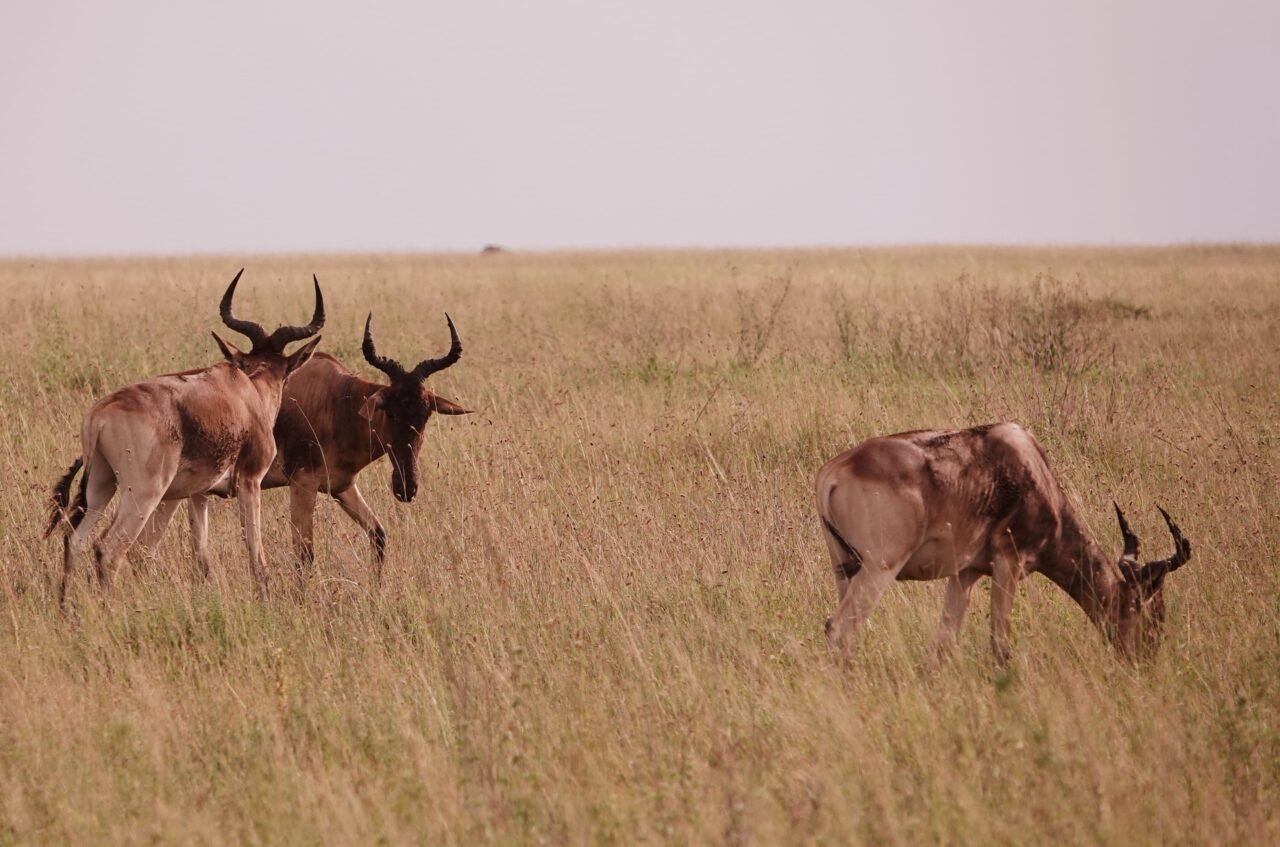
While the logistics of your 7-day safari are dictated by the road conditions and vehicle management, the actual wildlife viewing experience in December is defined by the “short rains,” locally known as the Vuli. This period transforms the Northern Circuit, and understanding these ecological shifts will significantly enhance your daily game drives. Unlike the peak dry season, where animals are forced to congregate around predictable waterholes, the December landscape is expansive and lush, which changes how you should scan the horizon.
The Impact of the Short Rains on Predator Activity
In the Serengeti, the onset of the short rains in December triggers a change in predator strategy. As the plains turn vibrant green, the vegetation grows taller, providing more cover for both prey and predators. For big cats like lions and cheetahs, this creates a more challenging hunting environment compared to the dry season, where the grass is sparse. However, this also means you are more likely to witness the intricate art of the stalk. Because prey species are dispersed across the plains rather than huddled at riverbanks, predators are often more active during the cooler hours of the morning and late afternoon. Your guide will shift their focus from “waterhole staking”—waiting at a known water source—to “active scanning,” where the vehicle moves slowly through the tall grass to spot movement that would otherwise be obscured.
The Arrival of Migratory Bird Species
One of the most underappreciated aspects of a December safari is the explosion of birdlife. As the Northern Circuit receives its first significant rains, it coincides with the arrival of Palearctic migrants—birds that travel from Europe and Asia to escape the northern winter. For enthusiasts, this is the prime time to visit. You will see a dramatic increase in the diversity of raptors, including Steppe eagles and buzzards, which are often spotted perched on the acacia trees in the Serengeti or the Ngorongoro crater rim. The combination of resident species and these migratory visitors creates a density of birdlife that is simply not present in July or August. If you have an interest in ornithology, ensure your guide is aware; they can adjust the pace of your game drive to allow for the identification of these seasonal visitors.
Photographic Advantages of the Lush Landscape
From a photographic standpoint, December offers a stark contrast to the dusty, sepia-toned images often associated with East African safaris. The “short rains” effectively wash the air of particulate matter, resulting in high-clarity, high-contrast days. The background of your photos will shift from the dry, brown scrub of the mid-year months to a rich, vibrant green, which makes the coats of animals like zebras, lions, and leopards “pop” significantly more in the frame. Furthermore, the dramatic, moody skies characteristic of the rainy season provide a spectacular backdrop for landscape photography. Rather than the flat, blue skies of the dry season, you will often find yourself shooting under massive, towering cumulus clouds that add depth and drama to the vast horizons of the Serengeti plains.
Emergency Preparedness and Medical Access in the Northern Circuit
While the 7-day Northern Circuit is a well-trodden route, the geography of the Serengeti and the Ngorongoro Conservation Area creates a unique medical landscape. Unlike a city-based vacation, you are operating in a remote environment where advanced medical infrastructure is hours, sometimes days, away from your immediate location. Preparing for the unexpected is not about anticipating disaster; it is about understanding the logistical reality of how medical assistance functions in the Tanzanian bush so that you can travel with confidence.
Understanding the AMREF Flying Doctor Protocol
For most international travelers on a 7-day group safari, the primary safety net is the AMREF Flying Doctors service. It is critical to understand that this is not an on-call taxi service for minor ailments; it is a specialized emergency evacuation network designed to bridge the gap between remote bush airstrips and the high-quality medical facilities in Arusha or Nairobi. Your safari operator will likely have a subscription or a protocol for utilizing this service, but it is your responsibility to ensure your personal travel insurance covers the specific “medical evacuation” clause. In the event of a severe injury or acute medical emergency, the process involves your guide contacting the operator, who then coordinates with the flying doctors to dispatch a light aircraft to the nearest functional bush airstrip—often located within or near the park gates.
Navigating Medical Logistics and Insurance Requirements
Because you are moving through diverse environments—from the woodland scrub of Tarangire to the vast, open plains of the Serengeti—your proximity to help changes daily. In the early days of your trip, such as your time in Lake Manyara, you are relatively close to local medical clinics. However, by Day 4 and Day 5 in the deep Serengeti, you are in a true wilderness zone. This reality necessitates a two-tiered approach to your medical preparation. First, ensure your insurance policy explicitly covers “emergency medical evacuation” in Tanzania. Many standard policies cover hospital bills but exclude the high cost of airlifting a patient from a remote airstrip. Second, carry a physical copy of your insurance information, including your policy number and the 24/7 emergency contact number, in your daypack. Relying on digital files is risky, as connectivity in the deep bush is inconsistent at best.
Managing Minor Ailments vs. Emergency Care
Most health-related issues on a 7-day safari are minor: dehydration, traveler’s diarrhea, or heat exhaustion. Your safari guide is trained in basic first aid and will carry a standard medical kit for these common, non-emergency situations. Do not hesitate to communicate with your guide if you feel “off.” It is far better to address a mild case of dehydration on Day 3 than to let it escalate into a serious condition by Day 5. If you require specific prescription medication, you must carry a sufficient supply for the entire 7-day duration, plus a buffer of three to four days, as you will not have access to a pharmacy once you leave Arusha. Keep these medications in your carry-on luggage, not in your main check-in bag, to ensure they remain with you even if logistical delays occur at the start of your journey.
Navigating the Departure Day Logistics: From Arusha to the Bush
While the previous sections have detailed the internal mechanics of the 7-day safari experience, the specific logistics of your arrival and the morning of December 14, 2026, warrant careful attention. Because this is a group joining safari, your departure is not an isolated event but a synchronized logistical operation. The morning of Day 1 is often the most critical window for ensuring the entire group’s success. Most reputable operators will require all participants to be in Arusha by the evening of December 13, as the safari vehicle will depart early on the 14th to maximize your time in Tarangire National Park. Attempting to arrive on the morning of the 14th is a high-risk strategy that can jeopardize your entire itinerary if your flight is delayed, as the group cannot wait for late arrivals without impacting the pre-booked park entry times and accommodation slots.
Upon arrival at your hotel in Arusha, you will typically be met by a briefing officer or your lead guide. This is the moment to conduct a final verification of your documents. Ensure your passport, yellow fever vaccination certificate (if applicable based on your transit country), and visa documentation are easily accessible. While most travelers secure an e-visa online prior to travel, having a printed copy is a vital redundancy. During this briefing, the guide will also perform a final inventory check of the vehicle’s supplies—ensuring that the cooler boxes are stocked with bottled water and that the radio communication systems are fully operational. Do not hesitate to ask questions about the route at this stage; once the engine starts on the morning of the 14th, the focus shifts entirely to the road and the wildlife.
The Importance of Gear Calibration Before Departure
Before leaving Arusha, you must perform a final “gear calibration.” This is not about packing more; it is about organizing what you have for immediate accessibility. Your vehicle will be packed with the luggage of several passengers, and once you are on the road, retrieving a bag from the rear storage compartment is difficult and often impossible until you reach the lodge or camp. Separate your gear into three distinct categories: the “day pack” (which stays with you in the cabin), the “soft-shell bag” (which goes into the trunk), and the “valuable/electronic pouch” (which stays on your person).
Your day pack should be the only item you rely on during the game drive. It should contain your binoculars, camera bodies, spare lenses, sunscreen, a hat, a light jacket (as mornings can be crisp even in December), and your personal medical kit. Avoid bringing hard-shell suitcases, as they are notoriously difficult to fit into the specialized storage areas of safari Land Cruisers and can be damaged by the constant vibration of the road. Soft, duffel-style bags are the industry standard for the Northern Circuit because they can be compressed and maneuvered into the tight spaces of the vehicle’s rear compartment.
Understanding the “Group Joining” Departure Dynamics
The group joining format requires a specific social and logistical mindset from the very first hour. On the morning of December 14, you will likely meet your fellow travelers at a central meeting point or be collected from your respective hotels. It is essential to recognize that this is the beginning of a week-long shared experience. The dynamics of the group are set in these first few hours. Be mindful that fellow travelers may have different priorities—some may be professional photographers, while others are casual observers. A respectful, cooperative attitude regarding seating arrangements and noise levels during the first drive to Tarangire sets the tone for the entire week.
Your guide will likely rotate seating in the vehicle to ensure everyone gets a turn at the “window seat” and the “front seat” (next to the driver). Understanding and accepting this rotation policy immediately prevents friction. By clarifying these expectations before leaving Arusha, you ensure that the group remains cohesive. Remember that the guide is balancing the needs of multiple individuals; if you have a specific request regarding a photography angle or a need to stop for a stretch, communicate it clearly but politely, and always be aware of how your request affects the group’s overall schedule.
Navigating the Social Rhythm of Evenings and Communal Dining
In a 7-day group joining safari, the social experience extends well beyond the confines of the Land Cruiser. Once the sun sets and the game drive concludes, your interaction with your fellow travelers shifts from the shared focus of wildlife spotting to the communal environment of the lodge or tented camp. Understanding how to navigate these evening hours is essential for maintaining your energy and enjoying the full duration of your week-long trip.
Most lodges and camps on the Northern Circuit utilize a communal dining structure, particularly for group bookings. This is a deliberate design choice meant to foster camaraderie, allowing travelers to debrief on the day’s sightings and share photographs. However, it is important to recognize that after 8 to 10 hours in the bush, mental fatigue is real. It is perfectly acceptable—and often encouraged—to keep conversation light during dinner. You are not obligated to be “on” socially every minute of the trip. If you find yourself needing to recharge, a polite excuse to head to your room or tent is widely respected by both your fellow guests and the camp staff.
The Unwritten Rules of Camp and Lodge Downtime
The “sundowner” hour—the time between arriving at camp and sitting down for dinner—is a vital part of the Tanzanian safari culture. It is a time to decompress, review your camera settings for the next day, and perhaps enjoy a drink while watching the sunset. During this time, be mindful of the noise levels in shared lounge areas. While these spaces are designed for relaxation, sound carries exceptionally well in the bush environment, especially in tented camps where canvas walls offer little acoustic insulation. Keeping evening noise to a minimum is a courtesy that ensures everyone can enjoy the sounds of the African night.
Furthermore, the 7-day itinerary is a marathon, not a sprint. The temptation to stay up late discussing the day’s events is high, but remember that your guide will likely be ready for a 6:00 AM or 6:30 AM departure the following morning. Establishing a routine of early rest is perhaps the single most effective way to ensure you remain alert and engaged for the duration of the week. By the third or fourth day, the cumulative effect of early starts and long days in the sun can lead to “safari burnout” if you do not prioritize your sleep.
Managing Expectations for Communal Dining
When dining, be prepared for a diverse mix of backgrounds and expectations. In a group joining safari, you may find yourself seated with travelers who have very different interests—from hardcore ornithologists to casual vacationers. Navigating these dinners involves a level of social flexibility. Avoid dominating the conversation with debates about photography gear or specific sightings, as this can alienate those who are there for a more relaxed experience. Instead, focus on the shared, collective joy of the day’s discoveries. If you have specific dietary needs that were not pre-arranged, the evening meal is the time to quietly confirm with the camp manager, rather than making a public announcement, to ensure the kitchen staff has ample time to adjust for the following day.
Navigating the Dynamics of Vehicle Seating
In a group joining safari, the most significant point of potential friction is the allocation of seating within the 4×4 Land Cruiser. Because the vehicle is designed with a mix of window and middle seats, and because the quality of the wildlife viewing experience is inherently tied to your proximity to the open window, this issue requires a clear, pre-emptive strategy. While your guide will typically act as the arbiter of this process, understanding the unwritten rules of seat rotation is vital for maintaining group harmony throughout your seven-day expedition.
The standard industry protocol for a group joining safari is a daily rotation. This ensures that everyone has an equal opportunity to enjoy the optimal vantage points over the course of the week. On the morning of December 14, your guide should facilitate a quick discussion to establish the rotation order. It is advisable to align this rotation with the days of the week—for example, those in middle seats on Day 1 move to window seats on Day 2, and so forth. By formalizing this at the start of the trip, you eliminate the need for daily negotiation and ensure that no single traveler feels disadvantaged or prioritized. If you are traveling as a couple or a pair, discuss with your partner whether you prefer to stay together in the back row or split up to maximize individual window time; however, be mindful that separating pairs can complicate the rotation logic. Ultimately, the guide’s word on seating is final, and their primary goal is to ensure the safety and balance of the vehicle’s load, which can sometimes influence seating arrangements for weight distribution purposes.
The Strategic “Day-Room” Strategy for Late-Night Departures
The conclusion of your 7-day Northern Circuit safari on December 20th often presents a logistical gap that many first-time travelers overlook. Most international flights departing from Kilimanjaro International Airport (JRO) are scheduled for late evening or the early hours of the following morning, typically between 9:00 PM and 2:00 AM. Since your return to Arusha from the Serengeti or Ngorongoro typically occurs in the late afternoon, you will find yourself with a six-to-eight-hour window of time before your flight. After a week of intense game viewing, traversing dusty roads, and rising before dawn, spending this time in a crowded airport terminal or wandering the streets of Arusha is rarely the ideal way to conclude your trip.
The most effective solution is to secure a “day-room” at a hotel in Arusha or near the airport. A day-room is a facility where you pay a reduced rate for access to a hotel room from approximately 3:00 PM until 8:00 PM or 9:00 PM. This provides a private space to shower off the dust of the Serengeti, repack your luggage, change into fresh clothes for your international flight, and rest in air-conditioned comfort. It serves as a necessary decompression zone, allowing you to transition from the rugged environment of the bush back to the realities of international travel. When booking, ensure that you confirm the availability of this service well in advance, as hotels near the airport often reach capacity during the peak December season. Do not assume that you can simply walk into a hotel upon arrival in Arusha and request a room; pre-booking is essential to guarantee this comfort, which will significantly improve the quality of your journey home.
Managing Safari Expectations and Group Dynamics
While the logistics of your 7-day Northern Circuit safari are governed by the geography of the Serengeti and the mechanical limitations of your vehicle, the success of your trip is often determined by the psychological management of expectations. Many travelers arrive with a singular, often rigid, goal: to “check off” the Big Five—lion, leopard, elephant, buffalo, and rhino. This checklist mentality, while understandable given the investment of time and money, can become the single greatest source of friction in a group-joining safari environment. In the lush, green landscape of December, the bush is dense and wildlife can be more elusive than in the dry season. Accepting this reality before you board your Land Cruiser is essential to enjoying the journey rather than enduring the hunt.
The “Big Five” Trap and the Reality of Wildlife Observation
The term “Big Five” is a historical hunting classification, not a biological indicator of a successful safari. When you fixate on finding these specific animals, you inadvertently train your brain to ignore the “Small Five” or the fascinating behavioral displays of common game. In a group setting, this fixation often manifests as impatience. If a fellow traveler is solely focused on the checklist, they may pressure the guide to drive faster, skip sightings of giraffes or zebras, and constantly monitor the radio for news of a kill or a leopard sighting. This creates a high-stress atmosphere that detracts from the in-depth experience of the Northern Circuit. During your 7-day trip, remind yourself that the most memorable moments are rarely the ones you planned; they are often the unexpected interactions—a dung beetle rolling its prize, a family of elephants crossing the road, or the intricate social hierarchy of a baboon troop. By broadening your definition of a “successful” sighting, you insulate yourself against the inevitable disappointment that comes when nature refuses to cooperate with a schedule.
Balancing Divergent Interests in a Shared Vehicle
A group-joining safari inherently brings together strangers with different travel philosophies. You may find yourself sharing a vehicle with a professional photographer who needs to stay in one spot for an hour to capture the perfect light, and a casual vacationer who wants to see as much ground as possible. This divergence is natural, but it requires active management. The most effective way to handle this is to have a brief, open discussion with your vehicle mates on the first morning. Acknowledge the differences: “I’m here to take photos, so I might be a bit slow with my gear,” or “I’m really interested in the birds, so I might ask to stop for things others might overlook.” By verbalizing these preferences early, you transform potential conflict into a collaborative effort. If you are the photographer, be mindful of the “shutter-happy” fatigue you might inflict on others; if you are the casual observer, recognize that your companion’s patience might lead to a sighting that everyone benefits from.
The Psychology of the “Radio Rush”
The “bush telegraph” or guide-to-guide radio communication is a double-edged sword. While it is the primary tool for finding elusive predators, it also triggers the “Radio Rush.” When a leopard is spotted, every vehicle in the vicinity converges on that single point. This can lead to a chaotic scene where five or six vehicles jockey for position, blocking each other’s views and stressing the animal. As a passenger, you have the power to mitigate this. If you find yourself in a vehicle that is part of a “rush,” consider advocating for a more patient approach. Suggest to your guide, “Let’s wait a few minutes for the crowd to clear.” Often, by waiting just fifteen or twenty minutes, the initial frenzy dissipates, and you are left with a quiet, private viewing experience that is far superior to the chaotic first arrival. This requires a shift in mindset: prioritizing the quality of the observation over the speed of arrival.
Embracing the “Slow Safari” Philosophy
The 7-day duration of your Northern Circuit trip is specifically designed to allow for a “slow safari” pace, yet many travelers spend their time looking at the horizon rather than the immediate surroundings. In December, the short rains turn the plains into a vibrant, tall-grass sanctuary. This means predators are harder to spot, but it also means the landscape is teeming with life that is often missed when driving at high speeds. The “slow safari” philosophy involves asking your guide to turn off the engine and simply listen. The sound of the bush—the alarm calls of birds, the rustle of grass, the distant roar of a lion—is a sensory experience that no camera can capture. When you stop rushing, you stop being a tourist and start being an observer. This transition is not only more rewarding but also significantly reduces the mental fatigue that often sets in by day five. By slowing down, you allow the ecosystem to reveal itself on its own terms, leading to a much deeper, more authentic connection to the Tanzanian wilderness.
Related Guides and Packages
Check Availability for Dec 14, – 7 Day Complete Tanzania Northern Circuit Group Safari 2026
Ready to compare dates, prices, and the best option for your group? Send the package name and travel month so the team can reply with a clear quote, availability, and what is included.
Nov 20, – 8 Day Complete Northern Tanzania Group Safari: Planning Your Trip
A comprehensive guide to the 8-day Northern Tanzania group safari departing November 20, 2026, covering logistics, route advantages, and planning essentials.
View package detailsNov 16, – 6 Day Tanzania Northern Circuit Group Safari 2026
Planning for November 2026? Join our 6-day group safari covering Tanzania's premier Northern Circuit parks. Expert-led, social, and cost-effective wildlife viewing.
View package detailsOct 30, – 5 Day Tanzania Northern Circuit Group Joining Safari 2026
Oct 30, 2026 – 5 Day Tanzania Northern Circuit Group Joining Safari.
View package details
Dec 30, – 7 Day New Year Tanzania Group Joining Safari 2026
A complete guide to our 7-day group joining safari for the 2026/2027 New Year season, covering the Northern Circuit, wildlife expectations, and how to secure your spot.
View package detailsDec 18, – 9 Day Tanzania Wildlife And Cultural Group Safari 2026
A deep look at our 9-day wildlife and cultural group safari departing December 18, 2026. This trip balances classic Northern Circuit game viewing with genuine cultural engagement.
View package detailsDec 10, – 5 Day Northern Tanzania Group Joining Safari 2026
A detailed guide to our 5-day Northern Tanzania group joining safari scheduled for December 10, 2026. Learn about the route, group logistics, and how to book your spot.
View package details8 Day Serengeti And Ngorongoro Group Safari – December 16, 2026
Planning your December 2026 Tanzanian adventure? Our 8-day group safari offers a deep, unhurried exploration of the Serengeti and Ngorongoro Crater.
View package detailsNov 18, – 7 Day Serengeti And Ngorongoro Group Joining Safari 2026
A detailed guide to the 7-day group joining safari departing November 18, 2026, covering Serengeti, Ngorongoro, and the logistical advantages of shared travel.
View package details
Dec 20, – 10 Day Complete Tanzania Group Joining Safari
Dec 20, 2026 – 10 Day Complete Tanzania Group Joining Safari.
View package details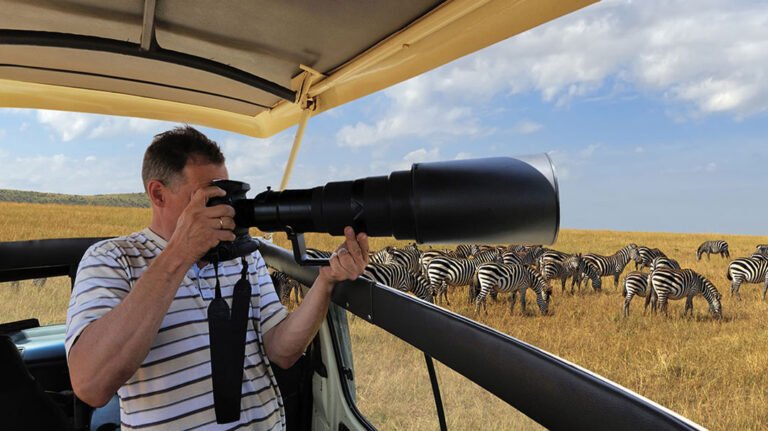
How Early Should I Book A Nov Or Dec Tanzania Group Safari?
How Early Should I Book a Nov or Dec Tanzania Group Safari?
View package details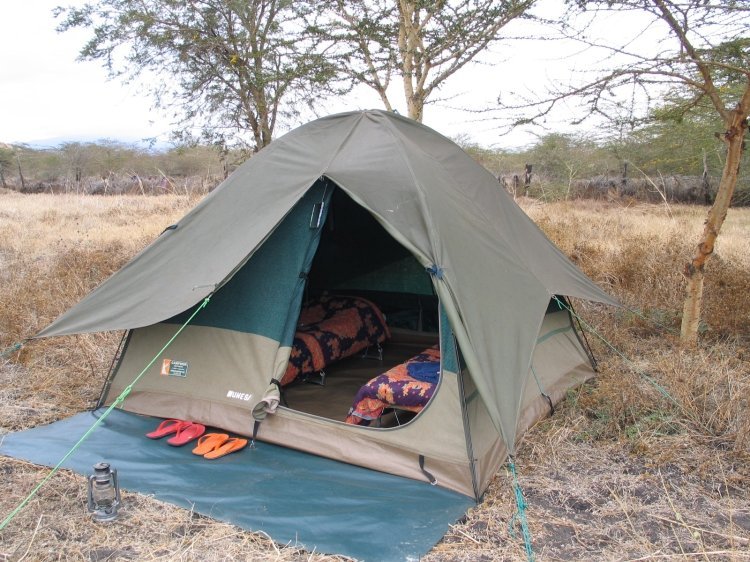
Can I Pay A Deposit To Reserve A Tanzania Group Safari?
Can I Pay a Deposit to Reserve a Tanzania Group Safari?
View package details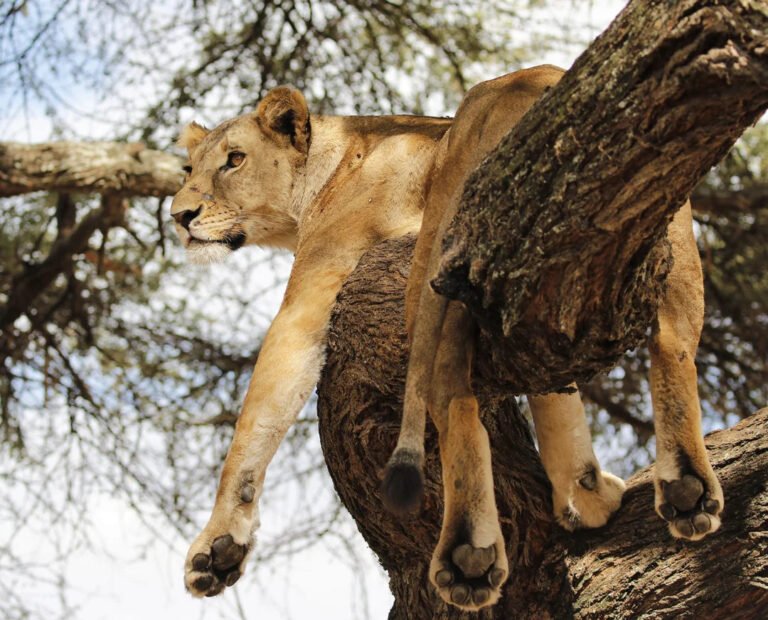
Dec 25, – 5 Day Christmas Tanzania Group Joining Safari 2026
Celebrate Christmas in the heart of the Tanzanian wilderness. Join our 5-day group safari departing December 25, 2026, and experience the iconic Northern Circuit.
View package detailsNo related package matches those filters. Clear one or more filters to see the other topic-matched options.



