Yes, two safari vehicles can absolutely travel together for the same group on a Tanzania safari, and it’s often a necessary or highly beneficial arrangement, particularly for larger groups, during peak seasons, or when specific game viewing strategies are employed. This setup ensures comfort, optimal wildlife viewing opportunities, and a smoother overall safari experience for everyone involved in 2026 and 2027.
Understanding When Two Safari Vehicles Are Essential or Recommended
The decision to use one or two safari vehicles for a single group isn’t arbitrary. It hinges on several practical considerations that directly impact your safari experience. At Climb 4 Africa, we assess these factors carefully when planning your 2026 or 2027 adventure to ensure maximum comfort and wildlife encounters.
Vehicle Capacity: The Primary Driver
The most straightforward reason for needing two vehicles is group size. Standard safari vehicles in Tanzania, typically Land Cruisers or Land Rovers, are designed to comfortably seat a maximum of six to seven passengers in addition to the driver-guide. While some operators might squeeze in one or two more, this compromises comfort, visibility, and the ability for everyone to have a window seat. For groups exceeding seven people, splitting into two vehicles becomes a practical necessity.
For instance, a family reunion or a group of friends numbering eight to twelve individuals will almost certainly require two vehicles. This ensures that each person has ample space to move around, store their gear, and enjoy unobstructed views of the wildlife. Trying to fit a larger group into a single vehicle would lead to discomfort, limited photographic opportunities, and a diminished overall experience. We always recommend planning for two vehicles for groups of 8 or more to guarantee a top-tier safari.
Comfort and Personal Space
Even for groups that might technically fit into one vehicle, opting for two can significantly enhance comfort, especially on longer game drives or during extensive travel days. Having more personal space allows travelers to relax, stretch out, and enjoy the journey without feeling cramped. This is particularly important for longer safaris, such as those spanning 7-10 days across multiple parks like the Serengeti, Ngorongoro Crater, and Tarangire, where hours are spent in the vehicle each day.
For a group of six, for example, while one vehicle might suffice, splitting into two vehicles (three people per vehicle) offers a much more relaxed and personalized safari. This allows for more freedom to move, change seating positions for different views, and reduces the fatigue associated with being in close quarters for extended periods. This is a common consideration for couples or small families who prioritize comfort and a more intimate safari experience in 2026-2027.
Optimizing Wildlife Viewing and Photography
Sometimes, the strategy for wildlife viewing dictates the use of two vehicles. In the vast plains of the Serengeti, for instance, herds can be spread out, or a particular animal might be visible from a distance. Having two vehicles allows for greater flexibility:
- Flanking Maneuvers: One vehicle can approach an animal from one side while the other positions itself for a different angle, offering photographers and wildlife enthusiasts a more comprehensive view and better photographic opportunities.
- Covering More Ground: During migration season, two vehicles can split slightly to cover a wider area, increasing the chances of spotting specific herds or predators.
- Minimizing Disturbance: Two smaller vehicles can sometimes approach sensitive wildlife with less disturbance than one larger vehicle.
This tactical advantage is crucial for serious photographers or those hoping to witness specific behaviors, such as predator-prey interactions. It allows the group to adapt more effectively to the dynamic environment of the African bush.
Logistical Considerations and Flexibility
In certain scenarios, using two vehicles provides crucial logistical benefits:
- Vehicle Breakdown: While rare with well-maintained vehicles, a breakdown can halt an entire group if they are in a single vehicle. With two, one vehicle can continue with the group while the other awaits assistance or returns to camp, minimizing disruption.
- Access to Specific Areas: Some park regulations or road conditions might favor smaller vehicles, or specific viewpoints might only accommodate one vehicle at a time.
- Driver-Guide Expertise: Having two driver-guides can mean twice the expertise and knowledge of animal behavior, tracking, and park geography. They can communicate and coordinate, enriching the overall experience.
These factors are particularly relevant for remote areas or during challenging conditions, making the decision to use two vehicles a strategic one for a smooth 2026-2027 safari.
Comparing One vs. Two Safari Vehicles: A Decision Framework
Choosing between one or two safari vehicles involves weighing various factors. Understanding these trade-offs will help you make the best decision for your group’s needs and expectations for your 2026-2027 Tanzania safari. Climb 4 Africa guides this process, ensuring you get the most value and enjoyment.
When ONE Vehicle is Likely Sufficient:
- Small Group Size: Typically 2-6 travelers. This ensures everyone has a window seat and comfortable space.
- Shorter Safaris: For 1-3 day trips, the reduced comfort for longer periods might be less of an issue.
- Budget Focus: One vehicle is generally more cost-effective than two, as you’re paying for one driver-guide, one vehicle rental, and associated fuel costs.
- Relaxed Pace: If the group is content with a more leisurely pace and doesn’t require specialized photographic setups or tactical game viewing.
When TWO Vehicles Are Highly Recommended or Necessary:
- Larger Group Size: 7-12 travelers. This is the most common reason.
- Comfort Prioritization: Groups who value personal space and comfort, especially on longer safaris (5+ days).
- Photography Enthusiasts: For those seeking optimal angles, reduced glare, and the ability to position vehicles strategically for shots.
- Specific Game Viewing Strategies: When trying to observe complex animal behaviors or cover vast areas efficiently.
- Peace of Mind: For groups who want the added security of a backup vehicle in case of mechanical issues or unexpected delays.
- Special Occasions: For honeymoons, milestone birthdays, or family gatherings where ensuring everyone has a premium experience is paramount.
Cost Implications of Two Vehicles
It’s important to be transparent about the costs. Using two vehicles will, naturally, increase the overall safari cost. This is primarily due to:
- Vehicle Rental: You are paying for two vehicles instead of one.
- Driver-Guide Fees: You will have two driver-guides, each requiring accommodation and a daily fee.
- Fuel and Park Fees: These costs will be doubled.
However, for groups larger than six, the per-person cost of using two vehicles might be comparable to, or even less than, trying to fit everyone into a single, overloaded vehicle that compromises the experience. At Climb 4 Africa, we work with you to find the most cost-effective solution that doesn’t sacrifice quality for your 2026 or 2027 safari.
For example, a group of 8 might find that the cost of two vehicles, divided by 8 people, is only slightly higher than the cost of one vehicle divided by 6 people, but provides a vastly superior experience. We encourage you to discuss your budget and group dynamics openly with us.
Operational Aspects of Traveling with Two Safari Vehicles
When two vehicles travel together for the same group, their operation is coordinated to maximize efficiency and enjoyment. This involves communication, strategy, and ensuring a unified group experience despite the physical separation.
Communication Between Vehicles
Effective communication is key. While direct radio communication between vehicles is not standard on all safari setups, driver-guides are highly experienced in coordinating. They often use:
- Pre-arranged Signals: Hand signals or specific driving patterns can be used to indicate discoveries, dangers, or a need to stop.
- Mobile Phones: In areas with network coverage, driver-guides can communicate via phone.
- Visual Cues: Driver-guides are skilled at observing each other’s vehicles and anticipating movements.
- Centralized Itinerary: Both guides will have the same itinerary and understand the day’s objectives.
Climb 4 Africa ensures all our driver-guides are trained in these coordination techniques to ensure a smooth experience, even if the vehicles are a few hundred meters apart.
Coordinated Game Drives
Game drives are typically conducted in tandem. The lead vehicle often takes the initiative in spotting wildlife, and the second vehicle follows, positioning itself to avoid disturbing the animals or to offer a different perspective. This coordination is especially vital:
- When Tracking Specific Animals: For instance, tracking a pride of lions or a leopard with cubs. Both vehicles can maintain a respectful distance while observing.
- During Peak Season: When popular sightings might attract multiple vehicles, two vehicles from the same group can ensure you have adequate viewing time without feeling overwhelmed by other tourists.
- In Large Parks like the Serengeti: Where the sheer size means animals can be elusive. Two vehicles can fan out slightly to cover more ground.
The aim is for the group to feel like they are on one cohesive safari, even though they are in separate vehicles. The driver-guides are adept at ensuring this happens.
Meeting Points and Camp Arrivals
Driver-guides will establish meeting points for lunch breaks, sundowners, or when entering or exiting specific park sections. They will also coordinate their arrival at the lodge or campsite, ensuring that the group can gather together for evening debriefs or meals. This structured approach ensures that no one is left behind and that the group’s schedule remains synchronized.
For example, if one vehicle spots a particularly interesting sighting and wants to spend extra time, they might communicate this to the second vehicle, which can proceed to a pre-arranged meeting point or wait at a safe distance. This flexibility is a hallmark of a well-organized safari.
Safety and Emergency Procedures
Having two vehicles offers a significant safety advantage. In the unlikely event of a mechanical issue, medical emergency, or getting stuck, the second vehicle can:
- Provide Immediate Assistance: Offer supplies, communication means, or transport if needed.
- Contact Park Authorities or Camp: Relay messages and request further help.
- Continue the Itinerary: Ensure the rest of the group’s safari experience is not entirely disrupted.
Climb 4 Africa prioritizes safety above all else. Our vehicles are well-maintained, and our driver-guides are trained in emergency protocols. The presence of a second vehicle for a group adds an extra layer of security and peace of mind for your 2026-2027 travels.
Maximizing Your Experience with Two Vehicles: Tips and Strategies
Traveling with two safari vehicles for your group offers unique opportunities to enhance your Tanzania adventure. Here’s how to make the most of this setup for your 2026 or 2027 safari.
Leveraging Driver-Guide Expertise
With two vehicles, you have two experienced driver-guides. Encourage them to:
- Share Information: They can often communicate sightings or interesting animal behaviors they observe to each other, enriching both vehicles’ experiences.
- Divide and Conquer: If the group has diverse interests (e.g., some want to focus on birdwatching while others seek big cats), the guides can subtly divide their focus to cater to both, coordinating sightings.
- Offer Different Perspectives: Each guide has unique knowledge of animal behavior and park geography. They might offer slightly different interpretations or insights, providing a richer learning experience for the group.
Enhancing Photography Opportunities
For photography enthusiasts, two vehicles are a dream. You can:
- Optimize Angles: Position one vehicle for a wide shot and the other for a close-up, or use them to capture an animal from multiple sides simultaneously.
- Reduce Glare and Obstructions: If one vehicle is slightly behind another, it can often provide a clearer shot, especially with larger animals or when multiple vehicles are present.
- Create Distance for Natural Behavior: Sometimes, having two vehicles maintain a respectful distance allows animals to behave more naturally, leading to better photographic moments.
Group Dynamics and Flexibility
Two vehicles can foster a sense of shared adventure while still allowing for some personal space:
- Shared Discoveries: The excitement of a rare sighting can be shared across both vehicles, with guides coordinating to bring everyone together.
- Individual Preferences: If some members of the group prefer to relax at the lodge for an afternoon while others go on a short game drive, this flexibility is easier to manage with two vehicles.
- Social Interaction: Evenings at the lodge or camp become opportunities for the entire group to reconnect, share stories, and plan the next day, reinforcing the camaraderie.
Communicating Your Needs to Climb 4 Africa
When you contact Climb 4 Africa to plan your 2026 or 2027 safari, be upfront about your group size and any specific preferences regarding comfort, photography, or pace. We will:
- Assess Group Size: We’ll immediately determine if two vehicles are necessary based on your party size.
- Discuss Comfort Levels: We’ll ask about your priorities for personal space and travel time.
- Understand Your Interests: Are you keen photographers? Are you interested in specific animal behaviors? This helps us tailor the vehicle setup.
- Provide Clear Costings: We’ll break down the costs for using one versus two vehicles so you can make an informed decision.
For example, a group planning a 2026 Serengeti migration safari with 9 people would be strongly advised to book two vehicles. We’d explain how this allows for optimal viewing of the herds and minimizes crowding, even on the busiest migration viewing days. We can be reached via WhatsApp at +255 747 477 898 or email at climb4africa@gmail.com to discuss your specific requirements.
Common Misconceptions About Multiple Safari Vehicles
Travelers sometimes have misconceptions about using more than one vehicle for a safari. Understanding these can help set realistic expectations and make informed choices for your 2026-2027 trips.
Misconception 1: Two Vehicles Mean a Divided Group
Some travelers worry that being in separate vehicles will make the group feel disconnected. However, well-organized safaris ensure this is not the case. Driver-guides are instructed to coordinate closely. They will ensure that significant sightings are shared, that vehicles meet for breaks and meals, and that the overall group experience remains unified. The goal is for the two vehicles to function as a single, coordinated unit, maximizing the benefit for the entire group.
Misconception 2: It’s Only for Very Large Groups
While larger groups are the primary reason, smaller groups (e.g., 5-7 people) might opt for two vehicles for enhanced comfort or specific photographic needs. A group of 5 could split into two vehicles (2 and 3 people), offering each person more space and better viewing angles than being in a single vehicle with only 5 seats occupied but still limited movement.
Misconception 3: It Significantly Increases Costs for Small Groups
For groups of 7 or 8, the per-person cost of two vehicles might not be drastically higher than the cost of one vehicle for a smaller group of 6, especially when considering the value of comfort and better viewing. If a group of 6 is paying a premium for a private safari, a group of 8 might find the per-person rate for two vehicles to be quite competitive, offering a much better experience for the same or slightly increased outlay.
Misconception 4: Two Vehicles Mean More Disturbance to Wildlife
While more vehicles in a park can sometimes disturb wildlife, coordinated groups using two vehicles can actually minimize disturbance. By communicating and positioning themselves strategically, the two vehicles can often achieve better viewing with less impact than a single, larger vehicle trying to maneuver into position, or multiple unrelated vehicles converging. Guides are trained in responsible wildlife viewing practices regardless of the number of vehicles.
Misconception 5: It’s Always About Luxury and Space
While comfort is a major benefit, the decision for two vehicles can also be driven by practical needs. For instance, a group with members who have mobility issues might benefit from more space to move within the vehicle, or a group with a lot of camera equipment might need the extra room. It’s not always about pure luxury; it’s about optimizing the safari experience for everyone’s needs.
At Climb 4 Africa, we believe in transparency and helping you understand all aspects of your safari. We’ll discuss these points openly when you plan your 2026-2027 trip, ensuring you feel confident in your choices.
Planning Your 2026-2027 Tanzania Safari with Climb 4 Africa
When planning your safari for 2026 or 2027, especially regarding vehicle arrangements, partnering with an experienced operator like Climb 4 Africa is crucial. We leverage our local knowledge and operational expertise to ensure your trip is smooth, comfortable, and filled with incredible wildlife encounters.
Tailored Itinerary Development
We don’t offer one-size-fits-all packages. Every safari is customized to your group’s size, interests, budget, and desired pace. When considering vehicle needs:
- Initial Consultation: We start by understanding your group dynamics and priorities.
- Vehicle Recommendation: Based on your group size (e.g., 8 people for a 7-day Serengeti & Ngorongoro safari), we will recommend whether one or two vehicles are best, explaining the pros and cons.
- Itinerary Customization: We build itineraries that maximize your time in prime wildlife areas, considering how multiple vehicles can best serve your viewing goals.
Vehicle Selection and Maintenance
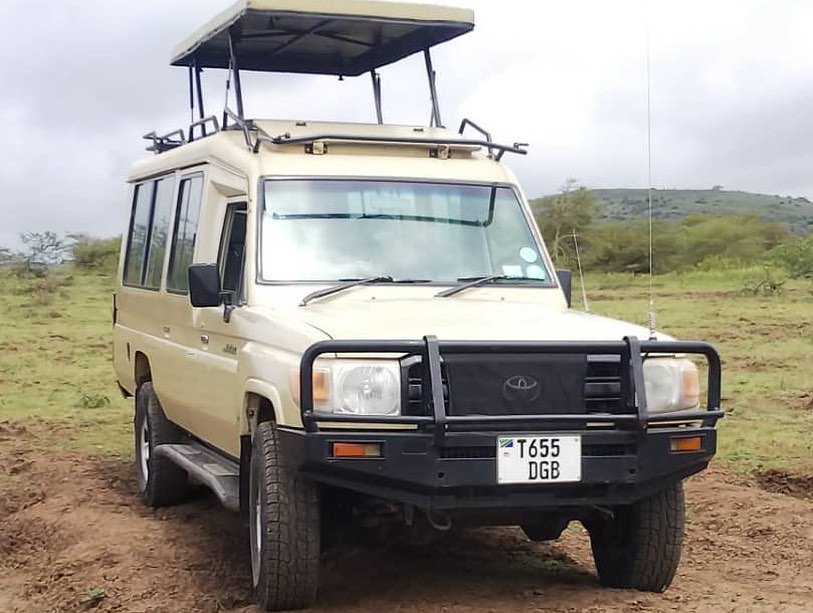
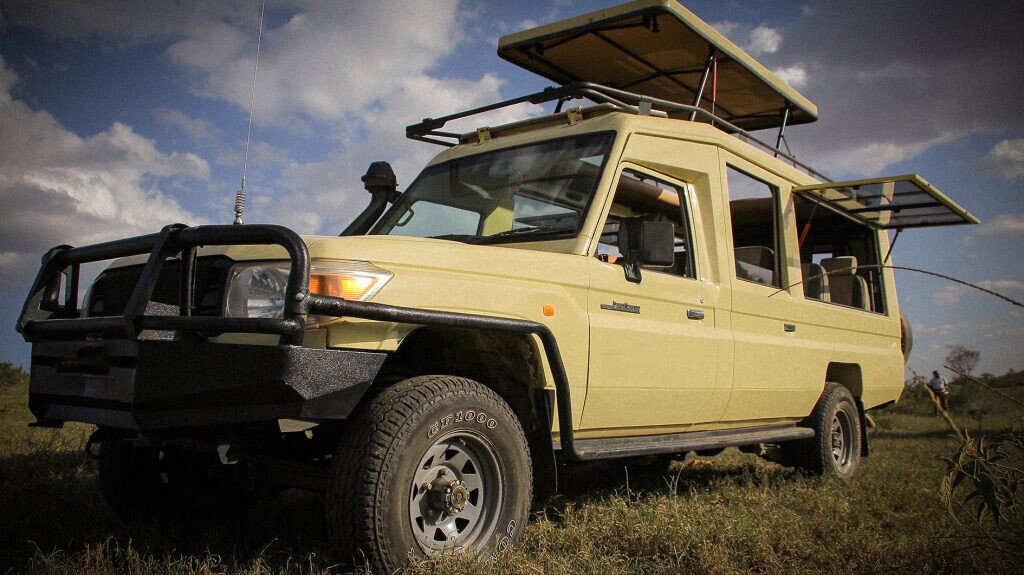
Climb 4 Africa uses well-maintained 4×4 Land Cruisers or Land Rovers, which are the standard and most suitable vehicles for Tanzanian parks. These vehicles are equipped with:
- Pop-up Roofs: Essential for game viewing and photography, allowing you to stand up and get unobstructed 360-degree views.
- Comfortable Seating: Designed for long drives, with ample legroom.
- Reliability: Regular servicing and checks ensure they are in optimal condition for your safari.
If two vehicles are booked, we ensure they are assigned to experienced driver-guides who work well together and are familiar with each other’s operating styles.
Transparent Pricing for 2026-2027 Safaris
We believe in clear and honest pricing. When you inquire about a safari, we will provide a detailed quote that outlines:
- Vehicle Costs: Clearly stating the cost per vehicle or per person based on the vehicle arrangement.
- Inclusions: Park entry fees, accommodation, meals, driver-guide fees, fuel, and vehicle hire.
- Exclusions: Tips, drinks, personal expenses, and travel insurance.
For example, a 2026 private safari for 10 people will clearly show the cost associated with two vehicles, driver-guides, and associated park fees, allowing you to compare options and make an informed decision.
Booking Your Safari
Ready to plan your unforgettable Tanzania safari for 2026 or 2027? Contact Climb 4 Africa today. We are committed to providing exceptional service and crafting the perfect safari experience for your group.
- WhatsApp Us: +255 747 477 898
- Email Us: climb4africa@gmail.com
- Visit Our Website: Climb 4 Africa
Let us know your group size, desired dates, and any specific interests, and we’ll help you determine the best vehicle setup to ensure your safari is everything you dreamed of.
Key Takeaways for Traveling with Two Safari Vehicles
For your 2026-2027 Tanzania safari, remember these points regarding traveling with two vehicles:
- Group Size is Primary: More than 6-7 people generally requires two vehicles for comfort and optimal viewing.
- Comfort Matters: Even for smaller groups, two vehicles offer superior personal space and reduce travel fatigue on longer safaris.
- Strategic Advantage: Two vehicles enhance photography opportunities and allow for more flexible game viewing strategies.
- Safety Net: The presence of a second vehicle provides an added layer of security and operational backup.
- Coordination is Key: Experienced driver-guides ensure smooth operation and a unified group experience.
- Cost vs. Value: While two vehicles increase the total cost, the per-person value in terms of comfort and experience is often significantly higher.
Climb 4 Africa is dedicated to ensuring every aspect of your safari, from vehicle arrangements to wildlife encounters, is perfectly managed. We look forward to helping you plan an extraordinary adventure.
Check Availability for Can Two Safari Vehicles Travel Together For The Same Group? Planning Your
Ready to compare dates, prices, and the best option for your group? Send the package name and travel month so the team can reply with a clear quote, availability, and what is included.
Dec 24, – 3 Day Christmas Serengeti And Ngorongoro Group Safari
Dec 24, 2026 – 3 Day Christmas Serengeti and Ngorongoro Group Safari.
View package details
Dec 20, – 10 Day Complete Tanzania Group Joining Safari
Dec 20, 2026 – 10 Day Complete Tanzania Group Joining Safari.
View package details
Which Dec Group Safari Ends Before New Year’s Eve?
Which Dec Group Safari Ends Before New Year’s Eve?
View package details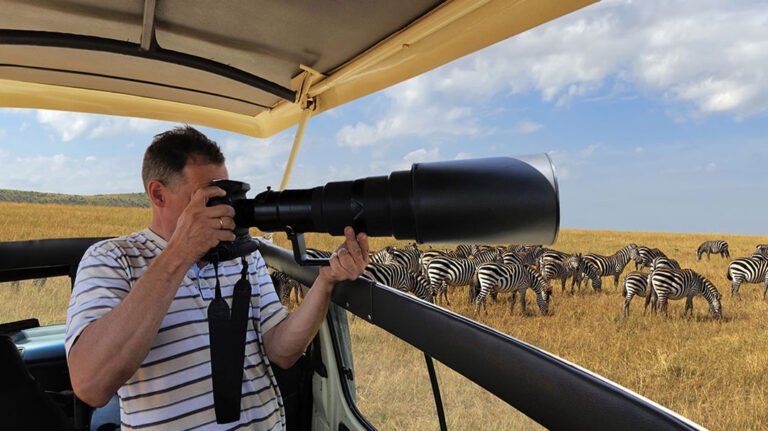
How Early Should I Book A Nov Or Dec Tanzania Group Safari?
How Early Should I Book a Nov or Dec Tanzania Group Safari?
View package details
Can I Pay A Deposit To Reserve A Tanzania Group Safari?
Can I Pay a Deposit to Reserve a Tanzania Group Safari?
View package details
Dec 31, : New Year’s Eve Serengeti Group Safari Planning Guide
This guide provides essential planning details for a group safari trip to the Serengeti for New Year's Eve 2026, covering logistics, seasonal highlights, and what to expect.
View package details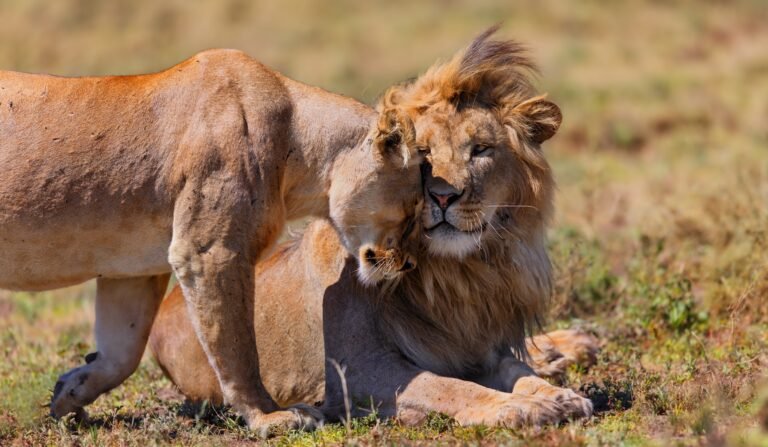
Dec 22, – 3 Day Nyerere Group Joining Safari
Dec 22, 2026 – 3 Day Nyerere Group Joining Safari.
View package details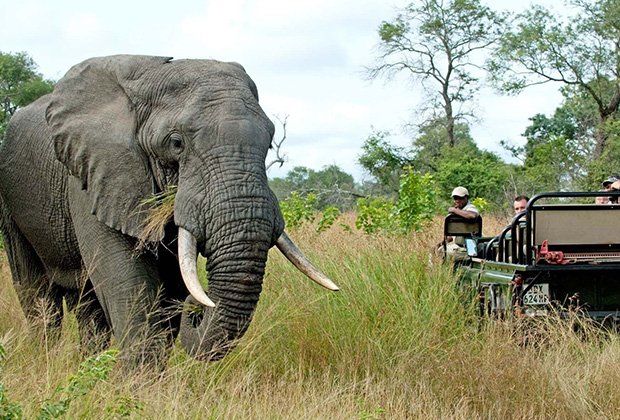
I Am On A Budget—What Is The Cheapest Serengeti Group Safari?
I Am on a Budget—What Is the Cheapest Serengeti Group Safari?
View package details_1_John_from-rednote-web-768x1024.jpg)
Dec 13, – 2 Day Nyerere Fly-In Group Safari From Zanzibar 2026
A detailed guide to the December 13, 2026 group fly-in safari from Zanzibar to Nyerere National Park, covering the itinerary, logistics, and planning for your trip.
View package details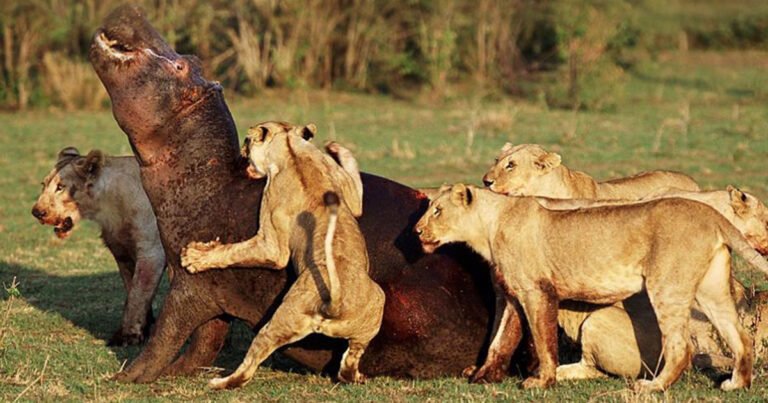
Dec 5, – 1 Day Mikumi Fly-In Group Safari From Zanzibar 2026
A practical guide to the December 5, 2026, group fly-in safari to Mikumi National Park. Learn about the itinerary, group logistics, and how to book your seat.
View package details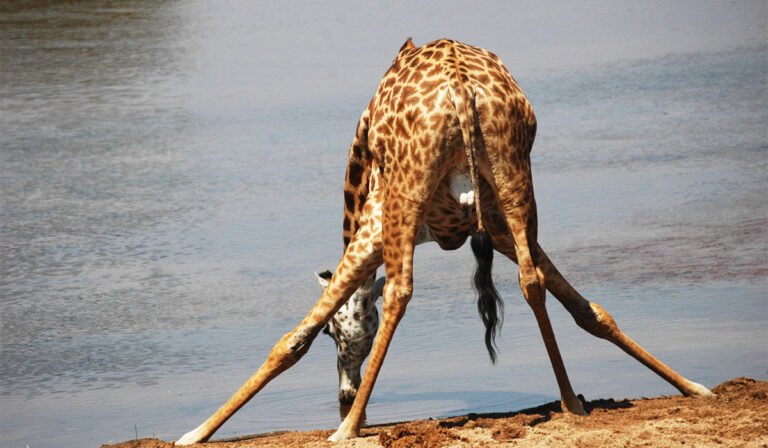
Nov 15, – 2 Day Mikumi Fly-In Group Safari From Zanzibar 2026
A practical guide and booking overview for the November 15, 2026, group fly-in safari to Mikumi National Park, departing from Zanzibar.
View package details
Oct 25, – 1 Day Nyerere Fly-In Group Safari From Zanzibar 2026
Secure your spot for the October 25, 2026, group fly-in safari to Nyerere National Park. A professional, time-efficient wildlife experience from Zanzibar.
View package detailsNo related package matches those filters. Clear one or more filters to see the other topic-matched options.