The best gorilla trekking tours in Africa are found in Uganda and Rwanda, offering unparalleled opportunities to observe mountain gorillas in their natural habitat. Uganda’s Bwindi Impenetrable National Park and Mgahinga Gorilla National Park, alongside Rwanda’s Volcanoes National Park, provide the primary locations. Tours typically range from 3 days to over a week, combining gorilla viewing with other wildlife experiences, with prices heavily influenced by permit costs, accommodation levels, and the tour operator’s inclusions for 2026-2027 departures.
Understanding the Primate Pilgrimage: Why Gorilla Trekking?
Gorilla trekking is more than just a safari; it’s a profound encounter with our closest living relatives. The sheer presence of a family of mountain gorillas, their gentle interactions, and the raw, untamed environment they inhabit create an experience that resonates deeply. For many, it’s a lifelong dream, a chance to connect with nature on an elemental level. This journey takes you into the heart of ancient rainforests, where every step is rewarded with the possibility of witnessing these magnificent creatures. Planning for the best gorilla trekking tours in Africa requires understanding the unique ecosystems, the specific parks involved, and the logistical considerations that make these trips so special and, at times, challenging.
When we talk about the best gorilla trekking tours, we’re referring to well-organized expeditions that prioritize ethical wildlife viewing, visitor safety, and the conservation of these endangered primates. This involves working with reputable tour operators who understand the delicate balance of the rainforests and the importance of responsible tourism. The goal is to provide an unforgettable experience for you while contributing positively to the protection of gorillas and their habitats. As you plan for 2026 or 2027, understanding these fundamentals will set the stage for a successful and meaningful adventure.
Choosing Your Gorilla Sanctuary: Uganda vs. Rwanda
The primary decision for any gorilla trekker is choosing between Uganda and Rwanda. Both offer exceptional mountain gorilla encounters, but they present different experiences, price points, and logistical considerations. Understanding these differences is crucial for selecting the best gorilla trekking tour that aligns with your expectations and budget for 2026-2027.
Uganda: The Primate Capital of East Africa
Uganda is often hailed as the ‘Primate Capital of East Africa’ for good reason. It hosts a significant portion of the world’s remaining mountain gorillas, spread across two main national parks: Bwindi Impenetrable National Park and Mgahinga Gorilla National Park. Bwindi, a UNESCO World Heritage Site, is the most biodiverse and home to the largest population of gorillas, with multiple habituated gorilla families available for trekking. Mgahinga, though smaller, is part of the larger Virunga Massif, shared with Rwanda and the Democratic Republic of Congo, and offers a chance to see gorillas as well as the endangered golden monkeys.
Why Choose Uganda?
- Larger Gorilla Population: Bwindi Impenetrable National Park has the highest concentration of mountain gorillas, meaning more habituated groups and potentially more trekking opportunities.
- Diverse Habitats: Bwindi’s dense, ancient rainforest offers a challenging yet rewarding trekking experience. Mgahinga provides a slightly different landscape, with volcanic slopes.
- More Affordable Permits: Historically, Uganda’s gorilla permits have been less expensive than Rwanda’s, making it a more budget-friendly option for many travelers. As of late 2023/early 2024, Uganda permits are typically around $700 USD per person.
- Variety of Trekking Experiences: Bwindi is divided into sectors (Buhoma, Ruhija, Rushaga, and Nkuringo), each offering different gorilla families and trekking difficulty levels. This allows for more flexibility in planning.
- Combined Primate Safaris: Uganda is also excellent for tracking chimpanzees in Kibale National Park, often combined with gorilla trekking for a comprehensive primate experience.
Considerations for Uganda:
- Accessibility: Reaching Bwindi and Mgahinga typically involves longer overland journeys from Entebbe International Airport (EBB), often taking a full day’s drive. Internal flights are available but add to the cost.
- Trekking Difficulty: Bwindi’s terrain can be steep and challenging due to its dense jungle environment.
For those prioritizing a longer, potentially more diverse primate experience and a slightly lower permit cost, Uganda often emerges as the top choice for the best gorilla trekking tours.
Rwanda: The ‘Land of a Thousand Hills’ and Luxury Gorilla Trekking
Rwanda has made significant strides in conservation and tourism, positioning itself as a premier destination for gorilla trekking. Volcanoes National Park, also part of the Virunga Massif, is renowned for its well-habituated gorilla families and accessibility. Rwanda’s tourism model often focuses on a higher-end experience, with luxury lodges and a more streamlined, efficient approach to tourism.
Why Choose Rwanda?
- Accessibility and Convenience: Volcanoes National Park is relatively close to Kigali International Airport (KGL), often requiring a 2-3 hour drive. This makes it ideal for shorter trips or those who prefer less travel time.
- Exceptional Infrastructure: Rwanda boasts high-quality lodges and a well-developed tourism infrastructure, catering to a more discerning traveler.
- Easier Trekking Conditions: While still requiring a good level of fitness, the terrain in Volcanoes National Park is generally considered less challenging than parts of Bwindi.
- Higher Permit Cost, Exclusive Experience: Rwanda’s gorilla permits are significantly more expensive. As of late 2023/early 2024, they are priced at $1,500 USD per person. This higher cost helps fund conservation efforts and limits the number of trekkers, contributing to a more exclusive experience.
- Golden Monkey Trekking: Mgahinga and Volcanoes National Park also offer fantastic opportunities to track golden monkeys.
Considerations for Rwanda:
- Higher Cost: The permit fee is the most substantial difference, making Rwanda a more premium option.
- Fewer Habituated Groups: While excellent, the number of habituated gorilla families available for trekking is generally less than in Uganda.
For travelers seeking a more comfortable, convenient, and potentially luxurious gorilla trekking experience, and who are comfortable with the higher permit cost, Rwanda is an outstanding choice for the best gorilla trekking tours.
The Gorilla Permit: Your Golden Ticket
The gorilla permit is the single most important document for your trek. It grants you permission to spend one hour observing a habituated gorilla family. Securing these permits well in advance is absolutely critical, especially if you are planning your trip for peak seasons in 2026 or 2027.
Permit Costs (as of late 2023/early 2024):
- Uganda: Approximately $700 USD per person for foreign non-residents.
- Rwanda: Approximately $1,500 USD per person for foreign non-residents.
These prices are set by the respective governments and are subject to change. It’s always best to confirm the current rates with your tour operator.
Why are permits so expensive? The revenue generated from permits is vital for gorilla conservation efforts, including anti-poaching patrols, habitat protection, community development projects, and research. A portion also goes towards supporting the local communities living near the parks.
Booking Your Permit:
- Through Your Tour Operator: This is the most common and recommended method. Reputable operators like Climb 4 Africa will handle the permit acquisition process for you. You typically pay for the permit as part of your tour package.
- Directly with the Park Authorities: While possible, this can be complex, especially for international travelers, and often requires booking months or even a year in advance for specific dates. It’s generally less convenient than booking through an operator.
When to Book: For popular travel times in 2026 and 2027, such as the dry seasons (June-August, December-February), permits can sell out up to 6-12 months in advance. Booking as early as possible is highly advised.
Permit Booking Advice for 2026-2027
Always confirm the exact current permit cost and availability with your chosen tour operator. Your operator will need your full names as they appear on your passport, nationality, and preferred trekking dates. Be prepared to pay for the permit upfront as part of your tour deposit, as this secures your spot.
Planning Your Gorilla Trekking Itinerary: Duration and Structure
The duration of your gorilla trekking tour will depend on several factors, including your travel style, budget, and whether you wish to combine it with other activities. Most standard gorilla trekking tours are designed to be efficient, focusing on the core experience.
Short & Sweet: The 3-Day Gorilla Trek
A 3-day tour is the most common and often the most practical option for many travelers. This typically includes:
- Day 1: Arrival at Entebbe (Uganda) or Kigali (Rwanda), transfer to your lodge near the park.
- Day 2: Gorilla trekking day! Early morning start, briefing at the park headquarters, trek into the forest, and spend the allocated hour with the gorillas. Return to your lodge.
- Day 3: Transfer back to the airport for departure.
This itinerary is efficient for both Uganda and Rwanda. In Rwanda, the drive from Kigali is shorter, making Day 1 and Day 3 less demanding. In Uganda, the 3-day trip often implies an early start on Day 1 and a late return on Day 3, or it might involve an internal flight to a local airstrip near Bwindi to save driving time.
Extended Adventures: 4-Day to 7-Day+ Tours
For those with more time and a desire to explore further, longer itineraries offer a richer experience:
- Adding Chimpanzee Trekking: Combine gorilla trekking in Uganda with chimpanzee trekking in Kibale Forest National Park. A 5-7 day itinerary is ideal for this.
- Exploring Other Parks: Extend your trip to include wildlife safaris in Queen Elizabeth National Park (Uganda) or Akagera National Park (Rwanda) for a more diverse African safari experience.
- Cultural Experiences: Incorporate visits to local communities, Batwa pygmy experiences (in Uganda), or cultural centers.
- Golden Monkey Trekking: Add a day in Mgahinga (Uganda) or Volcanoes (Rwanda) to track golden monkeys.
- Relaxation: Include a day or two to relax at a lodge or enjoy scenic drives.
For example, a popular 7-day Uganda itinerary might include:
- Day 1: Arrival Entebbe, transfer to Kampala/Entebbe.
- Day 2: Transfer to Kibale National Park for Chimpanzee Trekking.
- Day 3: Transfer to Queen Elizabeth National Park for game drives.
- Day 4: Transfer to Bwindi Impenetrable National Park.
- Day 5: Gorilla Trekking in Bwindi.
- Day 6: Transfer back to Kampala/Entebbe.
- Day 7: Departure.
When planning for 2026-2027, consider how much time you realistically have and what other wildlife or cultural experiences you want to include. The best gorilla trekking tours are often those that are tailored to your interests.
What to Expect on Trekking Day
The day of your gorilla trek is an adventure in itself. Preparation and understanding the process will help manage expectations.
The Pre-Trek Briefing
You’ll need to wake up early, have breakfast, and head to the park headquarters (e.g., Buhoma in Bwindi, Kinigi in Volcanoes NP) by around 7:00 AM. Here, you’ll attend a mandatory briefing where park rangers will:
- Explain the rules and regulations for gorilla trekking.
- Assign you to a specific gorilla family based on your fitness level and the family’s current location.
- Introduce you to your lead guide and armed rangers.
Key Rules to Remember:
- Maintain a distance of at least 7 meters (21 feet) from the gorillas.
- Do not eat, drink, or smoke near the gorillas.
- Speak in hushed tones; avoid sudden movements or loud noises.
- Do not use flash photography.
- If you feel sick, especially with a cough or cold, you may be asked not to trek to protect the gorillas from human diseases.
- You will have a maximum of one hour with the gorillas once you find them.
The Trek Itself
The trek can vary significantly in length and difficulty. It might take anywhere from 30 minutes to 6 hours to find the gorilla family. The terrain is often steep, slippery, and densely vegetated. You’ll be hiking through thick jungle, often with the assistance of your guides and rangers who use machetes to clear paths.
Fitness Level: A reasonable level of fitness is required. You should be able to walk for several hours on uneven, steep terrain. If you have concerns about your fitness, discuss them with your tour operator. Porters are available for hire at the park entrance for a small fee (typically $10-15 USD) to help carry your backpack or even assist you up steep sections. This is highly recommended, especially for those with physical limitations, and also provides income for local community members.
The Gorilla Encounter
Once your guide locates the gorilla family, you’ll be led to a safe viewing distance. The experience is incredibly moving. You’ll observe them in their natural social setting – mothers grooming infants, young gorillas playing, and the dominant silverback keeping a watchful eye. The hour flies by quickly, and you’ll be guided back towards the park headquarters.
Important Note on Sickness: Mountain gorillas share approximately 98% of our DNA. This makes them highly susceptible to human respiratory illnesses. If you have a cold, flu, or any contagious disease, you will not be allowed to trek. This is for your safety and the gorillas’ well-being. Consider this when planning your trip, especially if you are prone to seasonal colds, and consult your doctor.
Choosing the Right Tour Operator for the Best Gorilla Trekking Tours
Selecting a reliable and ethical tour operator is paramount for a successful and memorable gorilla trekking experience. A good operator will handle the complexities of permits, logistics, accommodation, and ensure your trek is conducted responsibly.
What to Look For in a Tour Operator:
- Experience and Reputation: Look for operators with a proven track record in organizing gorilla trekking tours. Check reviews on platforms like TripAdvisor.
- Local Knowledge and Support: Operators with strong local partnerships and ground support in Uganda and Rwanda can offer a smoother experience.
- Ethical Practices: Ensure they adhere to park regulations, prioritize conservation, and engage positively with local communities.
- Customization: The ability to tailor itineraries to your specific needs, interests, and budget is a significant advantage.
- Clear Inclusions/Exclusions: Understand exactly what your tour package covers (permits, accommodation, meals, park fees, transport, guides) and what is extra (visas, tips, personal expenses, drinks).
Why Partner with Climb 4 Africa for Your Gorilla Trek?
Climb 4 Africa specializes in East African adventures, including expert-led Kilimanjaro climbs, wildlife safaris, and exceptional gorilla trekking experiences in both Uganda and Rwanda. We pride ourselves on providing practical local support, ensuring that your journey is smooth from start to finish. Our team understands the intricacies of securing permits, navigating park regulations, and arranging comfortable, well-located accommodations. We offer tailor-made itineraries for 2026 and 2027 departures, ensuring your gorilla encounter is perfectly suited to your preferences and budget. Whether you’re looking for a short, focused trek or a longer, multi-activity safari, we can craft the ideal plan.
Contact us to start planning your unforgettable gorilla trekking adventure:
- WhatsApp: +255 747 477 898
- Email: climb4africa@gmail.com
Let us help you arrange the best gorilla trekking tours, providing peace of mind and an unparalleled connection with nature.
Accommodation Options for Your Gorilla Trek
Your choice of accommodation significantly impacts the overall experience and cost of your gorilla trekking tour. The areas surrounding Bwindi Impenetrable National Park and Volcanoes National Park offer a range of options, from basic to luxurious.
Budget-Friendly Lodges
For travelers on a tighter budget, basic but clean and comfortable lodges are available. These often offer shared dormitories or simple private rooms. Meals are usually provided, and while amenities are minimal, they offer a safe and warm place to rest after a day’s trek. These are common in Uganda, particularly for those seeking the most economical option.
Mid-Range Lodges
This category offers a good balance of comfort and value. You can expect en-suite bathrooms, comfortable beds, good food, and often beautiful settings with views of the forest or surrounding landscapes. Many lodges in both Uganda and Rwanda fall into this category, making them popular choices for the best gorilla trekking tours.
Luxury Lodges
For a premium experience, Rwanda, in particular, excels in offering high-end lodges. These properties provide exceptional service, gourmet dining, spacious and elegantly appointed rooms or bungalows, and stunning locations. Some luxury lodges even offer private plunge pools or butler service. These are ideal for honeymooners or those seeking ultimate comfort after their trek.
Factors Influencing Lodge Choice:
- Location: Proximity to the park gate for your specific trekking sector is crucial.
- Amenities: En-suite bathrooms, hot water, Wi-Fi (often limited), and dining quality vary greatly.
- Atmosphere: Some lodges are intimate and rustic, while others are grand and opulent.
- Cost: Prices can range from under $100 USD per night for budget options to over $1,000 USD per night for the most exclusive luxury lodges.
Your tour operator will typically suggest lodges that fit the ‘mid-range’ or ‘luxury’ tier of your chosen package. Always clarify what is included in your accommodation rate (e.g., all meals, drinks).
Packing Essentials for Your Gorilla Trek
Proper packing is key to ensuring your comfort and safety during your gorilla trek. The environment is a tropical rainforest, so be prepared for humidity, rain, and challenging terrain.
Essential Packing List:
- Waterproof Hiking Boots: Sturdy, broken-in boots with good ankle support are essential for navigating muddy and slippery trails.
- Rain Jacket/Poncho: Lightweight and waterproof is ideal. It will rain, even in the dry season.
- Long Trousers: Protect your legs from thorns, insects, and scratches. Quick-drying materials are best.
- Long-Sleeved Shirts: Again, for protection against insects and vegetation.
- Moisture-Wicking Base Layers: Help manage sweat in the humid environment.
- Warm Layers: Mornings and evenings can be cool, especially at higher altitudes. A fleece or light jacket is useful.
- Waterproof Backpack: To carry your essentials during the trek (water, snacks, camera, rain gear).
- Reusable Water Bottle: Stay hydrated. Many lodges offer filtered water refills.
- Insect Repellent: With DEET or Picaridin for protection against tsetse flies and mosquitoes.
- Sunscreen and Hat: The sun can be strong, even on cloudy days.
- Camera and Extra Batteries/Memory Cards: You’ll want to capture the memories! Ensure your camera can handle low light and is protected from moisture.
- Binoculars: Useful for spotting other wildlife and birds.
- Personal First-Aid Kit: Include any personal medications, blister treatment, pain relievers, antiseptic wipes.
- Hand Sanitizer: Essential for hygiene before eating or after touching surfaces.
- Snacks: While lunch is often provided, having a few extra energy bars or nuts can be helpful.
- Trekking Poles: Highly recommended for stability on steep and slippery terrain.
- Passport and Visa: Keep these secure and easily accessible.
- Cash: For tips for guides, rangers, and porters, and for purchasing souvenirs. USD is widely accepted for permits and lodge payments, but local currency is useful for smaller purchases.
Remember to pack light for the trek itself, as you’ll be carrying it. Your main luggage will be stored at your lodge.
Best Time to Go for Gorilla Trekking
The “best” time to go for gorilla trekking often refers to the drier seasons, which make trekking conditions more comfortable. However, mountain gorillas can be visited year-round.
- Dry Seasons (June to August & December to February): These are the most popular times for gorilla trekking. Trails are generally drier and less muddy, making hiking easier. Wildlife is also often more concentrated around water sources, though gorillas are less affected by dry spells. Expect higher visitor numbers and potentially higher accommodation rates.
- Wet/Rainy Seasons (March to May & September to November): These months see more rainfall, which can make the forest trails muddy and slippery. However, the vegetation is lusher, and the scenery is vibrant. Gorilla permits and accommodation might be more readily available and sometimes offered at lower rates. The rain is often in short, intense bursts, followed by sunshine. The reduced number of trekkers can offer a more intimate experience.
For planning your 2026-2027 trips, consider that the dry seasons are ideal for easier trekking, while the wet seasons can offer a more exclusive and visually lush experience at potentially lower costs. The gorillas are always present and active, regardless of the season.
Combining Gorilla Trekking with Other African Adventures
Gorilla trekking is often the highlight of an East African journey, but it can be wonderfully complemented by other incredible experiences.
Wildlife Safaris
Uganda: Famous for its Big Five sightings in parks like Queen Elizabeth National Park (tree-climbing lions, hippos, elephants), Murchison Falls National Park (river safaris, diverse wildlife), and Kidepo Valley National Park (remote, wild landscapes). Combining a gorilla trek with a safari in Uganda is a classic East African adventure.
Rwanda: Akagera National Park offers a fantastic savannah safari experience, home to rhinos, lions, giraffes, and a vast array of plains game. It provides a stark contrast to the dense rainforests of Volcanoes National Park.
Chimpanzee Trekking
Uganda: Kibale National Park is considered the premier destination for chimpanzee trekking in East Africa, with a high success rate. Budongo Forest near Murchison Falls is another excellent option.
Rwanda: Chimpanzees can be found in Nyungwe Forest National Park, a vast, mountainous rainforest known for its biodiversity and canopy walks.
Cultural Experiences
- Batwa Cultural Trail (Uganda): Learn about the traditional lifestyle of the Batwa people, the forest dwellers who lived in Bwindi before conservation efforts.
- Community Visits: Engage with local communities near the parks to understand their way of life, crafts, and how they benefit from tourism.
- Kigali City Tour (Rwanda): Explore the vibrant capital, including the Kigali Genocide Memorial, a poignant and important site.
- Kampala City Tour (Uganda): Discover the bustling capital with its markets, historical sites, and vibrant cultural scene.
When planning your 2026-2027 trip, consider how to best combine these elements. A 10-14 day itinerary often allows for a comprehensive experience, blending the intensity of gorilla trekking with the excitement of safari and cultural immersion.
Ethical Considerations and Conservation
Responsible tourism is at the core of successful gorilla trekking. Your visit directly contributes to the survival of mountain gorillas and the well-being of local communities.
- Adhere to Park Rules: Following the guidelines set by rangers is crucial for the gorillas’ health and safety, as well as your own.
- Support Local Communities: Choose operators who invest in community projects and employ local staff. Purchasing local crafts and hiring porters are direct ways to contribute.
- Respect the Gorillas: Maintain the required distance, avoid flash photography, and never feed the gorillas.
- Minimize Environmental Impact: Stay on designated trails, do not litter, and be mindful of the fragile rainforest ecosystem.
The success of gorilla conservation is a testament to collaborative efforts between governments, conservation organizations, tour operators, and travelers like you. By choosing to go on a gorilla trek with a responsible operator, you become part of this vital conservation story.
Frequently Asked Questions about Gorilla Trekking
We’ve compiled answers to some common questions regarding the best gorilla trekking tours in Africa.
Can children trek gorillas?
Generally, the minimum age for gorilla trekking is 15 years old in both Uganda and Rwanda. This is due to the potentially challenging trek and the psychological impact of encountering large primates.
What is the best time of year for gorilla trekking?
The dry seasons (June-August and December-February) offer the most comfortable trekking conditions with less rain and mud. However, gorilla trekking is possible year-round, with the wet seasons offering lusher scenery and fewer crowds.
How difficult is the trek?
The difficulty varies greatly depending on the gorilla family’s location and the terrain, which can be steep and muddy. A reasonable level of fitness is recommended. Porters are available for hire to assist with carrying packs and providing support.
What happens if I can’t find the gorillas?
The park authorities and guides make every effort to find the gorillas. In the rare event that a trek is unsuccessful, most tour operators and park authorities will offer a partial refund or a permit for a future trek. This policy should be confirmed with your operator.
Can I get sick from gorillas?
Yes, gorillas are susceptible to human diseases. Strict rules are in place, including maintaining distance and not trekking if you are ill (especially with respiratory infections), to protect them. You also cannot get sick from them if you follow all safety protocols.
What is the difference between gorilla trekking and gorilla watching?
Gorilla trekking involves hiking through the forest to find habituated gorilla families. Gorilla watching is a more general term that could encompass this or other, less intensive ways of viewing primates. The term ‘trekking’ specifically refers to the challenging hike to find mountain gorillas.
What if I am not fit enough for the trek?
If you have concerns about your fitness, discuss them openly with your tour operator. You can request a gorilla family that is known to be in an easier-to-access area. Hiring porters is also a highly effective way to manage challenging sections of the trek.
Making Your Booking for 2026-2027
Planning your best gorilla trekking tours for 2026 or 2027 requires early action, especially for securing permits and preferred accommodation. The demand for these unique experiences remains high, and popular dates, particularly during the dry seasons, fill up quickly.
When you’re ready to turn this dream into a reality, partnering with an experienced and reputable tour operator is key. We at Climb 4 Africa are dedicated to crafting unforgettable African travel experiences. We handle all the intricate details, from securing your gorilla permits to arranging comfortable transport and lodging, ensuring your journey is as smooth and enjoyable as possible.
To begin planning your tailor-made gorilla trekking adventure, or to inquire about group departures for 2026-2027, please reach out to us. We’ll guide you through every step, helping you choose between Uganda and Rwanda, select the best itinerary, and prepare you for this incredible encounter.
Get in touch with Climb 4 Africa today:
- WhatsApp: +255 747 477 898
- Email: climb4africa@gmail.com
Let us help you organize the best gorilla trekking tours Africa has to offer, creating memories that will last a lifetime.
“,
“faq_schema”: [
{
“question”: “Can children trek gorillas?”,
“answer”: “Generally, the minimum age for gorilla trekking is 15 years old in both Uganda and Rwanda. This is due to the potentially challenging trek and the psychological impact of encountering large primates.”
},
{
“question”: “What is the best time of year for gorilla trekking?”,
“answer”: “The dry seasons (June-August and December-February) offer the most comfortable trekking conditions with less rain and mud. However, gorilla trekking is possible year-round, with the wet seasons offering lusher scenery and fewer crowds.”
},
{
“question”: “How difficult is the trek?”,
“answer”: “The difficulty varies greatly depending on the gorilla family’s location and the terrain, which can be steep and muddy. A reasonable level of fitness is recommended. Porters are available for hire to assist with carrying packs and providing support.”
},
{
“question”: “What happens if I can’t find the gorillas?”,
“answer”: “The park authorities and guides make every effort to find the gorillas. In the rare event that a trek is unsuccessful, most tour operators and park authorities will offer a partial refund or a permit for a future trek. This policy should be confirmed with your operator.”
},
{
“question”: “Can I get sick from gorillas?”,
“answer”: “Yes, gorillas are susceptible to human diseases. Strict rules are in place, including maintaining distance and not trekking if you are ill (especially with respiratory infections), to protect them. You also cannot get sick from them if you follow all safety protocols.”
},
{
“question”: “What is the difference between gorilla trekking and gorilla watching?”,
“answer”: “Gorilla trekking involves hiking through the forest to find habituated gorilla families. Gorilla watching is a more general term that could encompass this or other, less intensive ways of viewing primates. The term ‘trekking’ specifically refers to the challenging hike to find mountain gorillas.”
},
{
“question”: “What if I am not fit enough for the trek?”,
“answer”: “If you have concerns about your fitness, discuss them openly with your tour operator. You can request a gorilla family that is known to be in an easier-to-access area. Hiring porters is also a highly effective way to manage challenging sections of the trek.”
}
]
}
“`
Check Availability for Best Gorilla Trekking Tours In Africa 2026-2027
Ready to compare dates, prices, and the best option for your group? Send the package name and travel month so the team can reply with a clear quote, availability, and what is included.
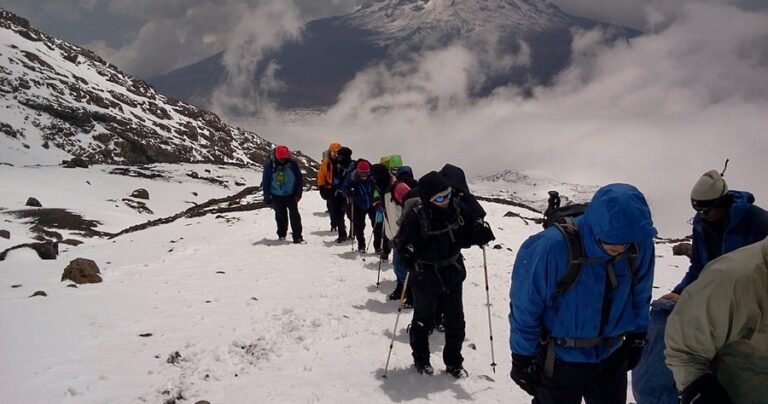
Mount Meru 4-Day Climb: The Complete Guide To Tanzania’s Hidden Peak 2026-2027
A deep look at the 4-day Mount Meru climb, covering the Momella route, altitude considerations, park logistics, and why this peak is the ultimate preparation for Kilimanjaro.
View package details
Ireland — Book Kilimanjaro Trekking 2027
A practical, field-guide style guide for Irish travelers planning Kilimanjaro trekking in 2027 with Climb 4 Africa, covering routes, planning, inclusions, and booking steps.
View package details
🇦🇺 Australia & 🇳🇿 New Zealand — Book Kilimanjaro Trekking 2027
🇦🇺 Australia & 🇳🇿 New Zealand — Book Kilimanjaro Trekking 2027 is explained with current 2027 planning, price, itinerary and booking information.
View package details
Canada To Kilimanjaro Trekking : Your Complete Guide To Booking With Climb 4
A practical, expert guide for Canadians planning Kilimanjaro trekking in 2027 with Climb 4 Africa, covering routes, durations, and planning steps without pressure.
View package details
Kilimanjaro And Mount Meru Trekking Packages : Expert Guide 2027
A comprehensive guide for serious trekkers planning Kilimanjaro and Mount Meru climbs in 2027, detailing route choices, logistical considerations, and essential preparation advice.
View package detailsMount Meru Trekking Tours Tanzania – Prices & Dates 2027
- Mount Meru Trekking Tours Tanzania – Prices & Dates is explained with current 2027 planning, price, itinerary and booking information.
View package detailsKilimanjaro Trekking Holidays From Ireland : Expert Planning Guide 2027
A comprehensive guide for Irish travelers planning their Mount Kilimanjaro ascent in 2027, covering route selection, logistics, and essential planning steps.
View package detailsKilimanjaro Group Trekking Holidays 2027
- Kilimanjaro Group Trekking Holidays 2027 is explained with current 2027 planning, price, itinerary and booking information.
View package detailsKilimanjaro Trekking Tours From Australia – Packages 2027
- Kilimanjaro Trekking Tours from Australia – 2027 Packages is explained with current 2027 planning, price, itinerary and booking information.
View package detailsKilimanjaro Trekking Packages For Canadian Travellers 2027
- Kilimanjaro Trekking Packages for Canadian Travellers is explained with current 2027 planning, price, itinerary and booking information.
View package detailsMount Kilimanjaro Guided Tours : Planning Your Trek From The Usa 2027
A comprehensive guide for US travelers planning a Kilimanjaro expedition in 2027, focusing on route selection, local operator logistics, and travel preparation.
View package details
Nov 2, – 1 Day Lake Manyara Group Joining Safari: Plan & Logistics 2026
A practical guide to the November 2, 2026, group-joining safari to Lake Manyara. Learn about the logistics, the benefits of shared transport, and how to book your spot with Climb 4 Africa.
View package detailsNo related package matches those filters. Clear one or more filters to see the other topic-matched options.