For travelers seeking an affordable backpacker hostel in Moshi Town for 2026-2027, the focus should be on value-driven accommodations that offer basic comforts, a social atmosphere, and convenient access to tour operators and transport hubs. While exact pricing fluctuates, expect daily rates typically ranging from $10 to $25 per person for a dorm bed, with private rooms costing slightly more. Key considerations include proximity to the town center, availability of communal areas for planning trips, and reliable Wi-Fi, all crucial for those preparing for Kilimanjaro climbs or safaris.
Moshi Town: The Gateway to Kilimanjaro and Beyond
Moshi Town isn’t just a stopover; it’s the vibrant heart of Tanzania’s northern tourism circuit. For backpackers, it represents the crucial final staging ground before ascending Kilimanjaro, embarking on a wildlife safari, or exploring the diverse landscapes of Tanzania. Finding the right affordable backpacker hostel in Moshi Town is paramount. It’s more than just a bed; it’s your connection to local advice, fellow travelers, and the essential logistics that make your Tanzanian adventure smoother and more budget-friendly. As you plan for your trip in 2026 or 2027, understanding the nuances of Moshi’s accommodation scene for budget travelers will set you up for success.
This guide is designed to help you navigate your options, from understanding what constitutes ‘affordable’ in Moshi to pinpointing the best hostels that cater specifically to the backpacker ethos. We’ll cover location advantages, essential amenities, how to gauge value, and what to confirm before you book, ensuring your stay in Moshi is both economical and enjoyable.
Defining “Affordable Backpacker Hostel” in Moshi for 2026-2027
When we talk about an affordable backpacker hostel in Moshi Town for the 2026-2027 period, we’re looking at a specific type of lodging. It’s distinct from budget hotels or guesthouses, though some may blur the lines. The core elements of a backpacker hostel include:
- Shared Dormitories: The hallmark of affordability. Expect bunk beds in rooms shared by 4 to 12+ travelers. This is where you’ll find the lowest daily rates.
- Communal Spaces: Hostels thrive on shared lounges, kitchens, and dining areas. These are vital for meeting other travelers, sharing tips, organizing group activities, and often, preparing your own meals to save money.
- Social Atmosphere: Many hostels organize events, pub crawls, or offer common areas designed for interaction. This is a significant part of the backpacker experience, fostering connections and friendships.
- Basic Amenities: While cleanliness and safety are non-negotiable, expect functional rather than luxurious amenities. This usually includes shared bathrooms, often with hot water, and basic Wi-Fi.
- Tour and Trek Organization: Most hostels in Moshi have partnerships with local tour operators or even run their own treks. They can be a convenient, often cost-effective, point of contact for booking Kilimanjaro climbs and safaris.
What to Expect in Terms of Pricing (2026-2027 Estimates)
For 2026-2027, budget-conscious travelers can anticipate the following price ranges for dorm beds in reputable Moshi hostels:
- Basic Dorm Bed: $10 – $18 per night. These are typically the most economical options, offering a bed and access to shared facilities.
- Comfort Dorm Bed: $18 – $25 per night. These might offer slightly better facilities, smaller dorm sizes (e.g., 4-6 beds), or air conditioning.
- Private Rooms: While not strictly ‘hostel’ pricing, many hostels offer private rooms that can still be more affordable than hotels, often ranging from $30 – $60 per night for a double or twin room. These are good for couples or those needing a private space for a night or two.
Important Note on Pricing: These are estimates. Prices can vary based on the season (peak season for Kilimanjaro climbs, typically June-October and December-February, might see slightly higher rates), specific hostel location, and the amenities offered. Always check current rates for your specific travel dates in 2026 or 2027.
Trade-offs for Affordability
Opting for an affordable backpacker hostel in Moshi Town means understanding the trade-offs:
- Privacy: Dorm rooms offer minimal privacy.
- Noise: Shared spaces can be noisy, especially in dorms. Earplugs are a backpacker’s best friend.
- Amenities: Don’t expect en-suite bathrooms as standard, high-speed internet might be spotty, and power outages can occur.
- Comfort: Mattresses might be basic, and shared bathrooms require a certain level of flexibility.
However, for many backpackers, these trade-offs are well worth the significant savings and the unique social experience that hostels provide.
Essential Factors for Selecting Your Moshi Backpacker Hostel
When you’re on the hunt for the ideal affordable backpacker hostel in Moshi Town for your 2026-2027 adventure, several factors come into play. It’s not just about the cheapest bed; it’s about finding a place that enhances your trip, supports your budget, and provides a good base for your onward travels.
Location, Location, Location
Your hostel’s location in Moshi is critical. Consider:
- Proximity to Town Center: Being close to the main market, banks, ATMs, and local eateries means easy access to daily necessities and a more authentic local experience. It also simplifies arranging transport for day trips or onward travel.
- Access to Tour Operators: If you haven’t booked your Kilimanjaro climb or safari in advance, staying near reputable tour company offices (like Climb 4 Africa) can be very convenient for last-minute consultations, gear checks, and pre-trek briefings.
- Transport Hubs: Easy access to taxi stands and daladala (local minibus) routes is essential for exploring the town and surrounding areas without incurring high transport costs.
- Safety: While Moshi is generally safe, staying in well-lit areas with a visible presence of other travelers can add peace of mind, especially if you’re arriving late.
Amenities That Truly Matter
Beyond a bed, what amenities should you prioritize in an affordable backpacker hostel in Moshi Town?
- Wi-Fi: Essential for staying connected, researching, and coordinating. Check reviews for reliability and speed. Sometimes, Wi-Fi is only available in common areas.
- Communal Kitchen: A fully equipped kitchen (or at least a fridge and basic cooking facilities) is a massive money-saver. It allows you to prepare your own breakfast, pack lunches for treks, and cook simple dinners.
- Common Areas: Comfortable lounges, outdoor patios, or garden spaces are crucial for relaxation, meeting people, and planning.
- Lockers: Secure storage for your valuables in dorm rooms is a must. Ensure they are large enough for your backpack and laptop.
- Hot Showers: After a dusty day or a long journey, a hot shower is a luxury. Confirm if hot water is consistently available.
- Laundry Facilities: Many hostels offer laundry services, either in-house or through nearby partners. This is invaluable for longer stays or post-trek cleaning.
- Tour/Trek Booking Services: While not strictly an amenity, many hostels act as booking points for local tours, Kilimanjaro climbs, and safaris. This can simplify logistics, but always compare prices and inclusions with dedicated operators.
The Social Vibe and Community Aspect
For many backpackers, the social atmosphere is as important as the price. Look for hostels that:
- Facilitate Interaction: Hostels with well-designed common areas, organized social events (like quiz nights, movie nights, or communal dinners), or a friendly, engaged staff tend to foster a great community feel.
- Cater to Solo Travelers: If you’re traveling solo, a hostel where it’s easy to strike up conversations and find travel companions for day trips or onward journeys is a huge plus.
- Host Kilimanjaro/Safari Briefings: Staying at a hostel that regularly hosts pre-climb or pre-safari briefings can be beneficial for meeting potential trekking partners or getting last-minute advice.
Leveraging Reviews and Reputation
Don’t underestimate the power of online reviews. While you’re looking for an affordable backpacker hostel in Moshi Town, scour platforms like:
- Hostelworld, Booking.com: Filter by price and read recent reviews, paying attention to comments on cleanliness, staff helpfulness, Wi-Fi quality, and the overall atmosphere.
- TripAdvisor: Often provides a broader range of traveler feedback, including specific mentions of Kilimanjaro preparation or safari arrangements.
- Travel Blogs and Forums: Backpackers often share their personal experiences and recommendations on blogs and forums. Search for recent posts about Moshi accommodation.
When reading reviews, look for patterns. A single negative comment might be an outlier, but consistent complaints about cleanliness, safety, or misleading information are red flags. For 2026-2027 bookings, prioritize hostels with consistently good recent reviews.
Potential Options for Affordable Backpacker Hostels in Moshi Town (2026-2027)
While specific hostel names can change, and new ones may emerge, here are types of places and characteristics to look for that typically fit the affordable backpacker hostel in Moshi Town profile for 2026-2027. It’s always best to cross-reference with current booking sites and recent reviews.
Important Considerations for Booking
When researching for 2026-2027, keep these points in mind:
- Verify Information: Websites and booking platforms can sometimes have outdated information. Always try to verify key details directly or through recent reviews.
- Direct Booking vs. Platforms: Sometimes booking directly with the hostel can offer better rates or more flexibility, but booking platforms offer consumer protection. Weigh the pros and cons for your situation.
- Check for Deals: For longer stays (e.g., a week before or after a climb), some hostels might offer discounts.
Types of Hostels to Consider:
- Established Backpackers’ Hubs: These are hostels that have been around for a while and have built a reputation for catering to trekkers and budget travelers. They often have:
- Pros: Reliable services, experienced staff who know Kilimanjaro and safari logistics, a built-in social network of fellow travelers, and often, good deals on tours.
- Cons: Can sometimes feel a bit more commercial or less “authentic” than smaller, newer places. Prices might be slightly higher due to demand.
- Smaller Guesthouses with Hostel Vibes: Some local guesthouses might offer dorm-style rooms or very basic private rooms at hostel prices. They can offer a more local feel.
- Pros: Potentially more authentic cultural interaction, often very friendly owners, and great value.
- Cons: Amenities might be more basic, Wi-Fi could be less reliable, and they might not have the same dedicated tour booking support as established hostels.
- Socially Conscious or Eco-Lodges: A growing number of accommodations focus on sustainability and community impact. These can sometimes offer competitive rates for dorms while providing a unique experience.
- Pros: Feel-good factor, often good communal areas, and a chance to support responsible tourism.
- Cons: Prices can sometimes be higher due to their mission, and specific backpacker amenities might be less of a focus.
Specific Features to Look For:
- Kilimanjaro Prep Areas: Some hostels have dedicated areas for gear checks, briefings, or even a small shop for last-minute essentials.
- Organized Transport: Check if they offer airport pickups (often a fixed, reasonable rate) or help arranging transport to trailheads or safari starting points.
- Food and Drink: While communal kitchens save money, having an on-site restaurant or bar can be convenient for occasional meals or evening drinks. Look for places that offer reasonably priced meals or happy hours.
Recommendation: While we can’t name specific hostels that will remain top-tier through 2026-2027 without knowing future reviews, we advise looking for places with consistently high ratings for cleanliness, staff helpfulness, and social atmosphere on major booking platforms. Prioritize those that clearly cater to trekkers and backpackers preparing for Kilimanjaro or safaris.
Planning Your Stay and Booking Strategy for 2026-2027
Securing an affordable backpacker hostel in Moshi Town requires a bit of foresight, especially as you look towards 2026 and 2027. Moshi is a popular hub, and while there’s usually ample accommodation, the best value spots can fill up, particularly during peak trekking seasons.
Booking Window: How Far in Advance?
- Peak Seasons (June-Oct, Dec-Feb): For these periods, booking your hostel 2-4 months in advance is advisable to secure your preferred option and potentially better rates.
- Shoulder/Low Seasons (Mar-May, Nov): You might get away with booking just a few weeks in advance, or even upon arrival if you’re flexible. However, for peace of mind, booking at least 1-2 months ahead is still recommended.
- Last-Minute Arrivals: If you arrive in Moshi without a booking, most hostels will have beds available, but your choices for the absolute cheapest or most popular spots might be limited.
Where to Book
- Online Travel Agencies (OTAs): Platforms like Hostelworld, Booking.com, and Agoda are convenient for comparing prices, reading reviews, and booking. They often have secure payment systems and cancellation policies.
- Directly with the Hostel: Sometimes, booking directly through the hostel’s website or via email/WhatsApp can result in slightly better rates or more personalized service. This is especially true if you’re coordinating multiple services like airport transfers or trek bookings.
- Through Tour Operators: Some tour operators, like Climb 4 Africa, may offer pre- or post-trek accommodation packages that can simplify your planning. These might include a stay at a partner hostel or their own facility.
Pre-Booking Checklist for Your Affordable Hostel
- Confirm Dates: Double-check your arrival and departure dates in Moshi.
- Room Type: Specify dorm bed (male/female/mixed) or private room.
- Inclusions: Does the rate include breakfast? Is Wi-Fi free? What about locker access?
- Cancellation Policy: Understand the terms if your plans change.
- Payment Method: How is payment handled? Is a deposit required? Can you pay upon arrival?
- Airport Transfer: If needed, inquire about rates and how to arrange it.
- Location Verification: Use Google Maps to ensure it’s conveniently located for your needs.
Coordinating Hostel Stays with Tour Operators
For trekkers and safari-goers, your hostel stay is often intertwined with your tour booking. Here’s how to coordinate:
- Pre-Trek Briefings: Most reputable Kilimanjaro operators (including Climb 4 Africa) require or strongly recommend a pre-trek briefing. Many hostels facilitate these, either in their common areas or by arranging meetings at the operator’s office.
- Gear Storage: If you’re climbing Kilimanjaro, you’ll need a place to store your excess luggage while you’re on the mountain. Most hostels and tour operators offer free or very low-cost luggage storage. Confirm this when booking both your trek and your hostel.
- Post-Trek Accommodation: You’ll likely want a comfortable, clean place to rest and shower after your descent. Book your post-trek hostel stay in advance, especially if you plan to leave immediately after the trek.
- Safari Logistics: If your safari departs directly from Moshi, ensure your hostel can help arrange transport to the departure point or that it’s easily accessible.
Pro-Tip: When contacting tour operators like Climb 4 Africa regarding your Kilimanjaro climb or safari for 2026-2027, don’t hesitate to ask for their recommendations for an affordable backpacker hostel in Moshi Town. They often have trusted partners or can advise on the best locations for trekkers.
Maximizing Your Budget Beyond the Hostel
Staying in an affordable backpacker hostel in Moshi Town is a great start, but true budget travel involves smart spending across the board. Moshi offers plenty of opportunities to stretch your shillings.
Eating Smart in Moshi
- Local Markets: Visit the bustling Moshi Main Market for incredibly cheap fresh produce, snacks, and local delicacies. It’s also a fantastic cultural experience.
- Local Eateries (‘Kibanda’ and Small Restaurants): Look for small, often unnamed, local eateries. They serve hearty, authentic Tanzanian dishes like pilau, ugali with stew, and chapati for very low prices.
- Communal Kitchen Use: As mentioned, utilizing your hostel’s kitchen is key. Buy staples like rice, beans, pasta, and local vegetables from markets or small shops.
- Shared Meals: If you meet fellow travelers at your hostel, consider pooling resources for cooking communal meals.
- Be Mindful of Tourist Restaurants: Restaurants directly targeting tourists near major hotels or tour offices will be significantly more expensive.
Getting Around Moshi Affordably
- Daladalas: These local minibuses are the backbone of public transport. They are incredibly cheap but can be crowded and follow set routes. Perfect for short to medium distances within and around Moshi.
- Walking: Moshi town center is relatively compact and walkable. Explore on foot whenever feasible.
- Taxis: Negotiate fares *before* you get in. For longer distances or if you have a lot of luggage, a taxi might be necessary, but always agree on a price. Shared taxis can sometimes reduce the cost.
Budget-Friendly Activities
- Local Exploration: Wander through the markets, observe daily life, and soak in the atmosphere of Moshi town itself.
- Waterfalls: Day trips to nearby waterfalls like Materuni can be arranged relatively affordably, often including coffee tours.
- Community Visits: Some hostels or local operators can arrange visits to local villages or community projects, offering cultural insights without a hefty price tag.
- Hiking in Kilimanjaro National Park (Lower Slopes): While climbing the mountain is expensive, sometimes day permits or guided walks on the lower slopes (arranged locally and carefully) can be an option, though this requires specific local knowledge and permits.
Budgeting for Moshi (2026-2027 Estimates per Day, Excluding Major Treks/Safaris)
This is a rough guide for a backpacker focused on saving money:
- Accommodation: $10 – $20 (dorm bed)
- Food: $8 – $15 (mix of market food, self-catering, and local eateries)
- Local Transport: $2 – $5 (mostly daladalas)
- Miscellaneous/Buffer: $5 – $10 (water, snacks, small purchases)
- Total Estimated Daily Budget: $25 – $50 per person
Note: This excludes the significant costs associated with Kilimanjaro climbs or multi-day safaris, which are separate major expenses.
Connecting Your Hostel Stay with Kilimanjaro & Safari Bookings
For many, the primary reason for staying in an affordable backpacker hostel in Moshi Town is its role as a launchpad for Kilimanjaro climbs and Tanzanian safaris. Making these bookings efficiently and affordably is key for your 2026-2027 travels.
Choosing a Reputable Tour Operator
This is arguably more critical than your hostel choice. A good operator ensures safety, ethical treatment of porters, and a well-organized trek or safari. Look for:
- Experience and Reputation: How long have they been operating? Check independent reviews (TripAdvisor, travel forums).
- Safety Standards: Do they have well-maintained equipment, trained guides, and emergency protocols?
- Ethical Porter Treatment: This is vital for Kilimanjaro. Look for operators who are members of organizations like KPAP (Kilimanjaro Porters Assistance Project) or have clear policies on fair wages and treatment.
- Clear Inclusions/Exclusions: Understand exactly what is covered in the price – park fees, accommodation, meals, equipment, rescue fees, etc.
- Communication: Are they responsive and clear in their communication?
Hostel Booking vs. Direct Operator Booking
Many hostels in Moshi partner with local tour operators and can book treks and safaris for you. This can be convenient, but consider:
- Convenience: Booking through your hostel means one less thing to arrange. They can often bundle accommodation and trek/safari bookings.
- Potential Markups: Hostels might add a commission onto the tour operator’s price. While this is common, it’s worth being aware of.
- Direct Booking Advantages: Booking directly with an operator like Climb 4 Africa often means clearer communication, a direct line to the experts, and potentially better pricing as there are no intermediaries. You can discuss tailor-made itineraries and specific needs directly.
Recommendation for 2026-2027: While staying at an affordable backpacker hostel in Moshi Town is a great budget strategy, for your Kilimanjaro climb or safari, we strongly recommend researching and booking with a dedicated, reputable operator directly. This ensures the highest standards of safety and ethical practices. Climb 4 Africa, for example, specializes in these adventures and can offer expert advice and smooth arrangements. They can often advise on suitable hostels for your pre/post-trek stays too.
Crucial Confirmations Before You Depart
Regardless of where you book your trek or safari, and where you stay in Moshi, ensure these are confirmed:
- Pre-Trek/Safari Briefing: Confirm the time and location.
- Gear Check: Arrange a time for your gear to be inspected.
- Meeting Point and Time: Know exactly where and when to meet your guide or driver.
- Inclusions Confirmation: Re-verify park fees, meals, accommodation, and any transfers included in your package.
- Payment Status: Ensure all payments are settled according to the agreed schedule.
- Contact Information: Have the direct contact details for your tour operator and your hostel readily available.
Sample Itinerary Flow (Backpacker Focus)
Days 1-2: Arrival in Moshi & Hostel Check-in
- Arrive at Kilimanjaro International Airport (JRO) or Arusha Airport.
- Arrange airport transfer (consider booking in advance with your hostel or operator like Climb 4 Africa).
- Check into your affordable backpacker hostel in Moshi Town.
- Settle in, explore the immediate surroundings, and perhaps have a local meal.
Days 2-3: Trek/Safari Preparations
- Attend your pre-climb or pre-safari briefing with your chosen operator.
- Have your gear checked and rent any necessary items.
- Finalize any last-minute bookings or confirmations.
- Enjoy local Moshi life – visit markets, cafes.
Day 4 onwards: Kilimanjaro Climb or Safari Adventure
- Begin your epic adventure!
Post-Trek/Safari: Return to Moshi Hostel
- Return to Moshi, often on the final day of your trek/safari.
- Check back into your hostel (or a pre-booked post-trek room).
- Rest, shower, and celebrate your achievements.
- Store excess luggage if needed for further travel.
Departure:
- Arrange your transfer back to JRO or your next destination.
Safety and Well-being for Backpackers in Moshi
While Moshi is generally a safe town, especially for tourists and trekkers, it’s always wise to exercise caution and be aware of your surroundings, particularly when staying in an affordable backpacker hostel in Moshi Town.
General Safety Practices
- Be Aware of Your Surroundings: Especially in crowded markets or when walking alone at night.
- Secure Your Valuables: Use the lockers provided in your hostel dorm. Keep expensive items out of sight in your room.
- Guard Against Scams: Be wary of overly friendly strangers offering unsolicited help or deals that seem too good to be true. Always confirm prices before agreeing to services.
- Transport Safety: If using taxis, ensure they are reputable and agree on the fare beforehand. For daladalas, be mindful of your belongings.
- Water and Food Safety: Drink only bottled or purified water. Be cautious with street food if you have a sensitive stomach, though many local eateries are fine.
Health Considerations
- Malaria: Moshi is in a malaria risk area. Consult your doctor about appropriate antimalarial medication and use insect repellent, especially during dawn and dusk.
- Sun Protection: The equatorial sun is strong. Use high SPF sunscreen, wear a hat, and stay hydrated, particularly when preparing for Kilimanjaro.
- Altitude Sickness: While Moshi itself is at a lower altitude (around 900m), any preparation for Kilimanjaro means understanding acclimatization. Your tour operator will brief you thoroughly.
- First Aid: Carry a basic personal first-aid kit with essentials like bandages, antiseptic wipes, pain relievers, and any personal medications.
Hostel-Specific Safety
- Staff: Ensure the hostel staff are visible, approachable, and seem knowledgeable.
- Security: Check if the hostel has secure entry points and good lighting, especially at night.
- Guest Behavior: While hostels are social, ensure the atmosphere remains respectful and safe for all guests.
By taking sensible precautions, your stay in an affordable backpacker hostel in Moshi Town for 2026-2027 can be both enjoyable and safe, allowing you to focus on the incredible adventures that await.
Conclusion: Securing Your Affordable Backpacker Hostel in Moshi Town for 2026-2027
Finding the right affordable backpacker hostel in Moshi Town is a foundational step for any budget traveler planning an adventure in Tanzania for 2026-2027. It’s about more than just saving money; it’s about choosing a base that supports your journey, whether that involves the challenging ascent of Kilimanjaro, an exhilarating wildlife safari, or simply experiencing the vibrant local culture.
Prioritize hostels that offer a balance of affordability, essential amenities like Wi-Fi and communal spaces, a safe environment, and a social atmosphere conducive to meeting fellow travelers. Location is key – proximity to town amenities and tour operators can significantly streamline your preparations.
Remember to book in advance, especially for peak seasons in 2026 and 2027, and utilize online reviews to gauge the quality and reliability of potential accommodations. While booking through hostels can be convenient for tours, for Kilimanjaro climbs and safaris, consider direct booking with experienced operators like Climb 4 Africa to ensure safety, ethical standards, and the best possible experience. They can also guide you on suitable hostel choices.
Your affordable backpacker hostel in Moshi Town should be a welcoming hub, a place to plan, rest, and connect. By making informed choices, you can ensure your stay is comfortable, economical, and perfectly sets the stage for the unforgettable Tanzanian experiences that lie ahead.
For personalized advice on planning your Kilimanjaro climb or safari, and recommendations for your pre- or post-adventure stay in Moshi, don’t hesitate to reach out to the experts at Climb 4 Africa. You can connect with them via WhatsApp at +255 747 477 898 or email them at climb4africa@gmail.com. They are dedicated to providing practical local support for your dream African adventure in 2026-2027 and beyond.
“,
“faq_schema”: [
{
“question”: “What is the average cost of a dorm bed in an affordable backpacker hostel in Moshi Town for 2026-2027?”,
“answer”: “For 2026-2027, expect to pay between $10 to $25 per night for a dorm bed in an affordable backpacker hostel in Moshi Town. Basic options will be at the lower end of this range, while those with slightly better amenities or smaller dorm sizes might be closer to $25.”
},
{
“question”: “What are the essential amenities to look for in a budget backpacker hostel in Moshi?”,
“answer”: “Key amenities include reliable Wi-Fi, a communal kitchen for self-catering, comfortable common areas for socializing and planning, secure lockers for valuables, and hot showers. Laundry facilities are also a significant plus for backpackers.”
},
{
“question”: “How far in advance should I book a hostel in Moshi for 2026-2027?”,
“answer”: “For peak trekking seasons (June-October and December-February), it’s advisable to book 2-4 months in advance. For shoulder or low seasons, 1-2 months ahead is generally sufficient, though booking earlier provides more choice and peace of mind.”
},
{
“question”: “Can hostels in Moshi help with booking Kilimanjaro climbs or safaris?”,
“answer”: “Yes, many hostels in Moshi partner with local tour operators and can assist with booking Kilimanjaro climbs and safaris. However, for safety and ethical reasons, it’s often recommended to research and book directly with reputable tour operators like Climb 4 Africa.”
},
{
“question”: “What is the best location for a backpacker hostel in Moshi?”,
“answer”: “The best location is typically close to the town center for easy access to markets, banks, and transport. Proximity to reputable tour operator offices is also beneficial for trekkers and safari-goers preparing for their adventures.”
},
{
“question”: “Are there significant safety concerns for backpackers in Moshi hostels?”,
“answer”: “Moshi is generally safe, but like any town, backpackers should exercise common sense. Use hostel lockers, be aware of your surroundings, secure valuables, and be cautious of potential scams. Ensure your chosen hostel has good security measures.”
}
]
}
“`
Check Availability for Affordable Backpacker Hostel In Moshi Town 2026-2027
Ready to compare dates, prices, and the best option for your group? Send the package name and travel month so the team can reply with a clear quote, availability, and what is included.
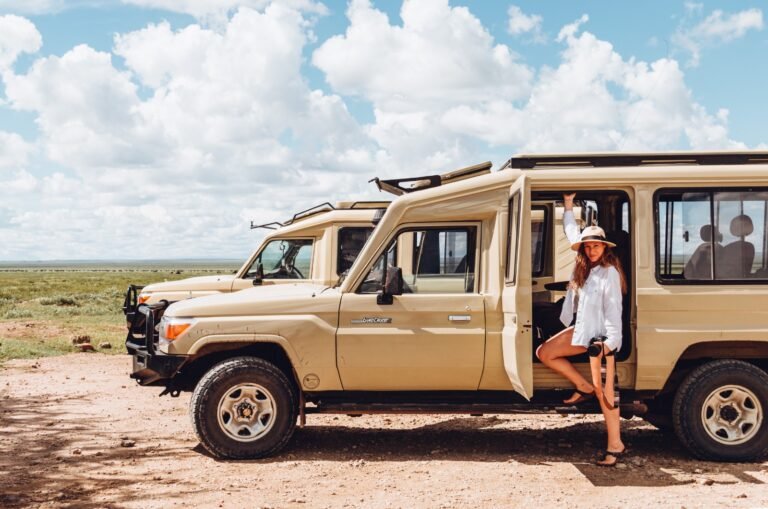
Oct 25, – 1 Day Ngorongoro Crater Group Safari From Moshi 2026
A detailed guide to organizing a one-day group safari to the Ngorongoro Crater starting from Moshi, specifically focusing on the logistics for October 25, 2026.
View package detailsNo related package matches those filters. Clear one or more filters to see the other topic-matched options.