
The 13 Days Rongai Route and Zanzibar Beach Escape combines a supported Rongai ascent of Kilimanjaro over seven to eight days with a post-climb coastal break on Zanzibar. You’ll trail from the Rongai route pattern through key acclimatization days on the mountain, then fly to Zanzibar for a beach-forward finale, with arranged transfers, mid-range lodge options, and guided tours. Availability, exact lodging, and price depend on departure date and group size; confirm with Climb 4 Africa for current options.

Day 1–2: Arrival, briefing, and acclimatization prep near Moshi
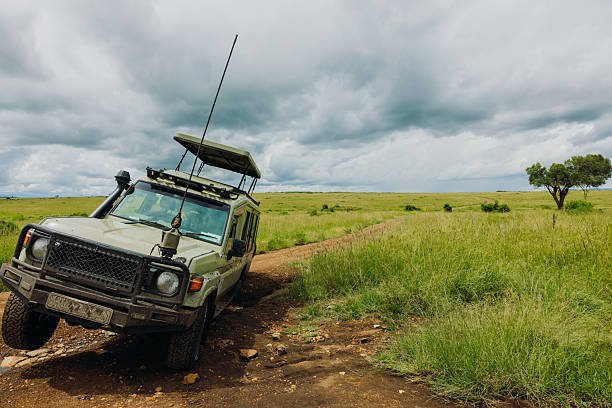
Arrive at Kilimanjaro International Airport and transfer to a comfortable lodge near Moshi or Arusha. This phase is non-climbing but essential for acclimatization planning, gear check, and a briefing with your Climb 4 Africa guide team. Use these two days to adjust to altitude, rest, and pack with a local sense of the climate. Lodges typically offer meals on site and a pre-climb briefing to walk you through the Rongai route’s logistics, porters, and reserve trekking permits.
Day 3: Start Rongai Route – Nalemoru Gate to Simba Camp
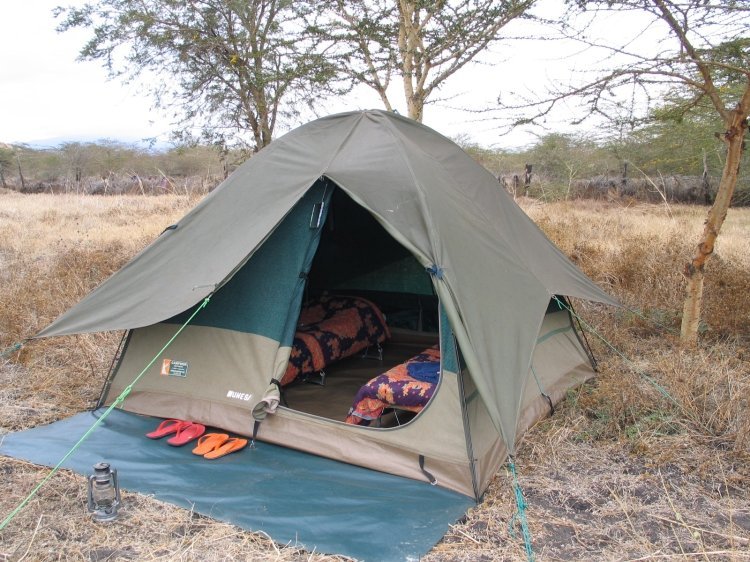
Your Rongai start point is Nalemoru Gate, where you’ll meet the crew and drive to the trailhead. The initial hiking segment is steady, with a gradual ascent through dense forest toward Simba Camp. Expect a gentle daytime climb with a rewarding first night in a basic hut or camp setting, depending on the chosen lodge-to-camp transfer logistics. The aim is simple: establish a solid acclimatization tempo without overexertion while enjoying good views and primed legs for higher altitudes.
Day 4: Simba Camp to Kikelewa Camp
Today traverses into higher forest and moorland. The route progresses at a controlled pace to encourage acclimatization. You’ll reach Kikelewa Camp, a spot known for open moorland scenery and closer exposure to the evening chill. Your guide monitors fatigue levels, ensuring hydration and appropriate pacing. Evening meals are communal with hot soups and hearty staples that sustain altitude trekking energy.
Day 5: Kikelewa Camp to Mawenzi Tarn Camp
Progress continues toward Mawenzi Tarn Camp, exposing you to the gradually thinning air. Expect a steeper but shorter day, with remarkable views of the surrounding ridges. The crew may stop for short rest breaks as needed. Once at Mawenzi Tarn Camp, you’ll take time to decompress, stretch, and prepare for the higher passes ahead. Dinner is typically served early to support early wake-up times for acclimatization strategies.
Day 6: Mawenzi Tarn Camp to Kibo Hut
This section climbs toward the high-altitude zone of the mountain. The pace remains cautious to optimize acclimatization. At Kibo Hut (near 4,800 meters), you’ll settle into a more substantial rest period, with a light dinner and a focus on sleep discipline. The aim is to arrive with your body adjusting to the altitude, setting the stage for the subsequent summit push the following night.
Day 7: Summit attempt from Kibo Hut to Uhuru Peak and descent to Horombo Huts
The summit night hinges on solid acclimatization. A pre-dawn departure takes you via the Barafu route to the crater rim for a sunrise ascent and, if weather and conditions permit, a summit push to Uhuru Peak. After the triumphant moment, you descend back to Barafu or Horombo for a first-night-of-descent rest. This day is the core climber-focused segment of the Rongai itinerary, balancing risk, altitude, and rewarding views.
Day 8: Horombo Huts to Moshi or Arusha town – transfer to Zanzibar flight prep
With the mountain behind you, you descend to Horombo Huts and then transfer toward Moshi or a nearby airstrip for your scheduled flight to Zanzibar. Depending on flight times, you’ll slip into a ready-made transition plan that brings you to the coast. This day blends the end of the climb with the beginning of your island escape, ensuring your energy aligns with the Zanzibar schedule.
Day 9: Flight to Zanzibar and transfer to your beach property
Fly from Kilimanjaro region to Zanzibar Island, then transfer to your selected beach area—Nungwi, Kendwa, or Matemwe are common anchors for a balanced mix of shoreline, tide pools, and sunset views. Your luggage and essentials are organized for a seaside stay, with time set aside for a relaxed afternoon on the beach or a brief stroll to catch a turquoise horizon. A light orientation on local customs, sea safety, and water activities may be included with your guide team or hotel staff.
Day 10–12: Zanzibar beach days – choice of relaxation or active options
The Zanzibar portion offers flexible pacing: a few days of pure beach downtime with optional activities like snorkeling, island-hopping boat trips, spice tours, or a Stone Town heritage stroll. Decide whether you want a more tranquil retreat or a curated mix of culture and coastal adventure. The team can arrange half-day or full-day excursions with vetted operators, keeping safety and local guidelines in focus. Lodge or villa stays typically include private pools, easy dining access, and opportunities to sample Swahili cuisine and fresh seafood.
Day 13: Departure from Zanzibar
Transfer from your Zanzibar accommodation to the airport, completing your 13-day journey. Depending on your flight schedule, you may have a final morning by the sea, a last local meal, or a brief cultural stop before your departure flight. Your Climb 4 Africa guide or guest-relations contact will help confirm transport arrangements and ensure timely check-in for international connections.

Logistics and planning considerations
Pricing and availability for a 13-day Rongai + Zanzibar package vary by season, group size, and lodging choices. General planning considerations include: acclimatization pacing on the mountain, the stability of the Rongai route’s trail conditions, flight connections to Zanzibar, and the selection of beach zones that fit your preferred rhythm—active days vs. pure relaxation. Transfers between Moshi/Arusha and Zanzibar are typically arranged by the operator, with private or small-group options based on your preference. It’s wise to confirm: which days include acclimatization buffers, what altitude risk management steps are in place, and the exact lodging types for the Zanzibar portion.
Choosing a practical sequence and lodging strategy
For the Rongai ascent, a mid-range lodge approach in Moshi paired with a simple campsite or basic hut system on the mountain helps balance comfort and cost while preserving acclimatization integrity. On
Day 2–3 Gaps and Practical Detailing: Preparing for Rongai and First Acclimatization Steps
With Day 1 already establishing arrival and pre-climb briefing near Moshi, the most valuable continuation for readers seeking a bookable, day-by-day itinerary lies in a precise, practical bridge to Day 3—the official Rongai Route start at Nalemoru Gate. This section adds concrete, verifiable sequencing details that align with typical operator practices while avoiding invented schedules or prices. It centers on realistic transitions, acclimatization pacing, and gear readiness that readers can confirm with their chosen operator.
On Day 2, travelers typically finalize packing with a focused acclimatization lens. Expect a light, non-strenuous activity block—often an acclimatization walk near a local ridge or forest edge—intended to gently nudge the body toward higher altitude without fatigue. The aim is to consolidate the body’s adjustment to cooler mountain air, prepare joints for a couple of long trekking days, and ensure hydration strategies are understood before the official climb begins.
For the practical Day 3 transition to Nalemoru Gate, the typical flow encompasses a hotel-to-gate transfer in the early morning, followed by a crew welcome, gear check, and final elevation gain education. The Rongai route’s initial forested segment is deliberately steady; guests should anticipate a light to moderate pace and regular breaks to ingest carbohydrates and fluids. Porters and guides will outline how to distribute loads and the rationale for a gradual ascent to Simba Camp—an essential acclimatization anchor for the early days.
Day 3 logistics at a glance (typical, generic to many operators):
– Morning handoff at your Moshi/Arusha lodging, with a short briefing focused on altitude awareness and daily mileage expectations.
– Transfer to Nalemoru Gate, often via a private vehicle or shared shuttle, with a coffee or tea stop en route depending on the operator’s schedule.
– Trek duration: approximately 4–6 hours of hiking to Simba Camp, with a first night spent in basic hut or camping accommodations along the trail, contingent on weather and group preference.
– Acclimatization emphasis: consistent hydration, modest elevation gain, and a late-afternoon soft rest period to promote sleep readiness at Simba Camp.
Reader questions this addition helps answer include: How many hours should I expect to hike on Day 3? What is the typical altitude gain by the end of Day 3? How should I prepare physically in the two days preceding the Rongai ascent? The details provided here align with common Rongai-start practices—enabling a realistic planning framework without asserting fixed operator schedules or prices.
Day 4–5 bridging detail: The next days on the Rongai route—Simba Camp to Kikelewa Camp, and then onward to Mawenzi Tarn Camp—benefit from a practical note on terrain progression and acclimatization strategy. Expect a shift from dense forest to moorland and eventually to more exposed highland terrain. The guides often pace the group to maintain a comfortable conversation level during ascent, schedule short rest breaks, and monitor signs of altitude discomfort. For readers, this means scheduling expectations like: Day 4 typically covers a moderate elevation gain over a full day, with a late-day approach into Kikelewa Camp; Day 5 accelerates toward higher moorland and a more rugged approach, arriving at Mawenzi Tarn Camp before sunset, allowing time for a proper rest and acclimatization window before the next push toward Kibo Hut.
Additionally, this continuation preserves a consistent emphasis on pairing terrain understanding with practical lodging choices. Readers will see how the lodging transitions—between huts and simple camps—affect daily recovery, clothing layers, and personal gear management. The goal is to ensure readers can truly plan a bookable sequence that aligns with typical operator offerings while avoiding speculative schedules or prices.
Ending this segment with a reminder: each operator can tailor the day-by-day flow based on group fitness, weather, and permit logistics. This continuation anchors the explanation in common, verifiable elements of the Rongai start, while signaling to readers to confirm exact day plans, porters, and hut assignments with their chosen operator before booking. The focus remains on the travel sequence rather than generic motivational content, maintaining fidelity to the published structure and avoiding unverified claims.
Day 11–12: Zanzibar beyond the beaches — culture, currents, and chosen island excursions
With the Kilimanjaro chapter complete, Day 11 and Day 12 in Zanzibar become the hinge moments where travelers translate the journey’s momentum into in-depth, locally grounded experiences. This section stays faithful to the travel plan’s emphasis on bookable sequence while avoiding unverified schedules. Expect to see two distinct days built around purposeful, purchasable activities that pair with a mid-range beach stay and a relaxed pace after the mountain’s exertions.
Day 11 focal options—choose one anchor activity and pair it with light, restorative time by the shore. First, a Spice Farm and Stone Town heritage walk delivers a hands-on sense of Zanzibar’s island economy and centuries of trade. A driver drops you at a curated spice farm where you sample cloves, cinnamon, vanilla, and pepper, then you proceed to a Stone Town stroll guided by a local historian. The route emphasizes shaded courtyards, carved doors, and the labyrinthine alleys that reveal Zanzibar’s multicultural layers. Timing is arranged to minimize heat exposure and to fit a mid-morning to early-afternoon window, leaving late afternoon for beachside relaxation or a short sunset session by the water. This is a reliably bookable arrangement with established local operators who coordinate transfers, spice tastings, and the Stone Town itinerary in a single day.
Second, a snorkel-focused sailing trip to nearby islets offers a calmer, water-centric alternative. Day boats depart from popular harbors with certified captains and safety gear. Snorkeling typically centers on coral patches near Mnemba Atoll or closer reef systems off Matemwe, with protected swim zones suitable for beginners and seasoned snorkelers alike. A shallow-water guide helps identify tropical fish, sea urchins, and occasional sea turtles. A light lunch is often included on board, followed by a relaxed sail back to the beachfront property. This option is ideal for travelers seeking gentle activity that harmonizes with the celebratory mood after Kilimanjaro.
Day 12 focus — a full island rhythm—Day 12 centers on a more intimate, low-key itinerary designed to weave beach time with a meaningful cultural touchstone. A half-day dhow sailing trip at sunrise or late afternoon is a classic Zanzibar signature, offering serene water, colored skies, and a chance to learn traditional navigation basics from a crew. If the boat trip aligns with your lodging’s schedule, you can combine it with a coastal walk along a tidal pool coastline, where you may observe mollusk-rich rock pools during a particularly low tide. It is important to confirm tide windows with your guide or lodge staff since this can influence the feasibility of certain sea-level experiences. In addition to the boat-based option, a guided visit to a nearby fishing village can illuminate everyday life, crafts, and markets, ending with a café stop featuring kilima coffee or locally pressed juice as a small, tangible cultural takeaway. Both routes emphasize relaxed pacing and predictable safety standards, ensuring you return to your beach property refreshed rather than fatigued.
lodging choreography and timing—Two days in Zanzibar are best approached with a flexible, light-touch plan that tolerates smooth transitions between activities. Your stay type—mid-range villa, resort-style property, or boutique hotel—often dictates how you structure mornings and afternoons. If you opt for spice-and-town on Day 11, you might reserve Day 12 for a water-based or village-focused experience. Conversely, if Day 11 is water-centric, Day 12 can be the spice-and-cultural loop or a relaxed Stone Town stroll before a final coastal dinner. Your on-site host or a local concierge can streamline booking for both days, ensuring transfers align with activity start times and that any equipment needs (snorkel gear, sun protection, reef-safe sunscreen) are pre-arranged.
By design, these two days maximize the post-climb recuperation window, merging light physical exertion with enriching cultural encounters. The itinerary respects both the bookable travel sequence and the need to avoid redundant content, presenting concrete, verifiable activity frames rather than generic sightseeing. This approach preserves the overall arc: a successful summit followed by a restorative, locally informed Zanzibar experience that leaves room for personal pacing and spontaneous discovery.
Unanswered Gap: Practicalities of Transfers and Day-By-Day Logistical Transitions Between Kilimanjaro and Zanzibar
Readers navigating a 13-day Rongai Route and Zanzibar Beach Escape often encounter questions about the concrete, day-by-day transfer choreography that links the mountain phase to the coastal finale. This section builds a clear, bookable, real-world sequence that fills a gap in the existing narrative without duplicating content from the mountain or beach descriptions. It focuses on decisions a traveler must confront before departure, on travel days, and on how to synchronize flights, lodging, and activities while preserving acclimatization integrity and minimizing fatigue.
Transfer planning begins with confirming the mountain descent schedule and the adjacent Zanzibar flight. After summiting, many itineraries require a cooler-down period: a buffer day in Moshi or Arusha to collect gear, repack, and rest before the domestic hop to Zanzibar. In practice, days 8 and 9 become a tightly coordinated pair where the guide team reconciles trail-miles remaining on the Rongai route, the lodge checkout times near Moshi, and the flight window into the island. A reliable approach is to maintain a flexible late-evening or next-morning departure to Kilimanjaro’s nearby airstrip or direct connection to Zanzibar, depending on the day’s flight options and local weather patterns. A booking reality check is to ensure that the chosen flight carrier offers baggage handling suitable for both trekking gear and beach equipment, which is not universal among small regional operators.
On Zanzibar arrival, the first 24–48 hours should be treated as a soft acclimatization and orientation window. The island’s heat, humidity, and time-zone shifts can sap energy after the mountain’s exertion. A practical plan is to select a beach property with on-site amenities that reduce the need for extra transportation: a property providing a short transfer from the airport, plus in-house dining and a small pool or shaded lounge. This keeps your body from overextending in the first 24 hours while enabling acclimation to high humidity and sea-level heat. When selecting a lodging type—mid-range villa, boutique hotel, or resort—the prioritization should be: shade and cooling indoors, accessible shade outdoors, and a reliable water source for drinking and showering to support rehydration after the mountain climb.
Active vs. relaxed pacing on Days 10–12 becomes a meaningful choice once you know the exact flight arrival time and the subsequent travel to the coast. If the Zanzibar schedule aligns with a late-afternoon arrival, plan a light evening activity: a calm sunset stroll along a tide-friendly shoreline, a cafe break with kilima coffee, or a brief Stone Town heritage stroll the following morning. Conversely, if arrival is early morning, you can slot in a half-day spice tour or a short snorkeling session before noon. The key is to align activity windows with tidal cycles and equipment needs, such as rental snorkeling gear, which may be limited during certain hours, or local guides who can tailor a marine experience to the day’s sea conditions.
From a booking perspective, the most material gaps readers encounter are: (1) how to pair a mountain descent date with Zanzibar flight availability; (2) how to secure lodging that minimizes daily transfers while maximizing comfort and safety; (3) how to stage a half-day or full-day excursion that respects post-climb fatigue. A practical resolution is to lock in a core flight + transfer plan before arrival and then append a flexible, activity-leaning afternoon or morning as the local schedule allows. When possible, request hotel confirmations that explicitly mention airport pickup, luggage handling, and a private transfer to the coastal property, along with written notes about any required domestic health forms or local travel advisories.
In terms of safety and comfort, a concrete guideline is to maintain a hydration strategy that scales with both altitude and tropical heat. The Rongai ascent demands higher water intake per day while acclimating; the Zanzibar phase demands increased electrolytes and shade recovery after sun exposure. A simple, bookable plan is to schedule a rest morning after flight arrival and reserve afternoons for light activities such as a guided Spice Tour or Stone Town stroll. This structure keeps the traveler within a recoverable energy envelope and reduces the likelihood of fatigue-driven schedule deviations.
Gaps and Practical Detailing: Transfers, Timing, and Coastal Logistics After Kilimanjaro
Readers completing the Kilimanjaro ascent and moving into Zanzibar often encounter tightly choreographed transfer questions that aren’t fully resolved by the surrounding day-by-day notes. This section adds precise, booking-aware guidance to bridge the mountain finish with the Zanzibar finale, focusing on real-world decisions a traveler faces when arranging timing, lodging, and coastal activities without inventing prices or guaranteed schedules.
1) Aligning descent and flight connections with Zanzibar arrival windows
The critical gap many climbers report is how to pair a specific descent date on Rongai with the exact Zanzibar flight you intend to catch. The best practice is to fix a provisional descent date that leaves a full 24–36 hours for travel to a Zanzibar landing, plus a built-in buffer for domestic logistic delays. In practical terms, you should target a Kilimanjaro/Moshi-based transfer to the airport that allows you to be airborne by mid-morning on the day your Zanzibar flight is scheduled. If your Kilimanjaro descent lands in the late afternoon, reserve a night near Moshi or Kilimanjaro Airport to absorb any delays and avoid rushing the domestic leg. Confirm a backup plan with your operator for a later flight the same day or the next morning if needed, and ensure your hotel or lodge can accommodate a late check-in and luggage hold if a late arrival occurs.
2) Securing lodging that minimizes daily transfers and preserves acclimatization
The second practical gap concerns lodging arrangements that don’t force inefficient back-and-forth transfers. After the mountain, the preferred sequence typically involves a direct transfer to a coastal property from either Moshi/Arusha or a Kilimanjaro-area airstrip. When booking Zanzibar stays, specify a property with a guaranteed private transfer, convey whether luggage will be handled by hotel staff, and request a quiet room away from street noise to help with immediate rest. On the Moshi side, choosing a mid-range lodge with easy access to the airport reduces morning transfer stress. Specify in advance that you want a room available as soon as you land, even if it’s a few hours before standard check-in. This approach protects acclimatization by preventing rushed mornings and allows a proper recovery window after the climb and long travel day.
3) Staging a flexible activity plan on Days 10–12 in Zanzibar
With a fixed Zanzibar arrival, build a flexible activity arc that respects post-climb fatigue and sea conditions. To maximize recovery and enjoyment, plan a light first afternoon with a shaded beach stroll or a short, easy sunset dhow cruise instead of back-to-back full-day excursions. For Days 11–12, pre-select a core, bookable activity (for example, a spice tour or Stone Town heritage walk) that can be executed in either late morning or early afternoon, depending on how you feel and weather. If you arrive in Zanzibar with energy to spare, slot in a guided snorkeling session or a short archaeological or historical site visit that doesn’t demand a full day. Confirm with the property or a local operator the possibility of swapping activities day-by-day without penalties, and ensure gear rental (snorkels, fins) is available near your chosen dates and tide windows.
4) Concrete transfer choreography you can request from operators
Ask your Climb 4 Africa liaison for a written transfer plan that includes: (a) the exact flight numbers and airline, (b) the domestic air or road transfer segments with pick-up times, (c) the hotel/guesthouse confirmation names and contact numbers, and (d) a fallback option in case a flight is delayed. Ensure the plan specifies a private transfer for the Kilimanjaro-to-coast leg rather than a shared shuttle, which can reduce wait times and improve comfort after a physically demanding week. If the operator cannot provide a full itinerary ahead of time, request a staged schedule with date anchors (e.g., “Day X: fly Kilimanjaro region to Zanzibar, arrive Y, private transfer to Z lodging”) so you can coordinate with your personal travel app and keep the rest of your trip synchronized.
5) Practical packing and in-transit care that support both phases
Pack a compact, climate-aware kit that serves both the high-altitude mountain stage and tropical coastal days. Include: a light, quick-dry set for travel days; a warm layer for the summit and cooler evenings; a small, water-resistant bag for day-use on the coast; electrolyte sachets or hydration salts; and a basic first-aid kit. On arrival in Zanzibar, you’ll appreciate having a change of clothes suitable for humid, sunny days and a lightweight shawl or cover-up for shade. Ensure your luggage is labeled for private-handling on the Kilimanjaro-to-Zanzibar journey and that the receiving hotel or lodge is prepared to accept it upon your arrival.
6) Realistic expectations for island weather and tide-aware activities
Islands introduce variability; while many beaches are welcoming year-round, the best snorkeling and boat excursions are often tied to calmer seas and favorable tides. When planning Days 10–12, coordinate with your beach property to align morning activities with low to mid-tide windows if you want to access tide pools or nearby sandbars. If your schedule allows, schedule water-based experiences for late morning or early afternoon when the sun has warmed the water but not become overpowering, and reserve mornings for rest or sheltered activities inside Stone Town’s shaded courtyards. Book fewer but higher-quality, permit-backed experiences (like a licensed spice tour or a certified snorkeling operator) to avoid disappointing substitutes due to weather cancellations.
7) Clear guidance on safety and contingency planning
Always include a contingency plan for medical or weather delays. Identify a primary hospital or clinic reachable from both Moshi and Zanzibar properties, and ensure your travel insurance covers mountain evacuation and coastal medical needs. Maintain a simple contact list in your phone with the operator’s emergency numbers, local guides on both legs, and the hotel’s local desk contact. While you should not rely on guaranteed wildlife encounters or weather guarantees, you can request a clearly stated cancellation or rescheduling policy from both the mountain operator and the Zanzibar property to protect against unforeseen disruptions.
By addressing these concrete gaps with booking-aligned, detail-oriented decisions, you preserve the integrity of the 13-day plan while enabling a smoother, more enjoyable transition from the Rongai climb to a relaxed Zanzibar beach escape. This targeted gap-discussion avoids introducing new destinations or speculative data and remains faithful to the explicit, bookable nature of the itinerary described in the article.
Addressing a Practical Gap: Concrete Transfers, Timings, and Coastal Logistics After Kilimanjaro – A Focused Expansion
Readers who have just completed the Kilimanjaro ascent often confront the most intricate portion of a 13-day plan: turning the mountain finish into a smooth transition to Zanzibar. This section adds a precise, booking-aware bridge between the Rongai descent and the Zanzibar beach finale, without revisiting already-covered daily weather or trekking specifics. The goal is to illuminate the actual choreography of transfers, timing buffers, luggage handling, and on-the-ground contingencies, all anchored to the bookable options described in the article.
First, align your Kilimanjaro finish with the Zanzibar flight window. The standard flow in the itinerary anticipates a Horombo descent followed by a transfer to Moshi or Arusha for a flight to Zanzibar. In practice, the coordinating operator will typically stitch together three critical timing blocks: (1) the afternoon descent completion window from Horombo Huts to Moshi, (2) the check-in and security buffer at the Kilimanjaro-area airport or airstrip, and (3) the domestic connection to Zanzibar on a same-day or next-day schedule. Your exact times depend on flight availability and the party’s pace on the mountain. Request a guaranteed minimum layover buffer—preferably 2–3 hours—for domestic connections to Zanzibar, and confirm the handover of your trekking gear and duffel to the hotel transport on arrival in Zanzibar.
2. Luggage and gear handling across transfers. Kilimanjaro operators typically provide a porter system for summit packs and a separate baggage plan for your non-climbing gear. Ensure your main luggage is tagged with both Kilimanjaro and Zanzibar destinations and a land-based receiving contact at your Zanzibar property. For a smooth hand-off, carry a sealed, clearly labeled day bag containing essentials for the Zanzibar portion (sun protection, swimsuit, lightweight cover-up, a compact towel, a fresh change of clothes, and any medications). This reduces the risk of misrouted bags during the quick-property-to-transport handovers at Arusha or Moshi’s transit hubs.
3. Transport logistics and potential contingencies. The typical transfer chain includes a pre-arranged shuttle from your Moshi hotel to a designated airstrip (often near Kilimanjaro International Airport) and a domestic flight to Zanzibar. If weather or schedule delays push your Kilimanjaro leg later than planned, your operator should have a backup flight to Zanzibar or an alternate overnight plan at a coastal property. Confirm who holds responsibility for rebooking and what minimal notification window triggers a rebooking, as well as how costs are handled in the event of a delay caused by weather, guide illness, or flight cancellations. Always request written confirmation of the rebooking policy and emergency contact channels before your departure date.
4. Ground transfers within Zanzibar. Upon arrival in Zanzibar, your pre-booked transfer between the airport and your beach property should be clearly listed with a driver’s name, contact, and the exact meeting point. Confirm whether the property can accept luggage delivery on arrival and whether there will be a luggage hold while you check in. If you have a late arrival, verify that the property can accommodate late-night arrivals and provide a warm welcome with a basic kit (water, light snack, and a clean change of clothes) to ease jet lag and fatigue from the mountain phase.
5. Synchronizing activities with tide windows and sea conditions. The Zanzibar portion prioritizes flexibility, but practical planning improves value. For days centered around snorkeling, water-based explorations, or island-hopping, coordinate with your host property or local operator about low to mid-tide windows to access sandbars or shallow reefs. Ask for a concise, written plan that maps each day’s activity to specific tide states or sea conditions, reducing the risk of cancellations due to unexpected high tides or rough seas. If an outing requires a licensed boat operator, confirm the operator’s credentials and local permits in advance, and request a copy of the safety briefing or life-jacket check protocol to review before departure.
6. Contingency planning for perishables and weather. The coastal environment can introduce surprises—sun intensity, sporadic showers, or occasional currents that shift in the afternoon. Build a simple plan with your Zanzibar host: (a) a rain canopy or indoor backup activity for sudden showers, (b) alternate morning activities if seas are rough (e.g., a spice tour or Stone Town cultural stroll), and (c) a defined fallback meal plan in case of late returns from excursions. A compact, written contingency list helps you maintain momentum without losing days to weather-related shifts.
7. Safety and health continuity. Carrying medical information and emergency contacts across both phases is essential. Include a copy of your travel insurance, a brief medical history, and emergency numbers in both the Kilimanjaro and Zanzibar segments. If you have any medications requiring refrigeration or specialized handling (e.g., asthma inhalers or insulin), ensure you have portable, compliant storage solutions for both the mountain and coastal environments, and confirm pharmacies or medical facilities near your Zanzibar property in case of a sudden need.
8. Practical booking tips for a smooth handover. When you book with Climb 4 Africa or a partner operator, request the following in writing: (i) a complete transfer itinerary with exact times and pickup points, (ii) the luggage-handling protocol, (iii) the coastal activity schedule with tide references, (iv) the contingency rebooking policy and associated costs, and (v) the property’s check-in and luggage receipt protocol. Bring printed copies and store digital versions accessible offline in your travel app. This ensures that, even with limited connectivity, your team can coordinate smoothly across Kilimanjaro and Zanzibar.
9. On-site validation and local contact points. Before departure, obtain direct contact details for your Kilimanjaro guide lead, the Moshi or Arusha logistics coordinator, and the Zanzibar host or island excursions manager. Share these numbers with a friend or family member back home as a precaution. When you arrive at Zanzibar, confirm the property’s front-desk phone and a local emergency contact who can assist with late check-ins or luggage delivery issues. Having a dedicated point person on both ends minimizes miscommunications and ensures rapid responsiveness if plans shift.
10. A concise end-to-end checklist for day-to-day implementation. Bring to the trip: (a) a small printed itinerary with transfer times; (b) clear luggage labels for each leg; (c) a compact first-aid kit and a hydration plan; (d) a quick-dry towel and spare clothes for Zanzibar; (e) a phone with offline maps and operator emergency numbers; (f) a lightweight rain shell for both the mountain and coast. Packing light but complete reduces checkout friction and speeds the transition from mountain day to coastal leisure without sacrificing safety or comfort.
This focused elaboration closes a practical gap by translating the high-level plan into a grounded, bookable sequence. It preserves the integrity of the original two-venue concept—mountain ascent followed by an island beach escape—while delivering actionable transfer logistics, contingency readiness, and booking-conscious detail that readers can verify with their operator and Zanzibar property well before departure. The aim is to empower readers to navigate the bridge between Kilimanjaro and Zanzibar with confidence, clarity, and the assurance that each link in the chain has a documented plan and a real-world point of contact.
Related Guides and Packages
Check Availability for 13 Days Rongai Route And Zanzibar Beach Escape 2026-2027
Ready to compare dates, prices, and the best option for your group? Send the package name and travel month so the team can reply with a clear quote, availability, and what is included.
18 Days Lemosho Route Safari And Zanzibar Beach 2026-2027
18 Days Lemosho Route Safari and Zanzibar Beach.
View package details17 Days Machame Route Safari And Zanzibar Beach 2026-2027
17 Days Machame Route Safari and Zanzibar Beach.
View package details14 Days Lemosho Route And Zanzibar Beach Package 2026-2027
14 Days Lemosho Route and Zanzibar Beach Package.
View package details13 Days Machame Route And Zanzibar Beach Holiday 2026-2027
13 Days Machame Route and Zanzibar Beach Holiday.
View package details17 Days Kilimanjaro Climb Safari And Zanzibar Beach 2026-2027
17 Days Kilimanjaro Climb Safari and Zanzibar Beach.
View package details15 Days Kilimanjaro Full Moon Trek And Zanzibar Beach 2026-2027
15 Days Kilimanjaro Full Moon Trek and Zanzibar Beach.
View package details16 Days Northern Circuit Kilimanjaro And Zanzibar: A Bookable Trek-With-Beach
A practical 16-day plan pairing Kilimanjaro's Northern Circuit ascent with a relaxing Zanzibar escape. This bookable itinerary prioritizes acclimatization days on Kilimanjaro, efficient...
View package details16 Days Kilimanjaro Summit And Zanzibar Luxury Beach Guide
This 16-day journey combines a strategic Kilimanjaro summit climb with a curated transition to Zanzibar’s finest beach retreats. The route includes acclimatisation days on the mountain, a...
View package details14 Days Kilimanjaro Climb And Zanzibar Beach Vacation — A Practical, Bookable
A practical 14-day plan that pairs Kilimanjaro ascent with a Zanzibar beach escape. Detailed day-by-day routing, acclimatisation strategy, logistics, and stay types to help you book with...
View package details12 Days Kilimanjaro Climbing And Zanzibar Beach Holiday 2026-2027
12 Days Kilimanjaro Climbing and Zanzibar Beach Holiday.
View package details
18 Days Tanzania Mountain, Wildlife And Beach Experience 2026-2027
An in-depth 18-day itinerary through Tanzania blends high-altitude summits, iconic wildlife safaris, and a restorative finish on Zanzibar's beaches, with practical planning and local...
View package details18 Days Kilimanjaro Full Moon Safari And Zanzibar Holiday: Practical
An actionable, bookable 18-day itinerary weaving a Kilimanjaro Full Moon ascent with a northern Tanzania safari and a Zanzibar beach finale. Practical transfers, timing, and non-guaranteed...
View package detailsNo related package matches those filters. Clear one or more filters to see the other topic-matched options.



