
This 12-day plan combines a guided Kilimanjaro climb with a Zanzibar beach break, sequencing the ascent days around pre/post-acclimatization and mainland travel, then finishing with a restful island retreat. You can expect a practical route: Machame or Lemosho ascent up Kilimanjaro with acclimatization days, a descent to Moshi or Londorossi Gate, transfer to Zanzibar, and a relaxing beach stay on the east coast, all with vetted partner lodges, transfers, and Canadian-friendly payment options. Availability and exact pricing must be confirmed with Climb 4 Africa at booking time.
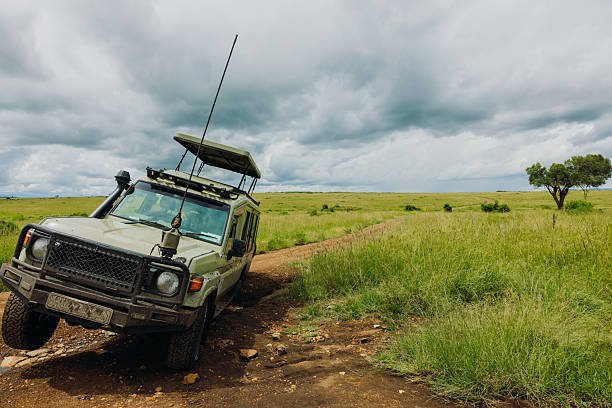

Overview of the 12-day plan
This itinerary is built around two anchors: Kilimanjaro ascent logistics and Zanzibar beach time. You’ll begin with a short arrival buffer in Arusha or Moshi, then move into a multi-day Kilimanjaro route designed for acclimatization and safety. After summit attempt days, you’ll transfer to Zanzibar for a beach-focused finale. Expect a mix of lodge-based stays in Moshi/Arusha, mountain huts or camping en route up Kilimanjaro, and a selection of beach resorts on Zanzibar’s quieter shores. Exact lodges and campsites vary by departure, but the flow remains consistent: land, climb, descend, fly/drive to the coast, rest, repeat the beach rhythm.
Day 1: Arrival and transfer to Moshi or Arusha
Arrive at Kilimanjaro region hubs (KIA/ARK). A Climb 4 Africa representative will meet you and transfer you to your pre-booked hotel. The focus is gentle rest, a briefing, and equipment check. Evening welcome briefing covers the Kilimanjaro route options and the Zanzibar transfer timing, ensuring you understand the sequence and what to expect over the next days.
Day 2: Pre-climb acclimatization and route briefing
Your team conducts a detailed gear check, weight distribution, and a light acclimatization acclimatization walk around Moshi. If you’re booked on a Lemosho or Machame variant, the briefing will cover start time, porters, and your expected pace. Evening rest to optimize sleep before the climb begins in earnest.
Day 3: Start Kilimanjaro ascent (Stage 1)
Begin the chosen trailhead with a support team. Hiking through wooded or moorland terrain, you’ll gain altitude gradually. The guide will manage pace to avoid fatigue, with regular short breaks and water/food stops. The objective is to reach the first acclimatization-friendly camp or hut at a moderate altitude before nightfall.
Day 4: Kilimanjaro ascent (Stage 2)
The climb continues with a focus on steady elevation gain and listening to your body. Depending on route, you’ll pass through a gateway, moorland, or heath zone. Sleep at a designated camp or hut, with a briefing on the following day’s plan and expected weather conditions. Hydration and pacing remain critical for acclimatization.
Day 5: Mid-climb acclimatization day
A key acclimatization day occurs here. The group may do a short out-and-back hike to a higher point, then return to the same camp for a proper rest. This pause helps your body adapt to higher elevations and reduces the risk of acute mountain sickness. Evening meal and gear care follow, with a calm briefing for the next stretch toward the summit.
Day 6: High camp or summit approach begins (Stage 3)
From mid-elevation camps, you push toward high camp. The trail becomes steeper and rockier, with dramatic alpine scenery. Your guide leads a careful pace, focusing on steady breathing, energy management, and keeping to schedule so you can reach high camp with daylight to spare.
Day 7: Summit attempt and descent to base camp
Nighttime summit push is common for many routes. If successful, you descend to lower camps for recovery. The descent is methodical, with careful knee and ankle support as you return to a lower elevation. After a restful night at base camp, you transition toward finish logistics and the mainland transfer plan.
Day 8: Transfer from Kilimanjaro to Zanzibar
With summit behind you (or alternative day achieving a successful partial ascent), you transfer to Kilimanjaro airport for a flight to Zanzibar. Depending on timing, you might land in Zanzibar’s northeast coast and transfer to your beach resort. The balance here is rest, light activity, and a brief orientation to island life—sandy shores, clear water, and the rhythms of island time.
Day 9: Zanzibar beach relaxation begins
Settle into your chosen beach area. East Coast properties offer long beaches, calm tides, and easy snorkeling or spa options. Your guide arranges activities such as sunset dhow cruises, spice tours, or simple relaxation by the water. The emphasis is low-stress enjoyment and convenient logistics for the next few days.
Day 10: Island excursions or downtime
Choose between a short cultural excursion, a snorkeling session, or a full-day relaxation day at the resort. Transfers between activities are arranged, and you’ll have time to unwind with bookstore-friendly reading or a beach walk at tide-friendly hours. The aim is balanced rest and gentle activity that fits your energy level.

Day 11: Optional day trip or spa day
If you’re eager for more, a day trip to a nearby village or a marine park can be arranged. Otherwise, another day of beach-time is a solid option. Your local guide will coordinate any extra activities, ensuring you don’t miss essential transfer times for your onward journey.
Day 12: Departure
Transfer to the airport, with the option to extend your stay if schedules permit. Climb 4 Africa can assist with post-trip extensions or additional Tanzania experiences depending on your interests and available time.
Practical planning notes
Additional insight: practical day-to-day transitions and what to expect on the Kilimanjaro ascent and Zanzibar finale
To complement the existing day-by-day structure, this passage delves into the nuanced transitions between major phases of the itinerary, focusing on logistics that travelers commonly encounter but may not be explicitly described in the standard day labels. The aim is to illuminate how the sequence unfolds in practice, with attention to pacing, support, and the interplay between mountain and island elements.
Transitioning from the Moshi/Arusha base to Kilimanjaro ascent camps hinges on a disciplined gear and weight-check protocol. The team prioritizes a streamlined portering plan to keep your kit within individual limits while ensuring essential items—layered clothing, rain gear, headlamp, and electrolytes—arrive at the correct camp ahead of you. The ascent schedule is built to accommodate regular short rests, but it also accommodates small delays caused by weather or trail conditions. Expect the guide to adjust pace on the fly, communicating in clear signals to maintain the group’s cohesion while respecting individual acclimatization responses.
On the summit-approach days, you’ll notice a deliberate shift in tempo as you gain altitude. The air becomes thinner, voices are kept at a lower volume to conserve energy, and snacks or warm beverages are timed to align with pause points rather than constant grazing. High-camp nights, if applicable to your route, are designed to minimize fatigue and maximize the time available for a successful summit push in the early pre-dawn or dawn hours. The team will remind you about hydration strategies, as dehydration compounds altitude effects. You’ll also receive weather-oriented reminders—cloud cover, wind, and perceived temperature—that influence decisions about leaving camp before first light.
Descent from Kilimanjaro is not simply the reverse of ascent. It requires careful knee and ankle management, especially on loose scree or rocky sections. Guides emphasize controlled downhill technique, short stepping, and frequent rest breaks to prevent overstraining joints. In some cases, the descent passes through zones that are exposed to sun after a night of cold temperatures, so windproof layers may be swapped for sun protection. Your bunk or hut team will conduct a post-descent gear check, ensuring trekking poles, gaiters, and boots remain in good condition for the journey to the airport or next destination.
After the Kilimanjaro chapter, the transition to Zanzibar introduces a markedly different rhythm. The travel leg—often a short flight—reframes the day from elevation management to leisurely pacing and island-time etiquette. Upon arrival, your orientation brief will center on resort protocols, local dining options, and gentle activity choices that suit fluctuating energy levels post-climb. If you elected to finish an ascent with a partial success rather than a full summit, the Zanzibar portion can still honor a celebratory tone, with activities calibrated to your energy, whether that means a spa day or a light snorkel excursion.
Day-to-day on Zanzibar blends optional excursions with scheduled downtime. The booking system typically maintains flexibility to swap a planned spice tour for a reef snorkel session if tides are unfavorable or marine life visibility is prime. In practice, most guests appreciate a morning activity followed by a restful afternoon—perhaps a beachfront stroll during low tide or a sunset dhow cruise that captures the coastline’s color palette. The operator’s local team coordinates transfers, permitting a smooth flow from beach to boat, without the feeling of a rigid timetable.
Finally, when you approach departure, the handover from island leisure back to travel logistics is often the most understated moment. Your guide ensures you have all travel documents aligned, confirms transfer pickup times, and offers a brief recap of any post-trip extension options. This careful wrap-up helps avoid last-minute stress and preserves momentum for your onward travel plans.
Deep-dive: practical day-to-day transitions between Kilimanjaro and Zanzibar, with concrete examples
To complement the existing day-by-day structure, this new section grounds the transition moments in concrete, bookable details. It focuses on the real-world choreography that makes the shift from high-altitude climbing to island leisure feel smooth, reliable, and stress-free for travelers who want to protect precious energy and maximize enjoyment.
1) Scheduling the Kilimanjaro summit window and the Zanzibar arrival. In practice, many itineraries align the summit push with a morning start on Day 7, followed by a descent to base camp and a night at Moshi or a nearby airstrip town. A typical operational sequence schedules the internal flight to Zanzibar for Day 8 mid-morning or early afternoon, allowing a buffer in case of weather-induced delays on the mountain. When booking, request a guaranteed connection from Kilimanjaro to Zanzibar on the same carrier if possible, or arrange a protected overnight layover in Dar es Salaam or Arusha with a smooth transfer option to the coast. The exact flight times will be issued by your operator closer to departure and can shift by a few hours due to weather or air traffic control constraints.
2) Transport rhythm and luggage handling. Kilimanjaro expeditions require porters and a support team, and at the ascent’s end you typically see a brief baggage-handling routine: climbers’ personal kit is packed into duffels or soft bags, while group-supplied gear remains with the crew. On the Zanzibar leg, you’ll usually encounter a simplified transfer: a domestic flight and a road transfer to your beach resort. To minimize fatigue, pack a compact resort bag with your beachwear, sun protection, and a change of clothes in a carry-on-friendly format; keep climbing clothes in your main duffel until you’ve handed in gear at the camp. Include a spare change of dry clothes for the flight portion to Zanzibar, since air-conditioned planes can feel cool after a hot day at the coast.
3) Energy budgeting and activity modulation after the ascent. The first 24 to 48 hours after summiting Kilimanjaro can feel like a recovery phase even if you feel physically capable. Plan a light schedule for Day 8 upon arrival to Zanzibar: a low-key welcome dinner, a gentle afternoon walk on the beach, or a spa treatment that uses heat and aromatherapy to ease muscle stiffness. When you’re choosing activities for Zanzibar, prioritize experiences that require minimal endurance immediately after the climb, such as a sunset dhow cruise or a spice tour with shaded walking breaks, and reserve longer excursions for Day 9–10 when you’re fully rested and acclimated to the island rhythm.
4) Managing tides and transportation to coastal activities. Zanzibar’s east coast beaches present a natural tide-driven context for planning. If you want snorkeling or boat-based activities, coordinate with your guide to aim for shore-start times that align with calm tidal windows, typically early morning or late afternoon. Your operator should offer a tide-informed schedule with flexible windows, so you can shift a planned snorkel to a half-day spa if currents are vigorous or visibility is unclear. This dynamic planning reduces wasted travel time and keeps the beach experience enjoyable rather than fatigue-driven.
5) Practical hydration and sun exposure on the coast. After Kilimanjaro’s dry, high-altitude air, the Zanzibar sun can feel stronger, especially near midday. Carry a light, quick-dry layer, a reusable water bottle, and a high-SPF sunscreen with a water-resistant formulation. The Zanzibar portion benefits from a routine: early coffee or fruit break on the veranda, a mid-morning stroll, a shaded lunch, and a quiet afternoon by the pool or in a hammock. Your guide can suggest a basic cadence—two half-day activities with a long, flexible afternoon—so you never feel rushed yet still experience the island’s highlights.
6) Safety handoffs and documentation. With two distinct environments, you’ll move from high-altitude safety briefings to island safety overviews. Ensure you have all necessary travel documents readily accessible for domestic Tanzania flights and island transfers. Your guide will review your passport, visa papers (if applicable), and any health documentation required for the Zanzibar segment. Keep electronic copies of essential documents in a secure cloud or alt-access location, and confirm phone numbers for local emergency services and your operator’s 24/7 line before the flight to the coast.
7) Food safety and dietary transitions. Kilimanjaro meals center on energy-dense, familiar foods that sustain altitude activities. On Zanzibar, meals lean toward coastal flavors and lighter options suitable for post-climb digestion, such as grilled fish, fresh fruit, and salads. If you have dietary restrictions, these can be accommodated by both the mountain team and the resort kitchen with advance notice. A simple rule: share any allergies or intolerances at least 24 hours before each new service opportunity to ensure the correct ingredients and cross-contamination precautions are observed.
8) Personal pacing and sleep adaptation. The first night after Kilimanjaro is often the most impactful for sleep quality on the whole trip. The change from thin air to sea-level humidity can affect sleep architecture. If you notice persistent insomnia or energy swings, communicate with your guide for a restorative routine—short daytime naps, brighter daylight exposure, and a consistent, light evening routine can help reset your circadian rhythm. On Zanzibar, a relaxed schedule supports gradual re-entry into vacation mode, with a focus on restorative rest after travel and activity intensity.
9) Contingency planning. In case of flight delays, plan for a one-day buffer between the summit attempt and the Zanzibar arrival. Operators commonly have a standby plan that includes optional activities on the extra day in Moshi or Arusha, plus alternative airport connections if the main route is disrupted by weather. Being explicit about the potential for schedule shifts during booking helps you maintain control and retain the flexibility necessary for a smooth experience.
Gap-focused addition: practical considerations for the Kilimanjaro to Zanzibar transition — pacing, logistics, and real-world sequencing
Readers often wonder how the exact transition from high-altitude Kilimanjaro trekking to a relaxed Zanzibar beach schedule unfolds in a way that preserves safety, comfort, and momentum. This section adds a practical, booking-friendly lens to the transition moments, emphasizing concrete steps, timing realities, and decision points that influence how you experience the entire 12-day plan without altering the established day labels.
1) Understanding buffer gaps and realistic layovers: In practice, Kilimanjaro summit day(s) and the immediate descent back toward Moshi or Londorossi Gate create a natural intra-trip buffer. The itinerary typically includes a scheduled overnight near the mountain base, followed by a domestic flight or road transfer to Zanzibar. Guests should expect at least a half-day cushion between the final Kilimanjaro camp exit and the Zanzibar flight window. This buffer accommodates weather delays, handoffs, and optional post-climb wellness activities, reducing stress about missed connections. If delays occur, the operator’s standby plan usually offers alternative domestic routes or an extra Moshi-Arusha activity session while preserving Zanzibar timing on the return side.
2) Transfer choreography: timing, comfort, and documentation: The actual transfer sequence is designed to minimize fatigue while maintaining safety. You typically move from the Kilimanjaro base area to a regional airport with lounge or VIP check-in, then board a short-haul flight to Zanzibar’s international or domestic hub, followed by a resort transfer. To maximize comfort, dress smart-casual for airport transitions, pack a small carry-on with essentials (snack, water, medications, a light layer for air-conditioned interiors), and keep your travel documents readily accessible for rapid checks. Your guide or driver will verify flight details on the day of departure and reconfirm the Zanzibar transfer pickup time with the resort, ensuring a smooth handoff from air to resort staff.
3) Diet continuity and digestion resets during the switch: Kilimanjaro meals are energy-dense and designed for high-altitude exertion. Zanzibar days shift toward lighter, coastal meals that support digestion after intense exertion and altitude changes. A practical approach is to maintain hydration discipline during the flight window and to reintroduce fresh, easily digestible foods upon arrival in Zanzibar. The resort kitchen is typically prepared for post-climb dietary transitions, offering options like grilled fish, tropical fruits, and salads. If you have known dietary restrictions, confirm them with the operator and resort at least 48 hours before arrival to ensure kitchen cross-contamination controls and ingredient substitutions are aligned with your needs.
4) Sleep pattern realignment: from altitude to humid coastal nights: The shift from dry, high-altitude air to sea-level humidity can disrupt sleep architecture for a few days. A practical tip is to align your on-island schedule with local daylight hours. Upon Zanzibar arrival, seek a gradual re-entry—open-air walks at sunset, light evening activity, and a consistent bed hour help re-synchronize your circadian rhythm. If you experience residual jet-lag or climate-driven sleep changes, communicate with the resort team for a customized relaxation routine, such as brief daytime power naps and morning sunlight exposure on the beach to reset your body clock.
5) Activity pacing on the island: matching energy to tempo: Zanzibar excursions should feel restorative rather than punishing after Kilimanjaro. The most practical approach is to cluster activities into a morning slot (snorkeling, spice tour, or cultural visit) and a light afternoon option (spa, poolside rest, or a short beach stroll). Your guide will coordinate transfers to keep travel times reasonable and to honor tidal windows for snorkeling or dhow cruises. When choosing between a full-day excursion vs. a relaxed day at your resort, calibrate based on your perceived exertion from the climb and your current fatigue levels. A well-paced day often includes one meaningful activity plus ample downtime to absorb the coastal ambience.
6) Safety handoffs across environments: The essential safety mindset travels with you. Kilimanjaro safety briefings focus on altitude-related concerns (hydration, acclimatization, recognizing symptoms), whereas on Zanzibar, the emphasis shifts to water safety, sun protection, and keeping valuables secure. Your local crew will provide a simple, non-technical safety checklist for each environment. Carry a small personal first-aid kit with rehydration salts, seasickness remedies if you’re prone, sunscreen, and a basic pain reliever. Confirm emergency contacts for both the mountain team and the island operator, and store them in your phone and a physical card in your wallet in case you’re offline in one location or the other.
7) Documentation and payment flow: With two distinct geographies, ensure that all required travel documents are accessible in both locales. Carry digital copies of passport pages, visa documents (if applicable), vaccination records, and insurance certificates. Payment logistics may vary by region; some operators offer Kenyan or Canadian-friendly payment rails, but you should confirm accepted currencies, transfer methods, and any local charges in advance. If you’re using a multi-provider booking, keep a single point of contact for cross-checks about flight numbers, baggage allowances, and transfer timing to avoid miscommunications between Kilimanjaro/Arusha staff and Zanzibar resort coordinators.
8) Contingency planning and flexible rebooking: Weather or air-traffic restrictions can ripple across the sequence. The most practical approach is to secure refundable or flexible flight options for the Zanzibar leg and to confirm that the operator can pivot to alternate domestic flights or alternate resorts without incurring penalties beyond standard terms. If a delay pushes your Zanzibar arrival past a predetermined “soft” window, the operator will typically offer a rescheduled resort transfer with minimal downtime versus forcing a rushed schedule. This flexibility often becomes the difference between stress and relaxed enjoyment during the beach phase.
9) Focus on the shared experience narrative: While the logistics are detailed, the core value remains the shared experience of two distinct Tanzania ecosystems. The Kilimanjaro days foreground gradual acclimatization, team support, and the personal pacing that underpins a successful summit attempt. The Zanzibar days foreground rhythm, culture, and the sensory pleasures of the coast. Framing the trip as a smooth arc—from alpine air to tropical breeze—helps travelers mentally prepare for the contrast and stay present in each moment, rather than treating transitions as gaps to be endured.
10) Practical checklist for the day of transition: A concise, trip-wide packing reminder can reduce last-minute scrambling. Prepare a small, dedicated carry-on with: a compact change of clothes for Zanzibar, essential medications, hydration drink mix, a light jacket for breezy evenings, a swimsuit, snorkel gear if you own it, and a universal adapter. Leave in your main luggage the items you won’t need during the long travel window. At the point of handoff, confirm all gear remains accounted for and that luggage weight limits align with the domestic flight operator’s requirements to avoid surcharges or re-packing at the airport.
In sum, this transition-focused addendum does not replace the official day-by-day structure but provides a grounded, practically actionable lens on the pacing, safety, and comfort considerations that arise when stitching Kilimanjaro’s high-altitude itinerary to a restorative Zanzibar finale. It answers the common reader question: “How do I move from summit endurance to beach leisure without compromising safety or schedule?” The answer lies in deliberate buffering, clear handoffs, digestive and sleep re-entries, and flexible, client-centered coordination across both environments.
Gaps in transition realism: modeling the exact pace and rest periods between Kilimanjaro ascent and Zanzibar relaxation
One practical question readers often encounter is how the cadence of the Kilimanjaro days sets up and constrains the Zanzibar beach phase. The existing sections describe the sequence—accumulation of altitude, a summit push, a descent, then a flight or transfer to the coast—but they do not spell out the day-by-day tempo in a way that makes the transition feel tangible for travelers with varying fitness levels and travel logistics. This gap matters because the perceived effort of the mountain days directly influences energy availability for the beach days, where rest, recovery, and margin for jet lag or travel delays are key to enjoyment.
To address this without altering the core day-by-day framework, here is a concrete, traveler-facing illustration of pacing and rest cushions that could realistically slot into the existing itinerary without changing the official structure. It focuses on three linked pacing vectors: cumulative fatigue management, buffer time for unexpected delays, and explicit handoff rituals that ensure the transition does not feel abrupt.
1) Cumulative fatigue management across the Kilimanjaro days
Beyond the standard acclimatization days, travelers benefit from a predictable rhythm: two light activity periods per day around the climbing blocks—morning acclimatization walk and an optional short afternoon rest or gear care session. A practical version of this rhythm is to schedule:
- Morning: 2–3 hours of progressive ascent with frequent hydration checks and light snack breaks every 45–60 minutes.
- Midday: a defined rest interval at a designated camp, with a light meal, optional stretching, and gear maintenance. This rest is not optional for the guide-led group; it’s the pace anchor that reduces the risk of overexertion.
- Late afternoon: optional 20–40 minute acclimatization jog or walk around the camp area, designed to promote sleep quality rather than push cardio limits.
By documenting this cadence in the daily briefings, guests can plan their own energy reserves, choosing to skip optional moves if fatigue hits. This approach keeps the ascent consistent with acclimatization logic while preventing an “all-or-nothing” mental model about the summit push.
2) Buffer time for travel delays and weather contingencies
The itinerary assumes a standard sequence, but mountain days are the most weather-sensitive portion of the plan. To avoid a cascade of stress if a weather window shifts, the guide team can build explicit minimal-delay buffers into the transition days—even if the mountain days themselves run on plan. For example:
- After the summit attempt, allocate a conservative 24–36 hour cushion before the fly to Zanzibar. This window accommodates a successful descent, medical checks if needed, and flight re-confirmations without pressuring the next leg of the trip.
- If a day of rest or a weather interruption delays the climb by a full day, provide a guaranteed re-sequencing option that preserves the Zanzibar transfer state (flight vs. domestic connection) with flexible rebooking within standard terms.
Documenting these buffers in the pre-departure briefing helps travelers plan their personal time budgets on the coast, reducing the anxiety around missed connections.
3) Handoff rituals: a structured transfer from high altitude to the coast
A formalized handoff ritual creates a psychological and logistical bridge between environments. The ritual includes:
- A concise, written summary of the Kilimanjaro leg (start point, camp locations, ascent pace, any notable acclimatization data) provided to the Zanzibar team before departure.
- A short, shared equipment checklist upon arrival at the coastal resort area to confirm that personal items transferred from the mountain are present and that any new items (swimwear, reef-safe sunscreen, etc.) are added to the carry-on for the beach days.
- A dedicated “beach brief” within 24 hours of settling in Zanzibar that outlines daily rhythm, planned excursions, and rest windows tailored to the traveler’s state of recovery from the climb.
In practice, this ritual reduces cognitive load and prevents fatigue from carrying the memory of multiple transfers. It also gives guests predictable moments—such as a late-morning transfer from flight arrival to the first beach activity—so the first day on Zanzibar can be consumed with gentle immersion rather than reorganization.
4) A sample micro-schedule illustrating a smooth Kilimanjaro-to-Zanzibar transition
Assuming a standard summit-day sequence with mid-climb acclimatization and a 2–3 day Zanzibar stay, a micro-schedule might look like this (illustrative, not contractual):
- Day 7 (Summit day and descent): Wake early for final acclimatization check, push to summit, return to base camp, complete an orderly descent by midday. Post-descent rest, dinner, and medical check if needed.
- Day 7–8: Morning transfer to Kilimanjaro Airport; flight to Zanzibar (north or northeast coast depending on availability). Arrival window allows a 2–3 hour buffer before hotel check-in.
- Day 8 afternoon: Beach resort check-in with a light orientation walk on the property; initial sunset drink with the group to acknowledge the transition.
In this example, the transition respects the traveler’s need for recovery and sets expectations for the next phase without forcing a compressed pace.
5) What readers can practically take away today
- Ask your operator for explicit transition buffers between ascent and coast days and request written handoff notes that you can reference after arrival in Zanzibar.
- Request a copy of the Kilimanjaro leg’s pace plan (average kilometers per day, elevation gain per day, and planned rest periods) to compare with your personal fatigue signals.
- Prepare a lightweight “coast-kit” in your carry-on or daypack for Zanzibar that you can access immediately on arrival—swimwear, sunscreen, a change of clothes, and a modestly warm layer for cooler evenings.
These practical elements are designed to make the pacing explicit and to ensure that the two-phase itinerary feels like a coherent journey rather than two separate vacations stitched together.
Related Guides and Packages
Check Availability for 12 Days Kilimanjaro Climbing And Zanzibar Beach Holiday 2026-2027
Ready to compare dates, prices, and the best option for your group? Send the package name and travel month so the team can reply with a clear quote, availability, and what is included.
18 Days Kilimanjaro Full Moon Safari And Zanzibar Holiday: Practical
An actionable, bookable 18-day itinerary weaving a Kilimanjaro Full Moon ascent with a northern Tanzania safari and a Zanzibar beach finale. Practical transfers, timing, and non-guaranteed...
View package details17 Days Kilimanjaro Climb Safari And Zanzibar Beach 2026-2027
17 Days Kilimanjaro Climb Safari and Zanzibar Beach.
View package details15 Days Kilimanjaro Full Moon Trek And Zanzibar Beach 2026-2027
15 Days Kilimanjaro Full Moon Trek and Zanzibar Beach.
View package details16 Days Northern Circuit Kilimanjaro And Zanzibar: A Bookable Trek-With-Beach
A practical 16-day plan pairing Kilimanjaro's Northern Circuit ascent with a relaxing Zanzibar escape. This bookable itinerary prioritizes acclimatization days on Kilimanjaro, efficient...
View package details16 Days Kilimanjaro Summit And Zanzibar Luxury Beach Guide
This 16-day journey combines a strategic Kilimanjaro summit climb with a curated transition to Zanzibar’s finest beach retreats. The route includes acclimatisation days on the mountain, a...
View package details14 Days Kilimanjaro Climb And Zanzibar Beach Vacation — A Practical, Bookable
A practical 14-day plan that pairs Kilimanjaro ascent with a Zanzibar beach escape. Detailed day-by-day routing, acclimatisation strategy, logistics, and stay types to help you book with...
View package details
20 Days Ultimate Tanzania Kilimanjaro Safari And Beach 2026-2027
A complete 20-day, bookable Tanzania itinerary weaving Kilimanjaro ascent, northern safari circuits, and a Zanzibar-style beach finale with practical logistics and real-world pacing.
View package details18 Days Kilimanjaro Safari And Zanzibar Holiday Package 2026-2027
18 Days Kilimanjaro Safari and Zanzibar Holiday Package.
View package details15 Days Kilimanjaro Safari And Zanzibar Holiday 2026-2027
15 Days Kilimanjaro Safari and Zanzibar Holiday.
View package details14 Days Kilimanjaro Group Joining And Zanzibar Holiday 2026-2027
14 Days Kilimanjaro Group Joining and Zanzibar Holiday.
View package details15 Days Kilimanjaro Hiking And Zanzibar Holiday 2026-2027
15 Days Kilimanjaro Hiking and Zanzibar Holiday.
View package details21 Days Tanzania Grand Adventure – Kilimanjaro Safari And Zanzibar 2026-2027
21 Days Tanzania Grand Adventure – Kilimanjaro Safari and Zanzibar.
View package detailsNo related package matches those filters. Clear one or more filters to see the other topic-matched options.



