
When you start researching private charter flight prices in Tanzania, you quickly realize that there is no universal “price list.” Unlike a scheduled commercial flight where you pay for a single seat, a private charter involves renting the entire aircraft. The price you are quoted is a composite of the aircraft type, the distance, the specific airstrips involved, and the logistics of positioning the plane.
For travelers planning their 2027 safari or Kilimanjaro expedition, understanding this cost structure is vital. A private charter is not merely a “luxury” add-on; it is often a strategic logistical choice that saves hours of driving or waiting for connection windows. Below, we break down how these costs are calculated and what you need to consider before requesting a quote.
The Core Logic of Charter Pricing
When you ask for a quote for a private charter, you are essentially paying for a service contract. The operator is not just selling you a seat; they are reserving a specific asset and crew for your exclusive use. The total price generally includes:
- Flight Time: The direct cost of operating the aircraft for the specific duration of your route.
- Positioning Fees (Dead Legs): This is the most misunderstood cost factor. If the plane is based in Arusha but your charter needs to pick you up in the Serengeti, you pay for the flight from Arusha to the Serengeti to get the plane to you, even if you aren’t on board for that segment.
- Landing Fees & Taxes: Every airstrip in Tanzania, particularly those inside National Parks like the Serengeti, charges landing and parking fees. These are often passed directly to the charterer.
- Pilot & Crew Costs: For multi-day charters where the crew stays with you, their accommodation, meals, and per diems are factored into the total price.
If you are trying to decide whether to book a private charter or utilize scheduled bush flights, consider the trade-offs carefully. Our guide on comparing private transfers vs. domestic flights offers a helpful breakdown of when the extra cost of a charter provides genuine value.
Comparison: Private Charter vs. Scheduled Bush Flights
To help you visualize the difference in booking logic, we have prepared this comparison table. This isn’t about specific price points, as those fluctuate, but rather about the service model.
| Feature | Scheduled Bush Flights | Private Charter |
|---|---|---|
| Pricing Model | Per seat (fixed) | Per aircraft (variable) |
| Flexibility | Strict departure times | Flexible (within daylight hours) |
| Route | Pre-set circuit (e.g., Arusha-Seronera-Zanzibar) | Direct point-to-point |
| Luggage | Strict weight limits (15kg total) | Adjustable based on aircraft capacity |
| Privacy | Shared with other passengers | Exclusive to your group |
As you can see, the value proposition of a private charter changes significantly depending on your group size. If you are a party of six or more, the cost per person for a private charter often narrows the gap against scheduled flights, especially when you factor in the time saved and the convenience of direct routing.
Factors That Influence Your Final Quote
When we request quotes for our clients, the following variables are the primary drivers of the final price. Being aware of these will help you provide the right details when you reach out for a booking.
Aircraft Capacity and Type
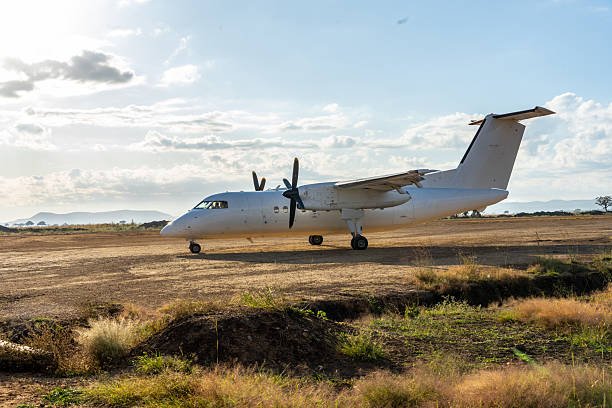
Not all aircraft are created equal. The most common bush aircraft in Tanzania is the Cessna Caravan, which typically seats up to 12 passengers. However, if your group is smaller, you might be offered a smaller twin-engine or single-engine plane, which costs less to operate. Conversely, if you have a large group or significant luggage (perhaps for a Kilimanjaro climb), you may need a larger aircraft, which increases the hourly operating cost.
The “Dead Leg” Factor
This is where many travelers are surprised by the quote. If you need a flight from a remote lodge in the Ruaha National Park to a coastal destination, the charter company must get their plane to that remote lodge first. If the nearest available plane is in Arusha, you are paying for the flight from Arusha to Ruaha (empty) plus your flight from Ruaha to the coast. This is why it is always more cost-effective to coordinate your itinerary with the location of the charter operator’s base fleet.
Seasonal Demand and Availability
Much like commercial airfares, charter availability tightens during peak safari seasons (typically July through September). During these months, aircraft are in high demand, and charter companies may not be able to offer discounts or flexible positioning. Planning your charter bookings for 2027 well in advance—at least 4 to 6 months—is highly recommended.
Logistical Realities of Tanzanian Airstrips
It is important to remember that flying in Tanzania is subject to strict operational rules. Most private charter flights are limited to daylight hours (typically 6:00 AM to 6:30 PM) because most bush airstrips are not equipped for night landings. When planning your private charter, your itinerary must account for this.
If you are curious about the specific airlines we often work with for these arrangements, you can read our breakdown of Coastal Aviation vs Auric Air to understand the differences in their fleet and service coverage. Knowing which operator serves which region can often help in reducing those “positioning fees” mentioned earlier.
Planning Your 2027 Charter Flight
When you are ready to move from research to booking, the process is straightforward but requires precision. We recommend following these steps to ensure you receive an accurate quote:
- Define Your Group Size: Be precise. A charter quote for 4 people is vastly different from a quote for 8, as it dictates the required aircraft size.
- List Your Airstrips: Do not just list the destination (e.g., “Serengeti”). Specify the exact airstrip (e.g., Kogatende, Seronera, or Grumeti). Airstrips are often hours apart by vehicle, so the wrong airstrip name can lead to a massive logistical error.
- Be Clear on Luggage: If you are combining a safari with a beach holiday in Zanzibar, you will likely have more luggage than a typical safari-only traveler. Let us know this upfront so we can ensure the aircraft has the cargo capacity.
- Share Your Itinerary: Provide your full schedule. Sometimes, we can coordinate your charter to coincide with a flight that is already in the area, significantly reducing your cost.
For more detailed information on specific seasonal trends, you may find our article on Tanzania flight prices for July or other peak months useful for gauging the broader travel landscape.
Why Work With a Local Specialist?
Booking a private charter from abroad can be complex. You are dealing with multiple aviation companies, each with their own fleet locations, maintenance schedules, and pilot availability. As a local operator, we handle the communication with these charter companies directly. We ensure the aircraft is suitable for your specific route, that the landing times fit your lodge check-out and check-in windows, and that the logistics are smooth.
If you are planning your 2027 trip and want to explore the possibility of private charters, please reach out to us. We can help you compare the cost of chartering versus scheduled flights based on your unique itinerary.
For inquiries regarding private charter quotes, route planning, or general 2027 travel logistics, you can contact us via WhatsApp at +255 747 477 898 or send an email to climb4africa@gmail.com. You can also reach our team at info@climb-4-africa.com for a comprehensive consultation on your African travel plans.
Navigating Operational Risks and Safety Standards
When comparing quotes from different aviation companies, it is easy to focus exclusively on the bottom line. However, in the context of Tanzanian bush aviation, price is often a proxy for operational standards. Not all charter companies operate under the same safety culture or maintenance schedules. When you receive a quote that seems significantly lower than others, it is prudent to understand why. The most reputable operators in Tanzania invest heavily in recurrent pilot training, redundant aircraft systems, and, crucially, the strict adherence to the Air Operator Certificate (AOC) requirements mandated by the Tanzania Civil Aviation Authority (TCAA).
A lower price point may sometimes reflect an operator with a smaller fleet, which limits their ability to provide a replacement aircraft if the primary plane experiences a technical issue. If your charter flight is critical—for example, to connect with an international departure or to reach a remote lodge before sunset—the availability of a ‘backup’ or ‘support’ aircraft within the same fleet is an intangible value that is not always explicitly itemized on a quote but is vital for operational reliability.
The Hidden Economics of Crew Duty Limits
One of the most frequently overlooked factors in charter pricing is the strict regulation governing pilot flight duty periods. TCAA regulations, aligned with international standards, enforce maximum duty hours to prevent pilot fatigue. These regulations are rigid: once a pilot reaches their daily flight time limit or duty hour cap, they are legally prohibited from continuing the flight, regardless of the circumstances.
If your itinerary is complex—involving multiple stops or long transit times—the charter company must factor in the pilot’s duty window. If a delay occurs due to passenger late arrivals, weather, or unexpected ground traffic at an airstrip, the crew may ‘time out.’ When this happens, the operational cost spikes. You may be required to cover the costs of a replacement crew (which involves flying a relief pilot to your location), or the flight may need to be grounded overnight. In such cases, the charterer is responsible for the crew’s accommodation, meals, and transport costs. When requesting a quote for a multi-leg journey, always ask your provider to explain the ‘duty time buffer’ included in the plan. A well-planned itinerary will account for potential delays to ensure that the crew remains within their legal operational limits without triggering these additional costs.

Standby Fees and On-Ground Logistics
There is a distinct difference between ‘flight time’ and ‘standby time,’ and understanding how your operator bills for these is essential for budget accuracy. Some operators bill primarily on a ‘block hour’ basis (the time the engine is running), while others utilize a ‘daily rate’ model, especially for multi-day charters where the aircraft and crew remain with you.
If your itinerary involves spending several days at one location, the aircraft may not be utilized every day. You will likely be charged a ‘daily standby fee’ or ‘retention fee’ to keep the aircraft and crew at your disposal. This fee is designed to cover the fixed costs of the aircraft (insurance, hangarage, crew salaries) while it is not actively flying. It is often more cost-effective to release the aircraft if you have a multi-day stay at a single lodge, but this risks availability if you decide to change your plans. Conversely, if you require the aircraft to be on immediate standby for potential game drives or flexible departures, ensure your quote clearly defines what constitutes ‘active flight time’ versus ‘standby time.’ Clarifying these definitions upfront prevents disputes over invoices, especially if the aircraft is required to reposition to a nearby base to avoid overnight parking fees at a remote airstrip.
Insurance and Liability Considerations
While often treated as an administrative detail, insurance is a fundamental component of the charter price. Reputable Tanzanian charter operators carry comprehensive passenger liability insurance that meets international standards. However, the level of coverage can vary between operators. When you charter an aircraft, you are entering into a contract of carriage. It is standard practice to ask for confirmation that the operator’s insurance is current and covers the specific route and number of passengers in your group.
Furthermore, be aware that standard charter insurance may have specific exclusions regarding ‘off-airport’ landings or operations at uncertified airstrips. While many bush airstrips in Tanzania are private and well-maintained, they are not all ‘certified’ airports in the commercial sense. A high-quality operator will have specific insurance endorsements for operations at these remote locations. If you are planning a trip to a highly remote or unconventional location, ensure that your charter provider has explicitly confirmed that their insurance coverage extends to the specific airstrips on your itinerary. This level of due diligence provides peace of mind that your logistical arrangement is not only efficient but also compliant with the necessary safety and liability frameworks.
Navigating Variable Costs: Fuel Surcharges and Currency Fluctuations
While the base charter rate covers the aircraft and crew, the final invoice often includes dynamic variables that can cause the price to shift between the initial quote and the departure date. One of the most significant, yet often misunderstood, components is the fuel surcharge. Aviation fuel prices in Tanzania, particularly at remote bush airstrips, are subject to volatility driven by global oil markets and the logistical complexity of transporting fuel to isolated locations. Unlike commercial airlines that hedge fuel costs months in advance, smaller charter operators often pass these fluctuations directly to the client. When requesting a quote, explicitly ask if the provided price is inclusive of fuel or if a surcharge may be applied based on the fuel price index at the time of your flight. This transparency is crucial for budget planning, especially for long-range charters that traverse multiple regions of the country.
Furthermore, currency exchange rates play a silent but impactful role in charter pricing. Most Tanzanian charter operators conduct business in United States Dollars (USD), as this is the standard for international aviation contracts. However, local operational costs—such as ground handling, airport staff salaries, and local procurement—are often denominated in Tanzanian Shillings (TZS). If your booking is finalized well in advance, the exchange rate used at the time of the quote may differ from the rate at the time of your flight. While reputable operators typically absorb minor fluctuations, significant currency shifts can sometimes lead to adjustments in the final billing. Always verify the currency of the quote and confirm whether the price is locked in upon payment of the deposit or if it remains subject to change based on macroeconomic factors.
The Impact of Specialized Equipment and Payload Restrictions
The cost of a private charter is not solely determined by the airframe; it is heavily influenced by the specific payload requirements of your group. A common pitfall for travelers is underestimating the weight of their luggage, particularly for safari and climbing expeditions. If your group is carrying heavy camera equipment, specialized camping gear, or multiple suitcases per person, the operator may be forced to utilize a larger aircraft or limit the number of passengers to maintain safety margins. This is known as a weight-and-balance constraint.
Every aircraft has a maximum takeoff weight (MTOW), and when operating out of shorter, high-altitude airstrips—such as those found near the Ngorongoro Crater or in the Southern Highlands—this weight limit is even more restrictive. If your group size and luggage weight exceed the capacity of a standard six-seater aircraft, you may be required to upgrade to a larger twin-engine plane or even charter a second aircraft. This shift can double your costs instantaneously. To avoid this, provide your operator with a precise, honest assessment of your total passenger weight and luggage volume during the inquiry phase. If you are traveling with professional filming equipment or large, non-standard items, inform the operator immediately. They may need to remove seats from the aircraft or coordinate a specific cargo configuration, both of which incur additional labor and potential revenue-loss fees.
Understanding the ‘Positioning’ vs. ‘Ferry’ Distinction
While the “dead leg” concept is well-known, there is a technical distinction between positioning flights and ferry flights that can affect your quote. A positioning flight typically refers to the movement of an aircraft to your starting point, which is almost always billed to the client. A ferry flight, however, often refers to an operator moving an aircraft for their own maintenance, repositioning for another client, or returning to base after a long-term charter. Confusion arises when a client is asked to pay for a ferry flight that they believe is a positioning flight.
When reviewing your contract, look for the distinction between the two. If an operator is moving an aircraft to a location to serve you, it is a legitimate operational cost. If they are moving the aircraft for their own scheduling convenience, you should not be paying the full charter rate for that segment. A transparent operator will break down these costs, showing you the flight time for your passengers versus the flight time for the aircraft’s repositioning. If a quote seems unusually high, ask for a breakdown of the ferry segments. You might find that the operator is trying to amortize the cost of a long-distance ferry across your charter, which is a common practice but one that you have the right to negotiate or question if you feel the positioning is inefficient.
Managing Last-Minute Itinerary Changes
In the world of private aviation, flexibility is the primary product you are purchasing. However, this flexibility has a financial ceiling. If you are mid-trip and decide to change your destination—perhaps extending your stay at a lodge or rerouting to a different airstrip due to weather or personal preference—the cost implications are immediate. Any change to the flight plan requires a revised flight manifest, new landing permissions, and potentially a recalculation of the pilot’s duty hours.
If your change requires the aircraft to fly into a different region, you will be liable for the additional flight time and any new landing fees. More importantly, if the change results in the pilot exceeding their maximum duty hours for the day, the operator may have to fly in a relief crew or ground the aircraft overnight, incurring extra costs for pilot accommodation and transport. Always keep a copy of your flight contract accessible during your travels and ensure you have a direct line of communication with the operator’s dispatch center. Before authorizing any itinerary change, ask for a “change fee” estimate. This prevents “sticker shock” when you receive the final invoice after your trip. Understanding that your flexibility has a direct operational cost will help you weigh the benefits of a change against the financial impact.
Related Guides and Packages
Check Availability for Private Charter Flight Prices In Tanzania: Cost Per Aircraft & Planning…
Ready to compare dates, prices, and the best option for your group? Send the package name and travel month so the team can reply with a clear quote, availability, and what is included.
Private Tanzania Safari With Internal Flights: Cost & Itinerary
An expert guide to planning a private fly-in safari in Tanzania, covering cost factors, time-saving logistics, and how to structure your itinerary for maximum wildlife viewing.
View package details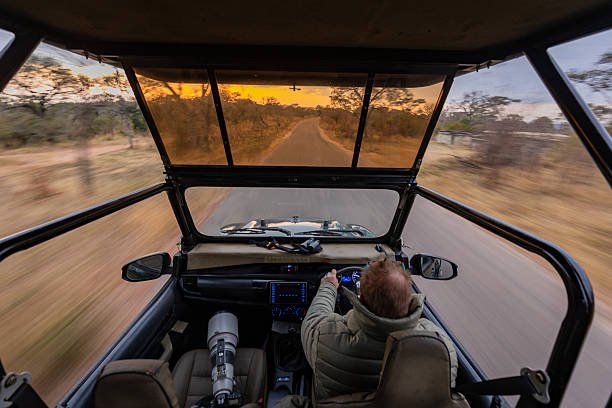
Tanzania Flight Ticket Prices: Economy Vs Safari Bush Flights Explained
A practical guide to understanding the cost and logistical differences between commercial economy flights and private-style bush flights in Tanzania.
View package detailsAre Tanzania Domestic Flights Cheaper Than Private Transfers? ( Guide)
Deciding between a domestic flight and a private transfer in Tanzania involves more than just ticket prices. We break down the cost-to-time ratio for your 2026-2027 trip.
View package details
Tanzania Flight Prices April : Low-Season Travel Costs
A deep look at the realities of flying to Tanzania in April 2027, focusing on the seasonal price advantages, logistics of the 'Green Season,' and how to manage your travel budget...
View package details
Luxury Serengeti Fly-In Safari: Private Packages & Prices ( Guide)
A detailed guide to luxury fly-in safaris in the Serengeti, focusing on private logistics, pricing structures for 2026-2027, and maximizing your time in the bush.
View package detailsHidden Costs Of Tanzania Domestic Flights: Taxes, Luggage & Transfers ( Guide)
A practical guide to understanding the real price of flying within Tanzania, covering baggage constraints, mandatory airstrip taxes, and the often-overlooked cost of ground transfers.
View package details
Tanzania Safari Flight Baggage Limits: 15Kg, 20Kg & Extra Bag Costs Explained
A practical guide to navigating bush flight luggage restrictions in Tanzania. Understand why 15kg is the standard, the necessity of soft bags, and how to manage gear across multiple trip...
View package detailsChild Flight Ticket Prices In Tanzania: Airline Fare Rules & Planning Guide
Planning a family trip to Tanzania? Don't assume child discounts apply everywhere. Learn the specific rules for domestic carriers versus bush flights and how to manage your booking.
View package details
Last-Minute Flights In Tanzania: Prices & Expert Booking Tips
Understand why last-minute flight bookings in Tanzania often lead to higher costs and logistical challenges, and learn the best strategies to secure your travel.
View package detailsOne-Way Vs Return Flights In Tanzania: Which Costs Less And Saves Time?
A deep look at Tanzanian domestic flight pricing: why return tickets aren't always cheaper, the logic of open-jaw travel, and how to optimize your itinerary for 2027.
View package detailsPrecision Air Vs Tanzania: Domestic Flight Prices & Comparison
When planning domestic travel in Tanzania, choosing between Precision Air and Air Tanzania often comes down to route networks and baggage policies rather than just the base fare. Learn how...
View package detailsFlightlink Vs Coastal Aviation: Tanzania Safari Flight Prices Guide
A practical comparison of Tanzania's two leading bush airline operators, focusing on what drives prices, operational differences, and how to plan your inter-camp travel.
View package detailsNo related package matches those filters. Clear one or more filters to see the other topic-matched options.



