
The short answer is no; local Tanzanian tour operators, including Climb 4 Africa, do not typically book your international flights. While we specialize in every aspect of your time on the ground—including safari packages, Kilimanjaro climbs, and transfers—international airfare is almost exclusively managed by the traveler. This separation is standard in the industry to protect your consumer rights, allow you to use your preferred frequent flyer miles, and ensure you have full control over your international travel insurance and credit card protections.
The Distinction Between International and Domestic Logistics
When planning a trip to Tanzania for 2026 or 2027, it is critical to distinguish between the two types of flights involved in your journey. Understanding this difference will save you time and help you avoid unnecessary booking headaches.
International flights are the long-haul journeys that bring you from your home country to major Tanzanian hubs, most commonly Kilimanjaro International Airport (JRO) or Julius Nyerere International Airport (DAR) in Dar es Salaam. Local tour operators like us are not IATA-accredited travel agencies, which means we do not have the systems or the authority to book international airline tickets on your behalf. More importantly, we do not want to hold that responsibility; if your flight is delayed, canceled, or requires a schedule change, you want the ability to deal directly with the airline or your booking platform, rather than waiting for a third party to mediate.
However, once you arrive in Tanzania, the logistics change. We frequently handle domestic connections—flights from Arusha to the Serengeti, or from the Serengeti to Zanzibar—as part of a cohesive tailor-made African travel experience. We manage these because they are integrated into the safari schedule, timing, and baggage restrictions required for bush airstrips.
At a Glance: Who Handles What?
| Travel Component | Who Books It? | Why? |
|---|---|---|
| International Flights | Traveler / Agent | Control, miles, and legal protection. |
| Domestic Bush Flights | Tour Operator | Coordination with safari timing and luggage rules. |
| Safari Land Arrangements | Tour Operator | Local permits, guides, and vehicle access. |
| Airport Transfers | Tour Operator | smooth arrival logistics. |
Why Booking Your International Flights Separately is Better
Many travelers express concern that booking flights and safaris separately might lead to a disjointed experience. In reality, it is the safest and most cost-effective approach. When you book your own international flights, you retain total autonomy. If you find a better price, a shorter layover, or a specific airline you prefer, you can book it instantly. You are not waiting for a tour operator to confirm availability or pricing, which can sometimes result in price fluctuations by the time the booking is processed.
Furthermore, international flight bookings often come with complex cancellation and change policies. If you book these through a tour operator, they are often locked into non-refundable group rates or specific ticket classes. By booking direct, you can choose refundable fares or add insurance that specifically covers your airfare, which is distinct from the travel insurance you should purchase for your safari and trekking activities.
How to Coordinate Your Safari Package with International Arrivals
Even though we do not book your international flight, we play a massive role in coordinating your arrival. The most common mistake travelers make is booking a flight that arrives late in the evening or departs too early in the morning, which complicates the start or end of a safari.
When planning your trip, consider these logistics:
- Arrival at JRO: If you are planning a Kilimanjaro climb or a northern circuit safari, aim to arrive at Kilimanjaro International Airport (JRO). It is closer to Arusha and Moshi than the airports in Dar es Salaam.
- Buffer Days: We strongly advise arriving at least one day before your safari or climb begins. This provides a buffer for lost luggage or flight delays.
- Departure Times: If you are ending your trip in the Serengeti or Zanzibar, ensure your domestic flight back to JRO or DAR allows enough time for your international connection. We can advise on the flight times between destinations to ensure you aren’t rushing.
Once you have your flight numbers and arrival times, send them to us. We use this information to organize your airport transfers. Whether you arrive at 2:00 AM or 2:00 PM, our team will be there to greet you, provided we have your confirmed itinerary details. This is the point where the “separate” bookings become a single, unified experience.
Handling Domestic Connections Within Your Package
The primary area where we *do* integrate flights into your package is for domestic travel. Tanzania is a large country, and the distances between the northern parks (like the Serengeti) and coastal destinations (like Zanzibar) are vast. Driving these distances can take days.
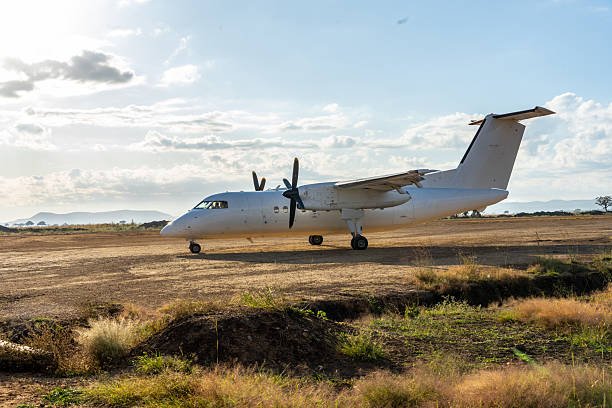
In these instances, we often include internal flights in our packages. We handle this because these flights are often on smaller bush planes that have strict weight limits and specific luggage requirements. We need to coordinate these flights with your game drive schedule and your lodge check-out times. By including these in your tailor-made safari package, we ensure that your transfer from the bush to the beach is smooth.
If you are curious about the costs, you can read our guide on how much a domestic flight costs in Tanzania. Generally, these prices include airport taxes, but it is always helpful to review the inclusions of your specific quote.
What Happens if Your Flight is Delayed?
One of the most frequent questions we receive is, “What if my international flight is delayed and I miss my safari start?” This is exactly why we ask for your flight details well in advance.
If you book your safari package with us, we maintain constant communication with our drivers and logistics teams on the ground. If your flight is delayed, we are the ones who will adjust the pick-up time, inform the lodge, and potentially rearrange your first day’s itinerary if necessary. While we cannot change your airline ticket, we are the ones who ensure that your trip on the ground adapts to the changes in your arrival.
For those arriving in Tanzania, we also provide support regarding local domestic flight connections. It is rarely advisable to book a domestic flight on the same day as your international arrival unless you have a significant layover window—usually at least four to five hours—to account for customs, immigration, and potential delays.
Planning Your 2026-2027 Safari
As you begin planning for 2026 or 2027, the best approach is to follow this sequence:
- Define Your Safari Priorities: Decide if you want a Kilimanjaro climb, a wildlife safari, or a beach holiday. Or perhaps a combination.
- Contact Us for a Quote: Reach out to us via email at climb4africa@gmail.com or info@climb-4-africa.com. Let us know your approximate travel dates and what you hope to see.
- Finalize Land Arrangements: Once we have built your itinerary, you will have a clear idea of your start and end dates.
- Book International Flights: Only after your safari dates are confirmed should you finalize your international airfare.
- Share Flight Details: Send us your flight numbers and arrival times so we can lock in your transfers and domestic connections.
If you need to reach us quickly for questions about your itinerary or to discuss how to structure your travel days, you can contact us on WhatsApp at +255 747 477 898. We are here to help you navigate the logistics, ensuring that while you manage the international flights, the local experience is handled with the precision and care that Climb 4 Africa is known for.
Whether you are looking for a group joining safari or a private, tailor-made journey, starting with the land logistics allows us to craft the best possible experience for you. We look forward to helping you plan your Tanzanian adventure.


Navigating the Arrival: The Critical Transition Phase
Once you step off your international flight at Kilimanjaro International Airport (JRO), the logistical baton passes from the airline to your local tour operator. This transition is often the most stressful part of the journey for travelers who have booked their own international flights, as it involves navigating customs, visa procurement, and locating your ground transport. Understanding this process helps bridge the gap between your independent flight booking and our structured safari package.
Upon landing, you will first proceed to the immigration hall. For most international travelers, this is where you will secure your visa. While many travelers now opt for an e-visa, the system can occasionally experience downtime. We always recommend carrying a physical copy of your e-visa approval, or having the necessary cash (USD) in crisp, post-2009 bills if you intend to pay for your visa on arrival. Once you clear immigration and collect your luggage, you will exit into the arrival hall. This is where our pre-arranged transfer service begins. Our driver will be waiting with a placard bearing your name. Because we have your flight details—which you provided during the booking process—we monitor your flight status in real-time. If your international flight arrives early or is delayed by an hour, our team adjusts the pick-up time accordingly, ensuring you are never left waiting at the airport.
Strategic Layover Planning: Why the ‘Buffer Night’ Matters
One of the most valuable pieces of advice we offer regarding international flights is the necessity of a ‘buffer night.’ Many travelers, eager to maximize their time in the bush, attempt to book international flights that arrive in the early morning, hoping to jump directly into a vehicle and start their safari by noon. While this is technically possible, it is rarely advisable.
International travel is prone to unforeseen disruptions—lost luggage, mechanical delays, or air traffic control issues. If you book a bush flight or a long drive to the Serengeti on the same day as your international arrival, a three-hour delay on your long-haul flight can cause a cascade of missed connections. You might miss your internal transfer, forcing a costly last-minute charter flight or an overnight stay in a hotel you didn’t plan for. We strongly suggest arriving at least one night before your safari begins. Staying in Arusha or near the airport allows you to recover from jet lag, ensures your luggage arrives with you, and provides a safety net. This buffer night transforms the start of your trip from a frantic rush into a relaxed, smooth transition, allowing you to meet your guide, review your itinerary, and prepare for the safari with a clear head.
Luggage Logistics: Bridging International and Bush Flight Restrictions
A significant reason we maintain a separation between international and domestic flight bookings is the stark difference in luggage policies. International airlines typically allow for heavy, hard-shell suitcases, often up to 23kg or more. However, light aircraft used for domestic bush flights—such as the Cessna Caravans that frequent the Serengeti or Ruaha airstrips—have very strict weight limits, usually capped at 15kg per person, and they strictly require soft-sided luggage.
This is where our role as your local operator becomes essential. If you arrive with large, hard-shell suitcases that are unsuitable for the bush, we manage the logistics of storing your excess luggage at our secure Arusha office. You then pack a smaller, soft-sided bag for the safari portion of your trip. We handle the collection, storage, and eventual return of your larger bags, ensuring you have everything you need for your post-safari plans or your flight home without violating the strict weight and size requirements of the bush airlines. Trying to coordinate this storage and transfer process while managing your own international flight bookings would be a logistical nightmare; by keeping the international booking independent and the local logistics under our management, we ensure you stay compliant with airline regulations while keeping your travel experience stress-free.
Financial Safeguards and the ‘Self-Transfer’ Reality
One of the most nuanced aspects of booking your international flights separately from your safari package is the shift in financial and liability responsibility. When you purchase an all-inclusive package through a traditional travel agency, they often bundle your international flights with your land arrangements. While this may feel like a safety net, it often obscures the reality of airline liability. When you book your international flights independently, you are technically creating a ‘self-transfer’ scenario upon arrival in Tanzania. While this sounds daunting, it is actually a superior financial strategy when executed with the right insurance and credit card protections.
The primary reason travelers opt for bundled packages is the belief that the agency will ‘handle’ everything if a flight is canceled. In reality, even if an agency books your flight, they are still subject to the airline’s tariff rules. If a flight is canceled, the agent cannot magically conjure a seat on a sold-out plane; they are at the mercy of the airline’s rebooking policies just as you are. By booking independently, you remove the middleman, allowing you to deal directly with the airline’s customer service or app, which is almost always faster than waiting for an agency to communicate with the airline on your behalf.
Why ‘Through-Ticket’ Protection Is Often Overrated
A common concern is losing ‘through-ticket’ protection, which ensures that if your first flight is delayed, the airline is obligated to rebook your subsequent flights. However, in the context of a Tanzania safari, this protection rarely extends to your land arrangements. If your international flight arrives late, your safari operator’s vehicle or bush flight is still going to be impacted regardless of whether the flight was booked by an agent or by you. The airline’s liability ends at the airport exit; they are not responsible for the missed game drive, the non-refundable lodge night, or the missed bush flight connection. Because of this, the ‘protection’ provided by a bundled agency booking is largely illusory regarding your safari schedule. By booking your own international flights, you retain the ability to choose carriers with better reliability records or more flexible fare classes, rather than being forced into the specific, often restrictive, routing an agency might select to maximize their own commissions.
Structuring Your Travel Insurance for Independent Legs
Because you are managing your own international arrival, your approach to travel insurance must be more deliberate. Standard travel insurance policies often contain exclusions for ‘missed connections’ if the travel legs are not on a single itinerary. When you are flying from, for example, New York to Kilimanjaro, and your safari begins the next day, you are not technically missing a ‘connection’ in the airline sense, but you are risking a ‘trip interruption.’ You need to ensure your policy specifically covers ‘Trip Delay’ and ‘Trip Interruption’ for independent travel arrangements.
Look for policies that define a covered delay as any mechanical, weather, or air-traffic control issue that prevents you from reaching your destination. Crucially, verify that the policy provides reimbursement for non-refundable land costs—such as your pre-paid safari deposits or the ‘buffer night’ hotel—if your arrival is delayed by 12 or 24 hours. Many budget insurance plans exclude coverage for ‘pre-existing’ travel plans, meaning if you book your insurance after you have already paid for your safari, you might not be covered. Always purchase your travel insurance on the same day you pay your initial safari deposit to ensure you are eligible for the widest range of protections, including ‘Cancel for Any Reason’ (CFAR) upgrades if you are particularly concerned about global travel instability.
Maximizing Credit Card Protections
Many travelers overlook the built-in travel insurance provided by premium credit cards. If you are booking your international flights independently, you should always use a card that offers trip delay and cancellation coverage. These policies are often more robust than standalone travel insurance for the specific purpose of covering the cost of meals, hotel stays, and alternative transportation during a delay. Because you are the one who booked the flight, you are the authorized user who can file the claim directly with the credit card issuer. This gives you significantly more control over the reimbursement process than if an agency had booked the flight and you had to rely on their corporate insurance or limited liability terms. By paying for your international flights with a card that offers primary travel protection, you effectively create your own ‘safety net’ that is more responsive and financially transparent than any package deal could offer.
The Return Logistics: From Bush Airstrip to International Departure
While much of the planning anxiety centers on your arrival, the return journey requires an equally deliberate strategy. When you book your international flights independently, it is easy to view the ‘departure’ as a simple reverse of the ‘arrival.’ However, the logistical reality of flying out of remote bush airstrips—such as those in the Serengeti, Ruaha, or Selous—introduces unique variables that differ significantly from city-to-city travel.
The ‘Airstrip-to-Airport’ Time Buffer
The most critical error travelers make when booking their return international flight is failing to account for the ‘bush-to-hub’ connection time. Bush flights are operated by smaller carriers that often fly ‘milk run’ routes, stopping at multiple airstrips to pick up or drop off passengers before heading to the domestic hub (like Arusha or Dar es Salaam). This means your flight time is not always a direct, fixed duration. Weather, wildlife activity on the runway, or a delay at an earlier stop can shift your arrival time at the hub by several hours.
We strongly advise against booking an international flight that departs earlier than 6:00 PM or 8:00 PM on your final day of safari. If you book an afternoon international flight, you leave almost zero margin for error. If your bush flight is delayed by even two hours, you risk missing your international connection, which, as discussed, is a ‘self-transfer’ scenario where the airline has no obligation to rebook you. By selecting an evening or late-night departure for your international flight, you create a necessary safety window to clear immigration, collect your luggage from the domestic terminal, and check in for your long-haul flight without the stress of a ticking clock.
Managing the Final Day’s Itinerary
To ensure this transition is smooth, your tour operator must be involved in the timing of your domestic flight. When you book your international flight, share the departure time with us immediately. We use this information to select the appropriate bush flight that gets you to the international hub with a minimum of four to six hours to spare. This allows for the ‘buffer’ needed to account for the unpredictability of bush aviation. If your international flight is scheduled for an early morning departure, we will almost always recommend a final night in Arusha or Dar es Salaam. This ‘departure buffer night’ is the single most effective way to eliminate the risk of missing your flight home, allowing you to enjoy your last day of safari without the looming pressure of a rigid, high-stakes airport connection.
Check Availability for Can I Book International Flights And Safari Packages Together? Expert
Ready to compare dates, prices, and the best option for your group? Send the package name and travel month so the team can reply with a clear quote, availability, and what is included.
Kenya To Tanzania Safari Flights: Prices & Booking Guide
A practical guide to connecting Kenya and Tanzania by air for your safari. Learn about border logistics, booking realities, and why most travelers choose specific routes over others.
View package details
Masai Mara To Serengeti Flights: Cross-Border Safari Costs And Logistics
Discover the logistics of flying from Masai Mara to Serengeti, including bush flight options, cross-border visa requirements, and typical safari cost considerations.
View package details
Kigali To Serengeti Flights: Prices & Safari Connections
A practical guide to connecting your Rwanda gorilla trekking with a Serengeti safari, focusing on flight routes, transit logistics, and expert booking advice.
View package details
Tanzania Flight Ticket Prices: Economy Vs Safari Bush Flights Explained
A practical guide to understanding the cost and logistical differences between commercial economy flights and private-style bush flights in Tanzania.
View package detailsBest Airlines For Tanzania Safari Flights: Prices & Comparison ()
A guide to navigating Tanzania's domestic airline market for safari travel, covering reliability, baggage constraints, and booking strategies for 2027.
View package detailsBest Time To Book Flights To Zanzibar In : Planning Your Island Getaway
Expert advice on securing the best flight arrangements for your 2027 Zanzibar holiday, including seasonal booking windows and coordination with Tanzania safari itineraries.
View package detailsTanzania Honeymoon Safari And Zanzibar With Flights: Package Prices
Tanzania Honeymoon Safari and Zanzibar With Flights: Package Prices.
View package detailsPrivate Tanzania Safari With Internal Flights: Cost & Itinerary
An expert guide to planning a private fly-in safari in Tanzania, covering cost factors, time-saving logistics, and how to structure your itinerary for maximum wildlife viewing.
View package detailsTanzania Safari And Zanzibar Holiday With Domestic Flights: Costs Guide
A guide to understanding the costs, logistics, and planning strategies for combining a Tanzanian wildlife safari with a Zanzibar beach getaway using domestic flights.
View package detailsBudget Tanzania Fly-In Safari: Affordable Options & Flights Guide
Discover how to plan a budget-friendly fly-in safari in Tanzania without compromising on the experience. Learn about strategic timing, regional flight logistics, and how to balance air...
View package details4-Day Tanzania Fly-In Safari With Return Flights: Prices & Planning
A deep look at the logistics and price factors for a 4-day Tanzania fly-in safari, helping you plan your 2027 wildlife adventure.
View package details
Tanzania Fly-In Safari Packages : Prices & Booking Guide
A comprehensive guide to planning Tanzania fly-in safaris for 2027, covering the trade-offs between flying and driving, pricing structures, and essential logistical details.
View package detailsNo related package matches those filters. Clear one or more filters to see the other topic-matched options.



