
When calculating your Kilimanjaro December 2026 climbing cost, it is essential to distinguish between fixed government-mandated park fees and variable operator service costs. While park fees remain constant regardless of the operator you choose, the total package price fluctuates based on route duration, group size, equipment quality, and the ethical treatment of your mountain crew. For a December climb, expect higher demand during the Christmas and New Year period, which often requires earlier booking to secure your preferred dates and crew availability.
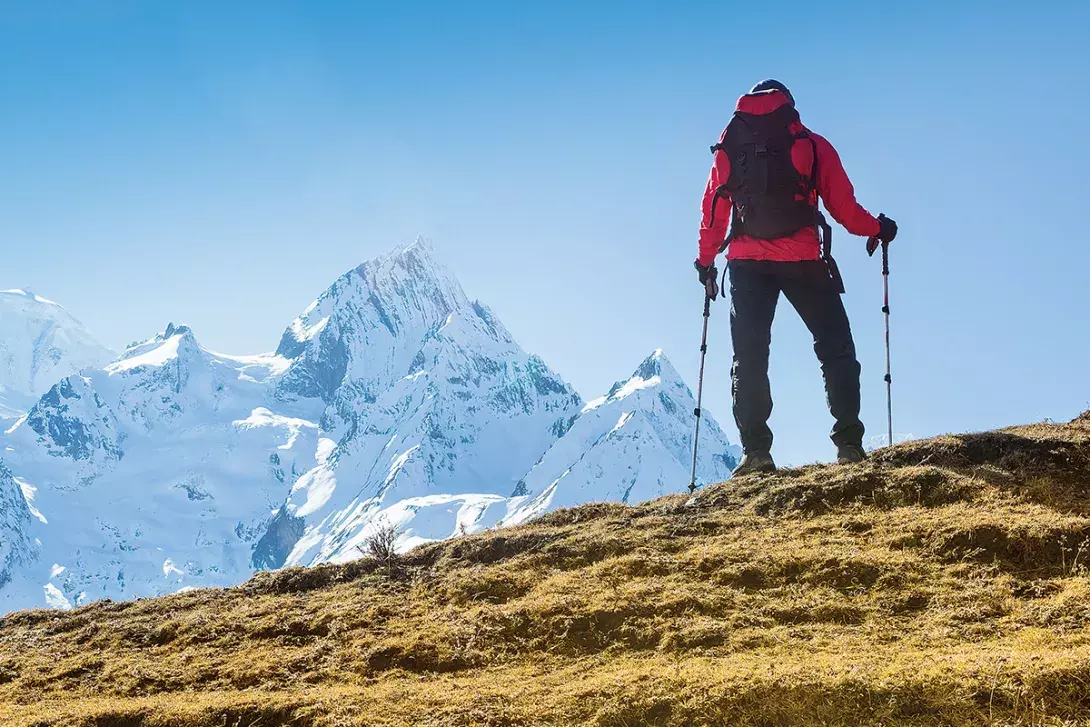
Planning a Kilimanjaro expedition for December 2026 requires more than just looking at a price tag. Because December falls during a popular travel window, you are not just paying for a climb; you are paying for logistics, safety, and the essential support system that makes a successful summit possible. At Climb 4 Africa, we advocate for total transparency regarding where your money goes, as understanding these costs is the first step in avoiding hidden fees and ensuring your expedition is both safe and ethical.
The Core Components of Your Kilimanjaro Cost
When you receive a quote for your climb, it is typically split into two primary categories: the non-negotiable government fees and the operational costs provided by the tour operator. Many travelers make the mistake of focusing solely on the total, but analyzing the breakdown reveals the true value of your investment.
Breakdown of Climbing Costs
| Cost Category | Description | Variability |
|---|---|---|
| Park Fees | Entrance, camping/hut, rescue, and conservation fees mandated by TANAPA. | Fixed (per day/per person) |
| Crew Wages | Fair payment for your head guide, assistant guides, cooks, and porters. | High (Quality/Ethical) |
| Logistics & Gear | Transport, mountain equipment, tent quality, and mountain food supplies. | High (Service Level) |
| Pre/Post Climb | Hotel accommodation, airport transfers, and briefing services. | Variable (Package Dependent) |
The fixed park fees are set by the Tanzania National Park Authority (TANAPA). These fees are collected by the government and are non-negotiable. If you find a quote that seems significantly lower than the industry standard, it is almost certainly because the operator is cutting corners on the variable costs—specifically the wages for the mountain crew or the quality of food and safety equipment provided on the mountain.
Why December 2026 Demand Impacts Your Planning
December is a peak month for Kilimanjaro due to the favorable weather windows and the holiday season. If you are planning to summit around Christmas or New Year, you are competing with global demand. This doesn’t necessarily change the base cost of park fees, but it does affect the availability of high-quality mountain crews and logistics. We recommend exploring our Kilimanjaro Christmas climbing group options early to lock in your spot without paying premium last-minute rates.
Understanding Mandatory Park Fees
Regardless of which tour operator you choose, the Tanzanian government requires payment for several specific permits. These are the components that form the foundation of your Kilimanjaro December 2026 climbing cost:
- Park Entrance Fees: Paid for each 24-hour period (or part thereof) spent inside the national park.
- Camping or Hut Fees: Fees for using the established campsites (on routes like Machame or Lemosho) or the mountain huts (on the Marangu route).
- Rescue Fees: A mandatory fee that covers the costs associated with mountain rescue operations.
- Conservation/Crew Fees: Various smaller fees that contribute to the maintenance of the mountain environment and the support of the park staff.
Because these fees are charged per day, the length of your chosen route directly impacts your total cost. A 7-day route is more expensive than a 6-day route simply because you are paying for one additional day of park entrance and camping fees, as well as an extra day of crew wages and food.
6-Day vs. 7-Day Route Costs: Which is Right for You?
A common question we receive at Climb 4 Africa is whether it is worth paying for the extra day. While the 6-day Machame route is popular, the 7-day itinerary offers significantly better acclimatization, which statistically increases your chance of reaching the summit. When you look at the cost difference, remember that you are not just paying for an extra day of park fees; you are investing in a higher success rate and a more comfortable, less rushed ascent.
For those interested in how these durations compare, you can review our Machame Route group departures, which provide clear examples of how itinerary length influences the overall budget. We always advise climbers to prioritize their health and acclimatization over saving a small percentage on the total trip cost.
The Ethical Cost of Your Climb
A significant portion of your climbing cost goes toward the people who carry your gear, prepare your meals, and ensure your safety. At Climb 4 Africa, we believe that an ethical climb is the only climb. When you choose a budget operator, the first thing they often sacrifice is the fair wage of the porters. A reputable company ensures that their crew is paid a living wage, provided with proper gear, and fed nutritious meals.
When comparing quotes for December 2026, ask yourself: does this price allow the operator to pay their staff fairly? If the answer is no, the cost of your climb is being subsidized by the hardship of the crew. We encourage you to review our commitment to fair labor practices as you plan your trip. If you are traveling solo, you might also consider our shared group options, which allow you to share the fixed costs of the expedition with other travelers, effectively lowering your individual price without compromising on safety or ethical standards.
Planning Your December 2026 Expedition
To prepare for your climb, start by defining your budget and your preferred route. Are you looking for a private climb to celebrate the holidays with family, or are you interested in joining an established group? Each choice impacts the final cost and the nature of your experience.
If you are in the early stages of planning, we suggest the following steps:
- Define your duration: Decide between a 6-day, 7-day, or 8-day route based on your fitness and acclimatization needs.
- Check availability: December fills up fast. Contact us via WhatsApp at +255 747 477 898 to check the current status of your preferred dates.
- Confirm Inclusions: Ensure your quote includes all park fees, mountain rescue, professional guides, quality tents, and nutritious meals.
- Review the Pre-climb Support: Your cost should include necessary briefings and potentially hotel transfers, which are crucial for a stress-free start.
For those looking for a high-end experience, we offer luxury trekking packages that include superior accommodation and additional comforts, which are particularly popular for December summit attempts. Conversely, if you are a student or budget-conscious traveler, we have specific student-friendly packages that keep costs manageable while maintaining the same high safety standards we apply to every climb.
Getting a Clear Quote
When you are ready to move forward, do not hesitate to reach out for a custom quote. Because prices can fluctuate based on specific group requirements and the current exchange rate for park fees, it is always best to get the most up-to-date information directly from our team. You can reach us at climb4africa@gmail.com or our backup address info@climb-4-africa.com.
Include as many details as possible in your inquiry: the number of people in your group, your preferred route, your desired start date in December 2026, and whether you are interested in adding a post-climb safari or Zanzibar beach extension. By providing these details, we can build a precise, no-obligation quote that accounts for every aspect of your Kilimanjaro December 2026 climbing cost, including all park fees and logistical requirements.
We look forward to helping you reach the roof of Africa. Whether you are aiming for a Christmas summit or a New Year’s adventure, proper planning is the foundation of your success.
Hidden Cost Variables: Beyond the Base Quote
While the base quote for your Kilimanjaro climb covers the essentials, experienced trekkers know that the final financial commitment often involves variables that are easily overlooked during the initial planning phase. These “hidden” costs are not necessarily signs of a dishonest operator, but rather logistical realities of high-altitude trekking that fluctuate based on your personal choices and the specific nature of your December 2026 expedition.
The Impact of Group Size on Cost Efficiency
One of the most significant factors influencing your per-person cost is the size of your trekking group. Many operators apply a sliding scale to their services. When you join a larger group, the fixed costs of the expedition—such as the mountain crew’s transport to the trailhead, the rental of group equipment like mess tents, and the logistics of coordinating supplies—are spread across more participants. This typically lowers the price per person.
Conversely, a private climb for two people or a solo trekker will see these same fixed costs concentrated on fewer individuals. If you are planning a private December trip for a family or a small group of friends, expect to pay a premium for the exclusivity and the personalized attention. While this increases the total investment, it also provides greater flexibility in your pace and daily schedule, which can be a decisive factor in summit success during the busy December peak season.
Gear Rental vs. Personal Equipment
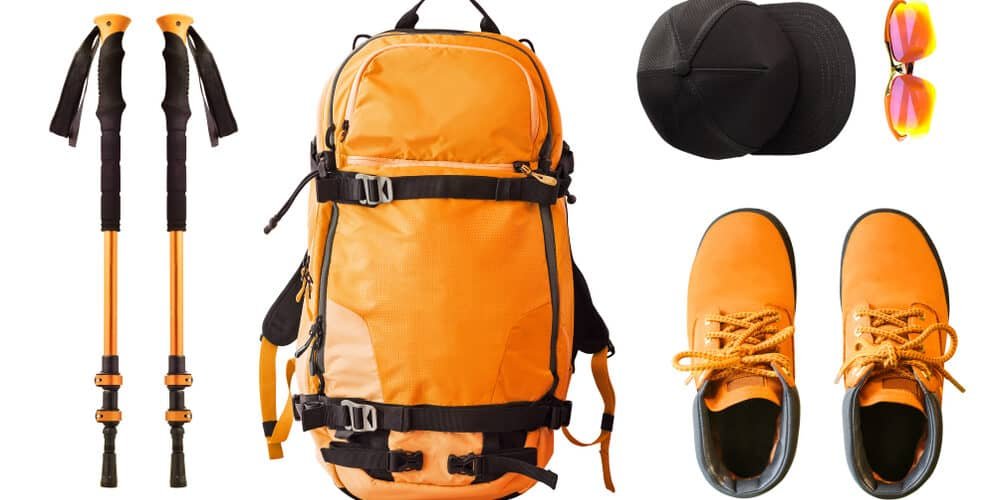
Your quote will likely specify whether technical mountain gear is included. For a December climb, where temperatures at the summit can drop significantly below freezing, your equipment is your primary safety net. If your quote seems unusually low, check if it includes essential rentals like four-season sleeping bags, trekking poles, or high-altitude down jackets. Renting these items on-site can be a significant additional expense if they were not factored into your initial budget.
We strongly recommend reviewing your operator’s gear list against your own inventory. If you are flying in from a warmer climate, do not underestimate the cost of purchasing or renting specialized gear. Bringing your own boots, which should be broken in well before your trip, is non-negotiable. However, for bulky items like sleeping bags rated for -15°C or colder, renting from a reputable operator is often more cost-effective and logistically easier than transporting them internationally.
The True Cost of Tipping
Tipping is not a hidden fee, but it is a critical budgetary line item that is rarely included in the “all-inclusive” price of your climb. In Tanzania, the tipping culture on Kilimanjaro is well-established and represents a significant portion of the crew’s income. Budgeting for tips effectively is part of being an ethical climber. Because your crew size depends on your group size (more climbers require more porters, cooks, and guides), your tip budget will also scale accordingly.
Plan to set aside a specific amount in USD for tips, which are typically distributed at the end of the climb during the tipping ceremony. Do not wait until you are on the mountain to figure out this cost; research the recommended daily rates for each role—head guide, assistant guide, cook, and porter—and multiply this by the number of days on your route and the number of crew members assigned to your group. This ensures you are prepared to reward the hard work of your team fairly, which is essential for maintaining the ethical standards you expect from your operator.
Travel Insurance and Emergency Evacuation
While your park fees include basic rescue services by the Kilimanjaro National Park (KINAPA) rescue team, this coverage is often limited to transport from the mountain to the nearest trailhead or hospital. It does not replace comprehensive travel insurance. For a December 2026 climb, you must ensure your insurance policy specifically covers high-altitude trekking up to 6,000 meters.
Some standard travel insurance policies exclude “mountaineering” or activities involving ropes and technical climbing; ensure your policy explicitly covers trekking on Kilimanjaro. The cost of a specialized policy is a necessary expense that protects your financial investment in the trip. If an emergency requires an unscheduled descent or medical evacuation, having the right coverage is the difference between a manageable situation and a catastrophic financial burden.
Navigating Payment Logistics and Financial Security for 2026
When you are finalizing your financial commitments for a December 2026 expedition, understanding the mechanics of your payment is as important as understanding the total cost. Because you are booking well in advance, you are entering into a long-term financial relationship with your operator. It is standard practice for reputable companies to require a deposit to secure your booking, which effectively reserves your spot in the climbing schedule and allows the operator to allocate the necessary resources—such as confirming guide availability and reserving park permits—well before the peak December season.
For international climbers, most operators issue quotes in United States Dollars (USD). This is the industry standard for Kilimanjaro expeditions, primarily to mitigate the risks associated with currency fluctuation. Attempting to pay in local currency (Tanzanian Shillings) often introduces unnecessary exchange rate volatility that can complicate your budgeting. When reviewing your payment terms, clarify whether your operator accepts credit cards or requires international bank transfers. Be aware that credit card payments often incur a processing fee, which should be factored into your total cost, while international wire transfers may have fixed banking fees regardless of the amount sent.
A critical, often overlooked aspect of your financial planning is the cancellation policy, particularly regarding the non-negotiable park fees. If you need to cancel your December 2026 climb, it is vital to understand that your operator has likely already paid or committed your park fees to the Tanzania National Parks Authority (TANAPA) on your behalf. These government fees are rarely refundable by TANAPA once processed. Therefore, your contract should clearly delineate between the operator’s service fee—which may have a tiered refund schedule—and the government park fees, which are typically non-refundable. Securing a comprehensive cancellation policy or ensuring your travel insurance covers trip cancellation for the full value of your expedition is the most effective way to protect your financial investment against unforeseen circumstances.
Auditing Operator Quality: Beyond the Price Tag
When you are evaluating quotes for your December 2026 expedition, the temptation to select the lowest price is significant. However, in the context of Kilimanjaro, price is often a direct indicator of operational integrity. Because December is a peak season, demand for guides, porters, and equipment is at its highest. Operators offering prices significantly below the market average are often not finding “better deals”; they are often compromising on the variables that determine whether you reach the summit safely or at all.
The “Success Rate” Investment
The most critical, yet frequently overlooked, cost metric is the “cost-per-successful-summit.” A 6-day itinerary is almost always cheaper than a 7-day or 8-day itinerary simply because you pay one fewer day of park fees, one fewer day of staff wages, and one fewer day of food and logistics. However, the physiological reality of altitude acclimatization remains constant. By choosing a 6-day route to save money, you are statistically reducing your probability of reaching Uhuru Peak. If you fail to summit due to altitude sickness, you have essentially “wasted” the entire investment of your flight, gear, and time. When viewed through this lens, the extra cost of a 7-day or 8-day itinerary is not an “extra expense”—it is an insurance policy on your investment in the expedition.
Identifying “Cut-Corner” Indicators in December Offers
To protect your December 2026 trip, you must act as an auditor when reviewing quotes. High-demand periods like the Christmas and New Year holidays attract “pop-up” operators who may not maintain year-round infrastructure. Look for these specific indicators to determine if an operator is cutting corners:
- The “All-Inclusive” Vagueness: If an operator provides a quote that is “all-inclusive” but refuses to itemize the specific park fees versus service fees, be cautious. Transparency is the hallmark of a professional operator.
- Staff-to-Client Ratios: Ask explicitly how many porters and assistant guides are assigned to your group. An ethical operator adheres to strict guidelines regarding the weight a porter can carry. If a quote is suspiciously low, it is often because the operator is understaffing the crew, forcing individual porters to carry illegal, excessive loads to compensate.
- Equipment Maintenance Cycles: December is the end of the long rains or the start of the dry season, depending on the year’s patterns, but it is always a time of high usage. Ask if the tents and sleeping mats provided are purchased new or refurbished annually. Substandard gear in December—when nights are cold and potential precipitation is a factor—can lead to hypothermia, which is a safety risk, not just a comfort issue.
- Emergency Protocols: Ask for a concrete example of how they handle an evacuation. A budget operator may rely on the park’s basic rescue team, which is standard, but a high-quality operator will have a secondary “shadow” support system, such as a dedicated vehicle waiting at the trailhead or pre-arranged medical coordination.
By shifting your focus from the bottom-line price to the quality of the operational infrastructure, you ensure that your December 2026 climb is supported by a team that prioritizes your success and safety over profit margins. The goal is to reach the summit with a team that is well-rested, well-fed, and properly equipped, which is a standard that simply cannot be met by “budget” pricing models.
The Total Expedition Budget: Decoupling Climbing Fees from Travel Logistics
While the climbing operator’s quote forms the backbone of your expenditure, a common oversight for those planning a December 2026 expedition is conflating the climbing package with the total expedition budget. When you receive a quote for your Kilimanjaro ascent, it is almost exclusively focused on the mountain operations: park fees, crew wages, food, and mountain-specific logistics. To avoid financial strain during your December travel, you must treat your climb as one line item within a broader fiscal plan that accounts for the specific realities of high-season travel in Tanzania.
The December Flight Premium
December is arguably the busiest travel month for Tanzania, coinciding with both the Christmas and New Year holidays. While your climbing quote is locked in once you pay your deposit, your airfare to Kilimanjaro International Airport (JRO) is subject to extreme market volatility. Travelers often secure their climb a year in advance but delay booking flights, only to find that the December premium has added hundreds—sometimes thousands—of dollars to the total trip cost. When budgeting for your 2026 ascent, allocate at least 20-30% more for air travel than you would for a shoulder-season trek. Because demand for flights into JRO is highest in the two weeks surrounding December 31st, booking your international travel as early as possible is the only way to stabilize this variable.
Post-Climb Recovery and Accommodation Buffers
Many trekkers view their return to Moshi or Arusha as the end of the financial commitment, but the physical reality of a Kilimanjaro descent necessitates a recovery buffer. You will likely spend 6 to 8 days on the mountain, and descending from 5,895 meters leaves your body fatigued and your immune system temporarily compromised. Budgeting for an additional two nights of comfortable, quiet hotel accommodation post-climb is not a luxury; it is a recovery necessity. During the December peak season, hotels in the Kilimanjaro region operate at near-capacity, and prices for quality, sanitary, and reliable lodging spike accordingly. Do not assume you can find last-minute accommodation upon descent; failing to book your post-climb stay in advance can force you into substandard, overpriced, or distant lodging, which complicates your travel logistics and adds unnecessary stress to your final days in Tanzania.
Visa and Entry Fee Fluctuations
While park fees are fixed by the government, individual entry requirements are subject to change. Ensure your budget accounts for the Tanzanian tourist visa, which is a mandatory cost for most international visitors. In the lead-up to 2026, keep a close eye on the official immigration portals for any adjustments to visa processing fees or the introduction of new digital entry requirements. While these costs are relatively modest compared to the expedition itself, they are frequently overlooked in initial spreadsheets. Having these funds ready in the correct currency—typically USD—is essential, as relying on airport ATMs or credit card terminals can be unreliable during the high-volume holiday rush.
The Contingency Fund for December Travel
Finally, the “December factor” introduces a unique risk: logistics delays. Because the end of the year is a peak travel window globally, any disruption—such as a flight delay, a lost luggage incident, or a missed connection—has a cascading effect on your itinerary. If you miss your scheduled arrival, you may need to pay for private transport to catch up to your group or cover an extra night of hotel stay before the climb begins. A robust contingency fund, separate from your climbing quote, is vital. We recommend setting aside a reserve equivalent to at least one extra day of accommodation and a private transport transfer fee. This ensures that if your December travel plans hit a snag, you are not forced to compromise your climb or scramble for funds in a foreign country.
Managing Currency Volatility and International Transaction Fees
When finalizing your financial commitments for a December 2026 expedition, it is easy to focus solely on the base quote provided by your operator. However, international travelers often encounter significant, unexpected costs during the actual transfer of funds. Because you are likely booking your climb well in advance, you are exposed to currency volatility that can add 3% to 7% to your total expenditure if not managed correctly.
Most Kilimanjaro operators quote in US Dollars (USD) because the Tanzanian National Park Authority (TANAPA) mandates that park fees be paid in USD. When you make a payment from your home bank account—whether in Euros, British Pounds, or Australian Dollars—your bank will apply a conversion spread. This “hidden” exchange rate is rarely the mid-market rate you see on Google; it is often a marked-up rate that benefits the bank. For a multi-thousand dollar expedition, this spread can translate into hundreds of dollars in lost value.
Furthermore, credit card processing fees are a standard, yet often overlooked, expense. Many Tanzanian operators pass the 3% to 5% merchant service fee directly to the client. If you pay a $4,000 balance via a credit card, you may be charged an additional $120 to $200 in processing fees. To mitigate these costs for your 2026 trip, investigate using international money transfer services like Wise or Revolut, which typically offer lower fees and more transparent exchange rates than traditional retail banks. Alternatively, consider paying your balance via a wire transfer if your operator provides a secure USD-denominated account, as this often incurs a flat fee rather than a percentage-based charge.
The Financial Impact of Late-Stage Itinerary Adjustments
A common scenario for trekkers planning a December 2026 climb is the desire to modify their itinerary as their fitness levels or confidence changes in the months leading up to the trip. Perhaps you initially booked a 6-day Machame route but, after reading about the benefits of acclimatization, you want to upgrade to a 7-day or 8-day itinerary. While this is a wise decision for your health and success rate, it is not a cost-neutral change.
Because park fees are calculated on a per-day, per-person basis, every additional day you spend on the mountain adds a non-negotiable government fee to your invoice. This is not a service charge that the operator can waive; it is a direct pass-through cost to the park authority. Additionally, adding a day requires an extra day of crew wages, food supplies, and logistical support. When you request a change, ensure you are getting a transparent breakdown of the additional costs: ask your operator to separate the increased park fees from the increased operational costs. Be wary of operators who provide a flat “upgrade fee” without itemizing these components, as this can often hide inflated markups. If you are considering a route change, finalize this decision at least 90 days before your December start date to ensure the operator can secure the necessary permits and staff shifts, as the holiday season often leads to restricted availability for guides and porters.
Check Availability for Kilimanjaro December Climbing Cost Including Park Fees: A Transparent
Ready to compare dates, prices, and the best option for your group? Send the package name and travel month so the team can reply with a clear quote, availability, and what is included.
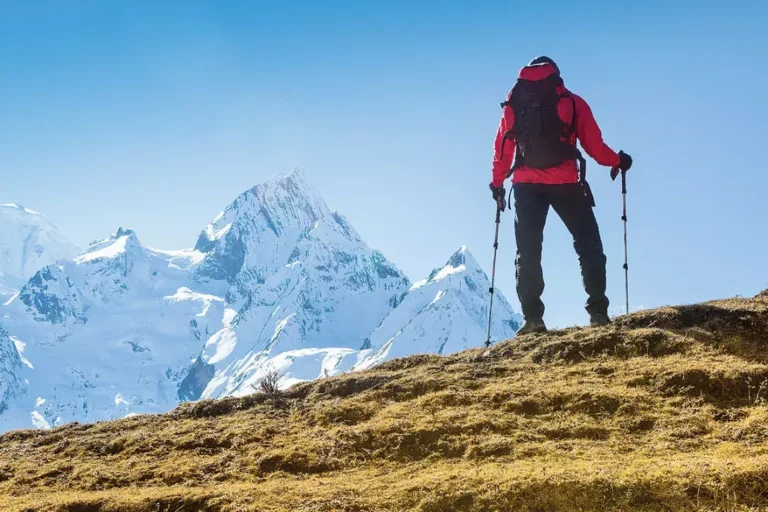
Kilimanjaro Full Moon Climbing Experience December 24 : Planning Your Summit
A comprehensive guide to planning a Kilimanjaro full moon summit for December 2026, covering route selection, holiday season logistics, and expert preparation strategies.
View package details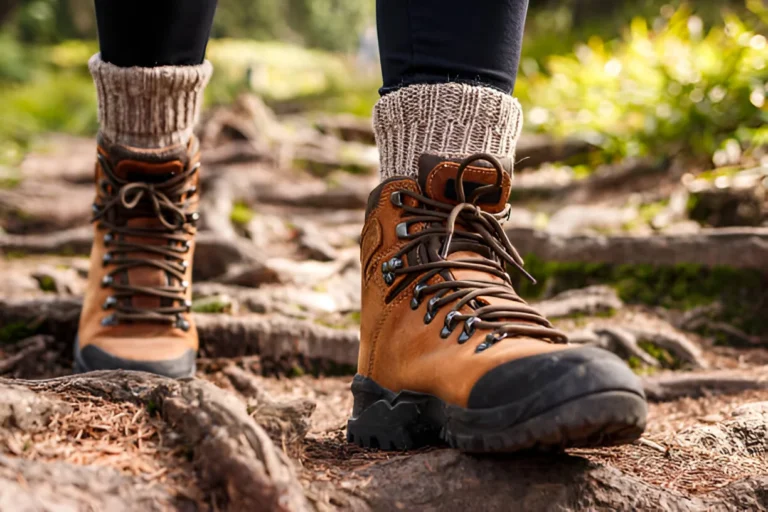
Kilimanjaro Climbing Packages For Students On December Holidays 2026
Kilimanjaro Climbing Packages for Students on December Holidays.
View package detailsCheapest Kilimanjaro Climbing Options For December 2026 Guide
When searching for the most affordable way to climb Kilimanjaro in December 2026, the key is understanding that 'cheap' should never mean 'unsafe.' We break down how to manage costs through...
View package details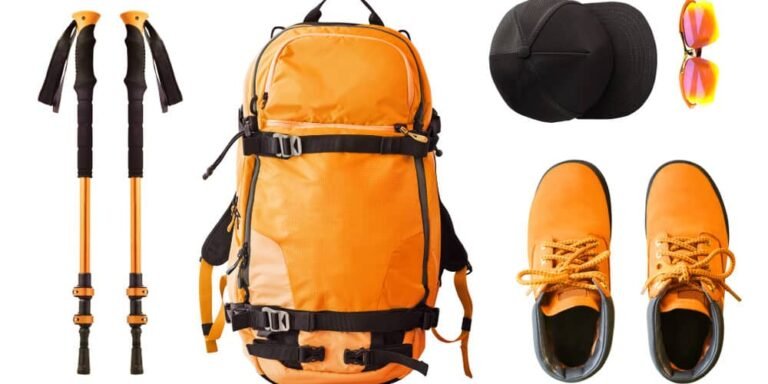
Kilimanjaro Honeymoon Climbing And Zanzibar Beach Holiday: December Planning
A practical guide for couples planning a Kilimanjaro climb and Zanzibar beach holiday in December 2026, focusing on route selection, recovery logistics, and planning timelines.
View package detailsShira Route Kilimanjaro Climbing Itinerary For December : Expert Guide 2026
A deep look at the Shira Route for December 2026, covering the unique high-start logistics, acclimatization advantages, and step-by-step itinerary planning.
View package details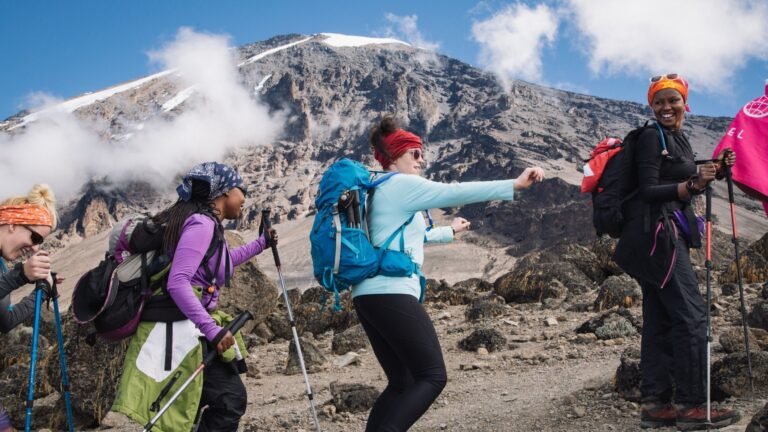
Join A Kilimanjaro Christmas Climbing Group In December 2026
A guide to securing your spot on a Kilimanjaro Christmas group climb for 2026, including route advice, group logistics, and essential planning steps.
View package detailsBest Kilimanjaro Group Climbing Packages For December : A Practical Guide 2026
A practical guide to selecting Kilimanjaro group climbing packages for December 2026, focusing on route logistics, weather considerations, and cost-sharing benefits.
View package details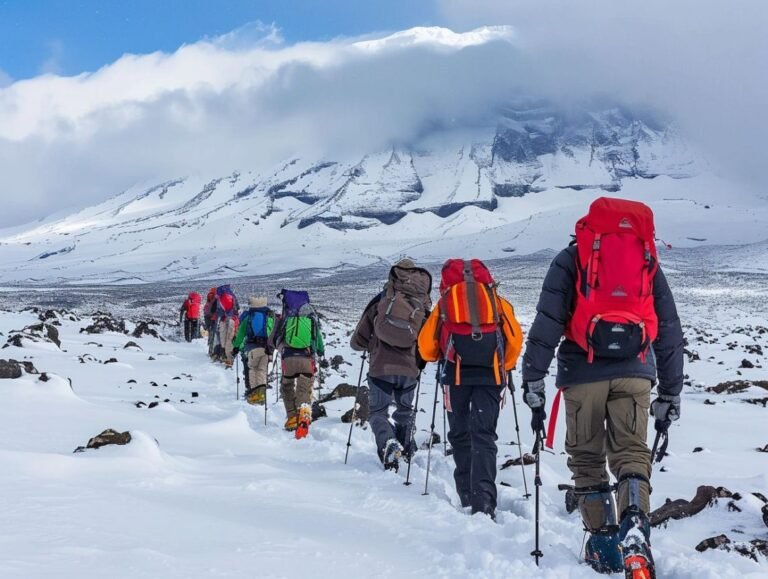
Traveling Alone To Kilimanjaro In December: Can You Join A Machame Route 2026
A practical guide for solo travelers planning a December Kilimanjaro climb. Discover how group joining works on the Machame Route, the realities of cost-sharing, and how to prepare for your...
View package details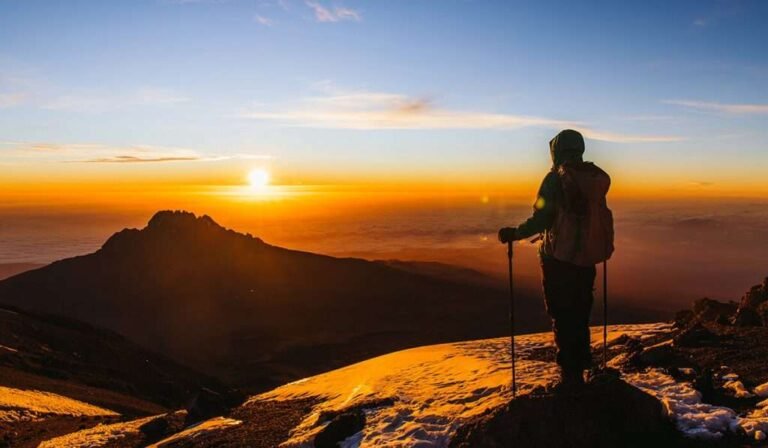
How Early Should I Book A December Kilimanjaro Group Trek? A Planning Guide
Planning a December Kilimanjaro climb? Learn the ideal booking window, why holiday dates fill up fast, and how to secure your spot for 2026-2027.
View package details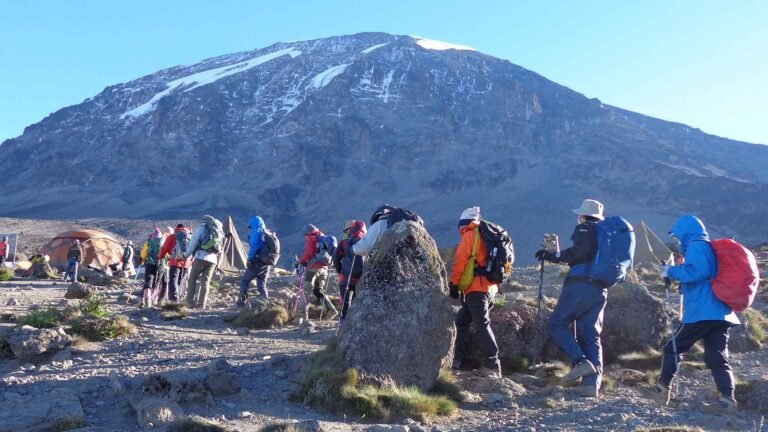
Can I Join A Kilimanjaro Group Alone In December ? Expert Guide 2026
Planning a solo trip? Find out how you can join a Kilimanjaro group in December 2026, the benefits of group departures, and the steps to secure your spot.
View package details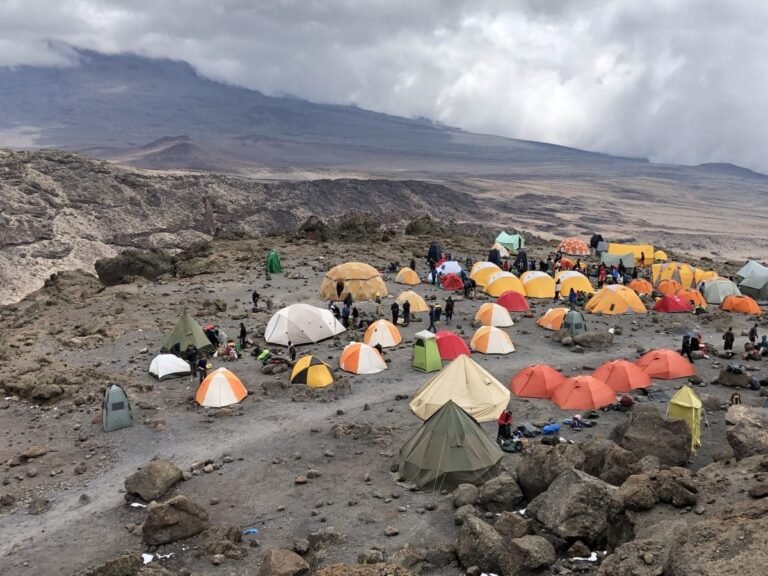
Is December A Good Time To Climb Kilimanjaro? A Local Expert Guide 2026
Planning for December 2026? Discover why this month is a popular choice for Kilimanjaro climbs, how the 'short rains' affect your trek, and why early booking is essential for the holiday...
View package detailsMount Kilimanjaro Weather In December : A Climbers Guide 2026
A practical guide to the conditions you can expect on Mount Kilimanjaro in December 2026, covering the seasonal 'short rains', trail conditions, and holiday planning.
View package detailsNo related package matches those filters. Clear one or more filters to see the other topic-matched options.



