
When you decide to book a December 2026, 6-day Machame Route Kilimanjaro climb, you are choosing one of the most scenic and physically demanding paths up the mountain. December is a unique window for Kilimanjaro climbers. It falls during the short rainy season, but historically, this often translates to clear mornings, dramatic afternoon clouds, and fewer crowds compared to the peak season in July or August. However, the 6-day itinerary is aggressive. It is designed for fit hikers who understand that they are trading extra acclimatization time for a faster, more intense ascent.
At Climb 4 Africa, we emphasize that the 6-day Machame schedule is not for everyone. It compresses the ascent, meaning your body has less time to adapt to the thin air before you push for the summit. If you are considering this specific duration for your 2026 trip, it is vital to understand the daily logistics so you can decide if it aligns with your fitness level and your goals on the mountain.
The 6-Day Machame Route Itinerary
The 6-day Machame Route, often called the “Whiskey Route,” is known for its “climb high, sleep low” profile, but in a 6-day format, the days are longer and the physical exertion is higher. Below is the typical flow of the trek.
Day 1: Machame Gate to Machame Camp
Your journey begins at the Machame Gate (approx. 1,800m). After registration, you enter the lush rainforest. The trail is steady, winding through ancient trees and ferns. You will cover roughly 10 kilometers today, gaining about 1,200 meters in elevation. You arrive at the camp in the late afternoon, where your tents will be set up by our crew.
Day 2: Machame Camp to Shira Camp
The forest gives way to moorland. The vegetation thins out, and the views of the mountain start to open up. This day is shorter in distance but steeper. You will reach the Shira Plateau (approx. 3,800m). The air is noticeably thinner, and the temperatures drop quickly after sunset. It is important to walk slowly—”pole pole”—to help your body adjust.
Day 3: Shira Camp to Barranco Camp
This is a critical day for acclimatization. You ascend toward the Lava Tower (4,600m) for lunch. This high point helps prepare your body for the altitude, even though you don’t sleep there. Afterward, you descend into the Barranco Valley. The scenery here is dramatic, with giant groundsels and views of the Western Breach. You finish the day at Barranco Camp (3,950m).
Day 4: Barranco Camp to Barafu Camp
This is the hardest day of the 6-day itinerary. You start by scrambling up the Barranco Wall—an exciting but physically taxing section. Once at the top, the trail undulates toward the Karanga Valley before the final, steep push to Barafu Camp (4,600m). Because this is a 6-day climb, you skip the additional rest day that would usually be taken at Karanga, making this a long, demanding day of hiking.
Day 5: Summit Day and Descent to Mweka Camp
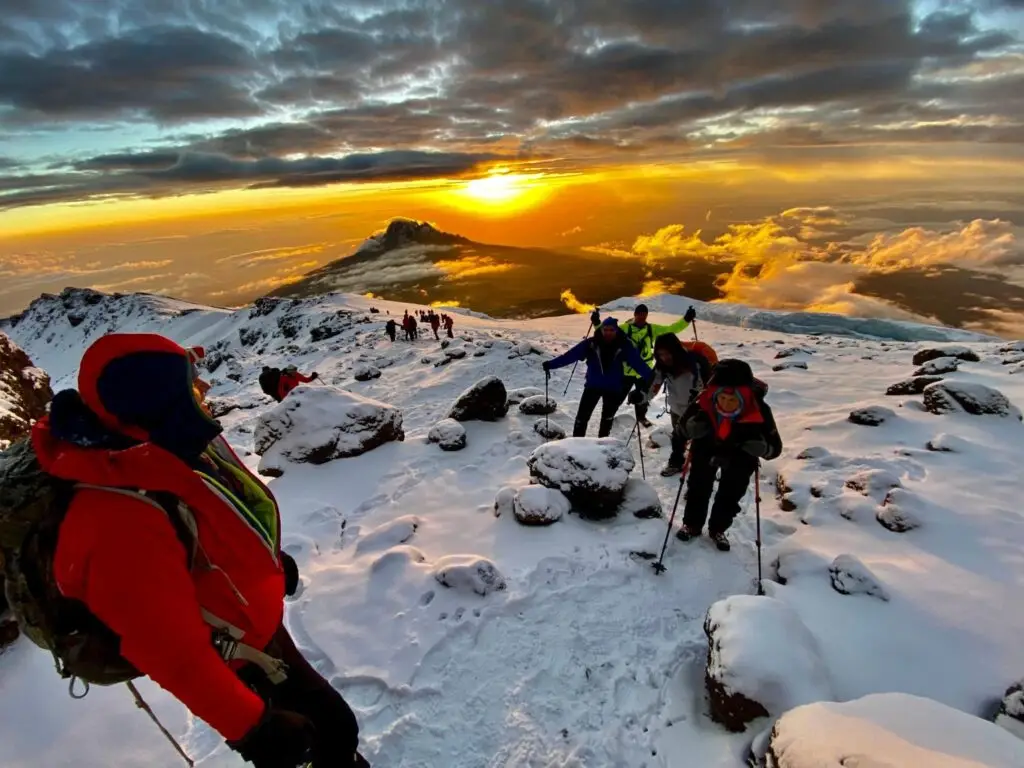
You wake up around midnight for the final ascent to Uhuru Peak (5,895m). It is a cold, slow, and steep slog. Reaching the summit at sunrise is a powerful experience, but remember: the day is only half over. You must descend all the way back down to Barafu and continue to Mweka Camp (3,100m). It is a very long day on your knees.
Day 6: Mweka Camp to Mweka Gate
The final stretch is a descent through the rainforest back to the Mweka Gate (1,650m). You will be tired, but the air is thick and oxygen-rich, making the walk easier. At the gate, you receive your summit certificates before our transport takes you back to your hotel for a hot shower.
6-Day vs. 7-Day: Why the Difference Matters
If you are looking at our Machame Route group departures, you will often see both 6-day and 7-day options. The primary difference is the extra day at Karanga Valley in the 7-day version. That single day provides a significant buffer for acclimatization. In the 6-day version, you push from Barranco directly to Barafu. If you are fit, experienced with altitude, and short on time, the 6-day itinerary works. If you are concerned about altitude sickness or want a higher statistical chance of summiting, the 7-day option is almost always the better choice.
We strongly recommend that you check your personal health and previous experience with high altitude before booking the 6-day option. If you are traveling solo, you might want to look at our December Kilimanjaro group departures for solo travelers, where we can help you find a group that matches your preferred pace and duration.
Planning Your December 2026 Climb
Booking for December 2026 requires looking at the logistics well in advance. December is a popular month, especially around the Christmas and New Year holidays. Joining a Kilimanjaro Christmas climbing group is a fantastic way to experience the mountain, but these slots fill up early.
| Factor | 6-Day Machame Reality | Planning Consideration |
|---|---|---|
| Acclimatization | Aggressive; less time to adjust | Requires good physical fitness |
| Physical Effort | High; long days (especially Day 4) | Train specifically for endurance |
| December Weather | Variable; often clear mornings | Pack for both rain and cold |
| Availability | Check for 2026 capacity | Book early to secure slots |
When you contact us to discuss your trip, we will look at your specific dates. Whether you are a couple looking for a private climb over Christmas or an individual looking for a small group joining tour, we need to know your preferences to provide accurate advice. If you are planning a trip around the AFCON 2027 events, please let us know so we can coordinate your Kilimanjaro climb before the AFCON final.
What to Confirm Before You Book
When you reach out to book your December 2026 trek, we will ask you a few questions to ensure the 6-day route is right for you. We don’t use pressure tactics, but we do want to ensure you are prepared. Be ready to provide:
- Experience level: Have you hiked at altitude before?
- Group size: Are you solo, a couple, or a larger team?
- Arrival dates: When can you land in Tanzania?
- Additional plans: Are you looking to add a 3-day Serengeti and Ngorongoro safari after your climb?
Many travelers ask, “Are there any Kilimanjaro group joining climbs available in December 2026?” The answer is almost always yes, but the specific route and start date need to be verified against our current schedule. If you find our public dates don’t align with your flights, we can discuss private arrangements.
Practical Support and Next Steps
Climb 4 Africa provides full local support, from airport transfers to mountain crew management. We operate with a focus on safety and local expertise. You are not just booking a trek; you are partnering with a team that knows the Machame trail conditions, the camp dynamics, and the realities of the December weather patterns.
If you have questions about whether you can join a safari group directly from Kilimanjaro airport or how to manage your logistics, just ask. For those coming from abroad, we have experience assisting travelers from various regions, including those looking for specialized trekking packages from Ireland and beyond.
To get started on your December 2026 adventure, please reach out to our team. You can send us a message via WhatsApp at +255 747 477 898, or email us at climb4africa@gmail.com. You can also use our backup email at info@climb-4-africa.com if you prefer. Tell us about your fitness background and your preferred dates, and we will help you build the right plan for your Kilimanjaro experience.
Preparing for the 6-Day Intensity: Physiology and Gear
Choosing the 6-day Machame route requires a realistic assessment of your physical conditioning and your body’s response to rapid altitude gain. Because this itinerary skips the extra acclimatization day typically spent in the Karanga Valley, you are compressing the ascent. This means your body has significantly less time to produce red blood cells and adapt to the thin air before you reach the final, most demanding phases of the climb. For many, this results in higher levels of fatigue by Day 4 and Day 5, making hydration and nutrition discipline not just helpful, but essential for success.
To prepare for this intensity, your training should extend beyond simple cardiovascular exercise. Focus on endurance training that mimics back-to-back hiking days. If possible, prioritize stair climbing or hilly terrain while wearing the boots you intend to use on the mountain. Training with a weighted pack—ideally 5 to 8 kilograms—will help condition your core and leg muscles for the steep, uneven terrain of the Barranco Wall and the final scree slope to the summit. Consistency in training for three to four months prior to your December 2026 departure is far more valuable than sporadic, high-intensity workouts.
December on Kilimanjaro presents a unique gear challenge due to the ‘short rainy season.’ The lower elevations, particularly on Day 1 and Day 2, are often wet and muddy. Waterproofing is non-negotiable; you must bring high-quality, breathable rain gear, waterproof covers for your daypack, and reliable gaiters to keep mud out of your boots. However, as you ascend, the environment shifts rapidly to an alpine desert and finally an arctic summit zone. Your gear strategy must accommodate this extreme contrast: you need the ability to shed layers quickly during the humid rainforest ascent, but you must have heavy-duty, windproof insulation ready for the summit night, where temperatures frequently drop well below freezing.
Finally, prepare for the mental aspect of the 6-day schedule. On the summit night, you are not just fighting the altitude; you are fighting the cumulative fatigue of five previous days of trekking. The ascent from Barafu Camp to Uhuru Peak starts around midnight and involves a relentless, slow-paced climb in the dark. Understanding that this is a test of willpower as much as physical fitness will help you maintain the ‘pole pole’ (slowly, slowly) pace that is the secret to reaching the top. By keeping your pace steady and your focus on the immediate next step rather than the summit, you maximize your chances of standing on the roof of Africa.
Fueling the 6-Day Ascent: Nutrition and Hydration Strategy
On a 6-day Machame Route itinerary, your body is subjected to a significant caloric deficit. You will likely burn between 4,000 and 6,000 calories per day, depending on the intensity of the trek and the weight of your pack. However, as you ascend above 3,500 meters, a common physiological response is a suppressed appetite. This creates a dangerous ‘energy gap’ where you are burning massive amounts of fuel but have little desire to eat. Successfully completing the 6-day schedule requires you to treat eating as a mandatory task, not a leisure activity.
Our kitchen crews are trained to provide high-carbohydrate meals, which are easier to digest at altitude and provide the necessary glycogen stores for the summit push. However, you should supplement this with your own high-density snacks. Bring items that you know you can tolerate even when you feel nauseated: dried fruits, nuts, energy chews, and salted crackers are excellent choices. Avoid heavy, protein-dense snacks that require significant digestive energy to break down. Aim to consume small, frequent amounts throughout the day rather than relying solely on the main meals at camp. If you are struggling to eat, prioritize liquids—soups provided by our staff are often the easiest way to get electrolytes and calories into your system when solid food feels unappealing.
Hydration is equally critical. Altitude sickness is frequently exacerbated by dehydration. You should aim to drink 3 to 4 liters of water daily. Because you are sweating and breathing more rapidly in the thin air, you are losing moisture faster than you realize. Plain water is often insufficient; you must add electrolyte tablets or powders to your water bladder or bottles. These help replace the salts lost through perspiration and improve the absorption of water into your bloodstream. Do not wait until you feel thirsty to drink; establish a routine of taking a sip every 15 to 20 minutes while walking.
Recognizing and Managing Altitude Symptoms
The 6-day itinerary is aggressive, and while it is physically achievable for fit hikers, it offers less margin for error regarding altitude acclimatization. It is vital to distinguish between the normal discomforts of high-altitude trekking—such as mild headaches, fatigue, and shortness of breath—and the warning signs of Acute Mountain Sickness (AMS). A mild headache is common and can often be managed with hydration and rest, but persistent, throbbing headaches that do not respond to medication, loss of coordination (ataxia), or a persistent, dry cough are red flags.
You have a responsibility to be completely honest with your lead guide about how you are feeling. There is a common misconception among trekkers that reporting symptoms means the end of the climb. In reality, our guides are trained to monitor your vitals and oxygen saturation levels daily. Early reporting allows them to implement management strategies—such as slowing your pace further, adjusting your hydration, or, if necessary, suggesting an earlier descent to a lower altitude to allow your body to stabilize. The 6-day schedule requires a ‘pole pole’ (slowly, slowly) pace; if you feel the need to push ahead of the group, you are likely moving too fast. Staying with your guide ensures that you are maintaining the correct rhythm for your body to adapt to the changing pressure.
The ‘Knee-Killer’ Descent: Preparing for the Reality of Days 5 and 6
Many climbers focus entirely on the ascent to Uhuru Peak, but the true test of the 6-day Machame route is the descent. On Day 5, after reaching the summit, you are not finished; you must descend from 5,895 meters back down to Barafu Camp and then continue to Mweka Camp (approx. 3,100m). This is a massive vertical drop of nearly 2,800 meters in a single day. This puts immense strain on your quadriceps and knees. Many trekkers find the descent more physically jarring than the ascent.
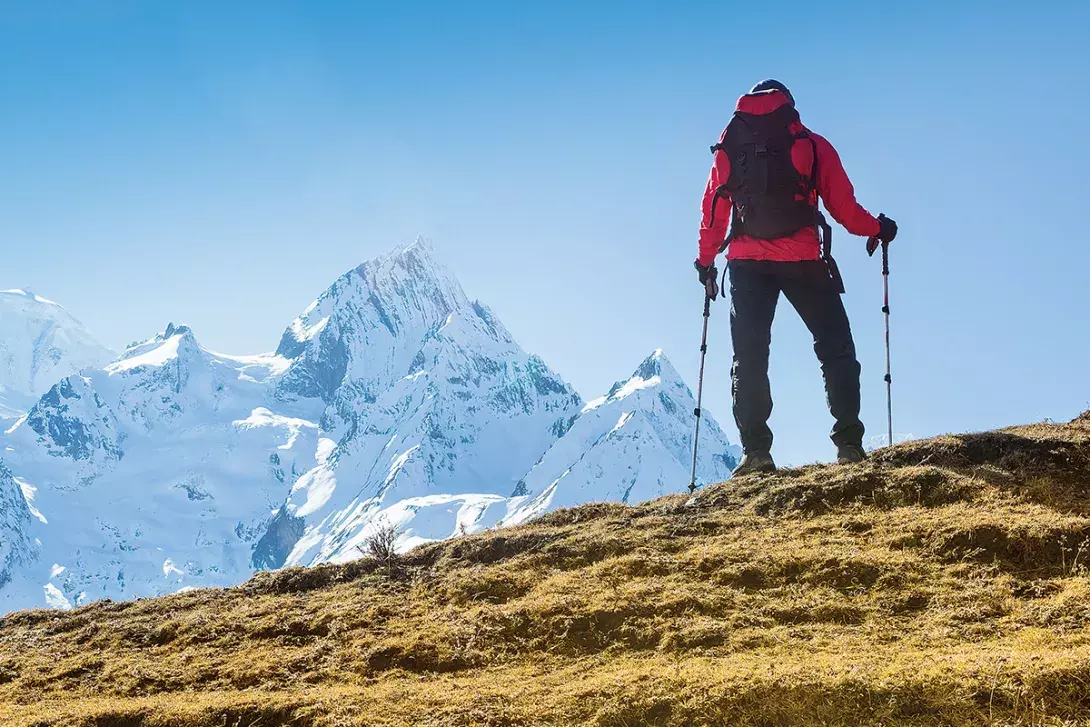
To prepare for this, trekking poles are not optional—they are essential equipment. Using two poles helps distribute your body weight and reduces the impact on your joints by up to 25%. Ensure your poles are adjusted correctly for downhill walking, which typically requires them to be longer than your uphill setting. Furthermore, focus on your footwear. Your boots should be broken in well before your December 2026 trip. If your boots are too tight or your toenails are not trimmed properly, the repetitive pressure of the long descent will cause significant pain and potentially lead to bruised or lost toenails. Finally, maintain a controlled, steady pace on the way down. Running or rushing to get to the camp only increases the likelihood of injury. The mountain will still be there; focus on getting your body down safely, preserving your joints for the final walk out through the rainforest on Day 6.
Navigating the December Short Rains: A 6-Day Gear Strategy
Booking a December climb means operating within Tanzania’s ‘short rainy season.’ While this period is often characterized by clear, crisp mornings and spectacular afternoon cloud formations, it also brings the probability of intermittent showers. For the 6-day Machame Route climber, these weather patterns present a specific logistical challenge: you have zero buffer days. On a longer, 8-day itinerary, a wet afternoon might be a manageable inconvenience that you can dry out the following day. On a 6-day ascent, if your primary gear becomes waterlogged on Day 2 or 3, you may be forced to carry that moisture and weight all the way to the summit, which significantly impacts your thermal regulation and morale.
The most effective strategy for the December climber is to treat your gear protection as a ‘dry-system’ mandate. Your internal gear, specifically your sleeping bag and spare clothing layers, must be packed in heavy-duty, waterproof dry bags before being placed inside your duffel bag. Do not rely solely on the water-resistant nature of your duffel; the porters carry these bags on their heads or backs through rainforest sections where rain is frequent. If your sleeping bag becomes damp, you lose the insulation required to recover from the intense physical output of your daily climbs. Once you reach camp, your first priority should be to extract your sleeping bag and sleeping mat immediately, even if it is still drizzling, to allow the internal temperature of the tent to stabilize.
Gaiters are not merely an accessory for the December climber; they are a critical piece of infrastructure. The trail from the Machame Gate through the rainforest, and even into the moorland, can become slick and muddy. Gaiters prevent water, mud, and scree from entering your boots, which is vital because your boots are unlikely to fully dry out once they are soaked through. If your boots become saturated, you are at a significantly higher risk of developing blisters and ‘trench foot’ symptoms, which will make the grueling descent on Day 5 and Day 6 excruciating. Carry a small, lightweight microfiber towel to wipe down your boots each evening; removing external moisture and mud helps prevent the material from breaking down and keeps the leather or synthetic uppers from freezing overnight.
Finally, consider your layering system with moisture management in mind. Avoid heavy cotton garments entirely, as they act like sponges in the humid December air. Focus on high-quality synthetic or merino wool base layers that retain warmth even when damp. If you are hiking in light rain, resist the urge to wear a heavy, non-breathable rain jacket for the entire duration of the hike. You will quickly overheat, and the sweat trapped inside your jacket will make you wetter than the rain itself. Instead, use a high-quality, breathable shell, and adjust your layers frequently. By managing your moisture levels on the move, you ensure that when you arrive at camp, you are dry enough to rest effectively, preserving the energy you need for the summit push.
The Role of Your Support Team: Mountain Crew Dynamics and Tipping Etiquette
On a 6-day Machame itinerary, the margin for logistical error is slim. Because you are compressing the trek, your mountain crew—the guides, porters, and camp staff—are operating at a higher tempo than they would on a 7- or 8-day route. They are not merely carrying your gear; they are managing the complex logistics of breaking camp, overtaking your group on the trail, and setting up the next camp before you arrive, all while navigating the same altitude challenges you face. Understanding the dynamics of this team is crucial for a successful December 2026 climb.
The 6-Day Crew Tempo
When you commit to the 6-day Machame route, you are essentially signing up for a high-performance expedition. Your porters, in particular, are the unsung heroes of this timeline. On a standard day, they will pack up your gear, hike ahead of you to secure a prime spot at the next campsite, and have the kitchen and sleeping tents ready by the time you arrive. On the 6-day route, this transition happens more frequently and under tighter time constraints. Because you are moving faster, the crew has less downtime between stages. This intensity requires a high level of physical fitness from the crew as well as the climbers. When selecting a service provider, prioritize those who emphasize fair wages and ethical treatment, as a well-rested and respected crew is safer and more efficient, which directly impacts your ability to reach the summit.
Navigating the Tipping Culture
Tipping on Kilimanjaro is a sensitive but essential topic. It is the primary way climbers show appreciation for the hard work of the mountain crew, and it is a standard practice in the Tanzanian trekking industry. However, the 6-day itinerary often creates confusion regarding how much to tip, as some climbers incorrectly assume that a shorter trip justifies a smaller tip. In reality, the work performed by the crew is just as strenuous, if not more so, than on longer routes.
Tipping is not a mandatory service fee, but it is deeply ingrained in the culture of the mountain. Most reputable operators will provide guidelines on what is customary. The best approach is to prepare your tips in local currency (Tanzanian Shillings) or US Dollars (ensuring bills are post-2009 to avoid banking issues in Tanzania) before you begin the trek. Avoid waiting until the very last moment at the gate to figure this out. Instead, organize your tips into individual envelopes for the lead guide, assistant guides, the cook, and the porters. It is customary to present these tips at the final gathering on the last day, often referred to as the ‘tipping ceremony,’ where you can personally thank each member of your team.
Building Rapport and Communication
Success on a 6-day climb is as much about mental morale as it is about physical stamina. Your relationship with your lead guide is the most important connection you will make on the mountain. On the Machame route, the guide’s role is to monitor your health, adjust your pace, and manage the group dynamic. Because the 6-day schedule is aggressive, your guide may need to make difficult decisions regarding your pace or even your ability to continue. Trusting their judgment is vital.
Communication should be open and honest. If you are struggling with a specific symptom—whether it is a headache, nausea, or simple exhaustion—tell your guide immediately. Do not try to ‘tough it out’ to impress the group. The 6-day itinerary leaves very little room for recovery, so early intervention for altitude symptoms is the difference between reaching Uhuru Peak and being forced to descend. Engage with your crew during meals, ask questions about the flora and fauna, and show genuine interest in their lives. This mutual respect creates a supportive environment that can help you push through the toughest sections of the Barranco Wall or the final, exhausting push to the summit.
Check Availability for Book December , 6 Days Machame Route Kilimanjaro Climb: Expert Guide 2026
Ready to compare dates, prices, and the best option for your group? Send the package name and travel month so the team can reply with a clear quote, availability, and what is included.
5 And 6 Days Marangu Route Kilimanjaro Hut Tours December : Planning Your
Deciding between the 5-day and 6-day Marangu Route for your December 2026 Kilimanjaro climb is a decision that impacts both your summit success and your comfort on the mountain.
View package details
7 Days Rongai Route Kilimanjaro Holiday Climb December : Expert Guide 2026
A deep look at the 7-day Rongai Route for December 2026 climbers, focusing on route logic, acclimatization benefits, and practical planning for your holiday expedition.
View package details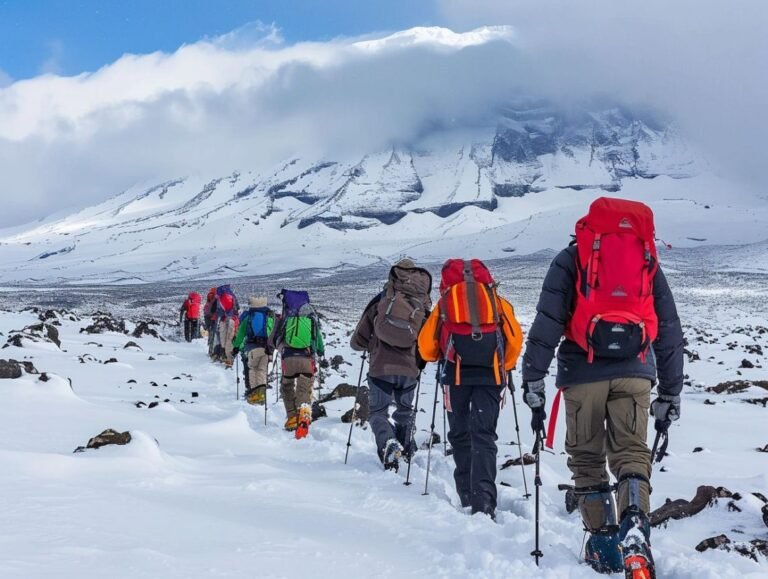
Traveling Alone To Kilimanjaro In December: Can You Join A Machame Route 2026
A practical guide for solo travelers planning a December Kilimanjaro climb. Discover how group joining works on the Machame Route, the realities of cost-sharing, and how to prepare for your...
View package details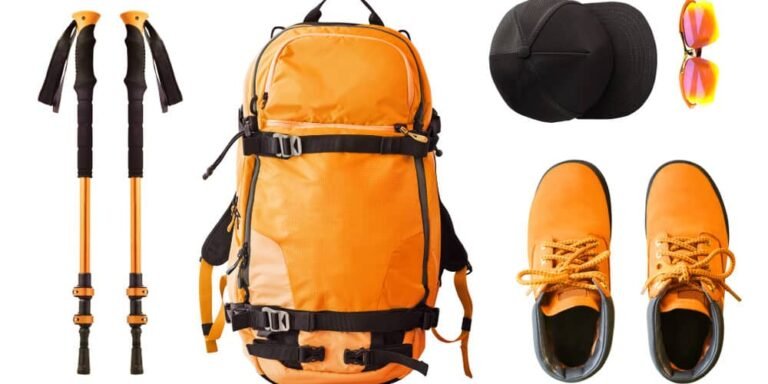
Kilimanjaro Honeymoon Climbing And Zanzibar Beach Holiday: December Planning
A practical guide for couples planning a Kilimanjaro climb and Zanzibar beach holiday in December 2026, focusing on route selection, recovery logistics, and planning timelines.
View package details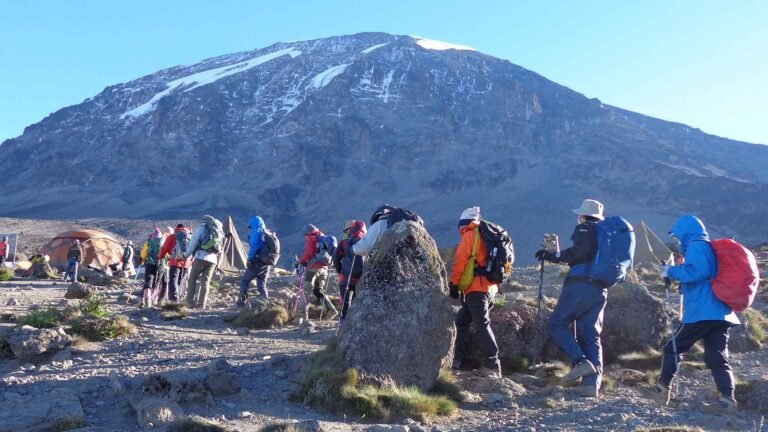
Last Minute Kilimanjaro Group Joining Deals December : Planning Your Climb
Looking for last-minute Kilimanjaro group joining deals in December 2026? Discover how to secure your spot, understand the route trade-offs, and plan your mountain ascent with expert local...
View package detailsDecember Kilimanjaro Group Departures For Solo Travelers: Planning Your Climb
A practical guide for solo travelers planning to climb Kilimanjaro in December 2026, covering group joining benefits, route selection, and booking logistics.
View package details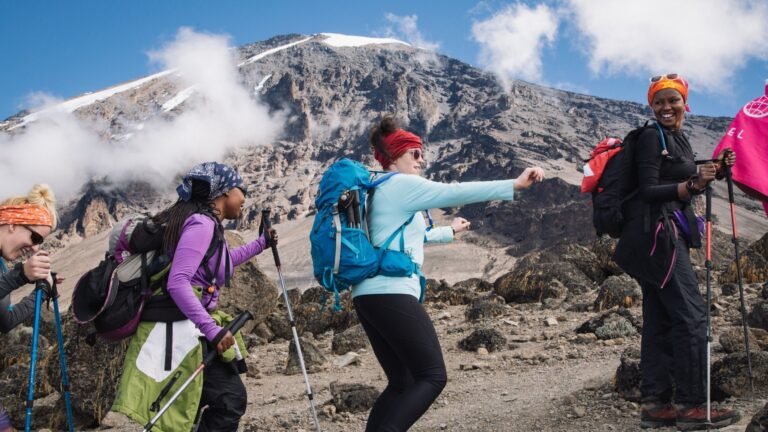
Join A Kilimanjaro Christmas Climbing Group In December 2026
A guide to securing your spot on a Kilimanjaro Christmas group climb for 2026, including route advice, group logistics, and essential planning steps.
View package detailsKilimanjaro Group Joining Tours December : Planning, Routes, And Availability
A detailed guide on planning your Kilimanjaro group joining climb for December 2026, including route comparisons, logistics, and how to secure your spot with Climb 4 Africa.
View package details
Romantic Kilimanjaro Summit Adventure For Couples December : Planning Your
A detailed guide for couples planning a Kilimanjaro summit in December 2026, focusing on route selection, acclimatization, and the benefits of private trekking arrangements.
View package details
Luxury Mount Kilimanjaro Trekking Packages December : Planning Your Premium
A detailed guide to booking luxury Kilimanjaro trekking packages for December 2026, covering route selection, premium service standards, and planning essentials.
View package details
9 Days Northern Circuit Kilimanjaro Trek December : The Ultimate
A comprehensive guide to the 9-day Northern Circuit route for December 2026, focusing on acclimatization, route advantages, and logistical planning.
View package details
Kilimanjaro New Year Summit Group Departures December : Planning Your Ascent
Planning a New Year summit on Kilimanjaro requires specific logistics. Learn how to join a group departure for December 2026, choose the right route, and prepare for your climb.
View package detailsNo related package matches those filters. Clear one or more filters to see the other topic-matched options.



