
Joining a Kilimanjaro Christmas climbing group in December 2026 requires early planning, typically six to twelve months in advance, due to the high demand for park permits and accommodation during this peak season. Unlike private climbs, joining a group allows you to share the fixed costs of the expedition—such as mountain crew, park entrance fees, and transportation—with other travelers. Because December falls during a period of shifting weather patterns, we strongly recommend routes like the 7-day Lemosho or 7-day Machame, which provide better acclimatization than shorter 6-day options. To secure your place, you should contact us at Climb 4 Africa early to verify current availability, as group sizes are capped to ensure safety and quality support.
The idea of standing on the Roof of Africa during the Christmas holidays is a compelling one. Many travelers choose December for their Kilimanjaro expedition because it aligns with time off from work and offers a unique way to celebrate the festive season. However, climbing in December is distinct from climbing in the middle of the year. The mountain experiences the tail end of the short rains, meaning you should be prepared for changing conditions, even if the overall trend is toward clearer skies and warmer temperatures.
Understanding the Group Joining Model
When you decide to join a Kilimanjaro Christmas climbing group, you are essentially opting into a pre-arranged expedition. This is a common choice for solo travelers, couples, or small groups of friends who want to keep costs manageable while benefiting from the camaraderie of a larger team. The primary advantage of a group joining tour is the shared cost structure. On Kilimanjaro, a significant portion of the trip cost is fixed: you must pay for a head guide, assistant guides, a cook, and a team of porters, regardless of whether there are two people or ten people in your group.
By joining a group, these fixed operational costs are distributed across all participants. This often makes the trip more affordable than a private climb. At Climb 4 Africa, we carefully curate these groups to ensure that everyone has similar goals and fitness levels, which helps maintain a consistent pace and morale throughout the trek.
Why Group Size Matters
We believe that smaller groups are better for safety and enjoyment. While some operators push for large groups to maximize profit, we prefer to keep our climbing teams at a manageable size. This allows for better communication between the guides and the climbers, ensures that the camp space is used efficiently, and creates a more cohesive atmosphere during the long evenings in the mess tent.
Route Selection for December Climbs
Choosing the right route for a December climb is crucial. While the weather is generally favorable, the mountain remains unpredictable. Your choice of route dictates your acclimatization profile and your overall experience of the mountain’s changing ecosystems.
The Machame Route
The Machame Route is frequently requested for December group departures. It is often called the “Whiskey Route” due to its challenging nature, but it offers some of the most spectacular scenery on the mountain. For a December climb, we strongly advocate for the 7-day itinerary over the 6-day version. The extra day provides a critical acclimatization window, significantly increasing your chances of a successful summit. On the 7-day route, you spend more time in the lower, temperate zones, allowing your body to adjust to the altitude before pushing toward the final ascent.
The Lemosho Route
If you have the time, the Lemosho Route is perhaps the best choice for a Christmas expedition. It begins on the western side of the mountain and merges with the Machame route later on. Because it starts at a lower elevation and traverses through less-trafficked areas initially, it offers a quieter, more isolated experience in the first few days. The Lemosho route is inherently longer, which aligns perfectly with our philosophy of “climb high, sleep low” to aid acclimatization.
Route Comparison at a Glance
To help you decide which path fits your 2026 plans, consider the following trade-offs:
| Route | Typical Duration | Best For | Acclimatization |
|---|---|---|---|
| Machame | 7 Days | Scenery & Challenge | Good |
| Lemosho | 7-8 Days | Solitude & Success Rate | Excellent |
| Rongai | 6-7 Days | Northern exposure (drier) | Moderate |
Note: These durations are our standard recommendations. Always contact us to confirm which specific group departures are available for your dates.
Planning for December 2026
December is one of the busiest months for tourism in Tanzania. Not only are people traveling to climb Kilimanjaro, but many are also combining their trek with a safari in the Serengeti or a beach holiday in Zanzibar. This high demand impacts everything from flight availability to accommodation in Moshi or Arusha.
We advise that you finalize your travel arrangements as early as possible. For a December 2026 climb, you should aim to have your tour booked and your flights secured by early 2026. This allows you to focus on your physical training and gear preparation without the added stress of last-minute logistics.
What to Expect at Camp
Climbing during the Christmas period has a specific vibe. While it is a serious expedition, there is often a festive spirit among the guides and porters. You might find that the camp team prepares a special meal or that there is a sense of celebration when you reach the summit. However, it is important to remember that you are in a remote, high-altitude environment. The focus remains on safety, hydration, and rest. Do not expect luxury resort amenities; instead, appreciate the unique experience of spending the holidays in one of the most dramatic landscapes on earth.
Addressing Common Concerns for Solo Travelers
Many of our clients ask, “I will be traveling alone in December. Can I join your Machame Route group and share the total cost?” The answer is yes. This is the primary purpose of our group joining system. You don’t need to find a group of friends to start your own expedition. By joining one of our existing departures, you become part of a team that has already been vetted and prepared for the trek.
We match you with other climbers who have similar expectations for the trip. If you are a fast hiker, we try to place you in a group that moves at a brisk pace; if you prefer a slower, more methodical climb, we place you accordingly. This matching process is something we handle personally, based on the information you provide in your booking inquiry.
Booking Your Expedition with Climb 4 Africa
When you are ready to move forward, the process is straightforward. We don’t rely on automated booking engines that might lock you into a rigid itinerary. We prefer to speak with you to understand your fitness level, your previous hiking experience, and your goals for the trip. This ensures that the group you join is the right fit for you.
To start, reach out to us directly. You can send us a message via WhatsApp at +255 747 477 898, or send an email to climb4africa@gmail.com or our backup address info@climb-4-africa.com. Please include your preferred dates, your preferred route, and whether you are traveling solo or with a partner. We will then provide you with the most up-to-date information on group vacancies for December 2026.
Once you have confirmed your spot, we provide a comprehensive packing list and detailed guidance on how to prepare for the altitude. We also assist with advice on travel insurance, which is mandatory for all our climbers, and can help you arrange pre-climb and post-climb accommodation if you plan to extend your stay with a safari or a trip to the coast.
Frequently Asked Questions
- Is it colder on the summit in December? December is the start of the summer season in the Southern Hemisphere, but at 5,895 meters, it is always cold. You must still pack for sub-zero temperatures at the summit, regardless of the month.
- Are there group joining safaris available after the climb? Yes, many of our climbers choose to join a safari group after their descent. We offer various shared tours that align with the end of our climbing expeditions.
- What if I need to cancel my 2026 booking? Our cancellation policy is clearly outlined during the booking process. We prioritize transparency and fairness, and we recommend that all clients purchase comprehensive travel insurance that includes trip cancellation coverage.
- Can I join a group if I am a beginner? Yes, many of our group members are first-time trekkers. The key is choosing the right route—specifically, a 7-day itinerary—and ensuring you have the proper physical conditioning before you arrive in Tanzania.
Your decision to climb Kilimanjaro is a significant one. Whether you are seeking a physical challenge, a mental reset, or simply an unforgettable way to spend the holidays, we are here to ensure your experience is safe, supported, and rewarding. Contact us today to discuss your plans for December 2026, and let us help you take the first step toward the summit.
Navigating Your Arrival and Pre-Climb Briefing
For many solo travelers joining a Kilimanjaro Christmas expedition, the most significant source of pre-trip anxiety is not the climb itself, but the logistics of arriving in Tanzania and successfully linking up with the group. When you book a group spot, you are typically expected to arrive in the region—most commonly via Kilimanjaro International Airport (JRO)—at least 24 to 48 hours before the scheduled departure date. This buffer is not merely a suggestion; it is a critical safety margin. It allows you to recover from international flights, adjust to the local time zone, and, crucially, complete the mandatory pre-climb briefing.
Upon arrival, your first point of contact will usually be a transfer to a hotel in Moshi or Arusha, depending on the operator’s base of operations. While you may be eager to explore, the day before your climb is dedicated to the final administrative and physical preparations. This is the time to finalize your rental gear, confirm your park documentation, and meet the support team who will be responsible for your safety on the mountain.
The Essential Gear Check
The gear check is perhaps the most vital component of your pre-climb briefing. Because you are part of a group, the lead guide must ensure that every member has adequate equipment to handle the sub-zero temperatures and unpredictable conditions of the upper slopes. Do not view this as a bureaucratic hurdle; it is a collaborative process. Whether you are renting sleeping bags, trekking poles, or high-altitude jackets, this session allows you to test the fit and function of your gear in a controlled environment before you are miles away from civilization.
If you discover that a critical piece of clothing is missing or malfunctioning, the briefing day provides the only window to source replacements from the operator’s inventory or local rental shops. Attempting to manage gear deficiencies on the mountain can jeopardize not only your own summit attempt but also the pace and safety of the entire group. Use this time to ask questions about how to layer your clothing for the summit night, as your guides will have the most current information on the specific conditions they have observed on the mountain in the days leading up to your arrival.
Meeting Your Expedition Team
The pre-climb briefing also serves as your first formal introduction to your fellow climbers. This is where the abstract concept of a “group joining model” becomes a tangible reality. You will meet the lead guide, who will walk you through the day-by-day itinerary, explain the pace of the trek, and address any final health concerns. This is an excellent opportunity to gauge the group dynamic, discuss pacing preferences, and establish a rapport with the people you will be living alongside for the next week.
Many solo travelers find that this meeting significantly reduces their apprehension. By the time you reach the trailhead the following morning, you will already be familiar with your teammates and the lead guide’s communication style. This early alignment is essential for group cohesion. Remember that everyone in your group is likely feeling a mix of excitement and nerves; sharing these feelings during the briefing creates a supportive atmosphere that pays dividends when the trail gets steep or the air gets thin.
Post-Summit Logistics and The Decompression Phase
The conclusion of your Kilimanjaro expedition during the Christmas season presents a unique logistical reality. Unlike climbing in the off-season, where the mountain is quiet and the towns are sleepy, late December in Tanzania is vibrant and high-energy. When you descend from the mountain—typically on the 26th, 27th, or 28th of December—you are re-entering a region that is in the middle of peak tourism demand. Understanding how to manage this transition is just as important as your summit preparation.
After the physical exertion of the summit, your body will experience a significant drop in adrenaline. Many climbers underestimate the ‘post-summit crash.’ You will be physically exhausted, and the sudden shift from the stark, quiet environment of the high-altitude camps to the noise and humidity of Moshi or Arusha can be disorienting. Plan your post-climb schedule to be intentionally light. Avoid booking international flights for the same day you descend from the mountain. We strongly recommend spending at least one full night in a hotel post-climb to recover, rehydrate, and ensure you are physically fit for travel. During this time, you will also need to finalize your departure logistics, which can be complicated by the holiday rush where transport services and local flights may be fully booked.
Tipping Etiquette in a Group Setting
One of the most significant aspects of the group joining model is the collective responsibility for tipping the mountain crew. In a private climb, tipping is a straightforward transaction between you and the guides. In a group setting, it becomes a communal effort that requires coordination. Because you have shared the journey, the struggles, and the summit success with your teammates, the tipping ceremony is often the emotional highlight of the trip.
We advise that your group discusses tipping expectations during the final dinner on the mountain. Because the crew size is large—often three to four staff members per climber—the total tip amount can be substantial. It is standard practice to pool your contributions as a group. This prevents awkwardness and ensures that every member of the support team, from the lead guide to the camp crew and porters, is recognized fairly. Do not wait until the final morning at the park gate to discuss this; the rush of departure is not the time for financial coordination. By handling the logistics of the ‘thank you’ on the mountain, you allow yourself to focus on the gratitude and celebration that defines the end of the expedition.
How to Verify Group Availability for December 2026
Because we do not use automated booking systems that might force you into a suboptimal route or a group that does not match your fitness level, verifying availability for December 2026 requires a direct inquiry. We manage our group sizes carefully to prioritize safety and acclimatization, which means spots are finite. When you contact us, we need specific information to ensure you are placed in the right group for your experience level. Please be prepared to provide the following details so we can give you an accurate status update on our December departures:
| Information Needed | Why We Ask |
|---|---|
| Preferred Start Date | To align with our fixed, high-success-rate departure windows. |
| Prior High-Altitude Experience | To match you with a group of similar fitness and pace. |
| Route Preference | To verify if you are looking for the Lemosho (best for acclimatization) or Machame (best for scenery). |
| Number of Travelers | To confirm if you are joining as a solo, couple, or small group. |
| Post-Climb Plans | To advise on whether you need assistance with safari or Zanzibar logistics. |
Once you provide this information, we will cross-reference our current permit allocations and guide availability. If a specific date is full, we will provide alternatives that offer the same acclimatization profile. Do not rely on third-party aggregators that may show ‘ghost’ availability; contacting us directly is the only way to guarantee your place on a confirmed December 2026 departure.
Training and Physical Conditioning for a December Ascent
Preparing for a Kilimanjaro expedition in December requires a different mindset than training for a standard summer hike. Because you are targeting a year-end departure, your training arc will likely coincide with the autumn months in the Northern Hemisphere, often characterized by shorter days and colder weather. This is actually an advantage, as it allows you to acclimatize your body to colder temperatures and gear usage before you even arrive in Tanzania.
The most effective training for Kilimanjaro is not found in a gym, but on the trail. You must prioritize time on your feet. While cardiovascular health is essential, the specific stresses of a multi-day ascent—carrying a daypack, navigating uneven terrain, and managing constant elevation change—require a specific conditioning protocol. We recommend a phased approach that begins at least six months prior to your December departure.
- Phase 1: The Aerobic Base (6–4 months out): Focus on steady-state cardio. Running, cycling, or swimming are excellent, but you should transition to long, slow hikes as soon as possible. Your goal here is endurance, not speed. You are training your body to operate efficiently for 5–7 hours a day at a moderate heart rate.
- Phase 2: The Load-Bearing Phase (4–2 months out): This is where many climbers falter. You must train with the weight you intend to carry on the mountain. Start with a 5kg pack and gradually increase to 10–12kg. Use the boots you plan to wear on Kilimanjaro to break them in thoroughly. If you live in a flat area, find stairs or a stadium and repeat the ascent until your legs fatigue.
- Phase 3: The Peak Conditioning Phase (2 months out): Focus on leg strength and core stability. Incorporate lunges, step-ups, and calf raises into your routine. These exercises mimic the repetitive motion of the mountain trail and help protect your knees during the long descent from the summit.
Consistency is more important than intensity. A climber who hikes 10 kilometers every weekend with a weighted pack will fare significantly better than a climber who runs 5 kilometers three times a week. The goal is to make the physical exertion feel routine, so that when you arrive in December, your body is already conditioned for the rhythm of the trail.
The Reality of Summit Night During the Festive Season
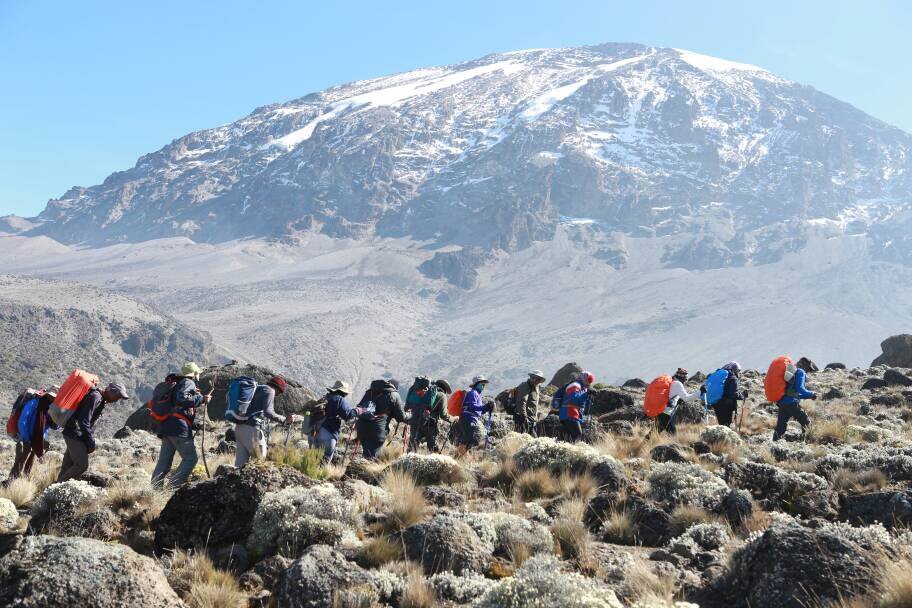
Summit night is the defining moment of any Kilimanjaro expedition, but doing it in late December introduces a unique set of variables. Because December is the peak of the climbing season, the mountain is busier than at any other time of the year. This creates a phenomenon known as the “summit bottleneck,” where hundreds of climbers from various groups attempt to reach Uhuru Peak at the same time.
In a group joining model, your lead guide will have a distinct strategy to mitigate this. Rather than following the standard midnight start time, which is when the majority of climbers depart, your guide may suggest a slightly adjusted schedule. This is not just about avoiding crowds; it is about safety. When the trail is congested, the pace slows significantly. Standing still on the upper slopes in sub-zero temperatures is a recipe for rapid heat loss and altitude sickness. By coordinating with the other groups in our network, we often manage to stagger departure times, ensuring that our climbers have a clear path and maintain a consistent, heat-generating pace.
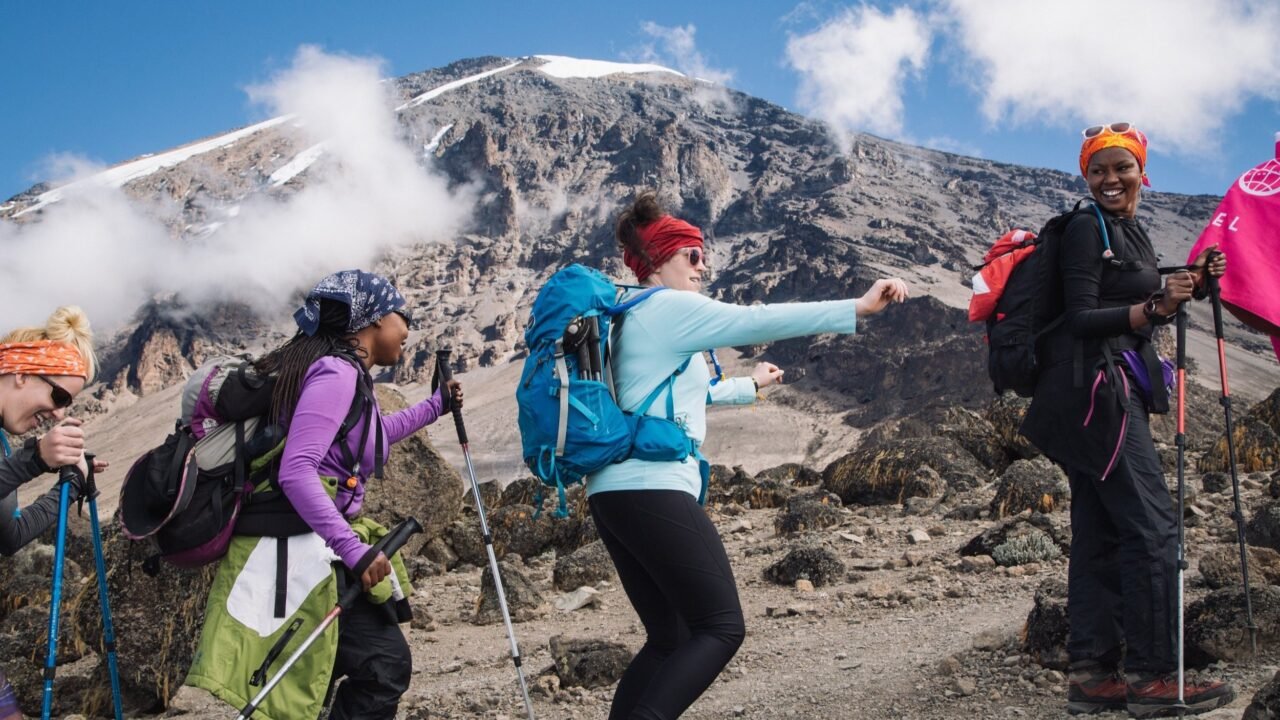
Mentally, the festive season adds another layer of complexity. You are waking up at 11:00 PM or midnight, often while the rest of the world is celebrating Christmas or preparing for New Year’s Eve. This dissonance can be jarring. You may find yourself reflecting on home, family, and the holidays while fighting the physical exhaustion of the ascent. It is vital to prepare for this mental shift. Use the days leading up to the summit push to build camaraderie within your group. Share your motivations for the climb—whether it is a personal challenge, a tribute, or simply a way to reset for the coming year. When the summit push becomes difficult, that shared purpose with your teammates becomes your strongest asset. The festive spirit, while distant, can be channeled into a collective celebration at the summit, making the achievement of standing on the Roof of Africa in the final days of the year a deeply profound experience.
Navigating the Social Dynamics of a Holiday Expedition
When you join a Kilimanjaro Christmas climbing group, you are essentially forming a temporary, high-stakes community. Unlike traveling with established friends, you are joining a cohort of strangers who have all made the independent choice to spend their holiday on the mountain. This creates a unique social dynamic. In December, the typical “trail talk” often shifts from technical gear discussions to reflections on home, family traditions, and the motivations behind choosing such a demanding way to spend the festive season. It is common for groups to experience a rapid “forming, storming, norming, and performing” cycle. During the first two days, you may find the group is polite but reserved. By the time you reach the mid-altitude camps, the shared physical challenge of the hike often breaks down social barriers, leading to genuine camaraderie. For solo travelers, this is often the most rewarding aspect of the trip: you are not just climbing a mountain; you are building a support network with people who share your specific desire to challenge themselves during the year-end period.
Celebrating Christmas Day on the Slopes
A common misconception among first-time December climbers is that the mountain experience will mirror the festive atmosphere of home. It is vital to manage these expectations. If your itinerary places you on the mountain on December 25th, you will likely be in the middle of a standard trekking day—moving from one camp to the next, managing your hydration, and focusing on acclimatization. The mountain does not pause for the holiday. However, the expedition team often acknowledges the date with small, thoughtful gestures. You might find the kitchen staff preparing a slightly more elaborate meal or perhaps a small, improvised celebration in the mess tent. It is not uncommon for the guides to lead a song or share a local festive tradition. The true “gift” of the day is the shared experience of being in such a remote, impressive environment with a team that has become your temporary family. Do not expect luxury or elaborate decor; instead, prepare to find joy in the simplicity of the moment, the crisp mountain air, and the collective focus on the upcoming summit push.
Structuring Your Inquiry for a Group Spot
When contacting an operator to verify availability for December 2026, the quality of your inquiry directly influences the speed and accuracy of the response. Operators are managing high volumes of requests during this peak season, and a vague email often results in a generic reply. To ensure you are matched with a group that fits your pace and preferences, provide a concise “climber profile” in your initial outreach. Include your previous high-altitude experience—even if it is just a high-altitude hike or a previous climb—to help the lead guide understand your baseline fitness. Clearly state your preferred route (e.g., Lemosho or Machame) and your exact arrival and departure window in Tanzania. If you have specific dietary requirements or medical considerations, mention these upfront, as this affects the logistics of the group’s food supply and safety planning. By providing these details, you allow the operator to perform a “fit check” before confirming your spot, ensuring that you aren’t just joining any group, but one that is physically and socially aligned with your own capabilities and goals.
Related Guides and Packages
Check Availability for Join A Kilimanjaro Christmas Climbing Group In December 2026
Ready to compare dates, prices, and the best option for your group? Send the package name and travel month so the team can reply with a clear quote, availability, and what is included.
Last Minute Kilimanjaro Group Joining Deals December : Planning Your Climb
Looking for last-minute Kilimanjaro group joining deals in December 2026? Discover how to secure your spot, understand the route trade-offs, and plan your mountain ascent with expert local...
View package details
Kilimanjaro Small Group Climbing Tours Before Christmas 2026
Planning a Kilimanjaro summit before the holidays? Explore the logistics, route choices, and small group benefits for December 2026 climbs.
View package details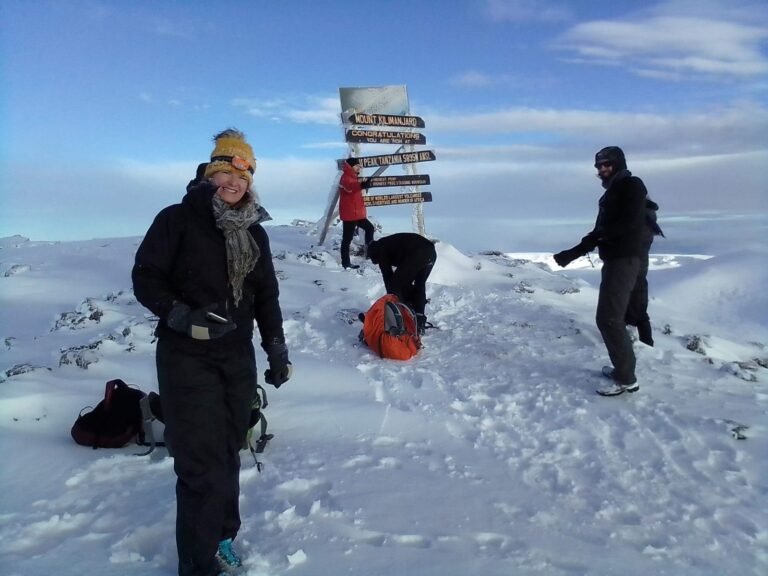
Affordable Kilimanjaro Group Joining Safari And Trekking Packages December
A practical guide to booking affordable, reliable group joining treks on Kilimanjaro and wildlife safaris in Tanzania for December 2026, focusing on logistics, shared costs, and travel...
View package details
Best Kilimanjaro Group Climbing Packages For December : A Practical Guide 2026
A practical guide to selecting Kilimanjaro group climbing packages for December 2026, focusing on route logistics, weather considerations, and cost-sharing benefits.
View package detailsKilimanjaro Group Joining Tours December : Planning, Routes, And Availability
A detailed guide on planning your Kilimanjaro group joining climb for December 2026, including route comparisons, logistics, and how to secure your spot with Climb 4 Africa.
View package details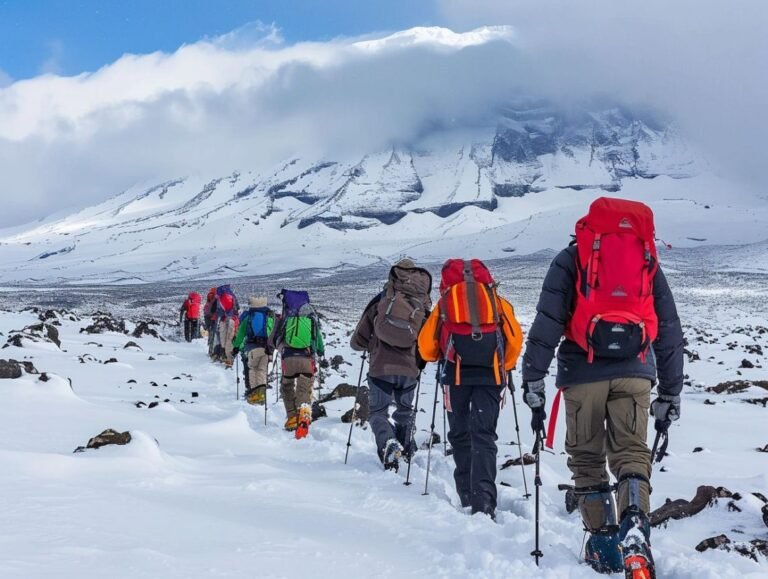
Traveling Alone To Kilimanjaro In December: Can You Join A Machame Route 2026
A practical guide for solo travelers planning a December Kilimanjaro climb. Discover how group joining works on the Machame Route, the realities of cost-sharing, and how to prepare for your...
View package details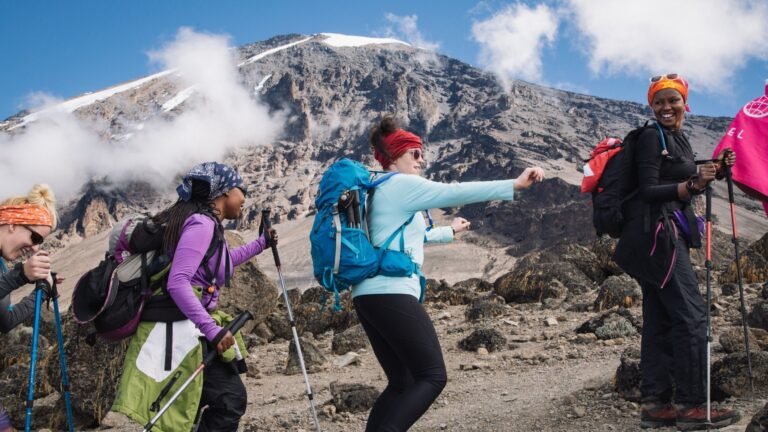
Kilimanjaro Group Joining Climbs: December Planning Guide 2026
Planning your Kilimanjaro adventure for December 2026? Find out how group joining climbs work, why December is a prime time to summit, and how to secure your spot with our expert team.
View package details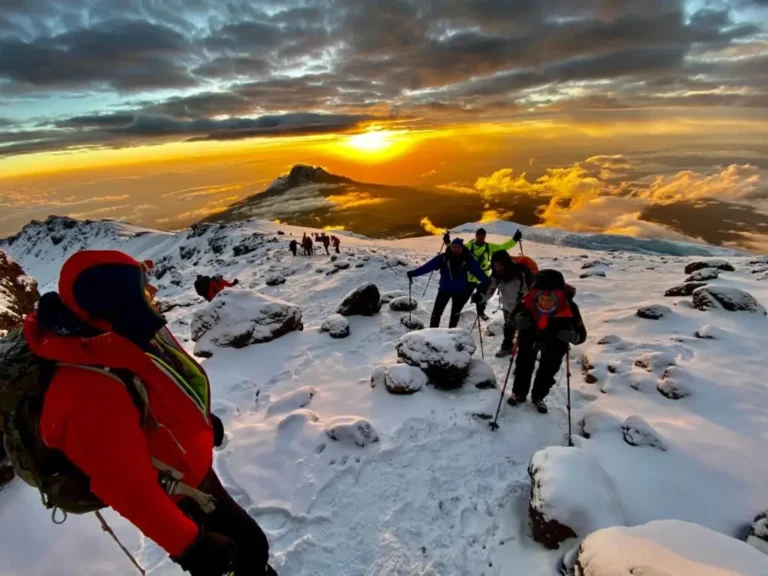
Kilimanjaro New Year Summit Group Departures December : Planning Your Ascent
Planning a New Year summit on Kilimanjaro requires specific logistics. Learn how to join a group departure for December 2026, choose the right route, and prepare for your climb.
View package detailsDecember Kilimanjaro Group Departures For Solo Travelers: Planning Your Climb
A practical guide for solo travelers planning to climb Kilimanjaro in December 2026, covering group joining benefits, route selection, and booking logistics.
View package detailsCan I Join A Safari Group Directly From Kilimanjaro Airport? Logistical Guide
A practical guide to coordinating your arrival at Kilimanjaro International Airport (JRO) with a scheduled group safari, including logistical requirements and booking tips.
View package details
Kilimanjaro Honeymoon Climbing And Zanzibar Beach Holiday: December Planning
A practical guide for couples planning a Kilimanjaro climb and Zanzibar beach holiday in December 2026, focusing on route selection, recovery logistics, and planning timelines.
View package detailsShira Route Kilimanjaro Climbing Itinerary For December : Expert Guide 2026
A deep look at the Shira Route for December 2026, covering the unique high-start logistics, acclimatization advantages, and step-by-step itinerary planning.
View package detailsNo related package matches those filters. Clear one or more filters to see the other topic-matched options.



